First Time in London: Everything You Need to Know
London is one of the world's great cities, spanning 1,572 km² across 32 boroughs with 9.1 million residents and over 300 languages spoken. This guide covers everything a first-time visitor needs: how to get in, how to get around, which neighborhoods to prioritize, what to book in advance, and the practical details that make the difference between a stressful trip and a great one.
Plan and book this trip
Tools from our partner Travelpayouts help you compare flights and hotels. If you book through them, we may earn a commission at no extra cost to you.
Flights
Hotels map
TL;DR
- London is best explored over 3–5 days; limit yourself to 1–2 major sights per day to account for travel time between neighborhoods.
- Use an Oyster card or contactless bank card for all public transport — it caps daily spending automatically and is far cheaper than buying individual tickets.
- Book the Tower of London, London Eye, and Shakespeare's Globe in advance; the British Museum is free but timed entry slots can fill up.
- The currency is pound sterling (GBP). Contactless payment is accepted almost everywhere, but carry some cash as a backup.
- Check our 3-day London itinerary if you want a structured plan built around these essentials.
The Basics: What London Actually Is
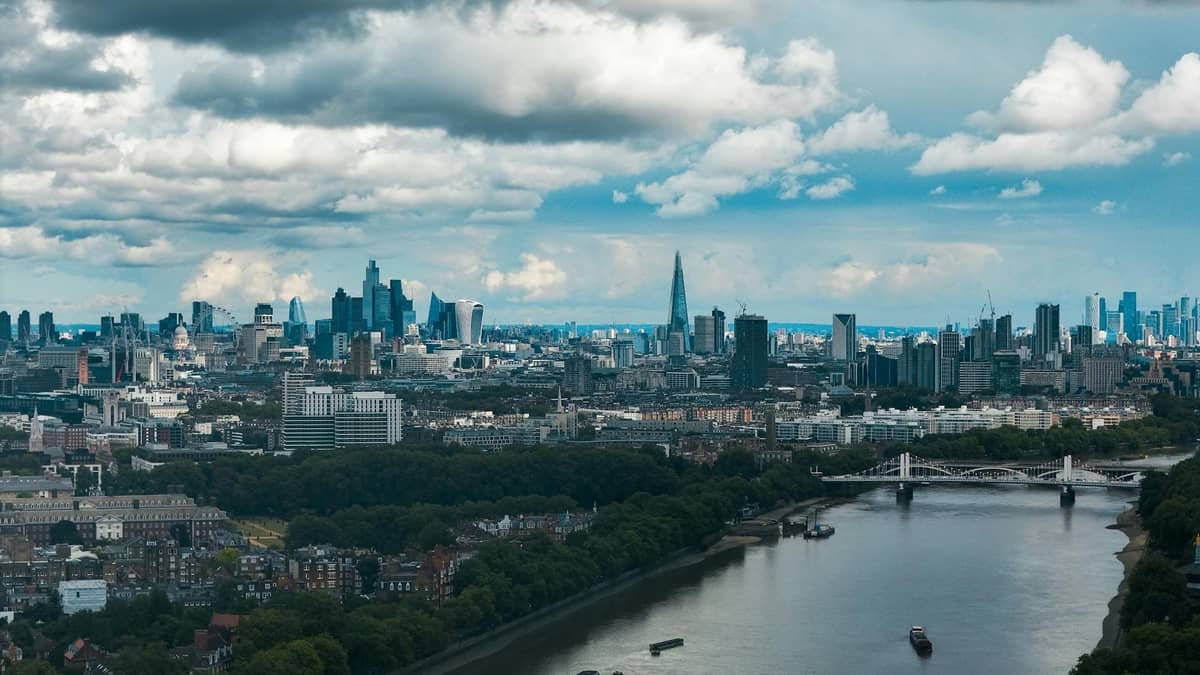
London is the capital of both England and the United Kingdom, sitting on the River Thames in southeastern England, roughly 50 miles (80 km) upstream from its estuary on the North Sea. The city proper — Greater London — covers 1,572 km² and is home to around 9.1 million people, with a wider metropolitan area of approximately 15.1 million. It is governed by 32 boroughs plus the historic City of London, a separate 1-square-mile financial district (often called the Square Mile) that is technically distinct from Greater London.
The currency is pound sterling (GBP). Standard time is Greenwich Mean Time (GMT, UTC+0); clocks shift to British Summer Time (BST, UTC+1) from late March to late October. English is the working language of government and daily life, though more than 300 languages are spoken across the city. The plug type is the UK Type G three-pin rectangular socket, operating at 230V/50Hz, so visitors from North America, Europe, and much of Asia will need an adapter. Tap water is safe to drink throughout the city.
ℹ️ Good to know
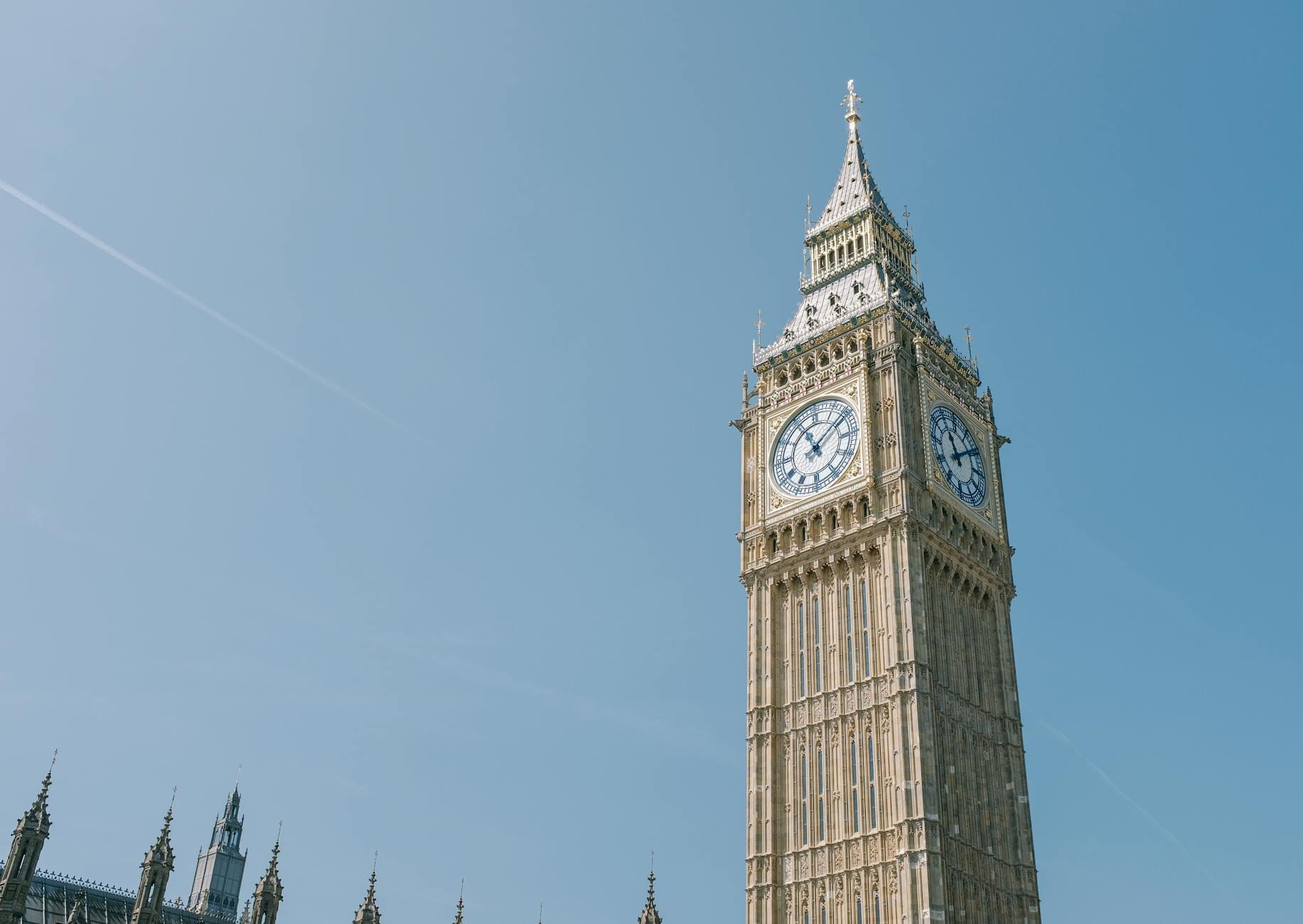
Common mix-up: 'Big Ben' is the name of the bell inside Elizabeth Tower, not the tower itself. The London Underground (opened 1863) is the world's oldest metro system. And the City of London is not the same thing as London — it's a tiny historic core of about 1 square mile within the much larger city.
Getting to London: Airports and Transfers
London is served by several airports commonly marketed as serving the city. Most long-haul flights arrive into Heathrow (LHR), about 14 miles (23 km) west of central London, or Gatwick (LGW), around 28 miles (45 km) south. Stansted (STN) is about 40 miles northeast and handles mostly European budget carriers. Luton (LTN) is about 35 miles north, also budget-focused. London City Airport (LCY) is just 6–9 miles east of the centre, primarily used for business travel.
- Heathrow to Central London Fastest option: the Elizabeth line (around 30–40 minutes to Paddington or further east, approximately £12–14 pay-as-you-go). Budget option: Piccadilly line Tube, around 50–60 minutes, approximately £3–6 depending on time of day. Premium option: Heathrow Express non-stop to Paddington in 15 minutes, from around £16.50–£25 depending on how far in advance you book. Black cab: £50–£100 depending on traffic and destination.
- Gatwick to Central London Gatwick Express to Victoria in about 30 minutes, single fares typically from around £17–£20 in advance. Southern and Thameslink trains are slower but cheaper, often under £10–£15, with services to Victoria, London Bridge, and St Pancras. Taxi or private hire: expect £60–£120+ depending on destination and traffic.
- Stansted to Central London Stansted Express to Liverpool Street in around 45–50 minutes; advance fares from approximately £9.90–£20+. National Express coaches are slower (around 1h 40min) but significantly cheaper.
- London City Airport to Central London DLR (Docklands Light Railway) direct to Bank/Monument in around 20–25 minutes, using Oyster or contactless at standard zone fares — usually just a few pounds.
⚠️ What to skip
Transport fares and timetables change regularly. Always verify current prices with TfL (tfl.gov.uk) or the relevant rail operator before travel. Do not rely on fares listed in any travel guide, including this one, as your final reference.
Getting Around London
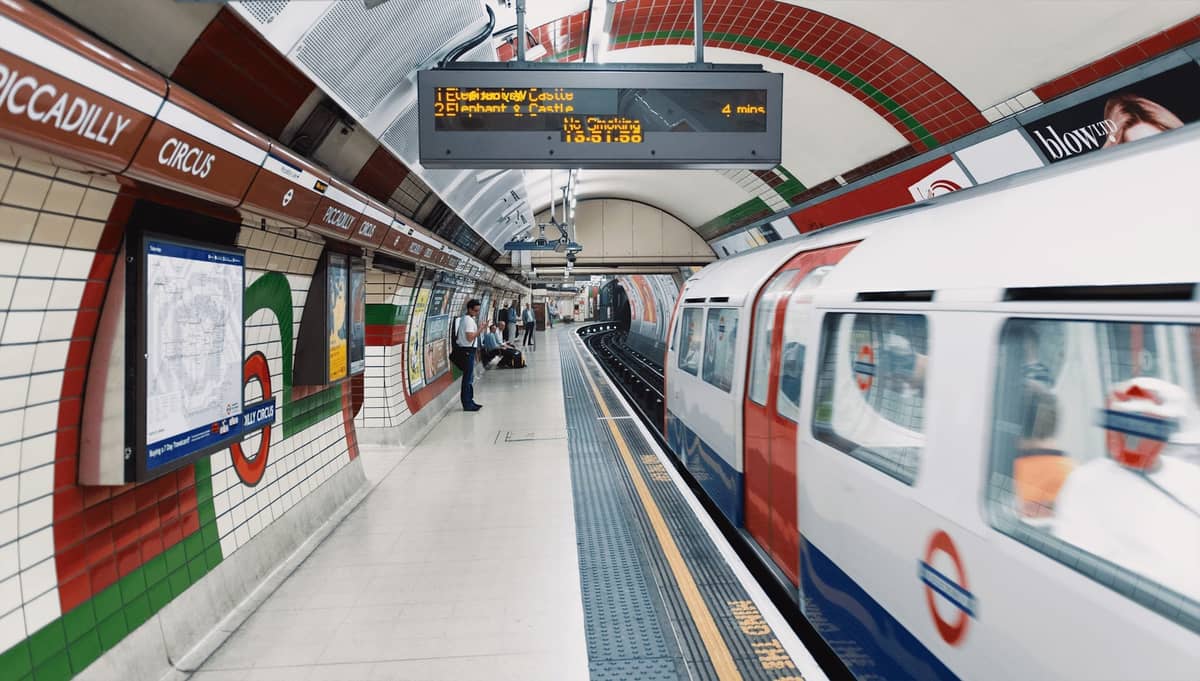
The London Underground — universally called the Tube — runs 11 lines across central and Greater London. For most first-time visitors, the Tube is the backbone of getting around. The full guide to getting around London covers every mode in detail, but the single most important thing to know is this: use a contactless debit or credit card, or an Oyster card, rather than buying paper tickets. The system automatically applies the cheapest fare for your journeys and caps your daily spend.
Beyond the Tube, the network includes London Overground (orbital and radial surface rail), the Elizabeth line (a high-frequency east-west railway through the city), the DLR (serving east London and Canary Wharf), and an extensive bus network that runs 24 hours on many routes. Buses in London no longer accept cash, so you must use Oyster, contactless, or a pre-purchased bus pass. Ride-hailing apps — Uber, Bolt, and Free Now (which also books black cabs) — all operate in London and are useful late at night or when carrying luggage.
✨ Pro tip
Walking between nearby sights is often faster than taking the Tube. Covent Garden to Trafalgar Square, for example, is about a 10-minute walk but the Tube journey (with platform changes and waiting time) can take longer. Download Citymapper rather than relying on Google Maps — it includes live bus and Tube disruptions.
London's Neighborhoods: Where to Focus First
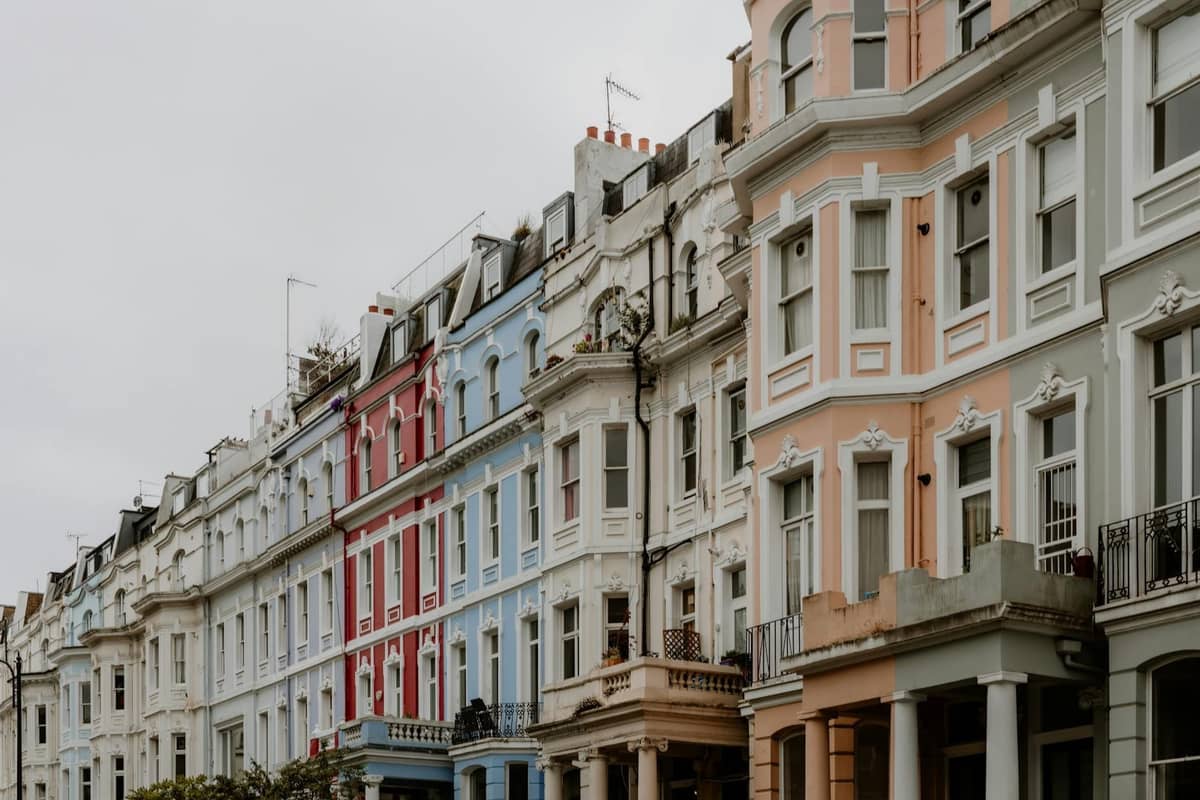
London is enormous — 1,572 km² — and trying to cover too much ground in a first visit is one of the most common mistakes. Each neighborhood has a distinct character, and the travel time between them adds up quickly. For a first trip, concentrate on areas that cluster major sights together.
- Westminster and the South Bank The core first-timer circuit: Big Ben and Elizabeth Tower, Westminster Abbey, Buckingham Palace, and the Houses of Parliament sit within walking distance of each other. Cross Millennium Bridge or Waterloo Bridge to reach the South Bank, where the Tate Modern, Shakespeare's Globe, and Borough Market are all within a short walk along the Thames.
- The West End Covent Garden, Trafalgar Square, the National Gallery, Soho, and the theatre district are all here. This is also where Oxford Street, Carnaby Street, and Leicester Square are located — compact but very walkable once you're in it.
- Kensington and Chelsea Home to three world-class free museums: the Natural History Museum, the Science Museum, and the Victoria and Albert Museum. All sit within a five-minute walk of each other on Exhibition Road. Harrods and Hyde Park are nearby.
- The City and East London The Tower of London, Tower Bridge, and St Paul's Cathedral anchor this area. Further east, Shoreditch and Brick Lane offer a completely different atmosphere: street art, independent restaurants, and weekend markets.
- Camden and North London Camden Market draws visitors for its food stalls and counterculture energy. Hampstead Heath to the north offers elevated views across the city — the Heath rises to around 134 metres, one of London's highest natural points.
Greenwich deserves a day trip if you have more than three days. The Royal Observatory, the Prime Meridian line, the Cutty Sark, and the Old Royal Naval College (a UNESCO World Heritage Site) are all within easy reach via the DLR or river boat. It offers a perspective on London's maritime and scientific history that the central sightseeing circuit misses entirely.
What to Book in Advance (and What You Don't Need To)
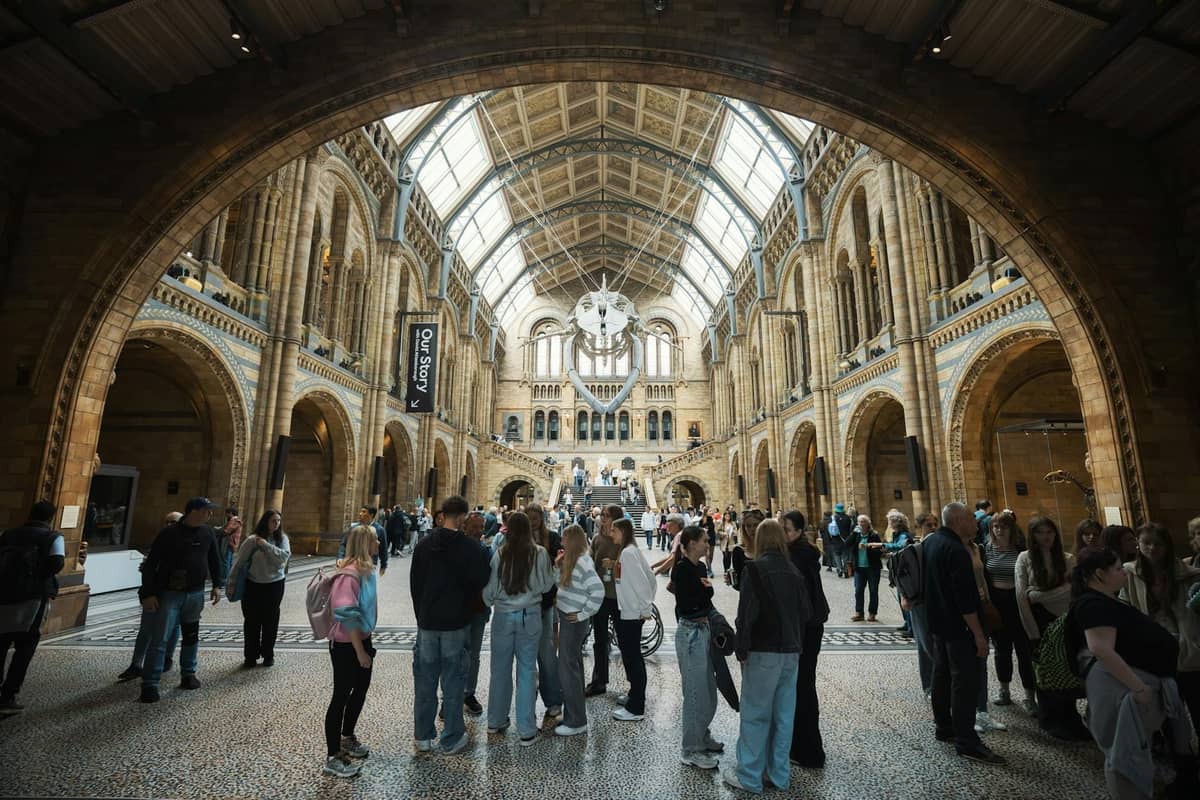
London's free museums — the British Museum, Natural History Museum, Science Museum, Victoria and Albert Museum, National Gallery, Tate Modern — do not charge admission for their permanent collections. However, free does not mean walk-in guaranteed. The British Museum in particular is heavily visited and timed entry slots for the main galleries can fill weeks ahead during peak summer months (late June through August) and school holidays. Book a free timed entry ticket through the museum's official website before you travel.
Paid attractions that frequently sell out include the Tower of London, the London Eye, and the Warner Bros. Studio Tour (Harry Potter). West End shows should be booked at least a few weeks ahead for popular productions, though last-minute tickets via official box offices or TKTS in Leicester Square can be found at a discount. Buckingham Palace interior tours are seasonal — typically running for around 10 weeks in late summer (usually late July through August) — so check the official Royal Collection Trust website for current-year dates well before booking flights.
- Book in advance: Tower of London, London Eye, Warner Bros. Studio Tour, Buckingham Palace summer tours, popular West End shows, Borough Market food tours
- Free but worth pre-booking: British Museum (timed entry), Natural History Museum (during school holidays), Sky Garden (free but timed tickets required)
- Generally walk-in friendly: Tate Modern, National Gallery, Victoria and Albert Museum (outside peak season), St Paul's Cathedral exterior, Tower Bridge walkway (check seasonally)
Money, Costs, and Practical Realities
London is an expensive city by most international standards. Budget travellers can manage on around £60–80 per day by using free museums, cooking some meals, and staying in hostels or budget hotels. Mid-range visitors spending on sit-down meals, paid attractions, and a decent hotel should expect £150–250 per day per person. At the top end, the sky is the limit.
Eating affordably is possible. Street food markets likeBorough Market offer world-class food at reasonable prices. Pubs serve food at lunch for far less than equivalent restaurant meals. Many chains (Pret a Manger, Itsu, Leon) are reliable for quick, decent lunches under £8–10. The expensive tourist trap to avoid: sitting down at a restaurant in Leicester Square or directly opposite a major attraction — prices are inflated and quality rarely matches.
Restaurant service charges: many London restaurants now add around 12.5% to the bill as a discretionary service charge. This is not legally mandatory, and you can ask for it to be removed if service was poor. Where no service charge is included, tipping around 10–15% is conventional. You do not tip in pubs when ordering at the bar. For emergencies, dial 999 (UK standard) or 112 (European standard, also works in the UK). The UK country dialling code from overseas is +44.
💡 Local tip
Visa requirements: the UK operates its own immigration rules, entirely separate from the Schengen Area. Citizens of the EU, EEA, US, Canada, Australia, New Zealand, Japan, Singapore, and many others can visit for short stays (typically up to 6 months for tourism) without a visa. Other nationalities require a Standard Visitor visa obtained before travel. Always check GOV.UK for current entry requirements before booking, as rules can change.
When to Visit and What to Expect
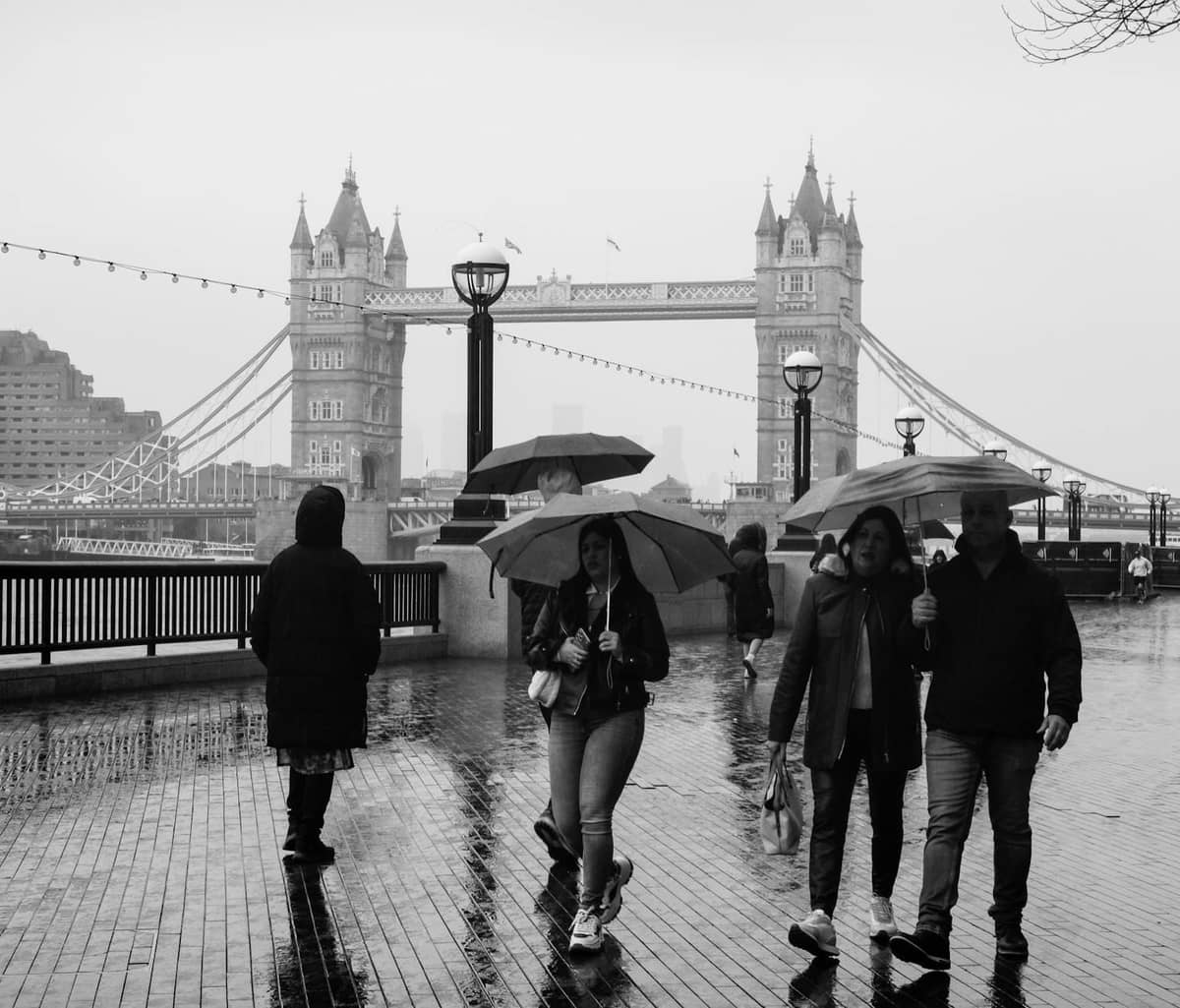
London has a temperate oceanic climate (Köppen Cfb): mild winters, cool summers, and rain distributed fairly evenly across all 12 months. Average monthly rainfall is around 40–60 mm with approximately 11–13 rainy days per month, so packing a compact umbrella is practical regardless of when you travel. The idea that London is perpetually grey and rainy is somewhat overstated — but it is not entirely wrong either.
May through September offers the most comfortable temperatures (average highs around 18–24°C) and the longest daylight hours. This is also peak tourist season, meaning higher accommodation prices, larger crowds at major sights, and the need to book further ahead. Late spring (May) and early autumn (September) are often the practical sweet spot: pleasant weather without the peak-summer intensity. The best time to visit London depends significantly on what you want to do — December brings Christmas markets and a different atmosphere entirely, while summer brings outdoor events and longer evenings.
First-time visitors often underestimate how much London rewards slowing down. Build in time to walk along the River Thames, sit in one of the Royal Parks, or explore a neighborhood market without a strict schedule. The best experiences in London are rarely the ones that appear on a checklist.
FAQ
How many days do I need for a first trip to London?
Three to five days is the most commonly recommended range for a first visit. Three days lets you cover the major landmarks — Westminster, the South Bank, Kensington museums, and the City — without rushing. Five days allows for a day trip to Greenwich or another outer area, plus more time in neighborhoods like Camden, Shoreditch, or Notting Hill. Beyond five days, you'll start benefiting from a more structured plan by neighborhood.
What is the cheapest way to get from Heathrow to central London?
The Piccadilly line (London Underground) is the cheapest airport transfer from Heathrow, costing around £3–6 for a pay-as-you-go single fare depending on time of day. The journey takes about 50–60 minutes to central stations like Piccadilly Circus or King's Cross. The Elizabeth line is faster (30–40 minutes) and costs around £12–14 but is still far cheaper than the Heathrow Express (from £16.50) or a taxi (£50–100).
Do I need to book London attractions in advance?
Yes, for several key ones. The Tower of London, London Eye, and Warner Bros. Studio Tour regularly sell out, especially in summer. The British Museum is free but timed entry slots fill up during peak periods. Buckingham Palace interior tours are only available for roughly 10 weeks in late summer and must be booked through the Royal Collection Trust. Booking 2–4 weeks ahead is a sensible minimum for any major paid attraction during June through August.
Is London safe for first-time visitors?
London is broadly safe for tourists and receives tens of millions of visitors annually. Standard urban precautions apply: be aware of pickpockets in crowded areas like Oxford Street, Covent Garden, and on the Tube, keep an eye on your belongings, and avoid displaying expensive items unnecessarily. The Metropolitan Police publishes current crime data by area at met.police.uk. For a practical overview of what to watch out for, see the official GOV.UK travel advice and our London safety guide.
Can I use euros or US dollars in London?
No. London's currency is pound sterling (GBP), and virtually no mainstream retailers or transport services accept foreign currencies. Contactless card payment (Visa, Mastercard, Amex) is accepted almost everywhere including buses, the Tube, and most shops and restaurants. Inform your bank before travelling to avoid card blocks. ATMs are widely available throughout the city.