3 Days in London: The Perfect Itinerary
Three days in London is enough to cover the essential sights, explore a couple of neighbourhoods, and get a real feel for the city. This itinerary is built around practical logistics, clear priorities, and current ticket prices so you can spend less time planning and more time exploring.
Plan and book this trip
Tools from our partner Travelpayouts help you compare flights and hotels. If you book through them, we may earn a commission at no extra cost to you.
Flights
Hotels map
TL;DR
- Three days covers Westminster, the South Bank, the City, and a major museum district if you plan smart and pre-book timed tickets.
- Use contactless payment or an Oyster card for all public transport — the Tube daily cap for Zones 1-2 is currently £8.90. See our full guide to getting around London for route and fare details.
- Book the Tower of London (from £37), Westminster Abbey (£31), and the London Eye (from ~£30 if booked well in advance) well in advance — walk-up queues at peak times are brutal.
- National museums including the British Museum, Natural History Museum, and V&A are free to enter; the British Museum and Natural History Museum still offer free timed tickets, but the V&A no longer requires or offers timed entry booking.
- If you have more time, check our 5-day London itinerary to extend your trip.
Before You Arrive: Booking Priorities and Logistics
London rewards preparation more than most cities. The headline sights — Tower of London, Westminster Abbey, the London Eye — all use timed or advance ticketing, and prices are noticeably lower online than at the door. Book these before you leave home, especially if visiting between June and August or during the Christmas and New Year period, when queues and sold-out slots are common.
Getting in from the airport is straightforward. From Heathrow, the Piccadilly line runs direct to central London in around 50-60 minutes on a pay-as-you-go fare of approximately £5.60 at peak times. The Elizabeth line is faster (30-40 minutes) but costs £13.30 to Zone 1. From Gatwick, the Gatwick Express reaches Victoria in about 30 minutes with online advance fares typically from around £19–£20. Full breakdown of options is in our London airport transfer guide.
💡 Local tip
You do not need to buy an Oyster card. Any contactless debit or credit card, or mobile wallet like Apple Pay, works on all TfL services with exactly the same fares and daily caps. If you are visiting for just three days, skip the Oyster entirely unless you want the physical card as a souvenir.
- Tower of London Adult tickets £37 (standard admission). Open approximately 10:00-17:30 in summer, shorter hours in winter. Allow 2-3 hours.
- Westminster Abbey Adult tickets £29.00 online (slightly more walk-up). Closed to tourists on Sundays and during special services. Allow 1.5-2 hours.
- London Eye From ~£33 with advance booking. Dynamic pricing means the earlier you book, the cheaper the ticket.
- Sky Garden Free but requires advance booking through the Sky Garden website. Limited same-day walk-up slots available; photo ID required at security.
- British Museum / Natural History Museum / V&A Free entry. Timed booking strongly advised, especially during school holidays. Book online before your visit.
Day 1: Westminster, the South Bank, and the Thames
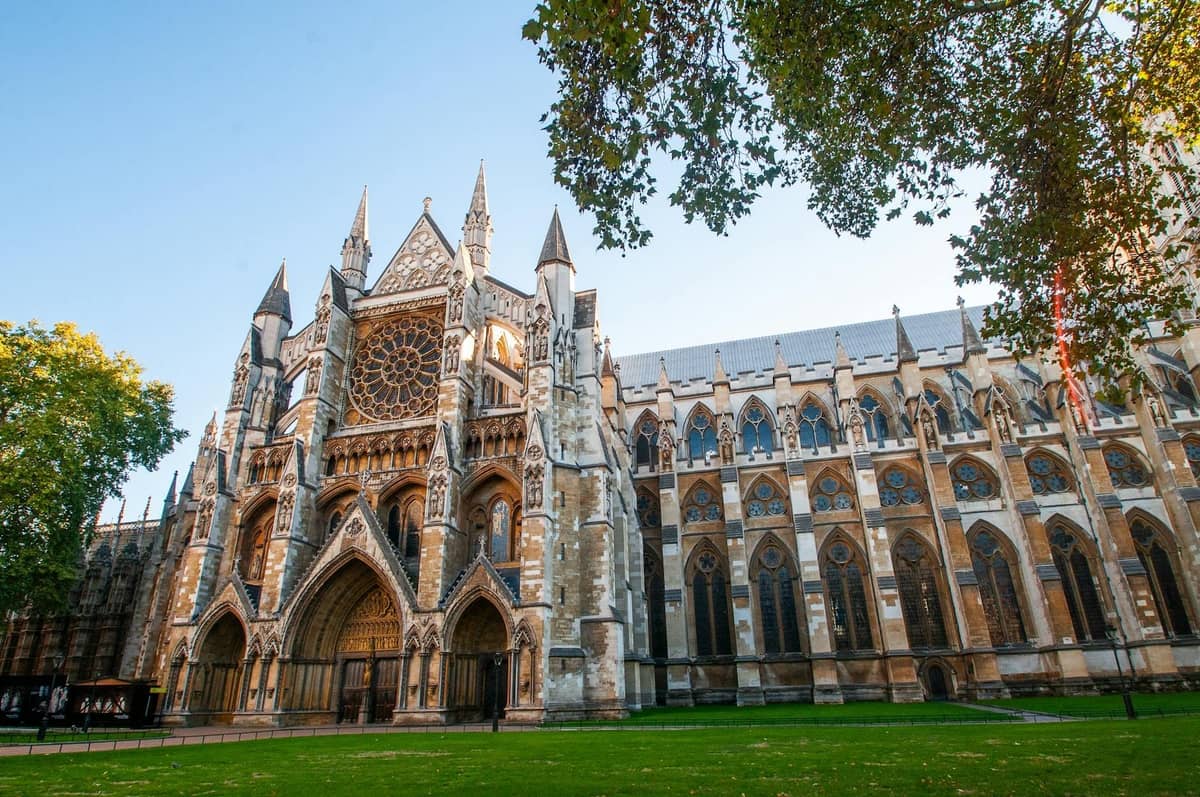
Start in Westminster, which concentrates more of London's symbolic landmarks than anywhere else in the city. Begin at Westminster Abbey when it opens — arriving early cuts the queue significantly and the light inside the nave is better before midday. The Abbey takes around 1.5-2 hours to do properly, covering the Royal Tombs, Poets' Corner, and the medieval Chapter House.
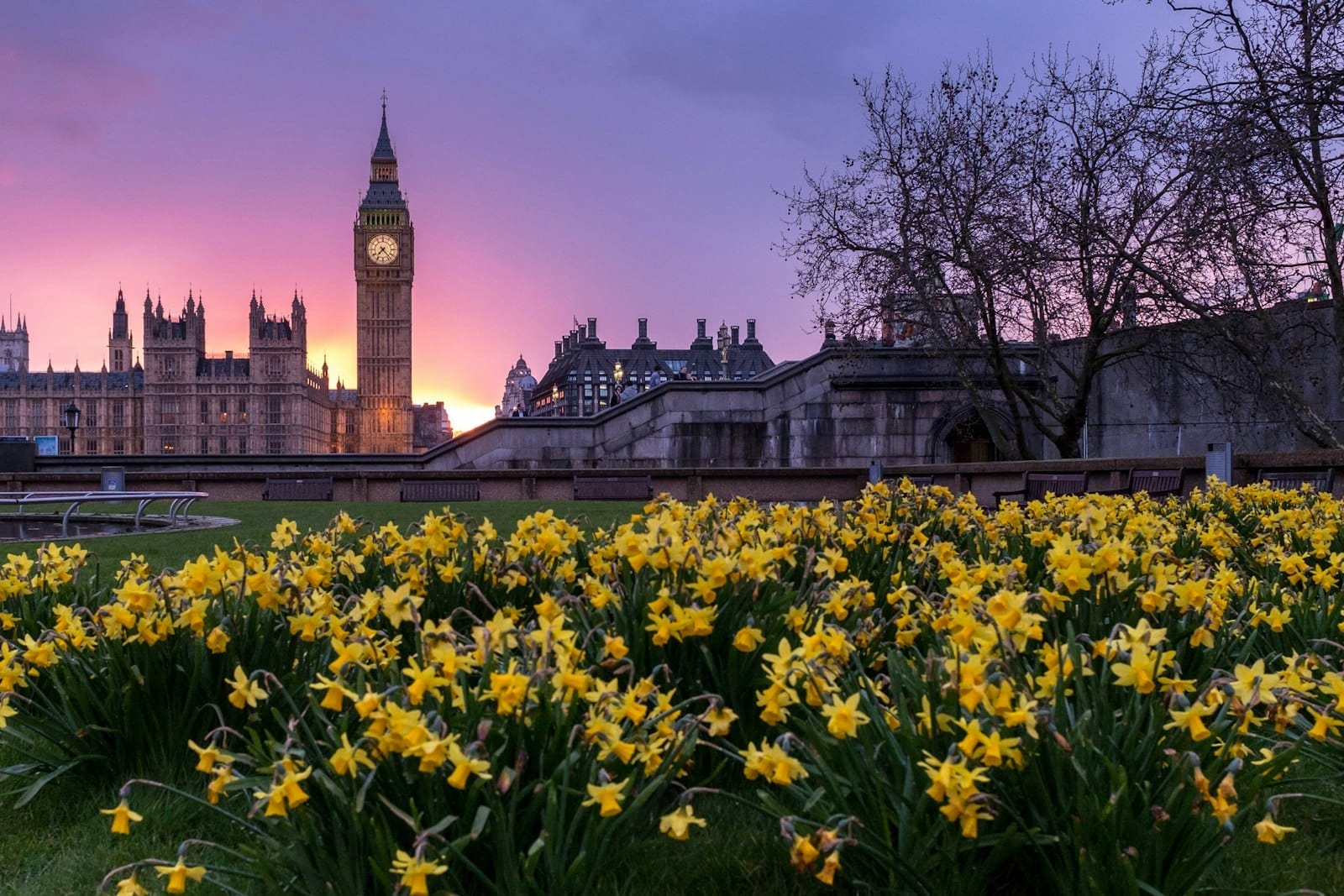
From there, walk five minutes to Big Ben and the Houses of Parliament. If you want to go inside, Saturday tours and parliamentary recess tours are available from around £29.50 per adult, but these need to be booked well in advance. Most visitors are content with photos from Westminster Bridge, which gives a solid view of Elizabeth Tower from the south side. Cross the bridge and you are on the South Bank.
The South Bank walk east from Westminster Bridge toward Tate Modern takes roughly 20-25 minutes on foot and passes the London Eye, the Southbank Centre, the National Theatre, and Tate Modern (free entry for the permanent collection). Book a London Eye slot for late afternoon on Day 1 if the weather looks clear — evening slots, roughly an hour before sunset in summer, give the best light for photographs.
For lunch, the food stalls near the Southbank Centre are reliable and quick. For dinner, cross the Millennium Bridge to Bankside and head to Borough Market — it operates until around 17:00 on most weekdays and Saturdays, so it works for a late lunch or an early dinner pick-up. The area around Bermondsey Street nearby has good sit-down restaurant options.
⚠️ What to skip
Westminster Abbey is closed to tourists on Sundays — the entire building is reserved for worship. If you arrive on a Sunday, you can attend a service (free, no ticket required) but cannot sightsee. Plan Day 1 around this if your trip starts on a weekend.
Day 2: The City, Tower Bridge, and East London
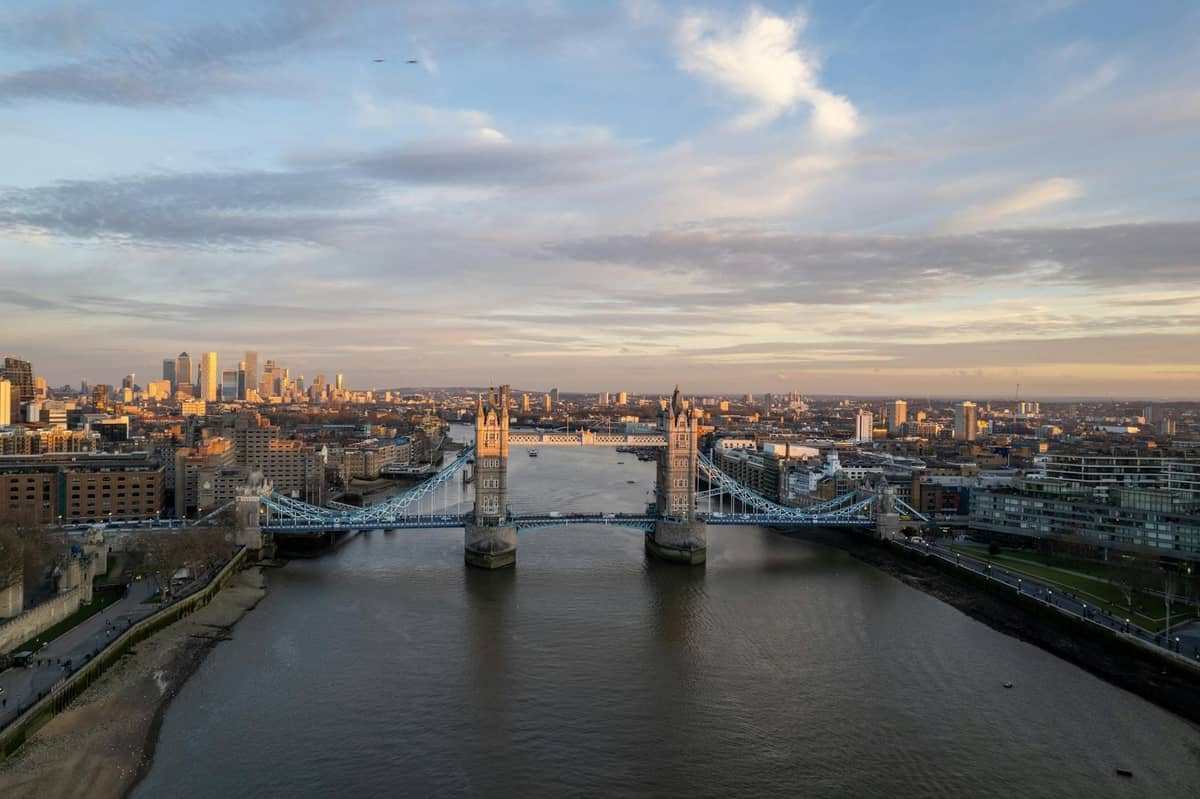
Day 2 focuses on the historic core: the City of London, the Tower of London, and a taste of East London's markets and street culture. Start at the Tower of London when it opens at 10:00. This is the busiest paid attraction in the city, and it earns its reputation. Allow a full 2-3 hours: the Crown Jewels alone take 30-40 minutes with the moving walkway, and the medieval fortress itself rewards slow exploration.
Directly next door, Tower Bridge is worth the Tower Bridge Exhibition ticket (around £13.30 adults) for the glass floor walkway high above the Thames and the Victorian engine rooms below. The bridge is also free to walk across, so if you are on a tight budget, the exterior view from either bank is satisfying on its own.
From Tower Bridge, walk northwest through the City. Stop at Leadenhall Market — a Victorian covered market that doubles as a filming location for Diagon Alley in the early Harry Potter films. St Paul's Cathedral is a 15-minute walk further west, and the climb to the Golden Gallery at the top (about 85 metres up, 528 steps total) gives one of the most underrated views in London. Adult entry is around £25 when booked online.
In the afternoon, take the Tube or walk east to Shoreditch. This neighbourhood is at its best on weekday afternoons and weekends. Brick Laneand the surrounding streets are worth 90 minutes of wandering: the street art changes constantly, the independent food scene is good, andOld Spitalfields Market operates daily with its main market days on Sunday and a reduced operation Monday–Saturday.
✨ Pro tip
The Sky Garden on the 35th floor of 20 Fenchurch Street ('the Walkie Talkie') is free but requires advance booking. Breakfast and lunch slots are easier to get than evening slots. It offers one of the best elevated views in London without paying for a ticket, though security queues can add 15-20 minutes. Bring photo ID.
Day 3: Kensington's Museum Quarter or Greenwich
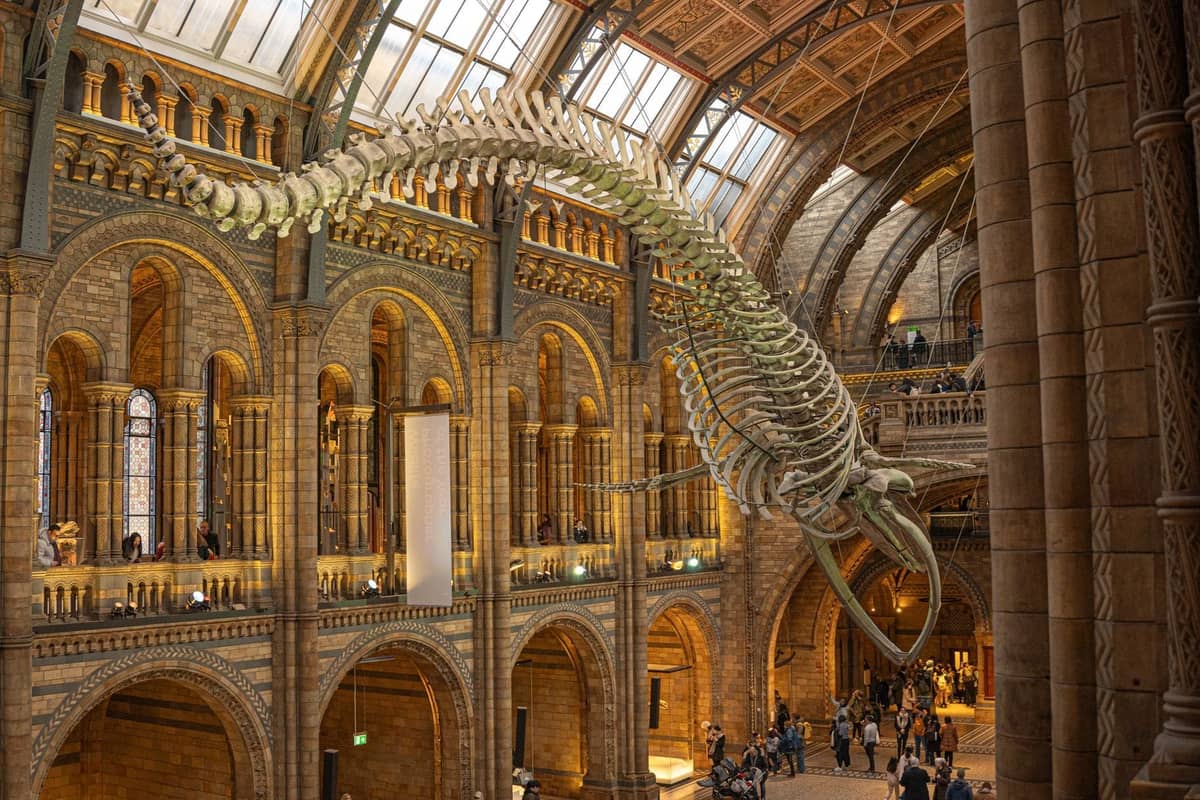
Day 3 comes down to a choice of two very different London experiences. Kensington's museum quarter gives you three world-class free museums within a short walk of each other. Greenwich gives you a UNESCO World Heritage Site, the Prime Meridian, and a real sense of London's maritime history, but costs more time to reach.
For the museum option: base yourself in Kensington and Chelsea. The Natural History Museum and the Victoria and Albert Museum sit across the road from each other on Cromwell Road. Both open at 10:00. Between them, they could absorb an entire day — be selective. The NHM's main hall and dinosaur gallery are the crowd-pleasers; the V&A is stronger for anyone interested in design, fashion, or decorative arts. The Science Museum is another few minutes' walk away if you have children or an interest in technology and space exploration.
For the Greenwich option: take the Elizabeth line or Jubilee line to Canary Wharf and then the DLR to Cutty Sark station, or take Uber Boat by Thames Clippers from central London for a scenic approach. Greenwich rewards a full morning and early afternoon. The Old Royal Naval College (free to enter) is architecturally spectacular. The Royal Observatory and Meridian Line are further up the hill in Greenwich Park, with adult entry around £18–£20. The views across the Thames to Canary Wharf from the hilltop are excellent.
- Kensington museums option: best for families, bad weather days, first-time visitors who want maximum content for minimum cost.
- Greenwich option: better for repeat visitors, clear days when the hill views pay off, and anyone with an interest in history or astronomy.
- Both options pair well with a West End evening — most shows start at 19:30-19:45, and both areas have easy Tube connections back to the theatre district.
End your three days with an evening in the West End. Dinner in Soho (book in advance for popular restaurants) followed by a show at one of the major theatres on Shaftesbury Avenue or the Strand is a hard combination to beat. Check West End shows for current productions and last-minute discount options.
Practical Tips: Transport, Money, and Saving Time
London is larger than it looks on tourist maps. The distance from Westminster to the Tower of London is about 4 km, but crossing from South Kensington to Greenwich involves a 45-minute journey each way. Plan each day as a geographic cluster rather than bouncing across the city.
The daily fare cap on Zones 1-2 for Tube, bus, DLR, and Overground is currently £8.90 for adults using contactless or Oyster (TfL, March 2026). On a typical tourist day you will hit that cap by mid-afternoon, making any additional journeys free for the rest of the day. Buses are £1.75 per journey and are capped separately from the rail network, so mixing bus and Tube journeys efficiently keeps costs low.
Restaurant service charges of around 12.5% are commonly added to bills in London. This is not a legal requirement, and you are entitled to remove it if service was poor — though most visitors leave it. Where service is not included, tipping around 10-15% is standard. Tap water is safe to drink throughout the city, and asking for tap water in restaurants is completely normal and costs nothing.
ℹ️ Good to know
UK plug sockets use the Type G three-pin rectangular format at 230V/50Hz. US, European, and Australian devices all need an adapter. Most hotels provide adapters on request, but budget accommodation often does not — bring your own to avoid a last-minute pharmacy run.
- Book timed entry for major attractions at least 1-2 weeks ahead in summer and during school holidays.
- Walk where possible: the South Bank, the City, and Kensington are all walkable within their zones and far more rewarding on foot than underground.
- Avoid black cabs for long journeys in peak traffic — fares from Heathrow to central London commonly run £50-£100. Use the Tube or Elizabeth line instead.
- Many West End restaurants serve food until 22:00 or later, so you are not restricted to early dinner before a show.
- The London Pass can save money if you are hitting multiple paid attractions — check our breakdown of whether it is worth it before buying.
When to Visit for a 3-Day Trip
London's climate is temperate and oceanic, meaning mild winters and cool summers with rain distributed fairly evenly across the year. Monthly rainfall averages around 40-60mm, with roughly 11-13 rainy days per month. There is no dry season. For a three-day trip, May to September offers average highs of 18-24°C and longer daylight hours, which matters when you are trying to cover ground efficiently. See ourbest time to visit London guide for a full seasonal breakdown.
The trade-off is crowds. June through August is peak season: attractions sell out further in advance, accommodation prices are higher, and popular spots like the Tower of London and Buckingham Palace (open for State Room visits July-September only, tickets from around £32) are noticeably busier. Late April, May, and September offer a reasonable balance of decent weather and manageable crowds. December brings atmospheric Christmas markets and lights on Oxford Street and Carnaby Street, but factor in shorter daylight and the fact that some attractions have reduced hours around 24-26 December and 1 January.
FAQ
Is 3 days enough time to see London?
Three days covers the essential highlights well if you plan geographically and pre-book tickets. You can realistically do Westminster Abbey, the Tower of London, South Bank, the City, and a major museum district. You will not see everything — London is a city of 9 million people spread across 1,572 km² — but three days is enough for a satisfying and substantive first visit.
Do I need to buy an Oyster card for 3 days in London?
No. Any contactless debit or credit card, or mobile wallet such as Apple Pay or Google Pay, works on all TfL services — Tube, bus, DLR, Overground, Elizabeth line — with exactly the same fares and daily caps as an Oyster card. For a short visit, contactless is more convenient. The current Zone 1-2 daily cap is £8.90 for adults.
How far in advance should I book London attraction tickets?
For summer visits (June-August) and school holidays, book Tower of London, Westminster Abbey, and the London Eye at least 2-3 weeks ahead. The Sky Garden requires advance booking through their own website and fills quickly for popular evening slots. Free museums like the British Museum and Natural History Museum offer free timed entry tickets — book these 1-2 weeks ahead during peak periods.
What is the cheapest way to get from Heathrow to central London?
The Piccadilly line is the cheapest direct option — around £5.60 peak pay-as-you-go on Oyster or contactless — taking roughly 50-60 minutes to central stations like Piccadilly Circus or King's Cross. The Elizabeth line is faster (30-40 minutes) but costs £13.30 to Zone 1. Avoid the Heathrow Express for budget travel — it costs significantly more for only a modest time saving compared to the Elizabeth line.
What should I skip on a 3-day London itinerary?
Madame Tussauds and the London Dungeon are heavily marketed but offer poor value relative to the rich free and low-cost options available. The Changing of the Guard at Buckingham Palace is worth seeing once but requires arriving early to get a decent view and is cancelled at short notice without warning. If time is tight, prioritise the Tower of London over Buckingham Palace for a more varied and historically rich experience.