5 Days in London: The Complete First-Timer's Itinerary
Five days in London is enough to cover the iconic landmarks, explore distinct neighbourhoods, and still have time to eat and drink well. This day-by-day guide cuts through the noise with specific recommendations, realistic timings, and practical advice on what is worth your time.
Plan and book this trip
Tools from our partner Travelpayouts help you compare flights and hotels. If you book through them, we may earn a commission at no extra cost to you.
Flights
Hotels map
TL;DR
- Five days covers London's major landmarks plus a handful of neighbourhoods and day trips without feeling rushed.
- Use an Oyster card or contactless bank card for all Tube and bus travel — it is cheaper than buying individual tickets and works across the Underground, Overground, Elizabeth line, DLR, and buses. See our full guide to getting around London for the details.
- Pre-book Westminster Abbey, the Tower of London, and the London Eye — queuing on the day wastes 60-90 minutes you could spend inside.
- London's world-class museums (Natural History, V&A, Science Museum, British Museum, National Gallery) are free. Build your itinerary around them to control costs.
- The best time for a first visit is May to September for longer daylight hours and milder weather — read more in the best time to visit London guide.
Before You Arrive: Logistics That Save Time
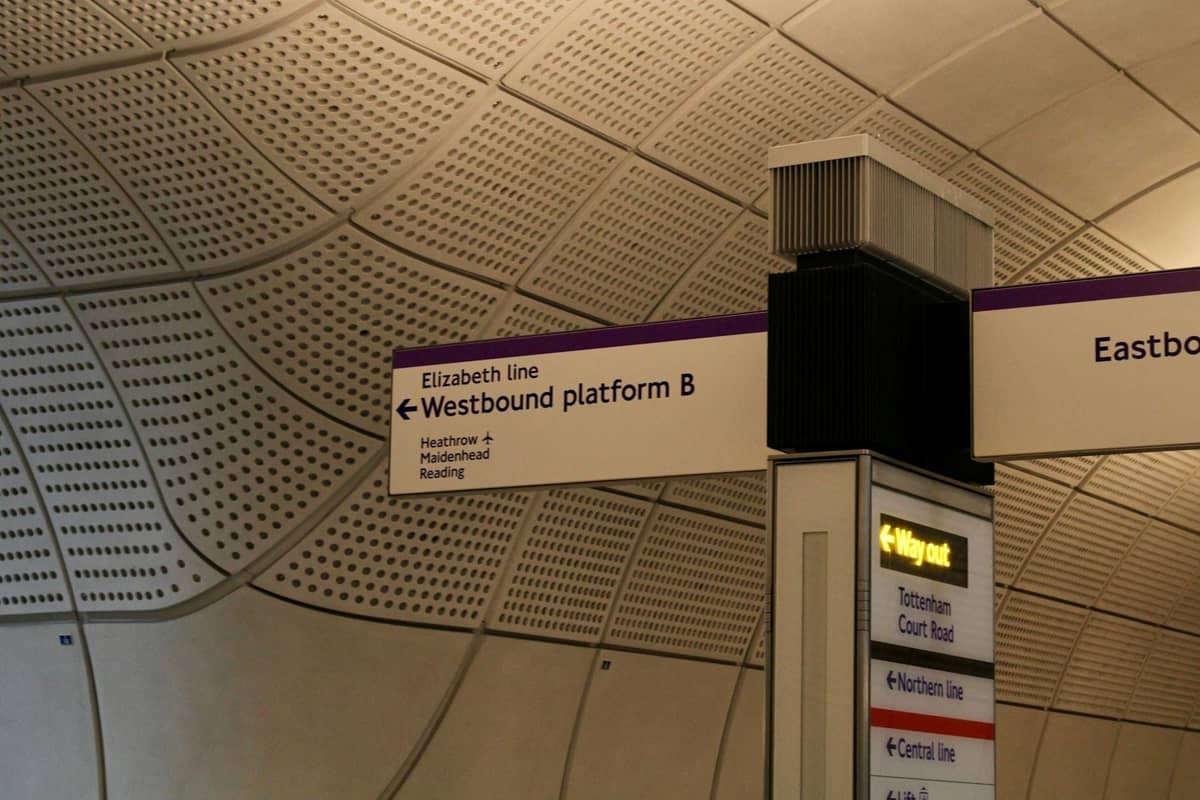
London has six airports. Most international travellers land at Heathrow (LHR), about 14 miles west of central London, or Gatwick (LGW), around 28 miles south. From Heathrow, the Elizabeth line is your best option: trains run direct to Paddington, Tottenham Court Road, and Liverpool Street in 30-40 minutes, with pay-as-you-go fares typically around £12-14 depending on the time of day. The Piccadilly line is slower (around 50-60 minutes to central London) but considerably cheaper, usually £3-6 on Oyster or contactless. The Heathrow Express is the fastest option at 15 minutes to Paddington, but standard fares bought on the day are around £25 for a single in Standard Class. From Gatwick, the Gatwick Express reaches Victoria in about 30 minutes; advance singles are often around £17-20.
💡 Local tip
Pick up an Oyster card at any Tube station or use your contactless debit or credit card directly on the yellow readers. Daily and weekly fare caps apply automatically, so you will never overpay compared to buying individual tickets. Carry a physical card as a backup — contactless can occasionally fail abroad.
London runs on the pound sterling (GBP). Tap water is safe to drink everywhere. Electricity is 230V with Type G three-pin plugs — pack an adapter if you are travelling from North America, Europe, or Australia. Emergency services are reached on 999 (or 112, which also works). Service charges of around 12.5% are commonly added to restaurant bills in London; where they are not included, tipping 10-15% is standard practice. For a broader overview of what the city involves for newcomers, the London for first-timers guide covers entry requirements, visa rules, and practical orientation.
Day 1: Westminster and the South Bank
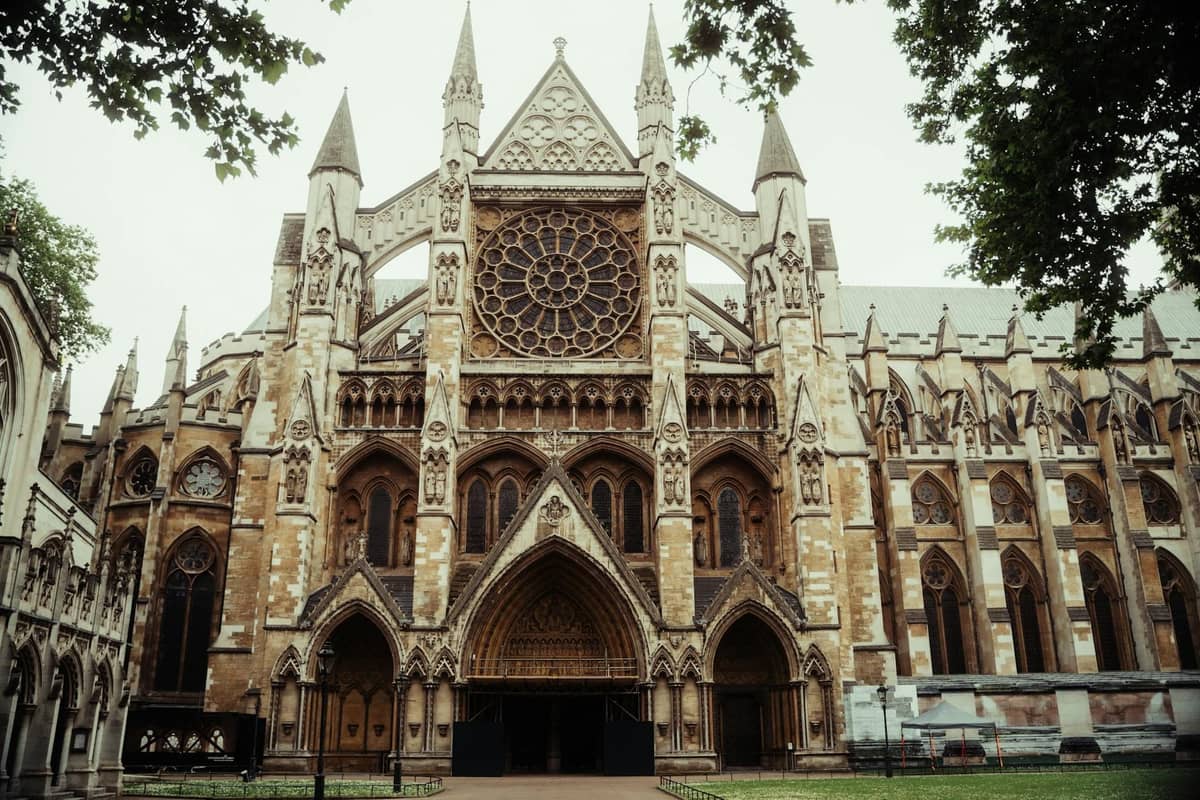
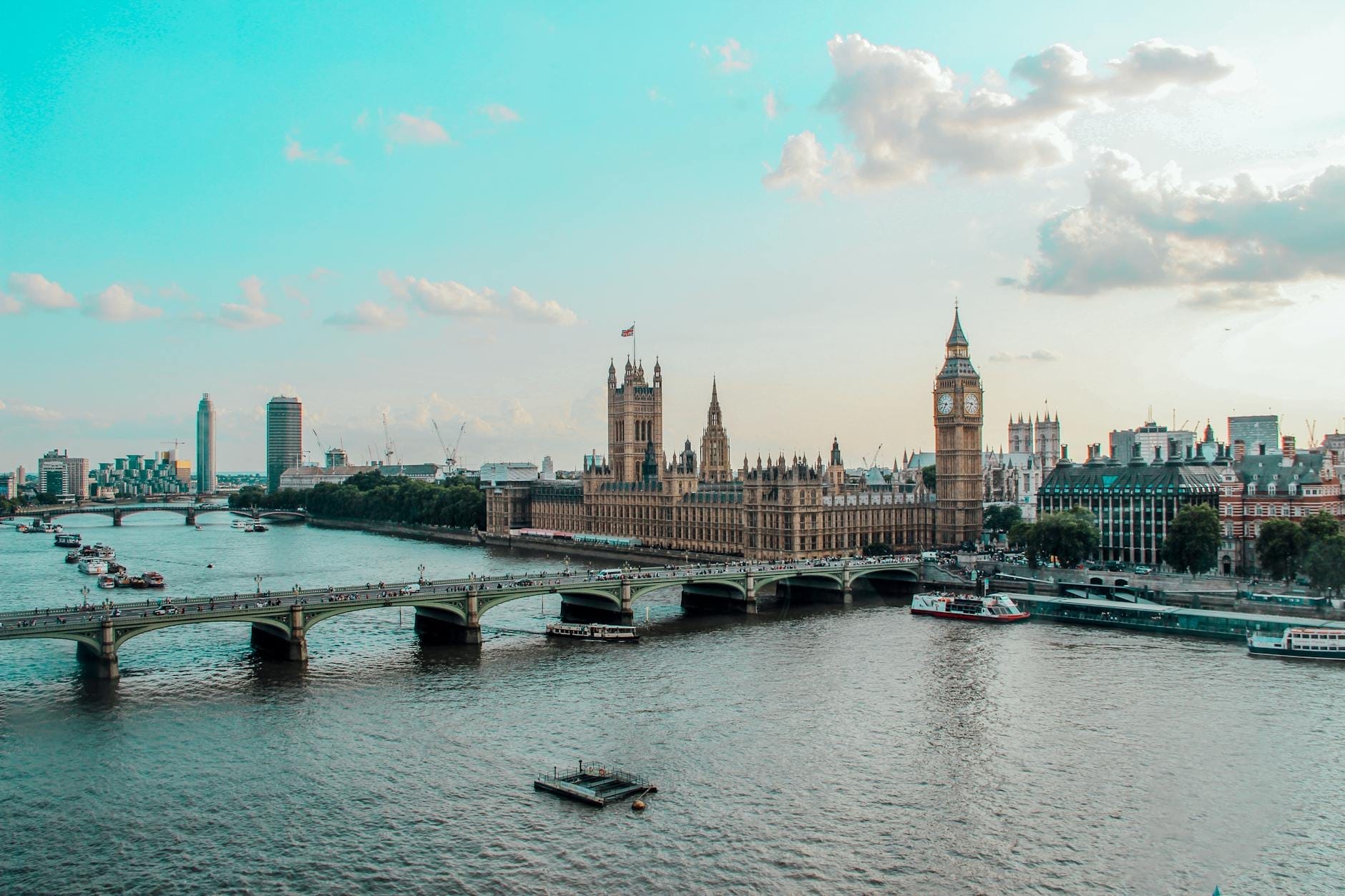
Start where most first-timers start: Westminster. The cluster of sights here is impressive —Big Ben and the Palace of Westminster, Westminster Abbey, and Buckingham Palace are all within a 15-minute walk of each other. Westminster Abbey has been the site of every royal coronation since 1066 and is far more interesting inside than the exterior suggests. Pre-book timed entry online — it saves significant queuing time, and tickets typically cost around £27 for adults (verify current prices on the official site before visiting).
If you want to see the Changing of the Guard at Buckingham Palace, check the official schedule before your visit. It does not happen every day and varies by season. Arriving without checking often leads to disappointment. The ceremony itself lasts about 45 minutes and is free to watch from the forecourt area, but crowds form early.
After lunch, cross the river to the South Bank. The walk along the Thames from Westminster Bridge to Tate Modern takes about 25-30 minutes and passes the London Eye, the Southbank Centre, and the National Theatre. Tate Modern is free and one of the best modern art collections in the world — the turbine hall alone is worth the detour. Finish the day at the Shakespeare's Globe, where you can take a tour or book a standing ticket for an evening performance for around £5.
⚠️ What to skip
The London Eye is fine but rarely the highlight of a trip — the views are broad but not particularly intimate, and queues are long without a timed ticket. If views are a priority, the Sky Garden (free, but requires advance booking) or the observation deck at St Paul's Cathedral offer a different perspective at a fraction of the time investment.
Day 2: The City, Tower Bridge, and Borough Market
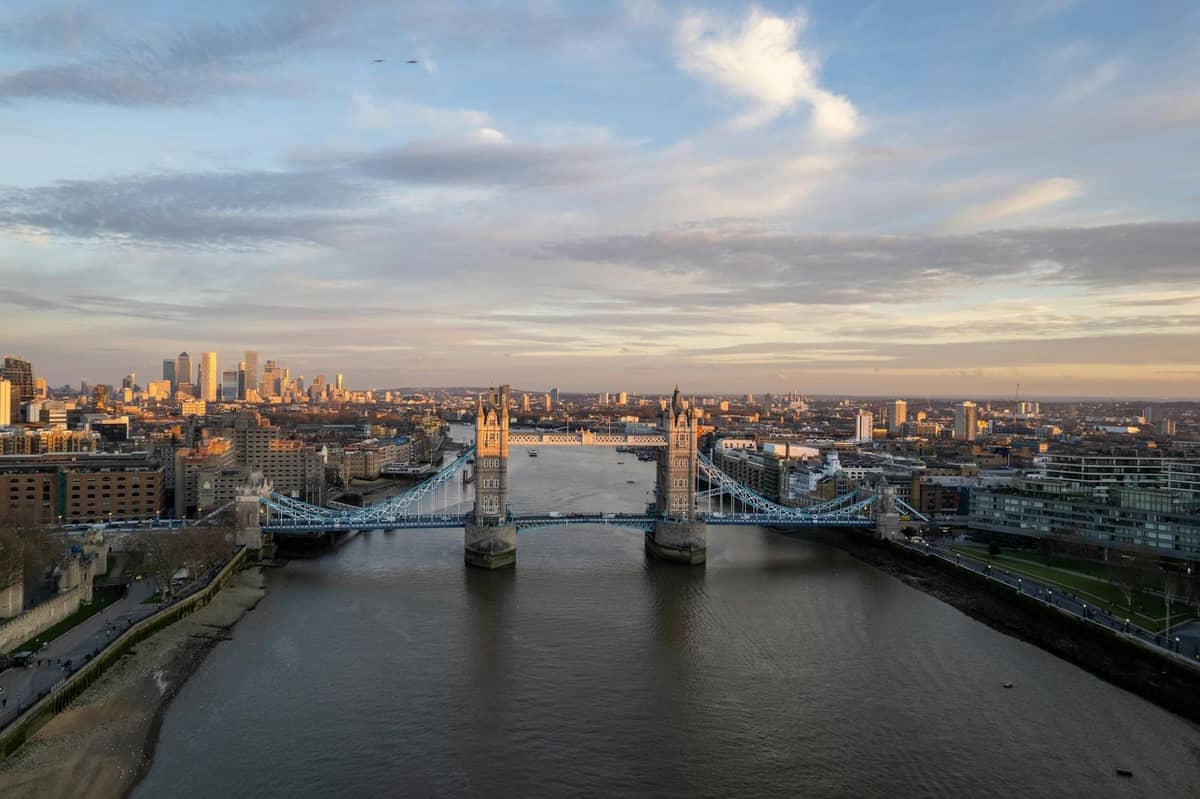
The City of London — the original Roman settlement, now the financial district — rewards an early morning visit when the narrow medieval lanes are quiet. St Paul's Cathedral opens at 8:30am for worship; the main visitor entrance opens later. Climbing to the dome costs extra but the Golden Gallery at the top offers one of the best rooftop views in London. From St Paul's, walk east toward Tower Bridge (about 15 minutes on foot). The bridge itself is free to cross; the Tower Bridge Exhibition, which includes the glass floor walkway and engine rooms, costs around £12-15 for adults.
Directly beside the bridge is the Tower of London, one of the most historically significant sites in England. Allow at least two hours — the Crown Jewels alone take 30-40 minutes, especially if the queue is moving slowly. Pre-booking online saves both money and time. In the afternoon, cross back to the south side of the river to Borough Marketfor a late lunch. The market is open Monday to Saturday and is one of the best food markets in Europe, not just a tourist attraction. Get there by 1pm before the best stalls sell out.
Day 3: South Kensington Museums and Notting Hill
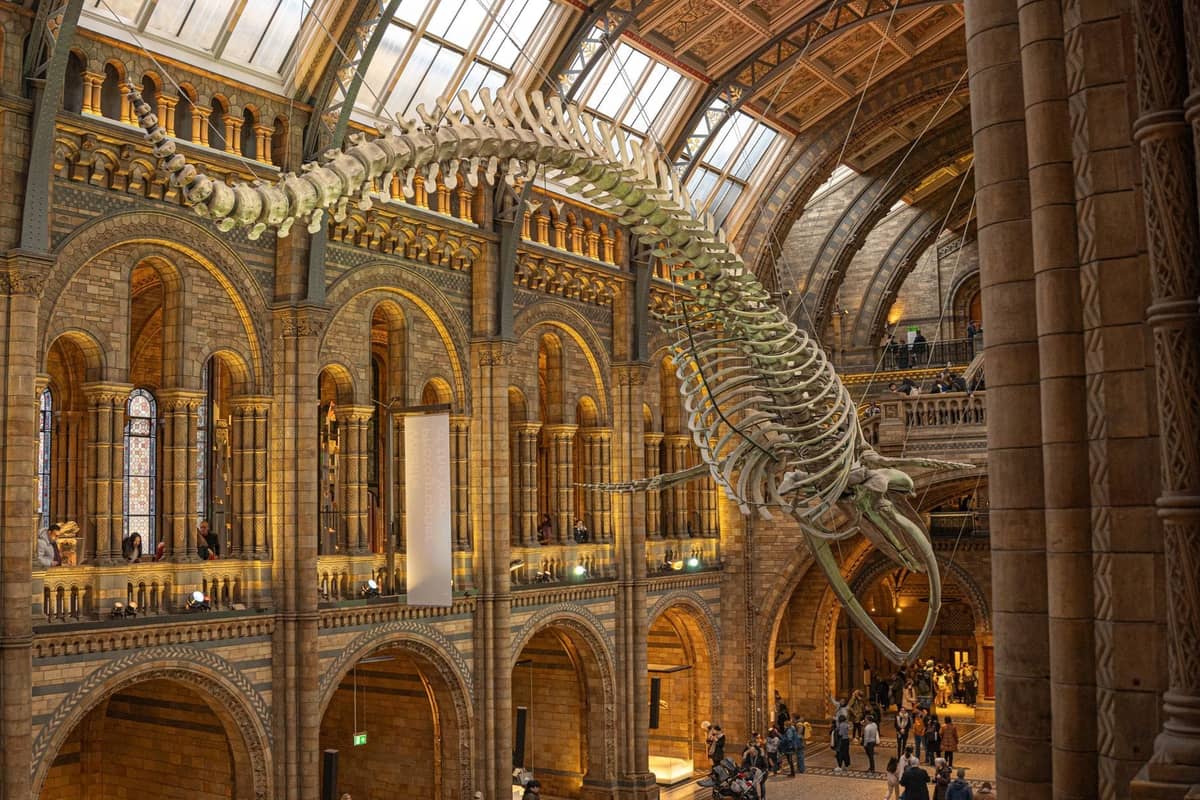
The South Kensington museum cluster is one of London's greatest gifts to visitors: three world-class institutions within a five-minute walk of each other, all free. The Natural History Museum, the Victoria and Albert Museum, and the Science Museum together could fill several days. For a single morning, pick one. The Natural History Museum's Darwin Centre and the V&A's medieval and Renaissance galleries are the most underrated sections in each building respectively. Arrive when doors open (typically 10am) to avoid the worst of the crowds.
In the afternoon, take the Tube from South Kensington to Notting Hill Gate and spend a couple of hours in Notting Hill. Portobello Road Market is at its most active on Saturdays, with the main antiques market trading along Portobello Road and in the arcades at the north end and street food toward Golborne Road. On other days it is quieter but still worth walking. The colourful terraced houses on Elgin Crescent and Lancaster Road are photogenic without the crowds that cluster on the film-location streets.
Day 4: Greenwich and the East
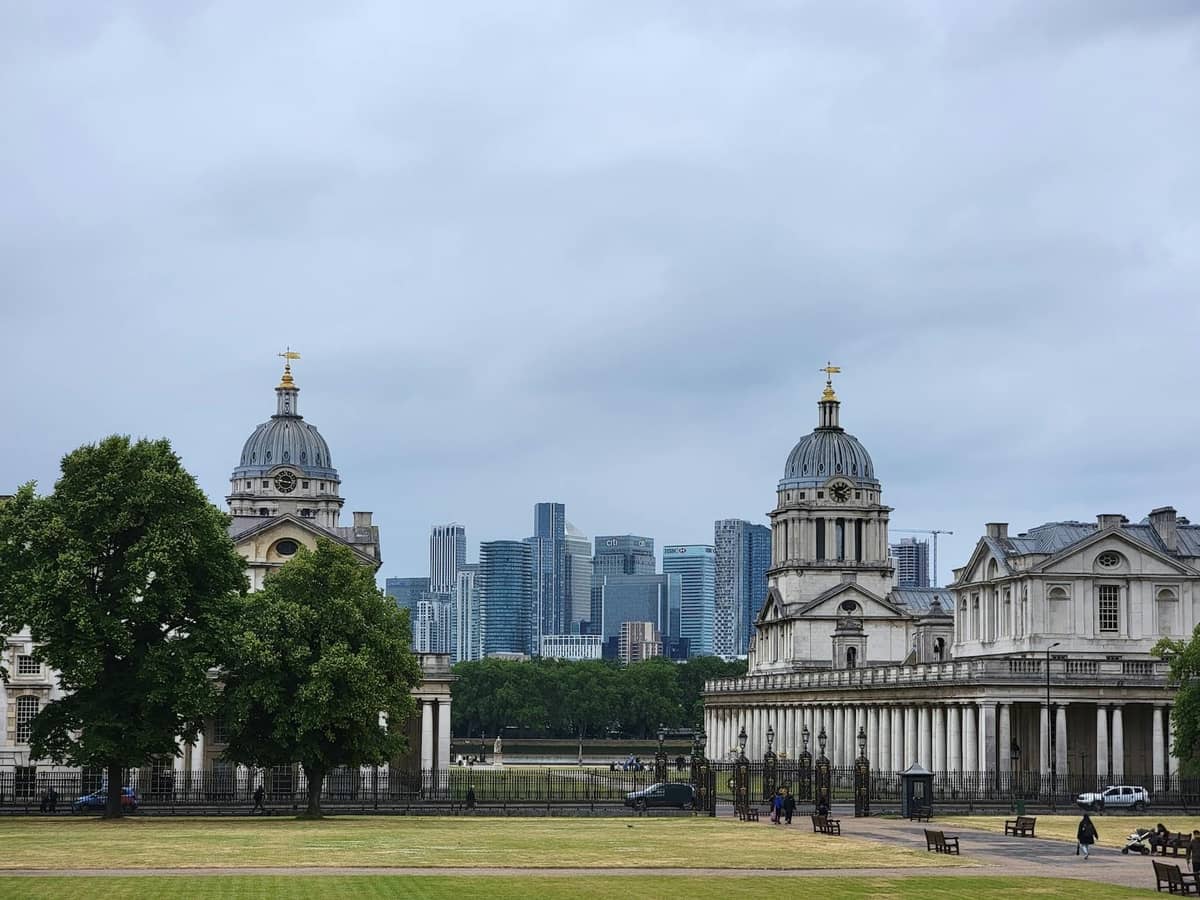
Greenwich is an essential half-day excursion from central London and one of the few places that justifies the word historic without hyperbole. From central London, take the DLR to Cutty Sark station (or National Rail to Greenwich or Maze Hill) and start at theCutty Sark, the last surviving tea clipper, before walking up through the Old Royal Naval College grounds (free entry, with tours of the Painted Hall available separately). The National Maritime Museum is free and excellent. Climb through Greenwich Park to the Royal Observatory and stand on the Prime Meridian Line — there is a small charge for the observatory itself but the park views over Canary Wharf and the City are free from outside the gates.
Head back into East London in the afternoon. Shoreditch works well as an evening destination: Brick Lane has decent curry houses and good street art along its side streets, while the area around Shoreditch High Street is one of the better places in London for craft cocktail bars and independent restaurants. The contrast with the City of London, just 10 minutes' walk west, is striking.
Day 5: Markets, Parks, and a West End Evening
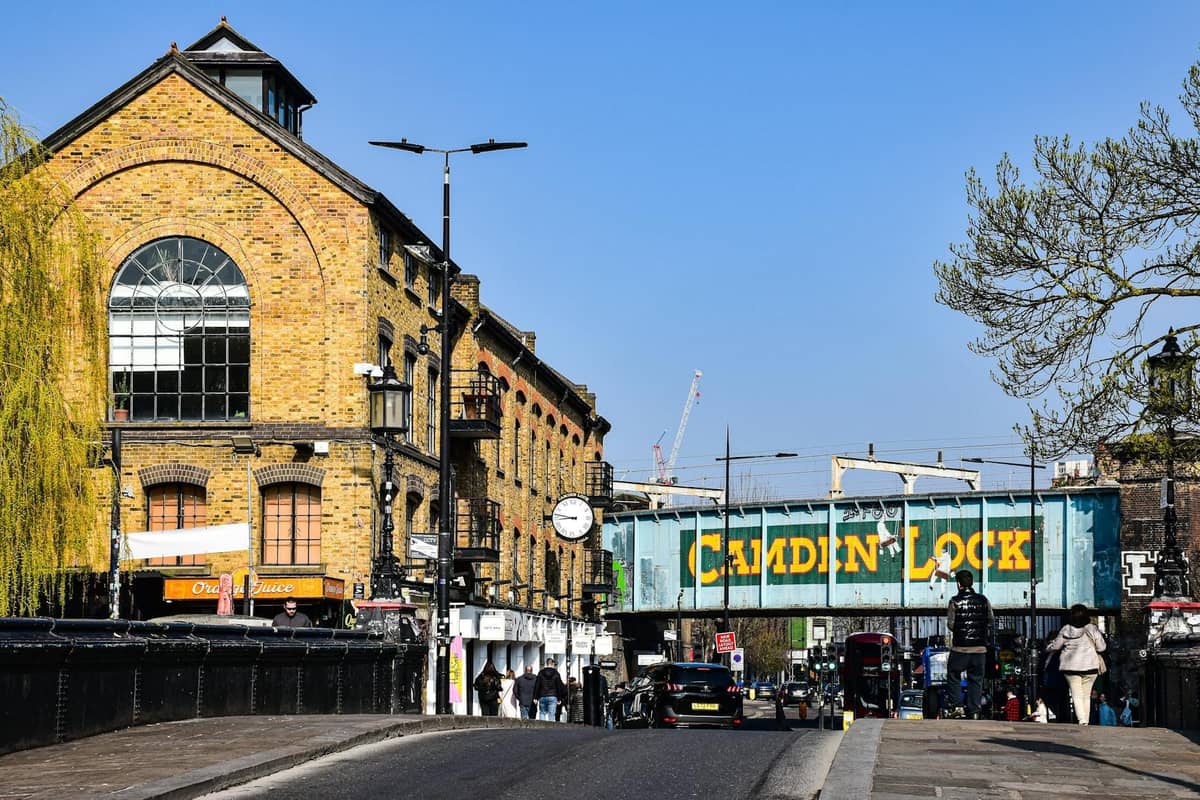
Save your last full day for a looser pace. Start at Camden Marketin the morning — it opens around 10am and gets very busy by midday. The market is large and commercial in places, but the canal-side section and the indoor food market are good. From Camden, walk south along Regent's Canal towardRegent's Park — the towpath walk takes around 20-30 minutes and is one of the quieter ways to see the city.
In the afternoon, head to the West End for a final wander through Covent Garden and Trafalgar Square. The National Gallery on the north side of Trafalgar Square is free and one of the finest art collections in the world — even an hour here is worthwhile. End the trip with a West End show: same-day discount tickets are available from the official TKTS booth in Leicester Square (the physical booth, not the surrounding touts), typically offering 25-50% off selected performances.
- Westminster Abbey Pre-book timed entry. Budget 1.5-2 hours minimum. Coronation Chair, Poets' Corner, and the royal tombs are the highlights.
- Tower of London Buy tickets online to avoid the walk-up premium. The Beefeater tours (free with entry) run throughout the day and are one of the best value experiences in London.
- South Kensington Museums All three are free. Arrive at opening time. Pick one per visit rather than rushing through all three.
- Greenwich A half-day by DLR from central London. Combine with the Cutty Sark, National Maritime Museum (free), and a walk up to the Observatory.
- Camden Market Best on weekday mornings before 12pm. Weekends are significantly busier and harder to navigate.
Practical Tips for Navigating Five Days
London is a large city covering about 1,572 square kilometres across 32 boroughs. Trying to cross it multiple times per day is exhausting and expensive. The most efficient approach is to group attractions by area: Westminster sights on one day, South Kensington and West London on another, the City and South Bank together, Greenwich separately. The Tube is fast between zones but walking is often quicker for short central distances of under a mile.
- Pay-as-you-go with contactless or Oyster — never buy individual paper tickets for the Tube.
- Check Google Maps for walking times before defaulting to the Underground. Leicester Square to Covent Garden is a 5-minute walk; it is famously the shortest Tube journey in London.
- Most central attractions open at 10am. Plan breakfast and transit to arrive as close to opening as possible.
- Rainy days are common year-round (London averages 11-13 rainy days per month). Schedule indoor attractions like the British Museum or V&A as flexible options for poor weather.
- Some attractions offer evening openings on specific nights (the V&A opens late on Fridays). These are quieter and worth checking when planning.
- Check the Changing of the Guard schedule at the official Royal Household website before planning your day around it.
✨ Pro tip
The London Pass gives entry to 80+ attractions for a fixed daily rate and can save money if you plan a heavy sightseeing schedule. However, it only makes financial sense if you visit paid attractions every day. For a trip that mixes free museums with paid sights, calculate your expected spend before buying — it is not always worth it. Our guide on whether the London Pass is worth it breaks down the maths.
FAQ
Is 5 days in London enough for a first visit?
Yes, five days is a solid amount of time for a first visit. You can cover the main Westminster landmarks, one or two major museum clusters, a market or two, a day in Greenwich, and still have time for a neighbourhood wander and a West End show. You will not see everything — London is far too large for that — but you will leave with a genuine sense of the city rather than just a checklist of monuments.
How much should I budget for 5 days in London?
London is an expensive city. Accommodation in central areas ranges from around £80-120 per night for a budget hotel to £200+ for mid-range options. Food costs vary enormously: a sit-down lunch in a pub or casual restaurant is typically £12-20 per person; dinner in a decent restaurant is £25-45 per person without drinks. The good news is that transport on Oyster or contactless is capped daily, and London's best museums are free. Factoring in a couple of paid attractions (Tower of London, Westminster Abbey), transport, and meals, a realistic daily budget for one person is around £80-120 excluding accommodation.
What is the best way to get around London as a tourist?
The London Underground (the Tube) is the backbone of tourist navigation. Use an Oyster card or your contactless bank card and tap in and out at every journey — daily fare caps mean you will not overpay. For short distances in central London, walking is often faster than the Tube. Buses are useful for daytime travel on scenic routes (the 11 and 15 buses pass many central landmarks). Avoid taxis for routine travel — they are expensive compared to the Tube, though useful late at night or with luggage.
Which London attractions need to be booked in advance?
Westminster Abbey, the Tower of London, St Paul's Cathedral, and the Churchill War Rooms all benefit from pre-booking to avoid queues. The London Eye and Madame Tussauds have significant walk-up wait times and should be booked online if you intend to visit. The Sky Garden requires free advance booking for a specific time slot. The major free museums (British Museum, Natural History Museum, V&A, National Gallery) do not require booking but can have timed entry for special exhibitions.
What is the cheapest way to get from Heathrow Airport to central London?
The cheapest option is the Piccadilly line on the London Underground. Using Oyster or contactless, the pay-as-you-go fare is typically around £3-6 depending on time of day. Journey time is around 50-60 minutes to central stations like King's Cross or Piccadilly Circus. The Elizabeth line is faster (30-40 minutes) but costs around £12-14. The Heathrow Express is the quickest at 15 minutes to Paddington, but fares can reach £25 or more if purchased on the day.