Best Time to Visit London: A Month-by-Month Guide
London rewards visitors in every season, but the experience shifts dramatically depending on when you go. This guide breaks down crowd levels, weather, prices, and key events month by month so you can plan a trip that matches exactly what you want from the city.
Plan and book this trip
Tools from our partner Travelpayouts help you compare flights and hotels. If you book through them, we may earn a commission at no extra cost to you.
Flights
Hotels map
TL;DR
- London has a mild temperate oceanic climate year-round with no single rainy season — rain falls in moderate amounts in most months.
- July is the warmest month (average high around 24°C/75°F) and June has the longest days, up to 16.5 hours of daylight.
- Peak crowds and prices run from June to September; January to March is usually the cheapest and quietest window.
- Spring (May) and early autumn (September) offer the best balance of good weather, manageable crowds, and reasonable prices — ideal for sightseeing across the city.
- December is worth considering for Christmas markets, lights, and festive atmosphere, despite the cold.
Understanding London's Climate
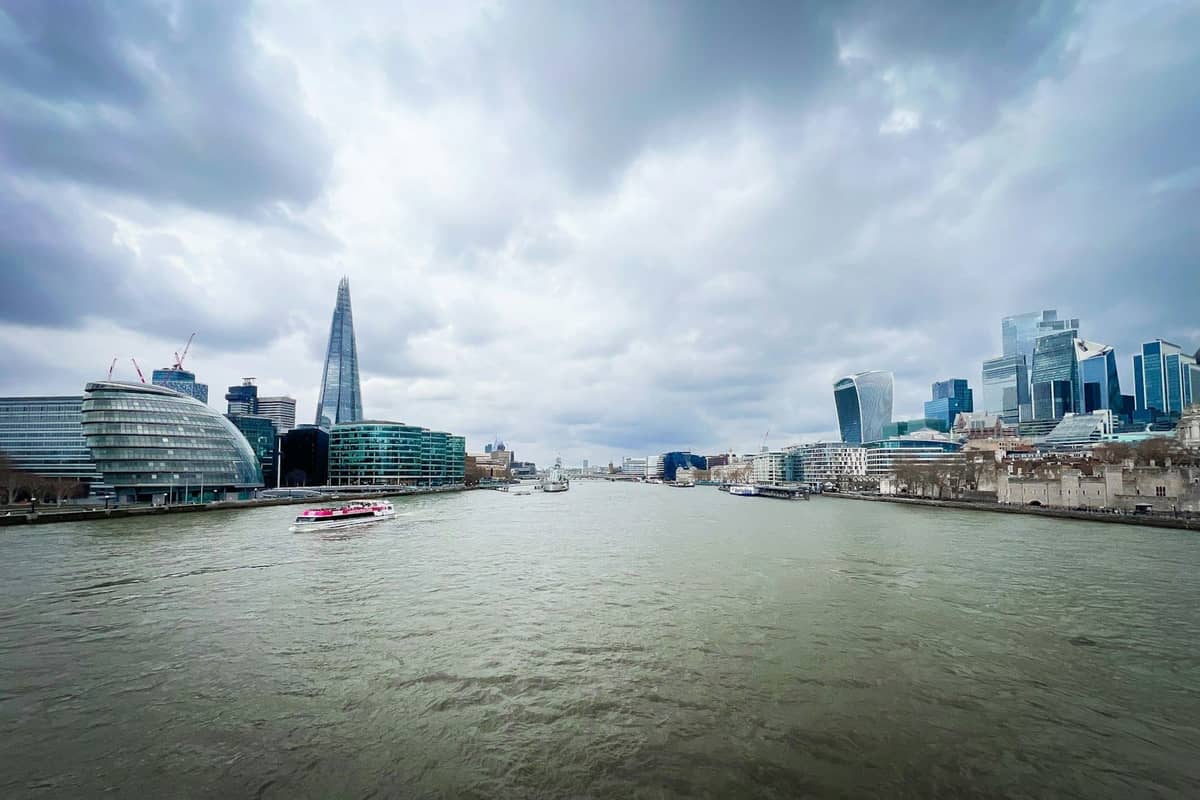
London sits at 51.5°N on the River Thames in southeastern England, and its climate is classified as temperate oceanic (Köppen Cfb). That means mild winters, cool summers, and rainfall spread across the year rather than concentrated into a monsoon season. Average temperatures at Heathrow range from lows of around 2–3°C in January to highs of around 24°C in July. The city rarely freezes solid and rarely bakes — which makes it visitable in any month, unlike destinations with extreme seasonal conditions.
The biggest practical difference between seasons is not temperature alone but the combination of daylight, crowds, and cost. June offers up to 16.5 hours of daylight, meaning you can pack far more into a day than in December, when daylight shrinks to around 8 hours. Monthly rainfall typically sits between about 40–60 mm with around 11–13 rainy days per month regardless of season. October through November tends to be marginally wetter; March and April are among the drier months. The key takeaway: pack a compact umbrella whatever month you visit, and do not let the forecast deter you.
ℹ️ Good to know
London switches from Greenwich Mean Time (GMT, UTC+0) to British Summer Time (BST, UTC+1) in late March, and back again in late October. This affects sunrise and sunset times dramatically — an extra hour of evening light in summer makes outdoor plans much easier.
Month-by-Month Breakdown
January and February are the coldest months, with average highs around 8–9°C and lows near 1–3°C. These are also the cheapest months for flights and hotels, and many attractions are far less crowded. The British Museum, National Gallery, and Natural History Museum — all free to enter — are particularly pleasant in January when the post-Christmas rush has died down. The downside is short days (roughly 8–9 hours of daylight) and a higher chance of grey skies. That said, London's indoor culture — theatre, galleries, markets — thrives regardless of weather.
March and April mark the transition into spring. Temperatures start climbing toward 10–16°C, and the clocks go forward in late March, suddenly gifting you longer evenings. The Royal Botanic Gardens at Kew typically see their daffodil and cherry blossom peaks in March and April — one of London's most photogenic annual spectacles. April also hosts the TCS London Marathon, which closes major roads but creates a brilliant street-level event to watch. Rainfall in March and April is among the lower totals of the year, making these two months underrated for sightseeing.
May is widely considered the sweet spot. Daytime highs average around 16–18°C, daylight extends past 8 PM, and summer crowds have not yet arrived. Hyde Park and St James's Park are at their greenest. Hotel prices sit below summer peaks, and you can often book popular restaurants without weeks of lead time. The Chelsea Flower Show typically takes place in late May, drawing garden enthusiasts from around the world — book tickets well in advance if that interests you.
June through September is peak season in every sense. July is the warmest month with average highs around 24°C (75°F), and June has the longest days. Outdoor events dominate: Wimbledon runs late June to early July, the BBC Proms at the Royal Albert Hall runs July through September, and outdoor cinema and theatre pop up across the city. The trade-off is significant: queues at major attractions like the Tower of London and the London Eye can stretch to an hour or more, hotels charge their highest rates, and popular restaurants book out weeks ahead. If you visit in summer, arrive at major sights before 9:30 AM or book timed entry tickets in advance.
The Notting Hill Carnival, held over the August bank holiday weekend (usually the last weekend of August), is Europe's largest street festival and brings around two million people to west London over the weekend. It is extraordinary if street carnival culture appeals to you — relentless sound systems, elaborate costumes, Caribbean food stalls. If that sounds overwhelming, it is also worth avoiding that weekend if you are staying in theNotting Hill area, as the neighbourhood becomes essentially inaccessible.
September is arguably the best single month for a first visit. Summer heat lingers (average high still around 19°C), but school holidays are over, which reduces crowds noticeably at family-oriented attractions. The Tube is less packed, restaurant bookings are easier, and hotel rates begin to soften. London Fashion Week takes place in September, adding energy to the city without disrupting most tourist plans. Open House Festival (formerly Open House London), which offers free access to hundreds of architecturally significant buildings usually closed to the public, also falls in September and is a genuine insider experience.
October and November bring autumn colours, cooler temperatures (around 10–16°C), and London's gallery and theatre season in full swing. The evenings close in quickly after October's clock change, but the cultural calendar compensates: major exhibitions open, the West End shows launch their strongest runs, and the city has a sharper, more lived-in energy than in peak summer. Rain increases slightly through October and November, so plan outdoor sightseeing for midday and build in more indoor time.
December is divisive. Cold (average highs around 8–9°C), dark (8 hours of daylight), and busy with pre-Christmas shoppers, it nonetheless has a genuine atmosphere that some visitors find worth the trade-offs. The Christmas lights along Oxford Street and Regent Street go up in mid-November; Hyde Park's Winter Wonderland runs from mid-November through early January; and the South Bank Christmas Market adds festive stalls along the river. Read our dedicated guide to London in December for a full breakdown of what to expect.
Peak vs. Off-Peak: Crowds and Costs
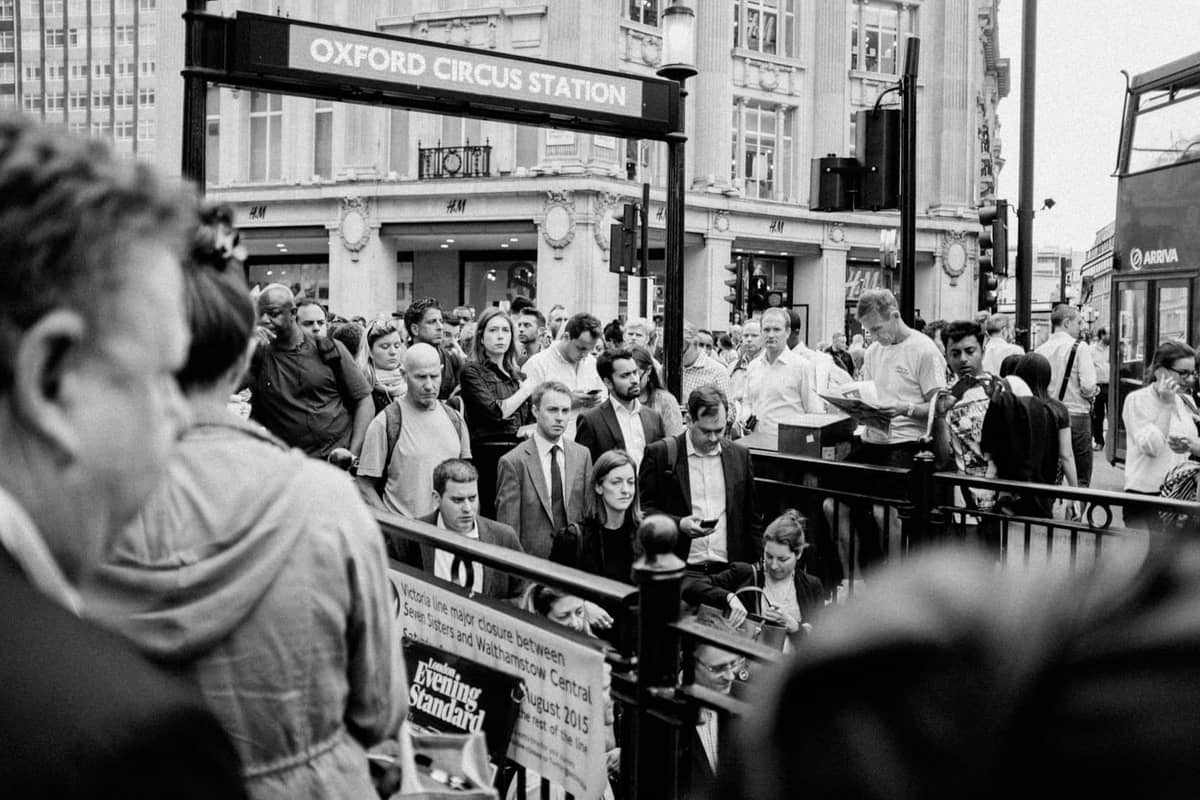
- High season (June–August) Maximum crowds, maximum prices. Book accommodation 2–3 months ahead for reasonable rates. Timed-entry tickets for popular attractions are essential.
- Shoulder season (May, September–October) The best balance of weather, value, and crowd levels. Prices are 15–30% lower than peak summer, and the city feels more manageable.
- Low season (November–April, excluding Christmas) Cheapest flights and hotels, quietest attractions, but shorter days. January and February in particular offer significant savings and a very different, more local feel to the city.
- Festive peak (mid-December to early January) A secondary price spike around Christmas and New Year. Hotels and flights rise steeply for the final week of December. Book very early or expect to pay accordingly.
⚠️ What to skip
London's school holiday dates (especially the six-week summer break from mid-July to early September, plus Easter and October half-term) cause sharp spikes in visitor numbers and prices. If travelling with children, this may be unavoidable — but if not, sidestepping school holidays makes a noticeable difference.
Best Time for Specific Interests
- Parks and outdoor London Late April through September, with May and June offering the most reliable combination of warmth and long daylight. Richmond Park's deer are present year-round but most photogenic in autumn when stags rut in October.
- Museums and galleries Any time, but January to March gives you the quietest experience at free national collections like the British Museum and V&A. Major new exhibitions typically launch in autumn (September–November).
- Theatre and West End shows Year-round, but the September–December season sees the highest concentration of new productions. January–February offers the best last-minute ticket deals.
- Food markets Year-round, though outdoor markets like Broadway Market are most pleasant in dry, mild weather (May–September). Borough Market operates regardless of weather.
- Budget travel January–March is the cheapest window. Flight prices drop significantly after the New Year rush, and many hotels run promotions to fill mid-week rooms.
- Avoiding queues Visit between late September and November, arrive at major sights when they open, and pre-book timed tickets wherever possible.
For visitors who want to combine London with travel to other cities or countries, timing your base also matters. Summer is the most expensive period to travel by Eurostar to Paris or by train to Edinburgh. Shoulder season fares are noticeably lower. See our guides on getting from London to Paris and travelling from London to Edinburgh for current route options.
London's Event Calendar: Key Dates to Know
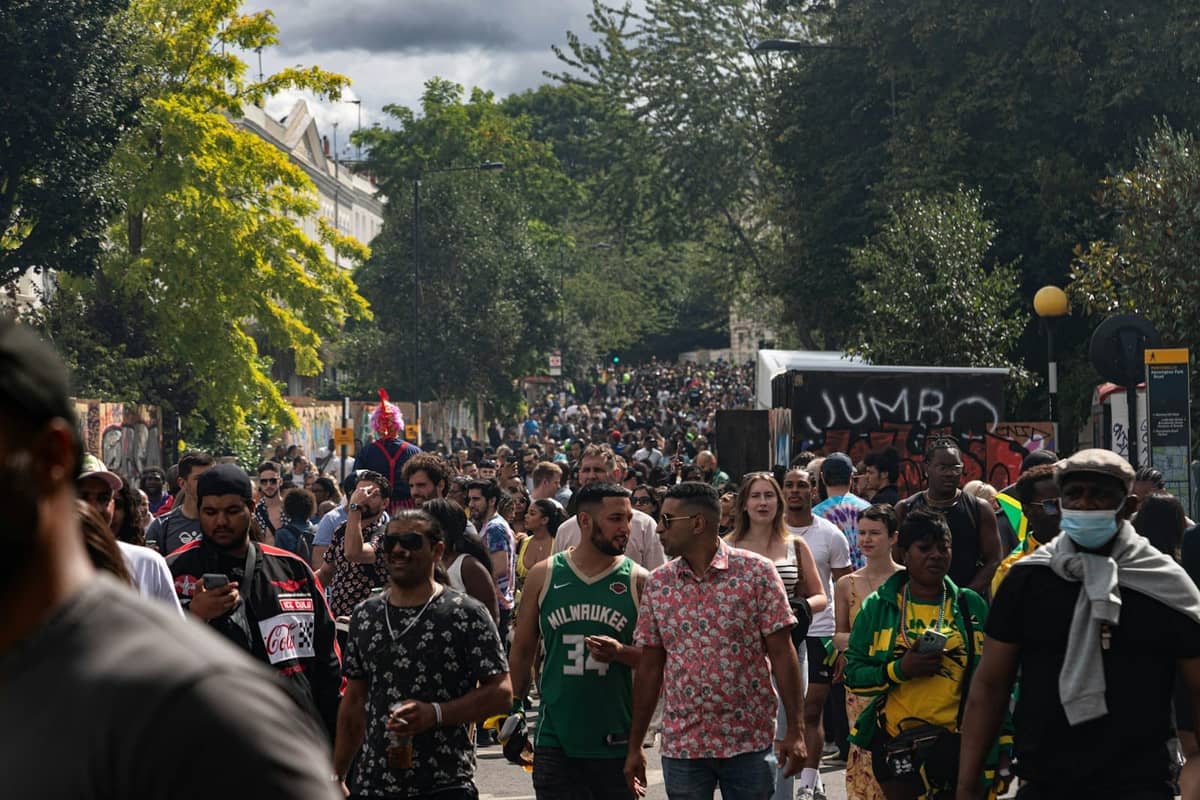
London's event calendar is dense enough that almost every month has at least one major occasion worth factoring into your planning. Some events are reasons to visit; others are reasons to avoid certain areas or dates. The list below is a guide to what typically falls in each period — confirm specific dates for the year you are travelling, as most events shift slightly annually.
- January: New Year's Day Parade; London Art Fair; January sales on Oxford Street
- February: BAFTA Film Awards; Chinese New Year celebrations in Soho and Chinatown (largest in Europe)
- March: St Patrick's Day parade in central London; clocks go forward (late March)
- April: TCS London Marathon (roads close across large sections of the city); Easter bank holiday weekend (very busy)
- May: Chelsea Flower Show (late May); FA Cup Final at Wembley; early May bank holiday
- June: Wimbledon begins (late June); Trooping the Colour (King's Birthday Parade, usually held in June); Pride in London (late June)
- July: Wimbledon concludes; BBC Proms begin at the Royal Albert Hall; Summer blockbuster exhibitions open
- August: Notting Hill Carnival (August bank holiday weekend); outdoor cinema and theatre across the city
- September: London Fashion Week; Open House London; Great River Race on the Thames
- October: Frieze Art Fair; BFI London Film Festival; clocks go back (late October)
- November: Bonfire Night (5 November, fireworks across the city and parks); Lord Mayor's Show; Christmas lights switch-on (mid-November)
- December: Winter Wonderland in Hyde Park; Christmas markets on South Bank; New Year's Eve fireworks (ticketed, extremely popular)
✨ Pro tip
If Wimbledon is on your list, plan carefully. The All England Club runs a public ballot for tickets that opens in autumn the year before. Remaining tickets are sold daily via a queue on the grounds — arriving by 6 AM gives you a reasonable chance for outside courts. Centre Court and No. 1 Court tickets through the ballot are competitive. Do not buy from resellers without checking the official resale programme first.
Practical Tips for Every Season
Whatever time of year you visit, London rewards preparation. Getting around London is straightforward on the Tube and bus network using a contactless bank card or Oyster card — both cap your daily spend automatically. For a structured introduction to the city's layout, first-time visitors will find a neighbourhood-by-neighbourhood overview useful before arrival.
Clothing is the most common thing visitors get wrong. Even in July, evenings can drop to 14°C and a light jacket is useful. In winter, a proper coat, waterproof layer, and warm shoes will make the difference between enjoying outdoor sightseeing and dreading it. London is a walking city — comfortable shoes matter more than almost any other item you pack. The city's tap water is safe to drink, which saves money on bottled water across a multi-day trip.
London has a remarkable number of free things to do, which means budget and timing are not as tightly linked as in some cities. The national museums charge nothing for entry year-round. Parks like Hampstead Heath and Greenwich Park are free in all seasons. If you are travelling in winter and worried about value, the free indoor attractions alone could fill a week.
FAQ
What is the best time to visit London to avoid crowds?
Late September through November is the least crowded window that still offers decent weather. January and February are the absolute quietest months, but daylight is limited to around 8–9 hours. If you want to explore parks and outdoor spaces without crowds, early May is an excellent compromise.
What is the cheapest time to visit London?
January to March offers the lowest hotel and flight prices of the year, especially in the weeks after the New Year holiday. February midweek in particular can yield very competitive accommodation rates. Avoid the Christmas and New Year period if budget is a priority, as prices spike sharply.
Does it rain a lot in London? Is there a rainy season?
London gets moderate rainfall of around 40–60 mm per month throughout the year, with roughly 11–13 rainy days per month. There is no monsoon or defined rainy season. October and November are marginally wetter; March and April marginally drier. Rain in London tends to be drizzle rather than heavy downpours, and most days will have both dry and wet spells.
Is London worth visiting in winter?
Yes, particularly for indoor culture. The national museums (British Museum, V&A, Natural History Museum, National Gallery) are free to enter and significantly less crowded than in summer. The West End theatre season is at its strongest in autumn and winter. December adds Christmas markets and festive lights. The main drawbacks are short daylight hours (around 8 hours in December) and cold temperatures (average highs of 8°C).
When is the best time to visit London for the first time?
May or September. Both months offer mild temperatures (16–19°C), reasonable daylight (14–12 hours respectively), lower prices than peak summer, and manageable crowd levels. September has the added advantage of the school holiday rush being over, which makes a real difference at major attractions like the Tower of London and the London Eye.