London to Paris: Eurostar, Flights & Every Travel Option Compared
There are three realistic ways to get from London to Paris: the Eurostar train, a short-haul flight, or an overnight coach. This guide breaks down journey times, realistic fares, booking strategy, and the practical details that trip-planning sites usually skip.
Plan and book this trip
Tools from our partner Travelpayouts help you compare flights and hotels. If you book through them, we may earn a commission at no extra cost to you.
Flights
Hotels map
TL;DR
- The Eurostar is the default choice for most travellers: around 2h 30m city centre to city centre, fares from roughly £52 in Standard when booked early.
- Flights take 1–1.5 hours in the air but 4+ hours door-to-door once you factor in airport transfers, security, and check-in.
- Coaches are the cheapest option (from around £25–£30) but take 6+ hours and are only worth it for the most budget-constrained travellers.
- Book Eurostar tickets up to 8 months ahead at eurostar.com or sncf-connect.com for the lowest fares — and check our London to Amsterdam guide if you're planning a wider Europe trip.
- Arrive at St Pancras at least 60–90 minutes before departure: border control is not optional and takes real time.
The Eurostar: Why It Dominates This Route
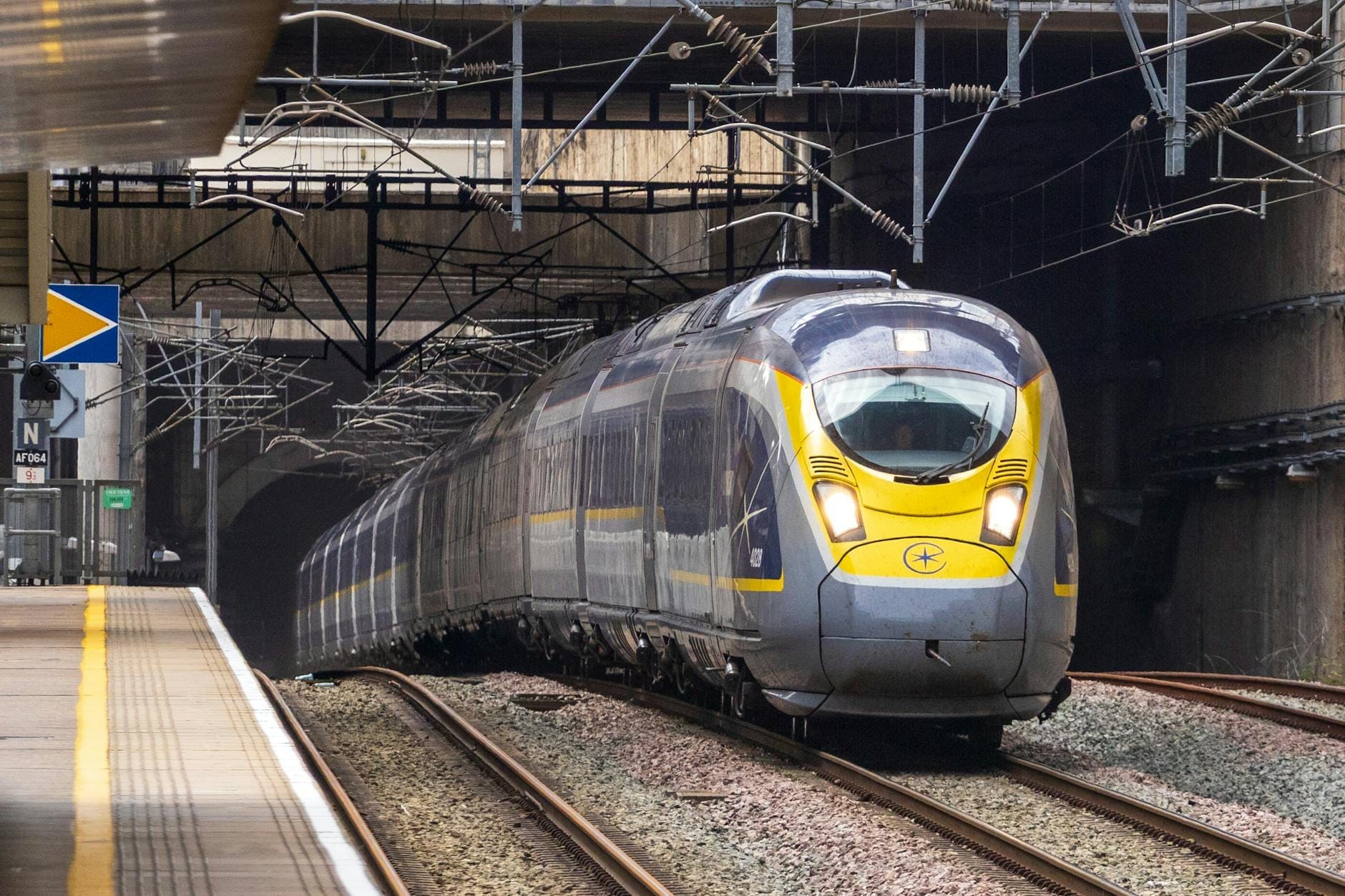
The Eurostar is the only direct train between London and Paris, running from London St Pancras International to Paris Gare du Nord. The journey covers approximately 214 miles (344 km), including the 31-mile Channel Tunnel section, in around 2 hours 28 minutes on most services, with the fastest scheduled runs taking 2 hours 16 minutes. That puts Paris within easy day-trip range of London, and it makes the Eurostar faster than flying on a door-to-door basis for the vast majority of travellers.
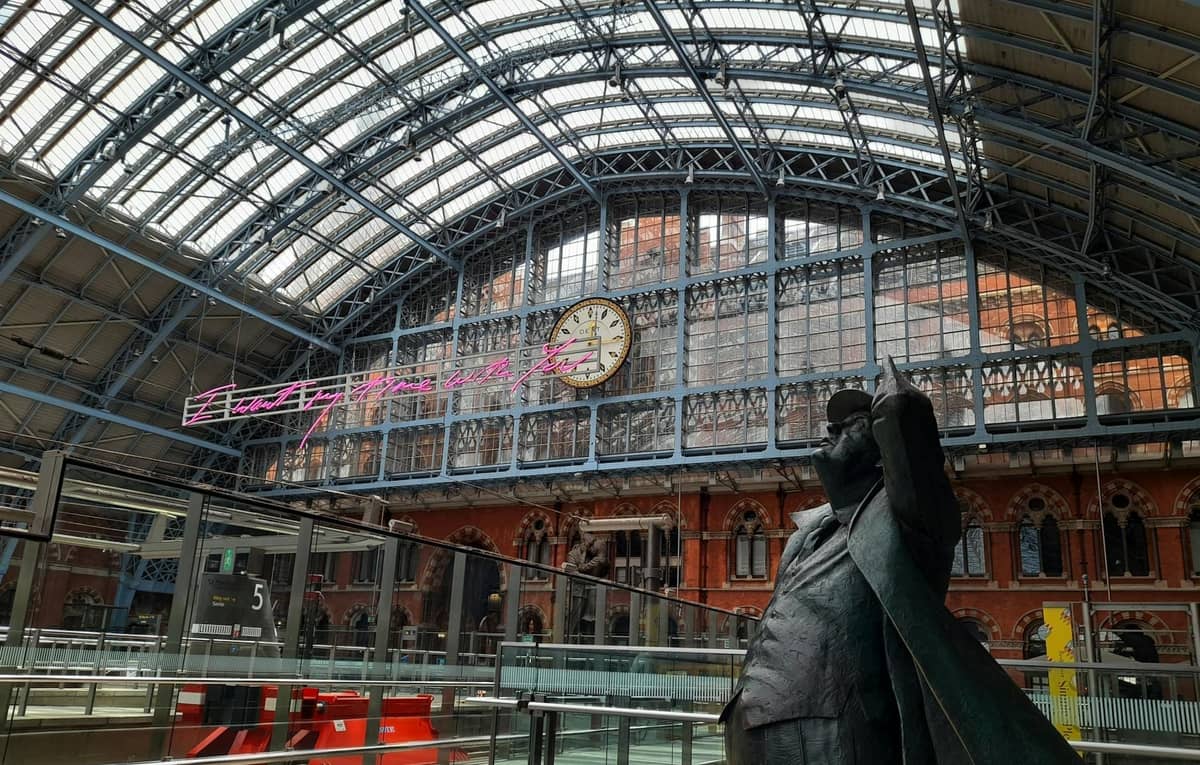
Around 13–17 direct trains run daily, roughly every hour from early morning to mid-evening. The timetable is dense enough that you rarely need to plan your day around a single departure. Both stations are central: St Pancras sits in King's Cross, well-connected by the Tube, Thameslink, and the Elizabeth line, while Gare du Nord is on the Paris Métro and connects directly to CDG airport via the RER B.
⚠️ What to skip
Despite what some third-party booking sites imply, Eurostar is the only operator running direct trains between London and Paris. OUIGO, SNCF, and TGV branding you may see relates to onward services within France or other European routes, not the London–Paris crossing. Always book through eurostar.com or sncf-connect.com directly to avoid third-party booking fees.
Standard class fares start from around £52 one way when booked months in advance or during promotional windows, but pricing is dynamic. Last-minute fares on peak dates — summer school holidays, bank holiday weekends, Christmas, New Year — can exceed £200 or even £300 one way. Tickets go on sale roughly 8 months before travel, and the cheapest allocations sell out first. If your dates are fixed, booking the day tickets open is a legitimate strategy, not excessive planning.
- Standard Basic seat, carries hand luggage and two checked bags. Fares from around £52 with advance booking.
- Standard Premier More legroom, seat-at-seat food service, and a quieter carriage. A worthwhile upgrade for business travellers or those who want a calmer crossing.
- Business Premier Flexible tickets with full-fare refund/change options, lounge access at St Pancras, and a proper meal. Prices are significantly higher but appropriate if you need certainty on same-day changes.
✨ Pro tip
Eurostar has no airline-style liquids restriction in your bag, and the baggage allowance is generous. You can bring a full-size bottle of wine, your regular toiletries, and proper hand luggage without re-packing. This is one of the underrated advantages over flying.
Border Control: The Detail Most Guides Ignore
The Eurostar is an international train, not a domestic service. Before you board at St Pancras, you clear both UK exit checks and French (Schengen) entry checks. This is done in sequence at the station itself, before you reach the platform. It takes time. Eurostar recommends arriving at least 60–90 minutes before departure, and your ticket will specify a check-in deadline. Turning up 15 minutes early and expecting to stroll onto the platform is a reliable way to miss your train.
You must carry a valid passport. Since January 2021, British citizens travelling to France are entering the Schengen Area and are subject to full passport checks. EU citizens can travel on a national identity card. Children need their own travel documents. Check the latest entry requirements for your nationality on GOV.UK before you travel, as rules are periodically updated. The border process at St Pancras is generally smooth by international standards, but queues on busy Friday afternoons or holiday departures can be significantly longer than on quiet Tuesday mornings.
💡 Local tip
The St Pancras Eurostar terminal has a champagne bar, several restaurants, and a large departure lounge. If you arrive early (which you should), it is a comfortable place to wait. The area around the terminal in King's Cross also has good coffee options if you prefer to arrive with a drink in hand.
Flying London to Paris: When It Makes Sense
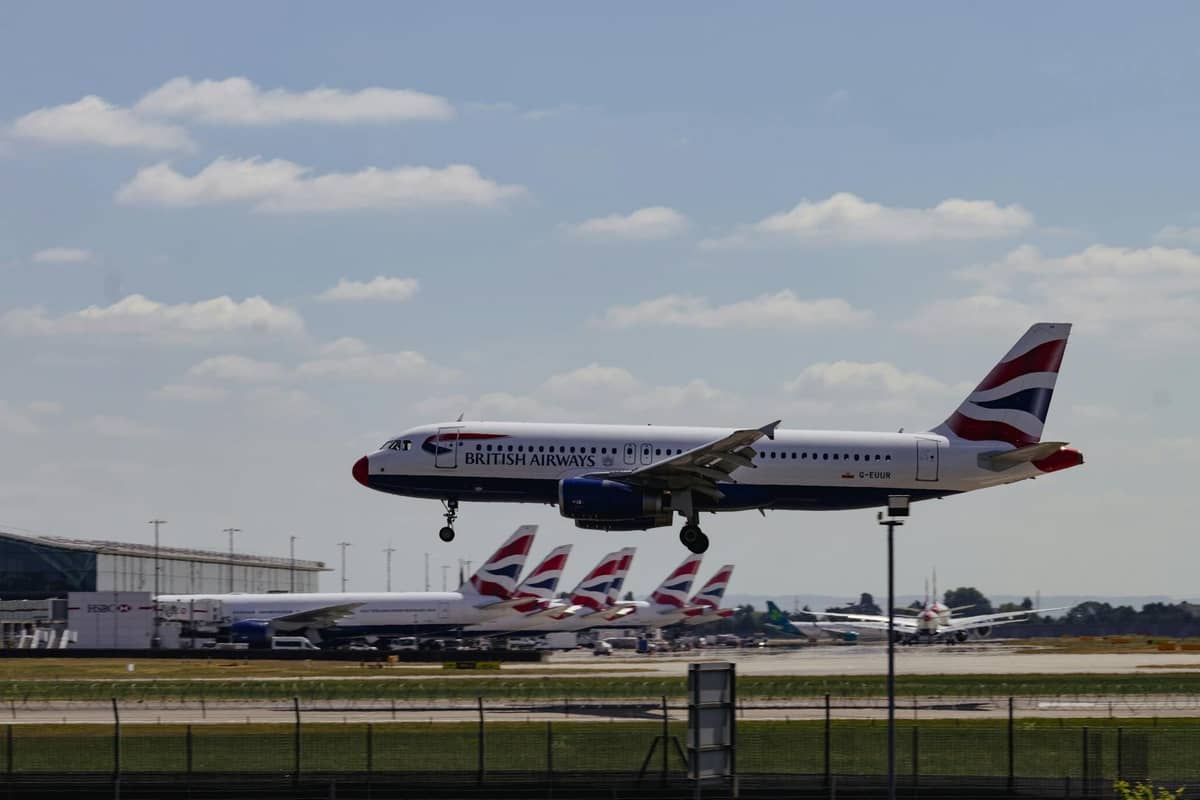
Multiple airlines fly between London's airports and Paris Charles de Gaulle (CDG) or Paris Orly (ORY). British Airways, Air France, and budget carriers all operate the route. Block flight time is roughly 1 to 1.5 hours, which sounds faster than the train until you calculate the actual journey.
From central London, getting to Heathrow takes around 30–40 minutes on the Elizabeth line, longer by road in traffic. Gatwick is 30 minutes from Victoria by Gatwick Express but 28 miles south of central London. Add 90 minutes recommended check-in time, a flight, CDG arrivals (CDG is a large, sometimes chaotic airport), and the RER B ride into central Paris, and door-to-door is typically 4 to 5 hours. That is longer than the Eurostar for most itineraries. See our full London airport guide for detailed transfer times from each terminal.
Flights can be competitively priced when booked 2–3 months out, with one-way fares sometimes around £55–£65 in economy. Last-minute fares regularly exceed £200. The real catch is that budget airlines use the cheapest terminals (Heathrow T5 is fine; some Orly services are more awkward) and cheap fares often come with minimal baggage. Once you add a checked bag, seat selection, and airport transfers, the apparent saving versus the Eurostar narrows considerably.
Flying makes more practical sense if you are already connecting through a London airport, if you find very cheap fares that include your baggage, or if you are travelling from somewhere that is far from central London and has a closer airport. For a standalone London-to-Paris trip starting in central London, the Eurostar is a better experience in almost every meaningful way.
Coach: The Worth Knowing

Coaches to Paris depart from Victoria Coach Station and take approximately 6 hours, sometimes longer depending on traffic, ferry or tunnel crossing, and stops in northern France. Operators including FlixBus and Eurolines (via various operators) run the route. Fares can start from around £25–£30 when booked early, with average prices around £50–£65.
This option is worth considering if you are travelling on an extremely tight budget and your time has more flexibility than your finances. It is not a comfortable or efficient choice for most travellers. Seats are less spacious than the train, the crossing can be choppy if it goes via Dover and the ferry, and a 6-hour journey through northern France offers limited scenery. That said, for budget backpackers or those already comfortable with long coach trips, it is a real option with a real price advantage.
How to Book and When to Buy
For the Eurostar, book directly through transport planning resources and the official eurostar.com or sncf-connect.com sites, both of which sell tickets without the booking fees that third-party aggregators often add. Trainline and similar platforms are convenient but typically add a fee per booking. For flexible fares or last-minute booking, aggregators can be useful for comparison, but finalize the purchase on the official site if the fare matches.
The booking window opens approximately 8 months before departure. The cheapest Standard fares are released first and in limited quantities. If you are travelling during peak periods — specifically late July to August, UK school half-terms, the Christmas period from around 20 December to 3 January, and Easter weekend — book as early as possible. For off-peak travel on a weekday, the pricing curve is gentler and you can often find reasonable fares 4–6 weeks out.
- Book at eurostar.com or sncf-connect.com to avoid third-party booking fees.
- Tickets open around 8 months before travel; cheapest fares sell in limited batches.
- Avoid Fridays and Sundays if possible — business and leisure demand peaks on these days.
- Tuesdays and Wednesdays consistently show the best availability and pricing in Standard.
- For flights, use Google Flights or Skyscanner to track prices, but check airline sites directly for final booking.
- Coach tickets are cheap enough that the booking window matters less, but popular holiday departures can sell out.
Practical Comparison: Which Option Is Right for You
The Eurostar wins for most travellers. City centre to city centre in under 2.5 hours, no liquids restrictions, generous baggage, a comfortable seat, and reliable wi-fi on most services. It also deposits you at Gare du Nord, one of Paris's most central and well-connected stations, rather than at an airport 25km from the centre. The premium for this convenience over a cheap flight is usually small once you account for all actual costs.
If you are building a wider European trip, it is worth considering whether London fits as a starting or ending point. Our guide to day trips from London covers shorter excursions, and if Paris is just one stop on a longer itinerary, train passes and multi-city routing can offer better value than individual tickets.
- Eurostar Best for: almost everyone. Approximately 2h 28m. Fares from ~£52 advance. City centre to city centre.
- Flight Best for: travellers already at a London airport, or those who find cheap all-in fares. Door-to-door typically 4–5 hours. Fares from ~£55 but variable.
- Coach Best for: very budget-conscious travellers with flexible time. Around 6+ hours. Fares from ~£25.
If you are planning your London base before the trip, our guide to where to stay in Londoncovers the neighbourhoods closest to St Pancras and King's Cross, which is a useful consideration if an early Eurostar departure is on your itinerary.
FAQ
How long does the Eurostar take from London to Paris?
Most Eurostar services from London St Pancras International to Paris Gare du Nord take approximately 2 hours 28 minutes. The fastest scheduled services run in 2 hours 16 minutes. Check the specific timetable when booking, as journey times vary by departure.
Do I need a passport to take the Eurostar from London to Paris?
Yes. The Eurostar is an international train service and you must carry a valid passport. You will clear UK exit checks and French Schengen entry checks at St Pancras before boarding. National identity cards are accepted for EU citizens; British and other nationals need a passport. Check current entry requirements for your nationality on GOV.UK before travel.
How early should I arrive at St Pancras for the Eurostar?
Eurostar recommends arriving at least 60–90 minutes before your scheduled departure to allow time for check-in and border control. Your ticket will specify a check-in deadline. Do not treat this as optional: the border process at St Pancras is real and queues can be significant on busy departure days.
Is it cheaper to fly or take the Eurostar from London to Paris?
It depends on timing and how you calculate costs. Advance Eurostar fares from around £52 are competitive with budget airline prices, but flights can occasionally be cheaper on specific dates. However, when you factor in airport transfers, baggage fees on budget airlines, and the longer door-to-door journey time of 4–5 hours versus under 2.5 hours on the train, the Eurostar represents better overall value for most travellers.
Can I take luggage on the Eurostar?
Yes, and the Eurostar's baggage policy is considerably more generous than most airlines. There are no airline-style liquids restrictions in your bag. Standard passengers can typically bring two items of hand luggage and two larger bags. This is one of the practical advantages of the train over flying, especially if you are travelling with a full suitcase.