Best Things to Do in Paris: The Definitive 2025 Guide
Paris rewards visitors who go beyond the obvious itinerary. This guide covers the best things to do in Paris across every interest and budget, from world-class museums and Seine river cruises to neighbourhood markets, immersive art installations, and day trips worth the train fare.
Plan and book this trip
Tools from our partner Travelpayouts help you compare flights and hotels. If you book through them, we may earn a commission at no extra cost to you.
Flights
Hotels map
TL;DR
- The Louvre, Eiffel Tower, and Musée d'Orsay are genuinely unmissable, but each requires booking ahead and arriving early to avoid crushing queues.
- Spring (April–June) and autumn (September–October) offer the best combination of pleasant weather, lighter crowds, and lower accommodation prices.
- Paris has nearly 150 museums and monuments. A Paris Museum Pass can save significant money if you plan to visit four or more major sites.
- The RATP Métro covers all 20 arrondissements efficiently. Single Métro/RER tickets cost €2.55 in 2026; load credit onto a Navigo Easy card or use Navigo Liberté+ for better per-trip value.
- Day trips to Versailles and Giverny are full-day commitments. Plan them early in your trip before fatigue sets in.
The Iconic Attractions: What They're Really Like
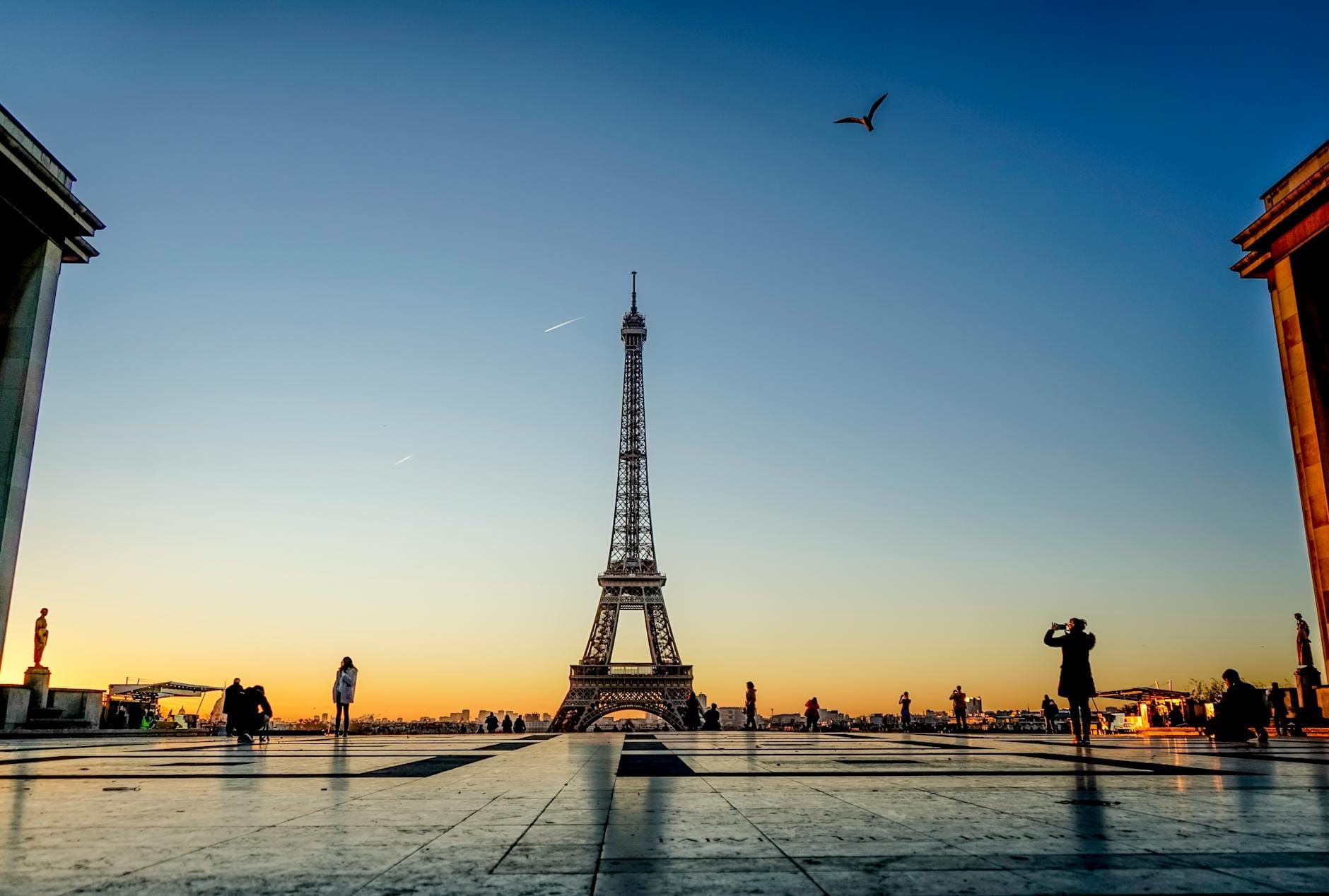
The Eiffel Tower was built in 1889 as a temporary structure for the World's Fair, intended to celebrate the centenary of the French Revolution. It was never meant to stand permanently. Today it is the most visited paid monument in the world, which means arriving without a timed-entry ticket in peak season is a reliable way to spend your afternoon in a queue rather than on the viewing platform. Book the summit-access ticket at least two weeks ahead in July and August. If you're flexible on the experience, the view from the Trocadéro plaza across the Seine is free, photogenic, and far less stressful.
The Louvre is the world's largest art museum, spread across more than 15 acres of gallery space with close to half a million works. Admission is €22, and entry is free on Bastille Day (July 14). The Mona Lisa is a 30×20 inch painting surrounded by a permanent scrum of outstretched phones. It is worth seeing once, but equally worth not building your entire visit around it. Download the museum's floor map before you go, and prioritise the Denon, Sully, or Richelieu wings based on your interests. Allow at least three hours for a meaningful visit; serious art lovers should plan a full day.
💡 Local tip
The Louvre is free for visitors under 18 and for EU residents under 26. On the first Friday evening of each month (except July and August), it stays open until 9:45 pm and is free for all visitors. This is one of the best ways to avoid daytime crowds.
The Arc de Triomphe sits at the top of the Champs-Élysées and offers some of the best panoramic views in the city. The 284-step climb to the roof delivers close-up perspectives of the twelve radiating avenues below, plus clear sightlines to the Eiffel Tower and Sacré-Cœur. Access the monument via the underground pedestrian tunnels from the Champs-Élysées, never attempt to cross the roundabout on foot. Entry costs €16 for adults, and EU residents under 26 get in free.
Museums Beyond the Big Names
Paris has approximately 150 museums and monuments, which means even regular visitors cannot exhaust the options. The well-known institutions are well-known for good reason, but several smaller museums consistently deliver more memorable visits precisely because they are less crowded and more focused.
- Musée de l'Orangerie Houses Monet's Water Lilies across two oval rooms designed by the artist himself. One of the most genuinely moving spaces in Paris, and rarely as packed as the Louvre. Budget 1–2 hours.
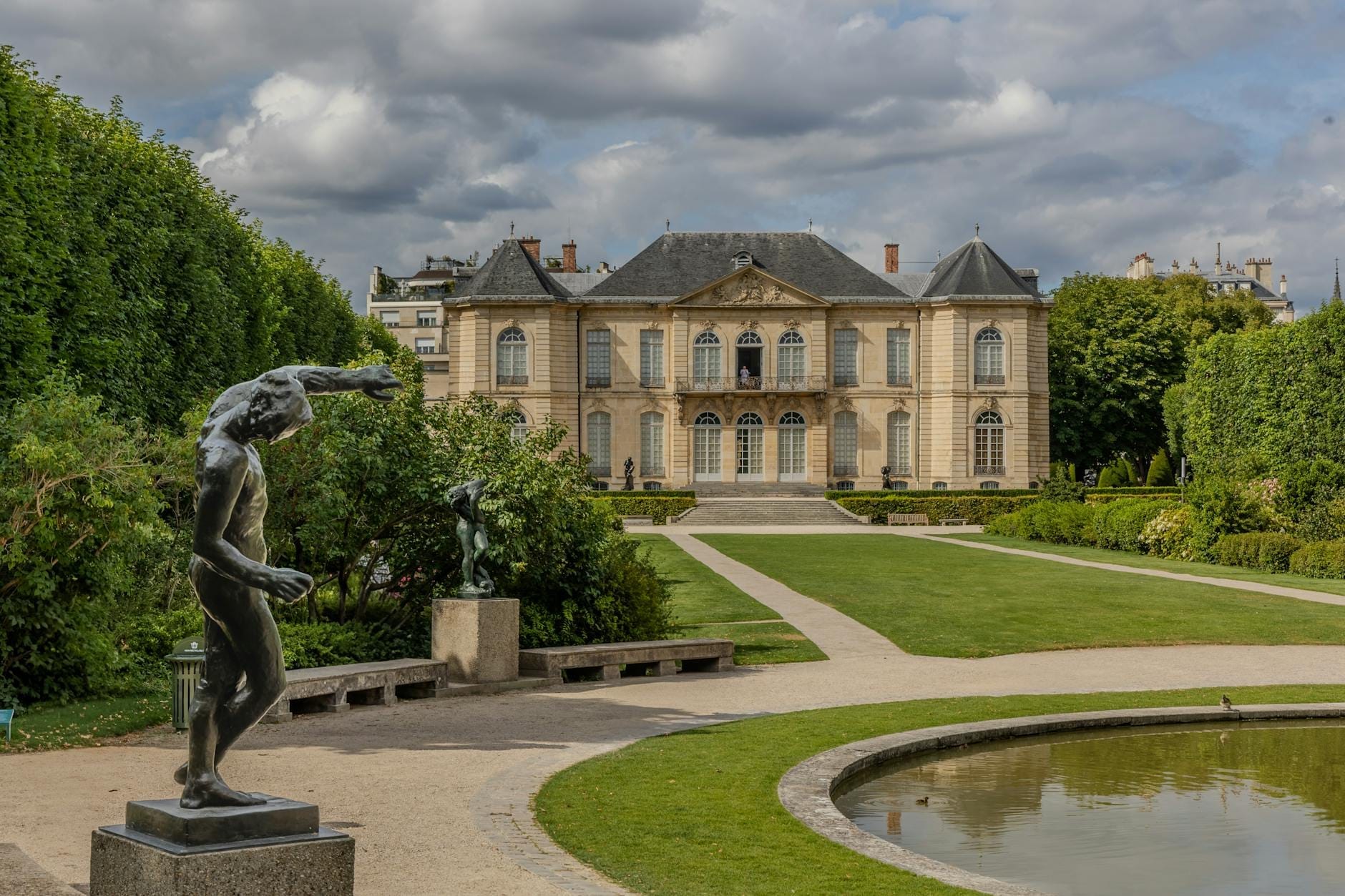
- Musée Rodin Set in a 18th-century mansion with a sculpture garden. The Thinker and The Kiss are here, but the garden setting elevates the experience far beyond a standard museum visit.
- Musée Carnavalet Traces the history of Paris through two interconnected Renaissance mansions in Le Marais. Entry is free. The rooms covering the French Revolution are particularly detailed.
- Atelier des Lumières An immersive digital art show projected across the walls of a former iron foundry in the 11th arrondissement. Programming rotates annually. Not a traditional museum, but consistently impressive.
- Sainte-Chapelle A 13th-century royal chapel on the Île de la Cité whose upper chapel holds 1,113 scenes of medieval stained glass set across 15 soaring windows. On a clear morning the interior light is extraordinary. Often overshadowed by Notre-Dame next door, which means shorter queues.
✨ Pro tip
If you plan to visit four or more major attractions in a short trip, calculate whether a Paris Museum Pass (available for 2, 4, or 6 consecutive days) makes financial sense. It covers 50+ sites including the Louvre, Musée d'Orsay, Versailles, and Sainte-Chapelle, and lets you skip ticket lines at most venues.
Neighbourhoods Worth Exploring on Foot
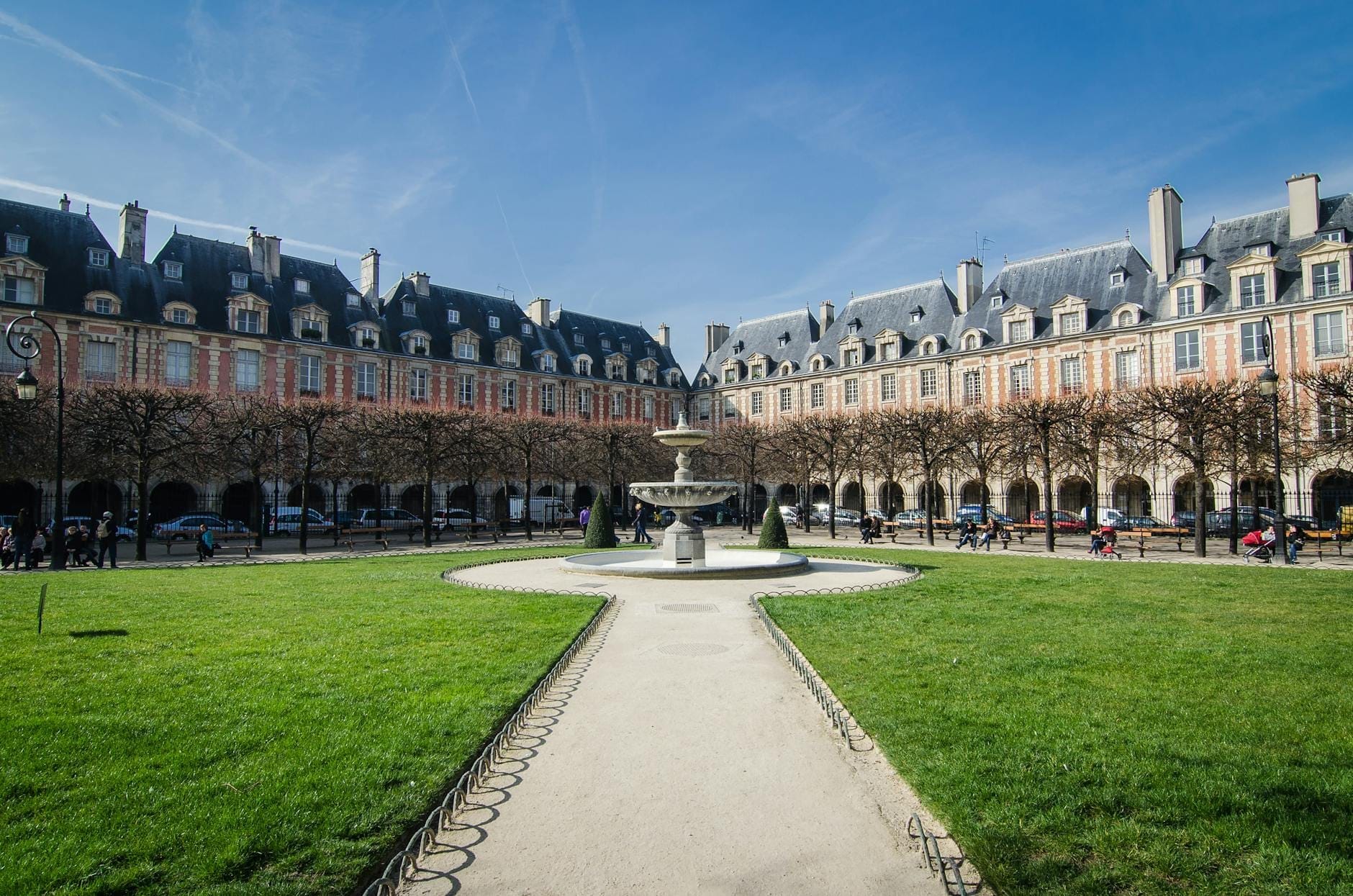
Paris is best understood by arrondissement, its 20 administrative districts that spiral outward from the Île de la Cité. Each has a distinct character. Le Marais (4th arrondissement) contains some of the best-preserved medieval street plans in the city, alongside the elegant Place des Vosges, Paris's oldest planned square. The neighbourhood is walkable in an afternoon and rewards slow exploration more than a checklist approach.
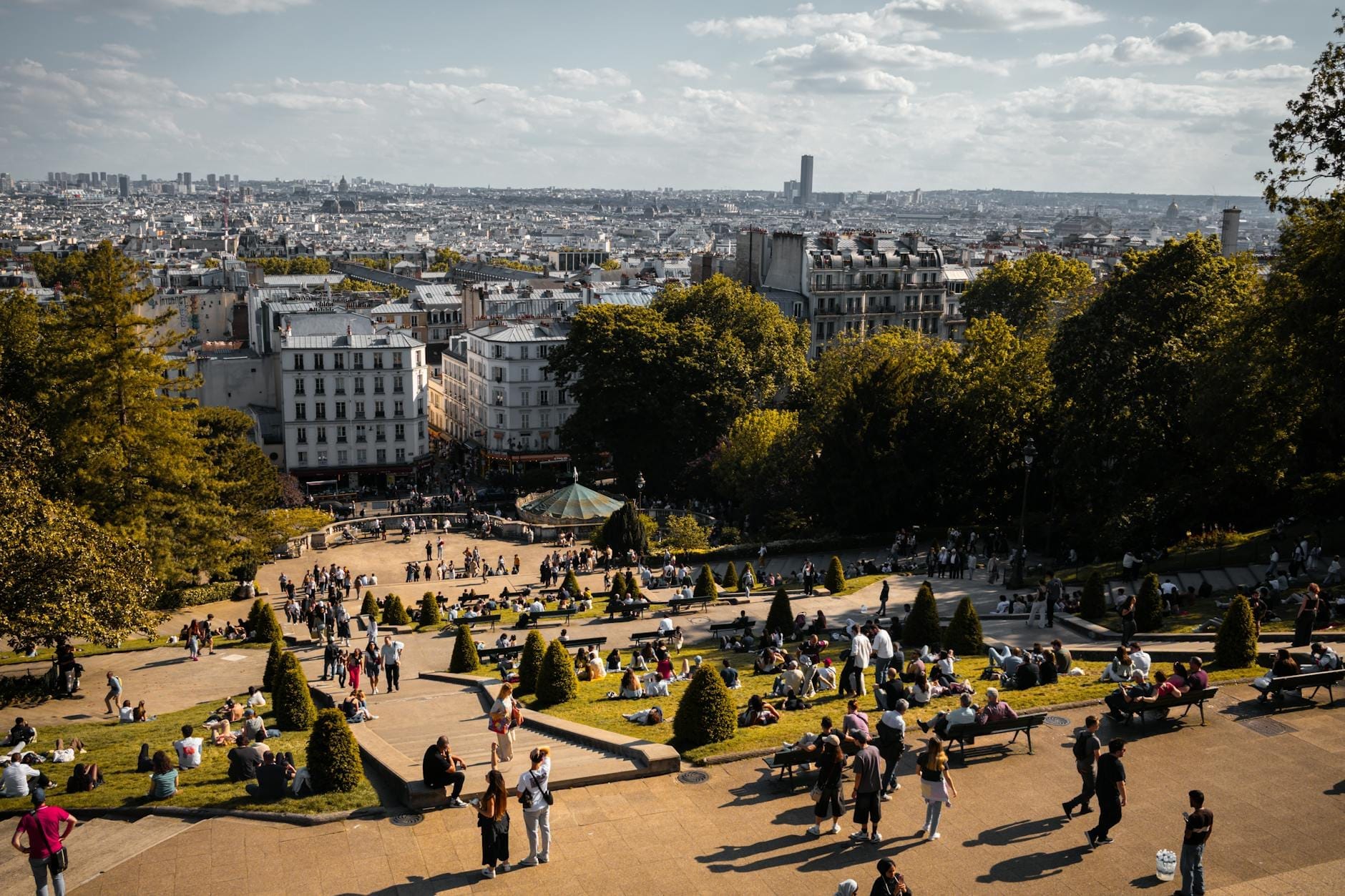
Montmartre (18th arrondissement) sits on Paris's highest hill and offers genuinely good views without the entry fee of official observation decks. The Sacré-Cœur Basilica dominates the skyline, and the surrounding streets have a village-like atmosphere that stands in contrast to central Paris. The tourist-facing rue Lepic area can feel repetitive, but venture two blocks east or west and the neighbourhood changes tone entirely.
For something further off the standard circuit, Canal Saint-Martin in the 10th arrondissement is where Parisians actually spend their Sunday afternoons: picnicking along the iron footbridges, browsing independent record shops, and drinking coffee at pavement tables. The canal itself runs for 4.5 kilometres from the Seine to the Bassin de la Villette. It requires no entry fee and rewards a casual two-hour wander.
Parks, Gardens, and Outdoor Time
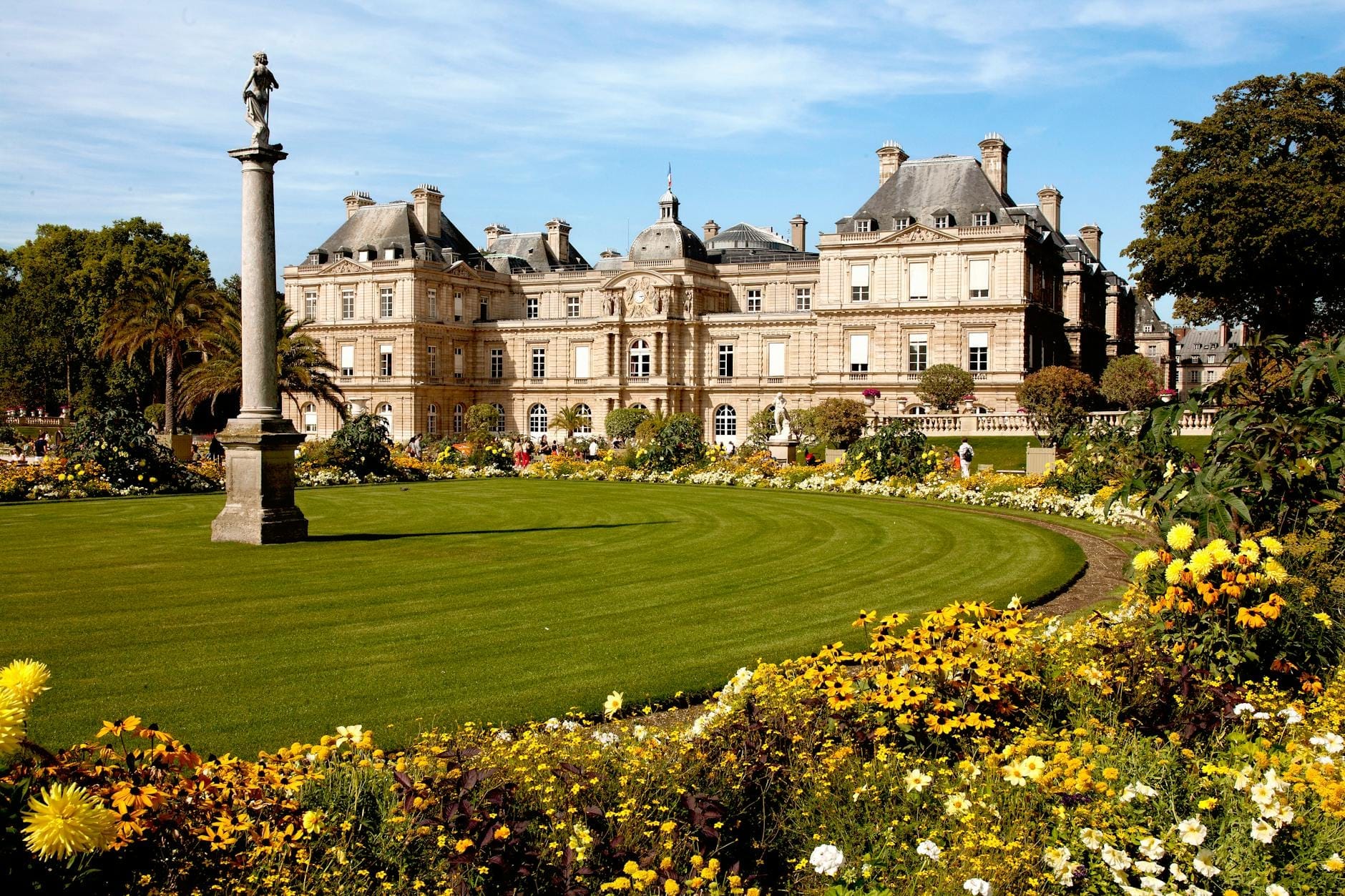
The Jardin du Luxembourg and Jardin des Tuileries are both formal 17th-century gardens and both worth visiting, though they serve different purposes. The Tuileries connects the Louvre to the Place de la Concorde and is useful as a walking route with a rest stop. The Luxembourg, in the 6th arrondissement, feels more like a neighbourhood park where students read, children sail toy boats, and locals play pétanque on the gravel courts. Of the two, Luxembourg is the better destination for actually relaxing.
For something less manicured, Parc des Buttes-Chaumont in the 19th arrondissement offers a lake, a rocky island temple, and dramatic elevation changes that make it feel unlike any other park in the city. It is primarily a local park, not a tourist destination, which is exactly why it is worth the short Métro ride.
Seine Cruises, Day Trips, and Getting Out of the City
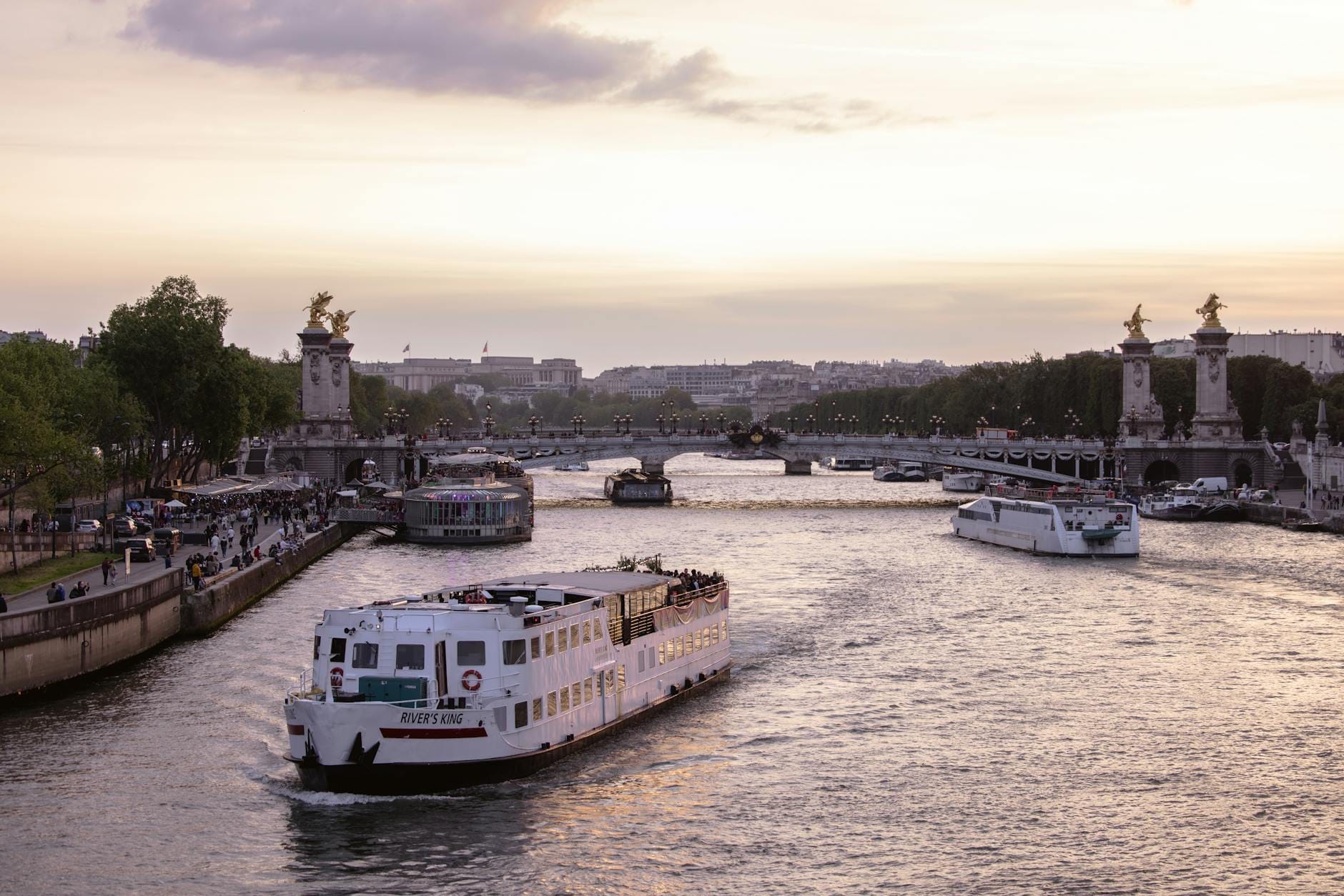
A Seine river cruise is one of the most efficient ways to orient yourself in Paris on day one. The two main Bateaux Mouches-style operators depart from the Left Bank near the Eiffel Tower and cover all the major riverside monuments in roughly one hour. Evening departures around sunset deliver better light and a less crowded experience than midday sailings. Prices run around €15–17 for adults for a standard one-hour commentary cruise.
The Palace of Versailles is worth a full day and no less. The château, the gardens, the Grand Trianon, and the Petit Trianon together require five to six hours to do justice. Take the RER C from Pont de l'Alma or any central Paris station to Versailles-Château-Rive Gauche (about 40 minutes, under €10 return). Book entry tickets in advance, especially for summer. Arriving before 9:30 am makes a significant difference to the experience inside the State Apartments.
Monet's Gardens at Giverny sit about 75 kilometres northwest of Paris and require at least a half-day, though a full day is more comfortable. The water garden with its famous Japanese bridge is exactly what the paintings suggest. The gardens are open from April through October only, and the peak for flower colour is May to mid-June. Getting there independently involves a train from Saint-Lazare to Vernon followed by a shuttle bus or cycle hire.
⚠️ What to skip
The Champs-Élysées is worth walking once for the scale and the Arc de Triomphe backdrop, but as a shopping destination it offers almost nothing that cannot be found more cheaply elsewhere. The avenue is lined predominantly with international chains and overpriced cafés targeting tourists. For Parisian shopping, Le Marais, Saint-Germain-des-Prés, and the covered passages of the 2nd arrondissement are considerably more interesting.
Practical Planning: Timing, Costs, and Getting Around
Paris operates on Central European Time (CET, UTC+1), shifting to CEST (UTC+2) between late March and late October. The city covers 105.4 km² across 20 arrondissements, with a population of around 2 million in the city proper. The RATP Métro runs 16 lines and reaches every major sight. For a short trip, a rechargeable Navigo Easy card or Navigo Liberté+ offers better per-trip value than buying single €2.55 tickets one at a time (the old paper carnet has been phased out). For transport from Charles de Gaulle airport (approximately 25 km from the centre), the RER B train costs €14 in 2026 and takes 30–40 minutes to central stations. See our full guide on getting around Paris for Métro line breakdowns by neighbourhood.
- April to June: Best overall conditions, cherry blossoms in early April, long evenings by June. Book accommodation two to three months ahead.
- July to August: Hottest months (averaging 25°C), peak tourist season, longest queues. Many Parisians leave the city in August, which makes some neighbourhoods quieter but some restaurants closed.
- September to October: Excellent weather, post-summer crowds, cultural season reopens. Arguably the most underrated window for a Paris trip.
- November to March: Lower prices and thinner crowds at major sights. Winter holiday lights in December are genuinely spectacular around the Champs-Élysées and Place de la Concorde.
For a structured itinerary that covers the major sights efficiently without feeling rushed, the 3-day Paris itinerary is a useful starting point. First-time visitors should also read the Paris for first-timers guide for neighbourhood orientation and common planning mistakes to avoid.
FAQ
What is the single best thing to do in Paris for a first-time visitor?
There is no single answer, but the Louvre, Eiffel Tower, and a walk through Le Marais form a reliable foundation for a first visit. If forced to choose one, the Musée d'Orsay offers the most concentrated experience of French art history in a manageable space, with shorter queues than the Louvre and a stunning building in its own right.
How many days do you need in Paris to see the main sights?
Three days covers the core: Louvre and Tuileries on day one, Eiffel Tower, Invalides, and a Seine cruise on day two, Montmartre and Le Marais on day three. For Versailles or Giverny, add at least one extra day per excursion.
Is the Paris Museum Pass worth buying?
It depends on your itinerary. The pass covers 50+ sites and includes skip-the-ticket-line access at most of them. If you plan to visit the Louvre (€22 EEA / €32 non-EEA), Musée d'Orsay (€16), Versailles palace passport (€22-32 depending on season), and Sainte-Chapelle (€16 EEA / €22 non-EEA) within four days, the 4-day pass at €109 typically pays for itself by the fourth site.
What are the most overrated things to do in Paris?
The Champs-Élysées as a shopping destination disappoints most visitors expecting Parisian character. The Moulin Rouge is an expensive cabaret (tickets from €115) that functions primarily as a tourist spectacle rather than an authentic cultural experience. The Mona Lisa viewing at the Louvre is often a crowded disappointment for people who built it up as the centrepiece of a museum visit.
What can you do in Paris for free?
Significant portions of Paris cost nothing: Sacré-Cœur, Notre-Dame Cathedral (exterior and interior once restoration is complete), all public parks and gardens, the Musée Carnavalet, Palais Royal gardens, most church interiors, and walking the Canal Saint-Martin. Municipal museums in Paris are free for permanent collections. The first Sunday of each month, the Louvre and several national museums offer free entry to all visitors.