Paris for First-Timers: Essential Tips & Itinerary
Planning your first trip to Paris? This guide covers everything you actually need: which arrondissements to stay in, how to get around without overpaying, which passes are worth buying, and how to avoid the most common rookie mistakes. Specific, honest, and built for real travelers.
Tickets & tours
Live prices and dates from our booking partner. If you book, we may earn a commission at no extra cost to you.
TL;DR
- Stay in the 4th (Le Marais), 6th (Saint-Germain-des-Prés), or 1st arrondissement for walkability to major sights — see where to stay in Paris for a full breakdown.
- Book Eiffel Tower and Louvre tickets online at least 2-3 weeks ahead in summer — walk-up queues can exceed 2 hours.
- Take the RER B from Charles de Gaulle (CDG) airport: €14 in 2026, 30-40 minutes, far cheaper than a taxi.
- Spring (April to June) and early autumn (September to October) offer the best balance of weather, crowds, and prices — details in our best time to visit Paris guide.
- Paris is more walkable than most visitors expect — use the Métro to cover long distances, but plan to walk between sights within the same arrondissement.
Understanding Paris Before You Arrive
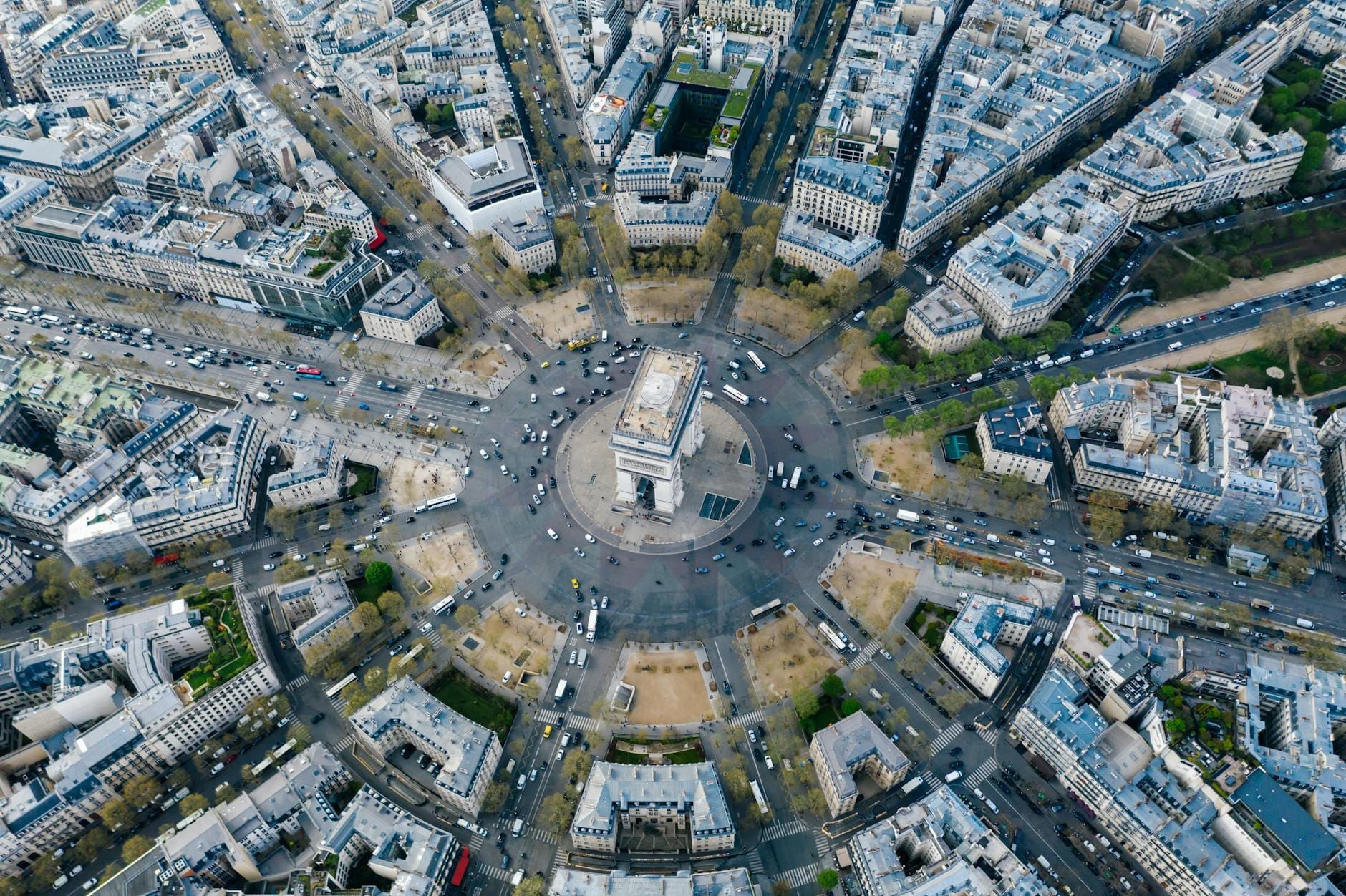
Paris is a compact city by global standards — just 105 square kilometres, home to around 2.1 million people in the city proper. Its 20 arrondissements (administrative districts) spiral clockwise outward from the centre like a snail shell, with the 1st arrondissement sitting at the heart near the Louvre. For first-timers, this numbering system is genuinely useful: low numbers mean central, high numbers mean outer. The 1st through 10th arrondissements cover most of what you'll want to see on an initial visit.
The city sits at roughly 48°N latitude with an oceanic climate — mild winters (3–8°C in December through February), warm but rarely sweltering summers (15–25°C in June through August), and rain spread fairly evenly across the year. Paris averages around 110 rainy days annually, so a compact umbrella belongs in your bag regardless of season. Wettest months run October through December; if you visit then, expect grey skies but also fewer tourists and lower hotel rates.
ℹ️ Good to know
French is the official language, but English is widely spoken in hotels, museums, and restaurants in tourist areas. A few words of French — 'bonjour', 'merci', 's'il vous plaît', 'l'addition' (the bill) — go a long way in showing respect and often improve service noticeably.
Getting to Paris and Around the City
Most international flights land at Charles de Gaulle Airport (CDG), about 25 km northeast of the centre. The RER B train is the standard smart choice: it runs directly to central stations including Gare du Nord, Châtelet-Les Halles, and Saint-Michel, costs €14 with the dedicated Paris Region <> Airports ticket (2026), and takes 30–40 minutes. (The RoissyBus to Opéra was discontinued on 1 March 2026.) Taxis run the regulated flat rate of €56 to the Right Bank or €65 to the Left Bank — sensible only if you're arriving late at night with heavy luggage or splitting the fare with others. Paris Orly Airport (ORY), about 13 km south, serves mostly European routes — Métro line 14 was extended to Orly in June 2024 and reaches central Paris in around 25 minutes for the standard €2.55 fare.
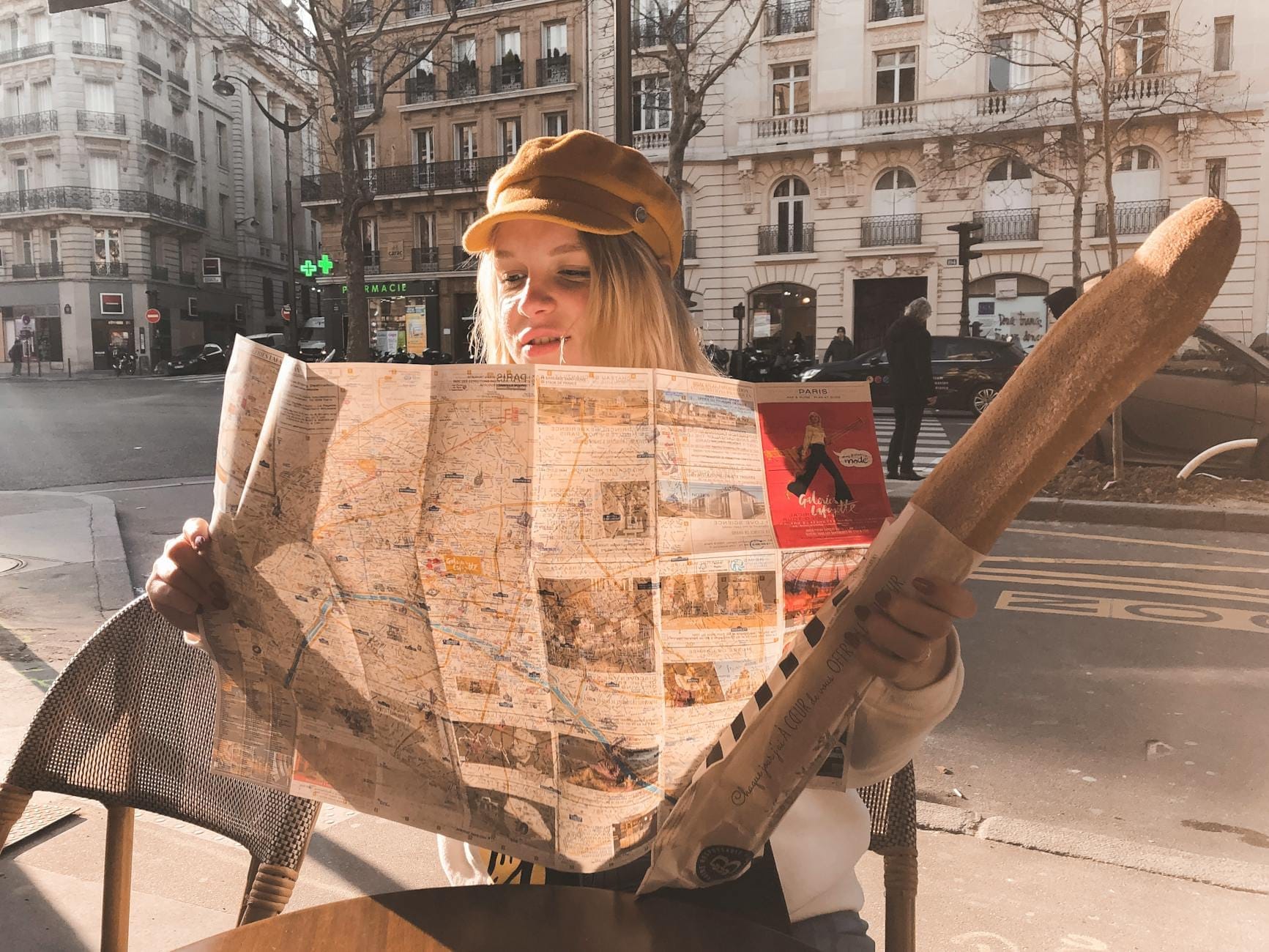
Once in the city, the RATP Métro is your workhorse. Its 16 lines run frequently (every 2–5 minutes at peak times) and cover all 20 arrondissements thoroughly. Keep your ticket until you exit — inspectors do check inside stations, not just at barriers. For cycling, Vélib' Métropole operates over 1,400 docking stations across the city; a 24-hour pass gives you unlimited 30-minute rides for free (dock and re-check the bike every 30 minutes to avoid usage fees). For a deeper look at your options, see our guide to getting around Paris.
⚠️ What to skip
Avoid buying Metro tickets from strangers offering to help at ticket machines — this is a common scam at CDG and major stations. Always use the official RATP machines or the RATP app. Contactless payment (bank card or phone) is accepted at most barriers, which simplifies things considerably.
Which Neighborhoods to Stay In
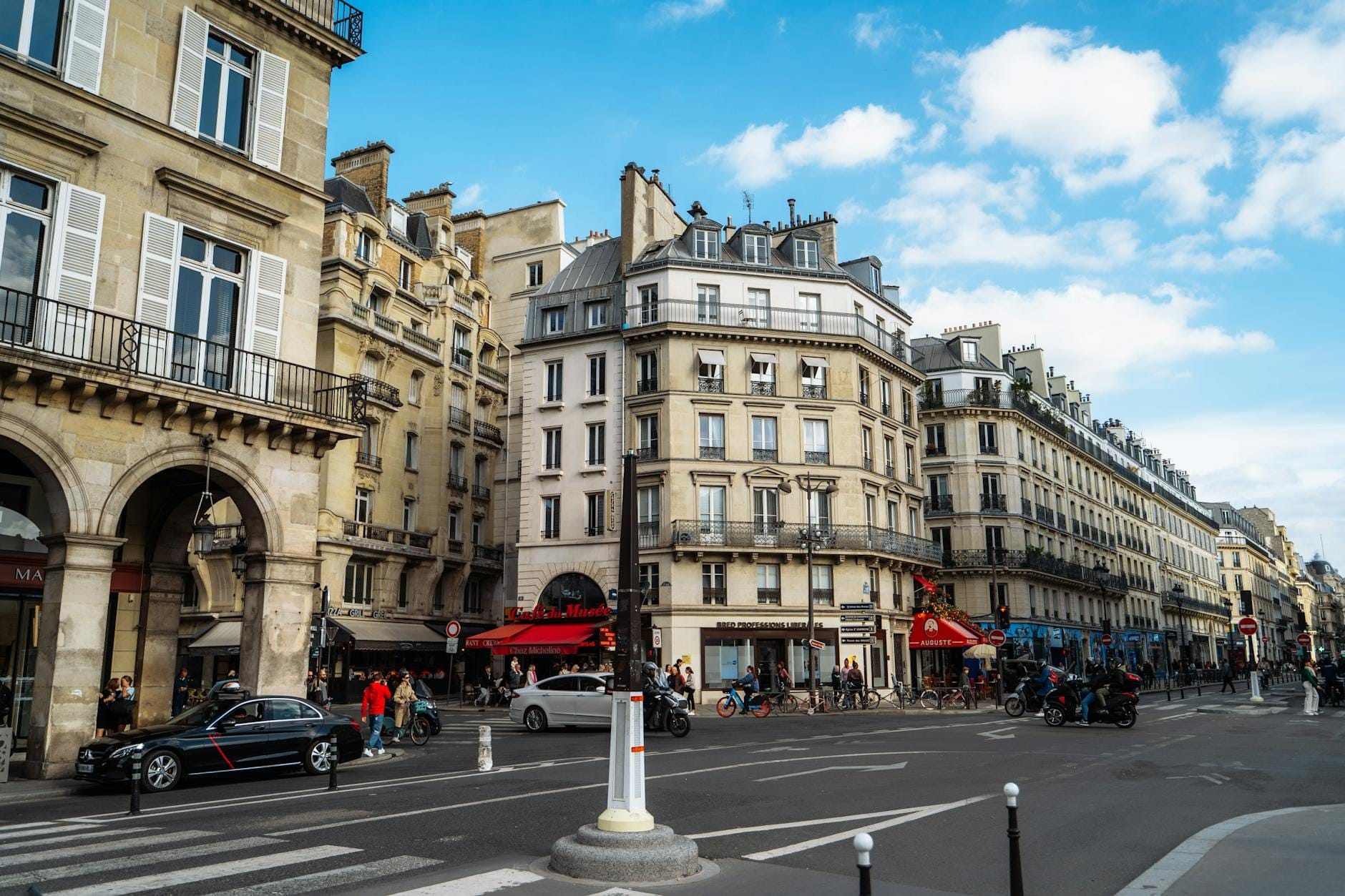
Where you sleep in Paris shapes the entire trip. First-timers consistently do best in the central arrondissements, where sights are walkable and the city's character is at its most concentrated. Here's a clear breakdown of the most relevant areas.
- Le Marais (4th arrondissement) Medieval streets, independent boutiques, excellent falafel on Rue des Rosiers, and one of the city's liveliest atmospheres. Central, walkable to Notre-Dame and the Centre Pompidou, and well-served by Métro lines 1 and 11.
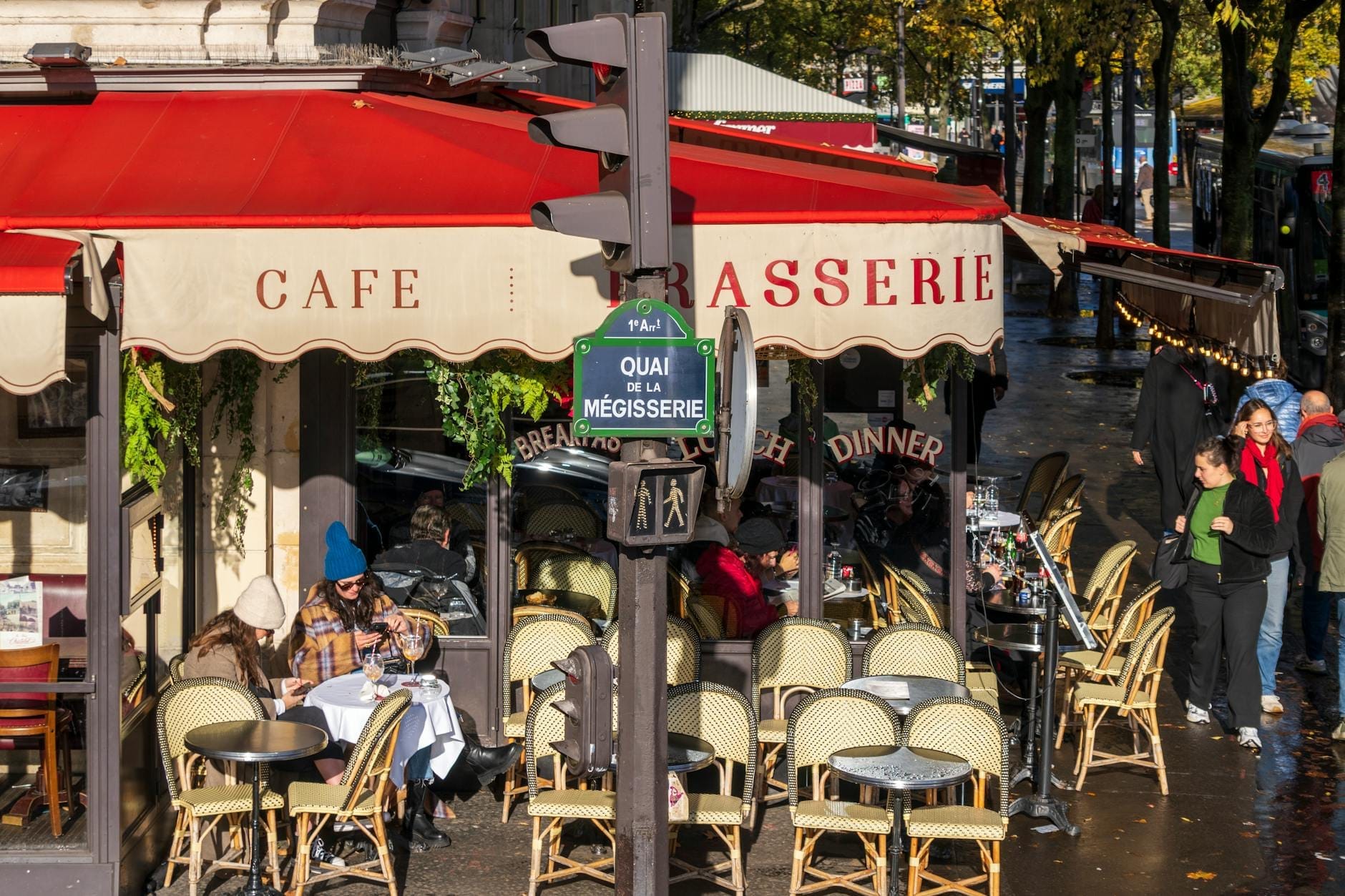
- Saint-Germain-des-Prés (6th arrondissement) Classic Paris — cafés with rattan chairs, bookshops, art galleries, and the Jardin du Luxembourg nearby. Pricier than average, but the quality of daily life on these streets is hard to beat for a first visit.
- 1st and 2nd arrondissements The historic core. You're within walking distance of the Louvre, Palais-Royal, the Seine, and the covered passages. Hotels can be expensive but the location means less time commuting.
- Montmartre (18th arrondissement) Atmospheric and photogenic, with the Sacré-Cœur and winding village streets. Worth visiting but slightly less convenient as a base — it's uphill, and Métro connections to the south of the city add time to most days.
- Bastille (11th arrondissement) Trendy, affordable, and excellent for nightlife and markets. Less 'postcard Paris' but a good choice if you want to mix sightseeing with authentic neighbourhood life.
The Sights Worth Your Time (and What to Skip)

Paris has more world-class sights per square kilometre than almost any city on earth, which means the challenge isn't finding things to do — it's deciding what to cut. The Eiffel Tower is genuinely worth seeing, especially at dusk when the city glows below you, but the summit queue in July can exceed two hours even with a timed ticket. Book online at least two weeks ahead in summer, or prioritise the second floor for a slightly easier experience.
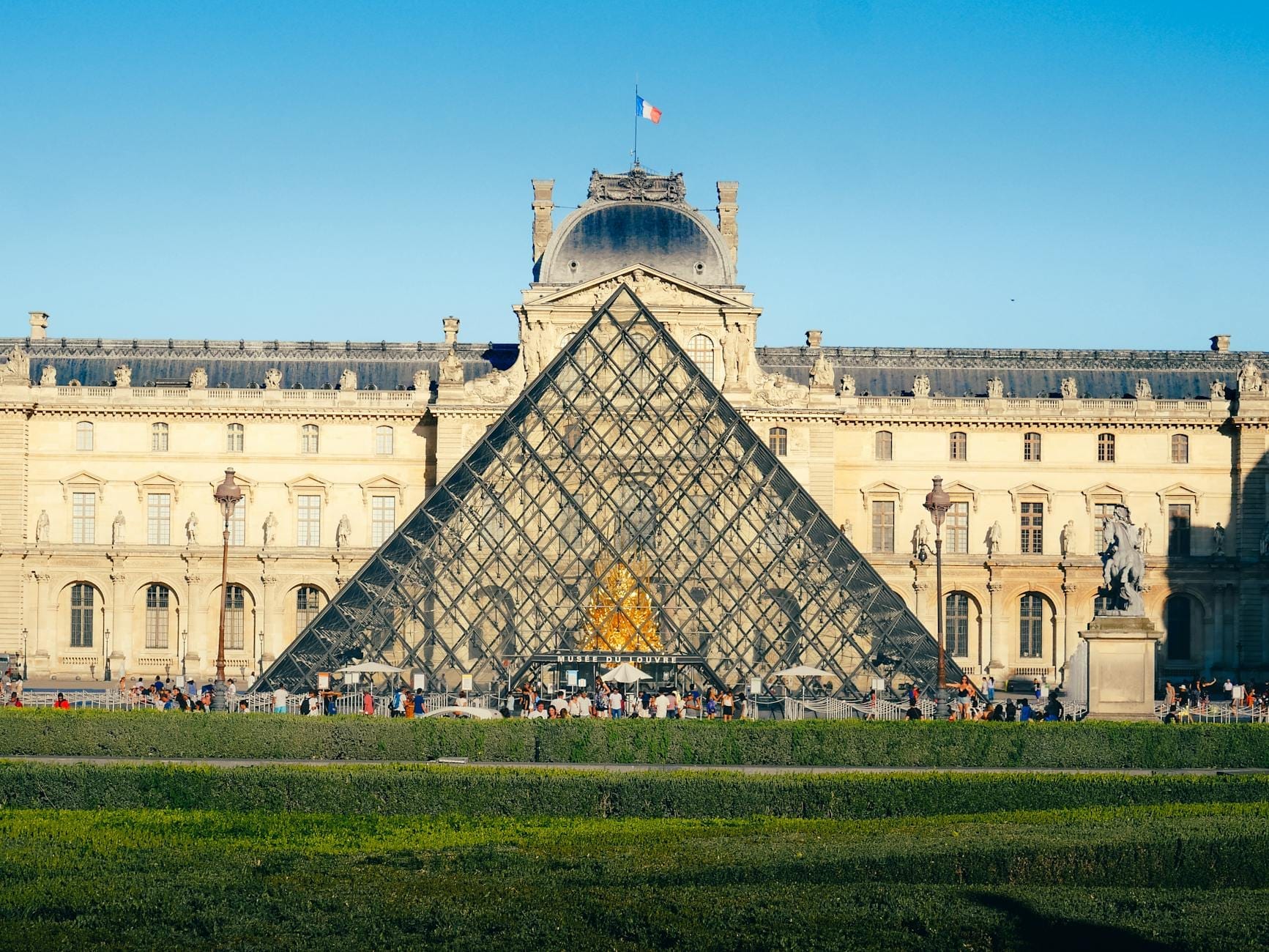
The Louvre Museum is the world's most visited museum and genuinely overwhelming — its permanent collection spans 35,000 works across 73,000 square metres. Do not try to see everything. Pick two or three collections (say, Ancient Egypt and Italian painting) and give yourself three hours. The building itself is as impressive as anything inside. For a more manageable museum experience, the Musée d'Orsay — Impressionism, Post-Impressionism, and Art Nouveau in a converted railway station — is often the more memorable day for first-timers.
Don't neglect the city's outdoor spaces. The Jardin du Luxembourg in the 6th is one of the finest urban parks in Europe — bring a book and take a metal chair to the fountain like the locals do. The Jardin des Tuileries connects the Louvre to the Place de la Concorde and works as a visual axis that reveals how deliberately the city was planned. For panoramic views, the best views in Paris go well beyond the Eiffel Tower — Sacré-Cœur, the Arc de Triomphe rooftop, and the less-visited Montparnasse Tower observation deck all offer distinct perspectives.
✨ Pro tip
The first Sunday of each month, entry is free to major national museums including the Louvre, Musée d'Orsay, and Centre Pompidou. These days attract larger crowds than usual, but the saving (€15–22 per museum) is substantial. Arrive at opening time to get the most out of it.
Passes, Tickets, and Booking Strategy
Two passes dominate the conversation for first-timers: the Paris Museum Pass and the broader Paris Pass. The Paris Museum Pass grants free entry (and often priority access) to over 50 museums and monuments including the Louvre, Musée d'Orsay, Versailles, and Sainte-Chapelle. It comes in 2, 4, and 6-day formats. The math works in your favour if you're hitting two or more major paid attractions per day — run the numbers against your actual itinerary before buying.
The broader Paris Pass includes the Museum Pass benefits plus a hop-on hop-off bus and access to additional attractions, but costs significantly more. It suits visitors who want maximum coverage and minimal planning effort. Families should look separately at what's included, as children under 18 from EU countries already get free entry to French national museums.
- Book Eiffel Tower tickets on the official toureiffel.paris site at least 2-3 weeks ahead in peak season
- Louvre tickets: book via louvre.fr — timed entry slots sell out weeks in advance in summer
- Palace of Versailles: book online to avoid the notorious entrance queue, which can be 90+ minutes in July
- Notre-Dame Cathedral: free entry but reservations are required since its December 2024 reopening
- Sainte-Chapelle: often overlooked but one of the most stunning Gothic buildings in Europe — book online to skip the security queue
Practical Logistics: Money, Etiquette, and Daily Life
Paris uses the Euro (EUR). Contactless card payment is accepted almost everywhere, including most Métro barriers, taxis, and small cafés. ATMs are widely available but use those attached to banks rather than standalone machines to avoid high conversion fees. Budget roughly €15–25 per person for a café lunch (plat du jour plus drink), €40–70 for a mid-range dinner, and €2.55 for a single Métro/RER ticket (loading credit onto a Navigo Easy card or using Navigo Liberté+ reduces the per-trip cost).
Tipping in Paris works differently than in North America. Service is legally included in all restaurant bills (service compris), so a tip is never obligatory. Rounding up or leaving a few euros for genuinely good service is appreciated but never expected. Don't tip taxis or bar staff as a rule. For electricity, France uses Type C and E plugs at 230V/50Hz — North American visitors need both a plug adapter and a voltage converter for older devices, though most modern electronics (phones, laptops) handle 110-240V automatically.
Paris is extremely safe by the standards of major world cities, but standard urban caution applies around major tourist sites, on crowded Métro lines (particularly line 1 and RER B), and near large transport hubs. Pickpocketing is the primary concern, not violent crime. Emergency services: 112 (Europe-wide), 17 (police), 15 (medical), 18 (fire). For budget planning across the trip, the guide to Paris on a budget is worth reading before you book anything.
💡 Local tip
Tap water in Paris is safe to drink and widely available from public drinking fountains (Wallace fountains) throughout the city. Ordering 'une carafe d'eau' at any restaurant gets you free tap water — you are never obligated to buy bottled water.
A Practical 3-Day Framework for First-Timers
Three days is the minimum to get a meaningful sense of Paris without feeling rushed. A sensible structure: Day 1 covers the Left Bank (Eiffel Tower, Champ de Mars, Musée d'Orsay, Saint-Germain-des-Prés). Day 2 tackles the Right Bank (Louvre, Palais-Royal, Le Marais, Centre Pompidou). Day 3 goes north (Montmartre, Sacré-Cœur, Rue des Martyrs for lunch, then Opera district). For a detailed day-by-day breakdown, the 3-day Paris itinerary lays this out with specific timing and route logic.
If you have more time, expand into the areas most first-timers miss. The Canal Saint-Martin area in the 10th and 11th is excellent for an afternoon wander — iron footbridges, indie cafés, and a genuine neighbourhood feel that the 1st arrondissement can't match. The Père Lachaise Cemetery in the 20th is one of the most extraordinary urban cemeteries in the world, worth two hours of any itinerary. And if you can manage a day trip, Versailles is 40 minutes from Paris by RER C and a genuinely different kind of experience from anything in the city itself.
FAQ
Do I need to speak French to visit Paris for the first time?
No, but a handful of basic phrases make a real difference. Most people working in hotels, restaurants, and museums in tourist areas speak enough English to help. Starting any interaction with 'Bonjour' and attempting French before switching to English is universally appreciated and tends to improve the response you get.
How many days do I need in Paris as a first-timer?
Three days covers the essential sights without feeling frantic, but four or five days allows you to go deeper into neighborhoods, take a day trip to Versailles or Giverny, and eat properly without rushing. Less than three days means making hard choices and missing the slower pace that makes Paris genuinely enjoyable.
Is the Paris Museum Pass worth buying for a first visit?
Usually yes, if you plan to visit two or more major museums or monuments per day. The 2-day pass pays for itself with just the Louvre and Musée d'Orsay. It also allows skip-the-ticket-line access at most sites, which is valuable in summer. Check the current included venues and prices before buying, as these change periodically.
What is the cheapest way to get from CDG airport to central Paris?
The RER B train is the best value at €14 (the 2026 Paris Region <> Airports ticket), running directly to major central stations in 30-40 minutes. Taxis run the regulated flat rate (€56 right bank, €65 left bank) and are worth it mainly late at night when trains are less frequent or you're traveling with heavy luggage in a group.
When is the worst time to visit Paris?
July and August are the most crowded and expensive months, with long queues at every major sight and many Parisian-owned restaurants closed as locals leave on holiday. The gap between Christmas and New Year sees heavy crowds at attractions and inflated hotel prices. If you must visit in summer, book everything at least a month ahead and plan to start sights at opening time.
Tickets & tours
Live prices and dates from our booking partner. If you book, we may earn a commission at no extra cost to you.
Planning a trip? Discover personalized activities with the Nomado app.