Best Time to Visit Paris: A Season-by-Season Breakdown
Paris rewards visitors year-round, but the experience shifts dramatically depending on when you go. This guide breaks down each season honestly, covering temperatures, crowd levels, pricing, and the specific events and landscapes that make each period worth considering.
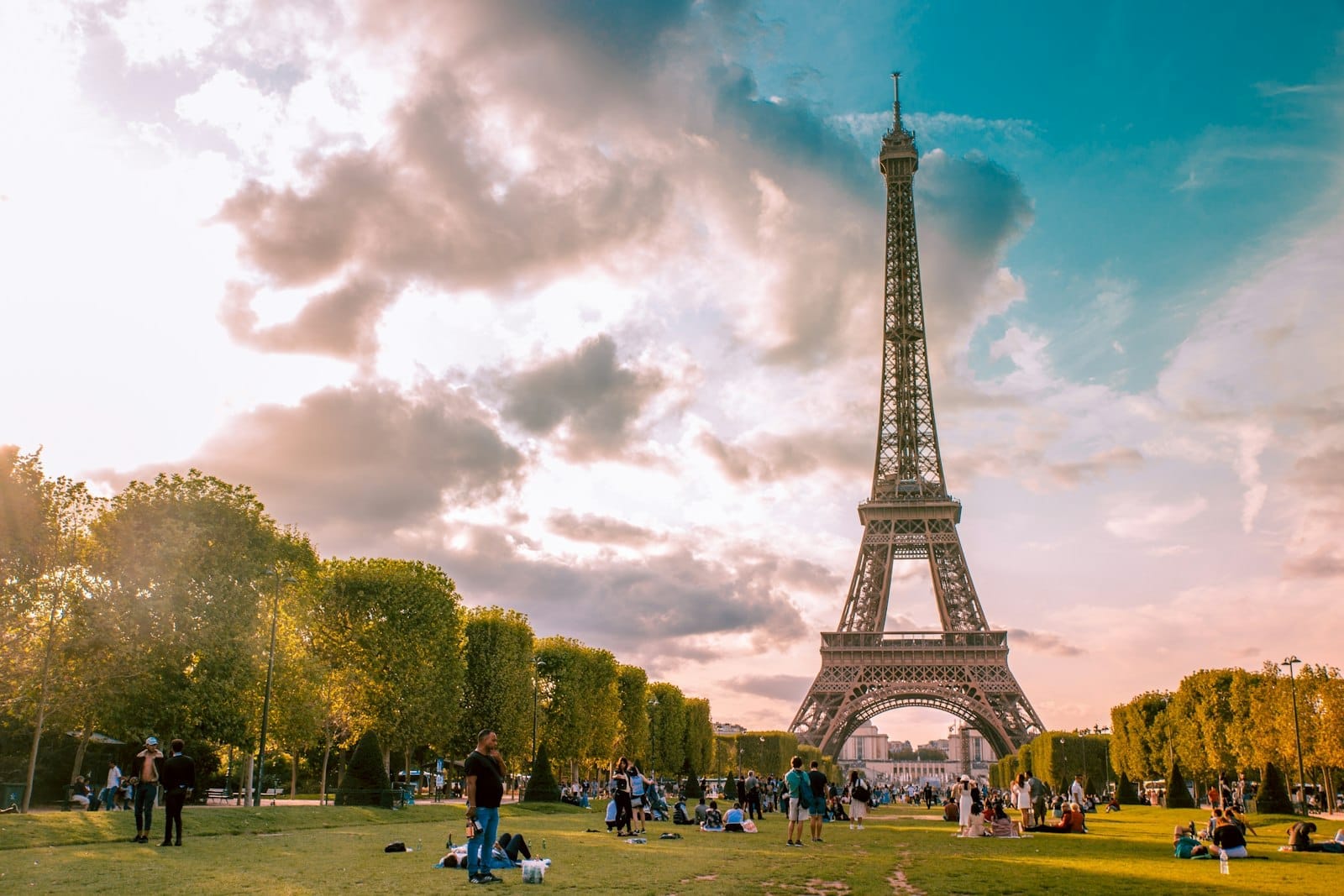
Plan and book this trip
Tools from our partner Travelpayouts help you compare flights and hotels. If you book through them, we may earn a commission at no extra cost to you.
Flights
Hotels map
TL;DR
- Late spring (May to early June) and autumn (September to October) offer the best balance of mild weather, manageable crowds, and reasonable hotel rates.
- Summer is peak season for a reason: long days, outdoor events like Bastille Day, and a city in full swing. But expect higher prices and queues at every major attraction, so book Louvre Museum and Eiffel Tower tickets weeks in advance.
- Winter is the cheapest time to visit. Shorter queues, festive decorations, and flights/hotels at their lowest — if you can handle temperatures around 3–8°C (37–46°F).
- Spring cherry blossoms peak late March to mid-April at Parc de Sceaux and the Jardin des Plantes — but March itself can still feel like winter, so adjust expectations.
- Paris has an oceanic climate with no true dry season — rain is possible year-round. Always pack a compact umbrella regardless of when you travel.
Understanding Paris's Climate Before You Book
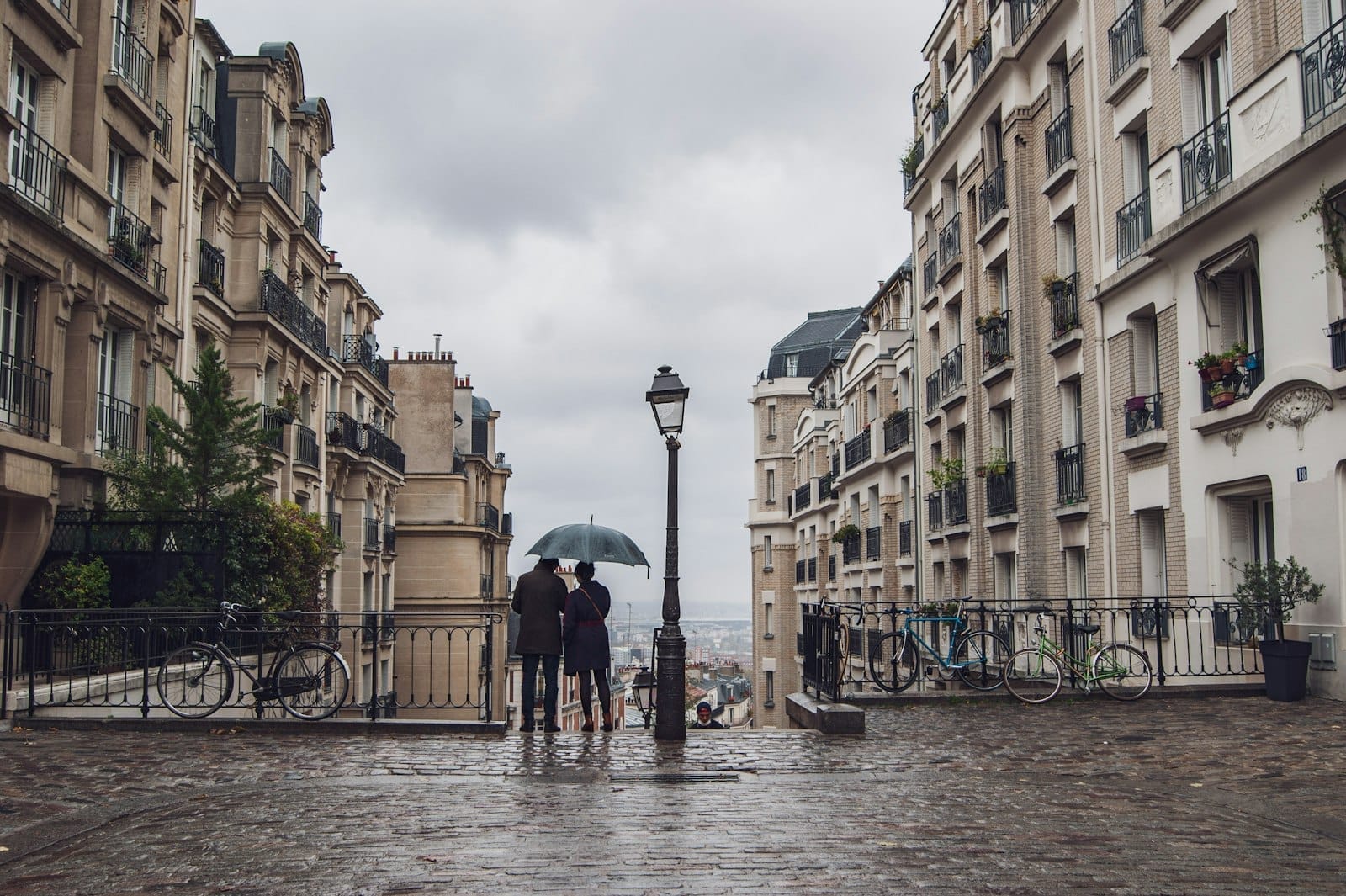
Paris sits at 48°N latitude, which gives it a temperate oceanic climate (Köppen Cfb) with mild winters and relatively cool summers. The city averages around 110 rainy days per year, spread fairly evenly across all months, so the idea of a dry season simply does not apply here. The wettest stretch runs from October through December. What this means practically: rain is a constant variable in any season, and planning outdoor-heavy days requires flexibility rather than guaranteed sunshine.
Temperature ranges by season: winter (December to February) sits at 3–8°C (37–46°F); spring (March to May) climbs from 8–18°C (46–64°F); summer (June to August) averages 15–25°C (59–77°F), occasionally spiking during heat waves; and autumn (September to November) settles back to 10–18°C (50–64°F). None of these extremes are punishing, but they do shape what you can and cannot do comfortably.
⚠️ What to skip
Paris experiences occasional summer heat waves, particularly in July and August, when temperatures can reach 35°C (95°F) or above. Most smaller hotels and many historic buildings lack air conditioning. If heat is a concern, book accommodation with confirmed AC and plan outdoor sightseeing for mornings.
Spring (March to May): The Season With the Biggest Asterisk
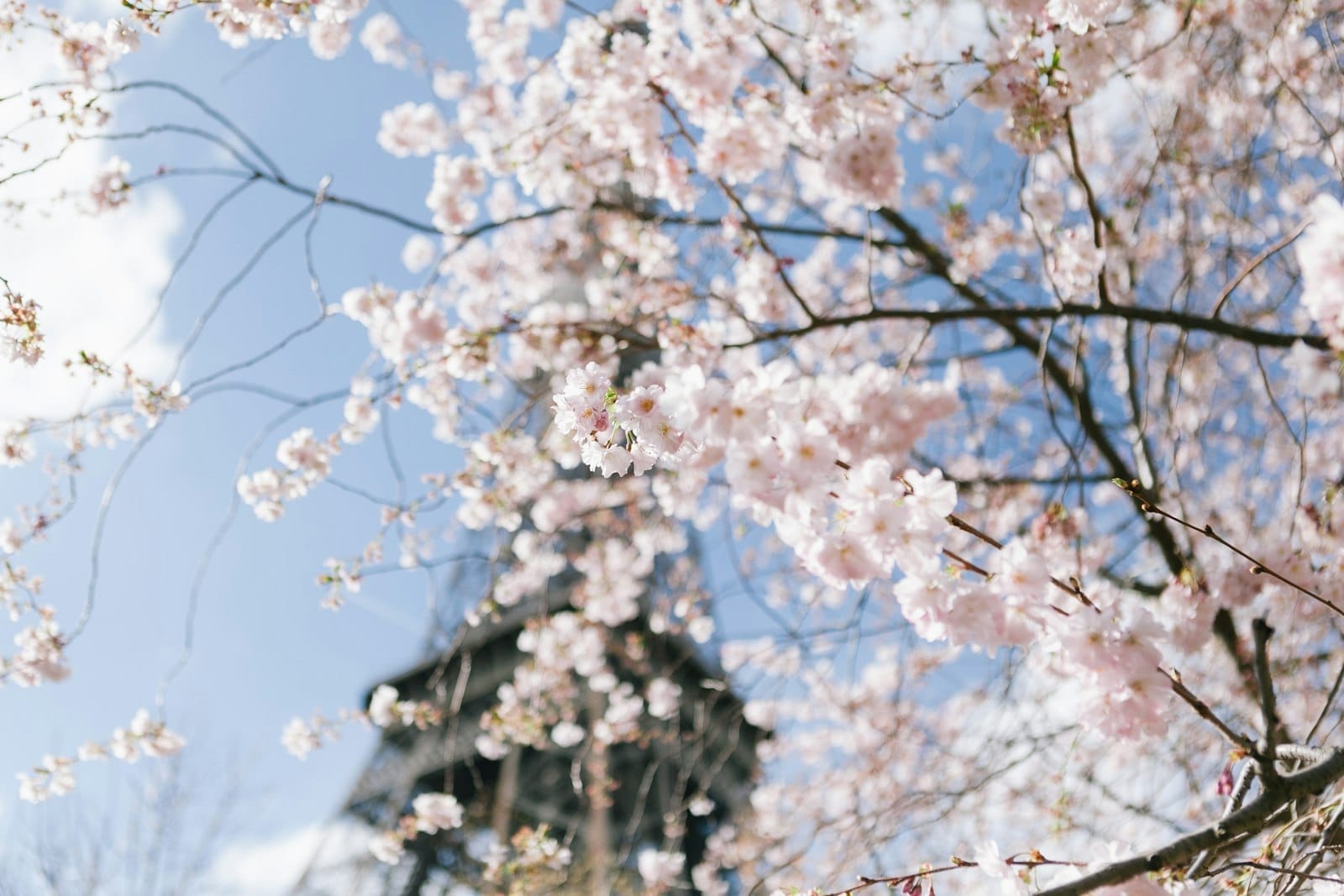
Spring in Paris gets romanticized relentlessly, and the reality is more complicated than the brochures suggest. March is genuinely unpredictable: cold snaps, persistent grey skies, and temperatures still hovering around 8–10°C are common. It looks like spring on the calendar but can feel like a continuation of winter. April improves substantially, and by May the city finds its stride with temperatures reaching 18°C, longer daylight hours, and café terraces filling up again.
The most compelling spring spectacle is cherry blossom season, which peaks from late March to mid-April depending on the year. Parc de Sceaux draws dedicated visitors for its alley of cherry trees, which is genuinely impressive when fully bloomed. The Jardin des Tuileries and Jardin des Plantes also put on a show. Easter weekend sees a noticeable uptick in visitors, particularly from European neighbors, so hotels book up and prices spike during that window.
- March Still cold and grey. Good for museum-heavy itineraries. Cherry blossoms may start mid-to-late month if the year is warm.
- April The sweet spot for spring. Warmer, blooming parks, manageable crowds outside of Easter. Book Easter weekend accommodation early.
- May Excellent overall. Mild temperatures, outdoor events picking up, and slightly lower prices than June-August peak. One of the best months to visit.
Summer (June to August): Peak Season, Peak Everything
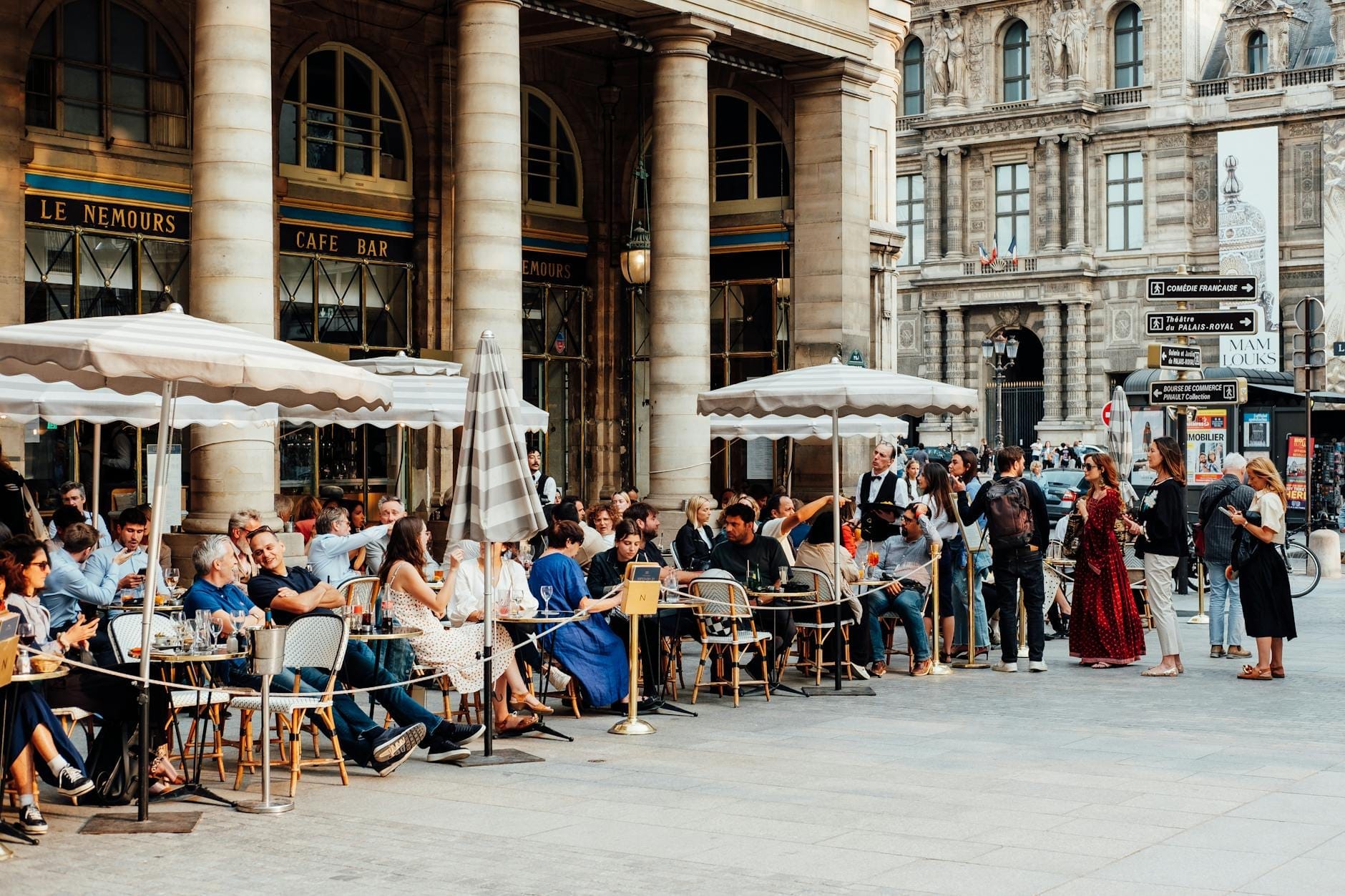
Summer is when Paris draws the largest crowds and charges the highest prices. Hotel rates can increase 30–50% compared to the shoulder seasons, and popular attractions operate at capacity. That said, summer has genuine appeal: daylight extends past 10pm in June, outdoor dining is everywhere, and the city hosts some of its most celebrated events.
Bastille Day on July 14th is Paris at its most spectacular, with a morning military parade on the Champs-Élysées and a fireworks display over the Eiffel Tower in the evening. Paris Plages, the artificial beach program along the Seine, runs from mid-July through August. The flip side: August sees many Parisians leave the city themselves, which means some local restaurants and shops close for vacation (fermeture annuelle). Tourist Paris stays open, but the city can feel oddly hollow in the second half of August.
✨ Pro tip
Book timed-entry tickets for the Louvre, Eiffel Tower, and Palace of Versailles at least 3–4 weeks ahead for summer visits. These sell out, not just 'go fast'. The official sites (louvre.fr, toureiffel.paris, chateauversailles.fr) are the only guaranteed sources for skip-the-line access.
If you visit in summer, structure your days strategically. Major museums like the Musée d'Orsay and Musée Rodin are best visited when they open. Afternoons are better spent in parks, along the Canal Saint-Martin, or exploring neighborhoods like Le Marais where the pace is easier.
Autumn (September to October): The Underrated Favourite
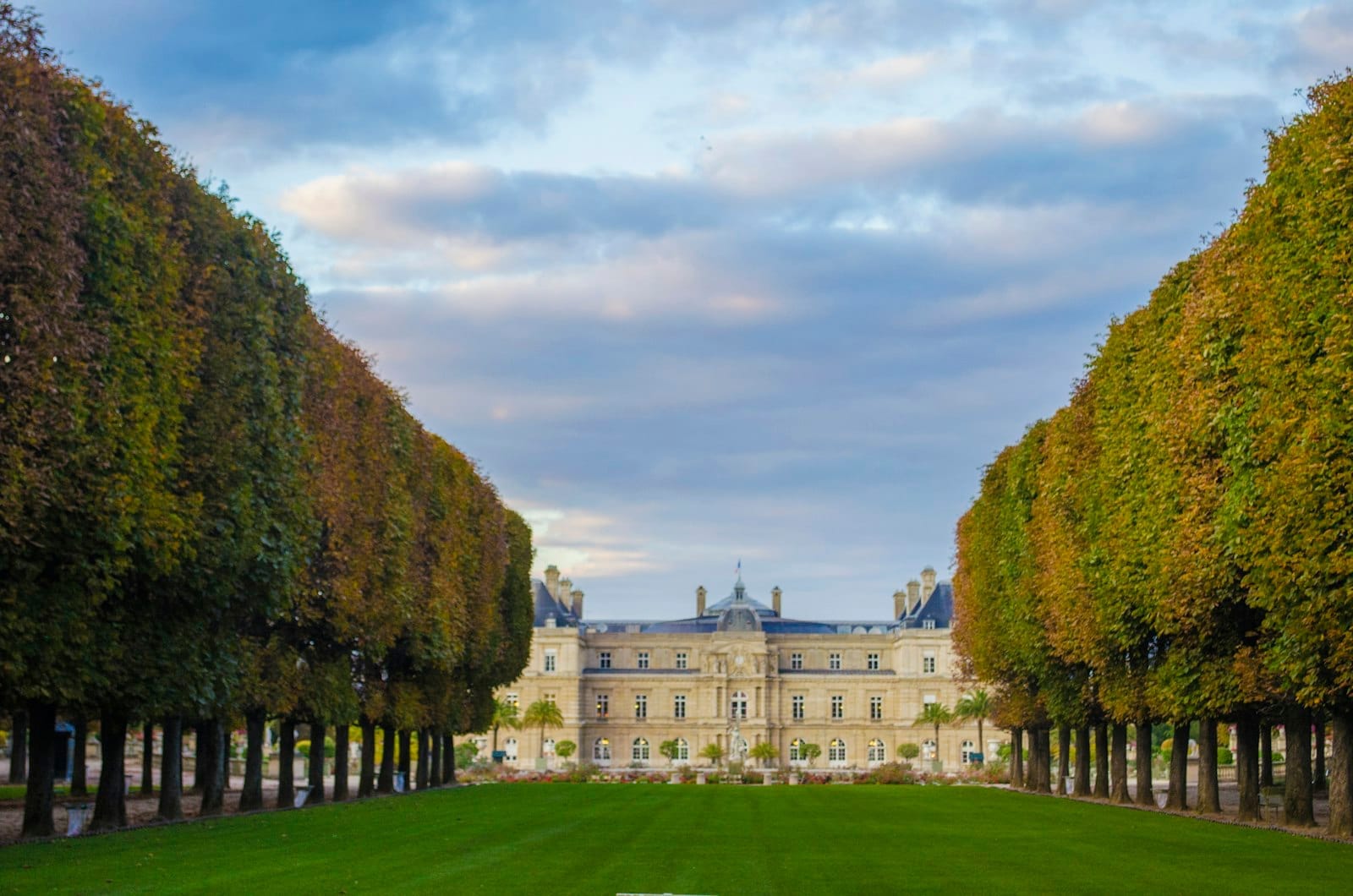
September through October represents the best-kept not-so-secret of Paris travel. Summer crowds have thinned, but the weather remains genuinely pleasant, with temperatures ranging from 14–22°C early in the period before cooling in late October. Foliage in the parks turns golden and amber, and the light at this latitude takes on a quality that photographers and painters have chased for centuries.
Autumn is when Paris feels most like itself. The Parisians are back from their August escapes, the cultural calendar restarts with gallery openings, fashion week (late September), and new theatrical seasons. For outdoor visits, the Jardin du Luxembourg and Parc des Buttes-Chaumont are at their most photogenic in October. Restaurant reservations are easier to secure than in summer, and hotel rates settle back into shoulder-season pricing.
November is where autumn starts losing its case. Rain increases noticeably, temperatures drop toward 8–10°C, and the city takes on a greyer tone. It is not unpleasant, but it requires a different mindset: more time indoors, more museum visits, fewer long walks. If you are visiting in November specifically, lean into it and build an itinerary around galleries, covered passages, and Paris's exceptional restaurant scene.
💡 Local tip
Paris Fashion Week takes place twice yearly, in late September/early October (spring-summer collections) and late February/early March (autumn-winter). During these weeks, parts of the Marais and Saint-Germain become inaccessible or significantly crowded. Book accommodation early if your dates overlap.
Winter (December to February): Cheap, Festive, and Honest About Its Limitations
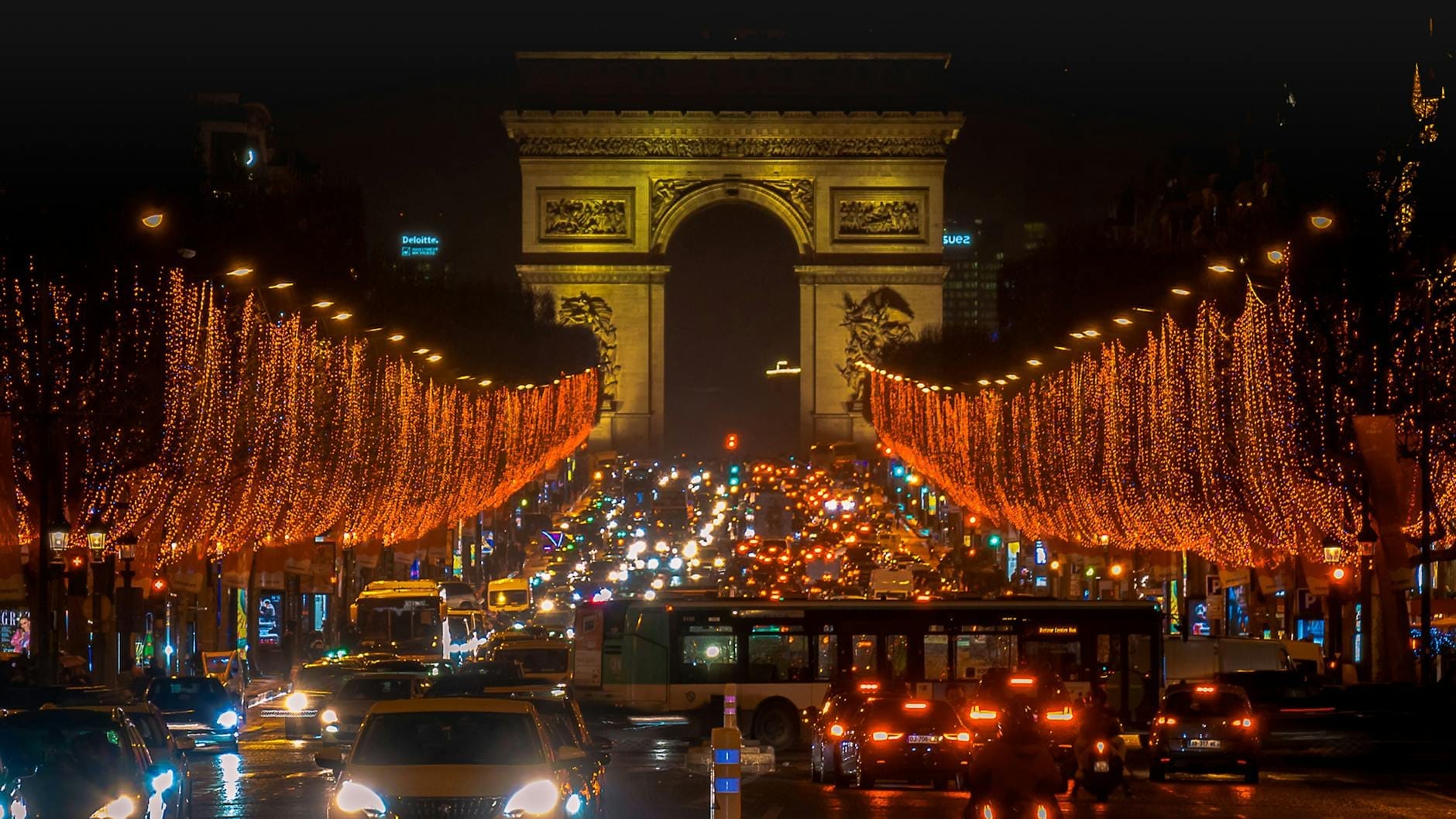
Winter is the best time to visit Paris if your priorities are cost and queue-free attractions. Flights and hotels drop to their annual lows in January and February, and you can walk into the Musée d'Orsay or Sainte-Chapelle without the anxious crowd management that summer demands. The trade-off is obvious: temperatures of 3–8°C, frequent overcast skies, and short days (sunset around 5pm in December).
December has a strong counter-argument: Christmas decorations transform the city, and the department stores along the Grands Boulevards, particularly Galeries Lafayette Haussmann, produce window displays worth seeing independently of any shopping. The Christmas market at the Trocadéro and along the Champs-Élysées draws crowds, but they are manageable compared to summer. The first two weeks of December, before the holiday rush, are arguably the most underrated time to visit Paris across the whole year.
- Late December (Dec 20-Jan 2): Festive and popular. Prices spike around Christmas and New Year's Eve. Book well ahead.
- January: The quietest month of the year. Sales season (les soldes) begins, making it excellent for shopping. Cold and grey, but uncrowded.
- February: Still cold. Paris Fashion Week (autumn-winter collections) falls late February, bringing a brief surge in hotel prices and creative energy to the city.
Crowd Calendar, Pricing Patterns, and What to Book in Advance
Understanding when prices peak gives you negotiating power with your own schedule. In broad terms: summer (July-August) is the most expensive period for accommodation. Shoulder seasons (April-May and September-October) run 20–35% cheaper on average. Winter (January-February) offers the lowest rates except around the Christmas-New Year window. French public holidays and school holiday periods (Toussaint in late October, February school break, Easter) each generate mini-surges in domestic tourism.
Regardless of season, some bookings should always be made in advance. The Palace of Versailles and Sainte-Chapelle sell out timed entry slots days or weeks ahead. The Catacombs of Paris limits daily entry and tickets go quickly in spring and summer. Consider the Paris Museum Pass if you plan to visit four or more major sites — it covers skip-the-line entry at most national museums and is available through the official parisjetaime.com portal. Our guide to the Paris Museum Pass breaks down exactly when it earns its cost.
For a broader view of how to structure your time once you have chosen your dates, the 3-day Paris itinerary provides a practical framework that works across all seasons, with notes on which activities are best suited to indoor or outdoor conditions.
FAQ
What is the best month to visit Paris overall?
May and September are consistently the strongest months. May brings warm weather, blooming parks, and pre-peak pricing. September offers cooler temperatures after summer, golden light, and a city returning to its cultural rhythm after August. Both sit in shoulder season pricing, so you avoid the premium of July and August.
Is Paris worth visiting in winter?
Yes, particularly if you prioritize museums, restaurants, and budget. Queue times at major attractions like the Louvre and Musée d'Orsay are dramatically shorter from January through February. Prices for flights and hotels are at their annual lows outside the Christmas-New Year window. The city is cold and grey, but not inhospitable.
How bad are the crowds in Paris in summer?
Significant at the major sites. The Eiffel Tower, Louvre, and Versailles require advance timed-entry tickets or you risk waiting 1–2 hours or being turned away entirely. Popular neighborhoods like Montmartre and the Marais are dense with visitors on weekends. Mornings (before 9:30am) and evening visits reduce friction considerably.
Does it rain a lot in Paris?
Paris averages around 110 rainy days per year, so rain is always a possibility. There is no true dry season. Rainfall tends to be light and brief rather than prolonged downpours, but the wettest months run from October through December. A compact umbrella is useful year-round.
When should I avoid visiting Paris?
The peak of August has an odd quality: major tourist sites stay open but many local restaurants and smaller shops close for summer vacation, which can make parts of the city feel less authentic. Late November is arguably the least rewarding period: autumn's color has faded, Christmas markets have not yet opened, it rains frequently, and temperatures are dropping. If your dates are flexible, these are the windows worth shifting.