The Perfect 3-Day Paris Itinerary: A Day-by-Day Expert Guide
Three days in Paris is enough to cover the iconic highlights, eat well, and still leave room to wander. This guide breaks down each day by neighborhood, flags what to pre-book, and tells you what to skip so you spend less time in queues and more time in the city.
Plan and book this trip
Tools from our partner Travelpayouts help you compare flights and hotels. If you book through them, we may earn a commission at no extra cost to you.
Flights
Hotels map
TL;DR
- Book the Louvre, Eiffel Tower, and Arc de Triomphe tickets in advance — walk-up queues can cost you 1–2 hours each.
- The Paris Museum Pass (2-day €90, 4-day €109 in 2026) is worth it if you plan to visit Versailles, the Louvre, and Sainte-Chapelle in the same trip.
- Versailles is not in Paris — it requires a 35–40 minute RER C ride from the city and a full day to do properly. Keep it for Day 3.
- Notre-Dame Cathedral reopened in December 2024 after the 2019 fire — confirm current access and hours before visiting.
- For the best experience overall, read our Paris first-timer's guide before finalising your plans.
Before You Arrive: Logistics That Will Save Your Trip
Paris rewards preparation. The city is compact — just 105 km² — but its major attractions draw millions of visitors annually, and poor planning means spending half your day standing in line. The RATP Métro (16 lines) reaches virtually everywhere you'll want to go, and a carnet of 10 t+ tickets or a Navigo Liberté+ card is more economical than buying single tickets. From getting around Paris by Métro to navigating the RER for day trips, understand the system before day one.
From Charles de Gaulle Airport (CDG, around 25 km north of the city), the RER B train is the smartest option: €14 for the dedicated Paris Region <> Airports ticket in 2026, 30–40 minutes to central Paris. Taxis run a regulated flat rate (€56 right bank, €65 left bank). From Orly (ORY, 13 km south), the new Métro line 14 extension reaches central Paris in around 25 minutes for the standard €2.55 fare. Fares change periodically, so confirm on the official RATP and IDFM websites before travel.
💡 Local tip
Buy your Paris Museum Pass online before you arrive. It skips the ticket counter at the Louvre, Versailles, Arc de Triomphe, and Sainte-Chapelle. The 2-day pass costs €90 and starts from the first day of use — not the date of purchase. Activate it on Day 1 and use it through Day 3 if you buy the 4-day version (€109).
Currency is the Euro (EUR). Tipping is not compulsory in France — service is legally included in restaurant bills (service compris). Rounding up by a euro or two for good service is appreciated but optional. Tap water is safe to drink citywide, which saves you money at cafés — ask for 'une carafe d'eau' and it's free.
Day 1: The Iconic Left Bank and Île de la Cité
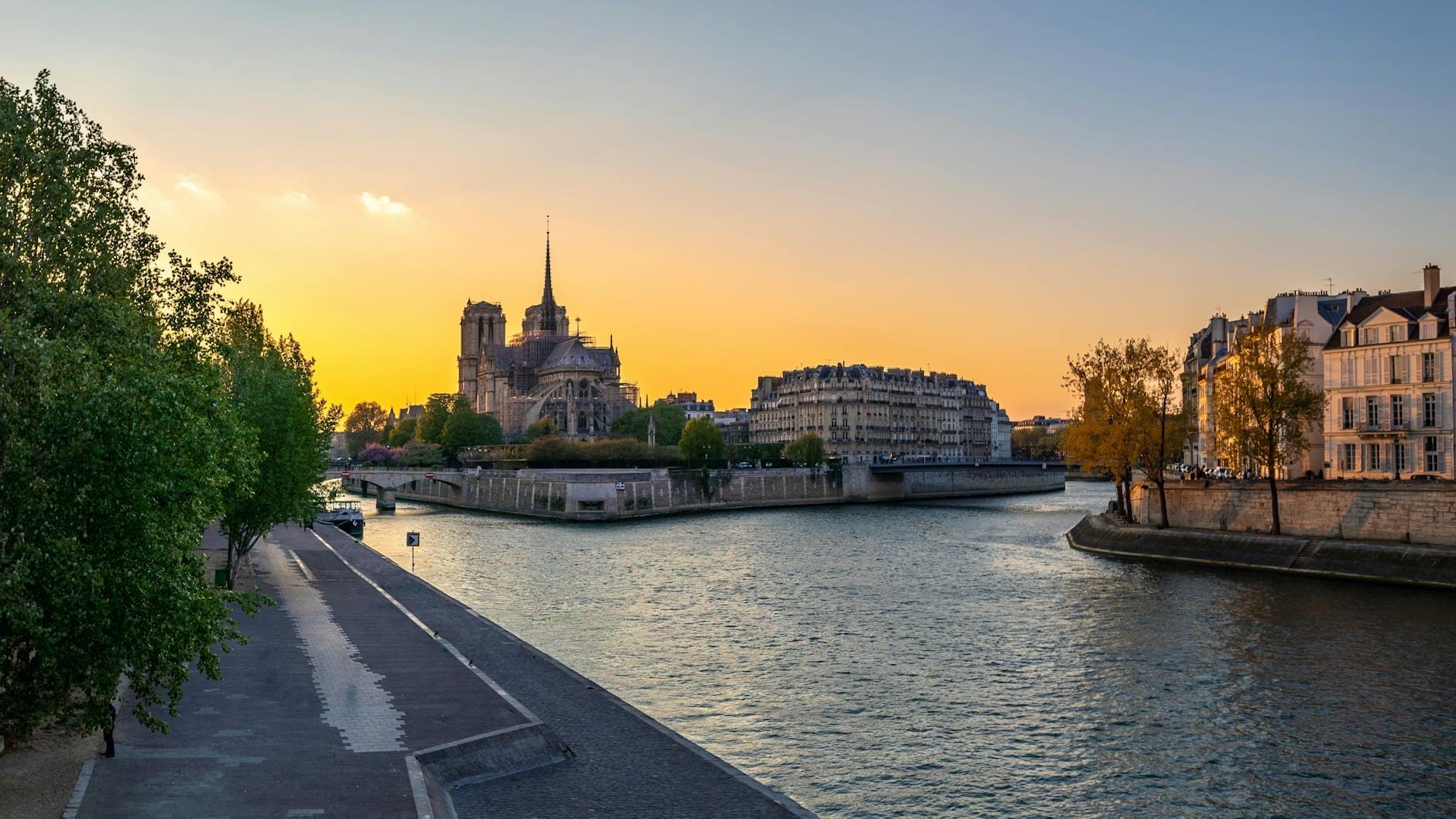
Start at the geographic heart of Paris: the Île de la Cité and its surrounding banks. This is where Paris began, and it still contains the city's most historically dense square kilometer. Morning is the ideal time to visit — crowds are thinner before 10am, and the light on the Seine is worth the early alarm.
Begin with Sainte-Chapelle, the 13th-century royal chapel on the Île de la Cité. Its upper chapel contains 15 stained glass windows holding 1,113 individual scenes — one of the finest Gothic interiors in Europe. Arrive at opening time (typically 9am) to beat tour groups. From there, walk five minutes to Notre-Dame Cathedral, which completed a major restoration and reopened in December 2024. Confirm current interior access and tour availability on the official site before your visit.
After lunch in Saint-Germain-des-Prés (the 6th arrondissement, a five-minute walk across Pont Saint-Michel), spend the afternoon at the Musée d'Orsay. This former train station houses the world's largest collection of Impressionist art, including major works by Monet, Renoir, and Van Gogh. Allow 2–3 hours. Book timed entry in advance — the d'Orsay queues rival the Louvre on busy days.
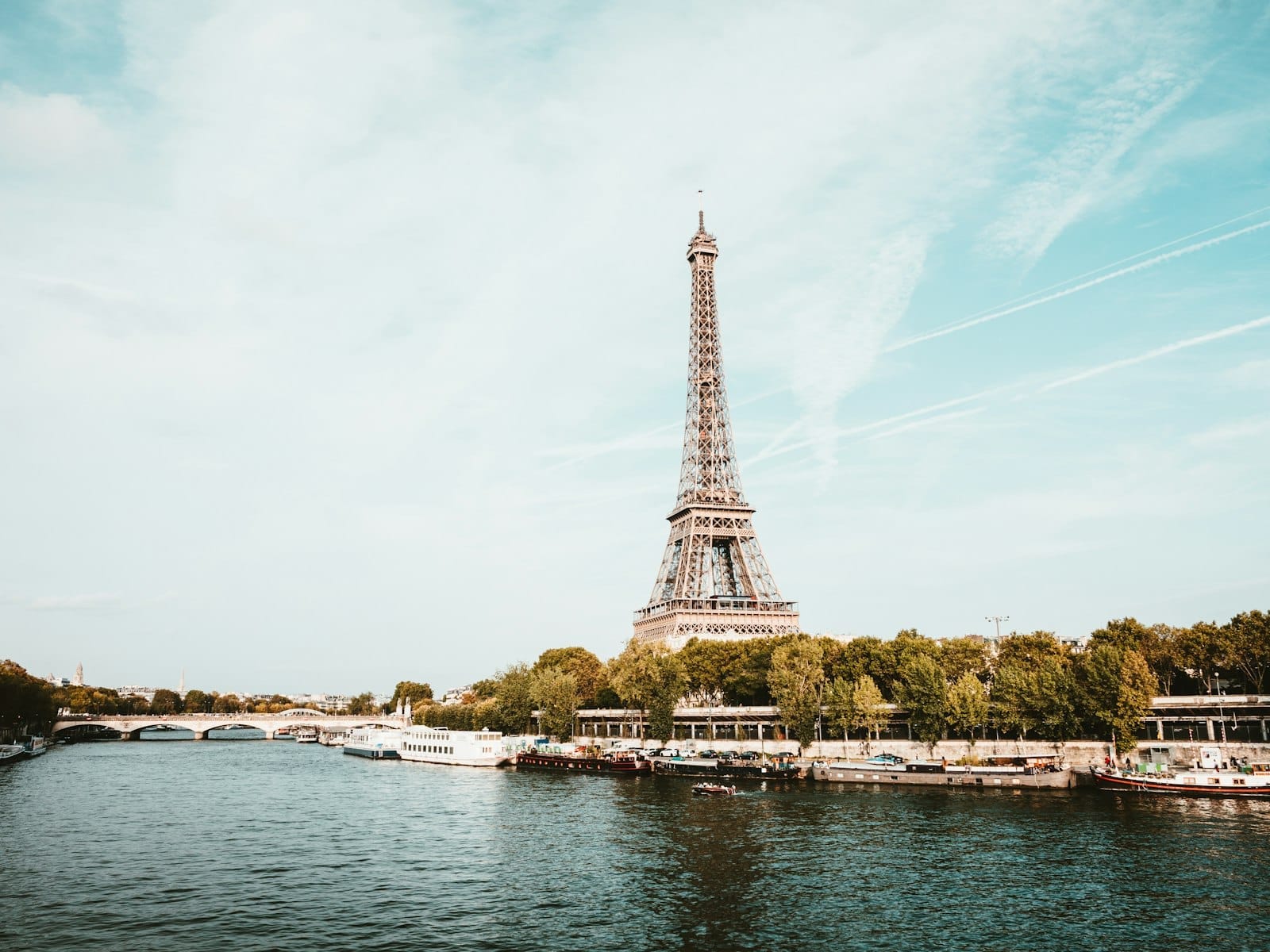
End the day with the Eiffel Tower at dusk. The tower illuminates at nightfall and sparkles for five minutes every hour. You don't need to ascend to enjoy this — the Champ de Mars lawn and the Trocadéro esplanade (across the Seine in the 16th) both offer unobstructed views for free. If you want to go up, book the summit elevator weeks in advance, especially in summer.
⚠️ What to skip
The Champ de Mars and Trocadéro areas attract pickpockets, particularly around dusk when crowds gather to watch the tower sparkle. Keep bags zipped and in front of you. Solo travelers and couples: be especially cautious of 'friendship bracelet' approaches near the tower's base.
Day 2: The Louvre, Le Marais, and Montmartre
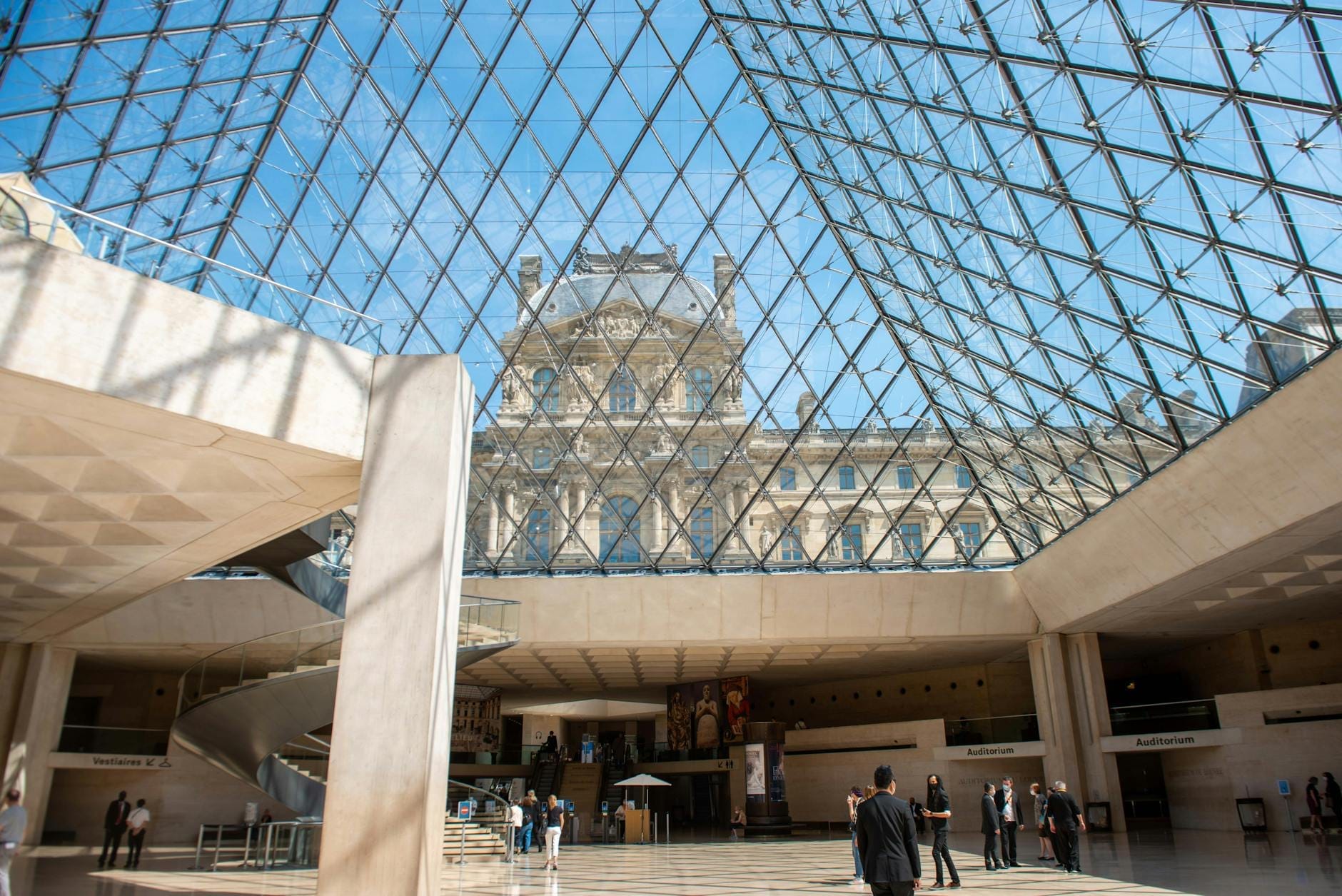
The Louvre is the world's most visited museum and a genuine all-day commitment — but three days in Paris doesn't allow for that. Be strategic: decide in advance which wings you want to prioritize. The Denon Wing (Italian paintings, Venus de Milo, Winged Victory of Samothrace) is the most popular and most crowded. The Richelieu Wing (Northern European paintings, French sculpture) is calmer and equally spectacular. Plan for 2.5–3 hours maximum. The Louvre is closed on Tuesdays.
After the Louvre, walk through the Jardin des Tuileries toward Place de la Concorde — a 15-minute walk that decompresses the museum experience and provides some of Paris's best urban perspective. Take the Métro from Concorde (lines 1, 8, 12) directly to Saint-Paul in Le Marais for lunch and an afternoon wander.
Le Marais (4th and 3rd arrondissements) is Paris's best-preserved medieval district, with a food scene that punches above its weight. The Place des Vosges — France's oldest royal square, built in 1612 — is worth 30 minutes. The Picasso Museum Paris and Musée Carnavalet (free entry) are both excellent afternoon options if you have energy after the Louvre.
For the evening, head north to Montmartre and the Sacré-Cœur Basilica. The steps leading up to the basilica offer one of the best elevated views of Paris — and it's free. Come between 7–8pm when the light is golden and the day-trippers have started to thin. Avoid the tourist restaurants on Place du Tertre directly behind the basilica — overpriced and mediocre. Walk two streets down for more authentic options.
- Morning (9am–noon) Louvre Museum — Denon Wing for highlights, 2.5 hours max. Pre-book timed entry.
- Midday (12–2pm) Walk through Tuileries Garden to Place de la Concorde, then Métro to Le Marais for lunch.
- Afternoon (2–5pm) Place des Vosges, Marais boutiques, optional Musée Carnavalet (free).
- Evening (6–9pm) Montmartre and Sacré-Cœur at golden hour. Dinner away from Place du Tertre.
Day 3: Versailles or the Arc de Triomphe and Champs-Élysées
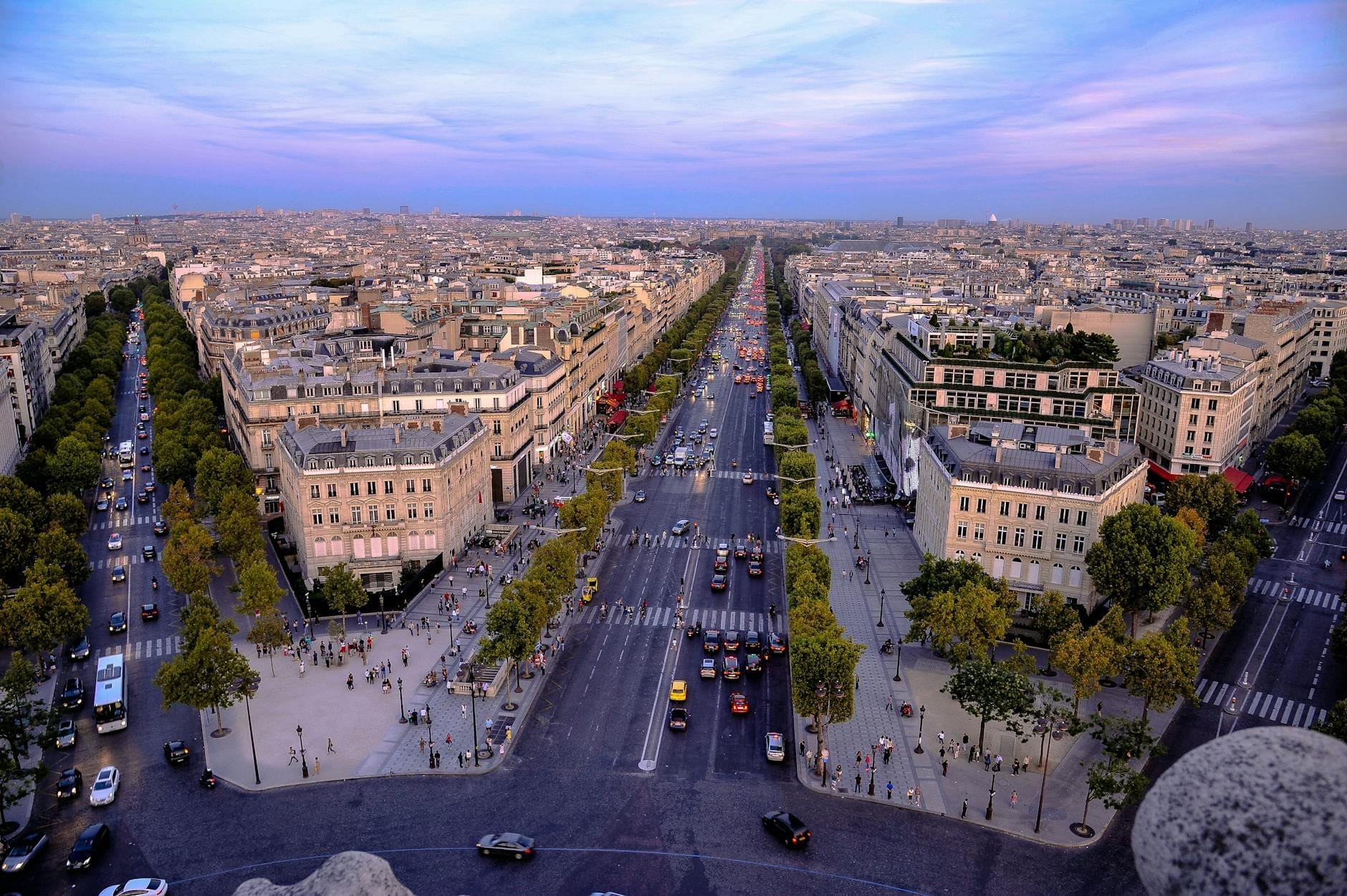
Day 3 presents a genuine fork in the road. If you haven't visited Versailles before, go. If you have (or prefer to stay in Paris), spend the morning on the Champs-Élysées axis and end with a rooftop view from the Arc de Triomphe.
The Palace of Versailles is not in Paris — it sits 23 km southwest and requires a 35–40 minute ride on RER C from Gare d'Austerlitz, Saint-Michel, or Musée d'Orsay stations. The palace is closed on Mondays, so plan accordingly. A full visit to the palace state rooms, Hall of Mirrors, and the main gardens takes 4–6 hours. The Paris Museum Pass covers palace entry but not the Trianon estates or the musical fountain shows. Go early: gates open at 9am and the crowds become genuinely difficult by 11am in summer.
✨ Pro tip
If visiting Versailles, take the RER C from Musée d'Orsay station (Champ de Mars-Tour Eiffel stop also works) and arrive before 9:30am. Buy your Museum Pass online before the trip — the queue at the Versailles ticket office can run 45–60 minutes on busy days, negating any time you saved by arriving early.
If staying in Paris on Day 3, start at the Arc de Triomphe. The rooftop platform sits 50 metres above Place Charles de Gaulle and offers a striking 360-degree view of Haussmann's radial boulevard plan. Covered by the Paris Museum Pass. Book your entry online to avoid the ticket queue. From there, walk the Champs-Élysées toward the Louvre — it's 1.9 km and mostly downhill. The Champs-Élysées itself is more impressive as a piece of urban planning than as a shopping destination; most of the international brands here exist in every major city.
For a final afternoon, the Palais Royal gardens (free, near the Louvre) and the covered passages of Paris (Galerie Vivienne, Passage des Panoramas) offer a quieter, more characterful end to the trip than a return to the main tourist circuit. Both are within walking distance of each other in the 1st and 2nd arrondissements.
What to Eat, Where to Eat, and What to Avoid
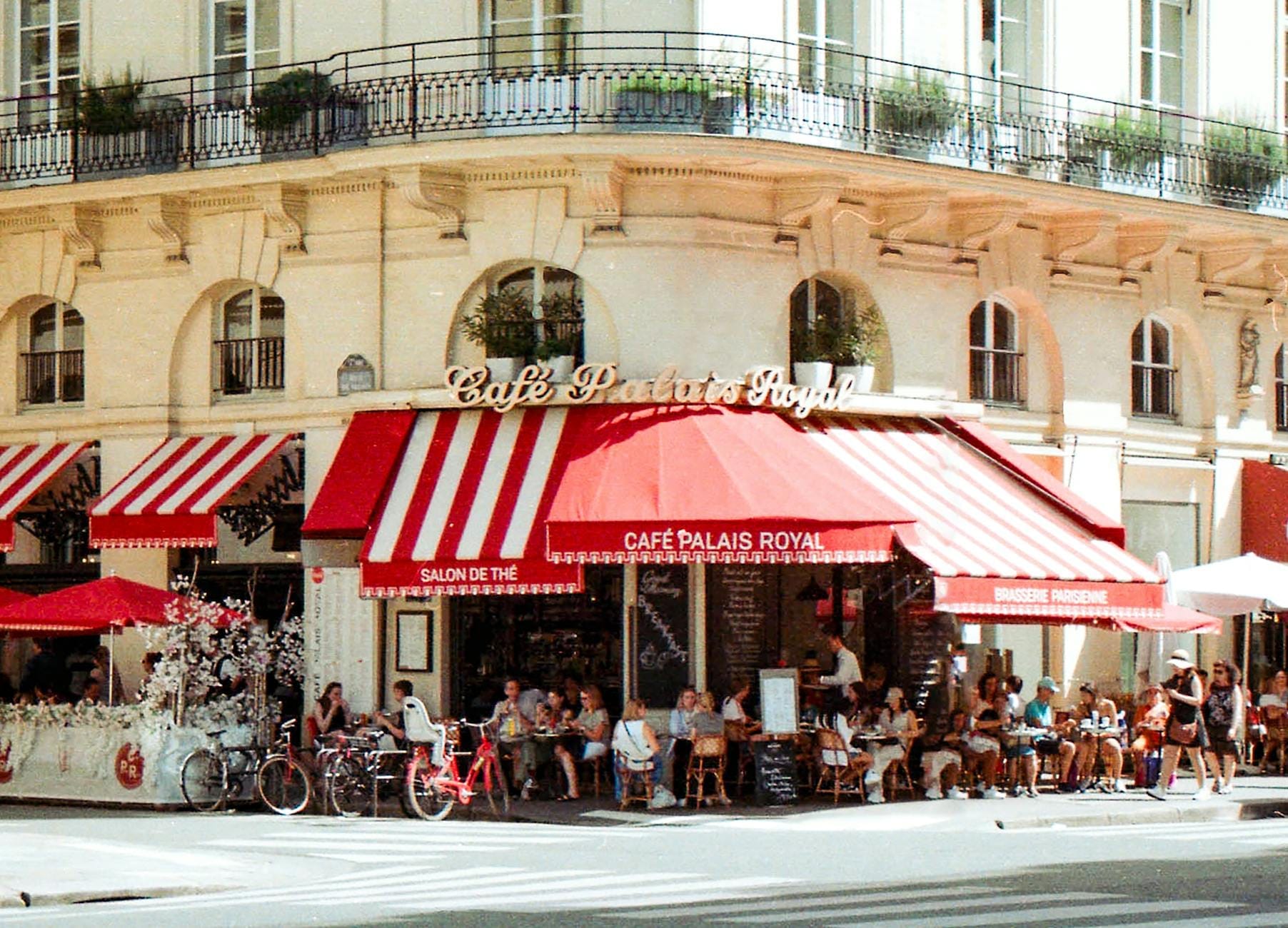
Paris has thousands of restaurants, but a significant proportion near the major tourist sites are mediocre at tourist prices. As a rule: if a restaurant has a photo menu in four languages posted outside, keep walking. For a deeper look at the best areas to eat by neighborhood, the Paris dining guide covers everything from brasseries to natural wine bars.
- Breakfast: Skip hotel breakfast if it's overpriced. Any neighborhood boulangerie will have a better croissant for €1.40–1.70.
- Lunch: The 'formule déjeuner' (set lunch menu, typically €14–20 for two courses) at a sit-down bistro is Paris dining at its best value.
- Dinner in Le Marais: Rue de Bretagne and the surrounding streets have reliable options at €20–35 per person for a full meal with wine.
- Coffee: French espresso is served short and strong. Ask for 'un café allongé' if you want something closer to a long black.
- Avoid: Any restaurant on the Champs-Élysées that isn't a named brand or brasserie institution. Overpriced by 30–40% relative to quality.
Seasonal Notes and Crowd Realities
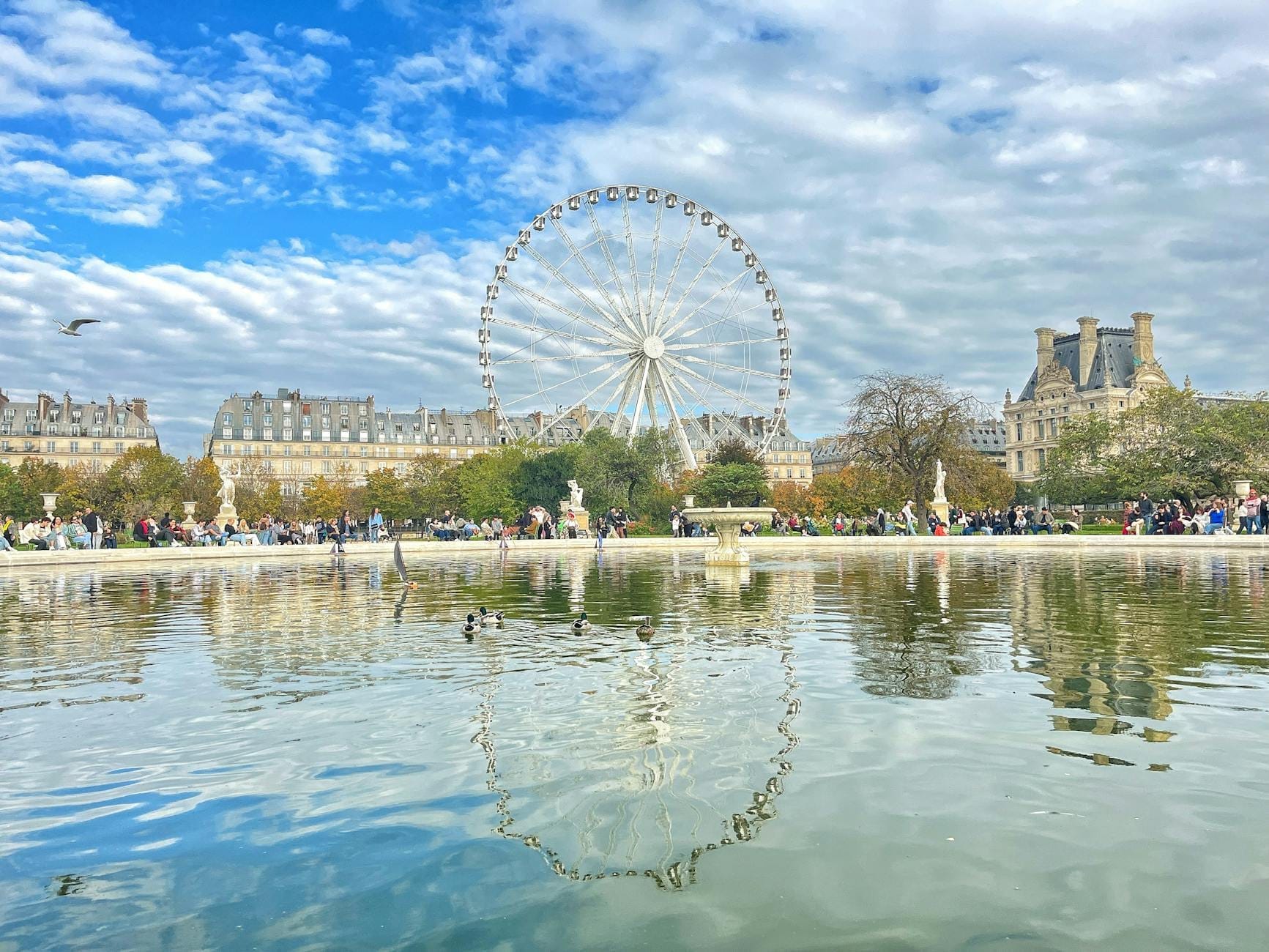
Paris operates on a year-round tourism cycle with two clear peaks: late spring (April to June) and summer (July to August). Spring is generally the best time for a first visit: the Jardin du Luxembourg and Tuileries gardens are in bloom, temperatures sit between 12–18°C, and crowds are lighter than July. Autumn (September to October) is equally pleasant and often underrated — post-summer crowds thin, prices drop slightly, and the light is exceptional for photography.
Summer brings long days (sunset after 10pm in late June) and packed attractions. Book everything 3–4 weeks ahead minimum for July and August visits. Winter (December to February) is the quietest period: Versailles and Montmartre are virtually empty on weekday mornings, but outdoor time is limited. For a detailed seasonal breakdown, see the guide on the best time to visit Paris.
ℹ️ Good to know
Paris observes several public holidays when museums and shops close or operate reduced hours: May 1 (Fête du Travail), May 8, Ascension Thursday, July 14 (Bastille Day), August 15, and November 1 and 11. The Louvre closes on January 1, May 1, and December 25. Always check official site hours before your visit.
FAQ
Is 3 days in Paris enough to see the main sights?
Three days covers the essential highlights — Eiffel Tower, Louvre, Notre-Dame, Montmartre, and either Versailles or the Champs-Élysées axis — if you plan efficiently. You won't exhaust Paris, but you'll leave with a solid foundation. A second trip is almost inevitable.
Should I get the Paris Museum Pass for 3 days?
If your itinerary includes the Louvre, Versailles, Arc de Triomphe, and Sainte-Chapelle, the 4-day Paris Museum Pass (€109) pays for itself easily, since combined individual entry to those four sites can exceed €110-130 depending on season and residency. The 2-day pass (€90) is better value if you're only hitting 3-4 major sites. Buy it online before you arrive.
What's the best way to get from CDG airport to central Paris?
The RER B train is the fastest and cheapest option: €14 in 2026, 30–40 minutes to Gare du Nord, Châtelet-Les Halles, or Saint-Michel. Taxis run a regulated flat rate (€56 right bank, €65 left bank) and can take 45–90 minutes in traffic. Verify current fares on the RATP official website before travel.
Do I need to book Versailles tickets in advance?
Yes. The Versailles ticket queue can run 45–60 minutes on busy days, even if you have a Museum Pass. Book a timed entry slot on the official Château de Versailles website (chateauversailles.fr) to access the estate at a set time. The palace is closed on Mondays.
Is the Eiffel Tower worth visiting at night?
The nighttime sparkle show (every hour on the hour from dusk until 1am) is genuinely impressive and free to watch from the Champ de Mars or Trocadéro. Going up the tower at night offers dramatic views but requires advance booking and can feel rushed. If you haven't ascended before, the summit is worth it at least once — book the last lift slot for sunset views.