Spread across the 6th and 5th arrondissements on Paris's Left Bank, Saint-Germain-des-Prés and the Latin Quarter form the city's intellectual and creative core. From the storied terraces of Café de Flore to the medieval lanes behind the Sorbonne, this is where old Paris coexists with an active, cosmopolitan street life.
Saint-Germain-des-Prés and the Latin Quarter cover the two most storied arrondissements on Paris's Left Bank, where centuries of intellectual life have left their mark on every stone. The 6th is polished and gallery-lined; the 5th is scruffier, louder, and full of students. Together they offer a depth of experience that few parts of the city can match.
Orientation
Saint-Germain-des-Prés occupies the northern half of the 6th arrondissement, pinned between the Seine to the north and the Jardin du Luxembourg to the south. Its rough boundaries run from Rue des Saints-Pères in the west to Rue Mazarine in the east, with Boulevard Saint-Germain as its main commercial and cultural spine. Cross Boulevard Saint-Michel heading east, and you step out of the 6th and into the 5th — officially into the Latin Quarter, though the two bleed together so naturally that most visitors never notice the administrative line.
The Latin Quarter spreads across much of the 5th arrondissement, from the riverbank near Notre-Dame south to the Panthéon and Rue Mouffetard. Its western edge is Boulevard Saint-Michel; its eastern limit runs roughly toward Jussieu and the Jardin des Plantes. The name derives from the Latin once spoken by scholars at the Sorbonne, which sits at the quarter's geographical and spiritual center. The university was founded in the 13th century and remains one of the most prestigious in Europe, anchoring the 5th's identity as a place of learning.
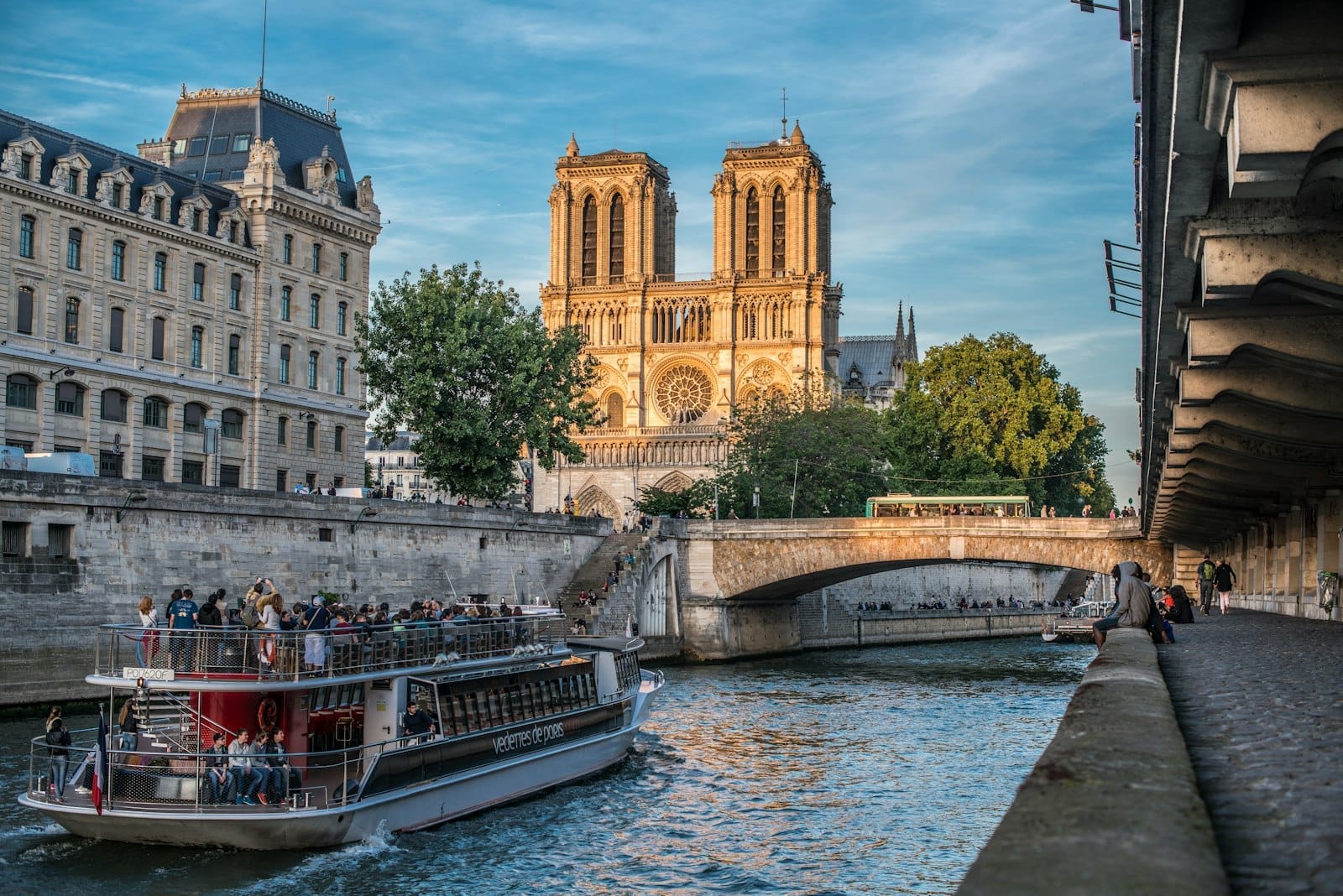
Both areas sit on the Rive Gauche (Left Bank), directly south of the Île de la Cité. A short walk across the Pont Saint-Michel places Notre-Dame Cathedral and the Sainte-Chapelle within easy reach. To the west, the 6th transitions into the 7th around Rue des Saints-Pères, putting you within walking distance of the Musée d'Orsay and Les Invalides. The density of major cultural institutions within a 20-minute walk of this combined area is remarkable.
ℹ️ Good to know
This guide covers both the 6th arrondissement (Saint-Germain-des-Prés) and the 5th arrondissement (Latin Quarter) together, as most visitors explore them on the same day or choose accommodation between the two.
Character & Atmosphere
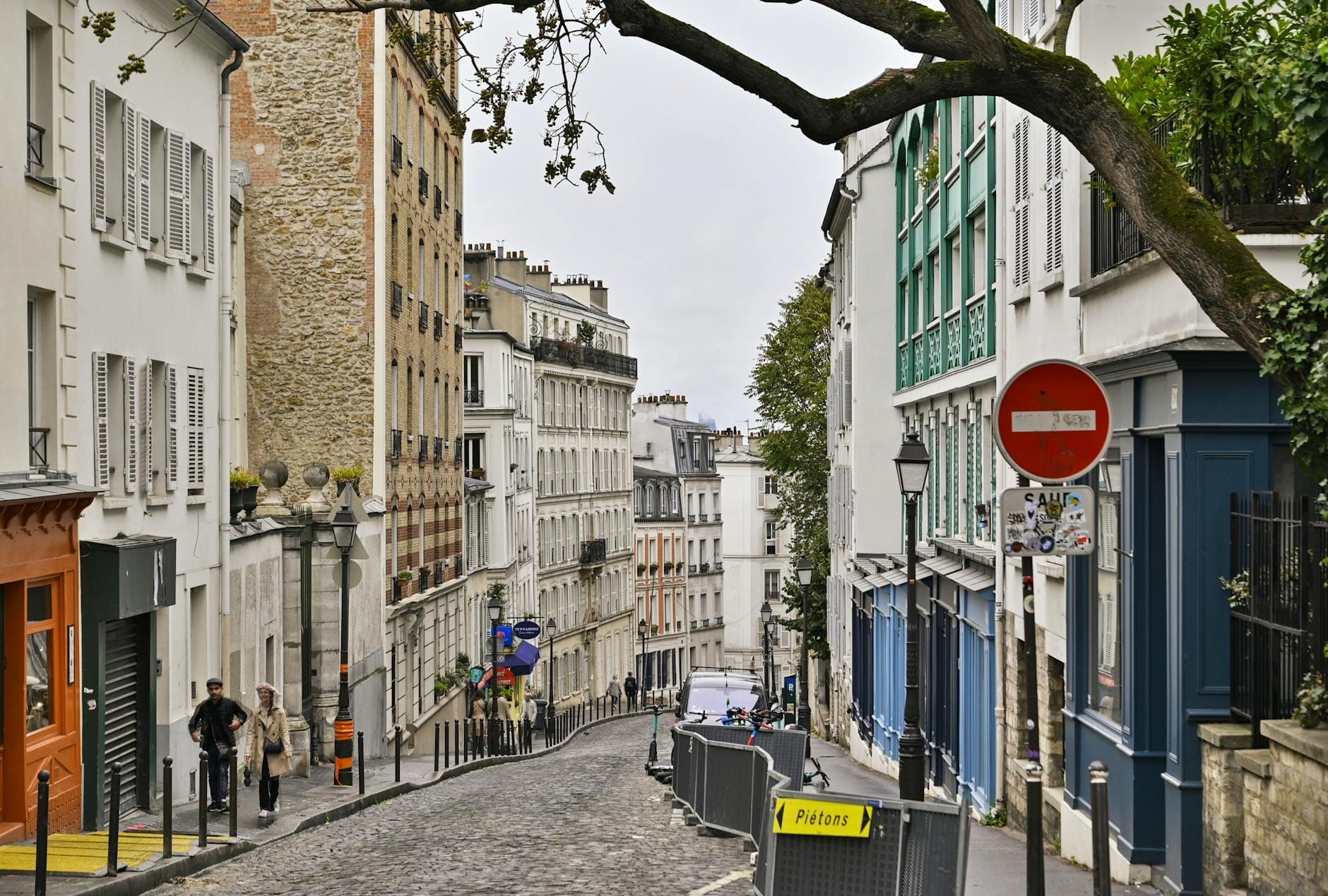
The two neighborhoods feel distinct even though they share the same literary mythology. Saint-Germain-des-Prés is composed and well-groomed: the streets around Place Saint-Germain-des-Prés are lined with art galleries, fashion boutiques, and antique dealers. The buildings are Haussmann-era or older, the window displays lean expensive, and even the café terraces have a certain self-conscious elegance. This is the Paris of Sartre, Simone de Beauvoir, and Albert Camus — all of whom spent their working lives in the cafés here — though today their successors are more likely to be luxury brand executives than existentialist philosophers.
The Latin Quarter has held onto more of its rough edges. The streets around Rue de la Huchette and Rue Saint-Séverin fill up nightly with crêpe stands and tourist restaurants; the student population of the Sorbonne keeps prices lower and energy higher. By day, the medieval street grid south of the Seine feels compressed and intimate. By night, the lanes throb with foot traffic, particularly on weekends when students spill out of bars along Rue Mouffetard and around Place de la Contrescarpe.
Mornings in Saint-Germain are genuinely pleasurable. The street cleaners finish their rounds just as the boulangeries open, and the smell of bread and coffee drifts across the still-empty terraces of Café de Flore and Les Deux Magots. The light at this hour, coming in low from the east over the rooftops, hits the pale stone façades in a way that feels cinematic. By afternoon, Rue de Seine and Rue de Buci fill with gallery-goers and market-stall browsers. After dark, Saint-Germain goes quiet fairly early — it is at heart a residential neighborhood — while the Latin Quarter stays loud well past midnight.
What to See & Do
The Abbey Church of Saint-Germain-des-Prés has 6th-century origins, though the current structure is largely 11th and 12th-century Romanesque — one of the rare survivors of that style in Paris. The interior is cooler and more austere than the Gothic churches that dominate the rest of the city, and entry is free. A short walk south along Rue Bonaparte leads to Place de Furstemberg, a tiny square that was once the abbey's courtyard: four paulownia trees, a central lamp post, and exceptional morning light. Eugène Delacroix's studio stood on this square; the Musée Delacroix occupies it still.
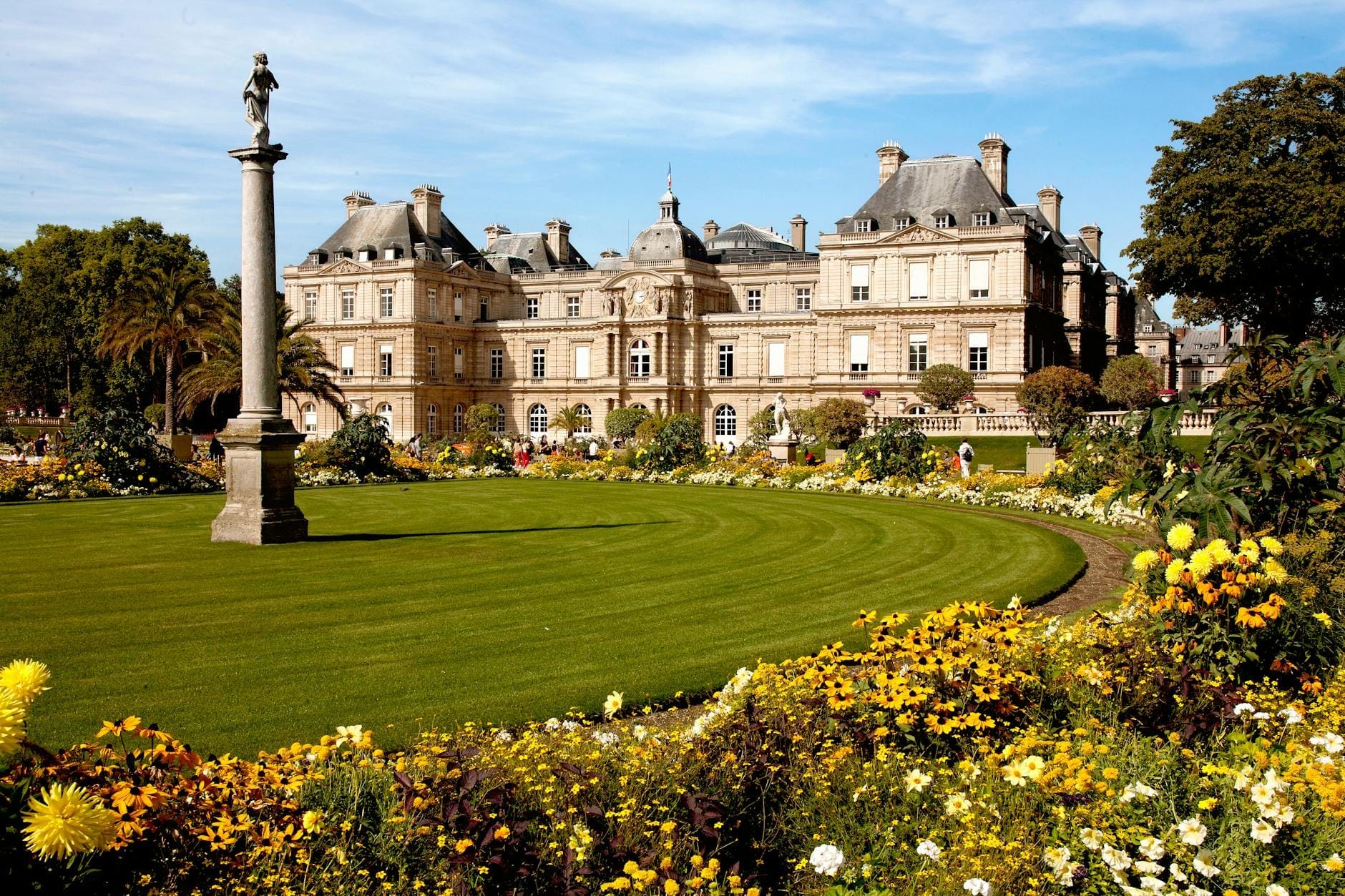
Continue south and you reach the northern gates of the Jardin du Luxembourg. The Palais du Luxembourg (now the French Senate) frames the northern end of the 23-hectare (57-acre) garden, which contains pétanque courts, a puppet theater, a beehive school, and an orchard alongside the formal basin and its famous iron chairs. On warm afternoons, those chairs are the city's most democratic seats: everyone from schoolchildren to pensioners drags them toward the sun.
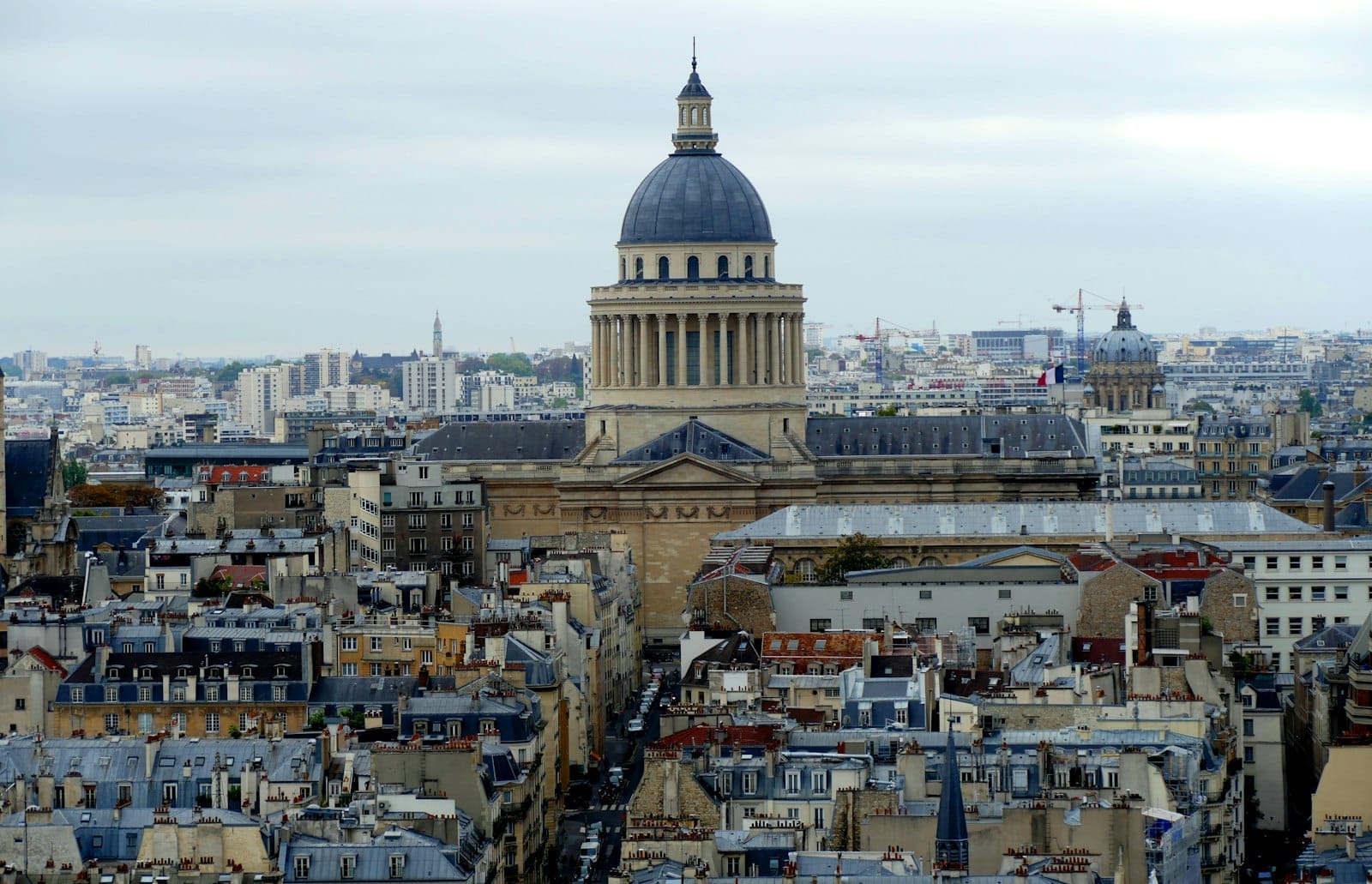
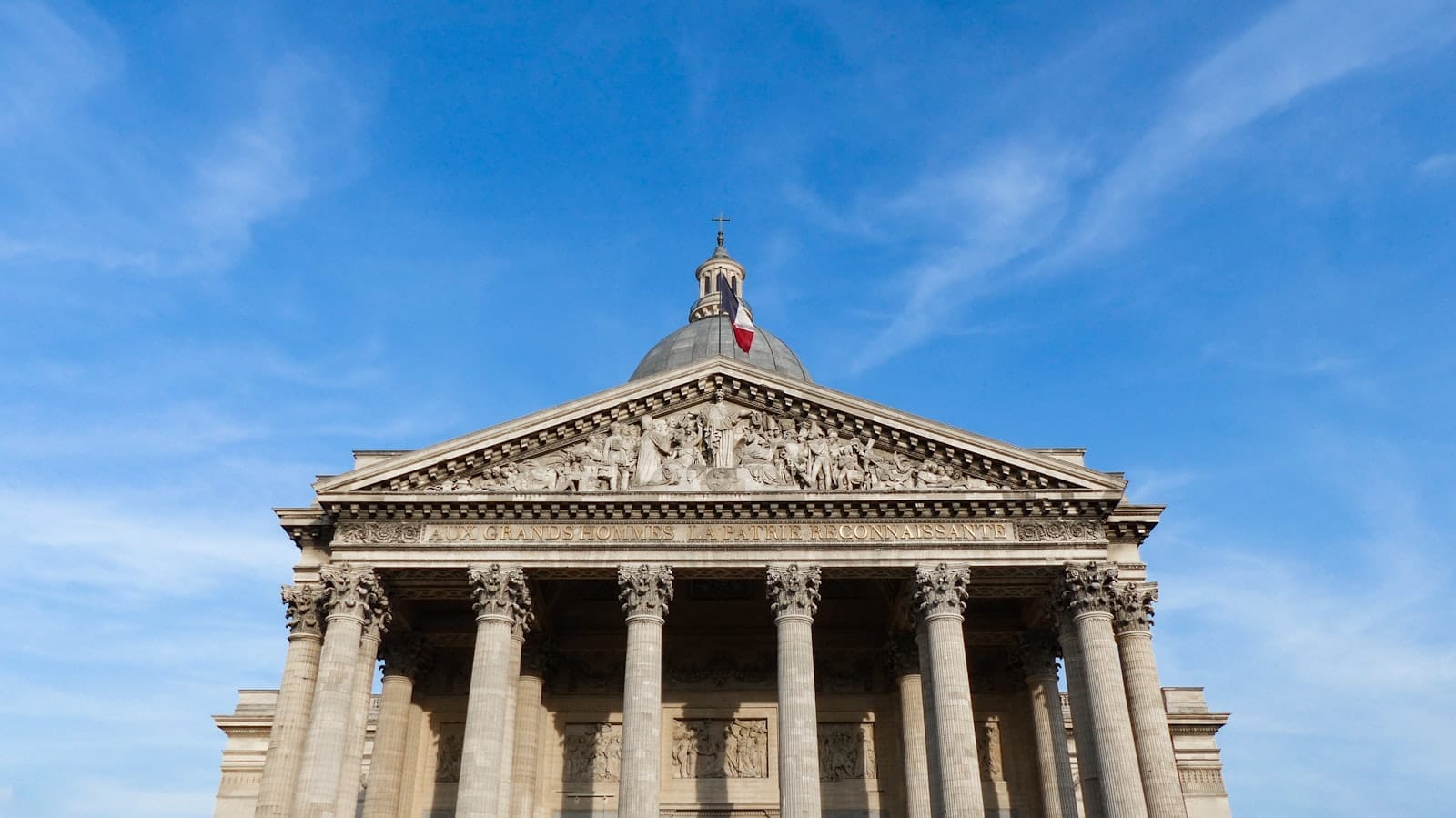
In the Latin Quarter, the Panthéon dominates the high ground of the 5th from the Montagne Sainte-Geneviève. Its neoclassical dome shelters the remains of Voltaire, Rousseau, Marie Curie, Victor Hugo, and Joséphine Baker, among others. The colonnade walkway offers exceptional views over the Luxembourg Gardens to the west and the Seine to the north. For medieval history at its most immersive, the Musée de Cluny occupies a 15th-century Gothic mansion built above intact 2nd-century Gallo-Roman thermal baths. Its permanent collection includes the six panels of the Lady and the Unicorn tapestry series — displayed in a purpose-built circular room — and the museum completed a major renovation in 2022.
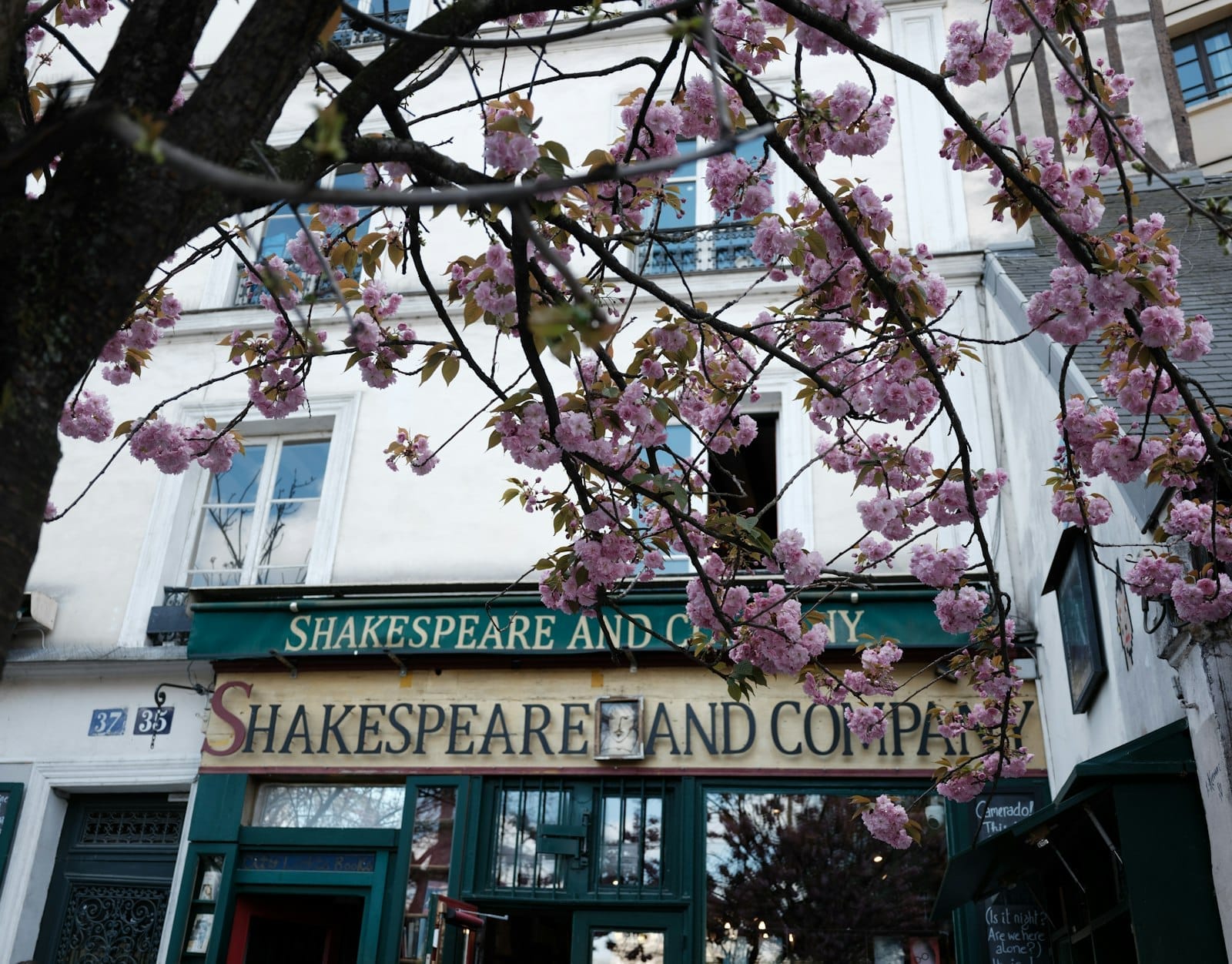
Bibliophiles should make time for Shakespeare and Company on Rue de la Bûcherie, directly facing Notre-Dame across the Seine. The current store opened in 1951 under George Whitman, inspired by Sylvia Beach's legendary original, and it remains one of the world's great independent bookshops: crowded, chaotic, and genuinely alive with reading culture. Evening readings and author events are posted on the notice board inside.
Saint-Germain-des-Prés Church: free entry, Romanesque tower, quiet even on busy days
Place de Furstemberg and Musée Delacroix: former abbey courtyard, exceptional light for photography
Jardin du Luxembourg: 23 hectares, free entry, iron chairs and central basin
Panthéon: ticketed entry, mausoleums of major French figures, panoramic colonnade
Musée de Cluny: ticketed, Lady and the Unicorn tapestries, intact Gallo-Roman baths
Shakespeare and Company: free to browse, regular evening author events
Saint-Sulpice Church: one of Paris's largest churches, free entry, major Delacroix murals inside
Rue Mouffetard: market street, best on weekend mornings from Place de la Contrescarpe downhill
💡 Local tip
The Musée d'Orsay is a 15-minute walk from Saint-Germain-des-Prés along the quais. Go early on a weekday and bring a Paris Museum Pass — queue times without advance booking can stretch to an hour in high season. The museum is closed on Mondays.
Eating & Drinking
The café culture of Saint-Germain-des-Prés is as much about mythology as it is about coffee. Café de Flore at 172 Boulevard Saint-Germain and Les Deux Magots at 6 Place Saint-Germain-des-Prés have been serving intellectuals and tourists since the 1880s, and both charge accordingly — a coffee on the terrace runs considerably more. The experience of sitting at either terrace on a quiet morning is genuinely worthwhile; treat it as one of the area's attractions rather than just a caffeine stop. Brasserie Lipp directly across the boulevard at 151 Boulevard Saint-Germain is the traditional power-lunch spot, its Art Nouveau interior largely unchanged since the 1880s.
The back streets of Saint-Germain reward exploration beyond the famous addresses. The area around Rue de l'Abbaye and Rue Cardinale has several serious restaurants and wine bars aimed at residents rather than tourists. The covered Marché Saint-Germain on Rue Mabillon is a reliable stop for local produce and good cheese. For a broader sense of the city's food scene, the guide to where to eat in Paris covers all neighborhoods and price points.
In the Latin Quarter, the food landscape splits sharply between the tourist strip and everything else. Rue Mouffetard and its surrounding streets south of the Panthéon represent the quarter's most authentic eating: a daily market running downhill from Place de la Contrescarpe, with cheese and charcuterie shops, fishmongers, and small restaurants in the side streets. Place Maubert hosts a market on Tuesday, Thursday, and Saturday mornings that is entirely local in character — good for olives, bread, and a sense of how the neighborhood operates away from the tourist circuit.
⚠️ What to skip
The restaurant strip on Rue de la Huchette near Place Saint-Michel is one of Paris's most tourist-heavy dining zones. Touts outside restaurants, laminated photo menus, and signage in five languages are all reliable indicators to keep walking. Move south or east for better options at lower prices.
Getting There & Around
The area is served by multiple Métro lines with good enough coverage that you are rarely more than a five-minute walk from a station. Line 4 is the most useful: it stops at Saint-Germain-des-Prés station directly in front of the church, and at Odéon further east, which connects to Line 10. Line 10 itself runs east-west through the 6th, with stops at Mabillon (for the market and Rue de Buci) and Cluny-La Sorbonne (for the museum and the university). In the deeper Latin Quarter, Line 7 serves Jussieu and Place Monge, while Cardinal Lemoine on Line 10 puts you at the foot of Rue Mouffetard.
RER B and RER C both pass through Saint-Michel Notre-Dame station on the riverbank — a key interchange for arrivals from CDG airport (RER B) or Versailles (RER C). Both neighborhoods are extremely walkable: Saint-Germain-des-Prés church to the Panthéon is about 20 minutes on foot; Place Saint-Michel to the Luxembourg Gardens is roughly 10 minutes. For a full overview of how Paris's transit network fits together, the guide to getting around Paris covers all options.
💡 Local tip
Bus lines 63 and 86 both stop near Saint-Germain-des-Prés church and offer a scenic ride across the Seine without a Métro transfer. Line 63 passes the Musée d'Orsay before crossing the river — useful if you are combining a morning in the 6th with an afternoon at the museum.
Where to Stay
Accommodation here covers nearly every category, though genuine budget options are limited in the 6th. The 6th arrondissement is one of the most expensive areas to stay in Paris: boutique hotels on Rue Jacob, Rue de l'Université, and Rue Bonaparte charge premium rates for a location that puts you within walking distance of the Louvre, the Musée d'Orsay, Notre-Dame, and the Luxembourg Gardens. The best-located hotels in the 6th sit between Boulevard Saint-Germain and the river: quiet enough to sleep well, central enough to walk almost everywhere. For a full breakdown of options by arrondissement, the guide to where to stay in Paris is the most comprehensive resource.
In the Latin Quarter, the streets south of the Panthéon toward Rue Mouffetard offer smaller, less expensive hotels and a more genuinely residential feel. For travelers who prioritize value over address cachet, the southern 5th arrondissement is the shrewder choice. One thing to verify before booking: some hotels near Rue de la Huchette in the northern Latin Quarter sit on noisy blocks where street noise from bars and restaurant touts continues until 1am or later on weekends. Ask specifically about room position and street-facing windows before confirming.
TL;DR
Best for: travelers who want literary and historic Paris, excellent walkability, and proximity to multiple major museums on both banks
Saint-Germain-des-Prés (6th) is polished and expensive; the Latin Quarter (5th) is louder, cheaper, and student-driven — choose based on budget and pace
Key landmarks: Saint-Germain-des-Prés Church, Jardin du Luxembourg, Panthéon, Musée de Cluny, Shakespeare and Company, Saint-Sulpice Church
Skip the tourist-heavy restaurant strip near Rue de la Huchette; head south toward Rue Mouffetard and Place Maubert for better eating
Transit is excellent: Métro lines 4 and 10, RER B and C at Saint-Michel Notre-Dame, and the whole area is highly walkable
Top Attractions in Saint-Germain-des-Prés & the Latin Quarter
Paris has over 130 museums, which makes choosing badly very easy. This guide cuts through the noise with a ranked, honest breakdown of the best museums in Paris, covering art, history, science, and design, with practical details on tickets, timing, and what to skip.
Paris has over 400 parks and gardens, ranging from formal French-style classics to wild woodland escapes. This guide covers the best green spaces across the city, with practical details on what to expect, when to go, and how to get the most out of each one.
Paris is one of the most photographed cities on earth, which means most visitors return home with the same ten images. This guide goes beyond Trocadéro to cover lesser-known vantage points, specific timing advice, and honest assessments of which spots are genuinely worth the effort.
Paris rewards visitors year-round, but the experience shifts dramatically depending on when you go. This guide breaks down each season honestly, covering temperatures, crowd levels, pricing, and the specific events and landscapes that make each period worth considering.
Paris rewards those who look down at it as much as those who walk through it. This guide covers every serious viewpoint in the city, from the famous towers to free terraces most visitors walk past, with honest advice on which are worth the queue and which are overrated.
Paris rewards those who venture beyond the périphérique. Whether you want royal grandeur at Versailles, Monet's living canvases at Giverny, or medieval forests at Fontainebleau, these are the best day trips from Paris — all reachable in under two hours.
Paris has one of the most comprehensive urban transport networks in the world. From the 16-line Métro to river buses and Vélib' bikes, this guide covers every realistic option — with real fares, practical advice, and honest warnings about what to avoid.
Paris rewards the curious traveler. Beyond the Eiffel Tower and Louvre queue, the city holds Roman ruins, forgotten neighborhoods, candlelit sewers, and park temples that most visitors never find. This guide covers 20 genuinely underrated experiences, with practical details on when to go, what to expect, and what to skip.
Planning your first trip to Paris? This guide covers everything you actually need: which arrondissements to stay in, how to get around without overpaying, which passes are worth buying, and how to avoid the most common rookie mistakes. Specific, honest, and built for real travelers.
Three days in Paris is enough to cover the iconic highlights, eat well, and still leave room to wander. This guide breaks down each day by neighborhood, flags what to pre-book, and tells you what to skip so you spend less time in queues and more time in the city.
The Paris Museum Pass covers 50+ museums and monuments, but it's not automatically the right choice for every visitor. This guide breaks down the real costs, savings thresholds, booking rules, and the cases where individual tickets beat the pass.
Paris has a reputation for draining wallets, but the reality is more nuanced. This guide breaks down real 2026 costs across transport, food, accommodation, and attractions, with practical strategies for visiting Paris on a budget without sacrificing the experience.
Paris works brilliantly for families, but only if you plan it right. This guide covers the best kid-friendly attractions, parks, museums, transport logistics, and honest advice on what to skip, so you can enjoy the city without the meltdowns.
Paris rewards visitors who go beyond the obvious itinerary. This guide covers the best things to do in Paris across every interest and budget, from world-class museums and Seine river cruises to neighbourhood markets, immersive art installations, and day trips worth the train fare.
Paris has more restaurants per square kilometer than almost any city on earth, which makes choosing one genuinely hard. This guide cuts through the noise with neighborhood-by-neighborhood recommendations, honest budget breakdowns, booking advice, and the dishes you should actually order.
Choosing where to stay in Paris shapes your entire trip. This guide breaks down the city's key neighborhoods by character, price, metro access, and who they suit best, so you can book with confidence rather than guesswork.