Hidden Gems in Paris: 20 Underrated Things to Do
Paris rewards the curious traveler. Beyond the Eiffel Tower and Louvre queue, the city holds Roman ruins, forgotten neighborhoods, candlelit sewers, and park temples that most visitors never find. This guide covers 20 genuinely underrated experiences, with practical details on when to go, what to expect, and what to skip.
Plan and book this trip
Tools from our partner Travelpayouts help you compare flights and hotels. If you book through them, we may earn a commission at no extra cost to you.
Flights
Hotels map
TL;DR
- Paris has 20 arrondissements packed with underrated sites. The 13th, 19th, and parts of the 5th are especially rewarding off the main tourist trail.
- The Musée de Cluny and Parc des Buttes-Chaumont consistently rank as the city's most underappreciated experiences among repeat visitors.
- Spring (April to June) and early autumn (September to October) offer the best conditions for exploring on foot with fewer crowds.
- Many of the best experiences here are free or cost under €15. See the Paris on a budget guide for more ways to stretch your euros.
- Always verify current opening hours and admission prices on official sites before visiting. Schedules shift seasonally and without notice.
Neighborhoods Most Visitors Walk Past
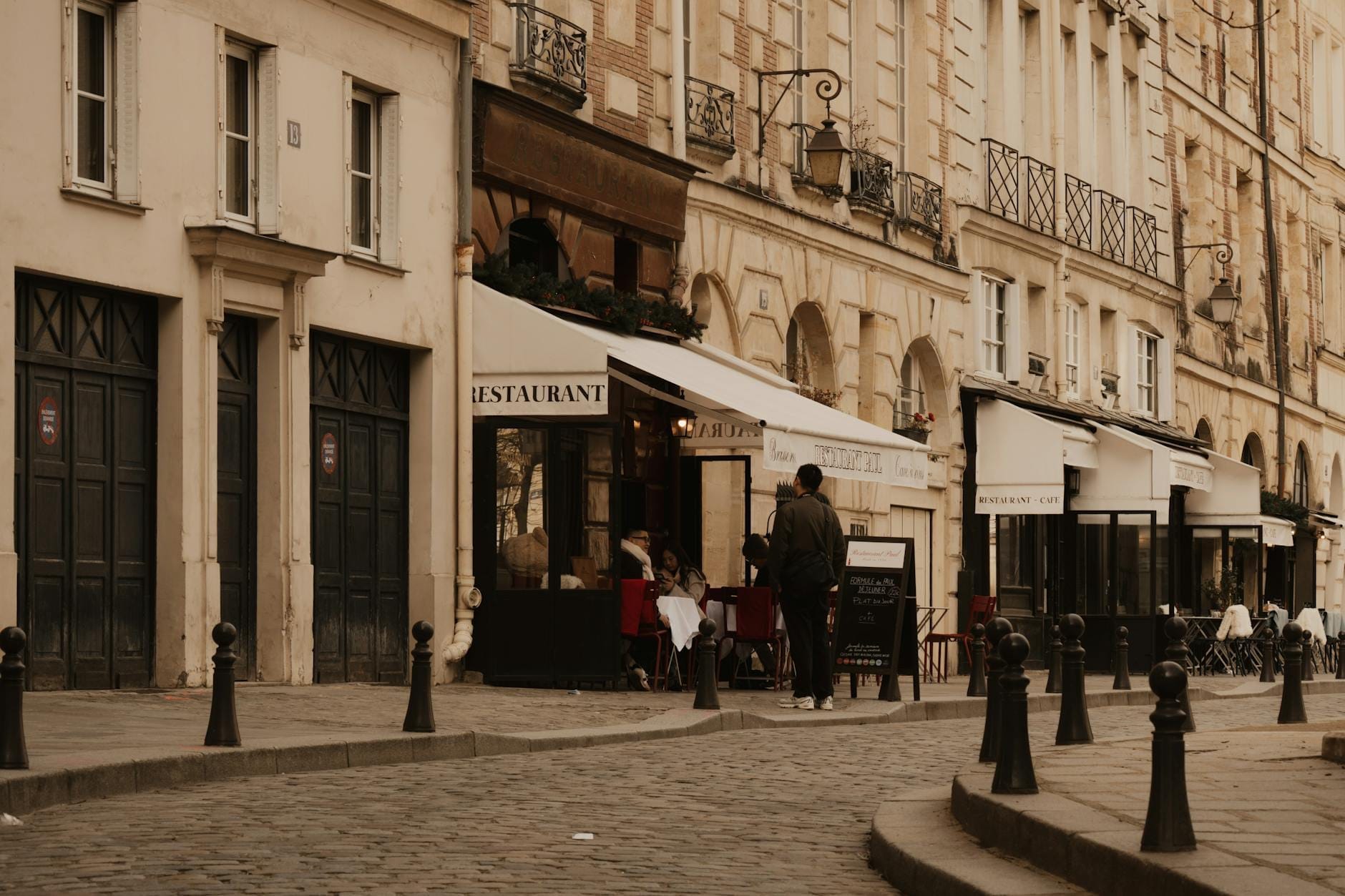
The 13th arrondissement rarely appears on first-timer itineraries, which is precisely why it deserves your attention. The Buttes-aux-Cailles quarter within it offers something most neighborhoods in the city have lost: a genuine sense of a village that forgot to get famous. Narrow cobblestone streets, painted facades, independent wine bars, and a community swimming pool (Les Piscines de la Butte-aux-Cailles) that has served locals since 1924 — none of it feels staged. Compare it to Montmartre, which has the same steep-street charm but draws hundreds of portrait artists and souvenir stalls. Buttes-aux-Cailles has almost none of that.
The Canal Saint-Martin area, straddling the 10th and 11th arrondissements, has become somewhat known in recent years, but the stretch further northeast toward La Villette remains genuinely quiet. Iron footbridges, lockkeeper's cottages, and plane trees lining the water make for a very different Paris than the Haussmann boulevards most tourists photograph. On weekday mornings the towpath is almost entirely cyclists and dog walkers.
💡 Local tip
If you want the look of Montmartre without the crowds, head to Buttes-aux-Cailles on a weekday morning. The neighborhood is walkable from the Corvisart or Place d'Italie Métro stations (Line 6 or 7), and most streets are worth wandering without a map.
Underground and Indoor Experiences Worth the Queue
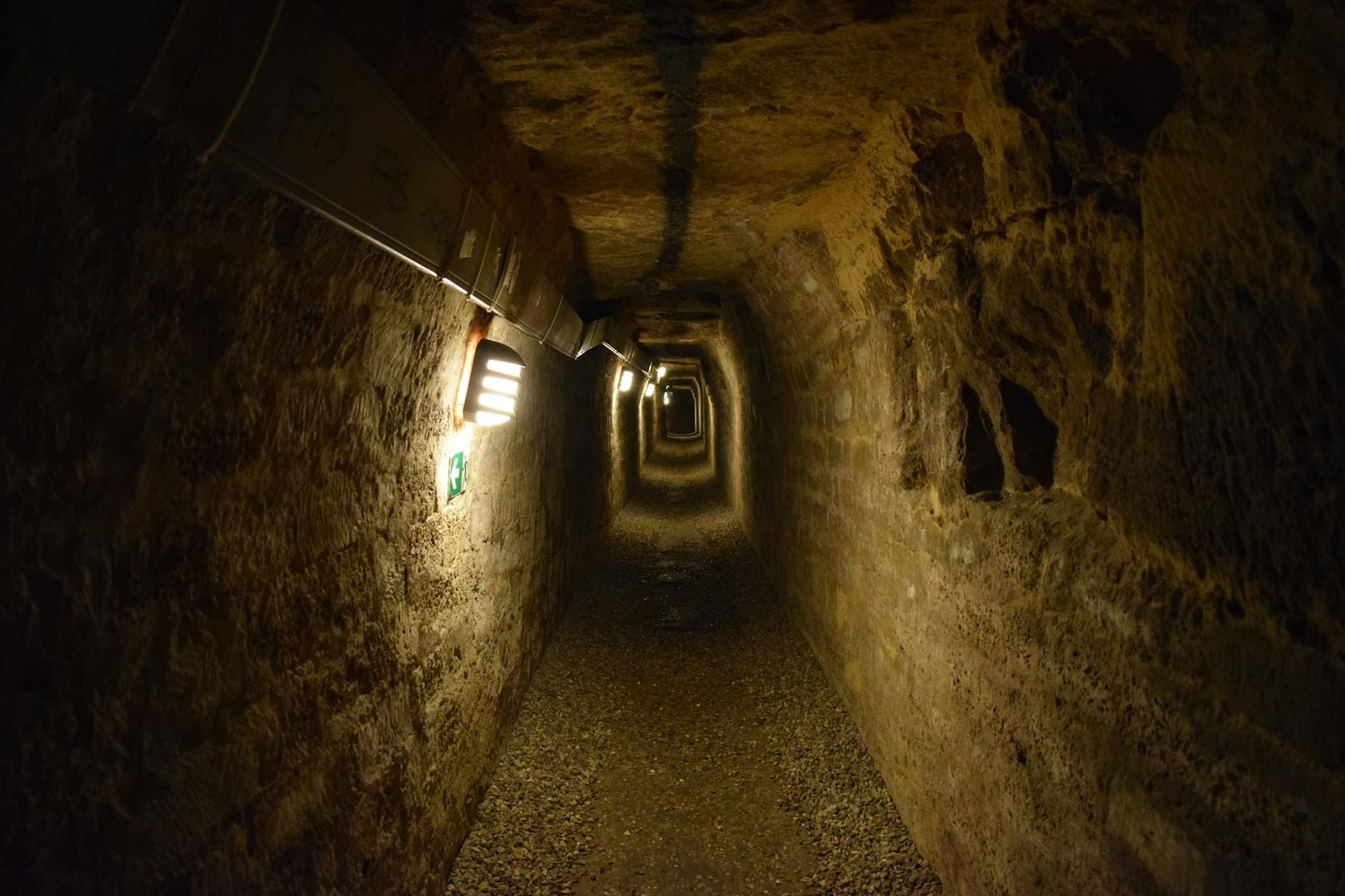
The Catacombs of Paris get most of the attention for underground exploration, and they are genuinely impressive. But the Paris Sewers Museum (Musée des Égouts de Paris) offers something arguably more interesting: a working 19th-century infrastructure you can walk through, with actual tunnels, machinery, and the history of how Baron Haussmann's engineers solved the city's sanitation crisis. The space is atmospheric in a way that feels earned rather than theatrical. It is smaller and quicker to visit than the Catacombs, and the queue is nearly always shorter.
For medieval history, the Musée de Cluny in the 5th arrondissement is one of the most undervisited great museums in Europe. Built on top of Roman baths dating to around the 1st or 2nd century AD, the museum houses the extraordinary series of tapestries known as 'The Lady and the Unicorn,' six panels woven around 1500 that are among the finest surviving examples of medieval textile art. After a long renovation, the museum reopened in 2022 with improved circulation and lighting. Budget around 90 minutes. Admission is typically around €13, though this varies seasonally.
Less visited than both: the Musée de l'Orangerie is better known for Monet's Water Lilies panels, but even this museum is overlooked compared to the Louvre and Orsay queues. The oval rooms housing the eight Water Lilies panels are worth the admission alone, and the lower floor holds a strong Cézanne, Matisse, and Picasso collection that most visitors spend only ten minutes with. Arrive when it opens at 10:00 AM on weekdays for near-solitude.
⚠️ What to skip
The Paris Sewers Museum has relocated its entrance in recent years. Confirm the current entry point via the official Paris city website (paris.fr/en/places/museum-paris-sewers-musee-egouts) before your visit. It is typically near the Pont de l'Alma, 7th arrondissement, but details can change.
Parks and Green Spaces Beyond Luxembourg and the Tuileries
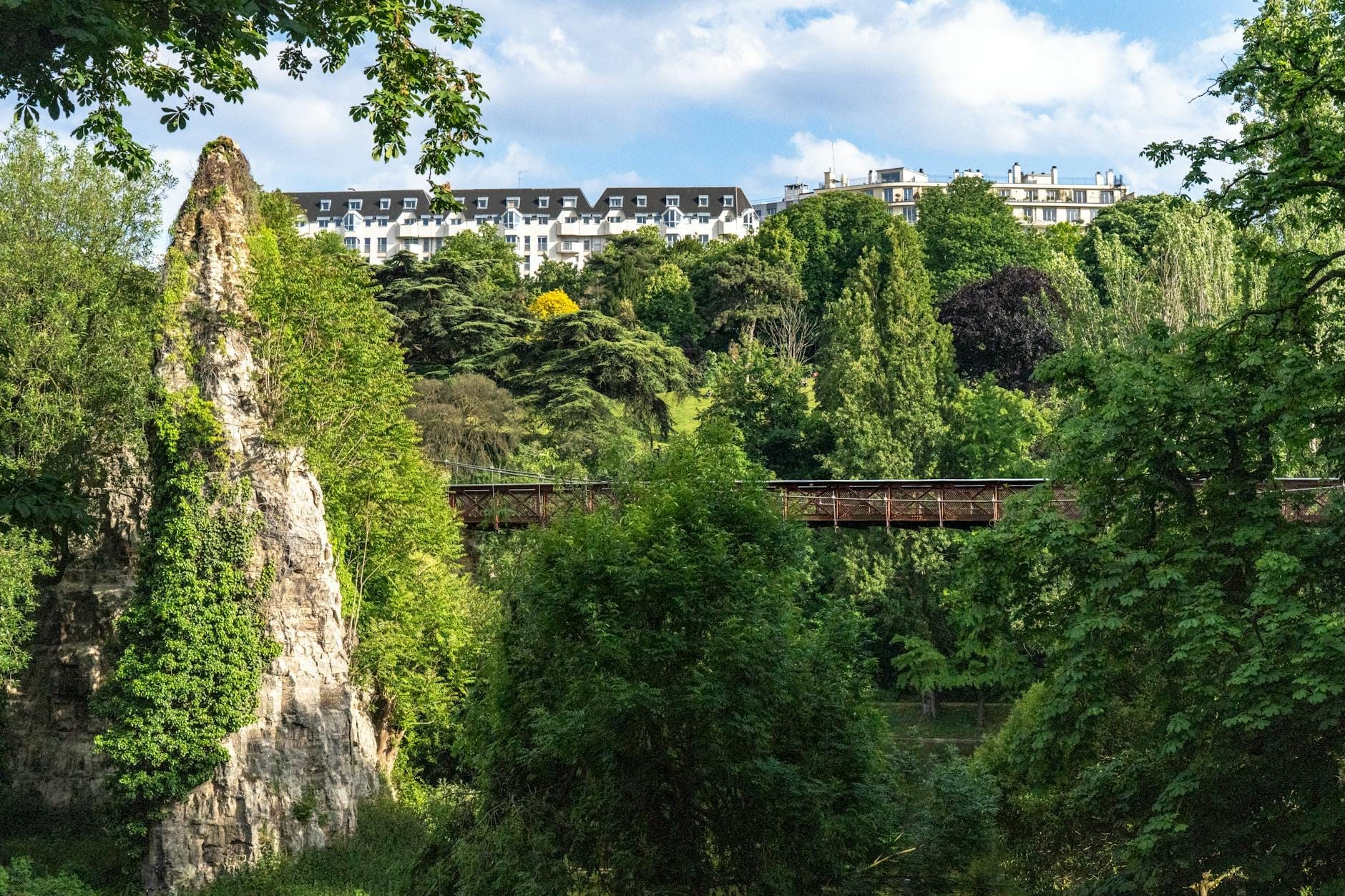
The Parc des Buttes-Chaumont in the 19th arrondissement is Paris's most dramatic park by terrain, with a 30-metre artificial cliff, a lake, a grotto, and a Roman-style temple on a rocky island that looks like something from a 19th-century painting, because it essentially is. Designed by Jean-Charles Alphand during Haussmann's transformation of Paris and opened in 1867, the park has long been a neighborhood fixture rather than a tourist destination. On summer weekends, Parisians gather here for picnics on the hillside slopes with skyline views to the northwest. Come in late afternoon for the best light on the temple.
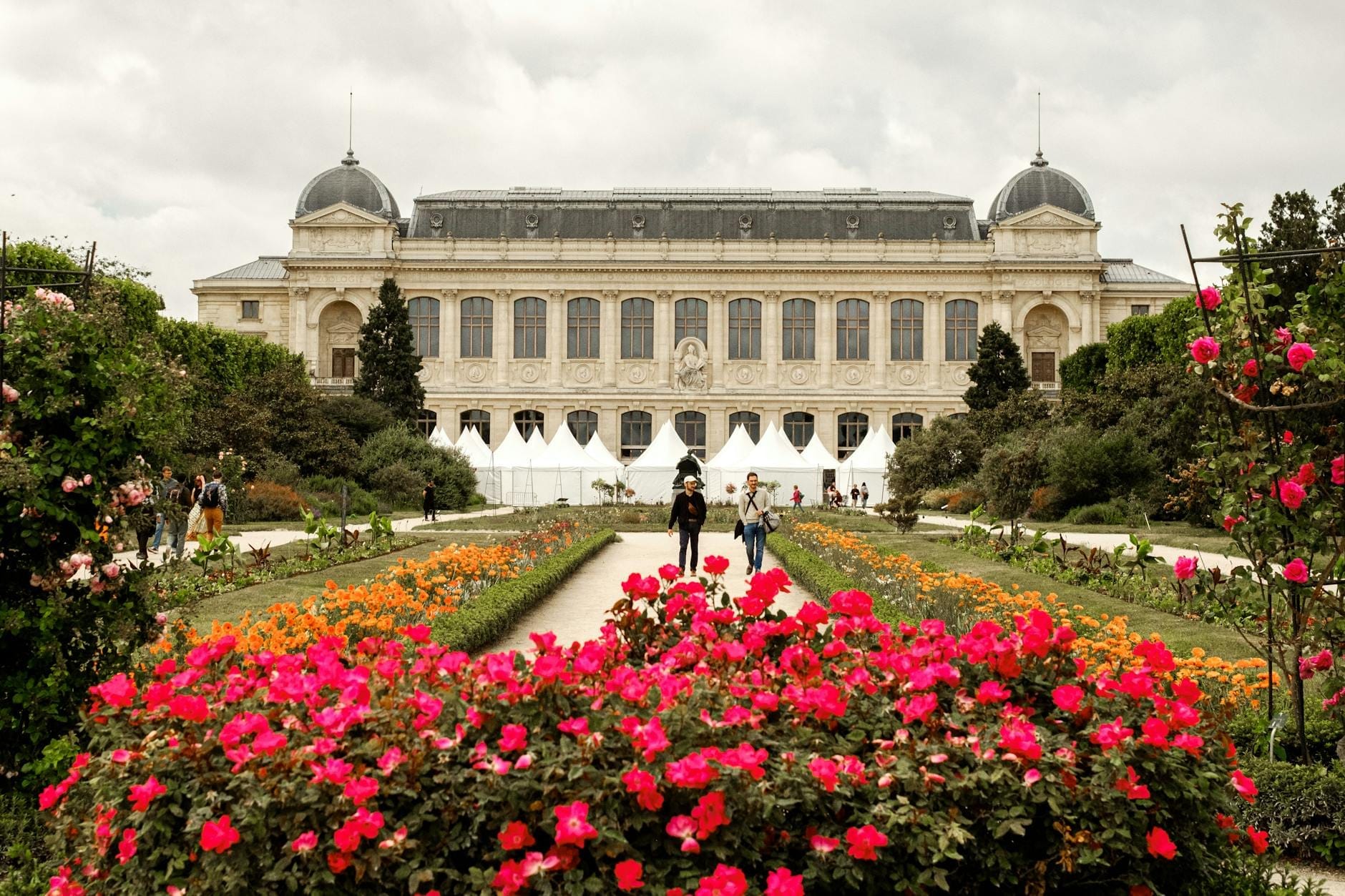
The Jardin des Plantes in the 5th arrondissement is technically a botanical garden and natural history complex. It is largely free to enter (ticketed areas include the zoo and greenhouses), and on most days it feels like the exclusive property of science students and elderly locals reading on benches. The garden contains rare tree species, rose gardens, and a small zoo where red pandas are reportedly visible depending on the season. It is also adjacent to the Grande Galerie de l'Évolution, a jaw-dropping natural history museum that is surprisingly overlooked by tourists.
- Parc des Buttes-Chaumont (19th arr.) Best at late afternoon in summer for picnics with skyline views. Temple de la Sibylle on the island is the signature sight. Free entry.
- Jardin des Plantes (5th arr.) Free botanical garden with rare trees and a small zoo. Pair with the Grande Galerie de l'Évolution inside the same complex.
- Parc de Bercy (12th arr.) Laid out on the grounds of former wine warehouses; wine-related street names and old railroad tracks remain. Golden hour at sunset is consistently good for photography year-round.
- Parc Montsouris (14th arr.) Quiet English-style park near the Cité Universitaire. Mostly locals, very few tourists. Good in autumn when the paths are covered in leaves.
- La Promenade Plantée (12th arr.) An elevated railway-turned-garden that predated New York's High Line by over a decade. Runs 4.7 km from Bastille to the Bois de Vincennes. Accessible via the Viaduc des Arts archways below.
Streets, Courtyards, and Structures Most Tourists Miss
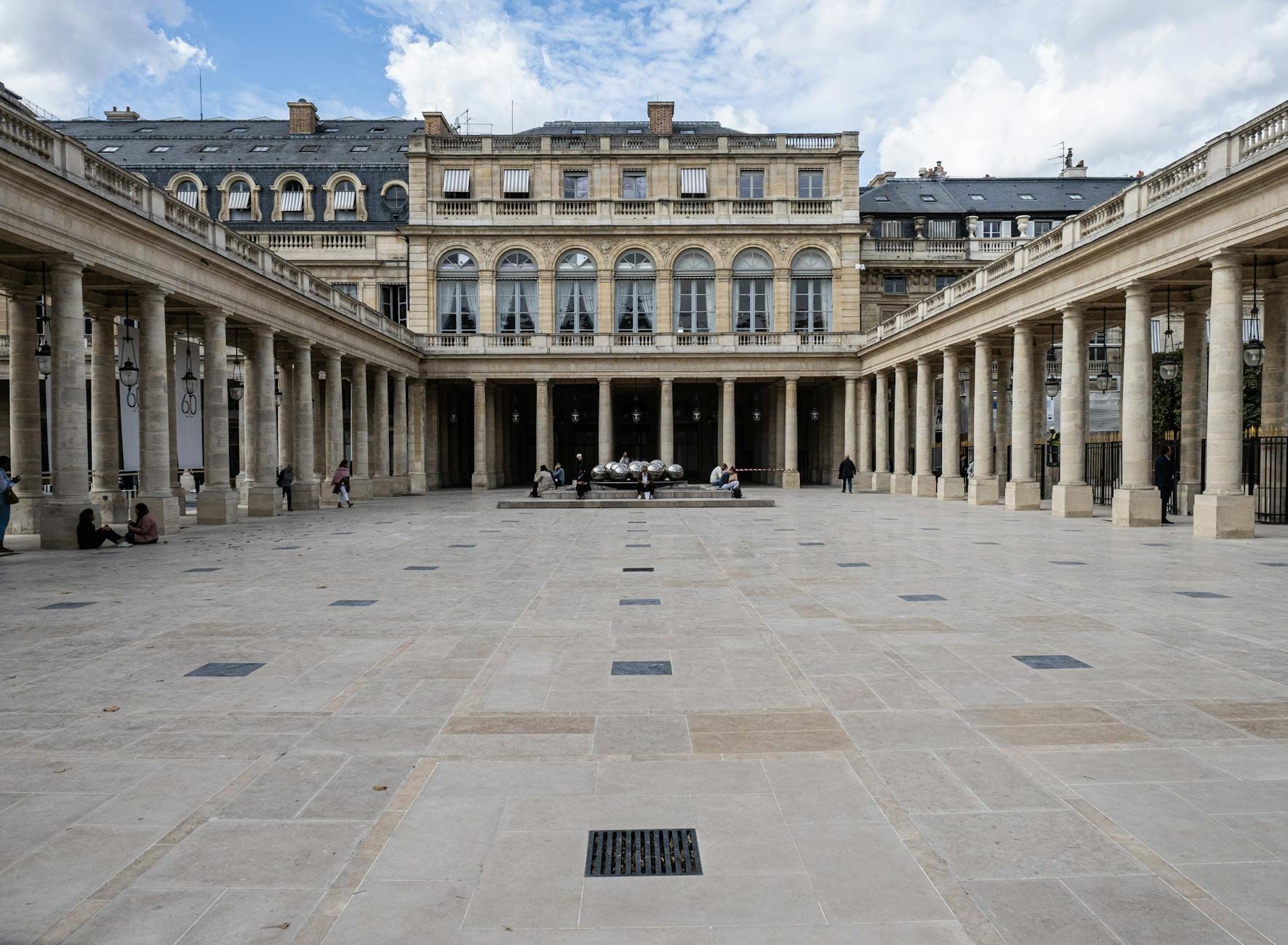
Place des Vosges in Le Marais is famous, but the Pavillon de la Reine hotel behind it is not. More importantly, the discreet doorways on the northern and southern sides of the square open into quiet residential courtyards that most visitors walk past without noticing. Step through any of the arched openings and you step into a completely different acoustic world. This is a good example of a broader Paris principle: the facades on the boulevards are public, but the courtyards behind them are often semi-accessible and radically quieter.
The covered passages (passages couverts) of the 2nd and 9th arrondissements are among the best preserved examples of 19th-century commercial architecture in Europe. Galerie Vivienne, Passage des Panoramas, and Passage Jouffroy all survive with their original glass ceilings and mosaic floors. They are a short walk from Opéra and the Grands Boulevards, and yet many visitors to that area never step inside. See the full breakdown in the covered passages guide for specific opening hours and what to look for in each one.
Rue Crémieux in the 12th arrondissement is now documented well enough that it gets weekend visitors, but on weekday mornings it remains genuinely pleasant. The 180-metre street is lined with pastel-painted townhouses and no through traffic. It does not take more than 15 minutes to walk, so combine it with nearby Bercy Village and the Viaduc des Arts on the same afternoon.
✨ Pro tip
Paris's covered passages are open during business hours of the shops inside them, typically 10:00 AM to 7:00 PM on weekdays, with reduced hours on Sundays. Passage des Panoramas is often open until later in the evening as it contains several restaurants. Always check before making a special trip.
Cultural Institutions That Punch Above Their Profile
The Musée de la Vie Romantique in the 9th arrondissement sits in a garden townhouse that once hosted Frédéric Chopin and George Sand. The permanent collection is free. The tearoom in the garden is open in warmer months and is arguably one of the best-kept secrets in the city for a slow afternoon. Few tourists find it; most of the visitors are French.
The Musée Jacquemart-André on the Boulevard Haussmann (8th arrondissement) is a private mansion turned museum with a collection that rivals small national institutions. Rembrandt, Botticelli, Tiepolo, and Mantegna hang in rooms that were designed to receive them as domestic objects. The café inside is set in the original dining room with Tiepolo ceiling frescoes and is a legitimate contender for best museum café in Paris. Admission is typically around €16, which is competitive given the quality.
For something more unusual, the Musée des Arts et Métiers in the 3rd arrondissement is a museum of science and technology installed in a former priory. The nave of the old Saint-Martin-des-Champs church houses Foucault's original pendulum and early aircraft. It is the kind of museum that rewards genuine curiosity but tends to be dismissed because it lacks impressionist paintings. If you have children or any interest in the history of invention, this is worth an entire morning.
- Musée Bourdelle (15th arr.): Sculptor's studio preserved as a museum. Free permanent collection. Extraordinarily peaceful on weekday afternoons.
- Musée Guimet (16th arr.): National museum of Asian art. One of the best Asian art collections in Europe. Rarely crowded compared to the Louvre's Asian galleries.
- Musée Carnavalet (4th arr.): Free museum of Paris's own history, housed in two connected mansions in Le Marais. Closed Mondays. Reopened after renovation in 2021 with excellent new presentation.
- Atelier des Lumières (11th arr.): Digital art installation space in a former iron foundry. Immersive projections covering every surface. Book tickets online well in advance as it regularly sells out.
Practical Advice for Getting Off the Beaten Path
Paris's Métro covers all 20 arrondissements and most hidden corners. A single ticket (currently part of the unified Île-de-France fare system) handles most journeys. For day-trip territory, the RER opens up options like Fontainebleau and Giverny. See the full breakdown in the guide to getting around Paris for line-by-line tips.
The real key to finding underrated Paris is timing. Most tourist sites are quietest on weekday mornings between 9:00 and 11:00 AM, and on public holidays (when Parisians often leave town but museums stay open). August is counterintuitively a good month for off-the-beaten-path exploration because many locals are away and the crowds at secondary sites thin considerably. That said, some smaller museums and galleries close or reduce hours in August, so confirm before visiting. For a broader seasonal view, the best time to visit Paris guide covers month-by-month conditions in detail.
Walking is underrated as a navigation strategy. Paris's historic core (roughly the 1st through 11th arrondissements) is compact enough that many seeming Métro trips are 15-20 minute walks. Walking between neighborhoods reveals connecting streets, courtyards, markets, and cafés that no transit map shows. Comfortable shoes and a willingness to take the longer route are the two most reliable tools for finding what other visitors miss.
ℹ️ Good to know
The main Paris Tourist Office is at 29-31 rue de Rivoli, near the Eiffel Tower in the 15th arrondissement. Staff can advise on lesser-known cultural events, temporary exhibitions, and neighborhood walking maps. It is worth a stop if you arrive without a full plan.
FAQ
What are the most underrated free things to do in Paris?
Several excellent options cost nothing: Parc des Buttes-Chaumont (19th arr.) for dramatic landscaping and city views, the Jardin des Plantes (5th arr.) for botanical gardens and rare trees, the Musée de la Vie Romantique (9th arr.) for its permanent collection and garden, the Musée Carnavalet (4th arr.) for Paris history in a beautiful mansion, and the covered passages in the 2nd and 9th arrondissements for 19th-century commercial architecture. Many national museums also offer free admission on the first Sunday of each month, though queues are longer on those days.
Which Paris neighborhoods are genuinely off the tourist trail?
The 13th arrondissement (particularly the Buttes-aux-Cailles quarter) offers the most reward for the effort: cobblestone streets, street art, independent bars, and almost no souvenir shops. The 19th arrondissement around Buttes-Chaumont and the Canal de l'Ourcq is also genuinely local in character. In the inner city, the 3rd arrondissement's upper section (around the Arts et Métiers Métro) has quieter streets than the neighboring Marais without sacrificing architectural quality.
Is the Paris Sewers Museum worth visiting?
Yes, for most visitors who are curious about city infrastructure and urban history. It is smaller and faster to visit than the Catacombs, with an admission price typically in the €7-13 range. The tunnels are atmospheric and the explanations of how 19th-century Paris solved its sanitation problems are genuinely interesting. It is not for visitors who are strongly averse to underground spaces or the reality of sewage systems. Confirm the current entrance location and hours via the official site before visiting, as these details have changed in recent years.
How can I avoid tourist crowds in Paris?
Visit major sites at opening time (9:00 AM is the most reliable window) or in the last 90 minutes before closing. Book tickets for the Louvre, Eiffel Tower, and Catacombs online well in advance. On any given day, shifting your itinerary toward the 13th, 14th, 18th (away from Sacré-Cœur), 19th, and 20th arrondissements will dramatically reduce the density of other tourists. Spring and autumn are the best seasons for balancing pleasant weather with manageable crowd levels.
What underrated museums in Paris are worth a half-day?
The Musée Jacquemart-André (8th arr.) for outstanding Old Masters in an intact 19th-century mansion. The Musée de Cluny (5th arr.) for medieval art including the Lady and the Unicorn tapestries, housed in Roman baths. The Musée des Arts et Métiers (3rd arr.) for science and technology history in a former priory, including Foucault's original pendulum. The Musée Bourdelle (15th arr.) for Rodin's student's work in the preserved studio. All four are significantly less crowded than the Louvre, Orsay, or Pompidou on most days.