Paris on a Budget: How Expensive Is Paris Really?
Paris has a reputation for draining wallets, but the reality is more nuanced. This guide breaks down real 2026 costs across transport, food, accommodation, and attractions, with practical strategies for visiting Paris on a budget without sacrificing the experience.
Plan and book this trip
Tools from our partner Travelpayouts help you compare flights and hotels. If you book through them, we may earn a commission at no extra cost to you.
Flights
Hotels map
TL;DR
- Paris is expensive compared to most European cities, but 39% cheaper than New York and 23% cheaper than London.
- A comfortable budget traveler can manage on €80-120/day covering accommodation, food, transport, and a couple of paid sights. See our 3-day Paris itinerary for how to structure your visit.
- Free attractions are genuinely world-class: the Louvre's exterior, Notre-Dame's forecourt, most parks, and all 20 arrondissements worth exploring on foot.
- The Paris Métro (RATP) is efficient and affordable. A carnet of 10 tickets or a weekly Navigo pass is cheaper than individual fares. Check our guide on getting around Paris for full breakdowns.
- The 8th arrondissement (Champs-Élysées) and tourist-facing brasseries are where budgets collapse. A few blocks of distance from major landmarks drops prices significantly.
Is Paris Actually Expensive? The Honest Answer
Paris ranks in the top 10% of the world's most expensive cities (916th out of 9,294 globally, per Numbeo's 2026 data), and it sits first among French cities for cost of living. Those numbers sound alarming until you look at what you're actually paying for. A single person's monthly expenses excluding rent run around €1,061 to €1,300. A family of four spends roughly €3,800 to €3,900 per month before housing. These are resident costs, not tourist costs, and visitors tend to spend differently.
For travelers, the real budget killers are accommodation, restaurant meals near the major sights, and paid museum entry stacked across multiple days. The good news: Paris has an exceptional amount of free or low-cost cultural infrastructure. The city's parks, river walks, street markets, and architecture cost nothing. Knowing where the tourist markup ends and the real Paris begins makes the difference between an expensive trip and a well-priced one.
ℹ️ Good to know
Paris is not the most expensive city in Europe. Zurich, Geneva, Copenhagen, and London all rank higher. If you've visited any of those cities without financial trauma, Paris is manageable with the same approach.
Accommodation Costs: Where You Stay Changes Everything
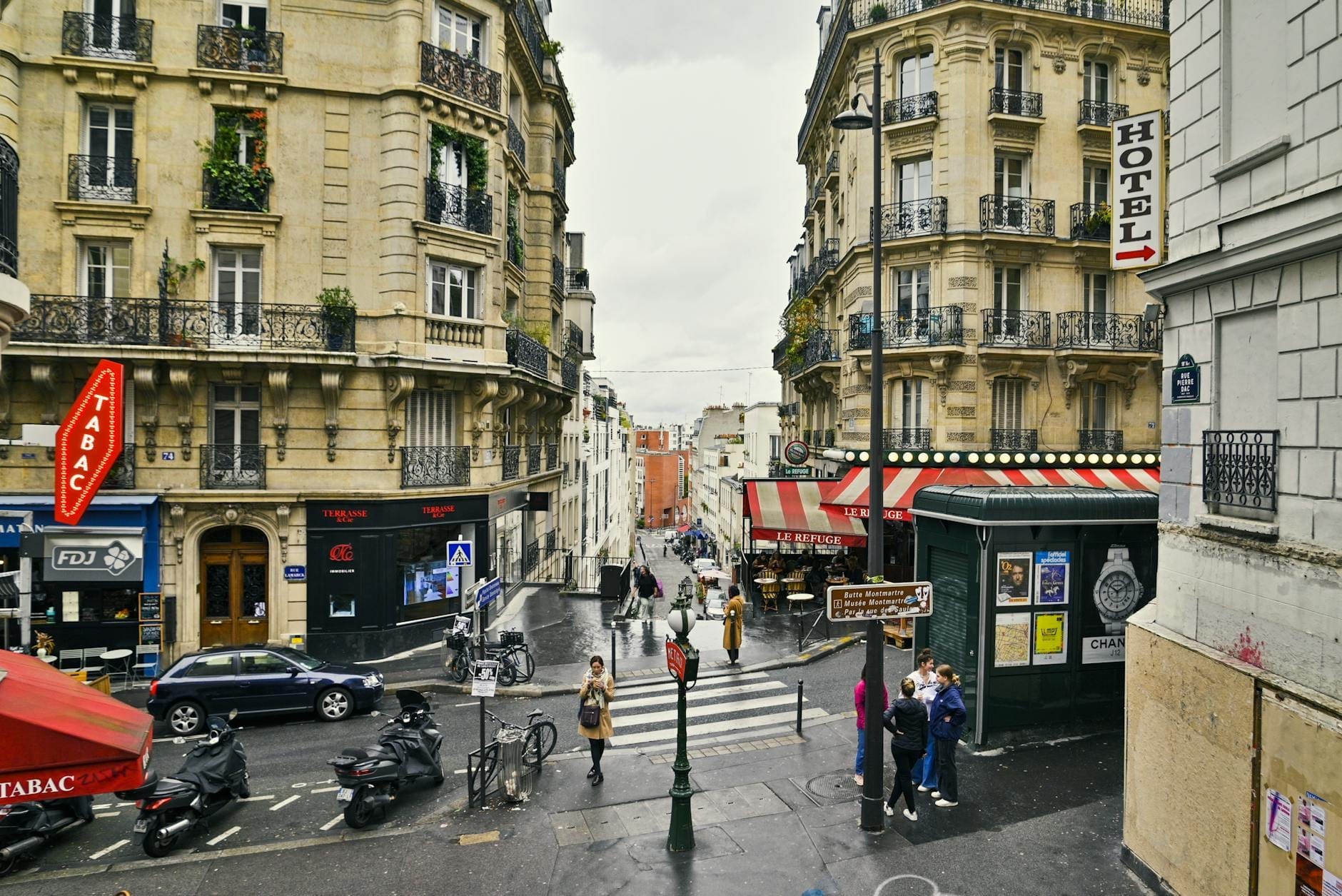
Hotel pricing in Paris follows a simple rule: proximity to the Eiffel Tower, the Louvre, and the Champs-Élysées inflates rates significantly. A mid-range 3-star hotel in the 1st or 7th arrondissement runs €150-250 per night. The same quality of room in the 10th, 11th, or 13th arrondissement typically costs €90-140 per night. Budget travelers willing to use hostels can find dormitory beds for €30-45 per night in reputable places like the ones around Canal Saint-Martin or Bastille.
For longer stays or groups of three or more, apartment rentals via platforms like Airbnb or Booking.com often beat hotels on price. A one-bedroom apartment in central Paris rents for roughly €1,379-€1,595 per month; outside the centre, that drops to €1,005-€1,144. For a week-long visit, short-term apartment prices typically land at €700-€1,200 for a one-bedroom. Neighborhoods like Canal Saint-Martin and Belleville offer good value without sacrificing convenience, sitting well inside the Périphérique with solid Métro access.
- Budget (hostel dorm) €30-45/night. Concentrated near Gare du Nord, Bastille, and République.
- Budget (private room, 2-star) €70-100/night. Plenty of options in the 9th, 10th, and 11th arrondissements.
- Mid-range (3-star hotel) €110-200/night. Best value in the 5th, 6th, and 11th arrondissements.
- Upscale (4-star hotel) €200-400/night. Strong options in the 8th, 16th, and near Saint-Germain.
- Luxury (5-star) €500+/night. Concentrated in the 1st, 7th, and 8th arrondissements.
⚠️ What to skip
Avoid booking hotels directly on the Champs-Élysées strip or immediately adjacent to the Eiffel Tower unless location is the priority. You're paying a 30-50% location premium for views you can access for free from a 10-minute walk away.
Food and Drink: Eating Well Without Overspending
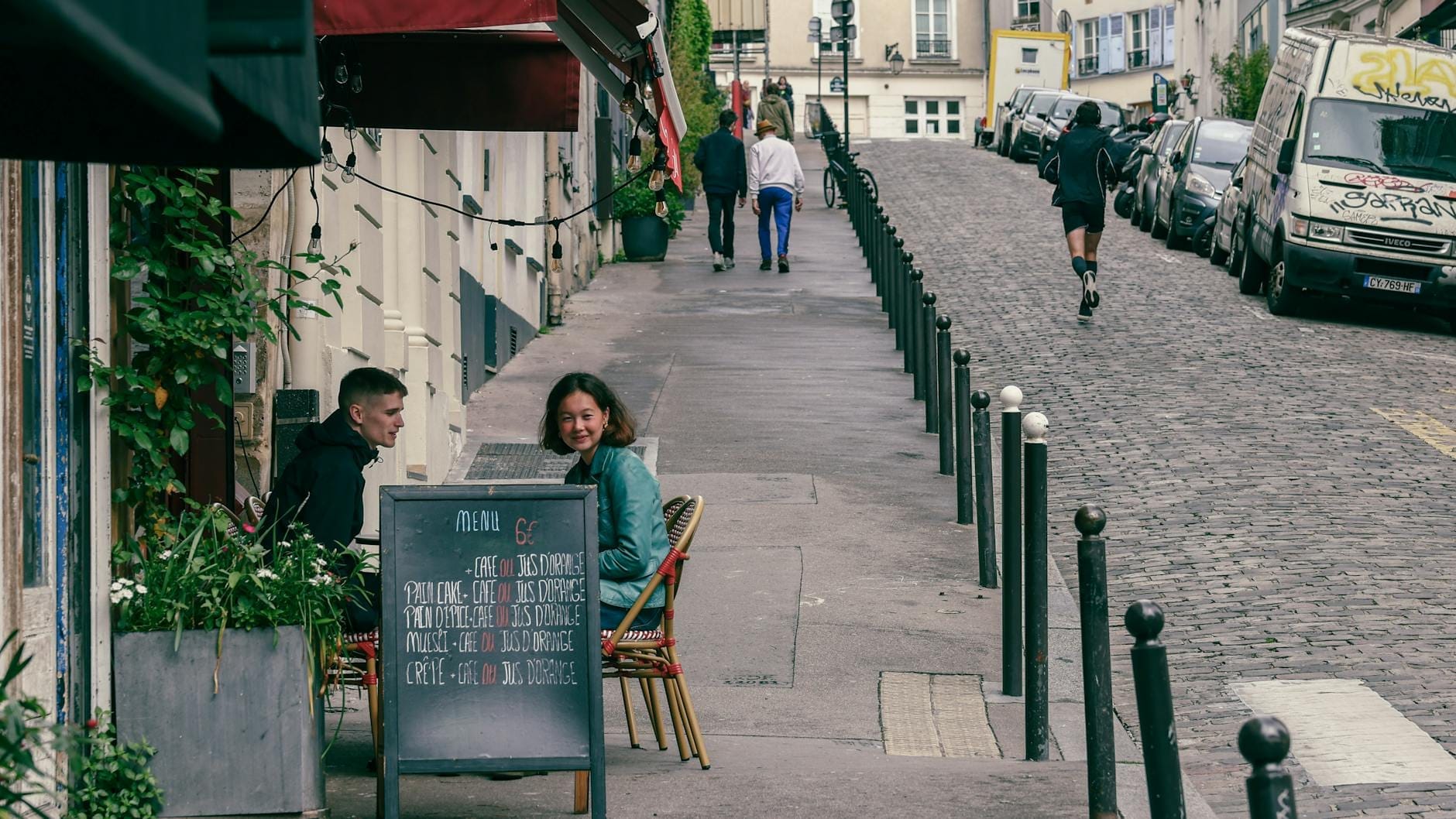
Food is where most visitors overspend, and it's almost entirely avoidable. The tourist-trap brasseries surrounding Notre-Dame, the Louvre, and Sacré-Cœur charge €15-20 for a croque-monsieur and €7-9 for a café crème. Move three streets away and the same items cost €8-12 and €3-4 respectively. The pricing gradient in Paris is steep and spatial.
The best budget eating strategy in Paris is the set lunch menu, called the 'formule' or 'menu du jour'. Most bistros and brasseries outside the tourist corridors offer a two or three-course lunch for €14-18, which includes a starter and main or main and dessert. This is how Parisians eat lunch at restaurants without spending €40. Areas like the Le Marais and Saint-Germain-des-Prés have dense concentrations of these lunch deals on side streets away from the main tourist flows.
- Café crème or espresso at a counter (standing): €2-4. At a table: add €0.50-1.
- Baguette sandwich from a boulangerie: €4-6. A complete, filling lunch option.
- Formule lunch (2 courses) at a neighborhood bistro: €14-18.
- Dinner at a mid-range restaurant (3 courses without wine): €35-55 per person.
- Street food (falafel in the Marais, crêpe from a stand): €5-9.
- Glass of wine at a bar: €5-8. Bottle of wine at a supermarket: €5-15.
- Grocery shopping monthly estimate: €300-500, comparable to other Western European capitals.
Supermarkets are your friend for breakfasts, picnic supplies, and evening snacks. Carrefour, Franprix, and Monoprix have central locations throughout the city. A quality picnic assembled from a boulangerie, fromagerie, and cave à vins near any of Paris's parks costs €10-15 per person and rivals most restaurant meals in satisfaction. The Jardin du Luxembourg and Champ de Mars are classic spots, but the banks of the Canal Saint-Martin are quieter and equally pleasant.
Transport: Getting Around Paris Cheaply
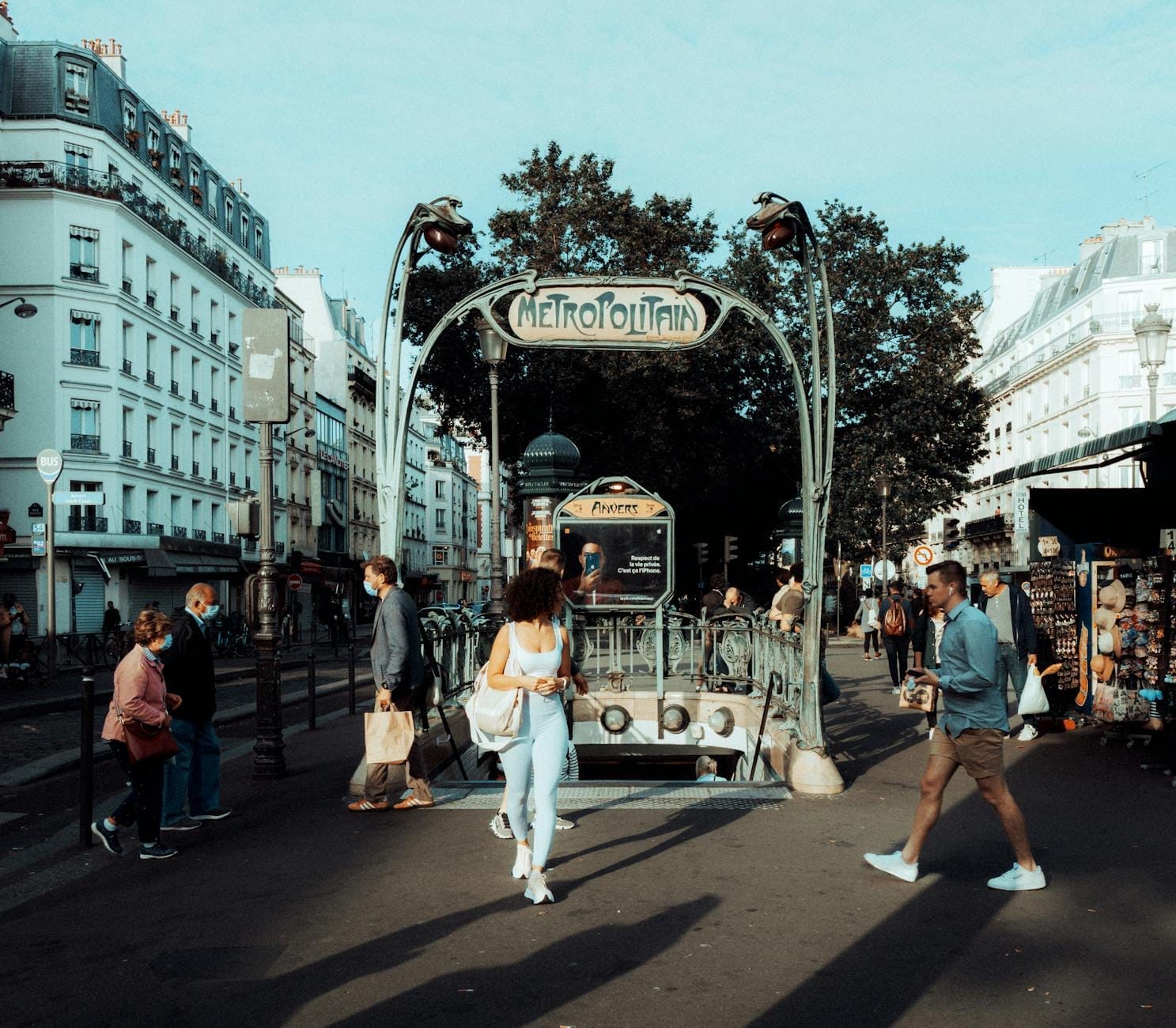
The RATP network, which covers the Métro, RER, buses, and trams, is both comprehensive and affordable. A single Métro/RER ticket costs €2.55 (bus/tram tickets are cheaper at €2.05), valid across all of Île-de-France in 2026. The old paper carnet has been phased out — load credit onto a Navigo Easy card or use Navigo Liberté+ instead. If you're staying more than 3-4 days, the Navigo Semaine weekly pass (Monday to Sunday) covers unlimited travel across all zones for €32.40, making it the best value option for most visitors.
Getting into the city from the airports adds to costs. From Charles de Gaulle (CDG), the RER B is the cheapest option at €14 (the dedicated Paris Region <> Airports ticket as of 2026) and takes 30–40 minutes to central stations like Châtelet-Les Halles or Gare du Nord. From Orly, the new Métro line 14 extension reaches central Paris in around 25 minutes for the standard €2.55 fare. Taxis run a regulated flat rate from both airports (around €56–€65 from CDG and €36–€44 from Orly depending on which bank of the Seine you're heading to). For all the details, the guide on getting around Paris covers every option with current pricing.
✨ Pro tip
Paris is a walkable city between most central arrondissements. The distance from the Louvre to Notre-Dame is about 1.5 km (18 minutes on foot). From the Eiffel Tower to the Musée d'Orsay is 1.2 km. Walking between sights isn't just free — it's how you actually see the city.
Museums and Attractions: Paying Smart
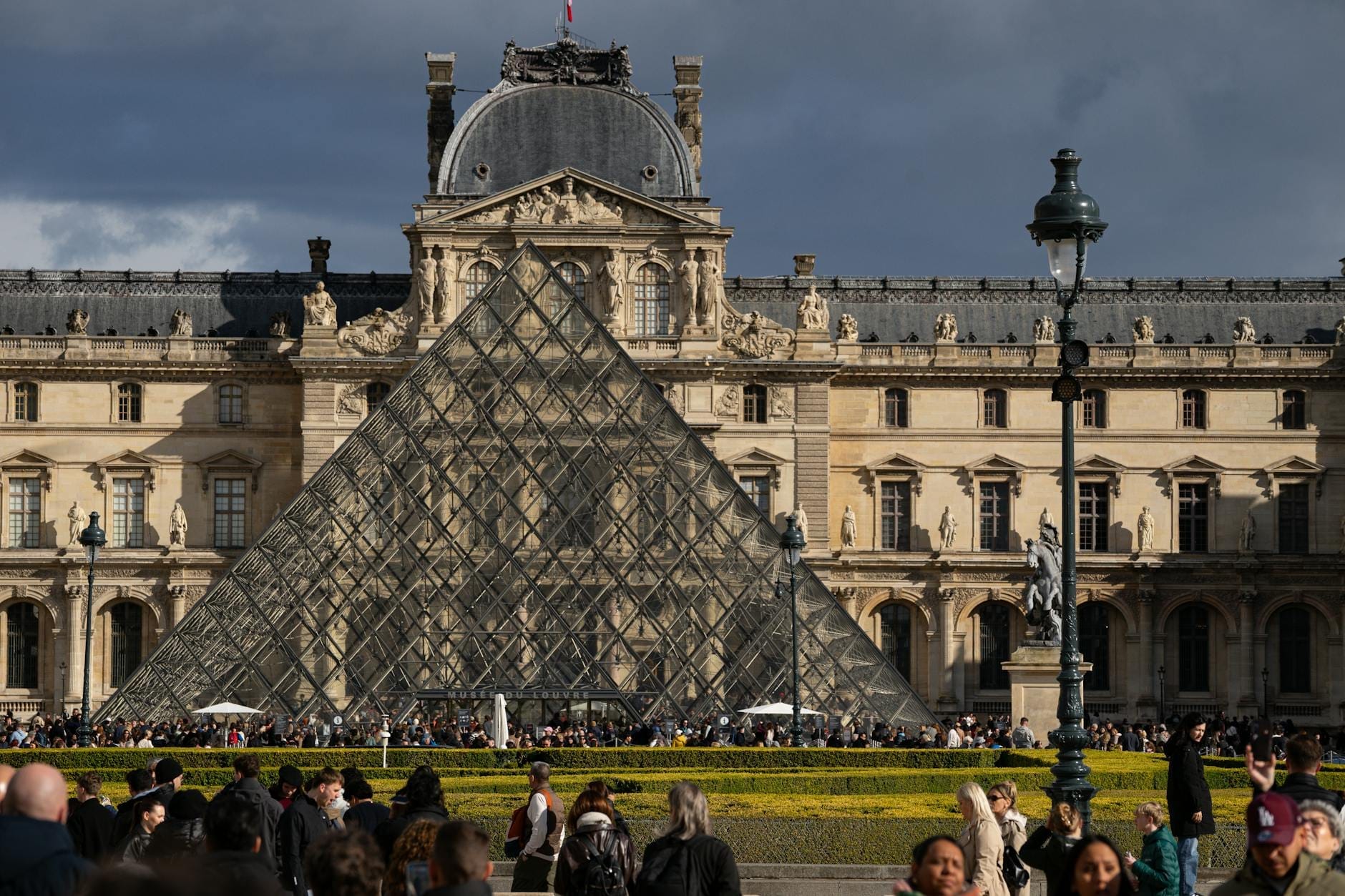
Paris's major paid attractions are not cheap. The Louvre Museum costs €22 per adult. The Musée d'Orsay is €16. The Palace of Versailles runs €21 for the château alone. Stacking 3-4 paid museums across a week can easily add €60-90 per person to your budget. The Paris Museum Pass covers 50+ museums and monuments for 2 days (€90), 4 days (€109), or 6 days (€139), skipping the queues in the process. Whether it saves money depends entirely on your itinerary.
Free options are genuinely exceptional. The permanent collections at the Musée Carnavalet, Palais de Tokyo (on select days), and the Musée Rodin's garden are all accessible free or at low cost. The first Friday of each month after 6 p.m. (except July and August), and on July 14, the Louvre offers free admission, though the crowds are substantial. For a full breakdown of what's worth the entry price, check our guide to the best museums in Paris.
Several of Paris's most iconic sights cost nothing at all. Walking across the Pont Alexandre III, exploring the Palais Royal gardens, visiting Notre-Dame's forecourt (exterior, ongoing renovation), climbing the steps of Sacré-Cœur, or simply walking through any of the city's 20 arrondissements requires zero euros. The city's architecture and street life are the attraction.
Daily Budget Estimates: What to Realistically Expect
The numbers below assume a solo traveler and are honest estimates based on current 2026 pricing, not aspirational minimums. Paris rewards flexibility: the gap between a budget trip and a comfortable mid-range trip is mostly about accommodation and whether you eat at tourist restaurants.
- Backpacker/tight budget: €60-80/day Hostel dorm (€35-45), boulangerie meals and supermarket dinners, Navigo day pass (€12.30), one free museum or park per day.
- Comfortable budget: €100-140/day 2-star private hotel or apartment share (€80-100), one café lunch with formule (€16), one sit-down dinner at a neighborhood bistro (€30-35), Métro travel.
- Mid-range: €180-260/day 3-star hotel (€130-180), one paid museum (€16-22), good restaurant dinner with wine (€50-70 for two), occasional taxi or Uber.
- Upscale: €350+/day 4-star hotel, guided tours, dinner at recommended restaurants with wine, rideshares throughout.
💡 Local tip
Spring (April-June) and autumn (September-October) offer the best balance of reasonable accommodation prices, manageable crowds, and pleasant weather for walking. Summer (July-August) sees peak hotel prices and peak queues at every major sight. If you're flexible on timing, avoiding August alone can cut accommodation costs by 20-30%.
Tipping in Paris is not compulsory. Service is legally included in all restaurant bills (service compris). Rounding up or leaving a few euros for good service is appreciated but not expected. At bars and taxis, no tip is standard. This is genuinely different from North American norms and saves meaningfully over a week. For more context on planning costs by season, our guide on the best time to visit Paris covers how timing affects pricing across accommodation, transport, and attractions.
FAQ
How much money do I need per day in Paris?
A realistic budget traveler needs €60-80/day covering a hostel, cheap meals from bakeries and markets, and public transport. A comfortable mid-range visitor spending on a private hotel room, café lunches, dinner at a bistro, and one or two paid attractions should budget €120-160/day. These figures exclude flights and any luxury shopping.
Is Paris more expensive than London or New York?
No. According to 2026 cost-of-living data, Paris is approximately 23% cheaper than London and 39% cheaper than New York for overall living costs. Tourist costs follow a similar pattern, particularly for accommodation and dining. Paris has a reputation for expense that exceeds the reality when compared to other global capitals.
What is the cheapest way to get from CDG airport to Paris city centre?
The RER B train is the cheapest option at €14 (the dedicated 2026 Paris Region <> Airports ticket), running every 10-15 minutes and reaching central Paris (Châtelet-Les Halles, Gare du Nord, Saint-Michel) in 30-40 minutes. A taxi runs the regulated flat rate of €56–€65 and takes 45-90 minutes depending on traffic. If your Navigo Semaine weekly pass is active for all zones, RER B trips into the city are included.
Are there free things to do in Paris?
Yes, and they are not consolation prizes. Walking the Marais, the banks of the Seine, Montmartre's streets, the Jardin du Luxembourg, the Canal Saint-Martin, and the Palais Royal gardens all cost nothing. Many permanent museum collections are free. The first Sunday of each month, major national museums including the Louvre offer free admission. Street markets, parks, and Paris's architecture are accessible to anyone.
Is the Paris Museum Pass worth buying?
It depends on your pace. The 2-day pass (€90 in 2026) breaks even if you visit roughly 5 paid sites in that period — for example, the Louvre (€22 for EEA residents, €32 for non-EEA), Musée d'Orsay (€16), Sainte-Chapelle (€16 EEA / €22 non-EEA), and the Arc de Triomphe (€16-22). The real advantage is queue-skipping, which saves significant time at the Louvre and Versailles in high season. If you're planning a relaxed visit with only 1-2 museums, skip it and buy separately.