London on a Budget: How to Visit Without Breaking the Bank
London has a reputation for expense, but a well-planned trip can be surprisingly affordable. From world-class free museums to discount West End seats and Oyster card tricks, this guide covers every practical angle for stretching your pounds in one of Europe's great capitals.
Plan and book this trip
Tools from our partner Travelpayouts help you compare flights and hotels. If you book through them, we may earn a commission at no extra cost to you.
Flights
Hotels map
TL;DR
- London's most celebrated museums, including the British Museum, Natural History Museum, and Tate Modern, charge nothing for general admission.
- Use an Oyster card or contactless bank card for all public transport: a single bus ride costs around £1.75, and daily fare caps prevent overspending. See the full breakdown in our guide to getting around London.
- Same-day theatre tickets from the TKTS booth in Leicester Square are typically 25–50% off face value.
- Avoid taxis for everyday travel: one black cab to Heathrow can cost more than a week of Tube journeys.
- Timing matters: shoulder seasons (March to April, October to November) offer lower hotel rates and thinner crowds. Check our best time to visit London guide for a full seasonal breakdown.
How Expensive Is London, Really?
London is consistently ranked among Europe's most expensive cities, and that reputation is not entirely undeserved. Accommodation is the biggest single cost: a budget hostel dorm runs around £25–45 per night, a basic en-suite hotel from £90–130, and mid-range options from £150 upward. Food ranges from a £4–6 meal deal at a supermarket to £15–25 for a sit-down lunch at a casual restaurant. The London School of Economics estimates students need around £1,550 per month for living costs including rent and food, which gives a useful floor for longer stays.
The crucial nuance: your spending depends entirely on how you choose to engage with the city. London has an extraordinary density of free cultural infrastructure, some of the world's best urban parks at no cost, and a public transport network that caps your daily spend. A visitor who plans carefully can spend a full week here, see world-class art and history, eat well, and keep daily costs (excluding accommodation) under £40–50 with little effort.
ℹ️ Good to know
Currency note: London uses the pound sterling (GBP, £). Credit and debit cards are accepted almost universally, including on all public transport via contactless payment. Carrying cash is rarely necessary, though keeping £20–30 on hand for markets and smaller cafes is sensible.
Free Attractions: Where London Delivers
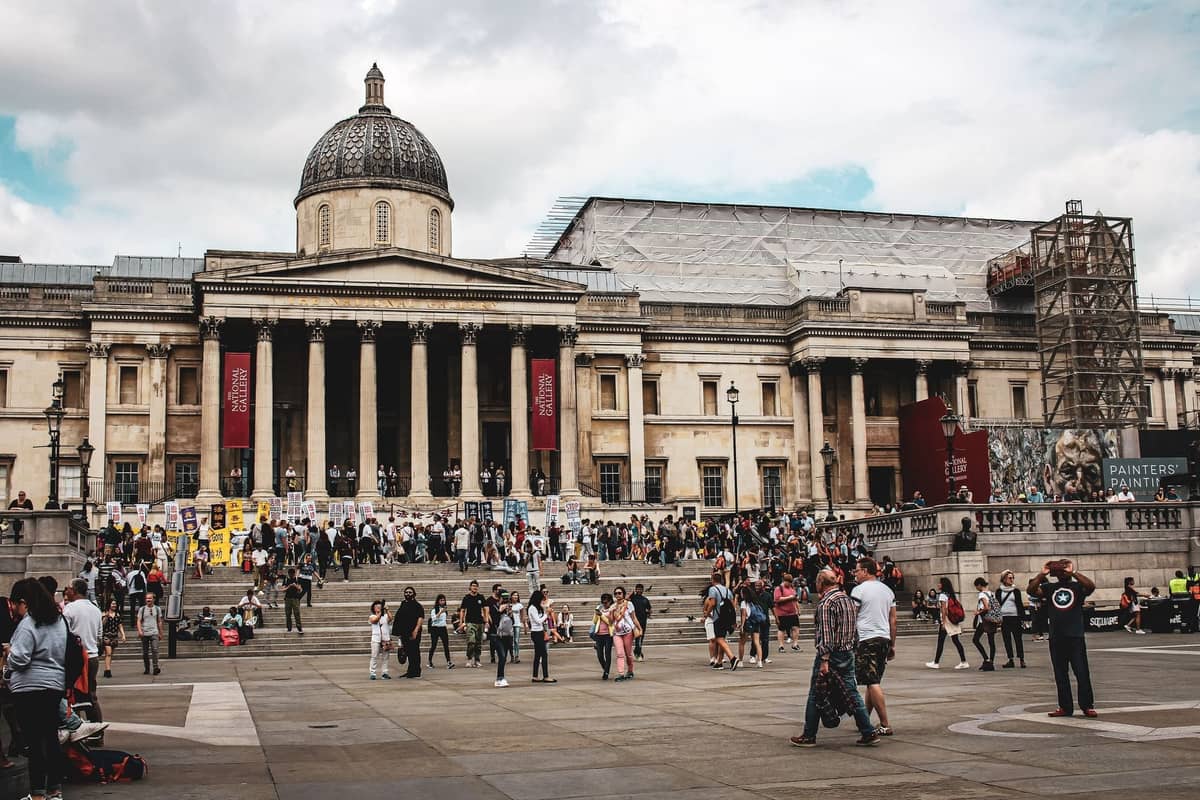
The single biggest money-saving fact about London is that its national museums generally have free general admission for their permanent collections as a matter of government policy. The British Museum, the Natural History Museum, the Victoria and Albert Museum, the Tate Modern, the National Gallery, and the Science Museum all charge nothing for permanent collections. That is not a promotional perk — it is a publicly funded policy, and it means you could spend three or four days doing nothing but world-class museums without paying a single entry fee.
Special exhibitions within these museums do carry charges, typically £15–25 per person. These are optional and often worth skipping on a tight budget. The permanent collections at the V&A alone could fill two days without any repetition.
- British Museum Free. Over 8 million objects spanning 2 million years of history. Book a timed entry online in advance — it's free but helps avoid queuing.
- Natural History Museum Free. The Hintze Hall alone is worth the visit. Weekday mornings are significantly quieter than weekends.
- Tate Modern Free. World-leading modern and contemporary art in a converted Bankside power station. The Turbine Hall installations are often the highlight.
- National Gallery Free. Over 2,300 paintings from 700 years of European art, including Van Gogh, Monet, and da Vinci.
- Victoria and Albert Museum Free. The world's largest decorative arts and design museum. The ceramics and fashion galleries are exceptional.
- National Portrait Gallery Free. Reopened in 2023 after major renovation. Strong permanent collection, strong temporary shows.
- Wellcome Collection Free. A unusual museum at the intersection of science, medicine, and art. Less crowded than the big-name institutions.
Beyond museums, London's Royal Parks are free and enormous. Hyde Park covers about 350 acres in central London, Hampstead Heath offers around 790 acres of heathland with panoramic city views, and Richmond Park is home to around 630 free-roaming deer and covers about 2,500 acres in southwest London. These are not afterthoughts — they are genuine destinations that many visitors underuse. For a full rundown, see our guide to London's best parks.
💡 Local tip
Westminster Abbey and St Paul's Cathedral both charge significant entry fees (typically £25–30 per adult). However, both offer free access during Evensong services, usually held on weekday afternoons and evenings. You won't be able to wander the tourist areas freely, but you'll experience these extraordinary buildings as they were intended to be used. Check official websites for current service times.
Getting Around Without Overspending
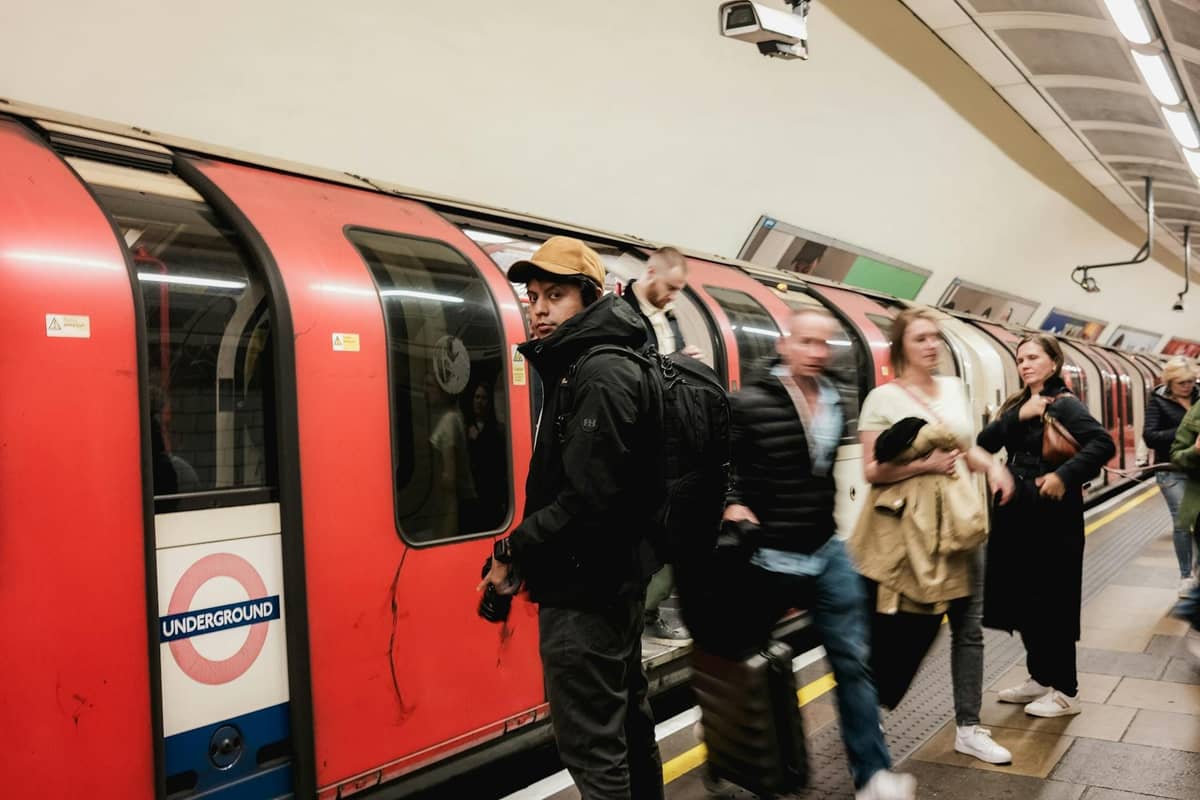
Transport is where many visitors leak money unnecessarily. London's public transport network is extensive and, when used correctly with Oyster or contactless payment, surprisingly affordable. The key rule: never buy a paper single ticket from a Tube machine. Pay-as-you-go fares using a contactless bank card or Oyster card are always cheaper, often by £2–4 per journey.
- Daily fare caps TfL automatically caps your daily spend at the equivalent of a Day Travelcard. On a typical Zones 1–2 day, you'll pay no more than £8.90 regardless of how many trips you make. This makes the Tube cost-effective for intensive sightseeing days.
- Buses are cheaper than the Tube A single bus journey is around £1.75, capped at £5.25 per day. For journeys that don't require the Underground, buses are a significant saving — and they show you the city above ground.
- Walking between central attractions Many central London sights are closer than they appear on the Tube map. Covent Garden to Trafalgar Square is under 10 minutes on foot; London Bridge to Tate Modern via Millennium Bridge is around 15 minutes. Over a week, this can save £15–25.
- Avoid taxis and Uber for daily travel A licensed black cab from Heathrow to central London runs £50–100. Ride-hailing services like Uber and Bolt are cheaper but still expensive compared to public transport. Use them for late nights when the Tube is closed, not for daytime travel.
- Elizabeth line from Heathrow The cheapest reliable airport transfer from Heathrow is the Piccadilly line (around £3–6 with Oyster/contactless, roughly 50–60 minutes to central London). The Elizabeth line is faster (30–40 minutes) but costs around £12–14. Both are far cheaper than the Heathrow Express at £16.50–25+.
Theatre and Entertainment on the Cheap
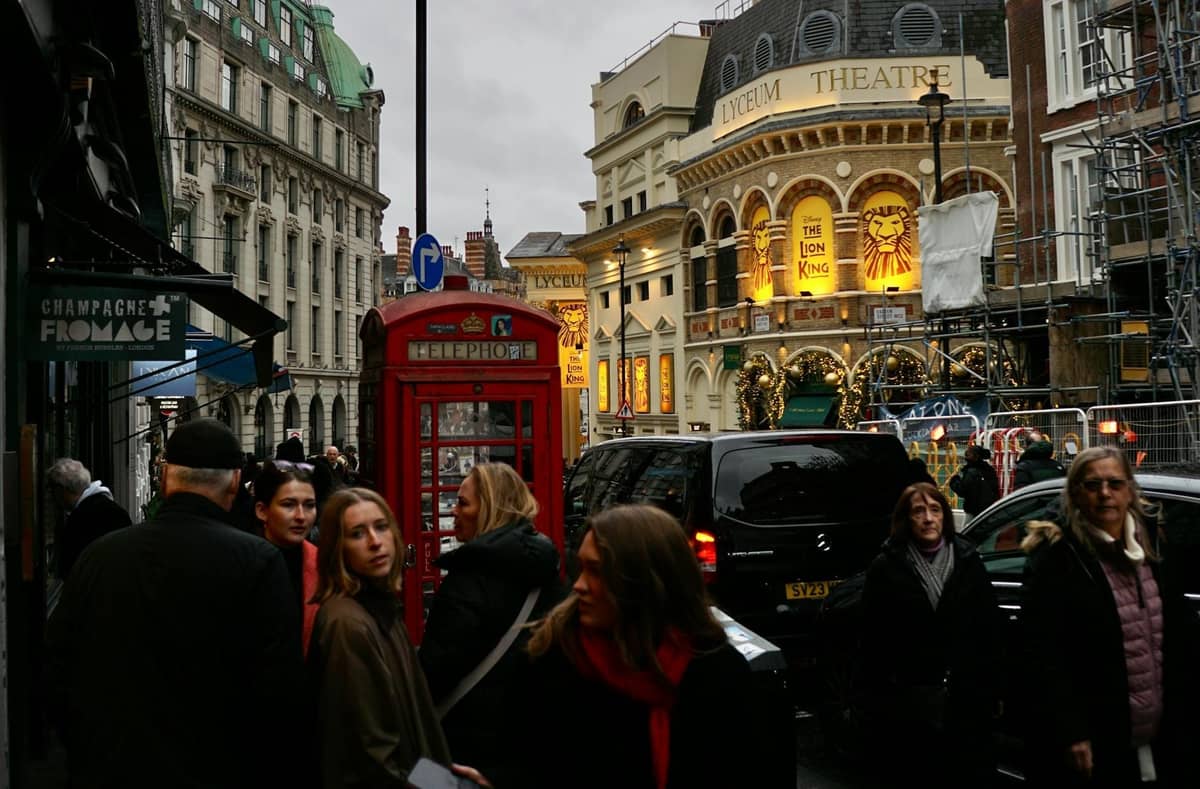
West End theatre is not inherently expensive if you know where to look. The official TKTS booth in Leicester Square sells same-day and advance tickets at 25–50% off face value for many shows. This is the legitimate discount outlet, not a tout — avoid anyone selling tickets on the street around Leicester Square, where prices are inflated and legitimacy is uncertain.
Several other routes exist. TodayTix runs a weekly lottery for highly discounted or free tickets to popular productions. Many West End shows offer day seats, sold in person at the box office on the morning of the performance, priced around £15–25. Some theatres, including the National Theatre on the South Bank, sell restricted-view or standby seats from as little as £15. Midweek matinees are consistently cheaper than weekend evening performances.
✨ Pro tip
The Globe Theatre on Bankside sells 700 standing 'groundling' tickets for every outdoor performance at around £5–10. You stand in the open-air yard in front of the stage, in the position the original Elizabethan audience occupied. It is one of the best-value cultural experiences in London, and the atmosphere is unlike any conventional theatre seat.
Free live music is more available than most visitors realise. Venues including St Martin-in-the-Fields in Trafalgar Square hold regular free lunchtime concerts. The Southbank Centre frequently runs free foyer performances. Check London's nightlife guide for a broader picture of what's on across the city, including free and low-cost events.
Eating Well Without Spending Much
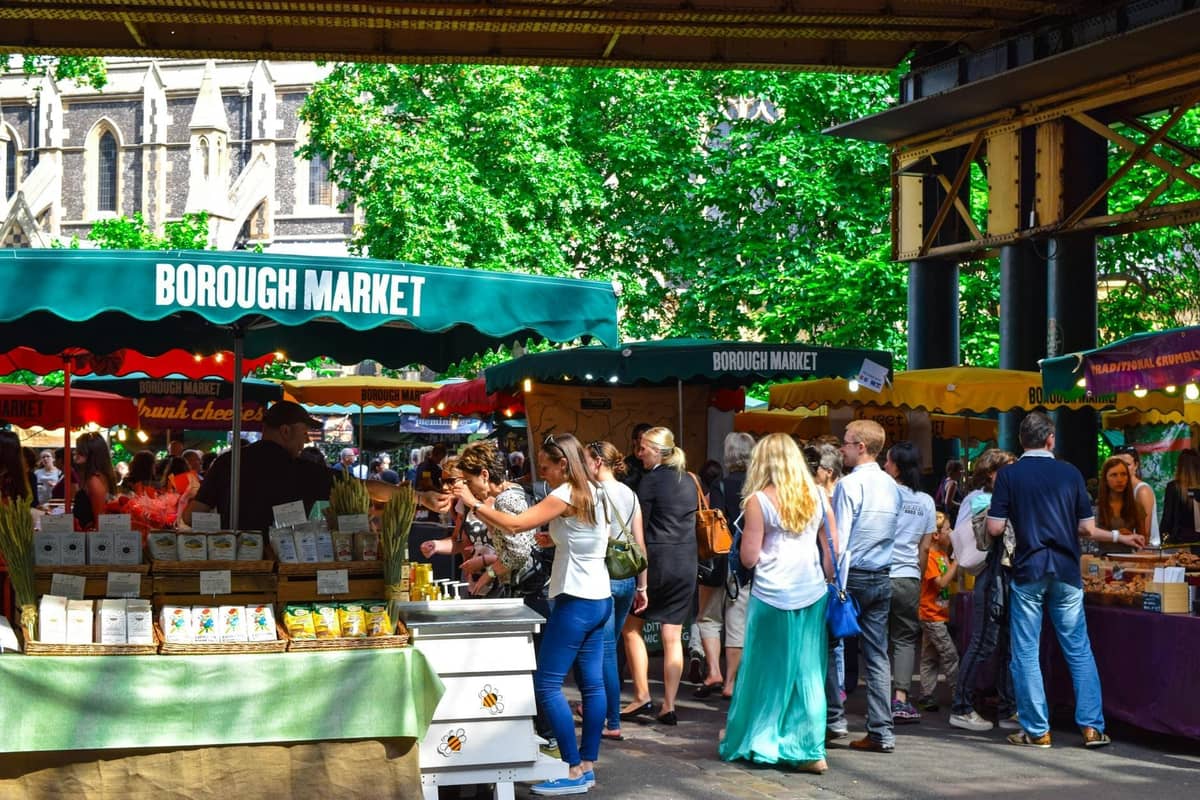
London's food scene covers every price point, and knowing where the value sits makes a real difference. The supermarket meal deal, available at Boots, Tesco, Sainsbury's, and similar chains, typically offers a main, snack, and drink for about £3.50–£4.50. Marks & Spencer's food halls produce higher-quality versions at £5–7. These are not compromises — Londoners use them daily.
Markets are another strong option. Borough Market near London Bridge operates Monday to Saturday and offers a huge range of hot food and street food at reasonable prices. Camden Market's food stalls cover everything from Ethiopian injera to Taiwanese scallion pancakes. Brick Lane is particularly good on Sunday mornings when stalls compete for custom. Eating at a market stall while standing or sitting outside also sidesteps the service charge that many London restaurants add automatically (usually around 12.5%).
Ordering food 'to take away' rather than eat in saves that service charge and, in some cases, the VAT applied to hot food consumed on premises versus off. Pre-theatre set menus, served before around 18:00–18:30, offer two or three courses at £15–30 in restaurants that would charge significantly more from their à la carte menu in the evening. If you want a proper restaurant meal, this is when to do it.
⚠️ What to skip
Tourist-trap alert: restaurants immediately surrounding major attractions (Tower of London, London Eye, Covent Garden piazza) are almost universally overpriced with mediocre food. Walk two streets back in any direction and prices drop noticeably. The same rule applies to any cafe with photographs of the food on the menu displayed outside.
Accommodation Strategy: Where to Stay and When to Book
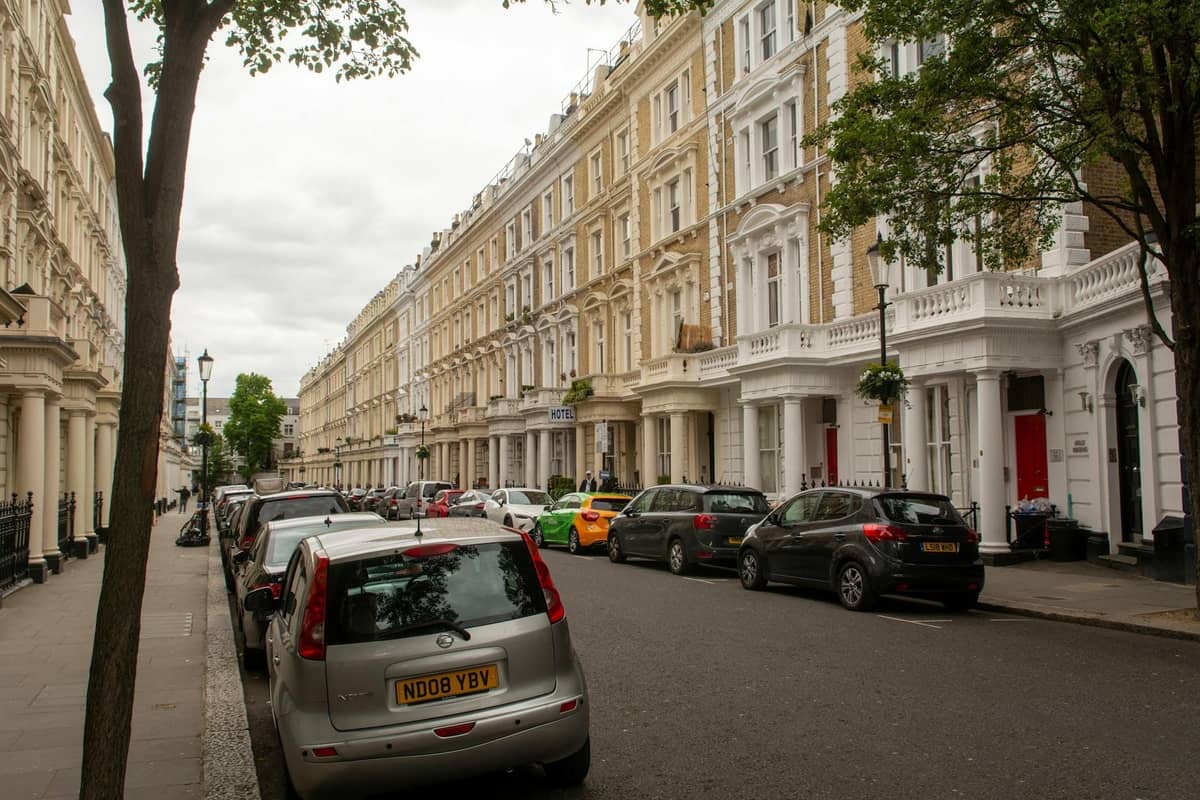
Accommodation is the hardest cost to compress in London. Budget hostels in Zone 1 (central London) run £25–50 per night for a dorm bed, while private rooms in budget hotels or guesthouses start around £80–110. Staying in Zone 2 (just outside the central Zone 1 area) can reduce rates by 20–40% while adding only 10–20 minutes to your commute on the Tube. Areas worth considering for budget accommodation include Bethnal Green, Elephant and Castle, Kennington, and Stratford, all well-connected to central London.
Timing affects prices significantly. The peak summer period (June to August) pushes hotel rates up across all categories. Shoulder seasons, particularly March to April and October to November, offer better rates and noticeably thinner crowds at major attractions. The Christmas and New Year period is expensive, but January and February are among the cheapest months to visit, with hotel rates often at annual lows. Booking four to eight weeks ahead typically captures better rates than booking last-minute or too far in advance.
- Book accommodation and any rail travel into London well in advance. Train fares from regional UK cities to London can be up to around 60% cheaper when booked well in advance.
- Check whether your hotel charges for Wi-Fi or luggage storage separately. Budget chains often include both.
- Airbnb and similar platforms can offer better value for groups of three or more, where the cost per person drops significantly compared to multiple hotel rooms.
- The London Pass (entry to 100+ attractions for a fixed daily price) is worth calculating if you plan to visit three or more paid attractions in a day, but it's irrelevant if you focus on free museums.
- Open House Festival, held annually in September, gives free access to hundreds of normally closed or paid buildings across London. It is one of the best free events in the city calendar.
For a full breakdown of which areas offer the best combination of price, safety, and transport access, see our guide to where to stay in London. If this is your first visit, our London for first-timers guide covers the essential orientation before you book anything.
FAQ
Is London expensive for tourists in 2026?
London is one of Europe's more expensive cities for accommodation and eating out. However, its national museums are free by policy, its parks are free, and public transport is well-capped. A budget-conscious visitor focusing on free attractions, supermarket meals, and public transport can keep non-accommodation daily spending to around £30–50.
What is the cheapest way to get from Heathrow to central London?
The Piccadilly line on the London Underground is the cheapest option, costing around £3–6 with a contactless bank card or Oyster card depending on time of day. The journey takes 50–60 minutes to central stations. The Elizabeth line is faster (30–40 minutes) but costs around £12–14. Avoid the Heathrow Express for budget travel: it reaches Paddington in 15 minutes but costs £16.50–25+ per single journey.
Are there really free museums in London?
Yes, and this is not a minor footnote. The British Museum, Natural History Museum, Victoria and Albert Museum, Tate Modern, National Gallery, Science Museum, and National Portrait Gallery all have free general admission to their permanent collections as a matter of public policy. Special temporary exhibitions within these museums are ticketed, but the permanent collections are free. Booking a free timed entry slot online in advance is recommended for the busiest institutions.
How do I get cheap West End theatre tickets?
The TKTS booth in Leicester Square is the official source for same-day discounted tickets, typically 25–50% off. TodayTix runs weekly lotteries and day seats for some productions at around £15–25. Many theatres sell standing or restricted-view tickets at reduced prices. Midweek matinees are consistently the cheapest option for any given show. The Globe Theatre sells 700 groundling standing tickets per performance for around £5.
Is it worth buying a London Pass?
The London Pass provides entry to over 100 paid attractions for a fixed daily rate. It makes financial sense if you plan to visit three or more paid attractions in a single day — for example, the Tower of London, Kew Gardens, and Tower Bridge Exhibition. It is poor value if you intend to spend most of your time at free museums and parks, which are already free regardless. Run the numbers based on your specific itinerary before buying.