Best Parks in London: Royal Parks & Green Spaces
London has more parkland per capita than almost any major world city, and its eight Royal Parks alone cover just under 4,900 acres of public green space. This guide covers the finest parks across the city, from the grand central Royal Parks to wilder escapes on the edges of Greater London.
Plan and book this trip
Tools from our partner Travelpayouts help you compare flights and hotels. If you book through them, we may earn a commission at no extra cost to you.
Flights
Hotels map
London's parks are one of its greatest and most democratic assets. All eight Royal Parks are free to enter, managed by Kensington to Greenwich, and open daily from early morning until dusk. But the city's green spaces extend far beyond the Royal Parks: ancient heathland, Victorian pleasure grounds, and botanic gardens all compete for your time. Whether you have an afternoon or a full day, this guide will help you find the right park for the moment. For a broader view of what London offers outdoors, see our guide to free things to do in London. And if you're planning around the seasons, our best time to visit London guide explains when each park is at its finest, from rose season in Regent's Park to the deer rut in Richmond.
The Central Royal Parks
The four central Royal Parks form an almost unbroken green corridor from Kensington to Westminster, covering the heart of the city. Together they frame some of London's most iconic landmarks and offer an extraordinary escape from the surrounding streets. For first-time visitors, these parks are best explored alongside the wider London first-timer itinerary, as many of the city's greatest sights sit directly on their edges.
1. Swim, row, and listen to speeches in Hyde Park
London's most famous Royal Park packs 350 acres with the Serpentine lake, Speaker's Corner, the Diana Memorial Fountain, and seasonal events including the Winter Wonderland. The boating lake and Lido are open in summer; simply walking the Long Water is enough for most visits.
Explore1. Swim, row, and listen to speeches in Hyde Park
London's most famous Royal Park packs 350 acres with the Serpentine lake, Speaker's Corner, the Diana Memorial Fountain, and seasonal events including the Winter Wonderland. The boating lake and Lido are open in summer; simply walking the Long Water is enough for most visits.
Explore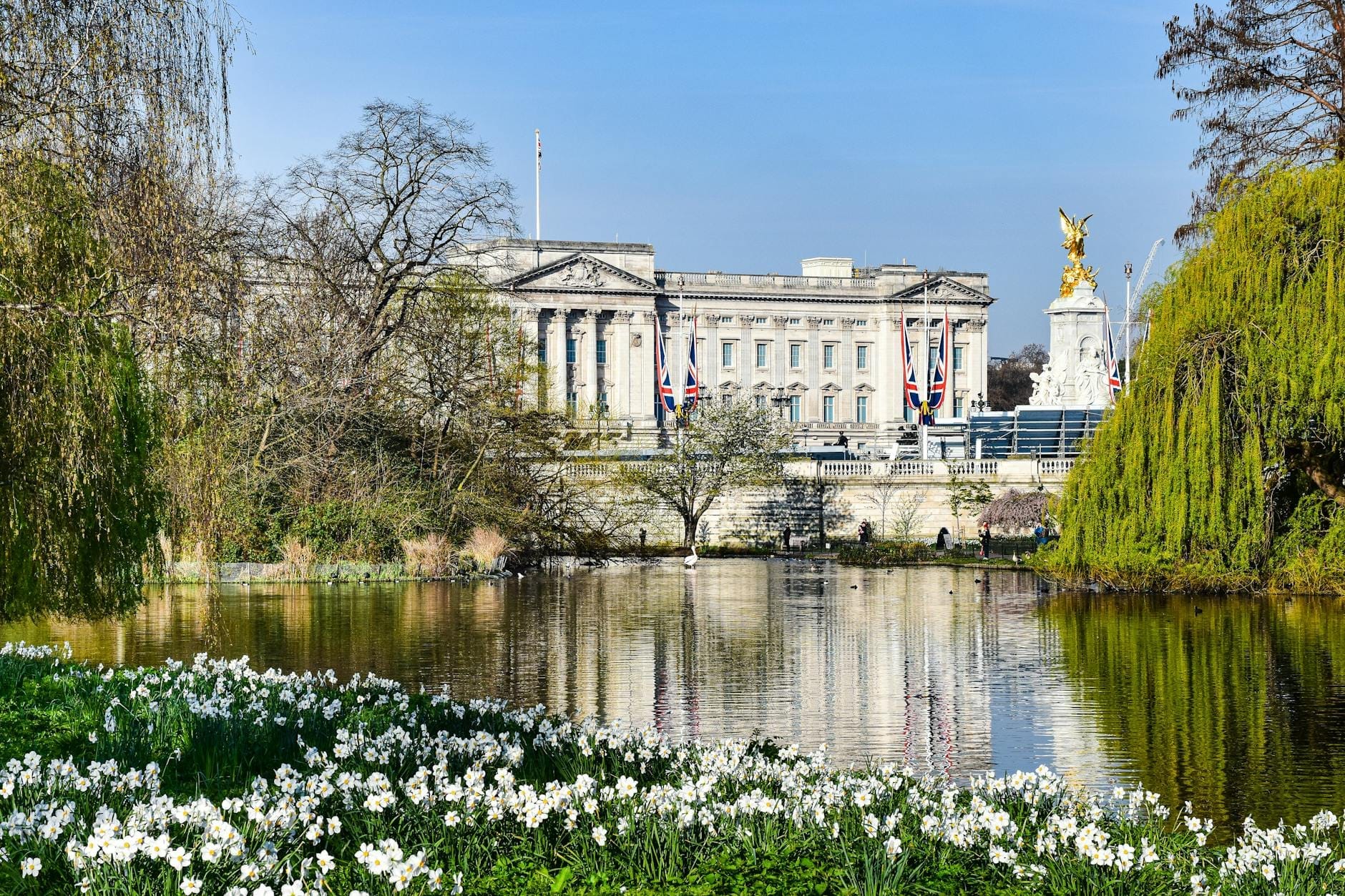
2. Spot pelicans and royalty in St James's Park
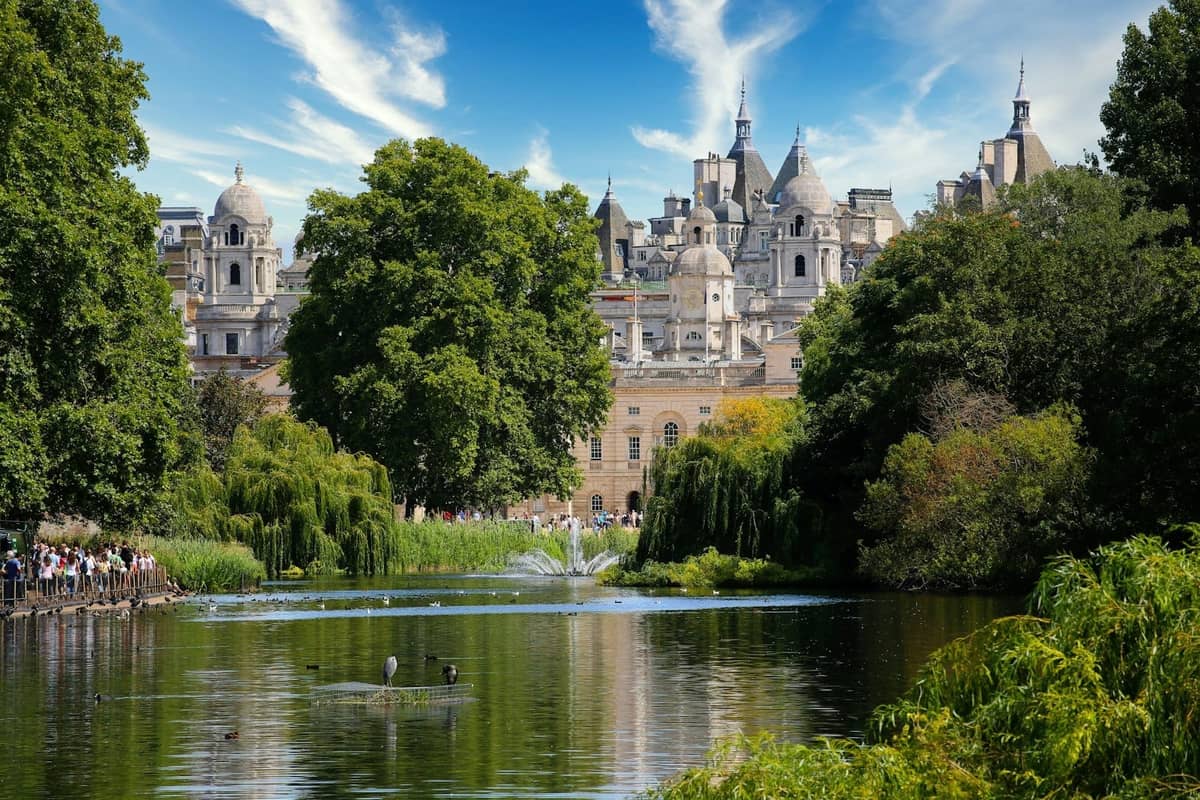
The oldest and most ornate Royal Park sits between Buckingham Palace and Whitehall. The resident pelican colony has been here since 1664, and the view of Buckingham Palace from the Blue Bridge is one of the most photographed in London. Go early to avoid crowds.
Explore2. Spot pelicans and royalty in St James's Park
The oldest and most ornate Royal Park sits between Buckingham Palace and Whitehall. The resident pelican colony has been here since 1664, and the view of Buckingham Palace from the Blue Bridge is one of the most photographed in London. Go early to avoid crowds.
Explore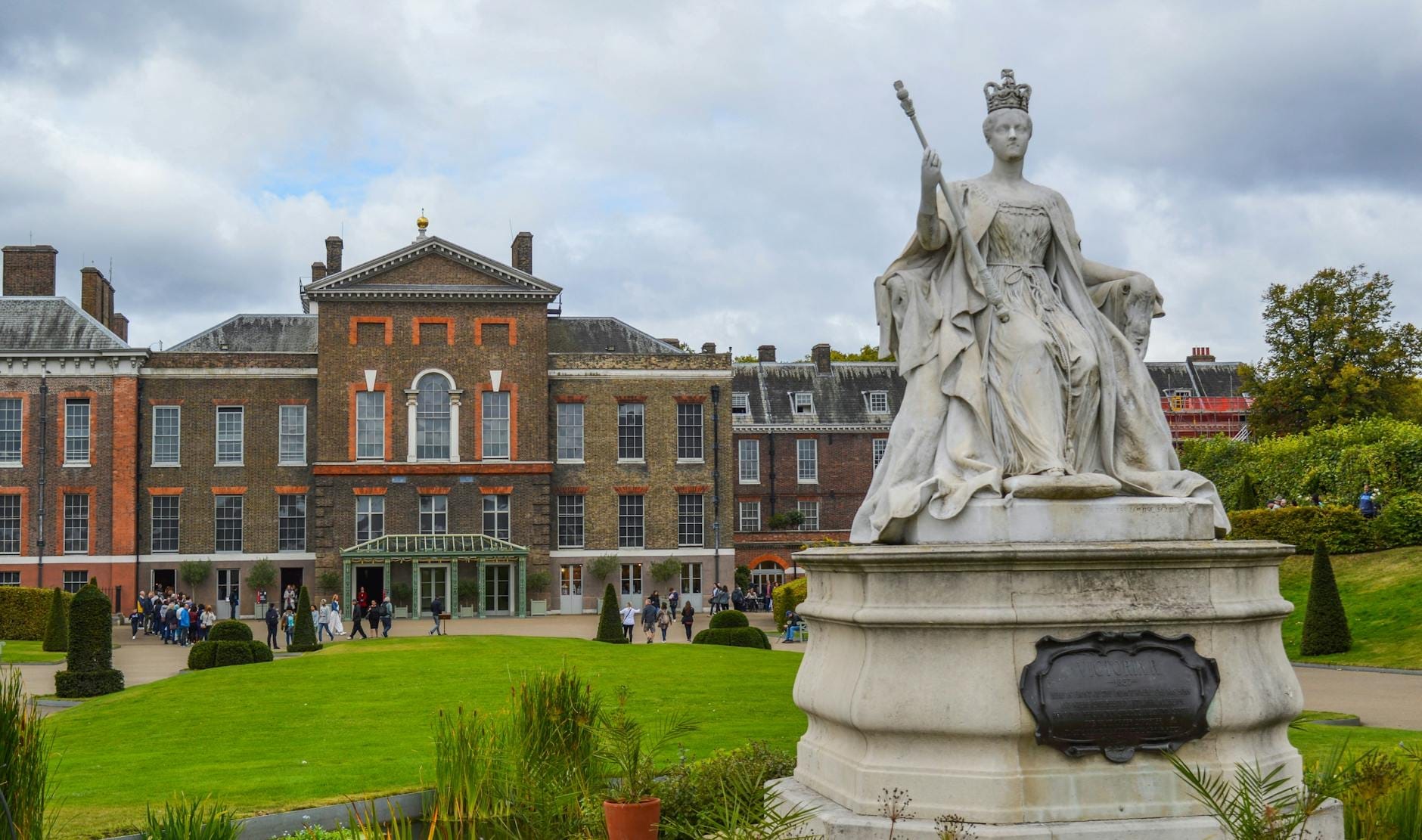
3. Combine Kensington Palace with a stroll through Kensington Gardens
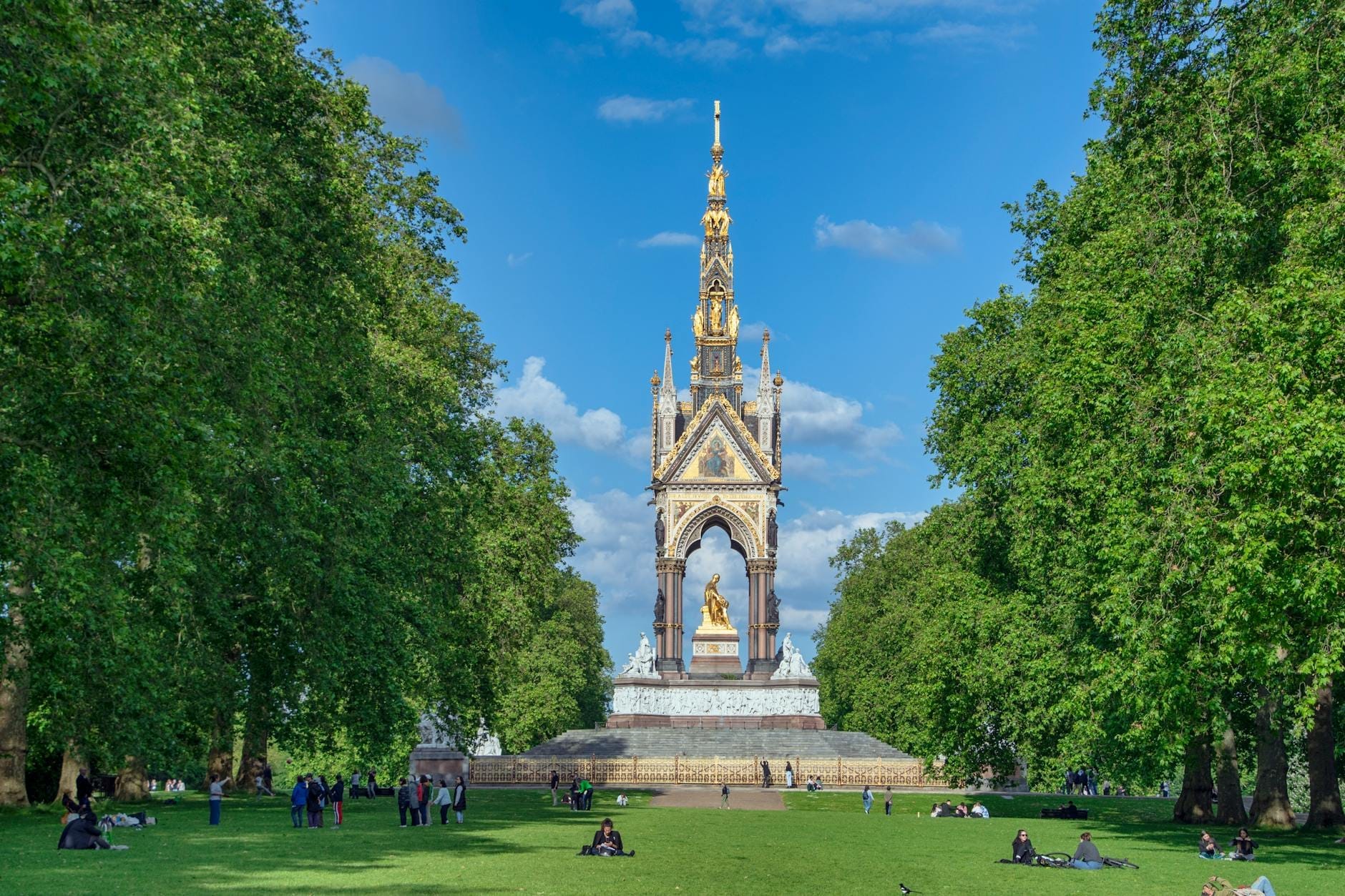
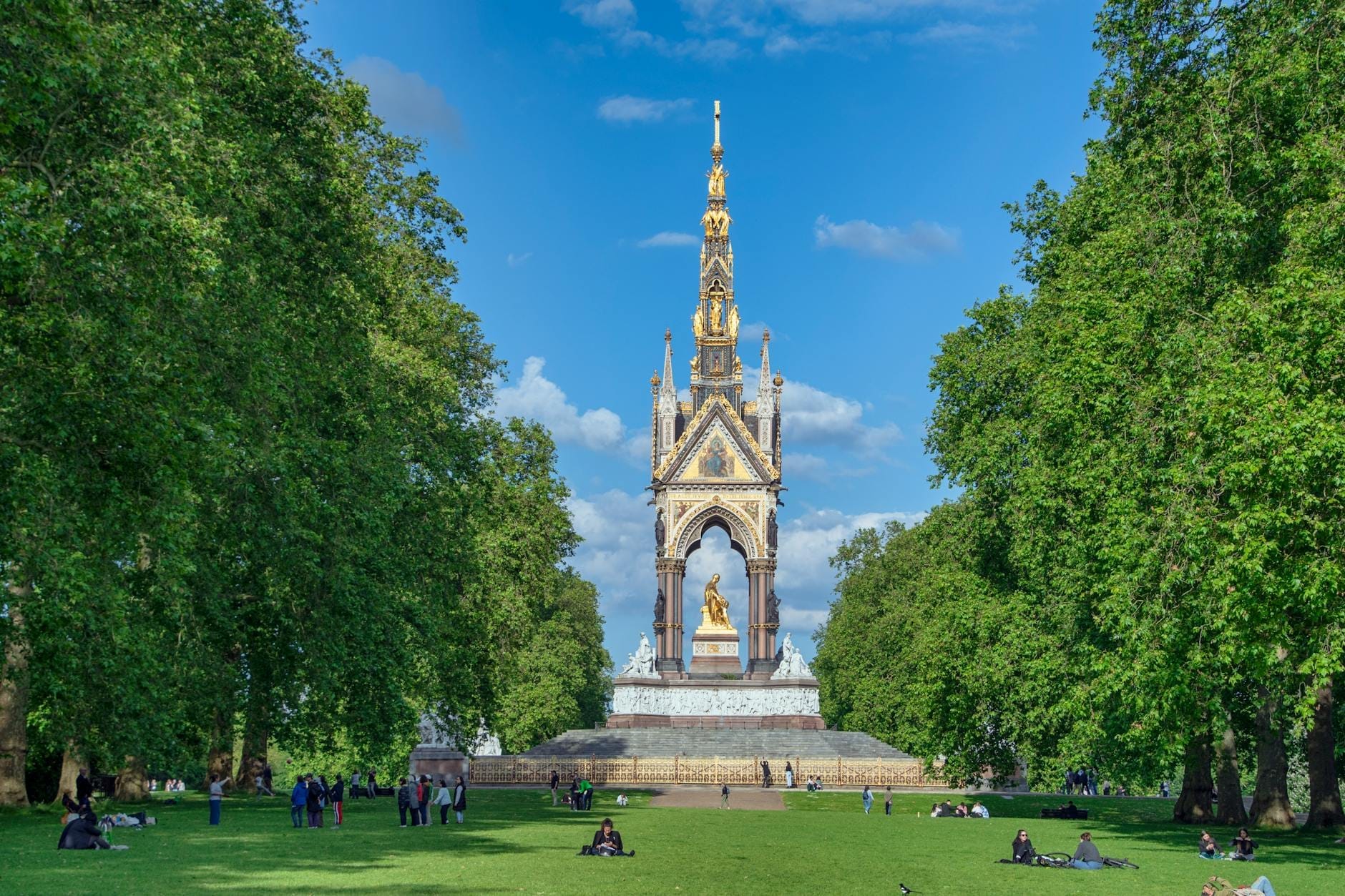
Kensington Gardens is a distinct Royal Park from Hyde Park, though the two are adjacent. The palace, once home to Princess Diana and Queen Victoria, sits within formal gardens including the elegant Italian Garden and the Albert Memorial. Allow at least two hours.
Explore3. Combine Kensington Palace with a stroll through Kensington Gardens
Kensington Gardens is a distinct Royal Park from Hyde Park, though the two are adjacent. The palace, once home to Princess Diana and Queen Victoria, sits within formal gardens including the elegant Italian Garden and the Albert Memorial. Allow at least two hours.
Explore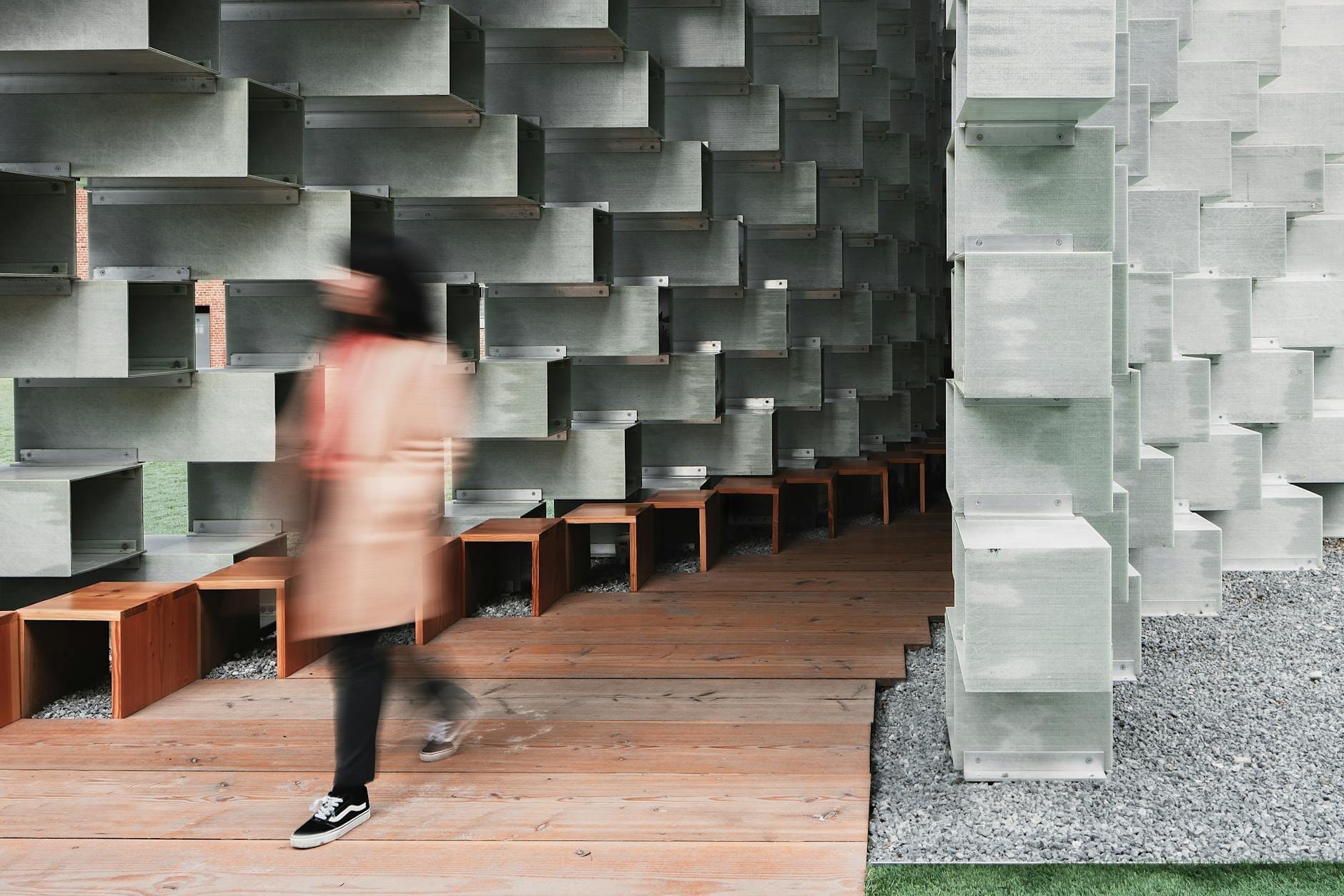
4. See world-class art for free in the Serpentine Galleries
Two free contemporary art galleries sit within Hyde Park, separated by the Serpentine lake. The annual Serpentine Pavilion, commissioned from a different architect each year, is one of the world's most anticipated small architecture events and open all summer.
Explore4. See world-class art for free in the Serpentine Galleries
Two free contemporary art galleries sit within Hyde Park, separated by the Serpentine lake. The annual Serpentine Pavilion, commissioned from a different architect each year, is one of the world's most anticipated small architecture events and open all summer.
Explore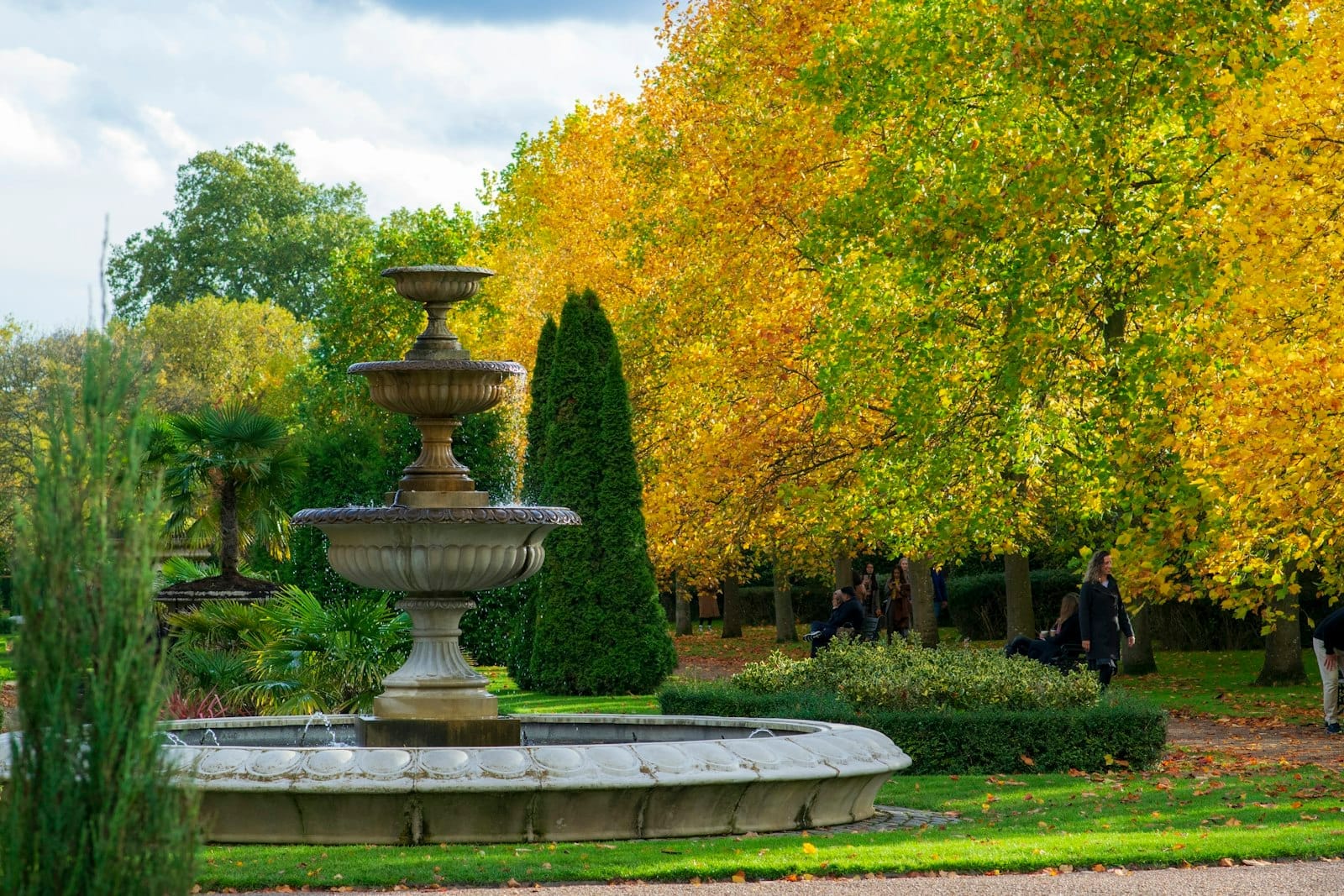
5. Visit the rose garden and open-air theatre in Regent's Park
A 410-acre Royal Park with genuine variety: London Zoo, an Open Air Theatre running Shakespeare from May to September, a boating lake, and the Inner Circle's Queen Mary's Rose Garden, at its spectacular peak in late May and June. A formal grandeur Hyde Park lacks.
Explore5. Visit the rose garden and open-air theatre in Regent's Park
A 410-acre Royal Park with genuine variety: London Zoo, an Open Air Theatre running Shakespeare from May to September, a boating lake, and the Inner Circle's Queen Mary's Rose Garden, at its spectacular peak in late May and June. A formal grandeur Hyde Park lacks.
ExploreThe Outer Royal Parks: Space and Wildlife
The outer Royal Parks are a different proposition entirely: wilder, larger, and far less visited by tourists. Richmond Park and Greenwich Park in particular reward a half-day trip, and both are well within reach of the city centre. For Richmond specifically, it pairs well with a visit to Kew Gardens nearby; see our day trips from London guide for how to combine them.
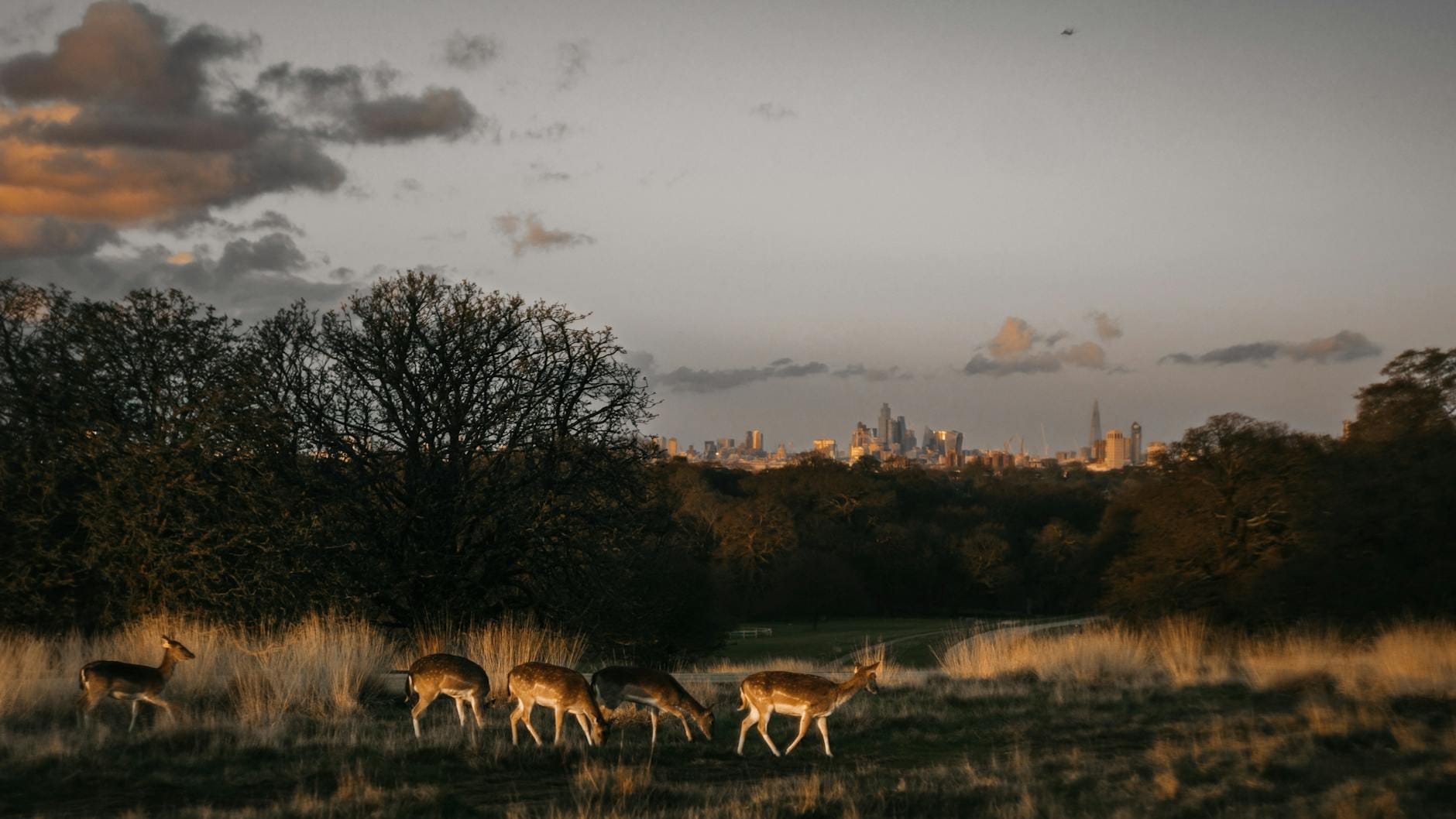
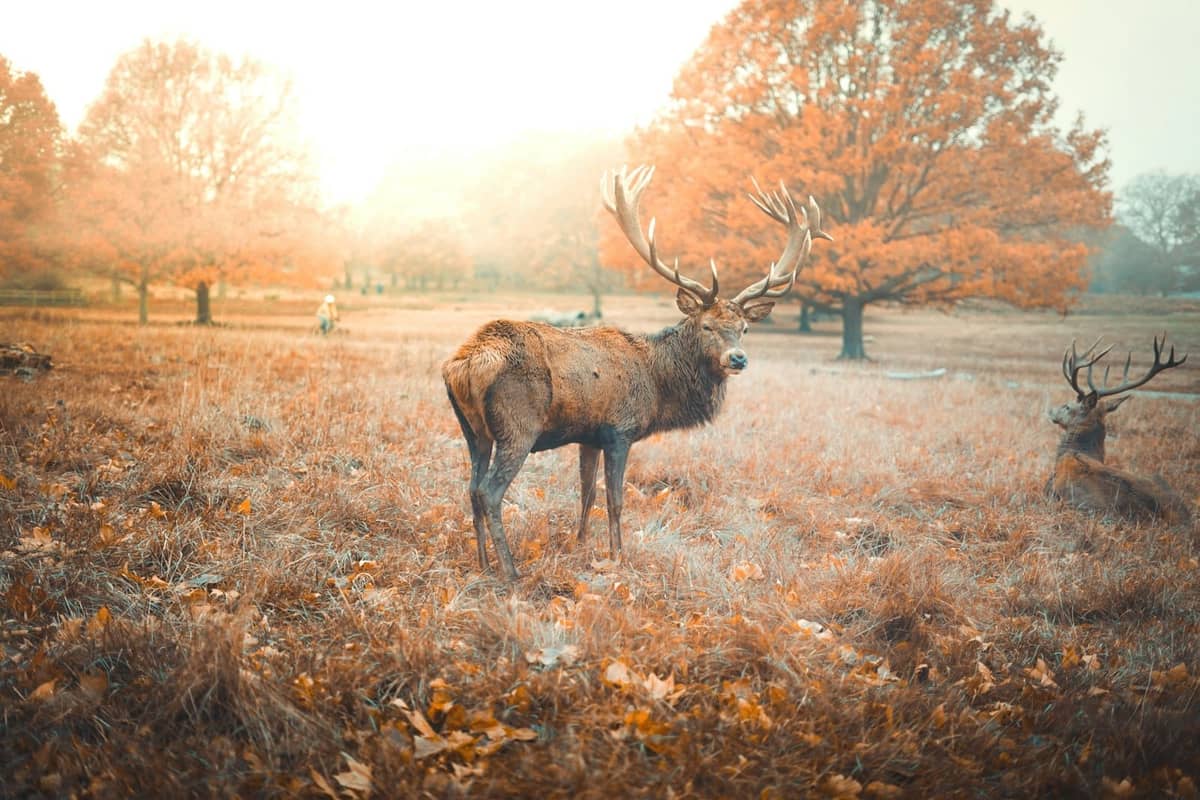
6. Walk among free-roaming deer in Richmond Park
At 2,360 acres, Richmond is London's largest Royal Park and one of its most extraordinary natural spaces. Over 600 red and fallow deer roam freely year-round. Autumn's deer rut is spectacular; keep dogs on leads and maintain distance. King Henry's Mound offers a protected view to St Paul's Cathedral.
Explore6. Walk among free-roaming deer in Richmond Park
At 2,360 acres, Richmond is London's largest Royal Park and one of its most extraordinary natural spaces. Over 600 red and fallow deer roam freely year-round. Autumn's deer rut is spectacular; keep dogs on leads and maintain distance. King Henry's Mound offers a protected view to St Paul's Cathedral.
Explore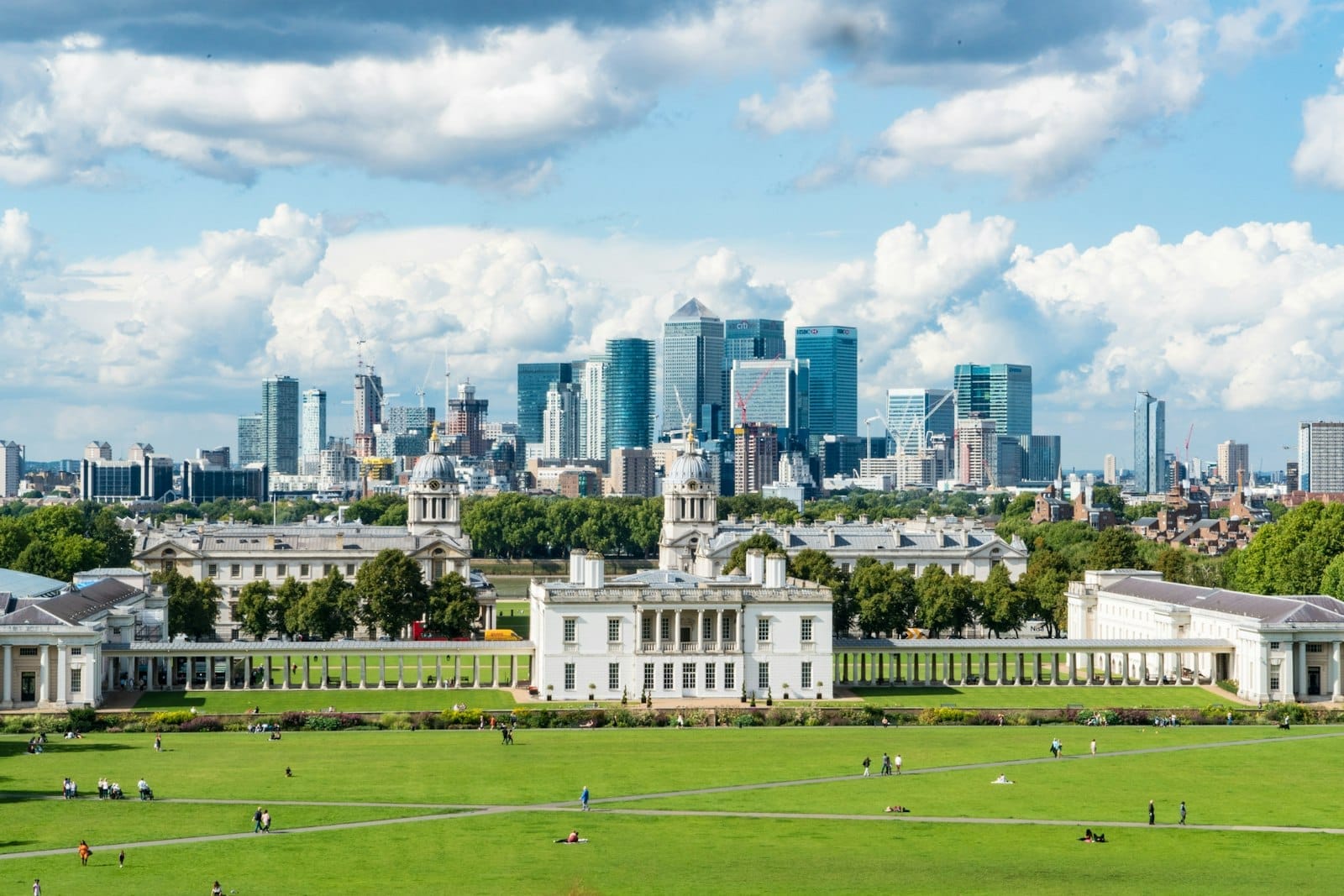
7. Get the best skyline view in London from Greenwich Park
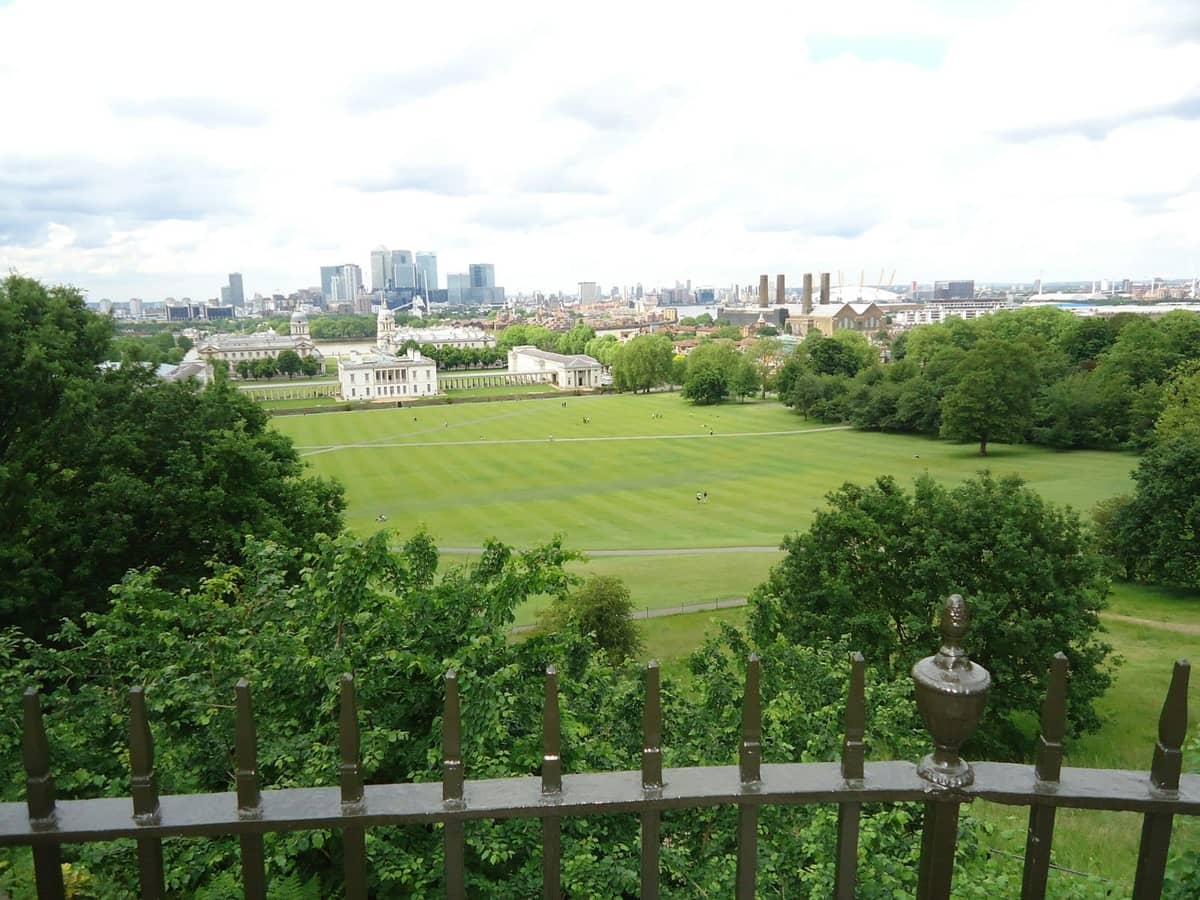
The hill beside the Royal Observatory delivers the finest panoramic view of London's skyline, with Canary Wharf and the City framed by the Baroque Old Royal Naval College below. Greenwich Park is also one of London's oldest Royal Parks, with a formal garden and deer enclosure.
Explore7. Get the best skyline view in London from Greenwich Park
The hill beside the Royal Observatory delivers the finest panoramic view of London's skyline, with Canary Wharf and the City framed by the Baroque Old Royal Naval College below. Greenwich Park is also one of London's oldest Royal Parks, with a formal garden and deer enclosure.
Explore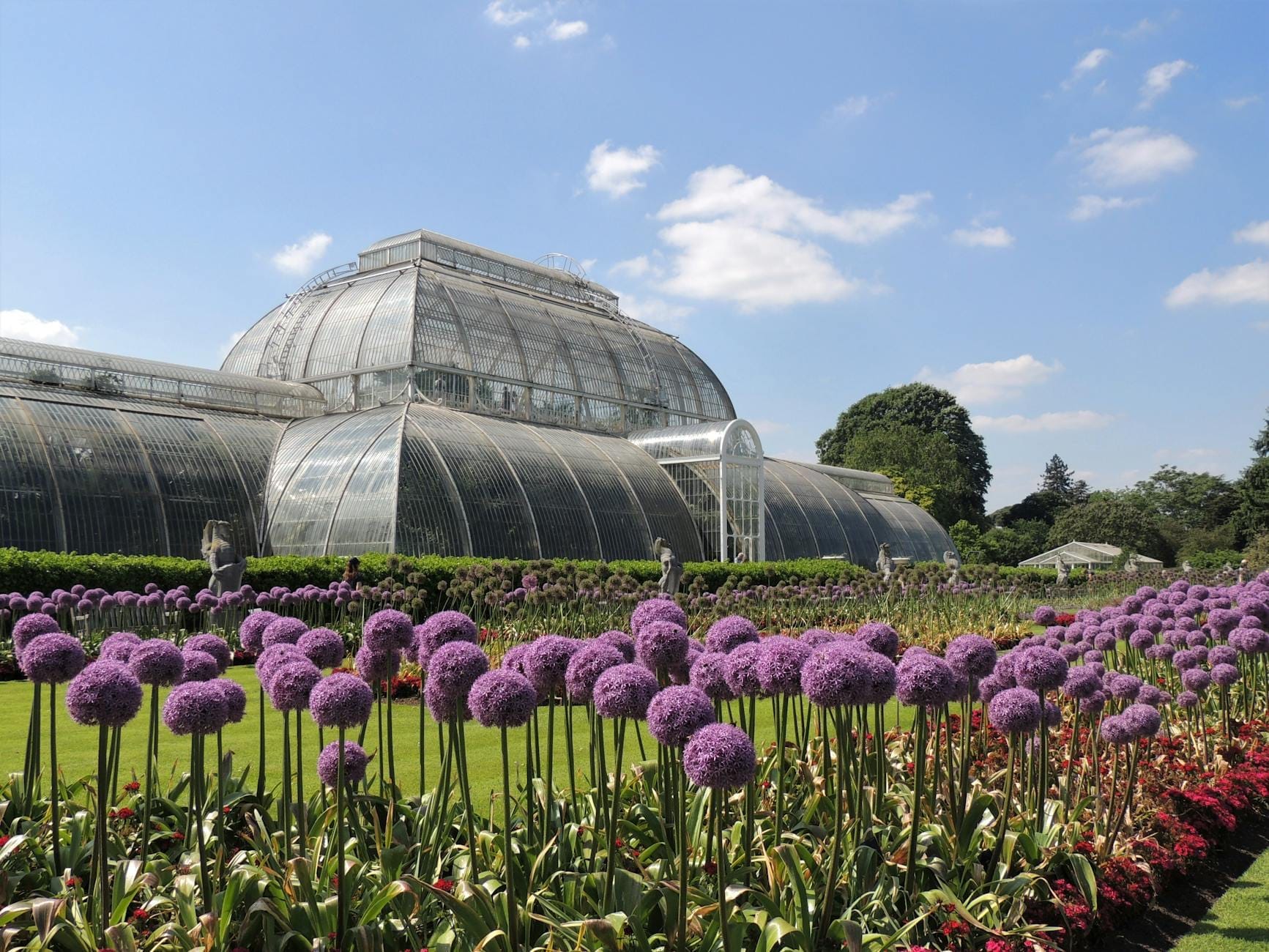
8. Spend a full day at Kew's UNESCO-listed botanic gardens
The world's most important botanical garden covers 326 acres in southwest London. The Victorian Palm House, treetop walkway, Japanese Pagoda, and seasonal wildflower meadow make it all-day. Entry is paid, but few London days out offer this depth. Pre-book tickets online.
Explore8. Spend a full day at Kew's UNESCO-listed botanic gardens
The world's most important botanical garden covers 326 acres in southwest London. The Victorian Palm House, treetop walkway, Japanese Pagoda, and seasonal wildflower meadow make it all-day. Entry is paid, but few London days out offer this depth. Pre-book tickets online.
Explore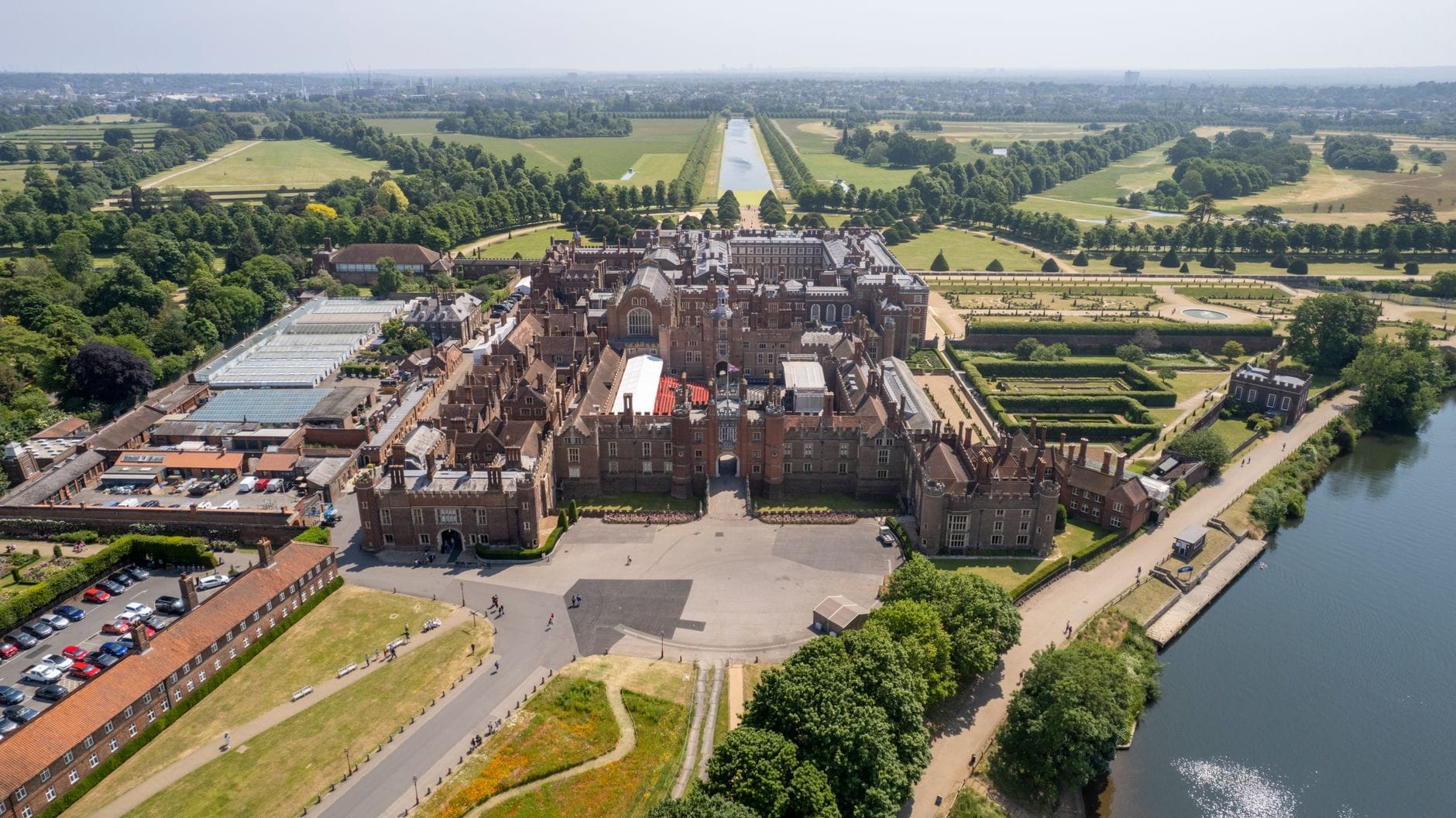
9. Explore Tudor gardens and the famous maze at Hampton Court
Henry VIII's Thames-side palace comes with one of England's most famous hedge mazes and baroque gardens designed for William III. The Great Fountain Garden and Kitchen Garden are as compelling as the palace itself. Allow a full day; it's best reached by train from Waterloo.
Explore9. Explore Tudor gardens and the famous maze at Hampton Court
Henry VIII's Thames-side palace comes with one of England's most famous hedge mazes and baroque gardens designed for William III. The Great Fountain Garden and Kitchen Garden are as compelling as the palace itself. Allow a full day; it's best reached by train from Waterloo.
ExploreNorth London's Wild Escapes
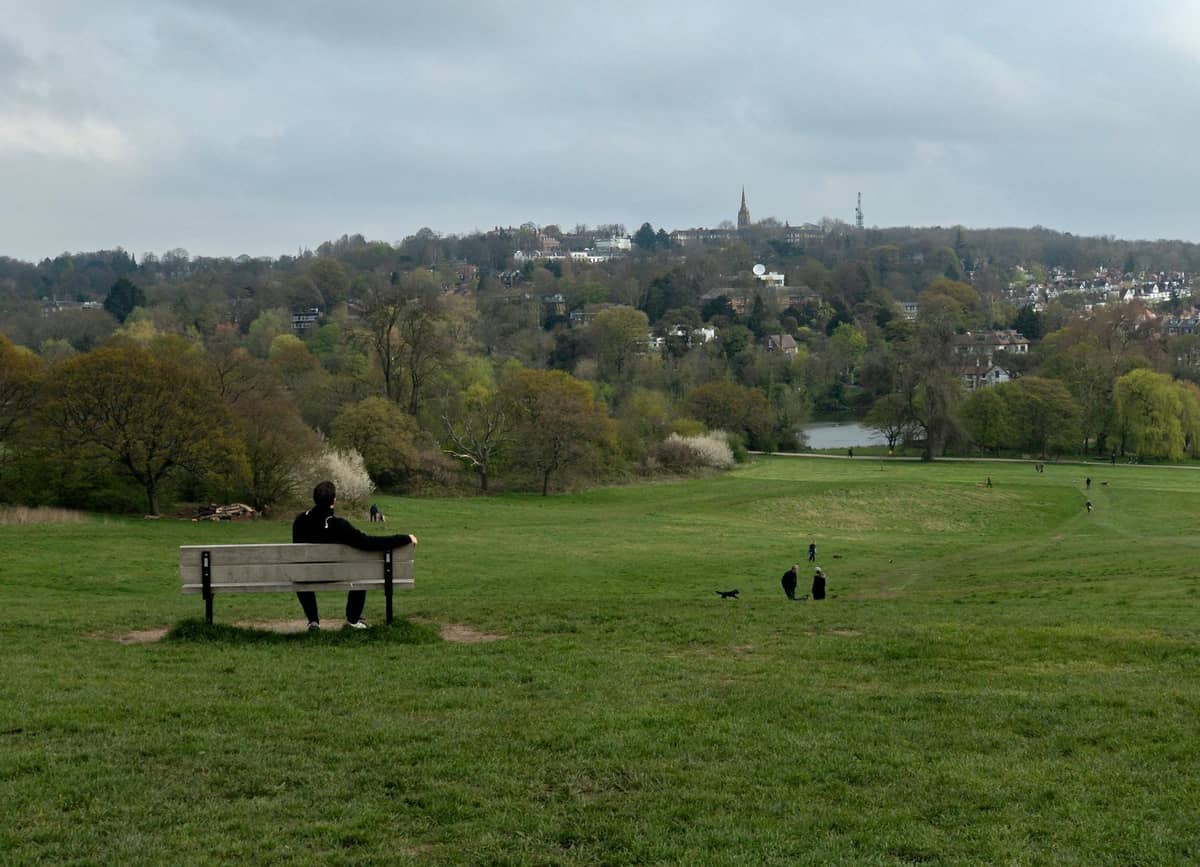
North London's parks have a different character: older, wilder, and deeply embedded in the identity of their surrounding neighbourhoods. Hampstead Heath in particular feels rural despite being less than four miles from Trafalgar Square. TheHampstead neighbourhood surrounding the Heath is one of London's most rewarding to explore on foot.
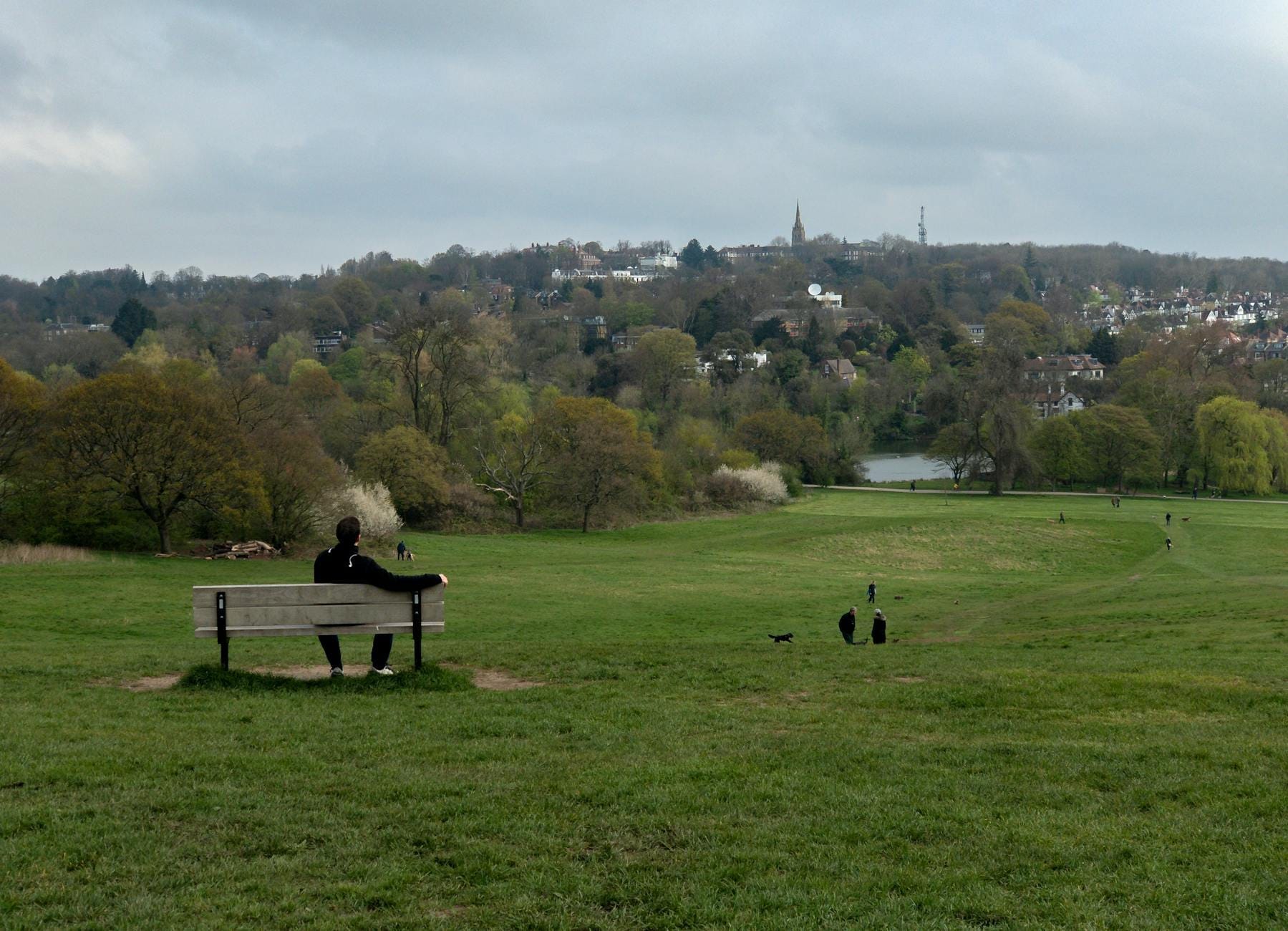
10. Wild swim, walk, and take in the view at Hampstead Heath
790 acres of ancient parkland in north London offering wild swimming ponds (men's, women's, and mixed), woodland walks, and the Parliament Hill viewpoint with its sweeping London panorama. The Heath feels wild. The men's and women's ponds are open year-round; arrive early in summer.
Explore10. Wild swim, walk, and take in the view at Hampstead Heath
790 acres of ancient parkland in north London offering wild swimming ponds (men's, women's, and mixed), woodland walks, and the Parliament Hill viewpoint with its sweeping London panorama. The Heath feels wild. The men's and women's ponds are open year-round; arrive early in summer.
Explore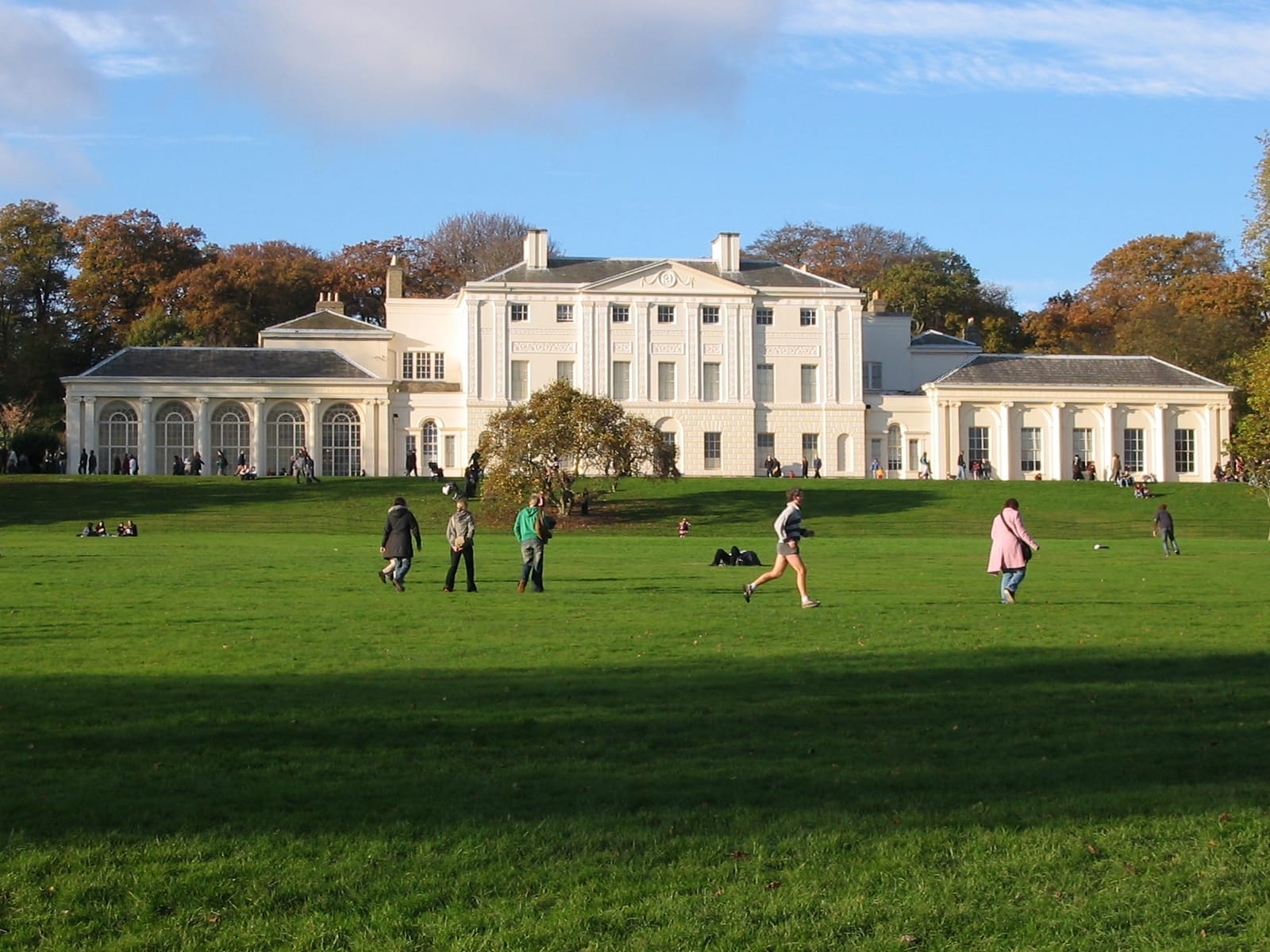
11. See a Rembrandt for free at Kenwood House
A neoclassical mansion on the northern edge of Hampstead Heath, housing a world-class free art collection including Rembrandt's late self-portrait and Vermeer's The Guitar Player. The lakeside grounds host summer open-air concerts. Combine with a walk across the Heath.
Explore11. See a Rembrandt for free at Kenwood House
A neoclassical mansion on the northern edge of Hampstead Heath, housing a world-class free art collection including Rembrandt's late self-portrait and Vermeer's The Guitar Player. The lakeside grounds host summer open-air concerts. Combine with a walk across the Heath.
Explore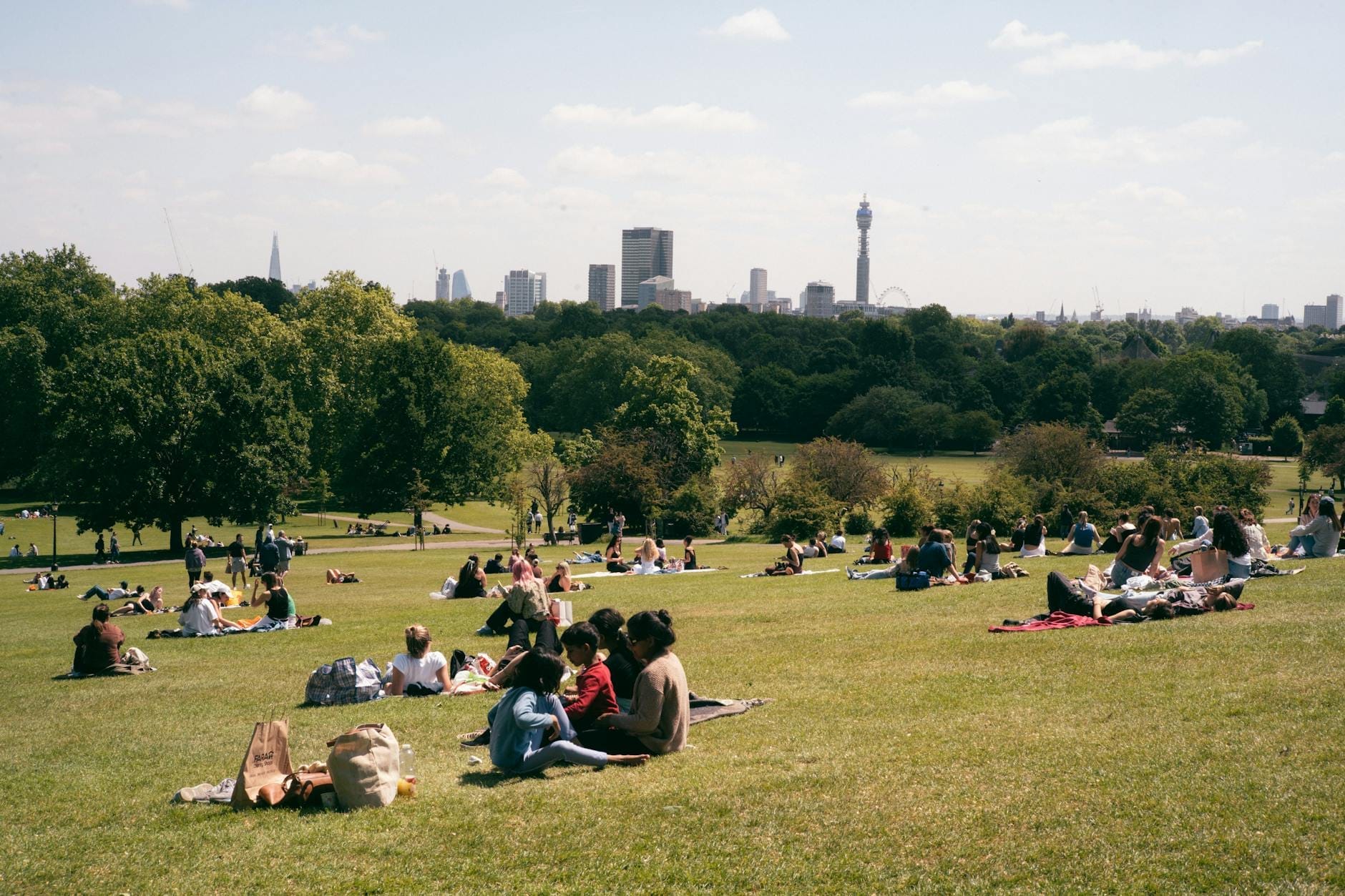
12. Catch the classic London skyline view from Primrose Hill
A compact park just north of Regent's Park, its summit delivering one of London's most beloved 360-degree skyline views. The surrounding streets of Primrose Hill village have excellent independent cafés for a post-walk coffee. Best on clear days; sunset is outstanding.
Explore12. Catch the classic London skyline view from Primrose Hill
A compact park just north of Regent's Park, its summit delivering one of London's most beloved 360-degree skyline views. The surrounding streets of Primrose Hill village have excellent independent cafés for a post-walk coffee. Best on clear days; sunset is outstanding.
Explore💡 Local tip
Primrose Hill is technically part of The Regent's Park & Primrose Hill Royal Park, though it has its own distinct entrance and character. The two areas are connected by a short walk, with the main park lying southeast of Primrose Hill.
South London Parks and Gardens
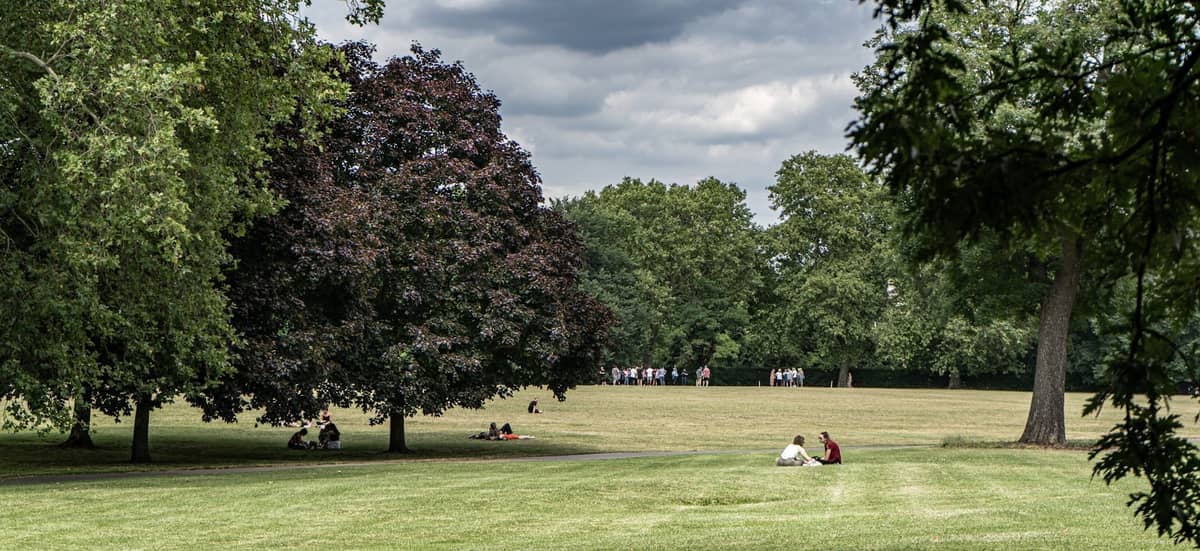
South of the river, London's parks tend to be less visited and more local in character, making them some of the best places to experience the city as Londoners do. The South Bank gives way to Battersea and beyond, where the parks grow quieter and more spacious with every stop on the bus.
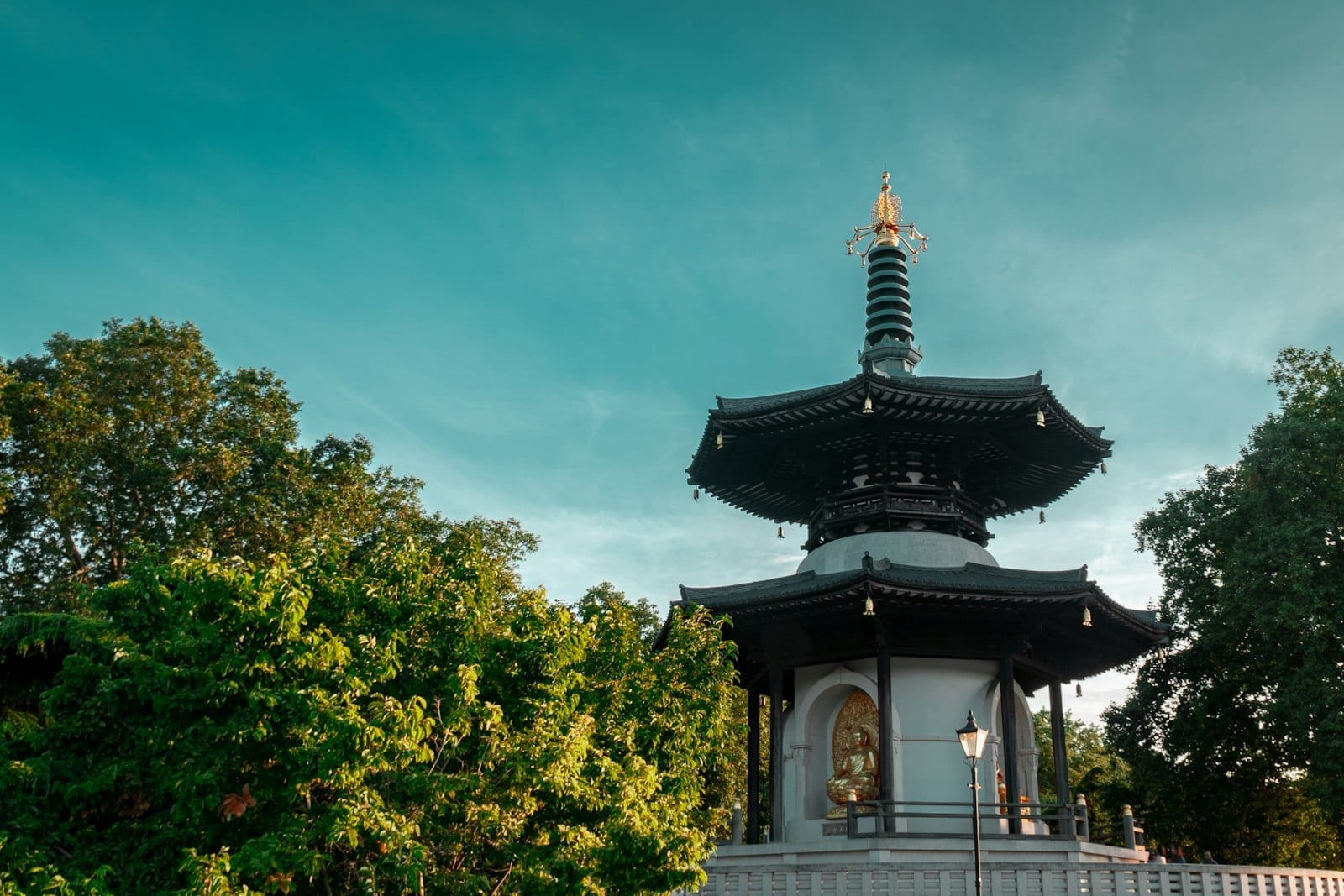
13. Walk the riverside and visit the Peace Pagoda in Battersea Park
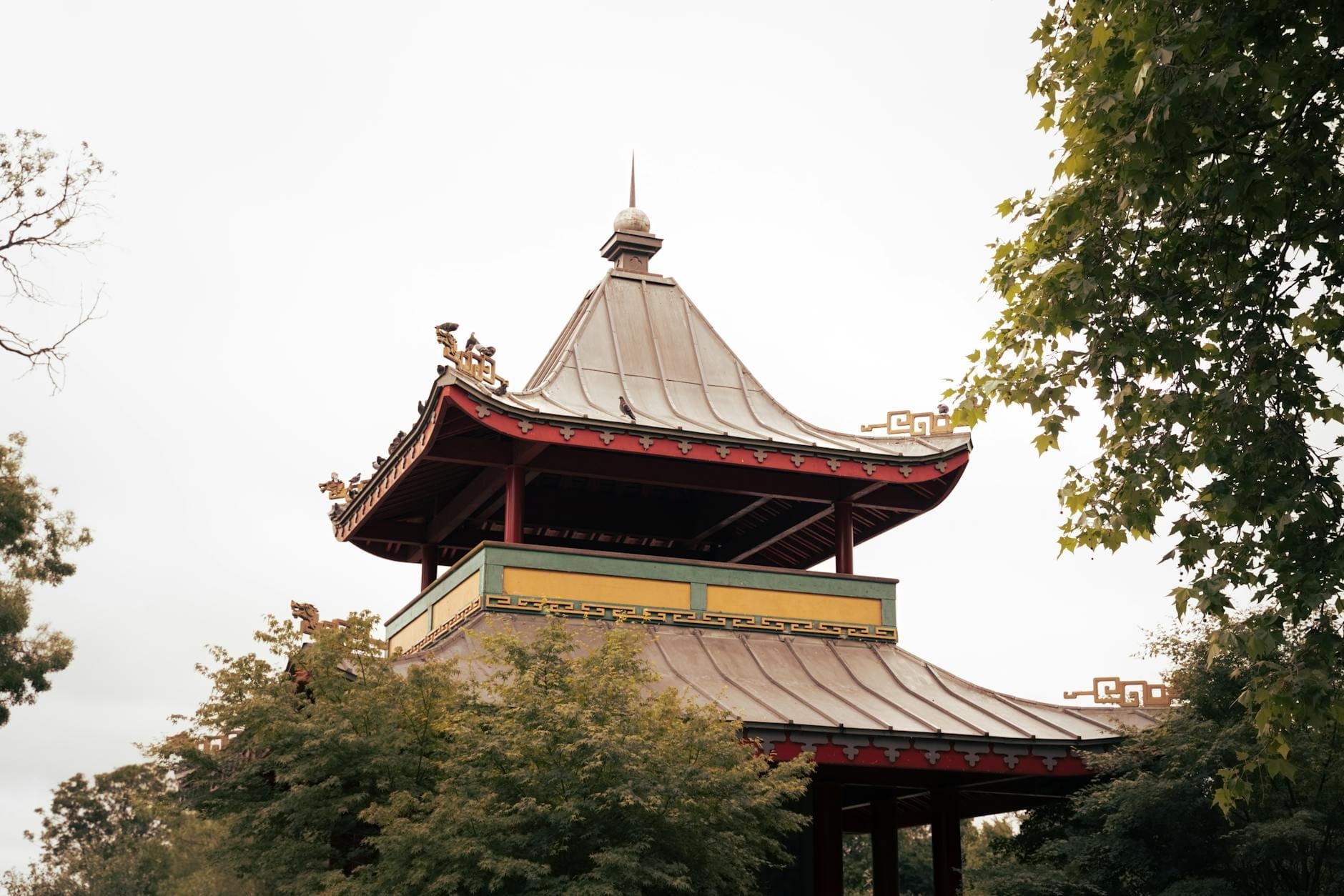
A 200-acre Victorian park with a boating lake, children's zoo, and a Buddhist Peace Pagoda on the Thames riverfront. The riverside walk facing Battersea Power Station is one of London's best free afternoon routes. The park hosts a popular fireworks display each November 5th.
Explore13. Walk the riverside and visit the Peace Pagoda in Battersea Park
A 200-acre Victorian park with a boating lake, children's zoo, and a Buddhist Peace Pagoda on the Thames riverfront. The riverside walk facing Battersea Power Station is one of London's best free afternoon routes. The park hosts a popular fireworks display each November 5th.
Explore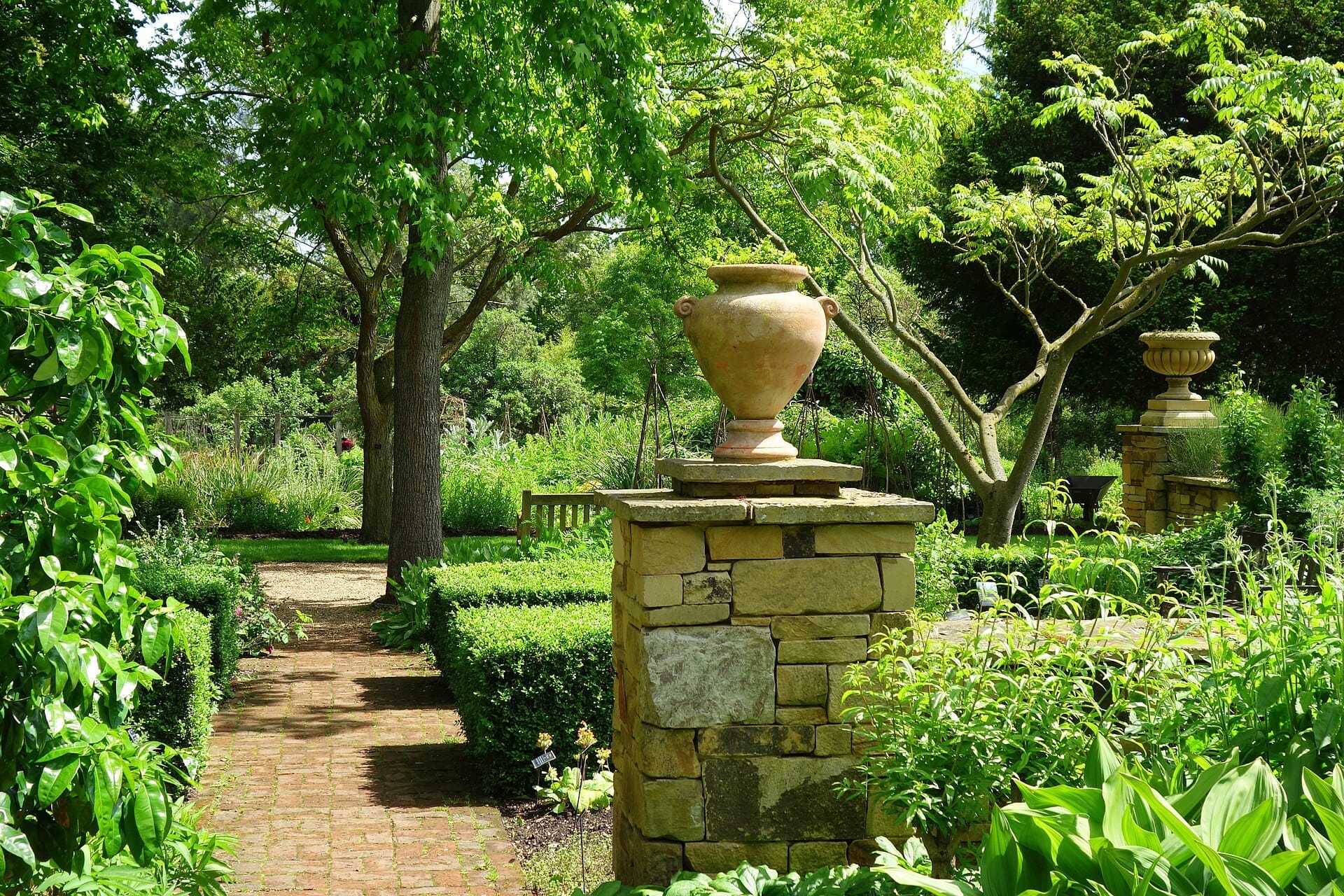
14. Step inside the walled world of Chelsea Physic Garden
London's oldest botanic garden, founded in 1673 beside the Thames in Chelsea, is a walled sanctuary of medicinal plants, rare specimens, and garden history. Entry is paid but the calm inside is unlike anywhere else in central London. Best visited in spring and early summer.
Explore14. Step inside the walled world of Chelsea Physic Garden
London's oldest botanic garden, founded in 1673 beside the Thames in Chelsea, is a walled sanctuary of medicinal plants, rare specimens, and garden history. Entry is paid but the calm inside is unlike anywhere else in central London. Best visited in spring and early summer.
Explore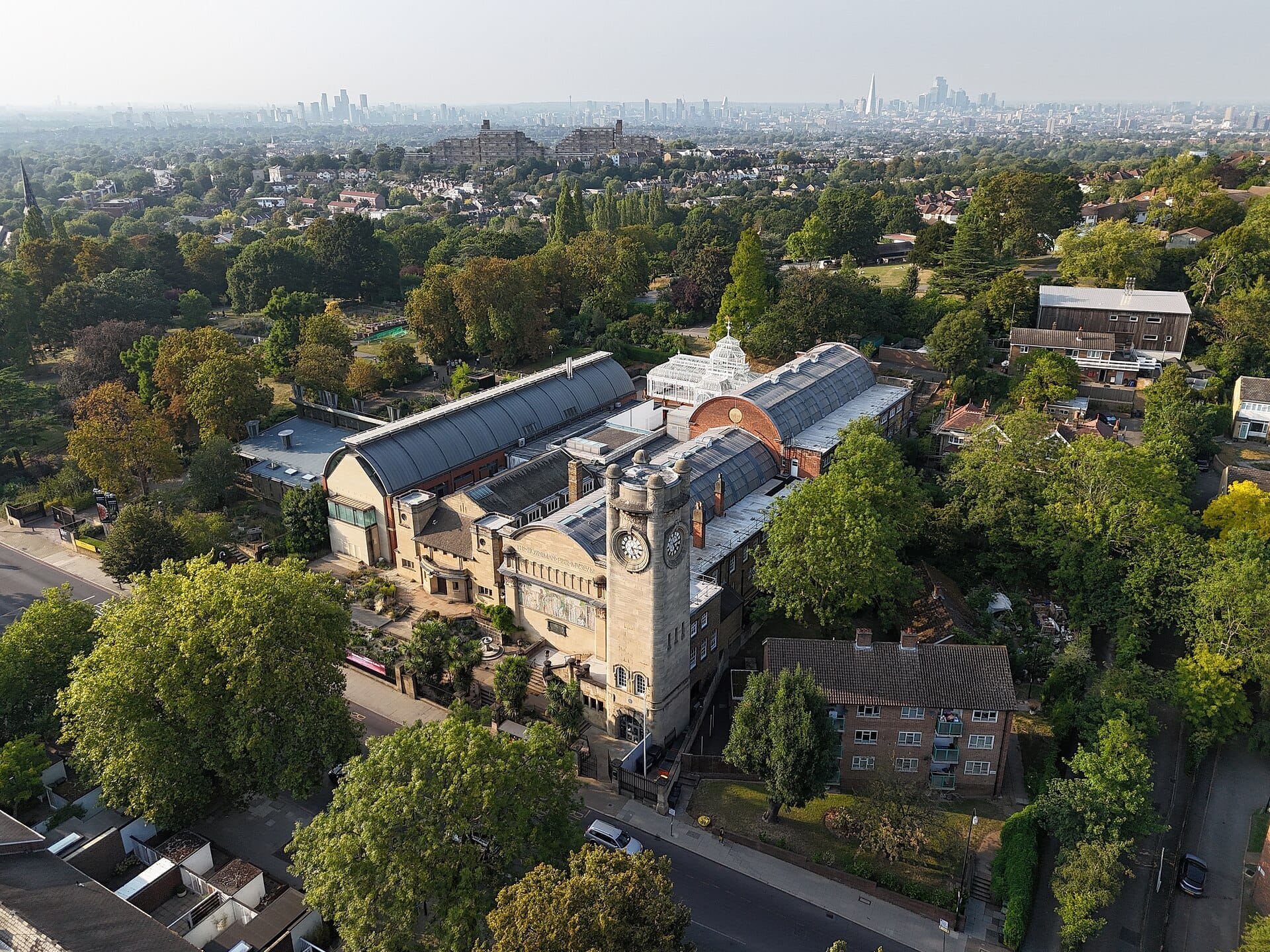
15. Explore the Horniman's gardens and natural history collection
A free museum in Forest Hill with beautiful gardens overlooking south London, an aquarium, and a butterfly house. The gardens include a formal garden, animal walk, and bandstand. Underrated and excellent for families; worth combining with a visit to Dulwich.
Explore15. Explore the Horniman's gardens and natural history collection
A free museum in Forest Hill with beautiful gardens overlooking south London, an aquarium, and a butterfly house. The gardens include a formal garden, animal walk, and bandstand. Underrated and excellent for families; worth combining with a visit to Dulwich.
ExploreEast London Green Spaces
16. Experience east London's People's Park at Victoria Park
East London's most beloved park, covering 218 acres in Hackney, with a boating lake, model boat pond, and an outdoor lido. Known as the People's Park since its opening in 1845, it has hosted political rallies and music festivals for generations. The weekend food market near the west gate is excellent.
Explore16. Experience east London's People's Park at Victoria Park
East London's most beloved park, covering 218 acres in Hackney, with a boating lake, model boat pond, and an outdoor lido. Known as the People's Park since its opening in 1845, it has hosted political rallies and music festivals for generations. The weekend food market near the west gate is excellent.
Explore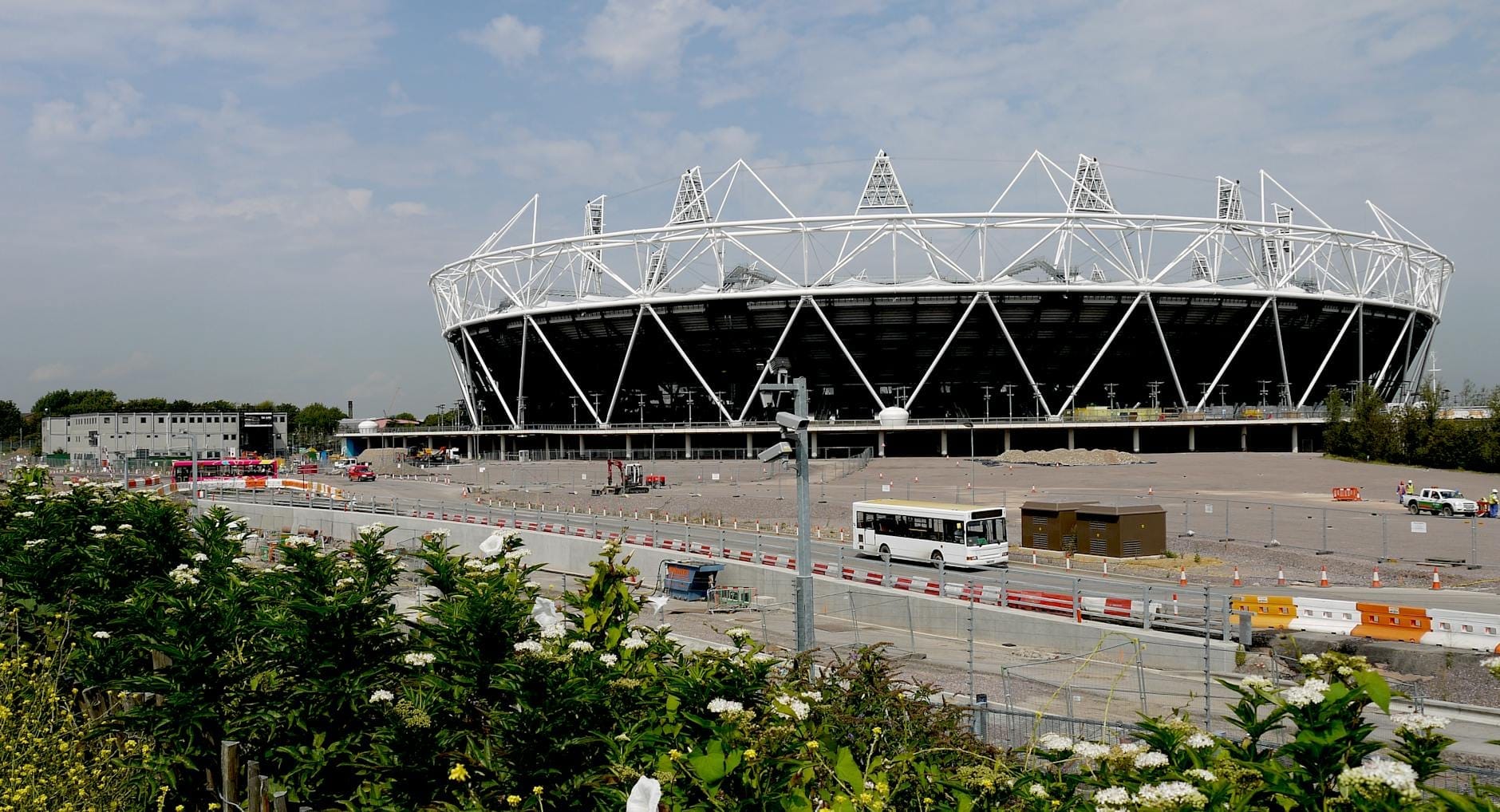
17. See the 2012 Olympic legacy in Queen Elizabeth Olympic Park
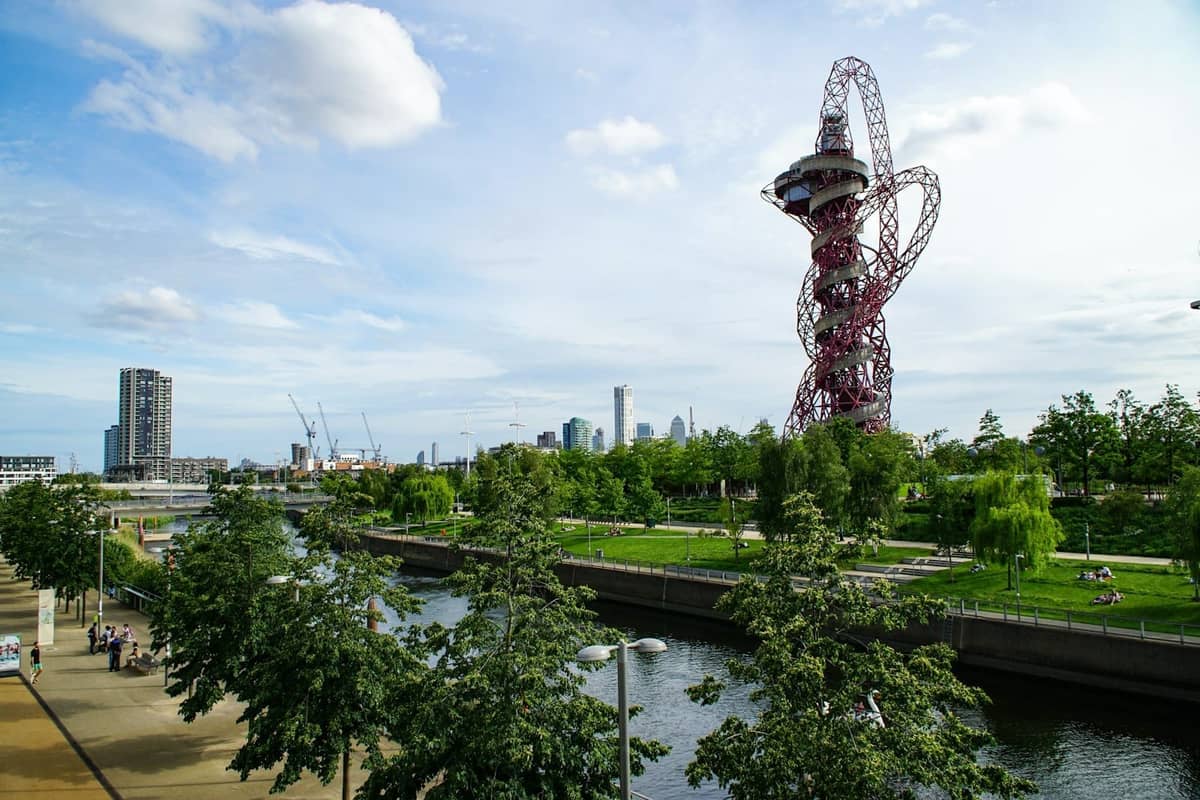
The 560-acre park built for the 2012 Olympics in Stratford is now a thriving public space with wetland habitats, playgrounds, the ArcelorMittal Orbit tower, and a growing arts quarter. The Aquatics Centre is open for public swimming. Access is free; the Orbit observation deck is paid.
Explore17. See the 2012 Olympic legacy in Queen Elizabeth Olympic Park
The 560-acre park built for the 2012 Olympics in Stratford is now a thriving public space with wetland habitats, playgrounds, the ArcelorMittal Orbit tower, and a growing arts quarter. The Aquatics Centre is open for public swimming. Access is free; the Orbit observation deck is paid.
Explore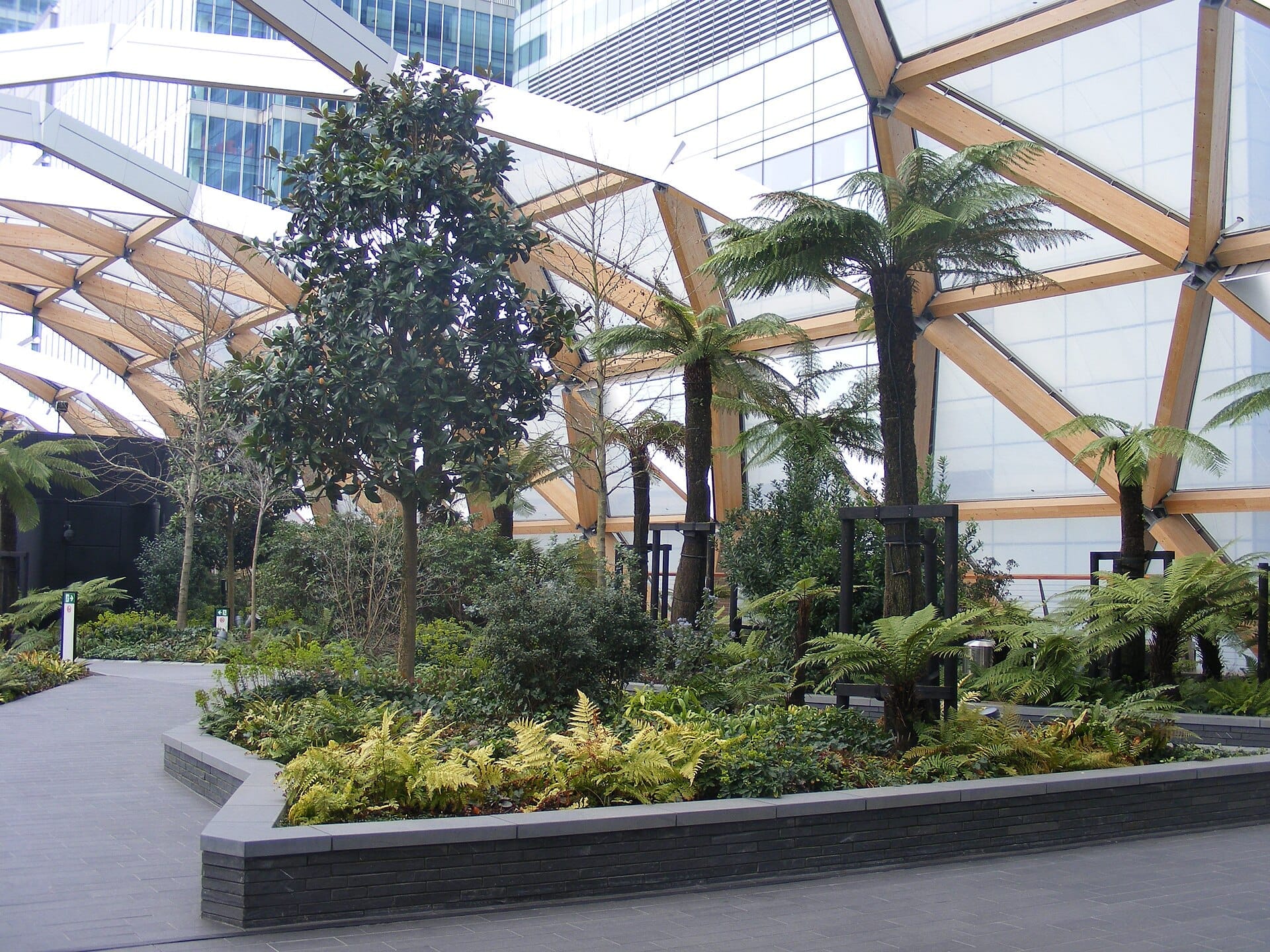
18. Discover a tropical garden on a Canary Wharf rooftop
A free tropical garden enclosed in a dramatic timber lattice structure above Canary Wharf's Elizabeth line station. Planted with species from the same latitudes as London, it is one of the city's most unexpected free spaces. Open until 9pm most evenings; no booking required.
Explore18. Discover a tropical garden on a Canary Wharf rooftop
A free tropical garden enclosed in a dramatic timber lattice structure above Canary Wharf's Elizabeth line station. Planted with species from the same latitudes as London, it is one of the city's most unexpected free spaces. Open until 9pm most evenings; no booking required.
ExploreParks with Added Highlights
Some of London's parks are best appreciated alongside a specific attraction within or beside them. These entries combine green space with a landmark worth your time, making them particularly efficient for visitors on a tight schedule. For a fuller day in Greenwich, the Greenwich neighbourhood guide covers everything in the area.
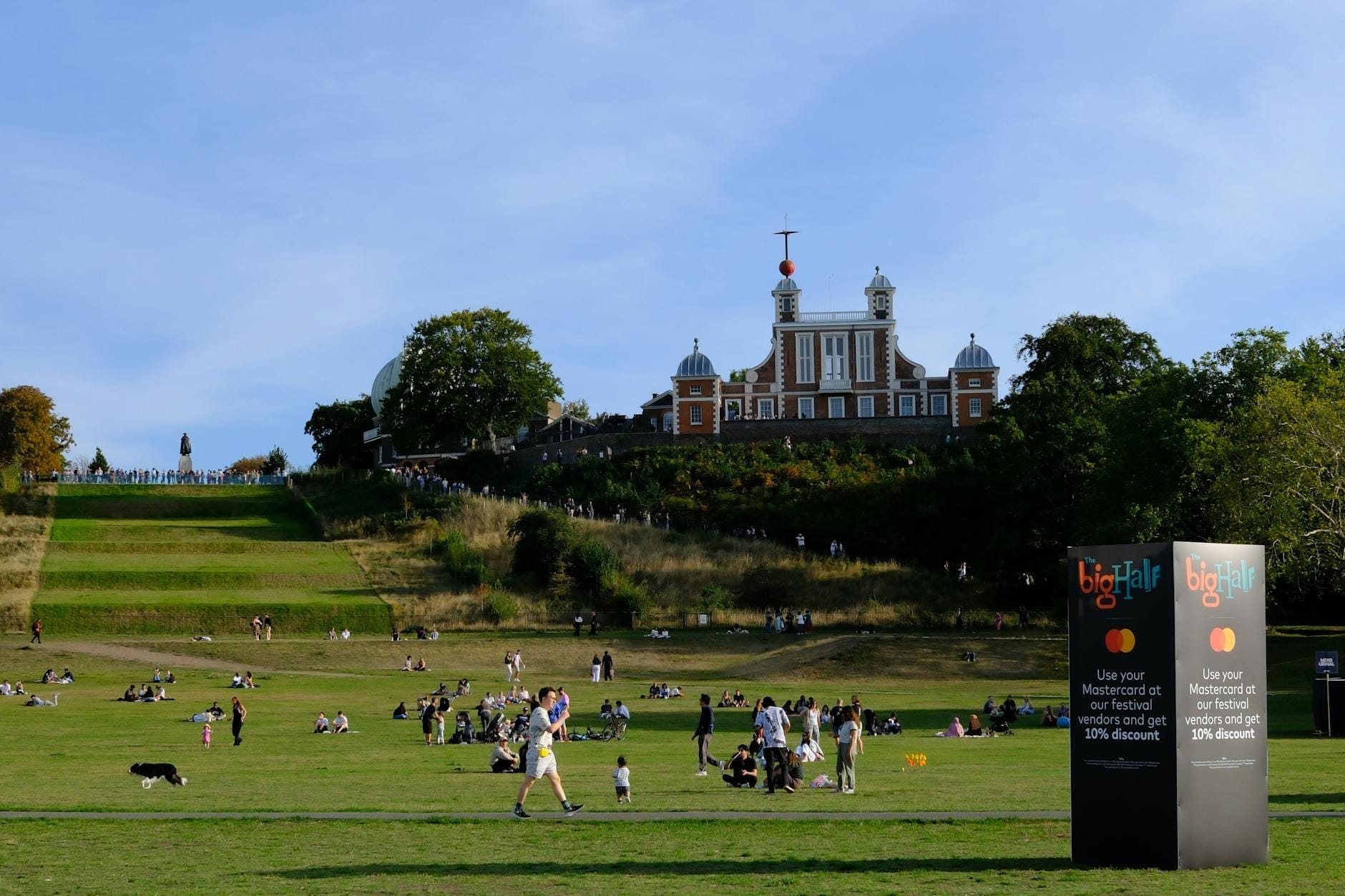
19. Straddle the Prime Meridian and take in the view at Greenwich
The Royal Observatory sits on a hill in Greenwich Park with sweeping views across the London skyline. Entry to the Observatory is paid, but the hilltop viewpoint and the courtyard meridian line are accessible without a ticket. The descent through the park to the Naval College is one of London's great walks.
Explore19. Straddle the Prime Meridian and take in the view at Greenwich
The Royal Observatory sits on a hill in Greenwich Park with sweeping views across the London skyline. Entry to the Observatory is paid, but the hilltop viewpoint and the courtyard meridian line are accessible without a ticket. The descent through the park to the Naval College is one of London's great walks.
Explore
20. Visit the world's oldest scientific zoo inside Regent's Park
ZSL London Zoo sits at the northern edge of Regent's Park, home to over 700 species and founded in 1828. Entry is paid and should be booked in advance. The surrounding parkland, Regent's Canal towpath, and nearby Primrose Hill make the area one of London's best half-day combinations.
Explore20. Visit the world's oldest scientific zoo inside Regent's Park
ZSL London Zoo sits at the northern edge of Regent's Park, home to over 700 species and founded in 1828. Entry is paid and should be booked in advance. The surrounding parkland, Regent's Canal towpath, and nearby Primrose Hill make the area one of London's best half-day combinations.
Explore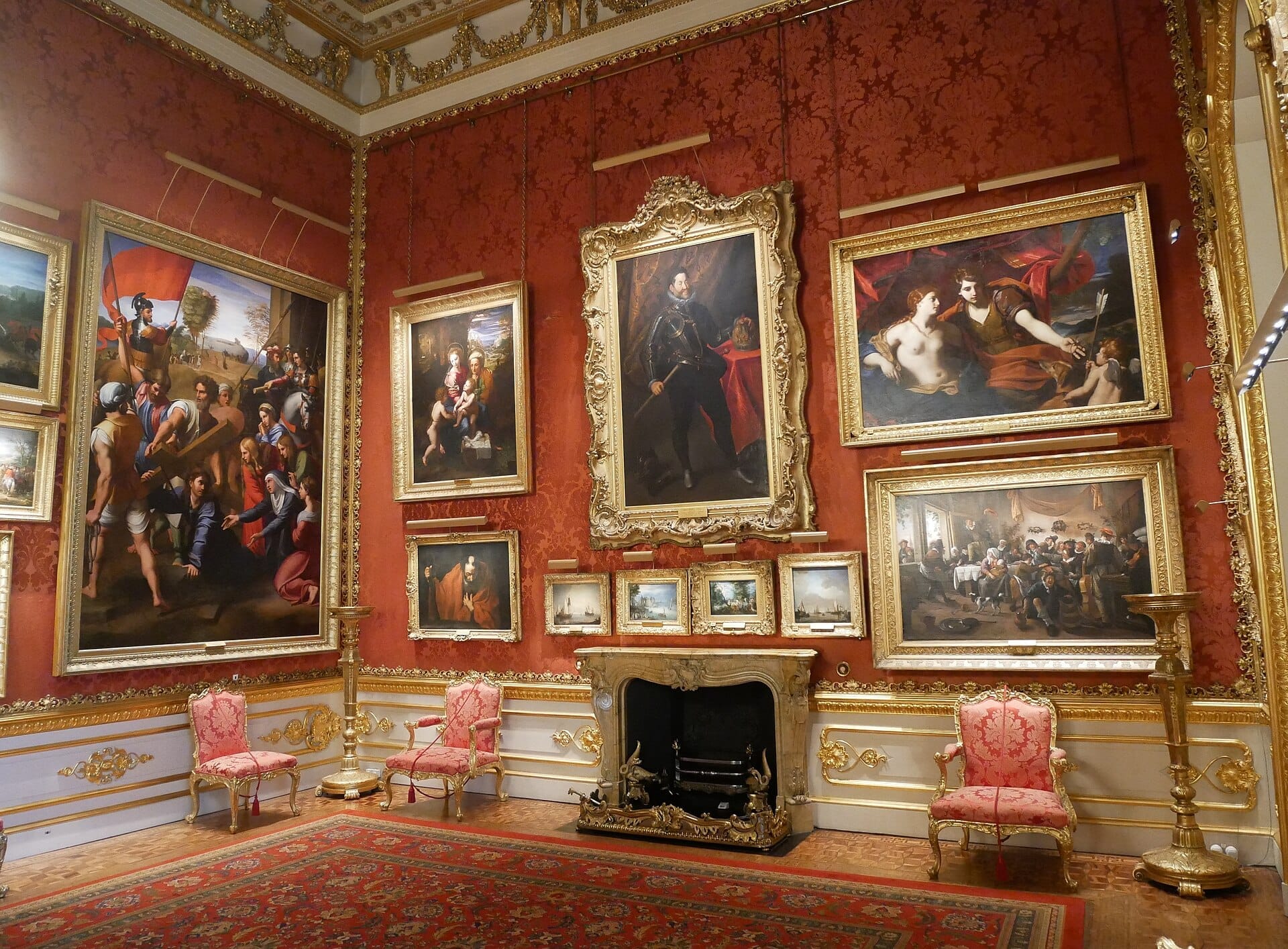
21. Explore Wellington's house at the corner of Hyde Park
The Duke of Wellington's former London home stands at Hyde Park Corner, immediately adjacent to the park. The paid admission covers one of Britain's finest private art collections, including Velázquez and Goya. Combine with a walk into Hyde Park or Green Park for a satisfying half-day.
Explore21. Explore Wellington's house at the corner of Hyde Park
The Duke of Wellington's former London home stands at Hyde Park Corner, immediately adjacent to the park. The paid admission covers one of Britain's finest private art collections, including Velázquez and Goya. Combine with a walk into Hyde Park or Green Park for a satisfying half-day.
Explore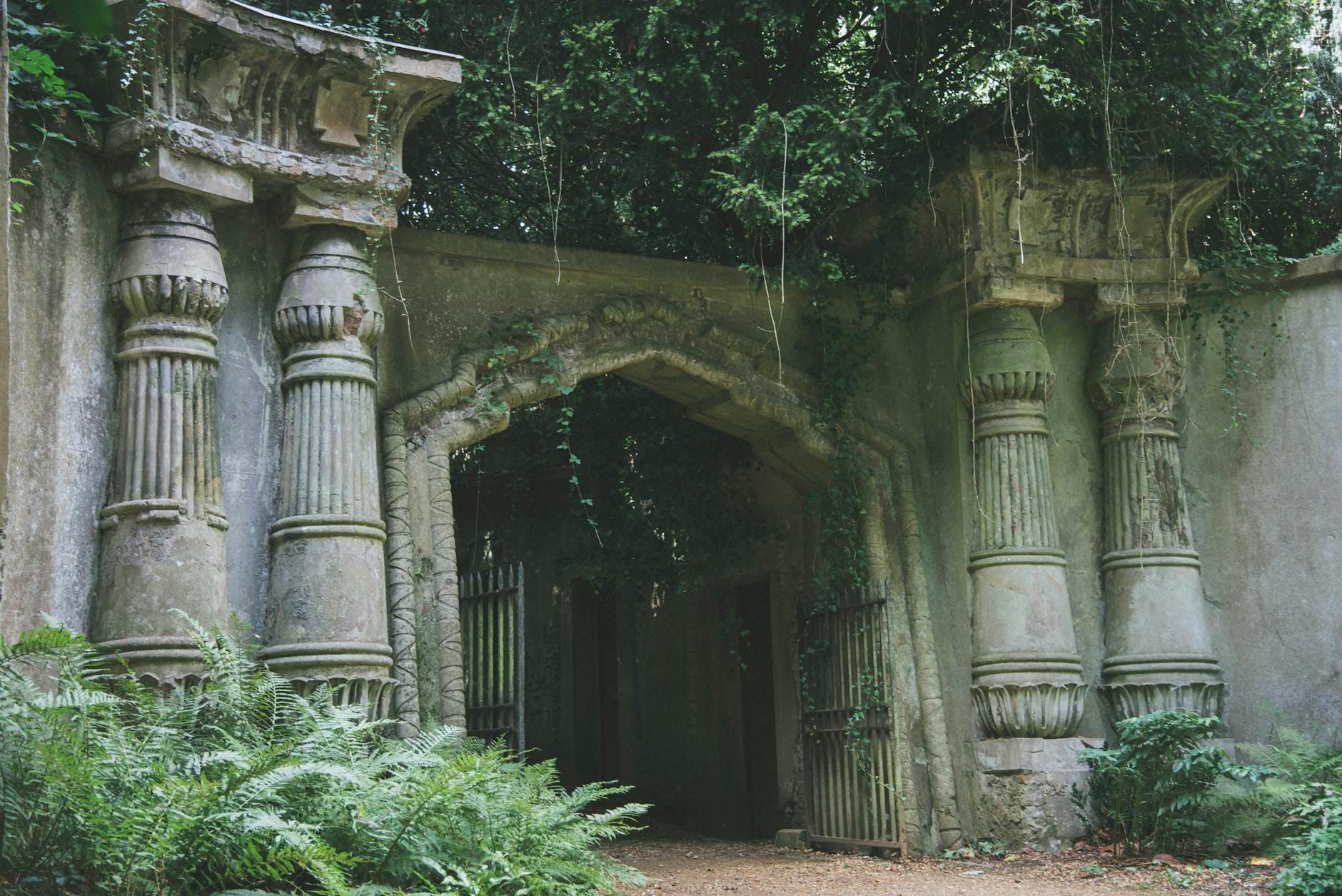
22. Walk through Victorian splendour at Highgate Cemetery
On the edge of Hampstead Heath, Highgate Cemetery's wooded hillside setting makes it one of the most atmospheric Victorian gardens in Europe. The West Cemetery is guided-tour only; the East Cemetery, where Karl Marx is buried, admits independent visitors. A moving place in all seasons.
Explore22. Walk through Victorian splendour at Highgate Cemetery
On the edge of Hampstead Heath, Highgate Cemetery's wooded hillside setting makes it one of the most atmospheric Victorian gardens in Europe. The West Cemetery is guided-tour only; the East Cemetery, where Karl Marx is buried, admits independent visitors. A moving place in all seasons.
ExploreFAQ
Are London's Royal Parks free to enter?
Yes, all eight Royal Parks are free to enter. Some specific facilities within them charge fees, such as the Serpentine Lido in Hyde Park, boating on the lake, and sports pitch bookings. Kew Gardens is not a Royal Park and charges admission. Check The Royal Parks website (royalparks.org.uk) for current facility charges before visiting.
What are the eight official Royal Parks in London?
The eight Royal Parks are Hyde Park, Kensington Gardens, The Green Park, St James's Park, The Regent's Park (including Primrose Hill), Greenwich Park, Richmond Park, and Bushy Park. They are owned by the Crown and managed by The Royal Parks charity. Note that Kensington Gardens and Hyde Park are separate Royal Parks despite being adjacent.
Which London park is best for seeing deer?
Richmond Park is the best place to see deer in London, with over 600 free-roaming red and fallow deer across about 2,360 acres. Bushy Park also has a large deer herd. The autumn deer rut (October to November) is particularly dramatic in both parks. Keep dogs on leads and stay well back from the deer, especially during the rut.
Which London park has the best city views?
Greenwich Park's hill beside the Royal Observatory offers the most famous panoramic view, with Canary Wharf and the City in the foreground. Parliament Hill on Hampstead Heath is also excellent, especially for a northerly perspective. Primrose Hill gives a clear, unobstructed view of the central London skyline and is particularly good at sunset.
When is the best time of year to visit London's parks?
Late spring (May to early June) is outstanding for flowers, especially Regent's Park's rose garden and the cherry blossoms in parks across the city. Summer brings open-air concerts, swimming ponds, and longer evenings. Autumn (October to November) is superb in Richmond and Hampstead Heath for foliage and the deer rut. Most parks are open year-round from around 5-6am until dusk.