Queen Elizabeth Olympic Park: London's Olympic Legacy in the East End
Built for the 2012 Summer Olympic and Paralympic Games, Queen Elizabeth Olympic Park transformed a former industrial wasteland in Stratford into about 247 acres of parkland, wetlands, and world-class sporting venues. Entry to the open spaces is free, and the park now functions as a genuine neighbourhood green space as much as a tourist destination.
Quick Facts
- Location
- Stratford, east London (E20 1JN)
- Getting There
- Stratford International (6 min walk); West Ham (8 min walk); Stratford station (Jubilee, Central, Elizabeth lines, DLR, Overground)
- Time Needed
- 2–4 hours for the park; full day if visiting venues
- Cost
- Free to enter the park; individual venues and activities charge separately
- Best for
- Families, architecture enthusiasts, joggers, and anyone curious about Olympic legacy
- Official website
- www.queenelizabetholympicpark.co.uk
What Queen Elizabeth Olympic Park Actually Is
Queen Elizabeth Olympic Park is not a theme park, not a museum, and not a monument. It is a working public park — about 247 acres of reclaimed east London land that was derelict industrial terrain before London won the 2012 Olympic bid. The transformation was colossal: contaminated soil remediated, rivers rerouted, and an entirely new landscape planted from scratch. When the park reopened under its current name in 2013, it was described as the largest new urban park created in Europe in over 150 years.
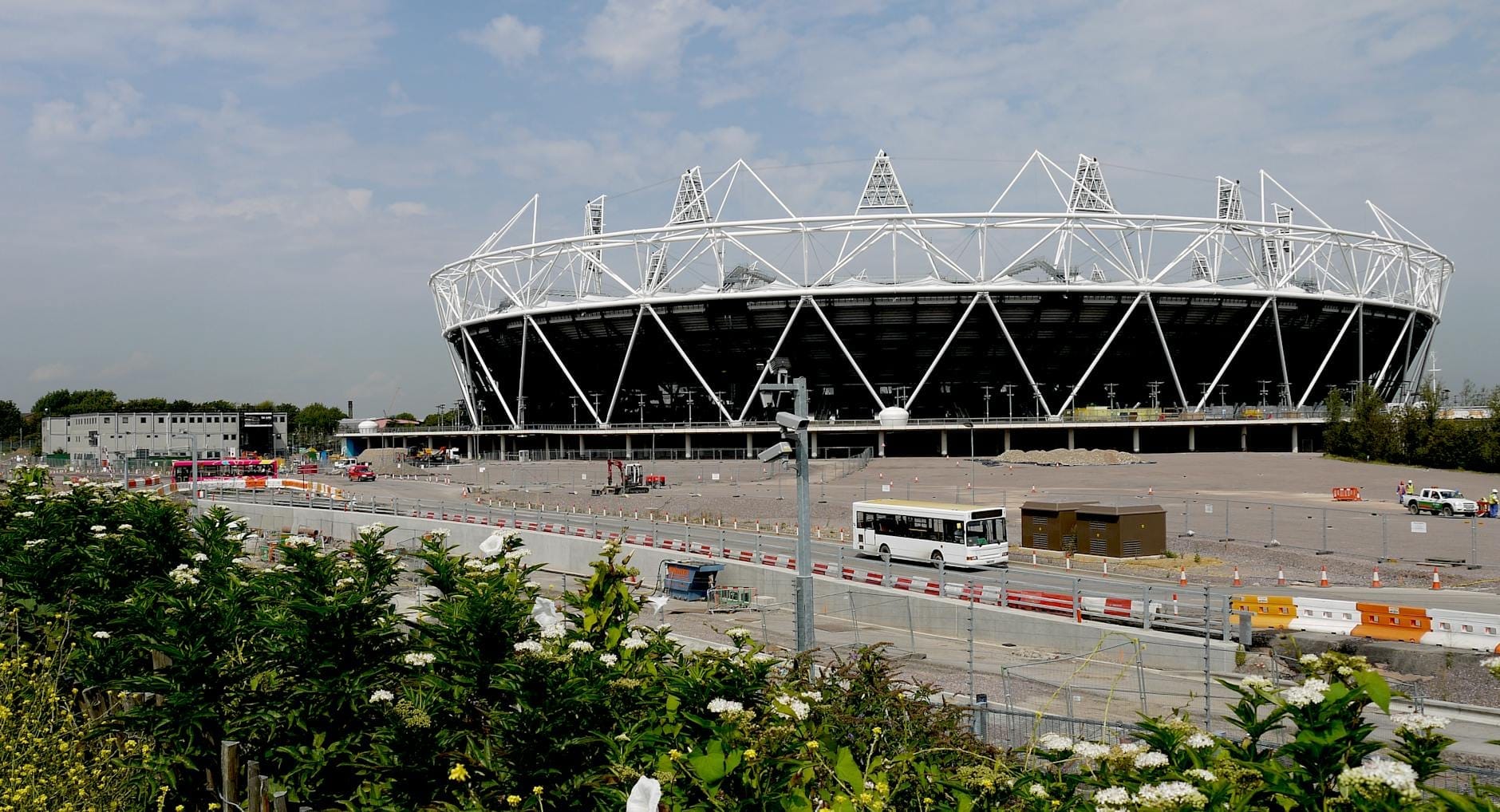
Today, the park contains 26 acres of woodland, extensive wetland habitats, cycling paths, playgrounds, and a collection of iconic Olympic venues that are still in active use. The Aquatics Centre, the Velodrome, London Stadium (now home to West Ham United FC), and the ArcelorMittal Orbit tower all sit within or alongside its boundaries. Most people come to walk, run, or have a picnic. Some come specifically to visit the venues. A few come expecting a tightly programmed attraction and leave a little underwhelmed — which says more about expectations than about the park itself.
ℹ️ Good to know
The park's open green spaces are generally accessible 24 hours a day, though some gates and areas may close overnight for safety or events. The Information Point at Pavilion, Stratford Cross, opens 11:00–16:00 daily. South Park Waterworks Fountains operate 10:00–17:00. Individual venue hours vary significantly — always check before visiting a specific building.
The Landscape: What You're Walking Through
The park divides broadly into a North Park and a South Park, split by the main Veloway cycling route and the waterways of the River Lea navigation. The South Park is where the majority of visitors spend their time: it contains the Waterworks fountains, the main lawns used for events, and direct sightlines to the ArcelorMittal Orbit — the twisted steel viewing tower designed by Anish Kapoor and Cecil Balmond that remains one of London's more divisive pieces of public art.
The North Park feels quieter and more naturalistic. The wetland planting here — grasses, wildflowers, and water-tolerant species — attracts wading birds and provides a corridor for urban wildlife. On a weekday morning you can walk the northern paths with almost no other visitors in sight, which is unusual for any major London green space. The contrast with the polished event infrastructure to the south is striking.
The Tumbling Bay Playground, set into the northern section, is one of the better children's play spaces in east London: it has log scrambles, sand pits, and water play features that children tend to gravitate toward instinctively. Unlike many urban playgrounds, it does not feel squeezed into a corner.
Tickets & tours
Hand-picked options from our booking partner. Prices are indicative; availability and final rates are confirmed when you complete your booking.
Queen walking tour London
From 17 €Instant confirmationFree cancellationIberian Footprints in the Heart of London: Queens, Wine & Waterways
From 0 €Instant confirmationFree cancellationSoho Instagram a self-guided walking tour to top photo spots
From 6 €Instant confirmationFree cancellationTootbus London by Night: Bus tour
From 32 €Instant confirmationFree cancellation
How the Experience Changes by Time of Day
Early mornings — before 9:00 — belong to joggers and dog walkers. The main paths along the waterways are popular running routes, and in summer the light over the River Lea can be beautiful, with mist sitting low over the reeds. There is an unhurried quality to the park at this hour that evaporates quickly.
Midday on weekends during warmer months is when the park fills up. Families spread out across the south lawns, the fountains attract small children, and the food and drink kiosks operate at capacity. The Velodrome and Aquatics Centre draw their own separate visitor flows. It is not unpleasant, but it is busy, and the park's wide open design means there is not much shade. Bring sun protection in summer.
Late afternoons on weekdays are arguably the most pleasant visiting window. The event crowds are absent, the light is softer, and the Olympic Stadium's exterior catches the late sun in a way that feels photogenic. The Orbit tower casts long angular shadows across the south lawn. In autumn, the wetland grasses turn amber and the whole northern section of the park becomes considerably more interesting visually than it is in midsummer.
💡 Local tip
Photography tip: the ArcelorMittal Orbit is most striking when shot from the south lawn in low light, with London Stadium visible behind it. Avoid shooting directly into the sun from the north side — the structure's red steel disappears into glare.
The Venues: What to Do Beyond Walking
The ArcelorMittal Orbit (114.5 metres tall) offers a viewing platform and, more unusually, the world's longest and tallest tunnel slide — a 178-metre slide that corkscrews around the outside of the structure. The slide has an additional charge on top of the entry fee. The views from the observation deck are good on clear days, extending across east London toward Canary Wharf and, in the other direction, toward the City skyline. It is not in the same league as The Shard for panoramic scope, but the park context makes it a different kind of view.
The London Aquatics Centre, designed by Zaha Hadid, is open to the public for swimming sessions outside of competition and club bookings — check the official park site for public swim times before visiting. The wave-form roof is remarkable from the outside, but the interior — with its two 50-metre pools and the original Olympic atmosphere — is the real draw for anyone with an interest in architecture or sport. It sits alongside the broader east London waterfront as one of the area's strongest pieces of post-industrial design.
The Lee Valley VeloPark is a competitive cycling venue open to the public for track cycling and mountain biking. Public track sessions require booking. It is an unusual and memorable experience to ride a competition velodrome — the banking on the curves is steeper than most people expect — and worth investigating if cycling is part of your trip.
London Stadium, now primarily a football and athletics venue, does not offer regular public tours in the same way as Wembley Stadium, but event-day visits when West Ham are playing give a different perspective on the Olympic legacy. The stadium's current capacity is 60,000, and its conversion from athletics to football use was not without controversy among athletics fans. If major events are your interest, Wembley Stadium remains the more iconic sports destination.
Historical and Urban Context
Before the Olympic development, the Lower Lea Valley was one of inner east London's most contaminated and economically deprived areas. The industrial legacy included chemical plants, gas works, and decades of unregulated waste disposal. Winning the 2012 bid triggered one of the largest urban regeneration projects in UK history: approximately 200 businesses and 425 residents were relocated, and the remediation of the soil alone was a multi-year engineering operation.
The surrounding area of Stratford has since transformed considerably. Westfield Stratford City, one of the largest urban shopping centres in Europe, opened adjacent to the park in 2011. The broader Stratford neighborhood is now one of the more interesting examples of rapid urban change in contemporary London — a theme explored further in the context of east London's evolving identity.
The park's rename in honour of Queen Elizabeth II came when it reopened to the public in July 2013, about a year after the Games. The legacy phase was managed by the London Legacy Development Corporation, which has overseen the conversion of Olympic facilities into permanent public assets — a process that has been more successful here than at many previous Olympic host cities.
Getting There and Getting Around
Stratford station is the primary access point and one of London's best-connected outer stations: it is served by the Jubilee line, Central line, Elizabeth line, DLR, London Overground, and Greater Anglia and c2c National Rail services. From central London, the journey takes roughly 15 minutes on the Jubilee line from London Bridge, or about 8–9 minutes on the Elizabeth line from Liverpool Street. Stratford International (High Speed 1 services) is a 6-minute walk from the park's main entrance at Stratford Cross.
Cyclists are well catered for: the park has dedicated cycling paths and connects to the wider London cycling network. Secure bike parking is available near the main entrances. The park's internal paths are also pushchair and wheelchair-friendly throughout — the flat terrain and wide surfaces make it accessible in a way that older London parks are not.
⚠️ What to skip
The park is large enough that orientation can be confusing on a first visit. The main Information Point at Pavilion, Stratford Cross (9 Endeavour Square, E20 1JN) is the clearest starting point. Pick up a map or screenshot the park layout before arriving — mobile signal can be patchy in parts of the North Park.
Who Should Skip This, and Who Should Prioritise It
Visitors on a short London itinerary who are primarily interested in historic sights, galleries, or central London landmarks should weigh the travel time carefully. Stratford is 20 minutes from central London on a good day, but that is 40 minutes round trip from a West End base — a meaningful chunk of a two-day visit. If your schedule is tight and you have not yet seen the British Museum, the South Bank, or Westminster, those should come first.
The park makes most sense for visitors who are already spending time in east London, those with children who need outdoor space and a playground, architecture enthusiasts interested in the Hadid Aquatics Centre or the Orbit, and anyone who wants to understand how London used the Olympic legacy to reshape a neglected quarter of the city. It also suits runners, cyclists, and people who simply want a large green space without the weekend crowds of Hyde Park or Regent's Park.
Rain significantly changes the experience. Unlike covered attractions, the park offers little shelter beyond the venues themselves. On a grey, wet London day it loses much of its appeal unless you have a specific venue booking. In decent weather — particularly from May through September — it earns its reputation as one of the better free outdoor experiences in east London.
Insider Tips
- The South Park Waterworks fountains are free and excellent for children, but they only run 10:00–17:00 daily. If you arrive outside these hours with young kids expecting water play, you will be disappointed.
- Free Wi-Fi is available throughout the park — you register with a name and email address. Useful for downloading venue maps or checking swim session times on arrival.
- The park hosts a regular programme of free outdoor events, particularly in summer. Check the official events calendar before your visit — on some dates the south lawns are set up for concerts or markets that change the atmosphere considerably.
- The Velodrome's exterior, with its cable-tension roof designed by Hopkins Architects, is considered one of the finest pieces of sports architecture in the UK. Walk around it fully rather than just viewing it from the main path — the structural detail is best appreciated from the north side.
- If you want to swim in the Aquatics Centre, book a public session online in advance. Walk-in availability is limited, especially at weekends, and there is nothing more deflating than travelling to Stratford and being turned away at the door.
Who Is Queen Elizabeth Olympic Park For?
- Families with young children, particularly for the Tumbling Bay Playground and Waterworks fountains
- Architecture and design enthusiasts interested in Zaha Hadid's Aquatics Centre and the ArcelorMittal Orbit
- Runners and cyclists looking for a large, flat, traffic-free route in east London
- Visitors curious about urban regeneration and the long-term legacy of the 2012 Olympics
- Anyone building a full-day east London itinerary that combines the park with Stratford's broader food and shopping offer
Nearby Attractions
Other things to see while in Shoreditch & the East End:
- Brick Lane
Brick Lane cuts through the heart of East London, carrying five centuries of immigrant history in its curry houses, beigel shops, and covered markets. Free to explore, endlessly varied, and best experienced on a Sunday morning with the market in full swing.
- Old Spitalfields Market
Old Spitalfields Market is one of east London's most enduring landmarks, a historic market hall on a site where trading dates back to the 17th century. Today it blends independent designers, street food traders, and a rotating programme of themed market days under a magnificent 19th-century iron-and-glass roof. Entry is free, the atmosphere is lively without being overwhelming, and the surrounding streets of Shoreditch and Spitalfields reward further exploration.
- Victoria Park
Opened in 1845 for the working-class communities of the East End, Victoria Park is one of London's earliest purpose-built public parks and still its most democratic. Covering 86 hectares in Tower Hamlets, it draws over 9 million visitors a year with its lakes, gardens, sports facilities, summer festivals, and a particular kind of unhurried neighbourhood energy that larger, more central parks rarely manage.
- Whitechapel Gallery
The Whitechapel Gallery has been at the forefront of contemporary art since 1901, bringing major international exhibitions to the heart of East London. With free entry to most displays, late-night Thursdays, and a building worth studying in its own right, it rewards curious visitors far more than its low profile might suggest.