Victoria Park: East London's Original People's Park
Opened in 1845 for the working-class communities of the East End, Victoria Park is one of London's earliest purpose-built public parks and still its most democratic. Covering 86 hectares in Tower Hamlets, it draws over 9 million visitors a year with its lakes, gardens, sports facilities, summer festivals, and a particular kind of unhurried neighbourhood energy that larger, more central parks rarely manage.
Quick Facts
- Location
- Grove Road, Bow, London E3 5TB
- Getting There
- Mile End (Central, District, Hammersmith & City lines) — 10–15 min walk. Also Cambridge Heath and Hackney Wick rail stations.
- Time Needed
- 1–3 hours for a relaxed visit; a full afternoon if attending an event or exploring the perimeter canal paths
- Cost
- Free entry. Boating on the West Lake and some sports facilities carry separate charges. Major festivals (e.g. All Points East) require tickets.
- Best for
- Local atmosphere, picnics, running, dog walking, open-air concerts, family days out
Why Victoria Park Still Matters
Victoria Park was not built for tourists. It was built because East End residents in the 1840s petitioned Parliament for green space — the smog, overcrowding, and industrial pollution of the surrounding districts were considered a public health emergency. When it opened in 1845, it became one of London's first parks explicitly designed for working people, earning it the nickname 'The People's Park' that locals still use today. That origin shapes what it feels like now: open, unfussy, and used by the community around it.
At 86 hectares, it is the largest park in the London Borough of Tower Hamlets and receives over 9 million visits per year — figures that make it one of the most used green spaces in the capital. Yet it lacks the manicured formality of Hyde Park or the tourist foot traffic of St James's Park. You are far more likely to see a local five-a-side game, a group of friends eating around a fold-out table, or someone doing laps of the boating lake than you are to spot a tour group.
💡 Local tip
The park opens at 7:00 AM every day and closes at dusk. Exact closing times vary by season and are posted at all entrances. No booking is required for general entry.
The Layout: What the Park Actually Contains
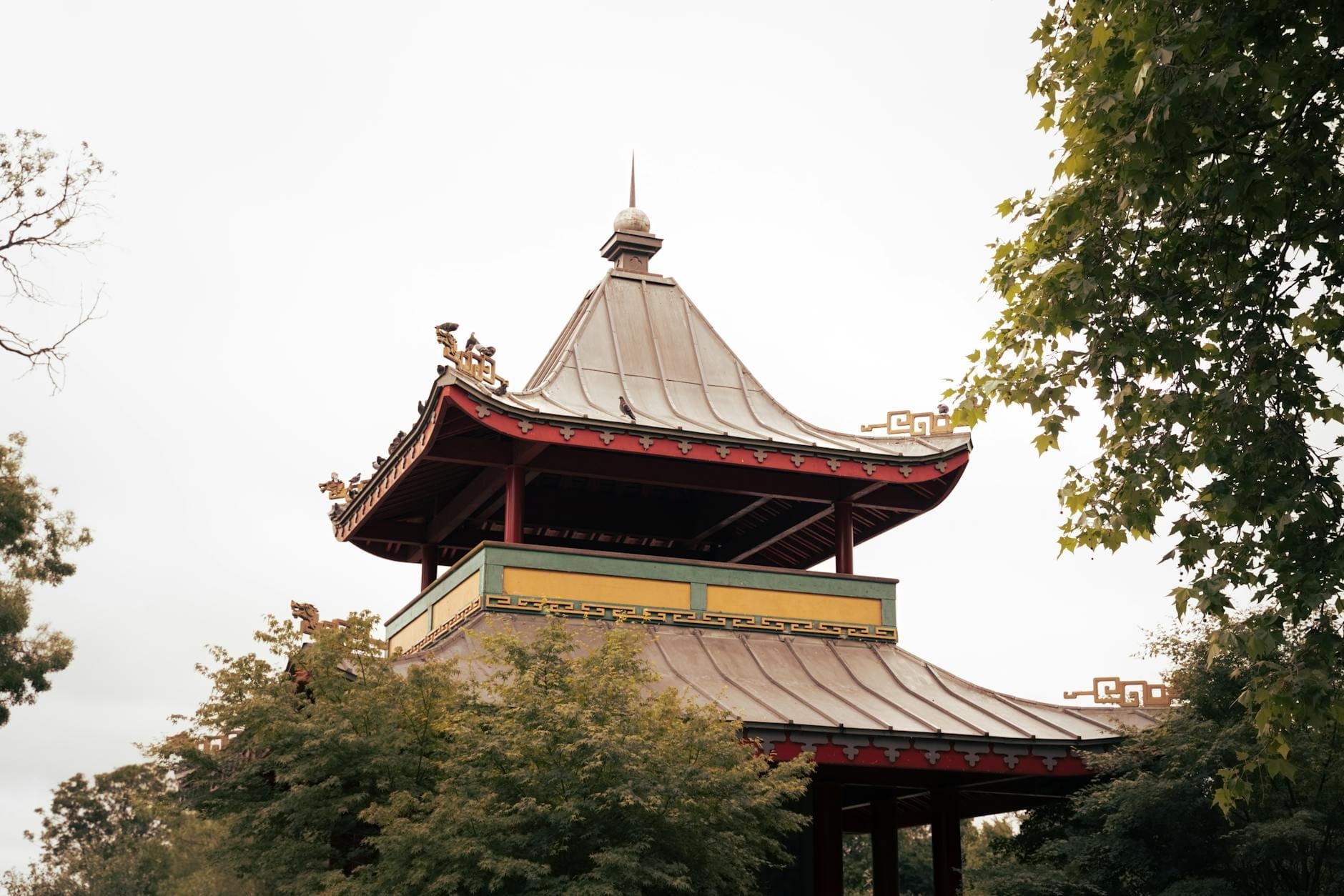
Victoria Park is divided into distinct zones that serve different purposes, and understanding the rough geography saves time. The western half, known as the West Park, contains the main boating lake (West Lake), formal garden areas, and the historic Chinese Pagoda drinking fountain — a cast-iron structure with a turbulent history that originally stood on London Bridge before being relocated here. This half tends to attract families and those looking for a quieter, more structured setting.
The eastern section, East Park, is more open, with large flat lawns that double as the primary festival arena during events like All Points East. This is where the atmosphere shifts on summer weekends: frisbees, portable speakers at a considerate volume, dogs in various states of excitement. Between the two halves, the park is bisected by Grove Road (A1205) and connects at its northern edge to the Regent's Canal towpath — a flat, scenic walking route that links the park westward toward Angel and eastward toward Hackney Wick and the Queen Elizabeth Olympic Park.
If you are combining visits, the canal towpath route to Queen Elizabeth Olympic Park takes around 20 minutes on foot and is almost entirely flat — a practical connection that most visitors overlook.
Tickets & tours
Hand-picked options from our booking partner. Prices are indicative; availability and final rates are confirmed when you complete your booking.
Jack The Ripper guided walking tour in the Victorian London
From 16 €Instant confirmationFree cancellationWarner Bros. Studio Tour London – The Making of Harry Potter from London Victoria
From 114 €Instant confirmationFree cancellationTootbus London by Night: Bus tour
From 32 €Instant confirmationFree cancellationThe Making of Harry Potter Guided Tour of London Warner Bros. Studio
From 201 €Instant confirmationFree cancellation
How the Park Changes Through the Day
Early mornings at Victoria Park have a particular quality. By 7:30 AM, the paths are occupied by serious runners doing structured circuits, dog walkers exchanging nods, and the occasional wild swimmer making their way toward the model boating lake. The light is often low and flat, cutting through the plane trees that line the main avenue, and the smell is unmistakably park: damp grass, wet bark, the faint trace of the canal nearby. Traffic noise from Grove Road is present but not intrusive.
From mid-morning onward, the park fills incrementally. Weekdays bring a mix of parents with young children and remote workers eating lunch on the grass. Weekends shift the composition entirely: by noon on a clear Saturday, the open lawns are dotted with picnic groups, and the cafe near the lake typically has a queue. The park never feels overwhelmed in the way that Hyde Park does on a summer Sunday — the lawns are large enough and the layout open enough that it absorbs crowds without feeling cramped.
Late afternoons in summer are the best time to photograph the park. The West Lake catches the light well from the western gates, and the old stone drinking fountain — now ornamental rather than functional — makes for a strong foreground subject. Bring a longer lens if you want to pick out the birdlife on the lake; coots and moorhens are year-round residents, and grey herons appear reliably in the shallower margins.
ℹ️ Good to know
The Victoria Park Splash Pool typically operates 11:00 AM to 5:00 PM during the late-spring and summer season, roughly from the Spring Bank Holiday until the end of the school summer holidays, with exact dates and times confirmed each year by Tower Hamlets Council. It is switched off when it rains. Free to use; brings queues on hot days, so arrive before midday.
History and Cultural Significance
The park's creation in 1845 made it one of London's earliest purpose-built public parks — a distinction that gives it genuine historical weight, not just civic pride. The surrounding East End was, for most of the 19th and 20th centuries, one of the most densely populated and industrially polluted areas of the city. Victoria Park served as both a physical escape and a symbolic claim on public space for communities who otherwise had none.
That political dimension is not entirely historical. The park has hosted reform meetings, trade union gatherings, and Chartist rallies in the 19th century. In more recent decades, it has been the site of the Rock Against Racism concert in 1978 — one of the pivotal events in British anti-racist cultural history — and has remained a venue for large-scale music events ever since. The current iteration of that tradition is All Points East, an annual multi-day festival that brings internationally recognised acts to the East Park arena each summer.
The surrounding area has changed substantially over the past two decades. The neighbourhoods bordering the park — Bethnal Green, Hackney, Bow — reflect the broader shift of inner East London toward a younger, more mixed demographic. The park sits at the intersection of these communities in a way that larger royal parks simply do not. If you want to understand this part of London, spending a few hours here is more informative than any tour. For deeper context on the area, the guide to Shoreditch and the East End covers the wider neighbourhood well.
Practical Walkthrough: Getting There and Moving Around
The most straightforward approach from central London is the Tube to Mile End (served by the Central, District, and Hammersmith & City lines), followed by a 10–15 minute walk along Grove Road. The walk itself is flat and unambiguous — you will see the Crown Gates and Royal Gates entrances on Grove Road before you reach the park's edge. Alternatively, Cambridge Heath station (Overground) deposits you at the northern boundary, and Hackney Wick (Overground) provides access from the east via the canal towpath.
Several bus routes stop on or near Grove Road and Hackney Road, making the park accessible from a wide corridor of East London without the Tube. This is worth knowing if you are staying in Shoreditch, Bethnal Green, or Hackney — in those cases, a bus or a 20-minute walk is often faster than routing through the Underground.
Inside the park, the main paths are tarmacked and suitable for bikes, pushchairs, and wheelchairs. The park has multiple named entrances — Cadogan Gate and Molesworth Gate in addition to the Grove Road entrances — which spread out arrival patterns. The canal towpath along the northern edge is compacted gravel and generally manageable, though it can get muddy in wet weather. If you need specific step-free or accessibility information beyond the main paths, contact Tower Hamlets Council directly, as the council's own park page does not detail all provisions.
⚠️ What to skip
During major festival weekends (All Points East and similar events), significant portions of the East Park are fenced off and inaccessible to non-ticket holders. If your visit coincides with a festival, check dates in advance. The West Park and lake area remain accessible, but the atmosphere changes considerably.
What to Bring and When to Visit
Victoria Park is worth visiting across all seasons, but each requires slightly different preparation. Summer (June to August) offers the longest days and the best lawn conditions, but also the largest crowds on weekends and the highest probability of an event blocking part of the park. Spring and early autumn are arguably the most rewarding periods for a relaxed visit: temperatures are reasonable, the trees are either in blossom or turning, and the park operates at something closer to its everyday rhythm.
Winter visits are underrated. The park empties out, the plane trees become architectural rather than merely decorative, and the lakes take on a still, grey quality that is photogenic if you are into that kind of image. Bring layers — London'swinter temperatures are mild but damp, and sitting on wet grass is not comfortable regardless of coat thickness. A waterproof layer and sturdy shoes are worth carrying year-round.
There is a cafe near the West Lake that serves coffee, sandwiches, and light meals — standard quality, reliable hours on weekdays. On weekends in summer, the queue can stretch considerably. Several independent food stalls operate near the main festival area during events. If you are planning a longer visit, bringing your own food and using the park's picnic facilities is a straightforward option. The park has public toilets at several locations, though availability and cleanliness can vary.
Victoria Park works well as part of a half-day itinerary across the East End. Pair it with a morning at Columbia Road (on Sundays) or an afternoon exploring the streets around Brick Lane — both are within a 20-minute walk.
Insider Tips
- The model boating lake in the West Park is smaller and quieter than the main West Lake — it attracts far fewer people and is a good spot to sit without the weekend crowd pressure. Bring a book.
- The Regent's Canal towpath along the park's northern edge connects westward to Broadway Market (about 15 minutes on foot), which has one of the better Saturday food markets in East London. It is a practical extension if you are visiting on a Saturday morning.
- The Chinese Pagoda drinking fountain near the West Lake is frequently overlooked by visitors focused on the lake itself. Its history is odd — it was moved from London Bridge in the 1860s and has been relocated and restored several times since. Worth a look.
- If you want to run in the park without navigating crowds, arrive before 8:30 AM on weekdays or before 9:00 AM on weekends. The main perimeter loop is around 2.5 km and well-surfaced.
- Parking near the park on weekends, particularly during festivals, becomes very difficult. The Mile End Tube is the most reliable and stress-free approach regardless of where in London you are starting from.
Who Is Victoria Park For?
- Families with young children, particularly in summer when the splash pool and open lawns are in full use
- Runners and cyclists looking for a flat, scenic circuit away from central London traffic
- Music fans visiting during All Points East or other summer festivals
- Visitors who want to experience a local East London neighbourhood rather than a tourist-facing attraction
- Photographers interested in urban-natural spaces, particularly in early morning or late afternoon light
Nearby Attractions
Other things to see while in Shoreditch & the East End:
- Brick Lane
Brick Lane cuts through the heart of East London, carrying five centuries of immigrant history in its curry houses, beigel shops, and covered markets. Free to explore, endlessly varied, and best experienced on a Sunday morning with the market in full swing.
- Old Spitalfields Market
Old Spitalfields Market is one of east London's most enduring landmarks, a historic market hall on a site where trading dates back to the 17th century. Today it blends independent designers, street food traders, and a rotating programme of themed market days under a magnificent 19th-century iron-and-glass roof. Entry is free, the atmosphere is lively without being overwhelming, and the surrounding streets of Shoreditch and Spitalfields reward further exploration.
- Queen Elizabeth Olympic Park
Built for the 2012 Summer Olympic and Paralympic Games, Queen Elizabeth Olympic Park transformed a former industrial wasteland in Stratford into about 247 acres of parkland, wetlands, and world-class sporting venues. Entry to the open spaces is free, and the park now functions as a genuine neighbourhood green space as much as a tourist destination.
- Whitechapel Gallery
The Whitechapel Gallery has been at the forefront of contemporary art since 1901, bringing major international exhibitions to the heart of East London. With free entry to most displays, late-night Thursdays, and a building worth studying in its own right, it rewards curious visitors far more than its low profile might suggest.