Whitechapel Gallery: East London's Contemporary Art Powerhouse
The Whitechapel Gallery has been at the forefront of contemporary art since 1901, bringing major international exhibitions to the heart of East London. With free entry to most displays, late-night Thursdays, and a building worth studying in its own right, it rewards curious visitors far more than its low profile might suggest.
Quick Facts
- Location
- 77–82 Whitechapel High St, London E1 7QX
- Getting There
- Aldgate East (about 1–2 minutes’ walk); also reachable from Liverpool Street
- Time Needed
- 1.5–2.5 hours for a full visit; 45 min if browsing free displays only
- Cost
- Free for permanent displays. Ticketed exhibitions from £16.50 (concessions £9.50, under-16s free). Pay What You Can entry on Thursdays 18:00–21:00 for the main exhibition, subject to availability.
- Best for
- Contemporary art lovers, architecture enthusiasts, budget-conscious culture seekers
- Official website
- www.whitechapelgallery.org
What the Whitechapel Gallery Actually Is
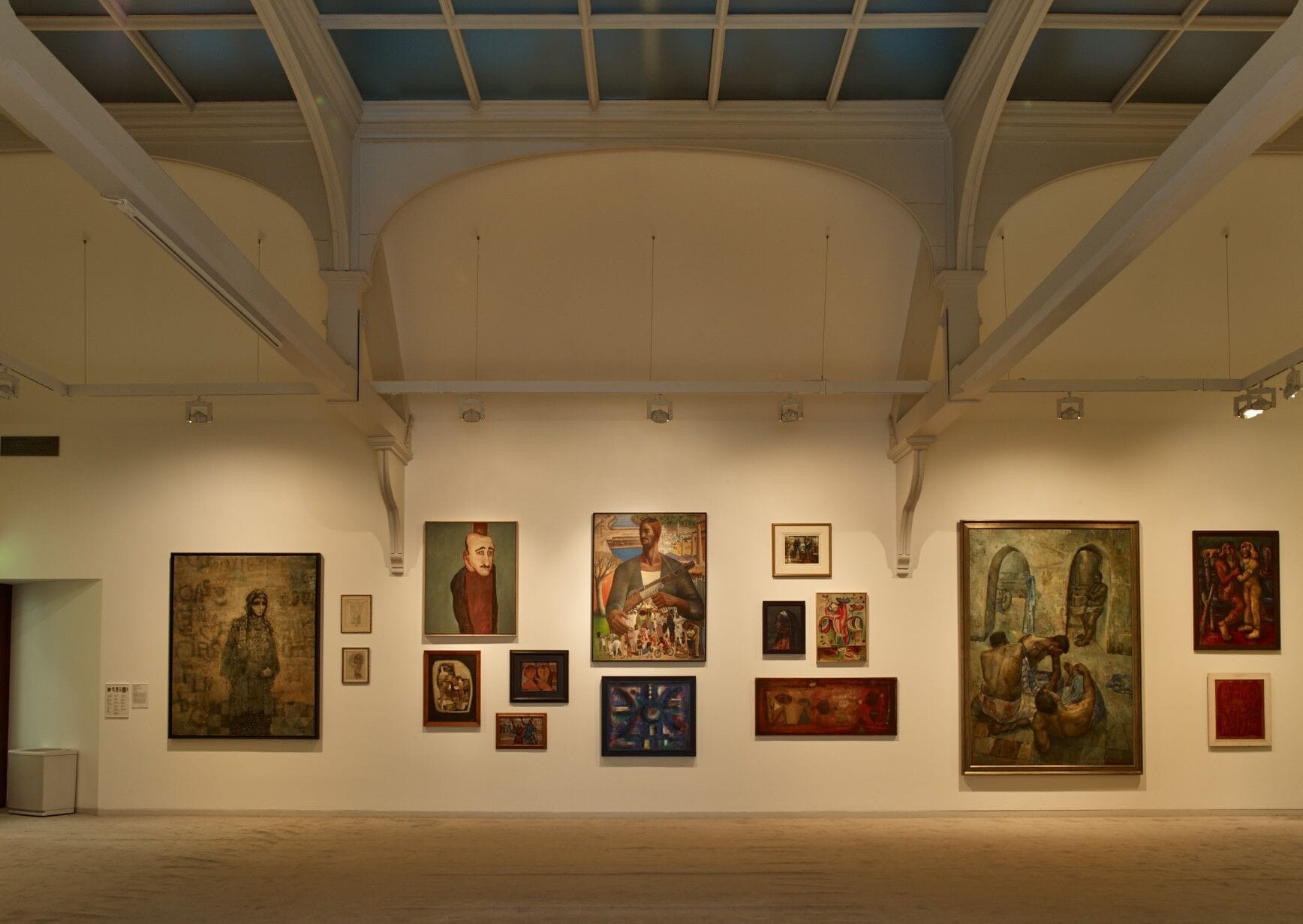
The Whitechapel Gallery is a publicly funded contemporary art institution that was founded in 1901, making it one of the oldest galleries of its kind in London. It does not hold a permanent collection in the traditional sense. Instead, it runs a rolling programme of temporary exhibitions by living and recently deceased artists, alongside displays drawn from significant private collections and international partnerships. That model keeps the content fresh: there is no fixed room of familiar paintings to tick off, only whatever is currently on show.
The reputation here is serious. The gallery premiered Picasso's Guernica to British audiences in 1939, and over the decades it has introduced or amplified the careers of artists including Gilbert and George, Mark Rothko, Frida Kahlo, and Jackson Pollock to London viewers. If you follow contemporary art at all, you will likely recognise names on the programme before you arrive.
💡 Local tip
Each season features one major ticketed exhibition alongside free-entry displays in other gallery spaces. Check what's on before you go — the ticketed show is usually the anchor, but free displays can be equally compelling.
The Building: Charles Harrison Townsend's Underrated Masterpiece
The facade on Whitechapel High Street is worth pausing for before you enter. Designed by Charles Harrison Townsend and completed in 1901, it represents one of London's cleaner examples of what architectural historians classify as British Modern Style, a movement that absorbed influences from Arts and Crafts and Art Nouveau without committing fully to either. The broad arched entrance, the flat-fronted stone elevation with its shallow carved decoration, and the asymmetric tower all give it an unusual gravity for a street-level institution.
In 2009 the gallery approximately doubled in size by absorbing the adjacent former Passmore Edwards library, a Victorian building of its own distinction. The two structures were connected and renovated by architects Robbrecht en Daem, who added new gallery spaces and a full-floor archive. From the outside, the expansion reads as a thoughtful conversation between two periods of civic architecture rather than an awkward graft.
Inside, the spaces are high-ceilinged, naturally lit where possible, and deliberately neutral. Floors are polished concrete or pale timber depending on the room. The atmosphere is serious without feeling austere. Compared to the oversize hangar-like spaces of some contemporary galleries, Whitechapel's rooms feel scaled for actual human attention.
Tickets & tours
Hand-picked options from our booking partner. Prices are indicative; availability and final rates are confirmed when you complete your booking.
Official National Gallery highlights 1-hour guided tour
From 22 €Instant confirmationFree cancellationLondon National Gallery Entrance Ticket and Self-Guided Tour
From 9 €Instant confirmationBritish Museum and National Gallery Semi-Private Guided Tour
From 125 €Instant confirmationFree cancellationLondon National Gallery Ticket and Self-Guided Tour in Spanish
From 15 €Instant confirmation
What a Visit Feels Like at Different Times of Day
Weekday mornings, particularly Tuesdays through Fridays before noon, are the quietest times to visit. Gallery staff outnumber visitors in some rooms, and the pace is unhurried. The natural light through the upper windows shifts noticeably as the morning progresses, and certain wall-based works look markedly different depending on whether you arrive at 11:00 or 14:00. If you are visiting a photography or light-based exhibition, this is worth factoring in.
Saturday afternoons bring the most mixed crowd: local families, art students from nearby colleges, and weekend tourists who have wandered east from the City. The gallery handles moderate crowds well, but the ticketed exhibition spaces can feel congested in the early afternoon. If you plan to visit on a Saturday, arriving at 11:00 or waiting until after 15:30 usually eases the pressure.
Thursday evenings are a different proposition entirely. Whitechapel Lates run from 18:00 to 21:00 and offer Pay What You Can entry to the main ticketed exhibition, with access subject to availability and current programming. The atmosphere is noticeably more social: visitors tend to linger longer, the on-site cafe and bar see steady use, and the overall mood is less reverential. This is the best single time slot for first-time visitors who want to assess whether the gallery suits them before committing to a full-price ticket.
ℹ️ Good to know
The gallery is closed on Mondays and on 24–26 December. Usual opening hours are Tuesday–Sunday 11:00–18:00, with extended Thursday hours until 21:00 as the only regular late-night opening.
Getting There and Navigating the Neighbourhood
The easiest approach is via Shoreditch and the East End. Aldgate East station on the Hammersmith and City line and the District line deposits you directly outside in under a minute's walk. From Liverpool Street, it is about a 15-minute walk east along Whitechapel High Street, passing the covered stalls of the area's street market. The walk is worth taking at least once: the transition from the financial glass towers of the City to the East End's older, lower-rise fabric happens quickly and visibly.
Whitechapel High Street itself is one of London's more culturally layered streets. The surrounding area has historically been home to successive waves of immigration including Huguenot, Jewish, Bangladeshi, and Somali communities, and that history is still legible in the architecture, the signage, and the food on offer. Several of London's best South Asian restaurants are within a five-minute walk. If you are pairing a gallery visit with lunch or dinner, this neighbourhood rewards exploration in a way that the museum districts of Kensington do not. Nearby, Brick Lane offers one of the city's most concentrated stretches of food, street art, and vintage shopping.
Paid parking is available at an NCP on Whitechapel High Street and at Buckle Street Multistorey nearby, but driving to this part of London is rarely the easiest option given traffic and parking costs. Cycling works well: Whitechapel High Street has dedicated lanes and several Santander Cycles docking stations in the immediate area.
Tickets, Pricing, and Practical Logistics
Entry to the gallery's free displays requires no ticket or booking. For the main ticketed exhibition, standard adult tickets are currently priced at £16.50, or £18.15 if you choose to add a 10% Gift Aid donation. Concession tickets, which cover disabled visitors, seniors, students, and unwaged visitors, are £9.50 (or £10.45 with donation), though prices may vary slightly by exhibition. Carers accompanying disabled visitors enter free. Under-16s are always free. Members of the gallery enter all exhibitions without charge.
National Art Pass holders typically receive 50% off standard entry to the ticketed exhibition, bringing a £16.50 ticket to £8.25. If you visit multiple paid attractions in London, the National Art Pass often offsets its annual cost quickly. The gallery recommends booking timed-entry tickets online in advance for busy periods, particularly weekends.
For visitors focused on keeping costs down, the Thursday Lates Pay What You Can policy is the most accessible option. This sits well alongside other free or low-cost cultural experiences in the city. For a broader view of London's free cultural offer, see this guide to free things to do in London.
⚠️ What to skip
Verify ticket prices and exhibition dates on the official site before visiting. Seasonal exhibitions change, and what's on may differ significantly from when this guide was written.
Accessibility and Visitor Services
The 2009 expansion significantly improved step-free access throughout the building. Lifts connect all floors, and the main gallery spaces are wheelchair accessible. Accessible toilets are available on multiple levels. Concession pricing applies to disabled visitors, and a carer or personal assistant accompanying a disabled visitor enters free.
For specific accessibility requirements including BSL-interpreted events, audio descriptions, or tactile tours, the gallery recommends contacting Visitor Services in advance at infodesk@whitechapelgallery.org or by phone at +44 (0)20 7522 7888. The team is generally responsive and can advise on the current programme's accessibility features.
The on-site cafe operates during gallery hours and offers a reasonable selection of hot food, sandwiches, and drinks. It is not a destination restaurant, but it is comfortable and convenient. If you are planning a longer day in the area combining the gallery with a walk through Shoreditch's street art or a visit to Old Spitalfields Market, the cafe works well as a mid-afternoon stop.
Who Should Think Twice
The Whitechapel Gallery is not for visitors seeking a survey of art history or a broad encyclopaedic collection. There are no Old Masters, no permanent rooms, and no predictable highlights. The programme changes seasonally, and depending on timing, you might encounter demanding conceptual work that requires patience and contextual knowledge to engage with. The gallery does provide written interpretation in most rooms, but the tone assumes a degree of familiarity with contemporary art discourse.
Families with young children will find the gallery manageable in terms of logistics, but the content is not typically curated for children. There are no dedicated children's trails or interactive rooms of the type found at the Science Museum or Natural History Museum. The gallery does run occasional family events and workshops; check the programme in advance if visiting with children.
Visitors primarily interested in London's historical landmarks or the kind of grand-scale collection experience offered by the National Gallery or the Victoria and Albert Museum may find Whitechapel Gallery less immediately rewarding. That said, the combination of free entry, strong programming, and an architecturally interesting building makes it worth 45 minutes of any curious visitor's time, even without a specific exhibition in mind.
Insider Tips
- Thursday Lates (18:00–21:00) use a Pay What You Can system for all exhibitions, including the main ticketed show. Contributing even a pound gets you full access, and the social atmosphere on these evenings is noticeably different from daytime visits.
- The archive room on the upper floor, which documents the gallery's history back to 1901, is often overlooked but contains fascinating material including correspondence and exhibition records. It is not always open to casual visitors, but it is worth asking at the information desk.
- Photography policies vary by exhibition depending on artist agreements. Check at the front desk when you arrive rather than assuming either way. Some exhibitions are completely photo-friendly; others are entirely restricted.
- The building exterior repays a slow look before entering. Townsend's 1901 facade is one of the street's most architecturally distinctive moments, and the contrast with the adjacent Victorian library building tells a clear story about the 2009 expansion.
- If the current ticketed exhibition is not to your taste, the free displays in secondary gallery spaces are often at least as interesting. Do not assume there is nothing to see just because you decide not to purchase a ticket.
Who Is Whitechapel Gallery For?
- Contemporary art enthusiasts who follow living artists and international exhibition programmes
- Architecture-focused visitors interested in Arts and Crafts-influenced civic buildings
- Budget travellers who want serious cultural content without standard admission charges
- Evening visitors looking for a relaxed, social art experience during Thursday Lates
- Travellers combining a cultural stop with broader exploration of Shoreditch and the East End
Nearby Attractions
Other things to see while in Shoreditch & the East End:
- Brick Lane
Brick Lane cuts through the heart of East London, carrying five centuries of immigrant history in its curry houses, beigel shops, and covered markets. Free to explore, endlessly varied, and best experienced on a Sunday morning with the market in full swing.
- Old Spitalfields Market
Old Spitalfields Market is one of east London's most enduring landmarks, a historic market hall on a site where trading dates back to the 17th century. Today it blends independent designers, street food traders, and a rotating programme of themed market days under a magnificent 19th-century iron-and-glass roof. Entry is free, the atmosphere is lively without being overwhelming, and the surrounding streets of Shoreditch and Spitalfields reward further exploration.
- Queen Elizabeth Olympic Park
Built for the 2012 Summer Olympic and Paralympic Games, Queen Elizabeth Olympic Park transformed a former industrial wasteland in Stratford into about 247 acres of parkland, wetlands, and world-class sporting venues. Entry to the open spaces is free, and the park now functions as a genuine neighbourhood green space as much as a tourist destination.
- Victoria Park
Opened in 1845 for the working-class communities of the East End, Victoria Park is one of London's earliest purpose-built public parks and still its most democratic. Covering 86 hectares in Tower Hamlets, it draws over 9 million visitors a year with its lakes, gardens, sports facilities, summer festivals, and a particular kind of unhurried neighbourhood energy that larger, more central parks rarely manage.