Getting Around London: The Complete Transport Guide
London has one of the most comprehensive urban transport networks in the world, covering 9 million residents across 1,572 km² of Greater London. This guide breaks down every option, from the Tube to river buses, with fare details, airport transfer routes, and insider tips to save time and money.
Plan and book this trip
Tools from our partner Travelpayouts help you compare flights and hotels. If you book through them, we may earn a commission at no extra cost to you.
Flights
Hotels map
TL;DR
- London's public transport is effectively cash-free: use a contactless bank card, phone, or Oyster card on almost all TfL services.
- The London Underground (the Tube) is the fastest way around central London, but buses are often cheaper and more scenic.
- Daily fare caps on Oyster and contactless protect you from overspending: Zone 1-2 is capped at £8.90 per day (TfL pay-as-you-go, March 2026). Check the London on a budget guide for more money-saving strategies.
- For airport transfers, the Elizabeth line from Heathrow is the best value at roughly £12-14; avoid the Heathrow Express unless you're in a serious rush.
- Peak hours (07:00-09:00 and 17:00-19:00 on weekdays) are worth avoiding if your itinerary is flexible.
The London Transport Network: An Overview
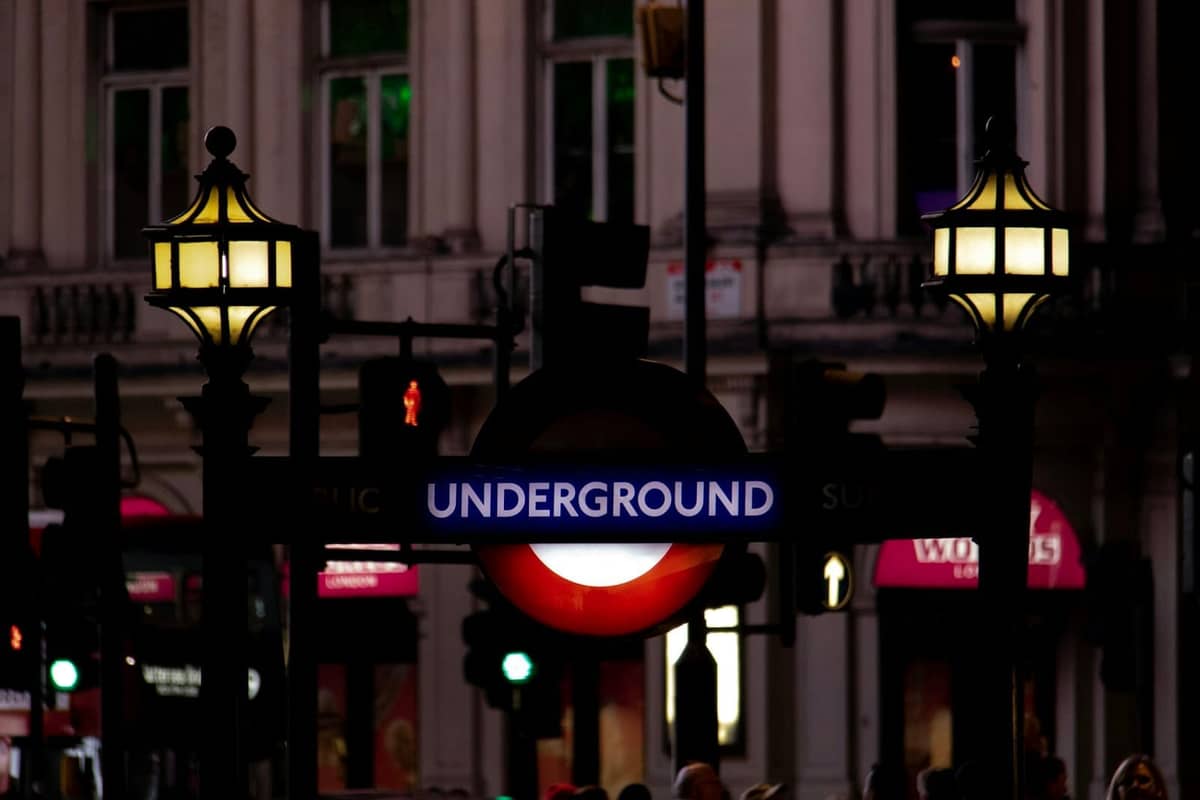
All public transport within Greater London falls under Transport for London (TfL), a single authority that coordinates the Underground, buses, Overground, the Elizabeth line, the DLR, trams, and river services. This unified system means one payment method works across all modes, which is a genuine advantage over most other major cities.
The network is divided into nine fare zones, with Zone 1 covering central London (Westminster, the City, Soho, South Bank) and Zone 9 reaching the outer suburbs. Most tourist destinations sit in Zones 1 and 2. The further out you travel, the higher the fare, though daily caps prevent runaway costs no matter how much you travel in a day.
- London Underground (the Tube) 11 lines, world's oldest underground railway (opened 1863), fastest option for most central journeys. Runs roughly 05:00–midnight, with Night Tube on selected lines on Friday and Saturday nights.
- London Overground Orbital and radial surface rail lines, especially useful for east and south London neighborhoods not well served by the Tube.
- Elizabeth Line High-frequency east-west railway connecting Heathrow and Reading in the west to Shenfield and Abbey Wood in the east. Stops include Paddington, Bond Street, Tottenham Court Road, Farringdon, Liverpool Street.
- DLR (Docklands Light Railway) Automated light rail serving Canary Wharf, London City Airport, Greenwich, and the wider Docklands area.
- London Buses Over 700 routes covering every corner of Greater London. Many routes run 24 hours. Flat fare of £1.75 per journey, with the Hopper fare giving free onward bus/tram connections within 60 minutes.
- Tramlink Tram network in south London linking Croydon, Wimbledon, Beckenham, and New Addington.
- River Buses Uber Boat by Thames Clippers runs commuter and leisure services along the Thames, with stops between Putney and Woolwich Arsenal.
Paying for Travel: Oyster, Contactless, and What to Avoid
Cash has not been accepted on London buses since 2014 and is rarely a practical option on TfL services. You have two sensible choices: a contactless debit or credit card (or your phone via Apple Pay or Google Pay), or an Oyster card loaded with pay-as-you-go credit or a travel pass.
Contactless is the cleaner option for most visitors. TfL links all taps from the same card across a day, applying the daily fare cap automatically. The Zone 1-2 daily cap is £8.90; Zone 1-3 is £10.50; Zone 1-6 (which includes Heathrow) is £16.30 (adult pay-as-you-go fares from March 2026). Weekly caps also apply if you use the same card for seven consecutive days, which can produce significant savings over individual fares.
⚠️ What to skip
Always touch in AND touch out at Tube, DLR, Overground, and Elizabeth line barriers. Failing to touch out triggers a maximum fare charge that is not automatically corrected. On buses and trams, you only touch in when boarding — there is no touch-out, and attempting one does not change your fare.
Oyster cards are available from Tube station ticket machines and some shops. They require a £7 fee, which is refundable in certain circumstances when you return the card. They are most useful if you plan to buy a 7-day Travelcard or if you want the Young Visitor Discount for children aged 11-15 (50% off pay-as-you-go fares, valid up to 14 days, applied at a ticket office with the child present). Children under 11 travel free on the Tube, DLR, and Overground when accompanied by a fare-paying adult — no Oyster required for them.
💡 Local tip
Use the TfL Go app or the Journey Planner on tfl.gov.uk to plan routes with live disruption data. The app also shows real-time departures and service status across all modes.
The Tube: How to Use It Efficiently
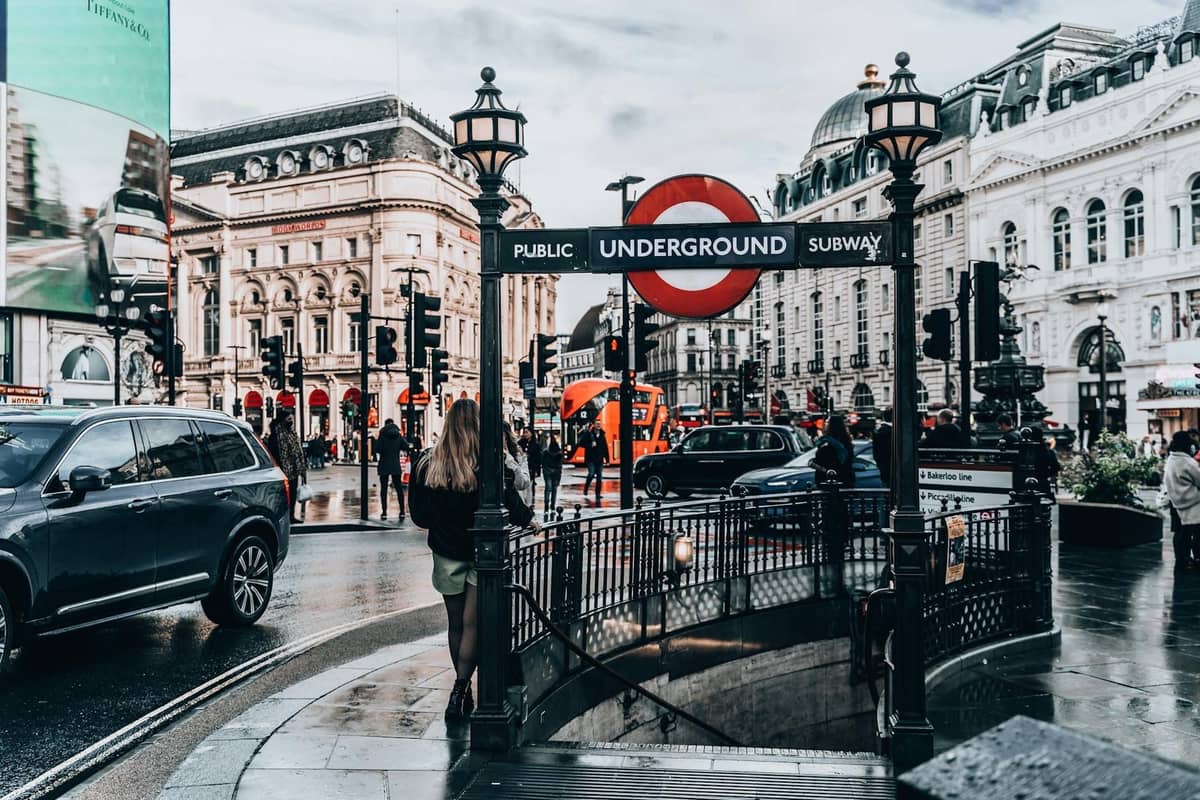
The London Underground is the default choice for getting across the city quickly. A Zone 1 single using contactless costs £3.00 off-peak (adult pay-as-you-go from March 2026). The Tube covers most major tourist areas, though some neighbourhoods like Brixton and parts of south London are better served by National Rail or the Overground.
Peak hours (07:00-09:00 and 17:00-19:00 on weekdays) are uncomfortable on core central lines like the Central, Jubilee, and Northern lines. If your plans allow, shifting your sightseeing start to 09:30 makes a real difference. The Tube is also significantly quieter on weekends, when it runs on a reduced but still frequent schedule. For a sense of which areas the Tube serves well, check theLondon for first-timers guide which maps key attractions to their nearest stations.
- Stand on the right on escalators — standing on the left blocks those walking up or down, and Londoners will let you know about it.
- Let passengers exit the train before boarding. The painted lines on platforms show where doors will open.
- Signal buses to stop by raising your arm clearly. Press the red 'STOP' button on board before your stop.
- The Night Tube runs on the Central, Jubilee, Victoria, Piccadilly, and parts of the Northern line on most Friday and Saturday nights, roughly every 10-20 minutes when operating.
- Fold down buggies on escalators and in lifts where required — many stations have step-free access but not all.
Buses: Underrated and Often the Better Choice
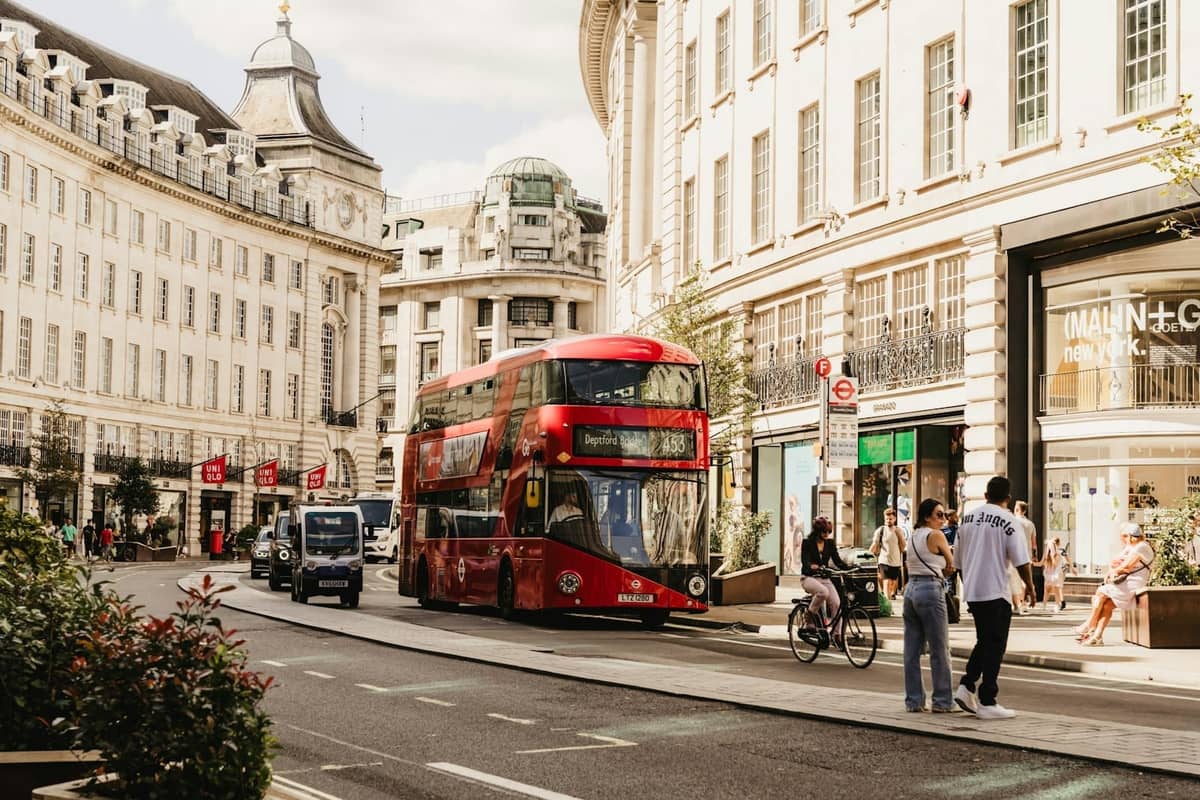
London's bus network is one of the largest and most frequent in Europe, and many visitors underuse it. The flat fare of £1.75 per journey (frozen until July 2026) is significantly cheaper than the Tube for short trips, and the Hopper fare means any onward bus or tram journey within 60 minutes of your first tap is free. If you're making two bus journeys in sequence, you're effectively paying £1.75 for both.
Buses also take you above ground through the city, which matters when you're passing landmarks. Route 11 takes you past St Paul's Cathedral, along Fleet Street, and through the West End. Until 2019, a short-lived heritage variant of Route 15 used classic Routemaster buses between Trafalgar Square and Tower Hill, but this service has now been withdrawn. These aren't tourist gimmicks — they're functional routes that also happen to be scenic.
✨ Pro tip
The upper deck of a double-decker bus, front seats, gives you an unobstructed view of the city for the price of a standard fare. For routes through Westminster, the Strand, or along the Embankment, this beats any paid sightseeing bus on value. Speaking of which — check whether a hop-on hop-off bus is actually worth it for your trip in our guide to the London hop-on hop-off bus.
Night buses (prefixed 'N') run throughout the night when the Tube is closed. Most radiate from central London hubs like Trafalgar Square, Oxford Circus, and London Bridge. If you're planning a late night out, familiarise yourself with the night bus network before you go. See our London nightlife guide for practical late-night transport advice by area.
Getting to Central London from Each Airport
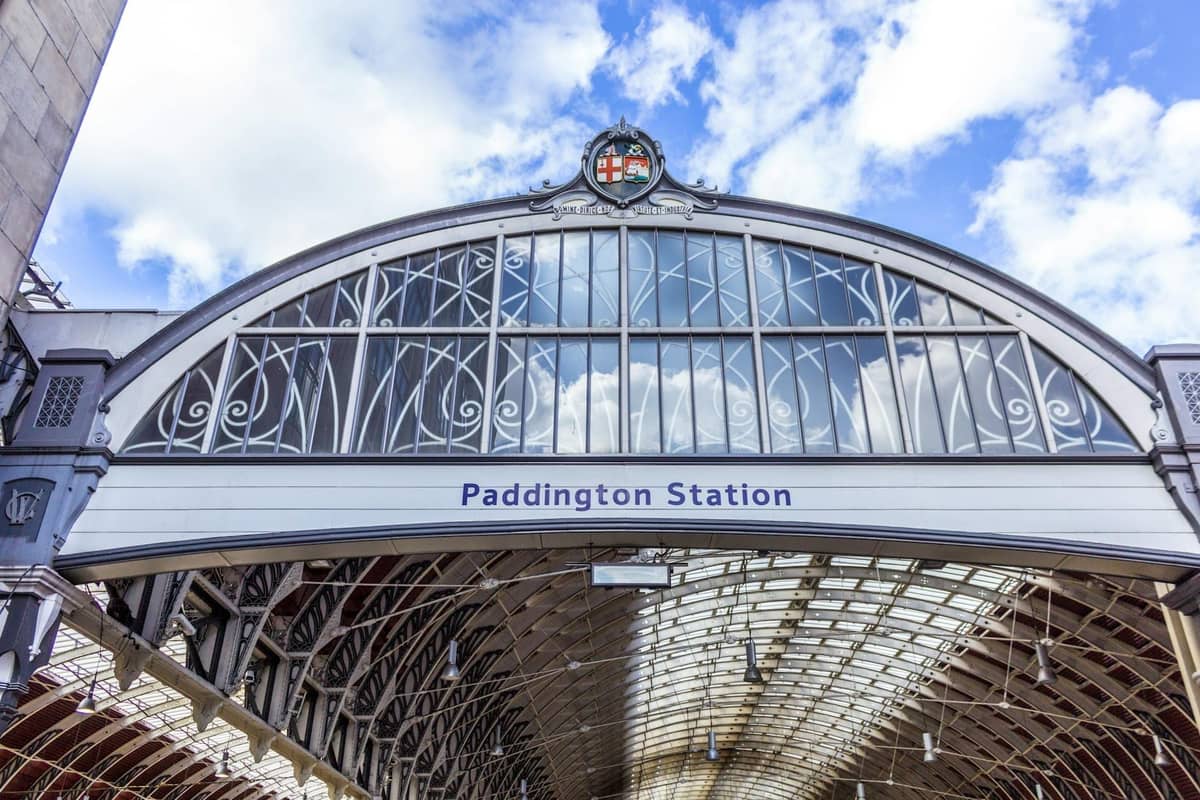
London is served by six airports: Heathrow (LHR), Gatwick (LGW), Stansted (STN), Luton (LTN), London City (LCY), and Southend (SEN). Each has a distinct transport link to the city. Here is what actually makes sense for each.
- Heathrow (LHR) — 23 km west The Elizabeth line is the best everyday option: direct to Paddington, Bond Street, and Liverpool Street in 30-40 minutes; approximately £12-14 pay-as-you-go. The Piccadilly line is slower (around 50-60 minutes to central) but cheaper at roughly £3-6 depending on time of day. The Heathrow Express reaches Paddington in 15 minutes non-stop but costs around £16.50-£25+ and doesn't continue beyond Paddington. Black cabs from Heathrow run approximately £50-100 to central London depending on traffic.
- Gatwick (LGW) — 45 km south The Gatwick Express runs non-stop to Victoria in around 30 minutes; single fares from approximately £17-20 booked in advance. Thameslink and Southern trains are slower but often cheaper (from around £10-15), reaching London Bridge, Blackfriars, and St Pancras International as well as Victoria.
- Stansted (STN) — 67 km northeast The Stansted Express reaches Liverpool Street in 45-50 minutes; advance fares from around £9.90, rising significantly for last-minute purchases. Coach services (National Express, FlixBus) are considerably cheaper but take 75-120 minutes depending on traffic.
- Luton (LTN) — 55 km north A dedicated shuttle bus connects the airport to Luton Airport Parkway station (about 10 minutes); fast trains then reach St Pancras International in around 30-40 minutes. Allow at least 50-60 minutes total including the shuttle connection.
- London City (LCY) — 10-14 km east The DLR takes you directly to Bank/Monument in about 20-25 minutes using standard Oyster/contactless fares (typically a few pounds). This is the only airport with a direct, integrated TfL rail connection at standard fares — no premium surcharge.
- Southend (SEN) — 58 km east Greater Anglia trains serve London Liverpool Street in around 55-60 minutes. Used mainly by passengers flying with low-cost carriers.
ℹ️ Good to know
All airport transfer fares listed here are approximate and subject to change. Always verify current prices at tfl.gov.uk, nationalrail.co.uk, or the relevant airport website before travel. For a full breakdown of each airport's options and practical tips, see our London airport guide.
Taxis, Ride-Hailing, Cycling, and the River
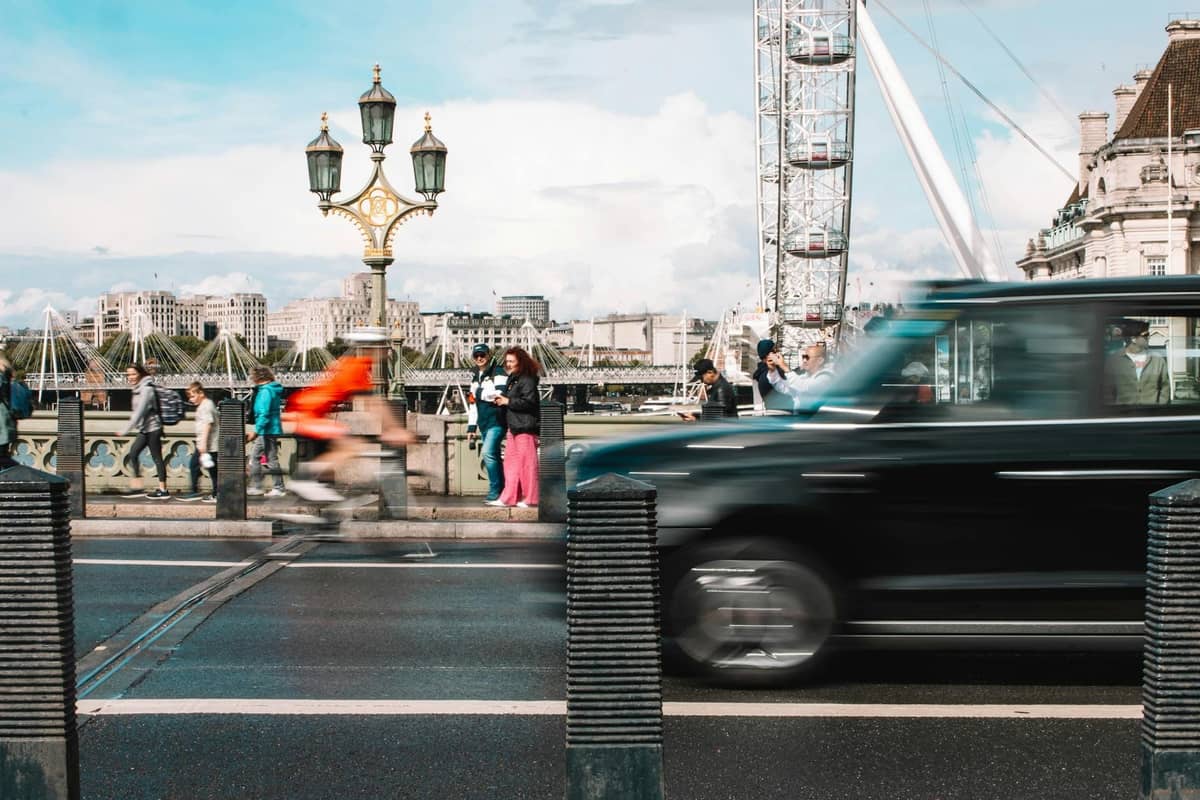
Black cabs (licensed London taxis) are metered and regulated. They can be hailed on the street when the yellow 'TAXI' light is on, or booked via the Free Now app. They are allowed to use bus lanes, which helps in traffic, and drivers hold the Knowledge, meaning they know London's streets in exceptional detail. They are not cheap: a typical central London journey of 2-3 km can cost £8-12, and airport runs are significantly more. Credit cards must be accepted by law.
Ride-hailing apps operating in London include Uber (licensed as a private hire operator by TfL), Bolt, and Free Now (which books both black cabs and private hire vehicles). Private hire vehicles in London must be pre-booked; they cannot be hailed on the street. Surge pricing applies during peak hours and late nights on Uber and Bolt.
Santander Cycles (colloquially 'Boris Bikes') are available at docking stations across central and inner London. The access fee is £1.65 for 24 hours; rides of up to 30 minutes are then included, after which charges accrue per additional 30-minute block. They work well for short hops between adjacent neighborhoods. The River Thames guide covers Uber Boat by Thames Clippers in more depth, which runs between Putney and Woolwich Arsenal with fares starting around £5-6 for shorter hops using contactless. River services are slower than the Tube but far more pleasant on a clear day.
Practical Tips: Etiquette, Timing, and Common Mistakes
A few behavioural conventions on London transport are worth knowing in advance. Stand on the right of escalators so people can walk up or down on the left. Queue properly for buses — jumping a queue is frowned upon. Keep noise levels down on the Tube; it's quieter than many cities' metro systems by cultural default. Eating on the Tube is technically permitted but messy food is not appreciated during peak hours.
Weekend and school holiday travel patterns differ significantly from weekday commuter patterns. Central London gets extremely crowded around popular attractions on weekends between June and September. Timing your London visit well can make navigating the city noticeably easier. If you're planning a multi-day itinerary, grouping attractions by geographic area minimises unnecessary cross-city Tube journeys. The 3-day London itinerary is structured with transport efficiency in mind.
- Don't buy a paper Travelcard unless you're making many journeys across multiple zones in a day — contactless daily caps deliver the same protection automatically.
- Avoid the Heathrow Express unless someone else is paying: the Elizabeth line covers the same route for a fraction of the price with only 20-25 minutes added.
- Don't assume the Tube is always faster than the bus for short central London distances: walking from, say, Covent Garden to Somerset House (10 minutes on foot) beats routing via Temple or Charing Cross.
- If your contactless card is from an overseas bank, check whether foreign transaction fees apply on each tap — some travelers prefer to load an Oyster card to avoid cumulative charges.
- Plan for disruptions: planned engineering works close parts of the Tube on weekends throughout the year. Check tfl.gov.uk the evening before for the following day's service status.
FAQ
What is the cheapest way to get from Heathrow to central London?
The Piccadilly line is the cheapest option at roughly £3-6 pay-as-you-go depending on time of day, taking around 50-60 minutes to central stations. The Elizabeth line is faster (30-40 minutes) at approximately £12-14 and represents better value for most travellers given the time saving. The Heathrow Express is the quickest at 15 minutes but costs significantly more and only serves Paddington.
Can I use my contactless bank card on all London transport?
Yes. Contactless debit or credit cards, Apple Pay, and Google Pay are accepted on the Tube, Elizabeth line, DLR, London Overground, buses, trams, and most river bus services. TfL automatically applies daily and weekly fare caps when you use the same card consistently. The main exception is National Rail services beyond TfL's network, which require separate tickets.
Do I need to buy an Oyster card as a visitor?
Not necessarily. If you have a contactless bank card, it works identically to Oyster for pay-as-you-go travel, with the same fare caps. An Oyster card is worth considering if you want the Young Visitor Discount for children aged 11-15, or if your bank charges foreign transaction fees on every contactless tap. Otherwise, your contactless card is simpler — no deposit required and one less thing to manage.
What are the busiest times on the London Underground?
Weekday peak hours are roughly 07:00-09:00 and 17:00-19:00. During these windows, the Central, Jubilee, Northern, and Victoria lines in particular can be extremely crowded. If your schedule is flexible, starting sightseeing at 09:30 or later avoids the worst of the morning rush. Weekends are generally calmer in the mornings but busy in central London from midday onward during the tourist season.
Is it safe to use London public transport at night?
Yes, generally. The Night Tube on Fridays and Saturdays (Central, Jubilee, Victoria, Piccadilly, and parts of the Northern line) is well-used and reasonably safe. Night buses cover routes not served by the Night Tube. Standard travel precautions apply: keep bags secure, stay aware of your surroundings, and stick to well-lit areas around stations. The TfL bus network also runs 24 hours on most major routes.