The River Thames: Best Ways to Experience London's River
The River Thames is the backbone of London, stretching 215 miles through southern England and shaping the city's history, skyline, and daily life. This guide covers sightseeing cruises, the Thames Path, riverside eating and drinking, water sports, and the key landmarks you'll pass along the way, with practical advice on what's worth your time and what to skip.
Plan and book this trip
Tools from our partner Travelpayouts help you compare flights and hotels. If you book through them, we may earn a commission at no extra cost to you.
Flights
Hotels map
TL;DR
- Sightseeing cruises run from Westminster Pier, London Eye Pier, Tower Pier, and Greenwich Pier. The Westminster to Greenwich route takes about 70 minutes one way.
- The Thames Path is a National Trail of around 184 miles. The central London stretch, between Putney and Greenwich, is one of the best walking routes in London.
- Uber Boat by Thames Clippers is the practical, affordable alternative to tourist cruises. It uses the same piers and costs a fraction of the price.
- The Thames is tidal in central London up to Teddington Lock. Conditions, mud levels, and the foreshore vary significantly with the tides.
- For a full picture of what surrounds the river, pair this guide with our overview of things to do in London.
Understanding the Thames: What Kind of River Is This?
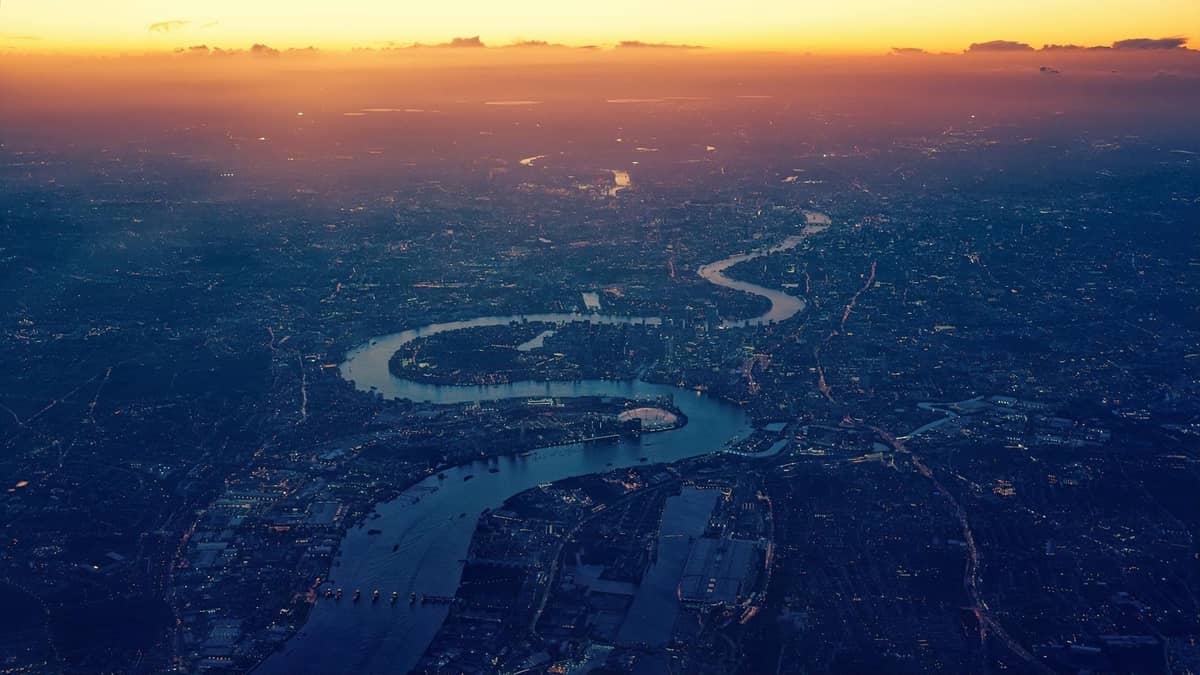
The River Thames runs for approximately 215 miles (346 km) through southern England, making it the longest river entirely within England, though it is the second-longest river in the UK after the River Severn. London sits on the tidal portion of the river, which extends upstream to Teddington Lock in southwest London. Below Teddington, twice-daily sea tides raise and lower the water level by several metres in central London, exposing stretches of muddy foreshore between high tides. This is worth knowing before you plan anything: boat schedules, beach access, and foreshore walks all depend on the tide.
The city's relationship with the Thames goes back to the Roman settlement of Londinium, founded around AD 43. The Romans chose this spot because it was the lowest point on the river where they could build a bridge. For almost two millennia, the Thames was London's main artery for trade, transport, and military power. Today, 45 locks control flow on the non-tidal upper river, and the lower tidal stretch hosts a mix of commuter ferries, leisure boats, cruise ships, and the occasional rower. The river supports over 25 species of fish, including salmon, which have returned after decades of industrial pollution.
ℹ️ Good to know
A common error: the Thames is not 'the longest river in the UK'. That title belongs to the River Severn. The Thames is the longest river entirely in England.
Sightseeing Cruises: What to Book and What to Expect
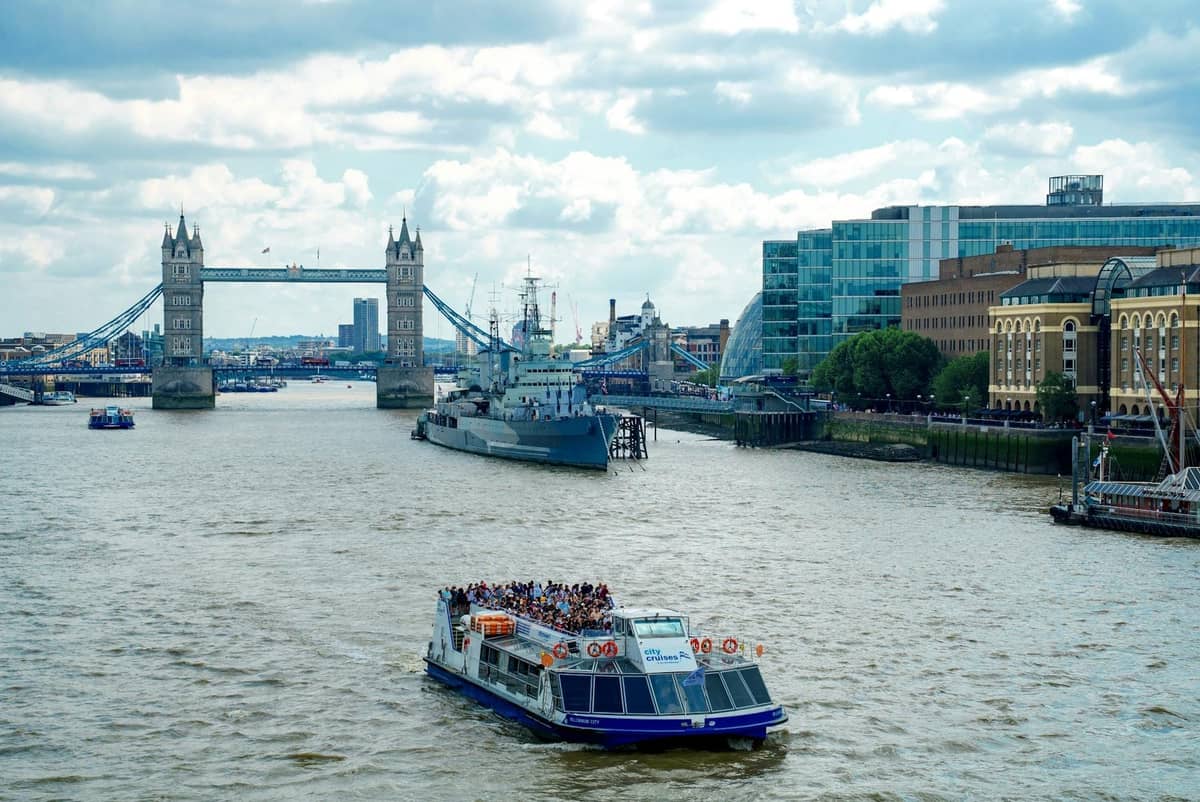
Thames sightseeing cruises operate from four main piers: Westminster Pier, London Eye Pier, Tower Pier, and Greenwich Pier. The dominant operator for tourist cruises is City Experiences (formerly City Cruises), which runs hop-on, hop-off services between these piers with audio commentary in multiple languages. Journey times are worth knowing before you book: Westminster or London Eye to Tower is around 30–40 minutes each way; Westminster or London Eye to Greenwich is around 60–70 minutes each way; and Tower to Greenwich is the shortest leg at about 25–35 minutes, depending on the exact service and river conditions. Prices vary by route and season, so check the City Experiences website directly for current fares.
The Greenwich run is the best value for first-timers. You pass under Tower Bridge, through the financial towers of Canary Wharf, past the Cutty Sark, and arrive at a UNESCO World Heritage Site in Greenwich. If you only do one cruise, make it this one.
- City Experiences (City Cruises) Hop-on, hop-off tourist cruises between Westminster, London Eye, Tower, and Greenwich piers. Audio commentary included. Best for first-timers who want flexibility.
- Thames River Services An independent operator running between Westminster Pier and Greenwich, stopping at Tower Pier. Slightly smaller boats and a more local feel.
- Uber Boat by Thames Clippers A commuter and leisure river bus service with integrated TfL ticketing. No commentary, but fast, affordable, and used by Londoners. Oyster and contactless accepted.
- Evening dinner cruises Several operators run dining cruises, typically 2-3 hours on the water with food and sometimes live music. Prices range from around £50 to well over £100 per person. Better for a special occasion than sightseeing.
✨ Pro tip
If your main goal is getting between riverside points cheaply, Uber Boat by Thames Clippers is the smarter choice. It costs a fraction of sightseeing cruise prices, runs frequently throughout the day, and stops at many of the same piers. You won't get commentary, but you'll sit on the same river with the same views.
Walking the Thames Path: The Riverside Route Most Visitors Overlook
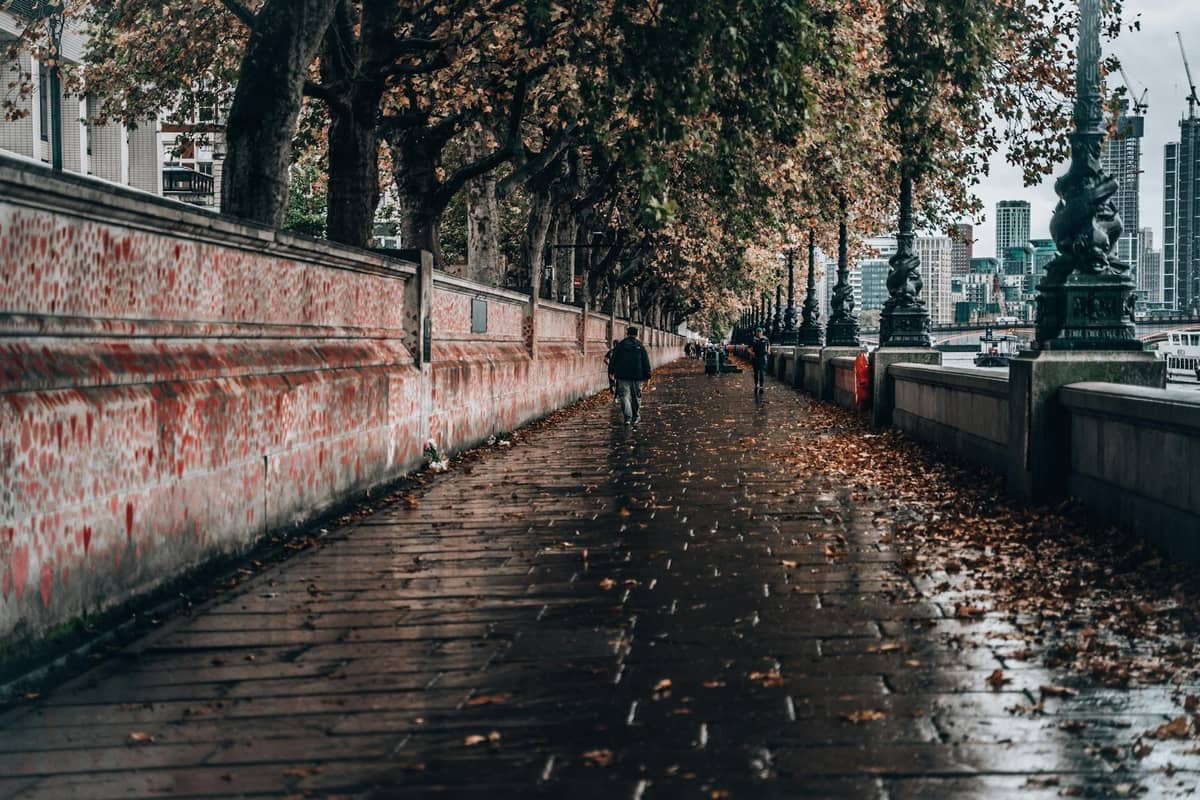
The Thames Path is a National Trail stretching around 184 miles (296 km) from the river's source in the Cotswolds to the Thames Barrier in east London. It is reportedly the longest riverside walk in Europe. You don't need to tackle the whole thing. The central London sections, particularly between Putney Bridge and Greenwich, are consistently walkable, well-signed, and free.
The stretch between Westminster Bridge and Tower Bridge, passing the South Bank, is probably the most atmospheric riverside walk in the city. You pass the Southbank Centre, Tate Modern, Shakespeare's Globe, and Borough Market within about 2 miles. At low tide, you can sometimes access the foreshore here for a closer look at the exposed riverbed, though swimming is not advisable and foreshore access should always be checked against tide tables.
Heading east from Tower Bridge toward Greenwich adds another few miles of path through Bermondsey and Rotherhithe, passing wharves converted into flats, old dock entrances, and industrial heritage that most guidebooks ignore. The north bank walk from Blackfriars to St Paul's is shorter but rewards with views back across to the South Bank, and the approach to St Paul's Cathedral through the lanes behind the Embankment is significantly better than arriving by Tube.
💡 Local tip
Time your walk to arrive at the foreshore around low tide if you want to spot old bottles, clay pipes, and occasionally older artefacts in the mud. The hobby is called mudlarking. You need a permit from the Port of London Authority to search or keep items, but even observing the exposed foreshore is interesting.
Key Landmarks Along the River
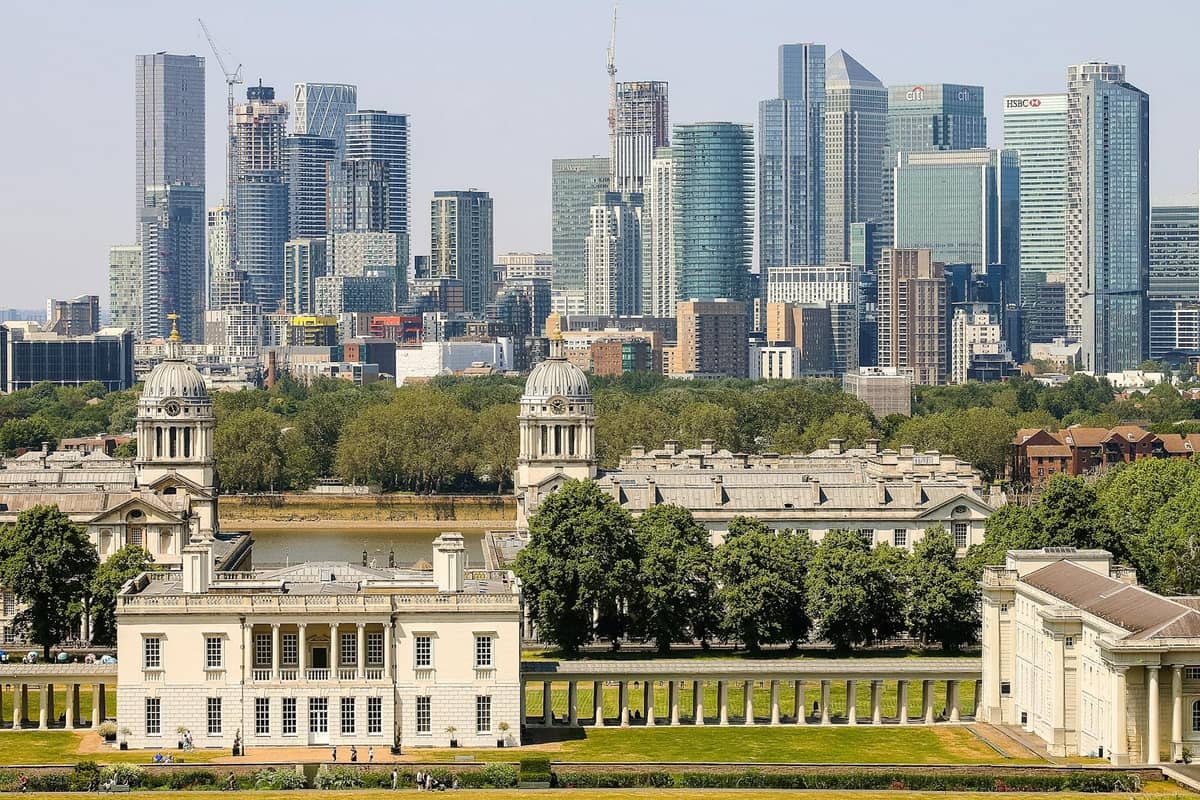
The Thames organises London's most important sights into a logical corridor. A single journey from Putney to Greenwich covers royal history, medieval castles, financial skyscrapers, and maritime heritage. These are the landmarks worth pausing at rather than just photographing from the boat.
- Houses of Parliament and Big Ben (Westminster) The Gothic Revival palace and its famous clock tower sit directly on the north bank. Best viewed from Lambeth Bridge or across the river from the South Bank at dusk.
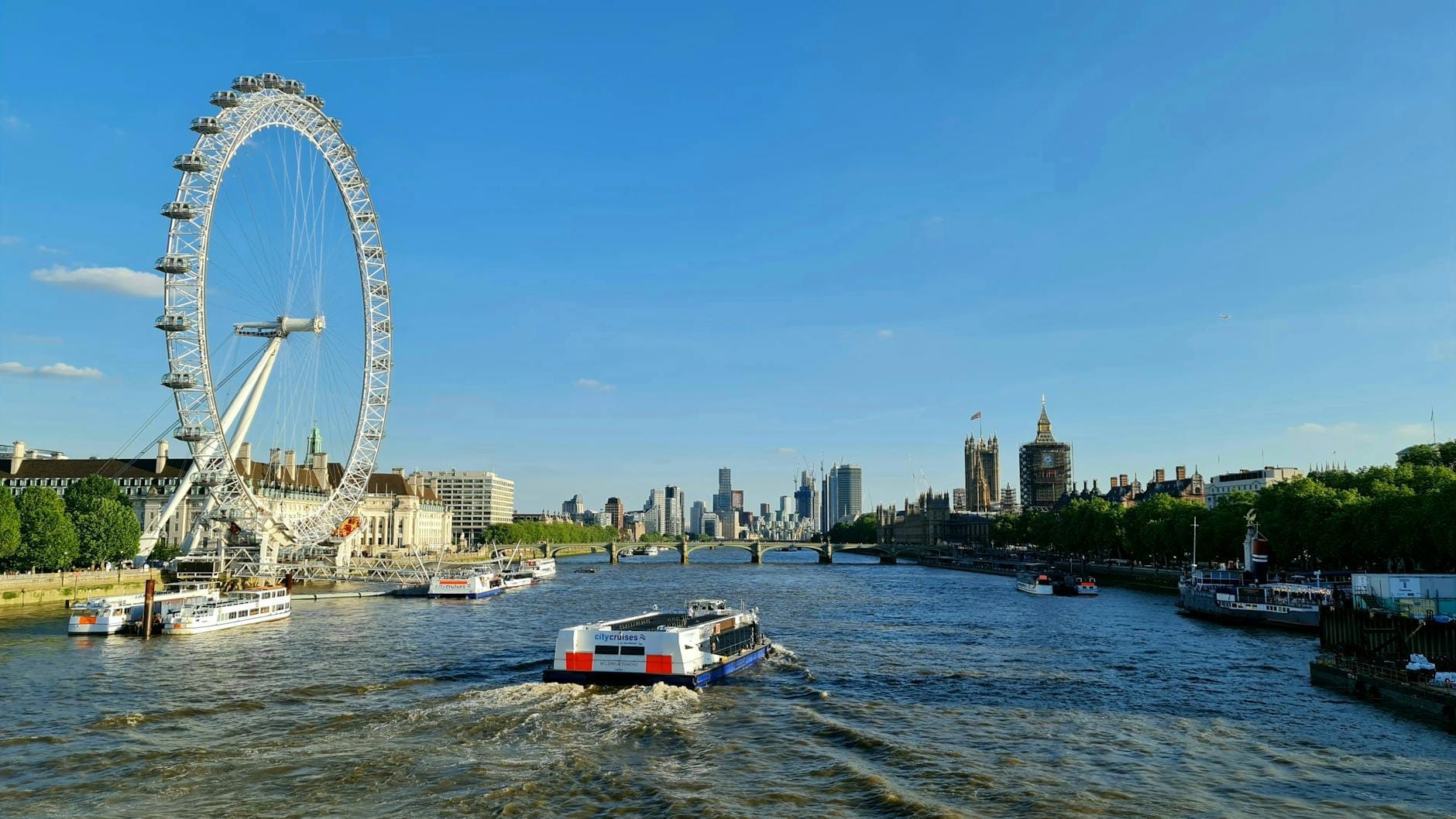
- London Eye (South Bank) The 135-metre observation wheel gives river views in all directions. It's visible from almost everywhere along the central Thames. Book tickets online in advance to avoid queues.
- St Paul's Cathedral (City of London) Christopher Wren's baroque dome dominates the north bank skyline from the Millennium Bridge. The view from the Tate Modern side, across the river, is one of the best free views in London.
- Tower of London and Tower Bridge The medieval fortress and the Victorian bascule bridge are adjacent on the north bank. Tower Bridge is frequently confused with London Bridge, which is the plain road bridge upstream. Tower Bridge is the famous one with the opening bascules.
- The Shard (London Bridge) At 310 metres, the Shard is the tallest building in the UK and is visible from much of the river. The public viewing platform on floors 68-72 offers sweeping views of the Thames.
- Old Royal Naval College and Cutty Sark (Greenwich) Christopher Wren's riverside masterpiece frames the Thames at Greenwich. The Cutty Sark, a restored 19th-century tea clipper, sits in dry dock just inland. Together with the Royal Observatory, this area has UNESCO World Heritage status.
Riverside Eating, Drinking, and Other Practical Pleasures
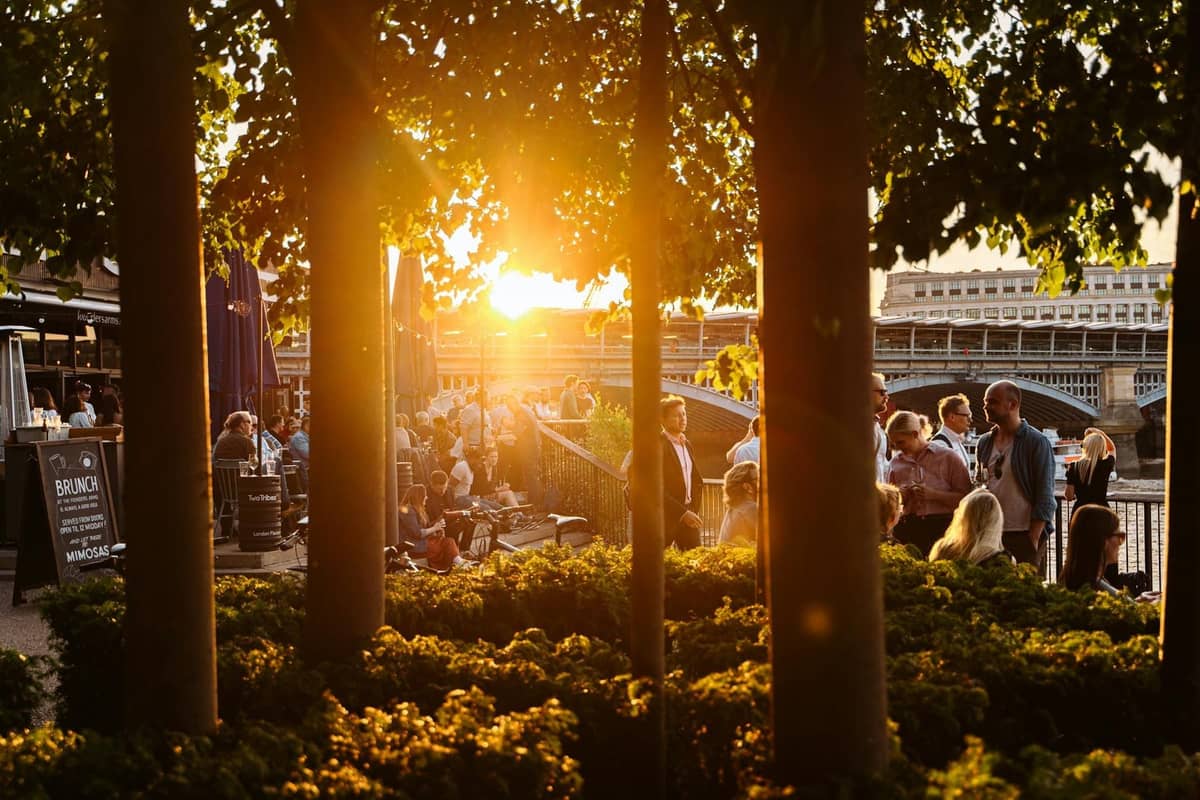
The South Bank between Waterloo and London Bridge has the densest concentration of riverside restaurants and bars in central London. Wahaca, Skylon, Oxo Tower, and dozens of smaller places cluster along this stretch. Quality varies sharply. The closer you get to the main tourist flow around the London Eye, the more likely you are to pay over the odds for mediocre food. Walk five minutes further east toward Bermondsey and standards improve significantly.
On the north bank, the Embankment between Hungerford Bridge and Blackfriars has several riverside pubs worth knowing. The Doggett's Coat and Badge near Blackfriars Bridge offers a rooftop terrace with river views that most tourists walk straight past. In Hammersmith, further west, the stretch of pubs along the riverside from the Dove to the Blue Anchor is one of the most pleasant places in London to drink on a warm afternoon, well away from the crowds.
For a longer evening, the South Bank area is also the starting point for London's best-known nightlife corridors. Bermondsey Street, just south of London Bridge, has a cluster of independent restaurants and bars that draw locals rather than tourists.
Water Sports, Kayaking, and More Active Options
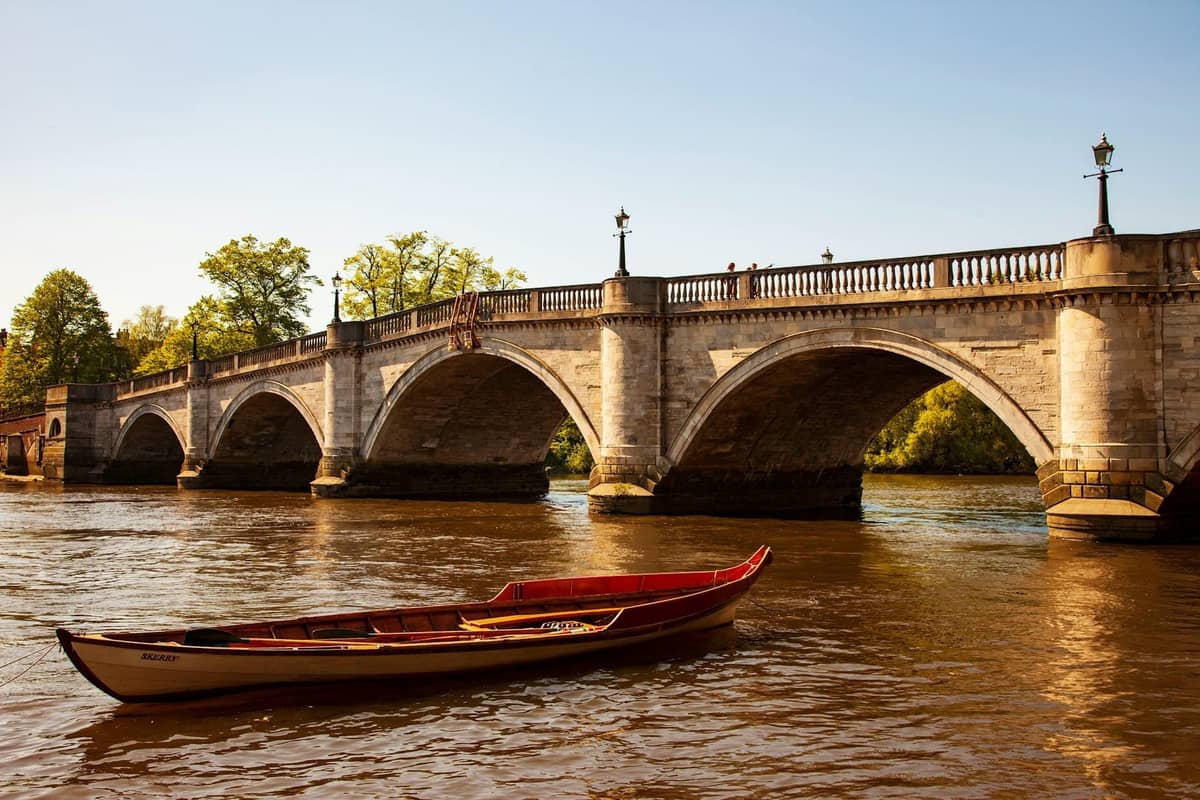
The Thames in central London is not somewhere you swim. The tidal lower river has strong currents, heavy boat traffic, and cold water year-round. Swimming is officially discouraged and dangerous without specialist experience. However, several legitimate water sports are possible on the river and its adjacent docks.
Paddleboarding and kayaking are offered by operators at several points along the river, typically on less trafficked sections or in adjacent dock basins such as those at Canary Wharf or Surrey Docks. The Royal Docks in east London have a dedicated water sports centre. Rowing clubs operate extensively on the upper tidal river between Putney and Hammersmith, where the Oxford-Cambridge Boat Race takes place each spring. If rowing is your interest, the Tideway is the place, though participation requires club membership.
⚠️ What to skip
Do not attempt to swim in the Thames between Teddington Lock and the Estuary. The tidal section has unpredictable currents, a significant undertow near the banks, and water temperature that remains low even in summer. The River Thames Society and Port of London Authority both explicitly advise against it.
Seasonal Rhythms: When the River Is at Its Best
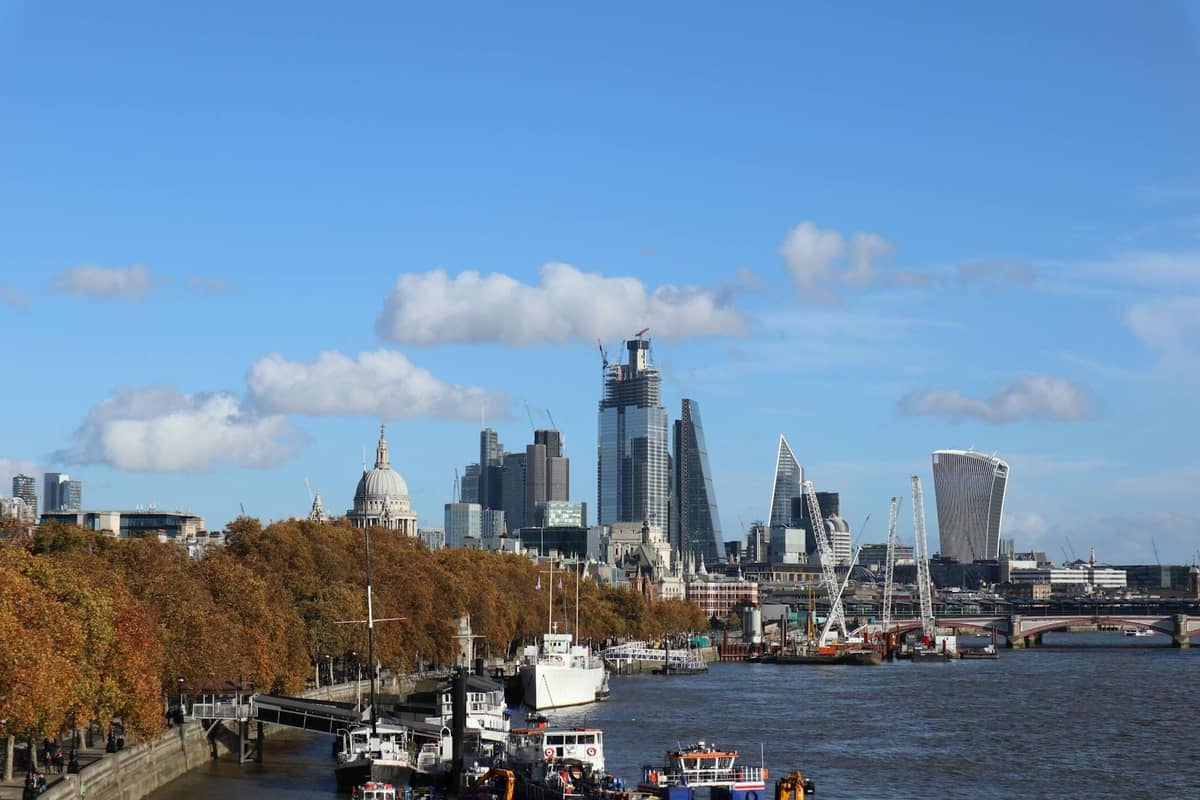
The Thames looks different at every season, and the crowds follow a predictable pattern. For the best blend of weather and manageable numbers, late spring (May to early June) and early autumn (September) are the most rewarding times. Summer school holidays, roughly late July through August, bring the largest crowds to riverside piers and the South Bank. For guidance on timing your whole trip, our best time to visit London guide has a full seasonal breakdown.
In summer, the South Bank hosts regular outdoor events, film screenings, and markets along the riverside. The Totally Thames festival, held each September, includes river events, art installations, and guided walks specifically themed around the river. The Oxford-Cambridge Boat Race takes place on the Tideway in late March or April each year, drawing crowds to the riverbanks between Putney and Chiswick Bridge. In winter, the riverside is quieter, river levels are often higher due to autumn rainfall, and the low December light across the water can be striking.
FAQ
What is the best Thames cruise for first-time visitors?
The Westminster to Greenwich route is the strongest choice. It typically takes around 60–70 minutes, passes the most significant landmarks (Tower Bridge, Canary Wharf, the Cutty Sark), and deposits you at one of London's most interesting historical areas. Book with City Experiences or Thames River Services. If budget is a concern, Uber Boat by Thames Clippers runs the same route without commentary at significantly lower fares.
How long is the Thames Path walk through London?
The full Thames Path National Trail is around 184 miles from the source to the Thames Barrier. The central London section from Putney to Greenwich is roughly 12-14 miles and can comfortably be split across two days. The South Bank stretch from Westminster to Tower Bridge is about 2 miles and walkable in under an hour, making it a practical afternoon option.
Can you swim in the River Thames in London?
No. Swimming in the tidal Thames, which covers all of central London from Teddington Lock to the Estuary, is unsafe due to strong currents, boat traffic, and cold water temperatures. Swimming events in the Thames do occasionally take place under controlled conditions further upstream, but the central London stretch is not suitable for recreational swimming.
Is the River Thames tidal?
Yes, in central London it is. The tidal section of the Thames runs from the Estuary inland to Teddington Lock in southwest London. Sea tides raise and lower the water level by several metres in central London twice daily, exposing the muddy foreshore at low tide. This affects when you can access the riverbank at beach level and influences boat schedules.
What are the main piers for Thames boat services?
For sightseeing cruises, the four main piers are Westminster Pier, London Eye Pier (also called Waterloo Pier), Tower Pier, and Greenwich Pier. Uber Boat by Thames Clippers serves additional stops including Bankside, Blackfriars, and Canary Wharf. Most piers are clearly signed and accessible from nearby Tube or rail stations.