London Nightlife Guide: Best Bars, Clubs & Areas (2026)
London's nightlife spans everything from underground warehouse raves in Greenwich to velvet-rope cocktail bars in Mayfair. This guide breaks down the best areas, top clubs, practical costs, and the timing tricks that separate a great night from an expensive disappointment.
Plan and book this trip
Tools from our partner Travelpayouts help you compare flights and hotels. If you book through them, we may earn a commission at no extra cost to you.
Flights
Hotels map
TL;DR
- London's nightlife is 24-hour in some areas: Soho, Shoreditch and Dalston rarely fully switch off on weekends.
- The '11pm closing time' myth is outdated: bars stay open until 1-3am on most nights, and clubs regularly run until 3:30am or beyond on weekends.
- For big-name electronic clubs, Fabric (Farringdon), Ministry of Sound (Elephant & Castle) and The Beams (Royal Docks) are the anchors of the scene. Check our guide to Shoreditch and East London for the warehouse party scene.
- Happy hour typically runs 5-8pm with cocktails under £5 in many spots; arriving before 10pm on weekends can halve or eliminate entry fees.
- Weekday nights (Monday to Wednesday) offer significantly cheaper entry, shorter queues, and better deals across most venues.
How London Nightlife Actually Works
One of the most persistent myths about London nightlife is that the city shuts down at 11pm. That was once broadly true of pubs, which are still regulated under licensing laws and often close around 11pm on weekdays. But bars, cocktail lounges and clubs operate under separate licences, and most serious night-out venues often stay open until 1am on weekdays and 3-3:30am or later on weekends. Some warehouse venues and late-night clubs run until 6am or hold all-day events from Saturday afternoon through Sunday morning.
The rhythm of a London night follows a predictable arc. Pre-drinks and dinner typically run from 6-9pm. Bars fill from around 9pm. Clubs don't hit peak energy until midnight or later on Fridays and Saturdays. If you arrive at a central London club at 10pm expecting a crowd, you'll find mostly staff and a DJ warming up to an empty room. Patience, or at least a nearby bar, is part of the strategy.
💡 Local tip
Happy hour in London typically runs from 5-8pm, with many bars offering 2-for-1 cocktails or drinks priced under £5. In Soho and the West End, arriving before 9-10pm on weekends can also reduce or eliminate entry charges that later reach £15-25 per person.
Costs vary enormously by area. A pint in a Camden pub runs around £5-6. That same pint in a Mayfair bar can reach £9-12. Cocktails in mid-range Shoreditch bars cluster around £10-14. In high-end Chelsea or Mayfair members' clubs, expect £18-25 per drink. Club entry charges depend heavily on the night, the DJ and when you arrive: weeknight entry to mid-tier venues is often free before 11pm, while a Saturday headline DJ night at Fabric or Ministry of Sound can run £15-25 even with advance tickets.
The Best Nightlife Areas in London
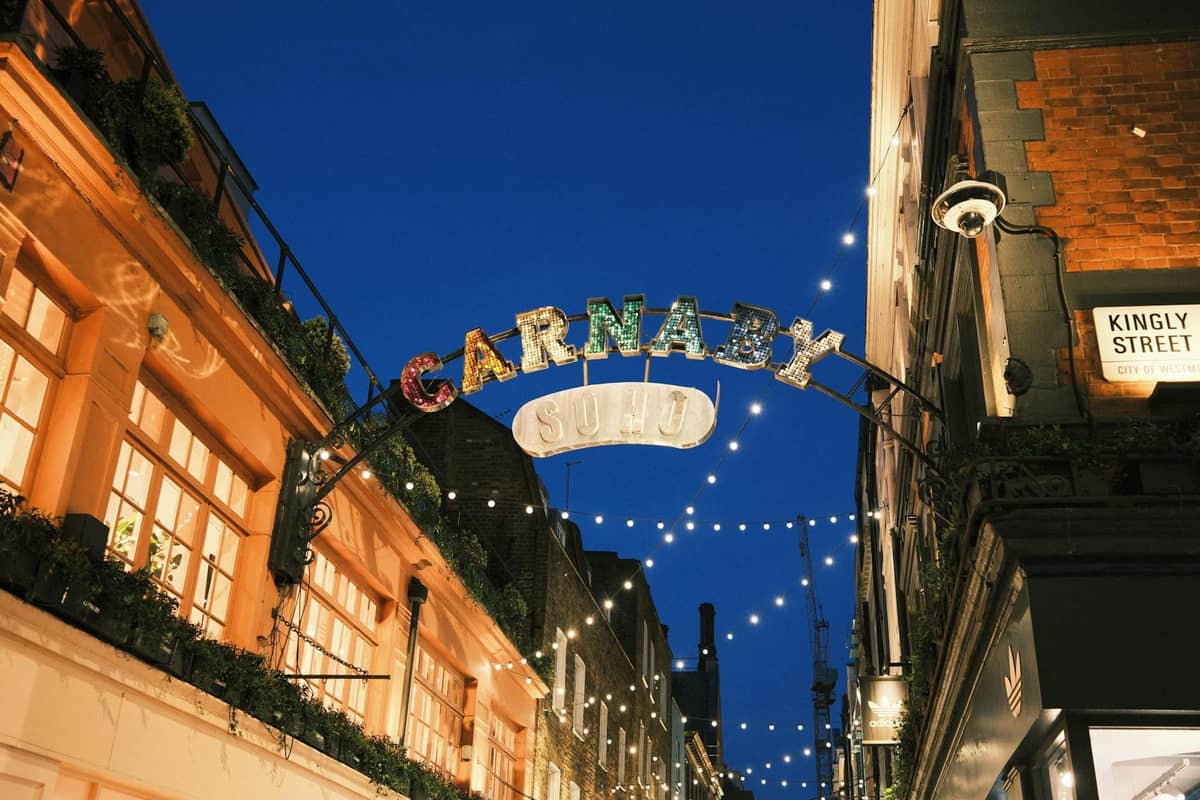
London's nightlife geography is defined by a handful of distinct zones, each with its own character, price point and crowd. The West End is the obvious starting point for first-timers, but it's far from the whole picture.
- Soho The densest concentration of bars, clubs and LGBTQ+ venues in the city. Old Compton Street is the core of London's queer nightlife, and the side streets around Dean Street, Frith Street and Beak Street add layers of jazz bars, members' clubs and late-night restaurants. Contrary to the assumption that it's purely for tourists, Soho remains central to London's LGBTQ+ community and draws a mixed crowd of locals and visitors. It is, however, expensive: budget £12-16 for a cocktail in most venues.
- Shoreditch and Dalston (East London) The heartland of London's underground club and warehouse scene. Shoreditch has gentrified considerably, but Dalston (particularly Kingsland Road and Ridley Road area) still hosts rough-edged clubs and bars that stay open into the early hours. This is the area for credible house, techno and drum and bass nights, alongside an endless stretch of bar-hopping options. Prices are a notch below Soho.
- Camden Camden's nightlife is built around live music rather than DJ culture. The Electric Ballroom, Jazz Cafe, and a cluster of music pubs make this the best area for bands, gigs and alternative crowds. Less suited to club nights or late-night dancing, but excellent for a concert followed by drinks in one of the nearby pubs.
- Brixton South London's most electric nightlife district, anchored by the O2 Academy Brixton for big gigs and surrounded by bars and smaller venues along Coldharbour Lane and Atlantic Road. The area draws a diverse, enthusiastic crowd and has a strong tradition in reggae, soul and drum and bass. Generally less expensive than the West End.
- Mayfair and Chelsea For high-end drinking: exclusive members' clubs, cocktail bars with serious drink lists and a clientele dressed accordingly. Not the place for a spontaneous night out without a reservation or membership, but worth knowing if your budget and dress code are aligned. Entry to some venues requires knowing someone or booking well in advance.
The Best Clubs in London Right Now
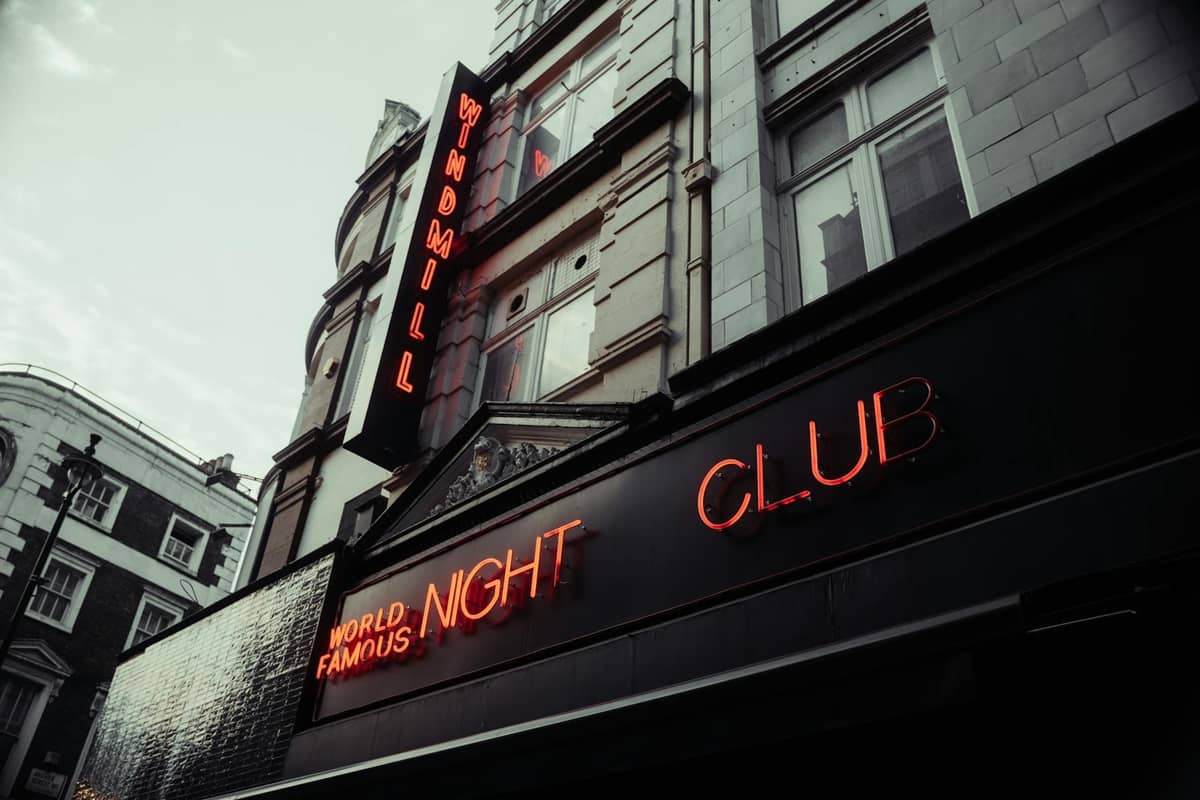
London's club landscape has contracted since its peak in the 2000s, but what remains is world-class. The venues below represent the current anchors of the scene, each with a distinct identity. Always verify event listings and ticket availability directly through the venue website or platforms like Resident Advisor (RA) and Dice before visiting, as lineups and events change weekly.
- Fabric (Farringdon, EC1) 77A Charterhouse Street. The flagship of London's electronic music scene, with two main floors and capacity for over 1,600 people. Fabric is known for booking credible techno, house and drum and bass DJs, with a sound system that sets the standard in the city. Expect queues on weekends even with tickets, and entry typically £15-25 depending on the lineup. The 11pm-8am Saturday format is the classic Fabric experience.
- Ministry of Sound (Elephant & Castle, SE1) 103 Gaunt Street. One of the longest-running superclubs in the world, with a purpose-built sound system and a heritage dating to 1991. Saturdays are the main event, with the Box room running harder techno and the main floor handling house and commercial dance. Entry typically £15-20 in advance. The surrounding area is not the most pleasant at 4am, so plan your exit route in advance.
- Heaven (Charing Cross, WC2) Villiers Street, under the railway arches at Charing Cross. Heaven is a landmark of London's LGBTQ+ club scene with over four decades of history. Popcorn on Mondays is a perennially popular and affordable night. The venue is large, reliably buzzing and centrally located — one of the easier clubs in the city to navigate as a first-timer.
- KOKO (Camden, NW1) 1a Camden High Street. Reopened after an extensive renovation in 2022, KOKO is a spectacular Victorian theatre converted into a live music and club venue across multiple levels. Excellent for mid-size concerts and club nights alike, with strong acoustics and a beautiful interior. Programme varies widely, so check listings carefully.
- The Beams (Royal Docks, E16) Factory Road, a converted Tate & Lyle factory with 20,000 square metres of space. The Beams hosts large-scale electronic events and festivals across multiple warehouse rooms with outdoor space. This is the closest London gets to the large industrial club venues of Berlin or Amsterdam. Not a walk-in venue: check specific events and book in advance.
- Studio 338 (Greenwich, SE10) 338 Boord Street. A large DJ-focused venue with an outdoor terrace, particularly active in summer. Known for marathon weekend sessions, often running from early afternoon Saturday through to Sunday morning. One of the better options for daytime-into-night club events.
⚠️ What to skip
Venue closures and programme changes happen without much notice in London's club scene. Always check the official venue website or RA (Resident Advisor) for current listings before making travel plans around a specific event. Queues even with pre-purchased tickets can run 30-60 minutes on peak nights at Fabric and Ministry of Sound.
Bars Worth Knowing: From Rooftops to Cocktail Dens
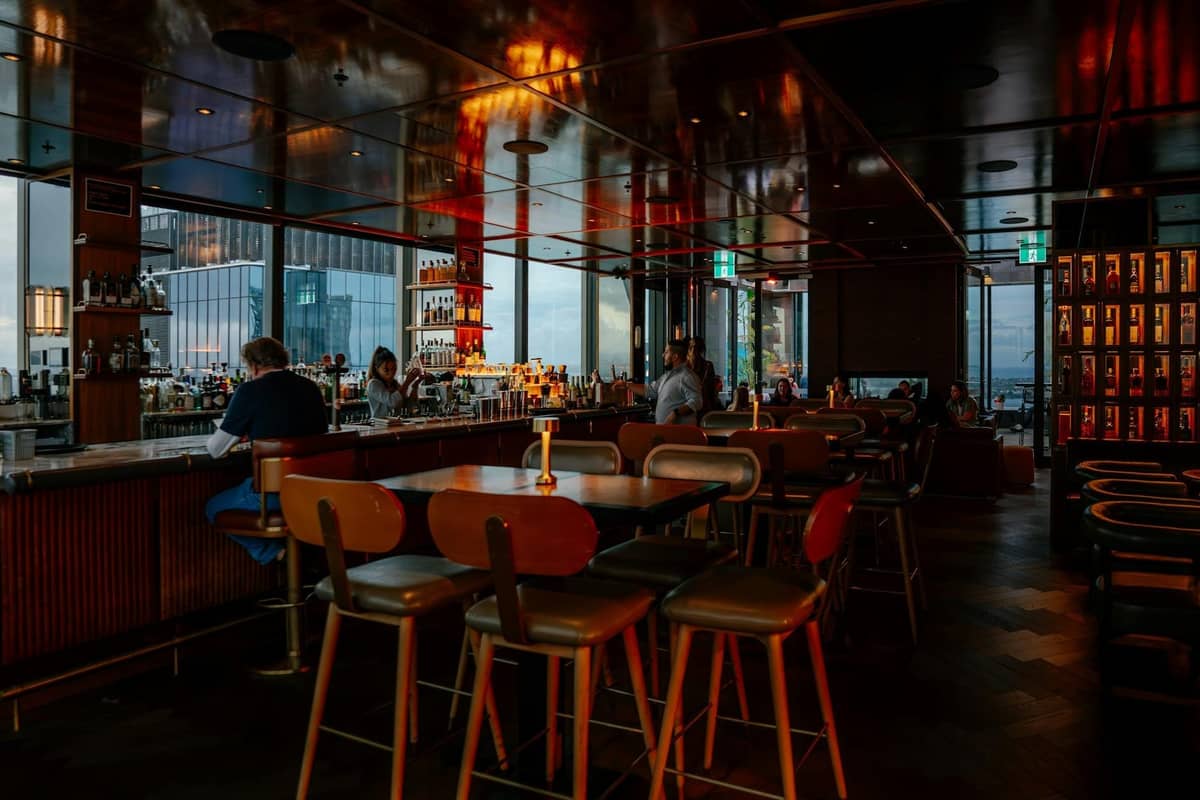
London's bar scene has matured considerably over the past decade. The rise of serious cocktail bars has been particularly notable, with bartenders who treat their craft with the same seriousness as chefs. For a broad overview of eating and drinking across the city, the London food and drink guide covers the restaurant side of things, but bars deserve their own breakdown.
In Soho, the streets between Oxford Street and Shaftesbury Avenue are dense with options at every price point. Beak Street and Dean Street are particularly strong. The Experimental Cocktail Club on Gerrard Street (enter through an unmarked door) represents the more theatrical end of the London cocktail bar spectrum, while countless pubs in the area offer a far cheaper and equally enjoyable evening.
Rooftop bars operate seasonally and tend to be at their best from May through September. Queen of Hoxton in Shoreditch runs rooftop events with changing seasonal themes. Tamesis Dock is a floating bar on the Thames near Lambeth Bridge, offering Thames views without the tourist pricing of South Bank venues. Sky Garden at 20 Fenchurch Street offers one of the best free views in the city, though the bar inside is not cheap and booking is required.
For the South Bank specifically, the bar scene along the Thames is good for atmosphere but generally overpriced relative to quality. The South Bank works better as an early-evening drinks location than a late-night destination. The Tate Modern's Blavatnik Building bar on level 9 is an exception: good drinks, excellent views and a crowd that's less obviously tourist-focused.
Practical Timing, Transport and Safety
Getting home is the logistics problem nobody plans for until 3am. The London Underground stops running around midnight on most lines (slightly later on Fridays and Saturdays on some lines, and the Night Tube currently operates on Fridays and Saturdays on the Central, Jubilee, Northern, Piccadilly and Victoria lines). Night buses cover the whole city but are slower. Uber, Bolt and Free Now (which also books black cabs) are the reliable options for getting home after the Tube stops.
The Night Tube is useful for nightlife: it runs roughly every 10 minutes on Friday and Saturday nights on the five lines mentioned above. If you're in Shoreditch (within walking distance of Central line stations at Liverpool Street and Bethnal Green), Camden (Northern line), or Brixton (Victoria line), planning your night around Night Tube stops makes the journey home straightforward. For more on navigating the city, theguide to getting around London covers all transport options in detail.
✨ Pro tip
Book club tickets in advance via Dice or Resident Advisor rather than paying on the door. Advance tickets are typically £3-8 cheaper, and for headline nights at Fabric or Ministry of Sound they often sell out entirely. For KOKO, Eventbrite and the venue's own site are the primary ticket channels.
On safety: London is a large city with the Metropolitan Police and TfL working across the nightlife districts. Pickpocketing is the most common issue in crowded bars and clubs, particularly in Soho and around Leicester Square. Keep your phone in a front pocket or bag on your person when out late. The London safety tips guide covers this in more depth. Avoid unlicensed minicabs: always use a licensed black cab (identifiable by the badge) or book through a regulated app like Uber, Bolt or Free Now.
Budget vs. Splurge: Matching Your Night to Your Budget
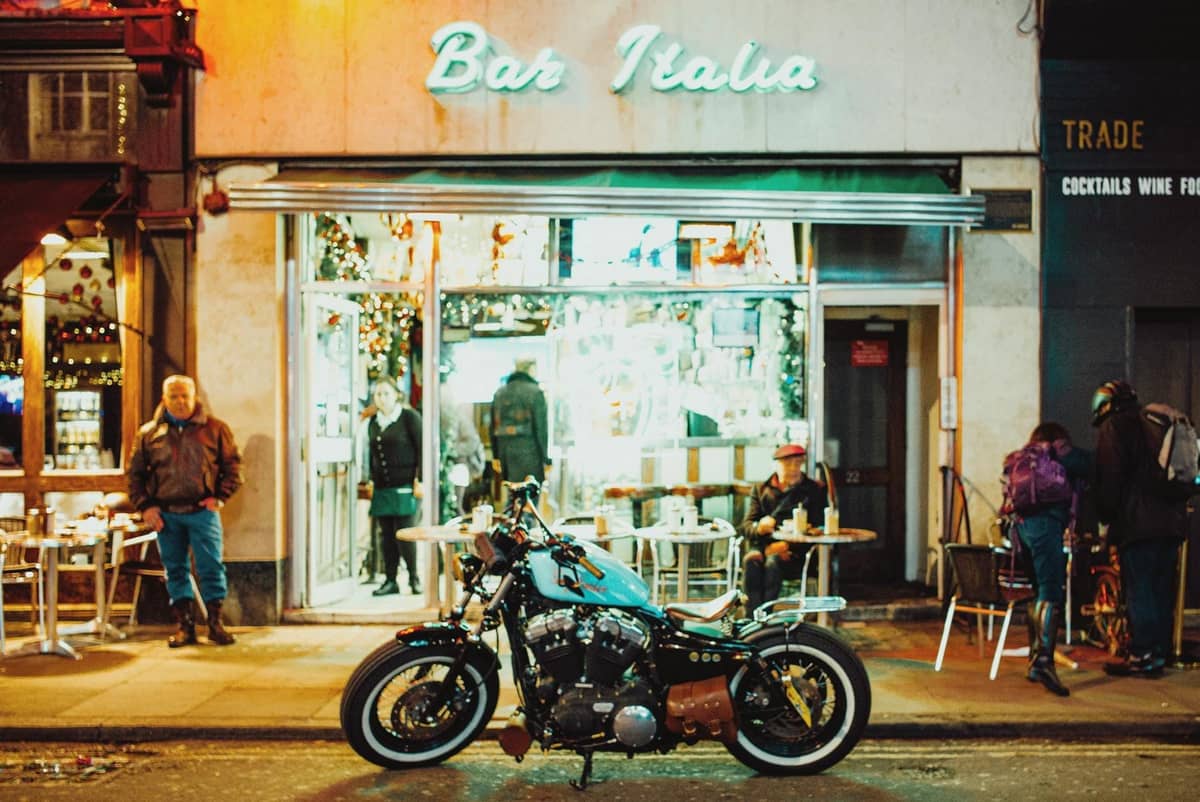
London nightlife does not have to be expensive. The guide to visiting London on a budget has broader financial tips, but specifically for nights out: Brixton, Dalston and Peckham consistently offer the best value. Entry to smaller clubs and bars in these areas is often free or under £5. Craft beer pubs in East London average £5-6 per pint, which is reasonable by central London standards.
- Budget night out (under £30 per person): pub crawl in Camden or Brixton, arrive at clubs before 10pm to avoid cover charges, stick to pints over cocktails, Night Tube home.
- Mid-range night out (£30-70 per person): cocktails in Soho, entry to a mid-tier club like Heaven or a Shoreditch venue, Uber home after 3am.
- High-end night out (£70-150+ per person): cocktail bar in Mayfair or Chelsea, dinner at a late-night restaurant, members' club or private event, black cab home.
- Weekday advantage: Monday through Wednesday, many venues run discounted entry nights or special programming with cheaper drinks. Heaven's Monday Popcorn night is a specific and well-known example.
For visitors planning a broader London itinerary that includes nights out, the 3-day London itinerary and 5-day London itinerary can help structure days around late nights, including which areas to stay near for easy access to the main nightlife zones.
FAQ
What time do clubs close in London?
Most clubs in London close around 3-3:30am on Fridays and Saturdays. Some warehouse venues and special events run until 6am or hold all-day sessions. On weekdays, most bars and clubs close around 1am, though some licensed venues in Soho operate later. Pubs typically close at 11pm regardless of the night.
Is there a dress code for London clubs?
It varies by venue. Fabric and most East London clubs have no formal dress code, though trainers are usually fine. Mayfair and Chelsea bars often enforce smart-casual minimums and may turn away sportswear or overly casual clothing. KOKO and Heaven are relaxed. When in doubt, check the venue website in advance — most now list their door policy clearly.
How do I get home from a London club after the Tube stops?
The Night Tube runs on the Central, Jubilee, Northern, Piccadilly and Victoria lines on Friday and Saturday nights, with trains typically every 10–20 minutes through the night. Night buses cover the whole city but are slower. Uber, Bolt and Free Now all operate 24 hours. Always use a licensed service — never accept rides from unlicensed drivers outside clubs.
Which area is best for a first night out in London?
Soho is the most accessible starting point: centrally located, dense with options at every price point, and easy to navigate. From there, Heaven under the Charing Cross arches is a short walk and a reliable club with no intimidating door policy. If you prefer live music over club nights, Camden is the better choice.
Do I need to book tickets in advance for London clubs?
For headline nights at Fabric, Ministry of Sound and KOKO, advance booking is strongly recommended and sometimes necessary — peak nights do sell out. For smaller venues and bars, walk-in is usually fine, though arriving before 10pm on weekends reduces both queuing time and door charges. Tickets are typically sold through Dice, Resident Advisor, Ticketmaster or the venue's own website.