London Safety Tips: Scams, Theft & What to Watch Out For
London is a remarkably safe city for its size, but petty theft and tourist-targeted scams are real risks. This guide covers the most common threats, where they happen, and exactly what to do to protect yourself and your belongings.
Plan and book this trip
Tools from our partner Travelpayouts help you compare flights and hotels. If you book through them, we may earn a commission at no extra cost to you.
Flights
Hotels map
TL;DR
- Over 71,000 mobile phone theft offences were recorded in London in 2025, averaging around 195 per day, most via street snatches rather than violent robbery.
- Pickpockets target the London Underground, tourist hotspots, and crowded pavements, not just dark alleys at night.
- Street scams cluster around Westminster Bridge, Trafalgar Square, and other major sights. Knowing what they look like is your best defence.
- Use only licensed black cabs or pre-booked apps like Uber or Bolt. Never get into an unlicensed car.
- Most visitors overestimate violent crime and underestimate opportunistic theft. Staying alert costs nothing.
How Safe Is London, Really?
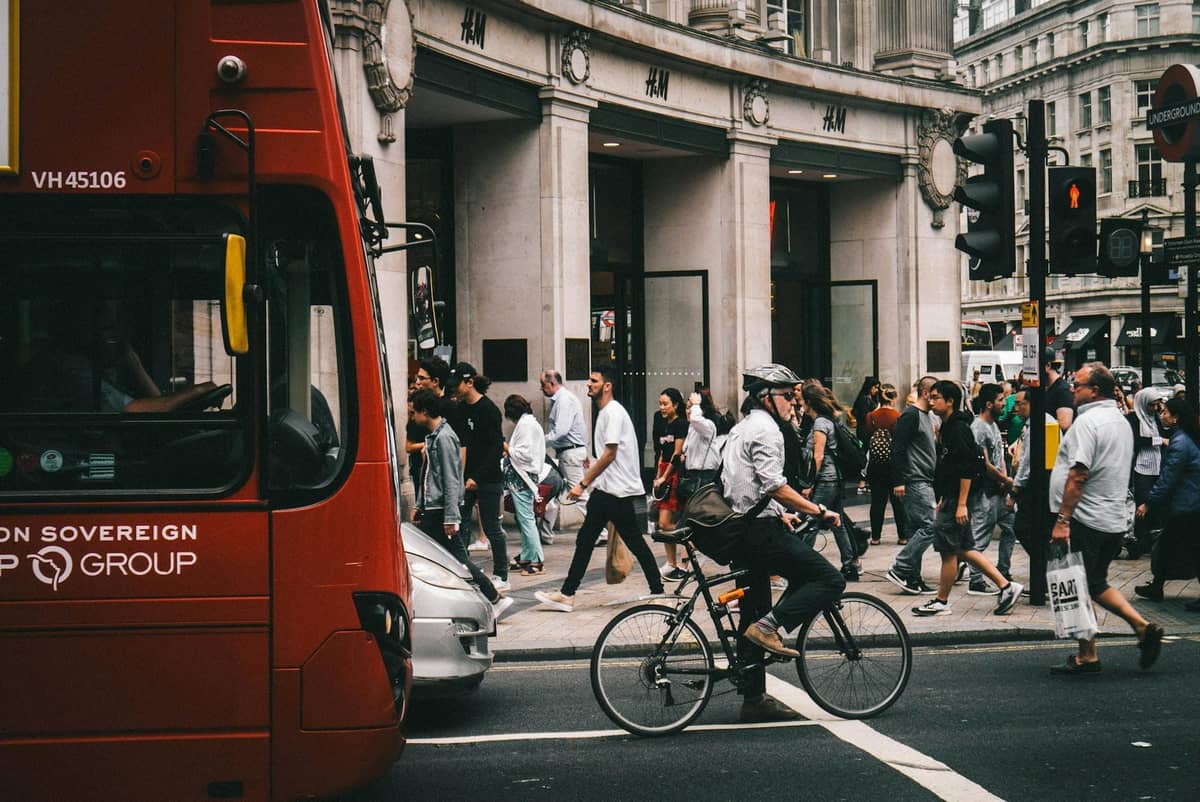
London has a population of around 8.9 million people across 1,572 km², and the vast majority of visitors complete their trip without any incident beyond the occasional jostling on the Tube. Violent crime against tourists is statistically rare. The more realistic threat is non-violent opportunistic theft: pickpocketing, phone snatches, and targeted scams that exploit the distraction of being somewhere new.
That said, London is not immune to property crime. The Metropolitan Police record thousands of theft incidents on the Underground alone each year, and the city's phone-theft figures are among the highest in Europe. The risk is not zero, but it is highly manageable once you know the patterns.
ℹ️ Good to know
In a genuine emergency, call 999 (police, fire, ambulance) or the European standard number 112, which also works across the UK. For non-urgent police matters, call 101.
The Most Common Tourist Scams in London
Scams in London follow recognisable patterns. Once you know what they look like, they lose almost all their power. Here are the ones most frequently reported around tourist areas.
- Street games (cup-and-ball, shell games) Groups operate near Westminster Bridge, Southwark, and Covent Garden. A ring of 'players' (shills) wins visibly to draw you in. The game is rigged and the crowds around you are in on it. Walk away without engaging.
- 'Free gift' pressure tactics Someone places a bracelet on your wrist, hands you a flower, or starts sketching your portrait uninvited. Once accepted, aggressive demands for payment follow. The fix: put your hands in your pockets and keep walking.
- Fake charity collectors Clipboard-carrying 'volunteers' approach tourists in busy areas with petitions and requests for cash donations. Legitimate UK charities do not operate this way on the street. You are under no obligation to stop or give money.
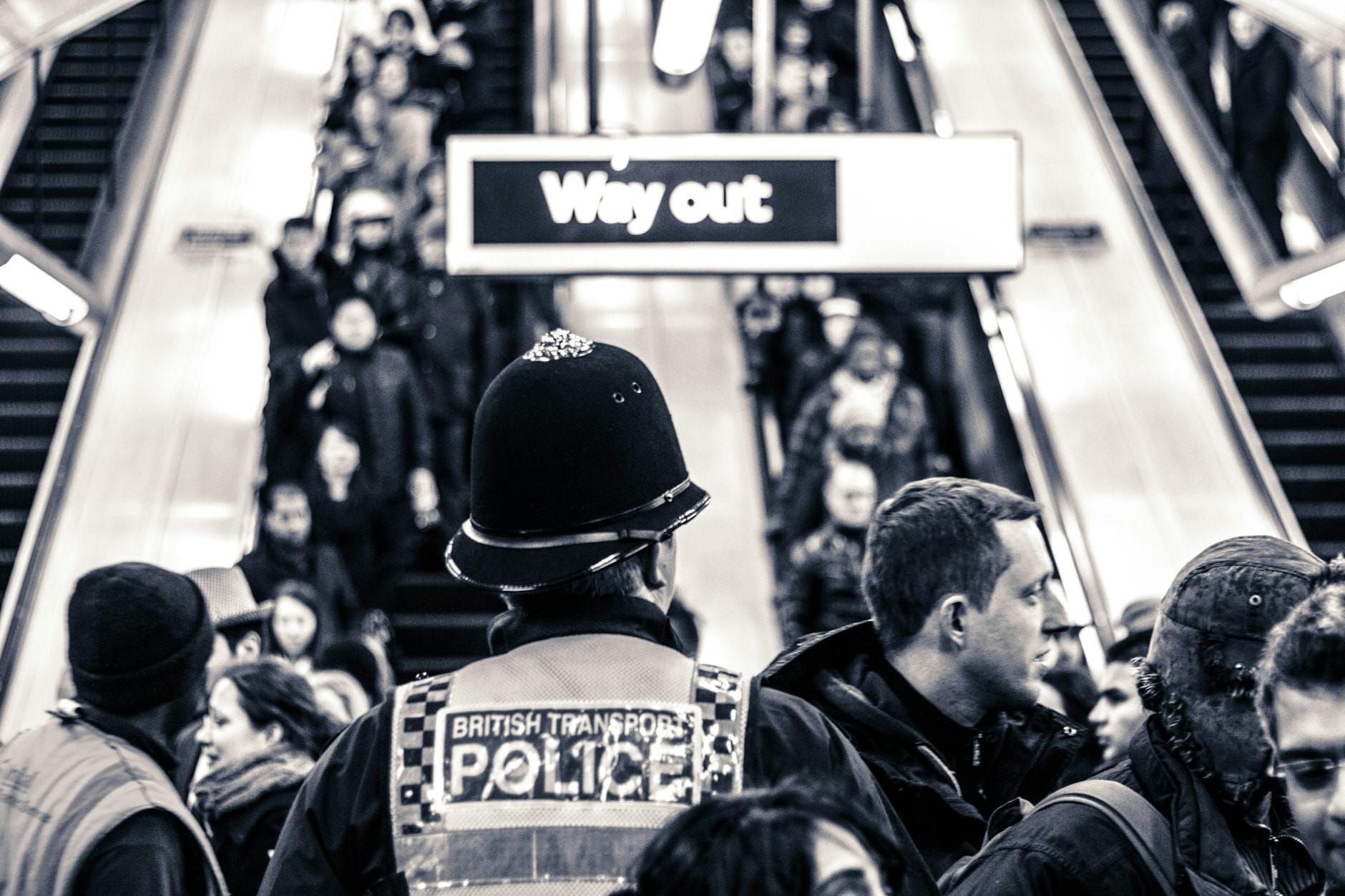
- Crowd and blockage pickpocketing A group creates a bottleneck at an escalator exit or Tube door while accomplices work the crowd. This is particularly common at King's Cross St. Pancras and Leicester Square during peak hours.
- Fake police officers Imposters in partial uniforms claim to be investigating counterfeit money and ask to inspect your wallet or cards. Real Metropolitan Police officers will always provide their name, warrant number, and show ID on request. Never hand over cards or cash.
- ATM card skimming Fraudulent card readers or tiny cameras are occasionally attached to cash machines, particularly standalone ATMs in convenience stores and tourist areas. These are less common than they were, but still worth watching for.
⚠️ What to skip
If someone claiming to be a police officer asks to inspect your wallet or bank cards on the street, refuse. Ask for their name, rank, and warrant card number. Real officers will not object. Call 999 if you feel threatened.
Phone and Bag Theft: The Real Numbers
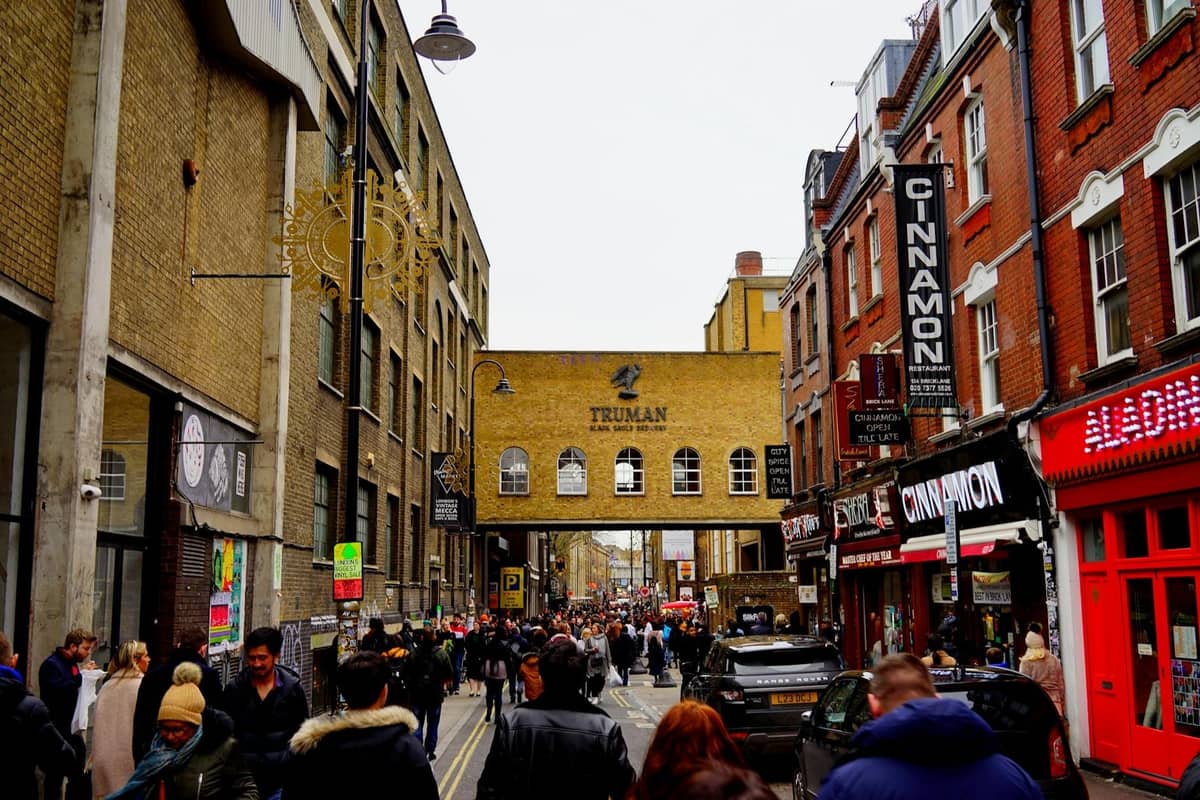
Phone theft is London's most prevalent tourist crime. In 2025, over 71,000 mobile phone theft offences were recorded in London, averaging around 195 per day. Many of these are 'moped muggings', where riders snatch phones from people walking and talking, or using maps on busy streets. But the majority happen in cafes, restaurants, and on public transport, where victims simply left their device unattended for a few seconds.
The areas with the highest concentration of phone and bag theft are the same ones tourists spend the most time in: the West End, the South Bank, and around major Tube interchanges. This is not a coincidence. Crowded, distracted visitors in these areas represent easy targets for experienced thieves.
- Never place your phone on a cafe or pub table, even briefly. A 'snatch and grab' takes under two seconds.
- Keep your phone in a front pocket or zipped bag when walking in crowded areas.
- If using maps on your phone, stop against a wall rather than walking slowly while staring at the screen.
- Enable your phone's lock screen, remote-wipe feature (Find My iPhone / Find My Device), and SIM PIN before you travel.
- Cross-body bags with zipped closures are far more effective than open-top tote bags or backpacks worn on your back.
- Loop your bag strap around a chair or table leg when sitting outdoors.
Staying Safe on the London Underground and Public Transport
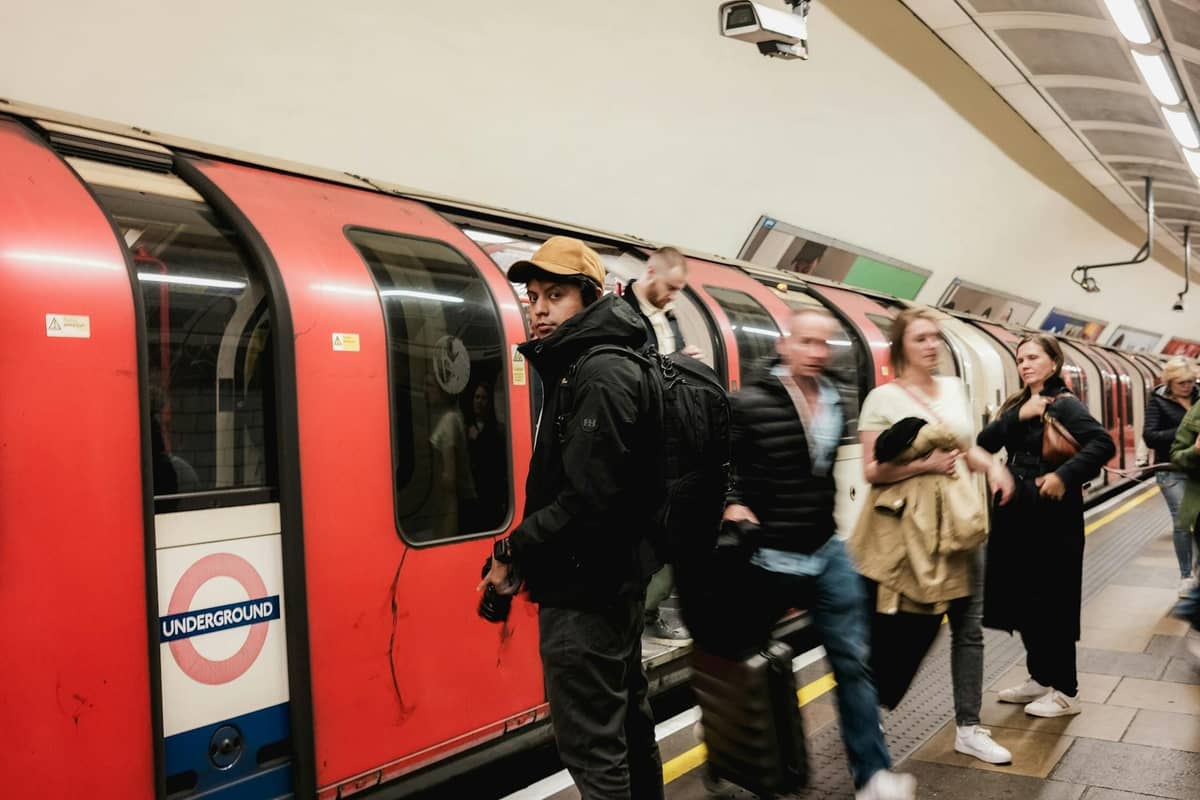
The Tube carries around 4 million passengers on a typical weekday, and that density is exactly what pickpockets rely on. The risk is highest during morning and evening rush hours (roughly 07:30-09:30 and 17:00-19:30) and at major interchange stations: King's Cross St. Pancras, Oxford Circus, and London Bridge are particularly active. If you are planning extensive travel across the city, the guide to getting around London covers the full transport network in detail.
On the Tube, backpacks and bags worn on your back are easily accessed in a packed carriage. Shift your bag to your front when the train fills up. Keep wallets and phones in front pockets, not back pockets. When standing near the doors, be aware that some thieves grab items and step off just as the doors close, leaving no time to react.
On buses, keep bags on your lap rather than the seat beside you or in the overhead rack. If you fall asleep, there is a reasonable chance your bag will not be there when you wake up, particularly on night buses.
✨ Pro tip
Use contactless payment (Oyster card, bank card, or phone tap) instead of fumbling with cash at ticket barriers. It is faster, cheaper than buying individual tickets, and keeps your wallet out of sight in a crowded station.
Taxis, Rideshares, and Unlicensed Cars
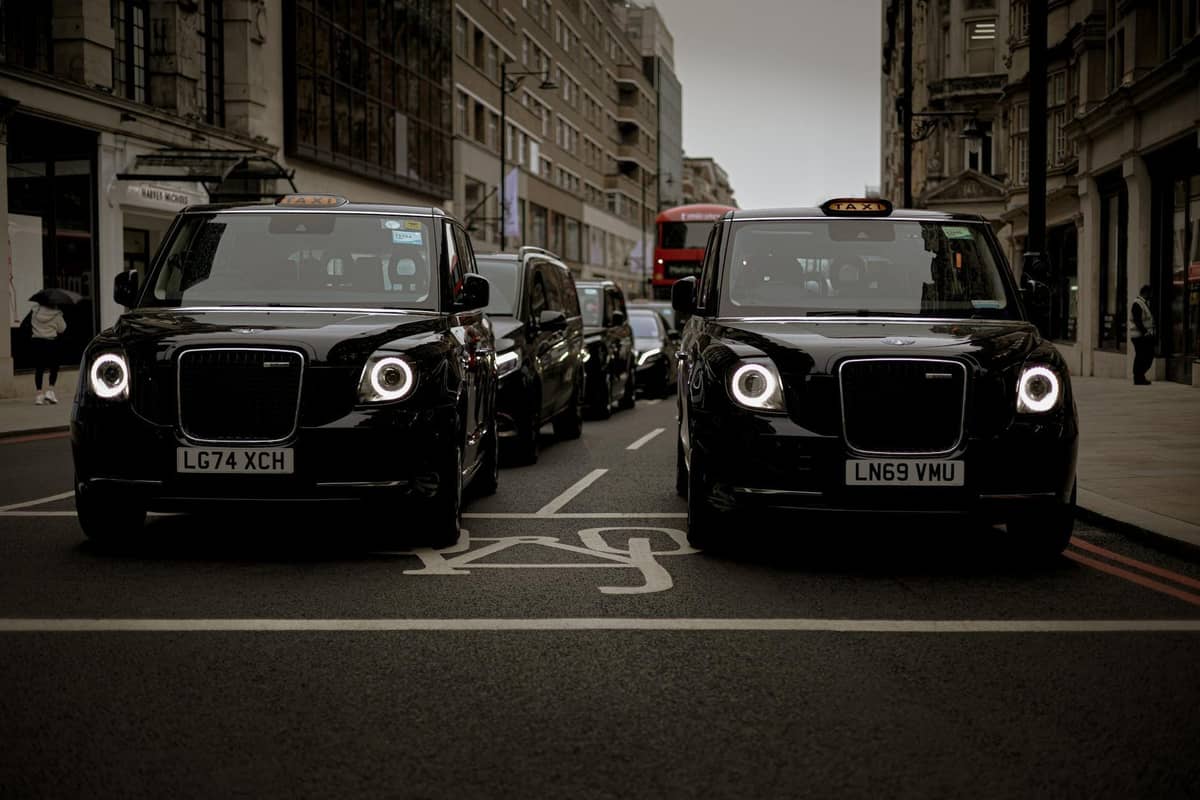
London has a well-regulated licensed taxi system. The iconic black cabs (Hackney carriages) can be hailed on the street or booked via the Free Now app. Minicabs must be pre-booked and cannot legally pick up passengers hailing from the street. The major app-based services operating in London are Uber, Bolt, and Free Now, all of which are licensed as private hire operators by Transport for London.
The risk to avoid is accepting a lift from an unlicensed driver touting for business outside nightclubs, train stations, or airports. These 'minicab touts' are illegal and have been associated with overcharging and, in serious cases, assault. If someone approaches you in a busy area offering a cab, decline. Book via an app or go to an official taxi rank instead.
- At Heathrow, Gatwick, and other airports, use official taxi ranks or pre-booked services only.
- Always confirm the driver's name and car registration match the app before getting in.
- Share your journey details with someone when travelling alone late at night.
- If taking a black cab, the meter fare is regulated. If a driver quotes a flat rate above the meter, refuse or negotiate before getting in.
ATMs, Card Fraud, and Carrying Cash

Card skimming is less common than it was a decade ago, but it has not disappeared. The safest ATMs are those built into the walls of bank branches or located inside supermarkets and shopping centres. Standalone ATMs in tourist areas, particularly those inside small convenience stores, carry a slightly higher risk. Before using any ATM, run your fingers along the card slot and check for anything that feels loose or unusual. Shield your PIN with your other hand as a matter of habit.
Contactless fraud via phone or wallet skimming is possible but rare in practice due to the way the UK payment system works. That said, RFID-blocking wallets and card sleeves are inexpensive and provide a sensible layer of protection if you carry multiple contactless cards. Turning off contactless on your phone when you are not actively paying is also straightforward in most phone settings.
London is largely cashless for day-to-day spending. Most cafes, restaurants, shops, and markets accept contactless and card payment. Carrying more than £50-£100 in cash is rarely necessary and increases your exposure if your wallet is lost or stolen.
Seasonal Patterns and When Risk Increases
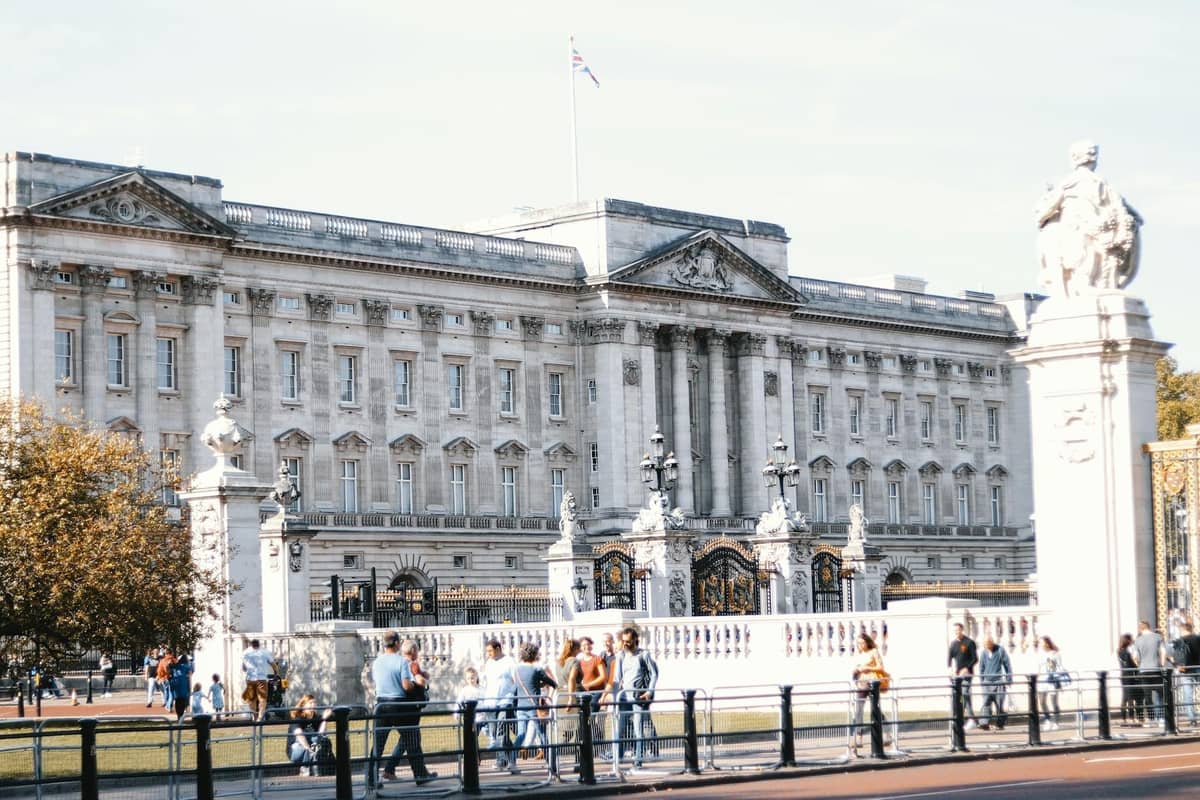
Summer months (June to August) see the highest tourist footfall in London, particularly around the Tower of London, the London Eye, and Buckingham Palace. More visitors mean more distraction and more opportunity for thieves. Outdoor dining increases 'snatch and grab' theft from tables. If you are eating outside, keep your bag on your lap or secure the strap to your chair.
Winter rush hours, particularly when it is dark by 4pm, bring a different pattern: crowded stations and ATM locations where visibility is lower and people are focused on getting home quickly rather than watching their surroundings. December is especially busy around Oxford Street and Covent Garden due to Christmas shopping, and the crowds provide cover for pickpockets.
💡 Local tip
Unattended luggage is treated very seriously in London. Never leave a bag, suitcase, or package unattended in a station, on public transport, or in a public space. It will likely trigger a security response, cause significant delays, and may result in your bag being destroyed.
For visitors planning their first trip and wanting a broader overview of what to expect, the London guide for first-time visitors covers orientation, transport, and practical city knowledge beyond safety. If budget is a concern, the London on a budget guide also flags where free Wi-Fi and phone charging points are available, so you do not need to use your phone in risky locations.
FAQ
Is London safe for solo female travellers?
Yes, broadly speaking. The same precautions that apply to any large city apply in London: stay aware of your surroundings, use licensed transport, let someone know your plans when out late, and trust your instincts if a situation feels wrong. Well-lit main streets and the central areas of the city are busy until late most nights. The Metropolitan Police website and the TfL website both publish night travel safety information.
Which areas of London should tourists be most careful in?
Petty theft is concentrated in high-footfall tourist areas rather than in 'rough neighbourhoods'. The Tube, Oxford Street, Covent Garden, the South Bank, and around major train termini (Victoria, King's Cross, London Bridge) see the most incidents. Being cautious in these familiar-looking tourist zones is more useful than avoiding specific postcodes.
What should I do if my phone or wallet is stolen in London?
Report the theft to the Metropolitan Police as soon as possible, either online at met.police.uk or in person at a police station. You will receive a crime reference number, which is essential for insurance claims. Contact your bank immediately to freeze cards. For a stolen phone, remotely lock or wipe it via iCloud or Google account if you have set this up in advance.
Are black cabs safer than Uber in London?
Both are licensed and regulated by Transport for London, so both are safe choices. Black cabs have stringent driver checks and Knowledge of London qualification. Uber, Bolt, and Free Now drivers are licensed as private hire operators. The key difference is that black cabs can be hailed on the street; minicabs, including Uber, must be pre-booked through an app. Never accept a lift from an unlicensed tout.
Is the London Underground safe at night?
The Tube runs until around midnight on most lines (with 24-hour Night Tube service on Fridays and Saturdays on selected lines). Carriages are generally well-lit and not unusually dangerous, but late-night trains can be quieter and it pays to sit in carriages with other passengers rather than empty ones. Night buses are also a well-used alternative. Trust your instincts about which carriage to board.