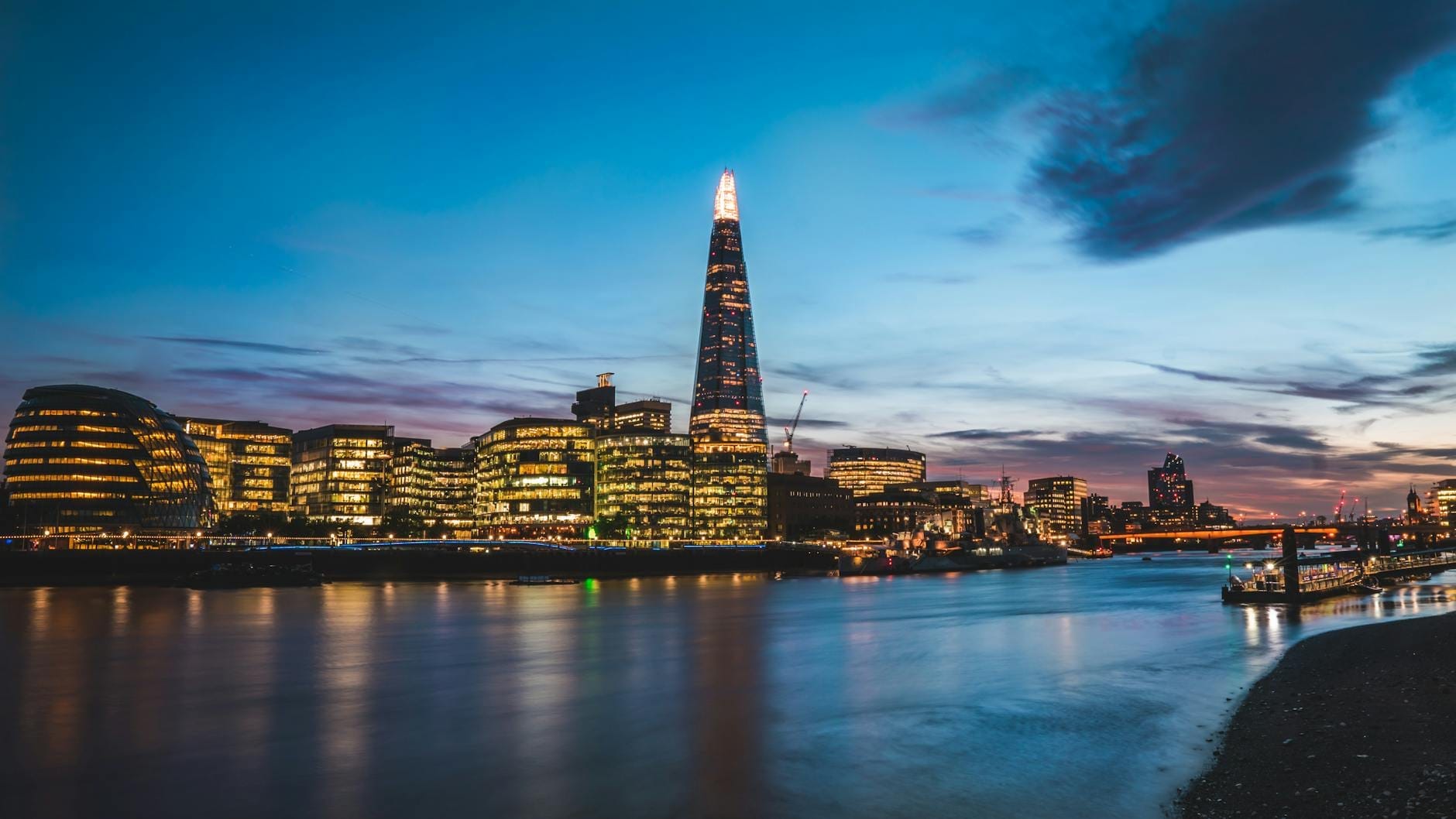
South Bank is London's most concentrated stretch of cultural institutions, running along the River Thames opposite Westminster and the City. Home to the London Eye, the Southbank Centre and the National Theatre, and within easy walking distance of Tate Modern, it rewards visitors at any hour — from morning joggers on the Queen's Walk to late-night crowds spilling out of the Royal Festival Hall.
South Bank is where London puts its best face forward: a continuous riverside strip of world-class galleries, theatres, cinemas and performance spaces, all backed by one of the most recognisable skylines on the planet. It is both a working cultural quarter and a place where Londoners choose to spend their free time, which is rarer than it sounds.
Orientation
South Bank sits on the southern bank of the River Thames in central London, largely within the London Borough of Lambeth but edging into Southwark towards Oxo Tower Wharf. Its western anchor is County Hall, the vast Edwardian building that faces the Houses of Parliament across Westminster Bridge. From there the neighbourhood runs east along Belvedere Road and the riverside promenade — officially called the Queen's Walk — past Waterloo Bridge and on to the Oxo Tower Wharf, where it bleeds into Bankside and the wider Borough of Southwark.
The area is compact. Walking the full length of the Queen's Walk from County Hall to the Oxo Tower takes under twenty minutes at a relaxed pace, though most people slow down considerably once they realise every other turn offers a new view across the water. The streets immediately behind the promenade — Belvedere Road, Upper Ground and Concert Hall Approach — form the functional spine of the neighbourhood, lined with the back entrances of cultural venues, a handful of hotels and the pedestrian approaches from Waterloo station.
Understanding where South Bank ends and its neighbours begin matters for planning your time. Cross Waterloo Bridge heading north and you are in the West End. Head east past the Tate Modern and you are in Bankside, which connects further east to Borough Market and London Bridge. The neighbourhood is directly opposite Westminster, and the Hungerford and Golden Jubilee Bridges provide a pedestrian crossing that drops you practically outside Charing Cross station. South Bank is therefore one of the most connected neighbourhoods in London, even though it sits south of the river.
Character & Atmosphere
Early mornings on the Queen's Walk belong to joggers, dog walkers and the occasional cyclist picking through pedestrian traffic. The light comes low and golden off the Thames in autumn and winter, catching the water in a way that makes even regulars stop briefly. By mid-morning the first tour groups arrive from Westminster Bridge, and the London Eye begins its slow rotations. The character of the promenade shifts from local commuter route to something busier and more international.
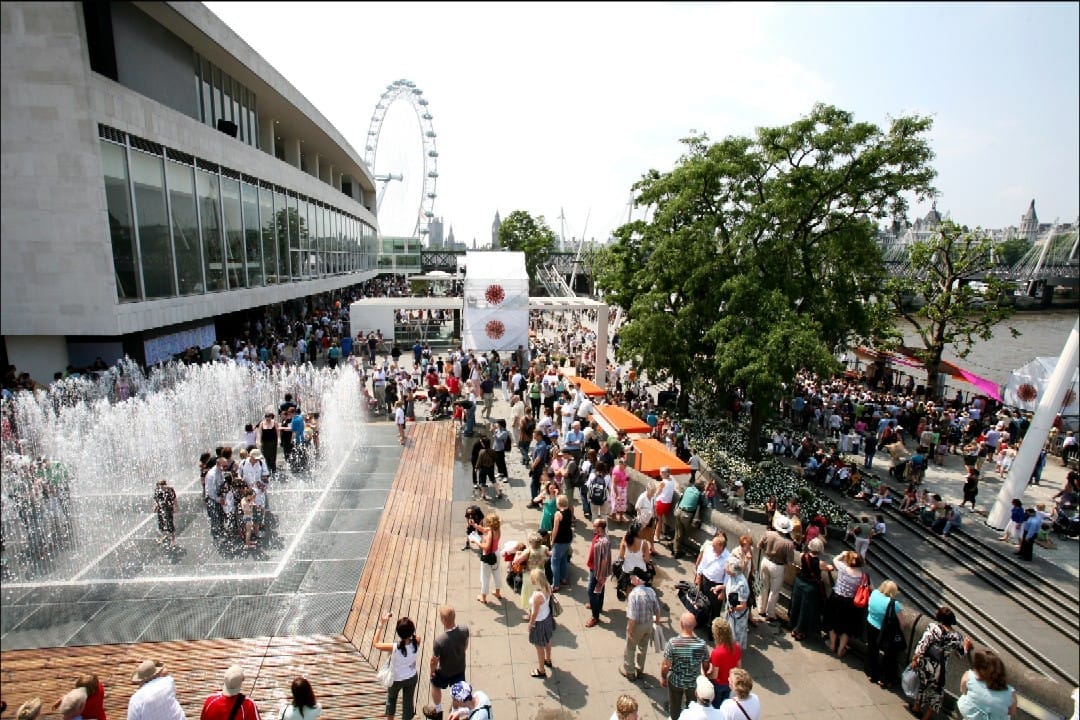
Afternoons are when South Bank reaches its most social pitch. The outdoor terraces of the Southbank Centre fill up. Skateboarders carve lines under Hungerford Bridge in the undercroft — a spot that has been a London institution since the 1970s and has resisted multiple redevelopment attempts. Street performers set up near the Golden Jubilee Bridges, and the second-hand book market beneath Waterloo Bridge spreads its tables. There is a sense of deliberate public life here, of a city that designed this strip to be used.
After dark, South Bank divides into two registers. The stretch around the Royal Festival Hall and National Theatre glows with the after-work crowd and pre-show audiences: smart-casual, purposeful, caffeinated. Further east, near the BFI Southbank, the mood is quieter and more cinephile. Late at night, once the shows end and the pubs begin their last rounds, the promenade empties relatively quickly. It is not a nightlife district in the Shoreditch sense — there are no club queues here — but the riverside bars and the terrace at the National Theatre carry on past midnight.
ℹ️ Good to know
South Bank attracts very large crowds on weekends, especially in summer. If you want to walk the Queen's Walk without feeling like you are in a pedestrian traffic jam, arrive before 10am or come on a weekday morning.
One note: South Bank can feel relentlessly curated. The entire strip has been shaped for visitors and event-goers, and the neighbourhood behind the riverfront — the residential streets towards Lambeth North and Waterloo — is noticeably different in character, less polished, more workday London. That is not a criticism; it just means South Bank rewards the visitor who accepts it for what it is: one of the world's great purpose-built public cultural spaces, rather than an organic neighbourhood with centuries of lived-in texture.
What to See & Do
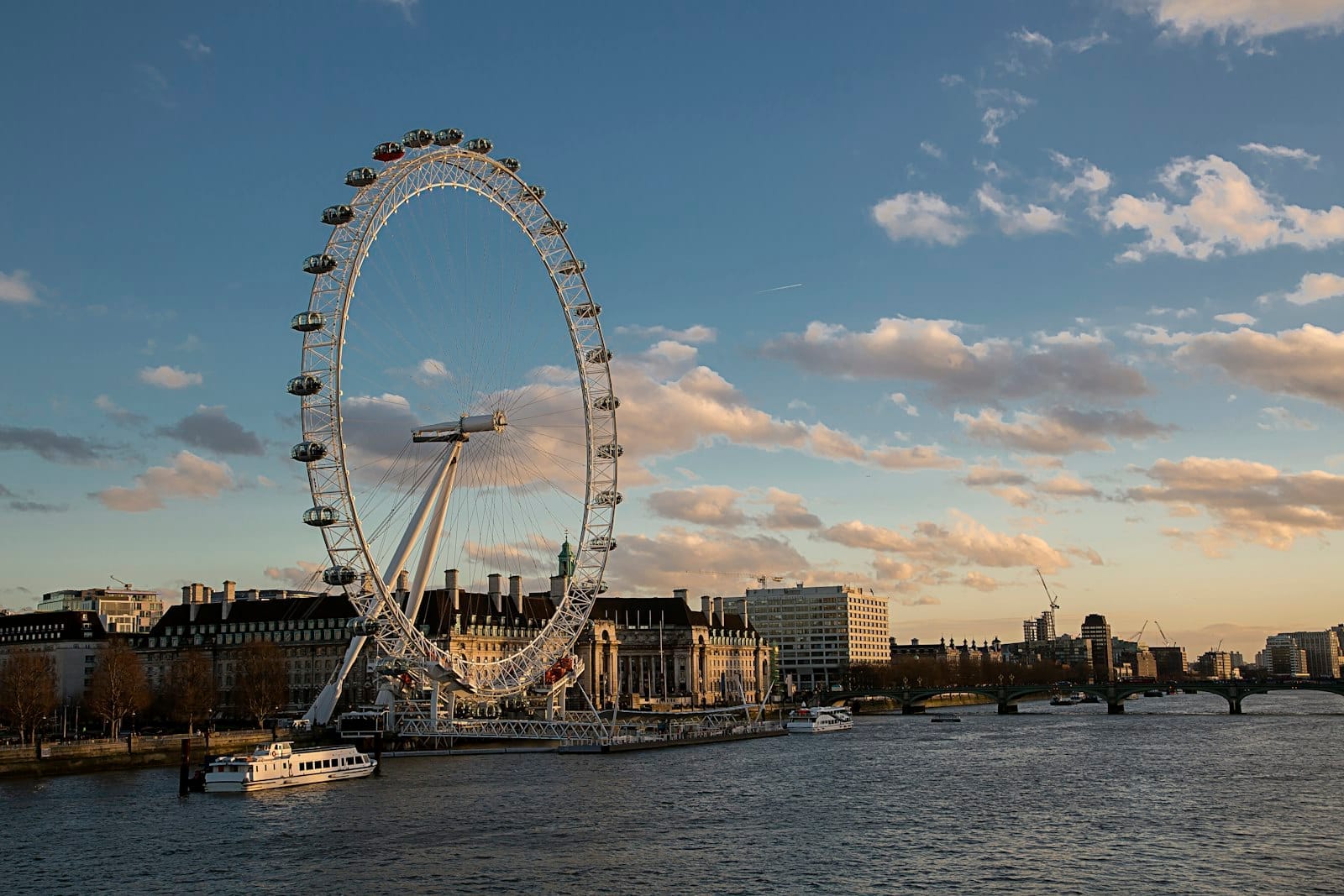
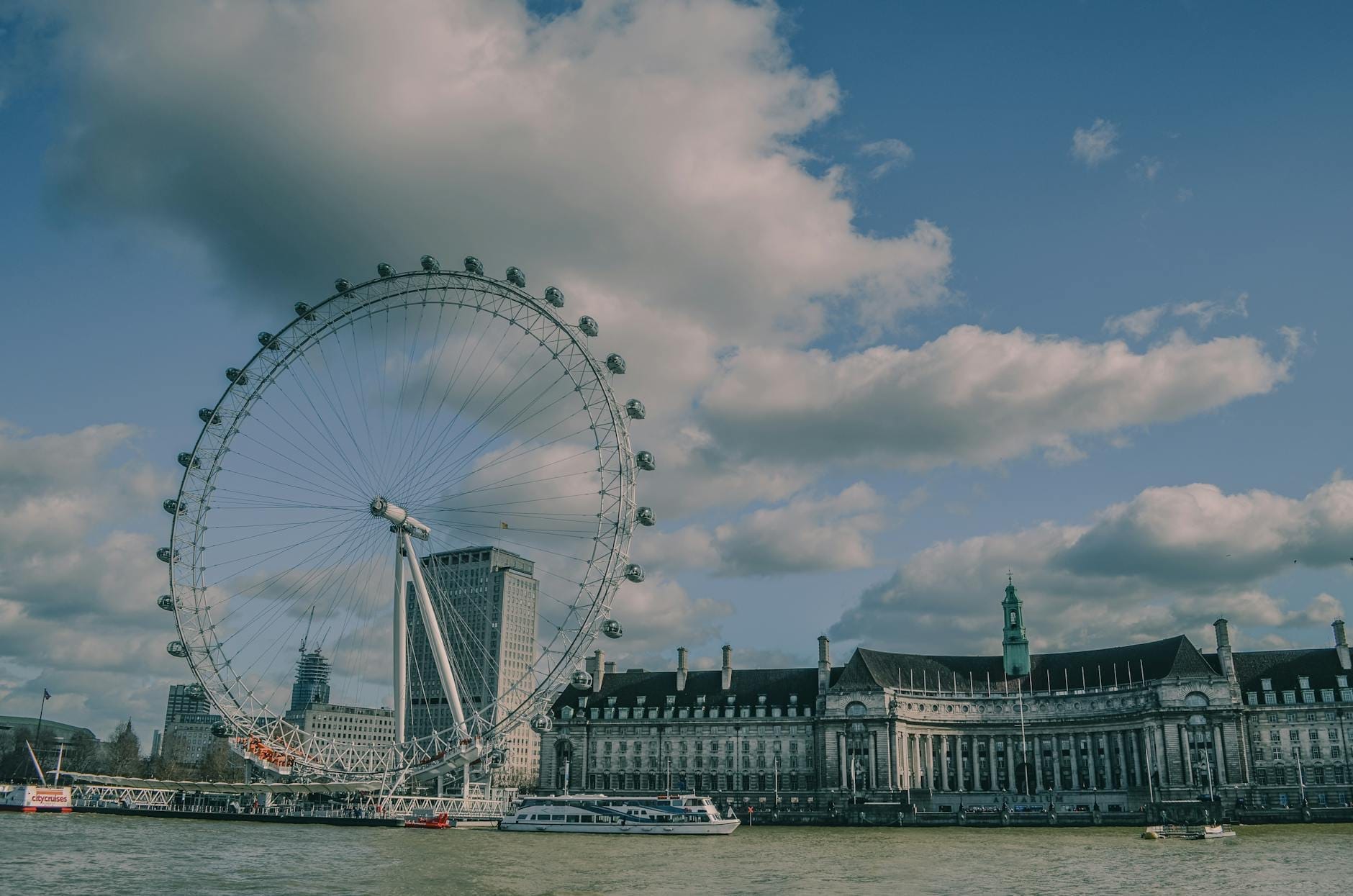
The London Eyeis the neighbourhood's most visible landmark: a 135-metre-tall observation wheel on the riverbank that offers unobstructed views across central London. It draws enormous queues, especially in school holidays, so booking ahead and choosing a weekday morning slot makes a significant difference. The views from the top are useful for getting your bearings if this is your first day in the city.
The Southbank Centre is the anchor of the cultural district. The complex includes the Royal Festival Hall — a Grade I listed concert venue built for the 1951 Festival of Britain — as well as the Queen Elizabeth Hall, the Purcell Room and the Hayward Gallery. The Festival Hall's first-floor bar is open to the public regardless of whether you have a ticket for anything, and it is one of the better spots in London to sit with a drink and look out at the river.
The National Theatre, a short walk east along the river, stages some of the most ambitious drama in the English-speaking world. Its three auditoria — the Olivier, the Lyttelton and the Dorfman — run different types of productions simultaneously, and same-day tickets are often available at reduced prices from the box office. Even if you are not attending a show, the building's public foyers are worth exploring, and free performances and talks take place in the spaces between performances throughout the year.
The BFI Southbank, underneath Waterloo Bridge, is one of Britain's leading cinemas, with a strong programme of repertory screenings, director retrospectives and new releases that do not make it to mainstream multiplexes. The BFI IMAX, a short walk away near Waterloo station, is the largest cinema screen in the UK by screen size. The second-hand book market beneath Waterloo Bridge operates on most dry afternoons and weekends, and it is the kind of stop that turns a ten-minute walk into forty-five minutes.
London Eye: book in advance, choose morning slots to reduce wait times
Royal Festival Hall: free access to public areas; check listings for free foyer events
National Theatre: same-day tickets often available; free outdoor performances in summer
BFI Southbank: repertory cinema with interesting programming outside mainstream releases
Hayward Gallery: contemporary art exhibitions in a Brutalist building worth seeing in itself
Undercroft skate spot under Hungerford Bridge: a genuine piece of London subculture
Second-hand book market beneath Waterloo Bridge: open most afternoons, no fixed hours
💡 Local tip
The National Theatre releases a batch of day seats and standby tickets each morning at 10am online. For popular productions these go fast, but for mid-run shows you can often secure a front-row seat in the Olivier for well under £20.
Eating & Drinking
South Bank's food scene is dominated by the catering operations inside its cultural venues, which range from solid to very good. The Skylon restaurant inside the Royal Festival Hall is one of the more useful options in the neighbourhood for a full sit-down meal with river views, though it occupies the mid-to-upper price range. The terrace café at the same venue is considerably more casual and more forgiving on cost.
The Oxo Tower Wharf at the eastern end of South Bank houses a brasserie and bar on its eighth floor, where the real draw is the panoramic view across the Thames rather than the food itself, which is competent but unremarkable for the price. The ground-floor retail units in the same building lean towards independent design studios and food stalls, which is more interesting than the restaurant above.
For cheaper eating, the food stalls and pop-up operators that cluster along the promenade — particularly near the South Bank Christmas Market in winter, which typically runs from early November into early January — offer a more affordable alternative. The area around Waterloo station, particularly Lower Marsh, has a better concentration of independent cafés and lunchtime spots aimed at local workers rather than tourists, with prices that reflect this. Lower Marsh is five minutes on foot from the river and worth the detour.
Pubs are not the neighbourhood's strong suit in the immediate riverside strip, but the Anchor Bankside to the east in Bankside, and various options around Waterloo and Lambeth North, provide the traditional alternative. The bars inside the National Theatre and Southbank Centre are good venues in their own right, especially the NT's outdoor river terrace, which stays busy until late on warm evenings.
⚠️ What to skip
Restaurants directly on the riverside promenade tend to charge a significant premium for the location. You will often find better value and quality two streets back towards Waterloo or by heading east into Borough Market's orbit.
Getting There & Around
Waterloo station is the primary access point for South Bank and sits less than five minutes' walk from the riverfront. It is served by the Bakerloo, Jubilee, Northern and Waterloo & City lines on the Underground, plus extensive National Rail services from south London and Surrey. It is one of the busiest stations in the country, which means connections are frequent but the station itself can be confusing for first-time users. Exit towards York Road or Belvedere Road for the quickest route to the river.
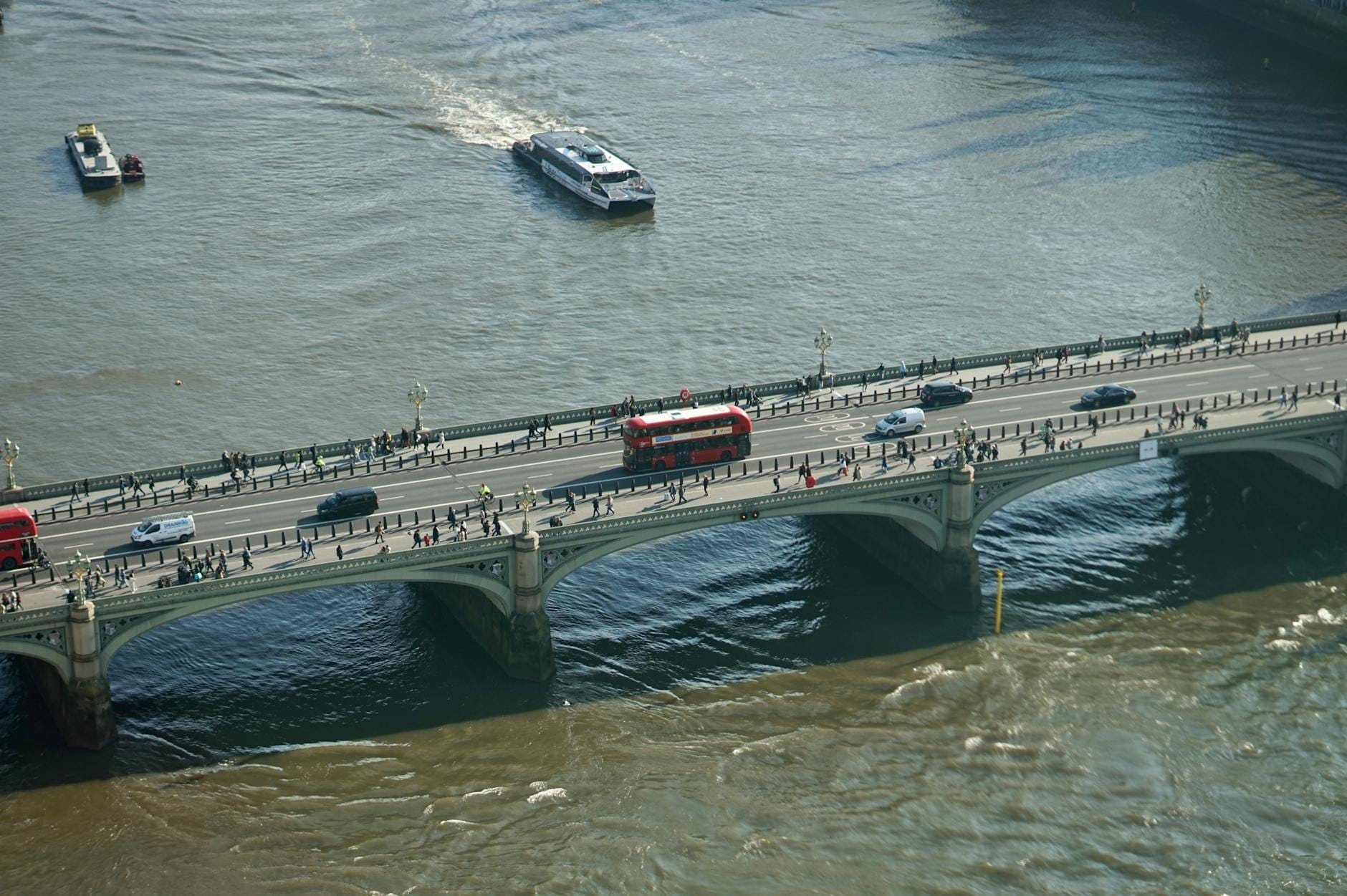
Westminster station (Jubilee, Circle and District lines) provides access from the north via Westminster Bridge, and works well if you are arriving from the West End or Victoria. Walking across Westminster Bridge takes about five minutes and gives excellent views of the London Eye and County Hall. From the north side of the river, the Hungerford and Golden Jubilee Bridges connect directly to the Southbank Centre from Embankment station (Circle, District and Northern lines) and Charing Cross station (National Rail).
River services are an underused option. Uber Boat by Thames Clippers stop at London Eye (Waterloo) Pier on the South Bank, connecting eastward to Bankside, London Bridge, Canary Wharf and further, and westward to Embankment and Pimlico. For visitors wanting a different perspective on the river, this is a practical rather than purely scenic choice. More on navigating the city is covered in the getting around London guide.
Walking is the most practical way to move within South Bank itself. The Queen's Walk is fully pedestrianised and connects all the major venues in a single continuous route. Cycling is possible but the mix of tourists and pedestrians on the promenade makes it slow going. Boris Bikes (Santander Cycles) docking stations are present near Waterloo and along the riverside, and the cycle routes along the Embankment on the north bank provide a faster connection for cyclists.
Numerous bus routes serve Waterloo station and the surrounding streets, including services along Westminster Bridge Road and York Road. For getting further afield, the hop-on hop-off bus routes pass through the area and provide an easy connection to other major sightseeing zones.
Where to Stay
South Bank is a strong base for first-time visitors who want to walk to London's most famous sights. The neighbourhood is close enough to Westminster to reach the Houses of Parliament and Buckingham Palace on foot, and the Jubilee line at Waterloo connects quickly to the West End, the City and Canary Wharf. The trade-off is that hotel prices in this area tend to reflect the prime location.
The largest concentration of hotels sits near Waterloo station and along Westminster Bridge Road: a mix of international chains, budget operators and mid-range options. The riverside itself has a handful of higher-end hotels with Thames views. For a broader range of options, the streets towards Lambeth North — slightly further from the river but still very walkable — offer more affordable choices, and the Lambeth North Underground station (Bakerloo line) keeps connections fast.
South Bank suits travellers who prioritise access to cultural venues and iconic landmarks over neighbourhood character. If you are looking for residential texture, independent shops and a more local feel, areas like Shoreditch or Notting Hill will feel more lived-in. For a full comparison of bases across the city, the where to stay in London guide is a useful starting point.
South Bank and the Wider Riverfront
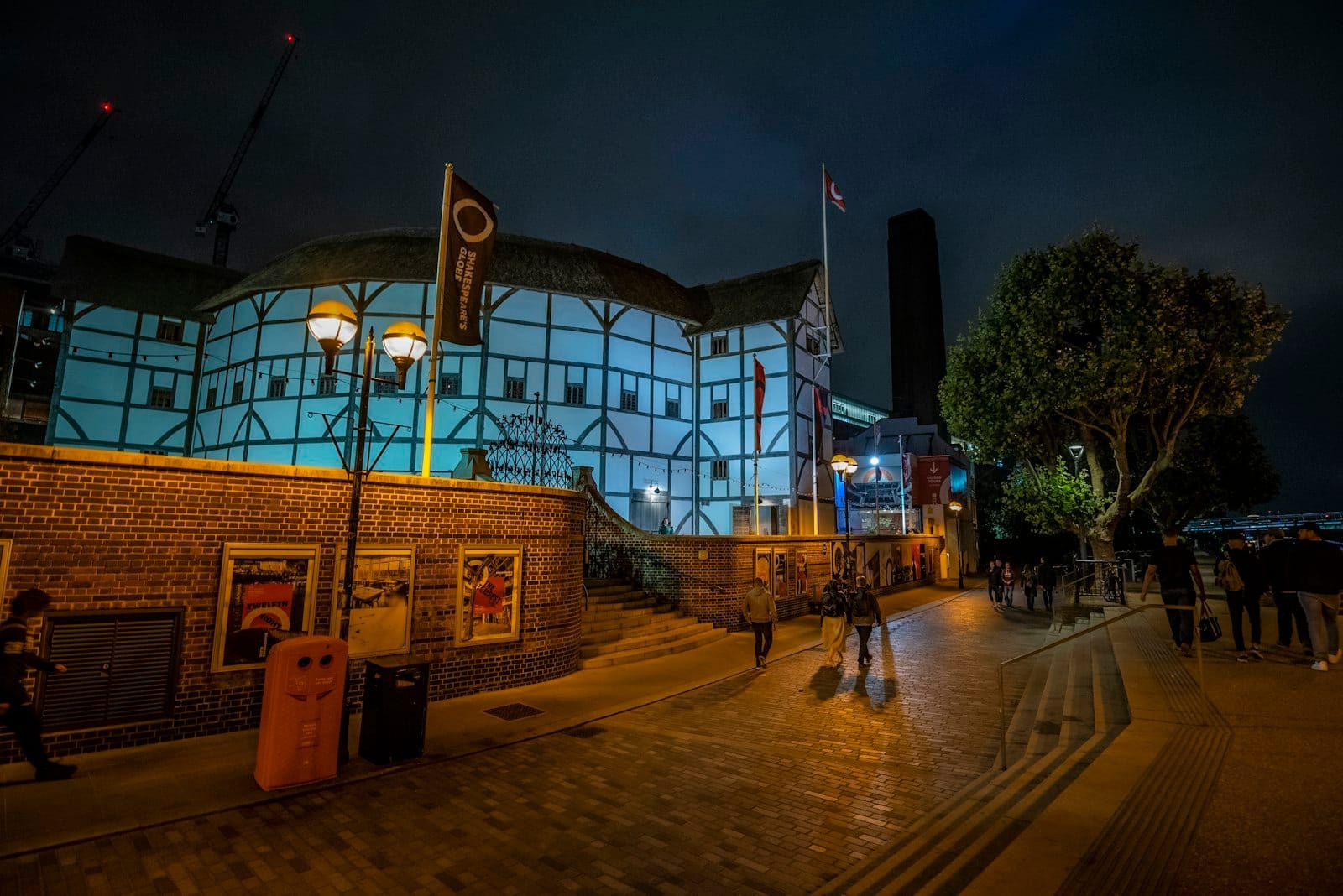
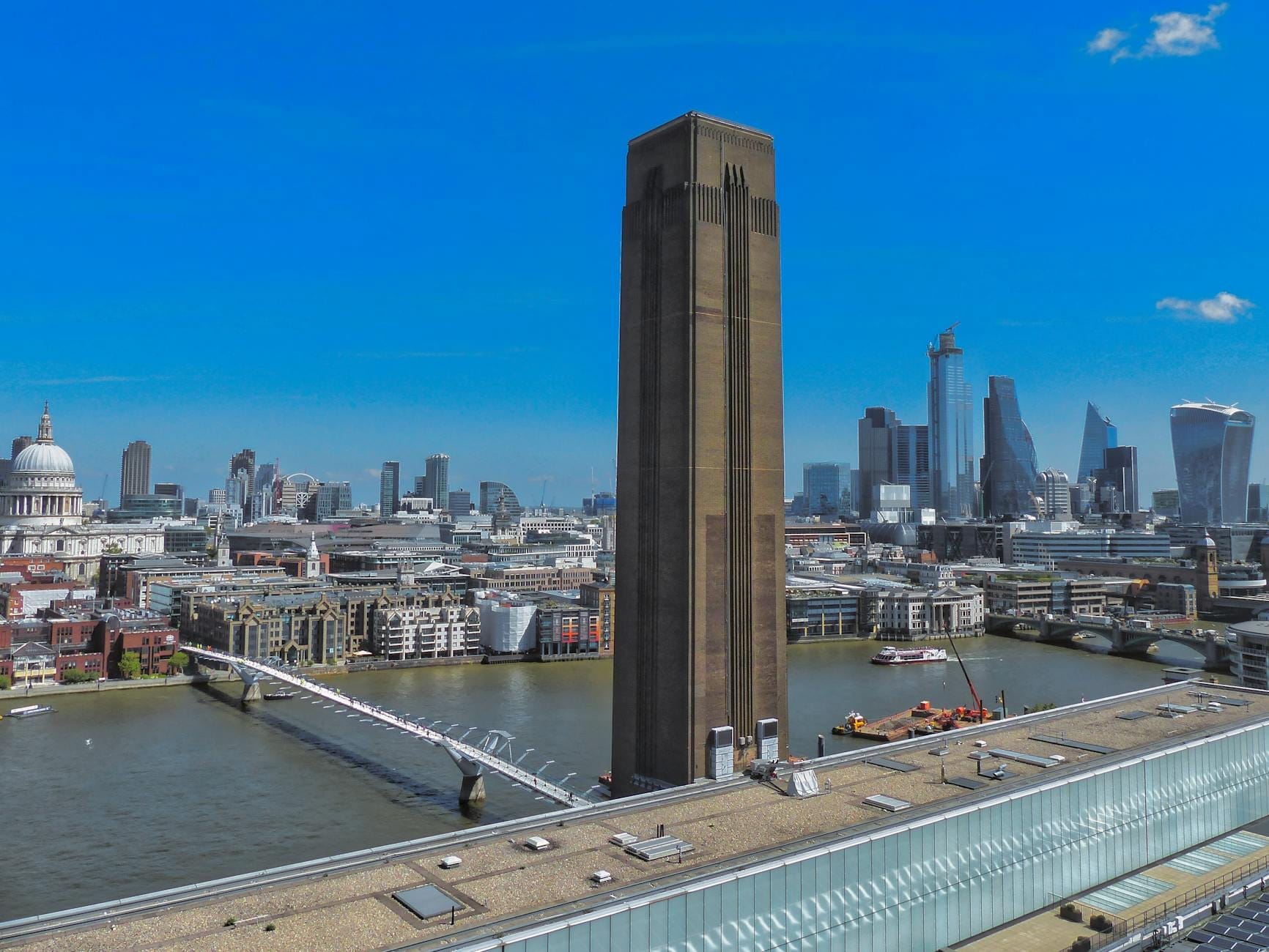
One of the great pleasures of South Bank is that it sits at the centre of a much longer riverside walk. Heading east from the Oxo Tower, the Queen's Walk continues into Bankside, passing the Tate Modern — one of the most visited galleries in the world, housed in the former Bankside Power Station — and the Shakespeare's Globe, a reconstruction of the original Elizabethan theatre on almost the same site where Shakespeare's company performed. Both are within fifteen minutes' walk of the London Eye.
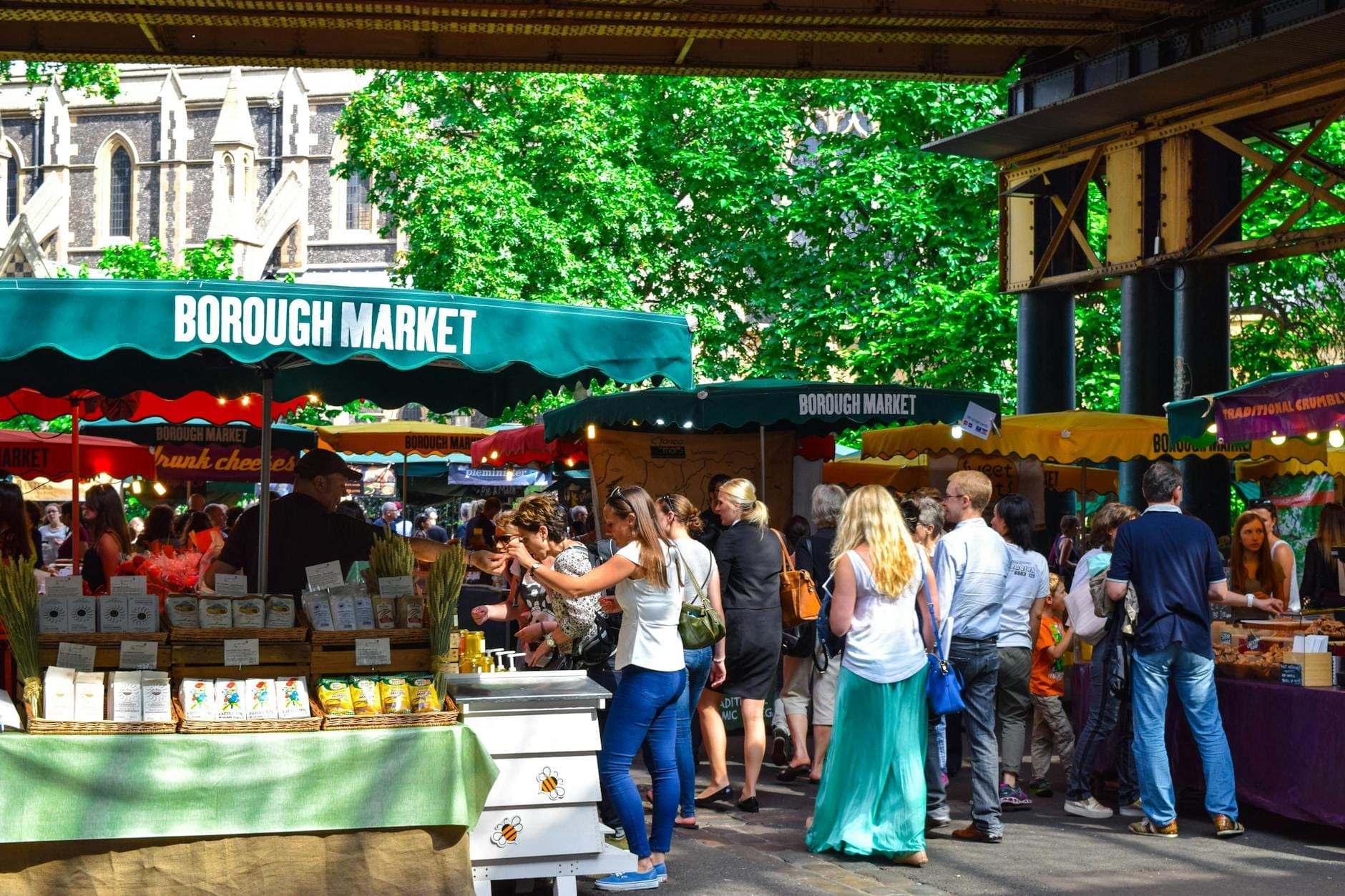
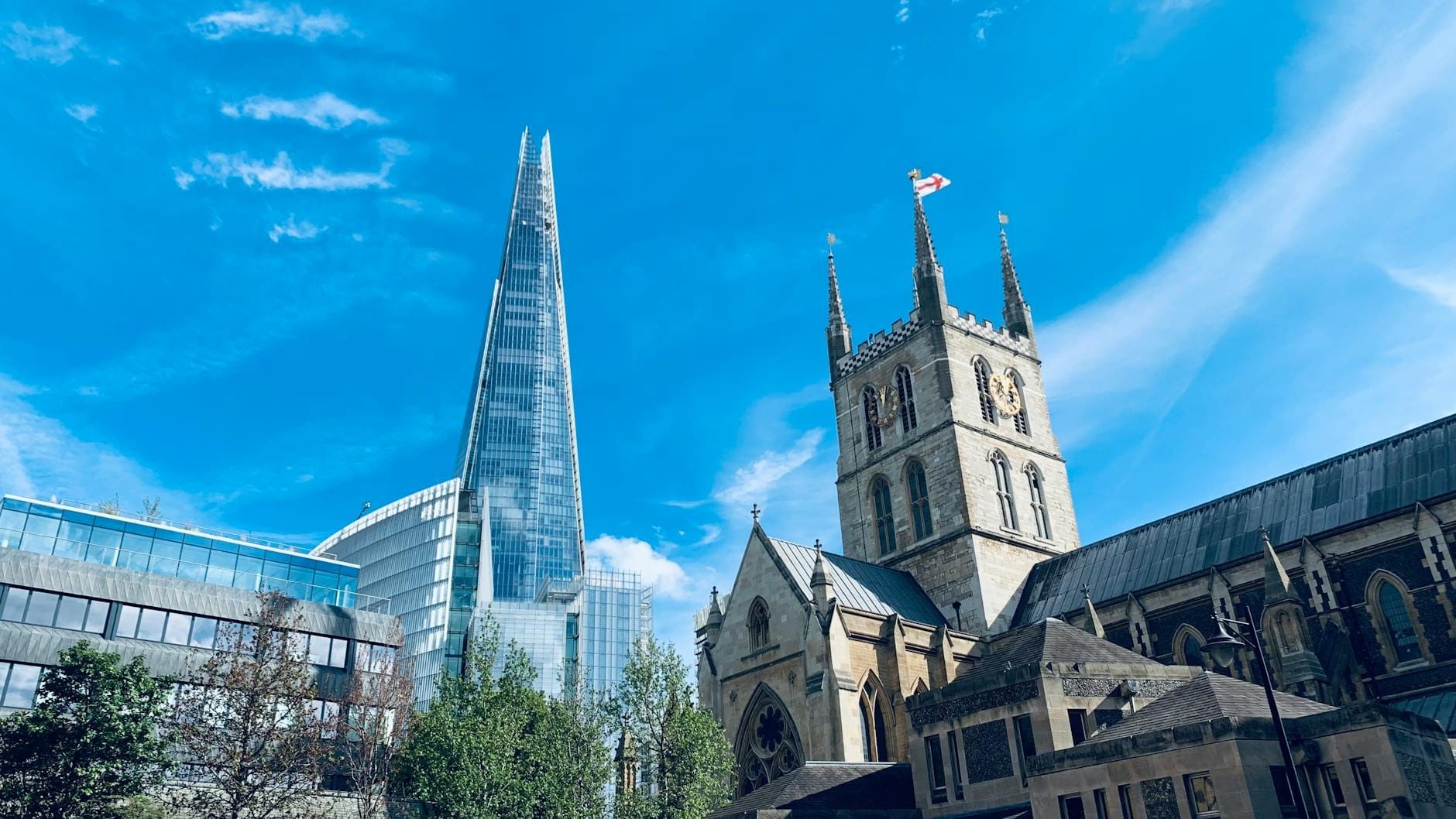
Continue east and you reach the Millennium Bridge, the elegant footbridge that offers one of the best straight-on views of St Paul's Cathedral across the river. Further still is London Bridge and the Southwark Cathedral area, where Borough Market operates. This entire stretch — from County Hall to Borough Market — makes for one of the best half-day walks in London, requiring no transport and passing continuously interesting architecture and river views.
For those wanting to extend even further, the Thames Path continues in both directions — west towards Vauxhall and eventually Kew, and east towards Greenwich and beyond. The River Thames guide covers the full walking and boat options along this corridor.
TL;DR
South Bank is London's most concentrated cultural strip: the London Eye, Southbank Centre, National Theatre, BFI Southbank and Tate Modern are all within easy walking distance of each other along the Queen's Walk.
Best for: first-time visitors, culture-seekers, anyone who wants to combine major attractions with a riverside walk in a single half-day or full day.
Not ideal for: travellers looking for residential neighbourhood character, authentic local street life, or budget eating — the riverside strip is expensive and purpose-built for visitors.
Waterloo station (Bakerloo, Jubilee, Northern and Waterloo & City lines) is the main transit hub; Westminster Bridge and the Golden Jubilee Bridges provide easy pedestrian access from the north bank.
Combine South Bank with a walk east into Bankside to reach Tate Modern, Shakespeare's Globe and Borough Market without needing to take any transport.
Afternoon tea in London ranges from grand hotel rituals at £95 per person to relaxed neighbourhood spreads under £50. This guide covers the top venues across every budget, how to book, what to wear, and which hyped spots are actually worth it.
London has more world-class museums than almost any city on Earth, and the majority are free. This guide covers the essential institutions across art, history, science, design, and beyond, helping you plan your visits with confidence.
London has more parkland per capita than almost any major world city, and its eight Royal Parks alone cover just under 4,900 acres of public green space. This guide covers the finest parks across the city, from the grand central Royal Parks to wilder escapes on the edges of Greater London.
London rewards visitors in every season, but the experience shifts dramatically depending on when you go. This guide breaks down crowd levels, weather, prices, and key events month by month so you can plan a trip that matches exactly what you want from the city.
London's skyline is one of the world's great visual spectacles, mixing centuries-old domes with glass towers and royal parks. This guide covers the best places to see it all — free rooftop gardens, paid observation decks, hilltop parks, and river vantage points that reward at any time of day.
London is perfectly placed for world-class day trips. Whether you want a Tudor palace on the Thames, a city of dreaming spires, or a prehistoric stone circle, all of it is within two hours. This guide covers the best options, how to get there, and what to prioritise.
London is one of the world's great free cities. From world-class museums and contemporary art galleries to royal parks, iconic walks, and spectacular viewpoints, this guide covers the best experiences in London that are completely free to enjoy.
London has one of the most comprehensive urban transport networks in the world, covering 9 million residents across 1,572 km² of Greater London. This guide breaks down every option, from the Tube to river buses, with fare details, airport transfer routes, and insider tips to save time and money.
London gave the Wizarding World its real-world addresses, from the glass-roofed arcade that stood in for Diagon Alley to the Islington townhouses of Grimmauld Place. This guide covers every major filming location, the Warner Bros. Studio Tour, how to get there, and what to skip — with practical advice on crowds, costs, and what each spot actually looks like in person.
London has six airports, and choosing the wrong one can add hours and serious cost to your journey. This guide breaks down Heathrow, Gatwick, Stansted, Luton, City, and Southend with practical advice on every transport option, realistic fares, and which airport actually suits your trip.
London's food scene is one of the most diverse and underrated in the world. This guide cuts through the noise to tell you what to actually eat, which neighbourhoods to target, what things cost, and how to avoid the tourist traps.
London is one of the world's great cities, spanning 1,572 km² across 32 boroughs with 9.1 million residents and over 300 languages spoken. This guide covers everything a first-time visitor needs: how to get in, how to get around, which neighborhoods to prioritize, what to book in advance, and the practical details that make the difference between a stressful trip and a great one.
London rewards those who look beyond the headline attractions. From ruined churches turned secret gardens to world-class free museums tucked down side streets, these are the places locals love and most visitors miss entirely.
London's hop-on hop-off buses are everywhere, but are they the smartest way to see the city? This guide breaks down the main operators, what you get for your money, who benefits most, and when to skip the pass entirely.
December transforms London into one of Europe's most atmospheric winter destinations. From Hyde Park Winter Wonderland to the South Bank's riverside market stalls, this guide covers everything you need to plan a memorable Christmas visit, including what to skip, what to book in advance, and how to get around without the crowds.
Summer in London runs from late June through August and delivers a different city: long daylight hours, royal parks at their peak, and a packed calendar of festivals, sporting events, and outdoor culture. This guide covers what to expect, what to book in advance, and what to skip.
Three days in London is enough to cover the essential sights, explore a couple of neighbourhoods, and get a real feel for the city. This itinerary is built around practical logistics, clear priorities, and current ticket prices so you can spend less time planning and more time exploring.
Five days in London is enough to cover the iconic landmarks, explore distinct neighbourhoods, and still have time to eat and drink well. This day-by-day guide cuts through the noise with specific recommendations, realistic timings, and practical advice on what is worth your time.
London's market scene spans 1,000-year-old food halls, world-famous antiques rows, and creative street markets under Victorian ironwork. This guide covers the best across every category, with practical tips on when to go and what to expect.
London's nightlife spans everything from underground warehouse raves in Greenwich to velvet-rope cocktail bars in Mayfair. This guide breaks down the best areas, top clubs, practical costs, and the timing tricks that separate a great night from an expensive disappointment.
London has a reputation for expense, but a well-planned trip can be surprisingly affordable. From world-class free museums to discount West End seats and Oyster card tricks, this guide covers every practical angle for stretching your pounds in one of Europe's great capitals.
The London Pass promises access to 100+ attractions for a flat daily fee. But does it actually save you money? This guide breaks down the real costs, the best use cases, and who should skip it entirely.
The River Thames is the backbone of London, stretching 215 miles through southern England and shaping the city's history, skyline, and daily life. This guide covers sightseeing cruises, the Thames Path, riverside eating and drinking, water sports, and the key landmarks you'll pass along the way, with practical advice on what's worth your time and what to skip.
London is a remarkably safe city for its size, but petty theft and tourist-targeted scams are real risks. This guide covers the most common threats, where they happen, and exactly what to do to protect yourself and your belongings.
London's shopping scene spans everything from 300-store Oxford Street to Sunday flower markets in the East End. This guide covers the best streets, markets, and stores by category, with practical advice on timing, crowds, and where your money actually goes furthest.
Getting from London to Amsterdam is one of Europe's most popular city-to-city trips. This guide breaks down every option — Eurostar, budget flights, overnight ferry, and long-distance coach — with realistic journey times, current price ranges, and advice on which suits your trip.
Covering every way to travel between London and Edinburgh, this guide breaks down real journey times, current price ranges, and which option makes sense depending on your budget, schedule and priorities. The answer is not always what you expect.
There are three realistic ways to get from London to Paris: the Eurostar train, a short-haul flight, or an overnight coach. This guide breaks down journey times, realistic fares, booking strategy, and the practical details that trip-planning sites usually skip.
London rewards walkers more than almost any other city. From the medieval lanes of the Square Mile to the riverbanks of the South Bank, the best way to understand this city is on foot. This guide covers guided group tours, official City of London walks, tip-based 'free' options, and self-guided routes, with practical advice on pricing, booking, and when to show up.
London is one of the world's great family destinations, with free world-class museums, royal parks, river adventures, and enough child-friendly attractions to fill a week. This guide cuts through the noise with practical advice on what's worth booking in advance, what's actually free, and how to keep the whole family sane on the Tube.
From Mayfair's grand hotels to Knightsbridge's world-class restaurants and private cultural experiences, this guide covers everything you need to plan a high-end stay in London. Expect specific neighbourhood advice, booking strategies, and clear assessments of where the money is well spent.
London is one of the world's great photography cities, with iconic landmarks, colourful streets, and unexpected architectural gems around every corner. This guide covers the 20 most photogenic spots, from the obvious classics to the lesser-known spaces that will make your feed stand out.
Notting Hill Carnival is Europe's largest street festival, drawing over a million visitors to west London every August Bank Holiday weekend. This guide covers the 2026 schedule, the full route, how to get there, what to eat, and what to expect on each day.
Open House Festival is London's annual architecture celebration, opening over 800 buildings, tours, and talks across all 33 boroughs — most of them free. This guide covers dates, booking strategy, neighbourhood planning, and which events fill up fastest.
London rewards couples who know where to look. This guide covers the most romantic experiences in the city — from sunset river cruises and West End theatre to free viewpoints and atmospheric parks — with practical advice on what's worth the price and what you can enjoy for nothing.
From the Ceremony of the Keys at the Tower of London to the summer opening of Buckingham Palace's State Rooms, London's royal sites are more accessible than most visitors realize. This guide covers what to see, when to go, what to book in advance, and what to skip.
London rewards visitors who go beyond the obvious. This guide covers the best things to do in London across culture, history, food, and neighbourhoods, with practical tips on what's worth your time, what to skip, and how to do it all without overpaying.
London's West End is one of the world's great theatre destinations, with around 40 major venues and over 17 million audience visits a year. This guide covers everything from buying tickets and finding discounts to getting there, picking the right seat, and knowing what to expect on the night.
Choosing where to stay in London shapes your entire trip. This guide breaks down the city's best neighbourhoods by location, transport access, price range, and atmosphere, so you can book with confidence rather than guesswork.
Getting into Wimbledon is more accessible than most people think — if you know the system. This guide covers every official ticket route, real price ranges, The Queue strategy, and practical tips for making the most of your day at the world's most famous tennis tournament.