SEA LIFE London Aquarium: What to Expect Before You Go
Occupying three floors of the historic County Hall building on the South Bank, SEA LIFE London Aquarium holds more than 500 species across 14 themed zones and over 2 million litres of water. It is one of London's most popular paid family attractions, with crowds and value that are worth weighing up before you book.
Quick Facts
- Location
- County Hall, Westminster Bridge Road, London SE1 7PB (South Bank)
- Getting There
- Waterloo station (Bakerloo, Jubilee, Northern, Waterloo & City lines & National Rail), approx. 5-min walk
- Time Needed
- 1.5 to 2 hours for a thorough visit
- Cost
- Adult tickets from £30 online; children (ages 2–15) from around £24; infants (under 2) free. Always cheaper booked in advance online.
- Best for
- Families with young children, marine life enthusiasts, rainy-day visits
- Official website
- www.visitsealife.com/london
What SEA LIFE London Actually Is
SEA LIFE London Aquarium sits inside County Hall, the grand Edwardian building directly across Westminster Bridge from the Houses of Parliament. The building itself has history: completed in 1933, it served as the headquarters of the Greater London Council until 1986. Today it houses a hotel, a games attraction, and this aquarium, which opened in 1997 and has been operated by Merlin Entertainments under the SEA LIFE brand since 2009.
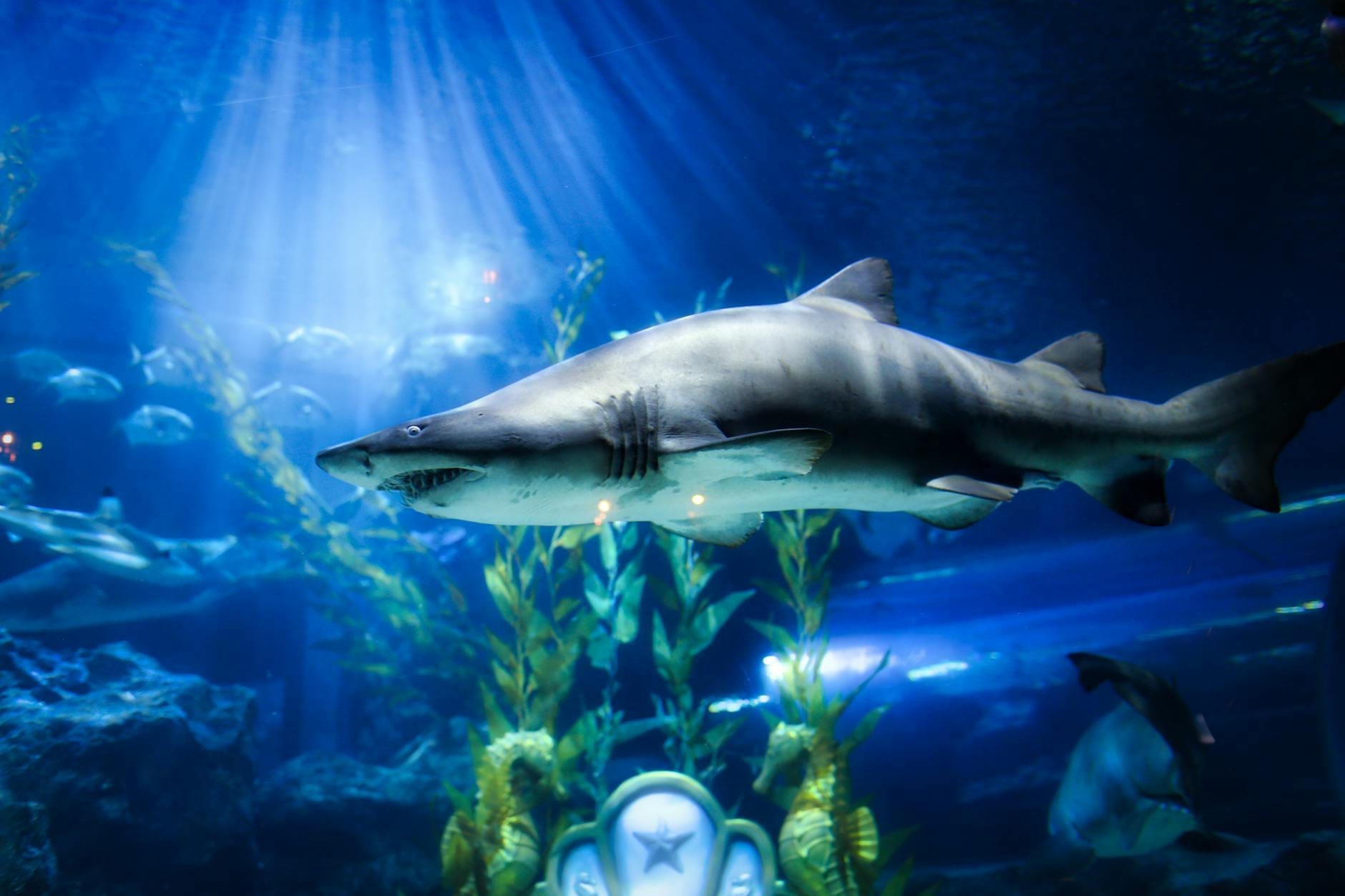
The aquarium spreads across three floors, contains more than 2 million litres of water, and organises its collection into 10+ themed zones. These range from the Ocean Tunnel, where sharks and rays pass overhead through a curved transparent walkway, to Seahorse Kingdom, Rainforest Adventure, and Shark Walk, a glass-floored viewing panel directly above the shark tank. The species count exceeds 500, making this one of the more substantial urban aquariums in the UK.
💡 Local tip
Book tickets online before you arrive. Walk-up pricing is higher, queues at the box office can add 20 to 30 minutes to your wait, and timed entry slots often sell out on weekends and school holidays.
Inside the Aquarium: Zone by Zone
The visit flows in a roughly linear route through the building, descending and then ascending through themed environments. The lighting is kept deliberately low throughout, which creates a calm atmosphere but means the corridors can feel narrow and slightly crowded when groups bunch up around popular tanks. The sound design is layered: soft ambient sound beds shift as you move between zones, with bubbling water, faint tropical bird calls in the rainforest section, and the low hum of filtration systems always present in the background.
The Ocean Tunnel is the centrepiece and the moment most visitors have come for. You walk through a transparent acrylic tube roughly 25 metres long while sand tiger sharks, bowmouth guitarfish, and large rays pass directly above and to the sides. The scale of the surrounding tank registers differently in person than in photographs: the sharks are larger than most visitors expect, and the slow, unhurried movement of the rays gives the space an almost meditative quality. Children tend to go quiet here, which says something.
Shark Walk, a glass panel set into the floor above the main shark tank, is less dramatic than it sounds. The viewing angle makes it harder to follow individual animals, and the experience lasts only a few seconds unless you linger. It is still worth pausing over, particularly with younger children who find the floor-level perspective startling.
Seahorse Kingdom displays several species of seahorse and pipefish in dedicated tanks with good interpretive signage explaining their biology and conservation status. The section on human threats to seahorse populations is clear and age-appropriate. Rainforest Adventure introduces freshwater species including piranhas and electric eels alongside tree frogs and small reptiles; the temperature rises noticeably in this section, and the lighting shifts to warmer tones. Rockpool Discovery allows hands-on contact with certain rockpool creatures under staff supervision, which is consistently the most popular spot for children aged around 3 to 8.
Tickets & tours
Hand-picked options from our booking partner. Prices are indicative; availability and final rates are confirmed when you complete your booking.
Sea Life London Aquarium tickets
From 38 €Instant confirmationFree cancellationTootbus London by Night: Bus tour
From 32 €Instant confirmationFree cancellationThe Making of Harry Potter Guided Tour of London Warner Bros. Studio
From 201 €Instant confirmationFree cancellationWarner Bros. Studio Tour London - The Making of Harry Potter and Oxford guided tour
From 157 €Instant confirmationFree cancellation
How Crowds Behave and When to Go
Timing your visit matters here more than at most London attractions. School holidays, including half-term weeks and the entire summer break from late July through August, push the aquarium to its busiest state. On peak days, queues to enter form outside County Hall even for pre-booked visitors, and the Ocean Tunnel can become congested enough to make the slow-walk experience frustrating. If your visit falls during a school holiday, aim for the first entry slot of the day.
Weekday mornings outside school holiday periods are the most comfortable time to visit. Arriving at opening, currently around 10:00 (verify closer to your visit as hours vary by season), means you move through the first few zones before group bookings and later arrivals stack up. By midday, even on quiet weekdays, the corridors around the shark tunnel can feel crowded. The aquarium's relatively compact footprint means there is no easy way to skip congested areas and return to them.
⚠️ What to skip
Last entry is typically one hour before closing. If you arrive near closing time expecting to explore at leisure, you will be rushed. Allow at least two full hours for the visit.
Getting There and Practical Logistics
Waterloo station is the most convenient starting point. From the main exit, County Hall is about a five-minute walk north along the riverbank. The route is flat, straightforward, and well-signposted. Westminster station on the Jubilee and Circle lines is also walkable across Westminster Bridge, taking roughly seven minutes. For those exploring the South Bank more broadly, the aquarium sits at the western end of the cultural strip, making it easy to combine with a walk east toward Tate Modern or the Southbank Centre.
The entrance to SEA LIFE London is on the ground floor of County Hall, facing the Thames. There is no dedicated car park within the building; the nearest public options are across the river, but given the excellent public transport links, driving is rarely the practical choice. Cyclists can use stands near the building entrance.
Step-free access is available throughout via lifts between floors, and pushchairs can be taken through the entire route. The building's wide corridors are generally navigable with a double pushchair, though the Ocean Tunnel narrows enough that passing oncoming visitors requires care. There is no cloakroom for luggage, and larger bags are not accepted beyond standard handbags and daypacks.
There is no café or restaurant inside the aquarium. Vending machines offer snacks and drinks near the exit, but for anything more substantial, the South Bank riverfront immediately outside has cafes, restaurants, and food stalls at various price points. The adjacent County Hall building also has dining options.
Value, Tickets, and Worth Knowing
Ticket prices start from around £30 for adults and around £24 for children when booked in advance online. Walk-up prices are higher. At those rates, this is not a cheap outing for a family of four. Whether it is worth the cost depends significantly on the ages of the children involved and how much time you spend. For children aged roughly 3 to 10, the aquarium reliably delivers: the shark tunnel and the rockpool section both produce the kind of sustained engagement that justifies the admission. Teenagers and adults without young children may find the experience over in 90 minutes and the price harder to justify. If you are working through a London itinerary on a budget, the free attractions in London list is worth consulting before committing.
Merlin Entertainments bundles SEA LIFE London with other attractions including Madame Tussauds and the London Eye under combination ticket schemes. If you are planning to visit two or more Merlin attractions, these bundles can represent meaningful savings. The London Pass also covers entry and may suit visitors planning a packed sightseeing itinerary.
ℹ️ Good to know
Members of certain UK wildlife organisations and aquarium networks sometimes receive discounted entry. Check the official SEA LIFE site for current partner discounts before booking at full price.
Photography and What to Bring
The low-light conditions throughout the aquarium make phone photography challenging unless your device handles dim environments well. Flash photography is not permitted, as it disturbs the animals. The Ocean Tunnel is the best photographic spot: the backlighting from the tank is brighter than most other zones, and the curved glass, while slightly distorting, allows reasonably close framing of passing sharks. The Shark Walk glass panel is difficult to photograph clearly due to reflections from above.
Wear comfortable shoes suitable for standing and slow walking on hard floors. The internal temperature varies between zones: the rainforest section is noticeably warm, while some of the colder-water displays maintain a chill in the air around them. A light layer is useful if you run cold.
Fitting SEA LIFE Into a Wider South Bank Day
The South Bank's concentration of attractions makes it one of the most efficient areas in London for a day out. SEA LIFE pairs naturally with the London Eye, which is immediately adjacent, and both can be covered in a single morning before the afternoon crowds build. A short walk east along the riverfront reaches the Southbank Centre and the Tate Modern, both free to enter.
For families, this stretch of the South Bank is one of the more practical areas in London: flat, walkable, with good food options and enough variety to fill a full day without excessive travel. Those building a broader family itinerary should also consider the London with kids guide for context on how SEA LIFE compares with other family-oriented options across the city.
Insider Tips
- The first timed entry slot of the day, typically around 10:00, consistently offers the lightest crowds. The Ocean Tunnel is at its most peaceful in the first 30 minutes before group bookings arrive.
- The Rockpool Discovery zone operates on a fixed schedule for hands-on sessions; ask staff at the entrance what times these run on the day you visit, as they fill up quickly with younger children.
- If you have a pushchair or wheelchair, enter from the main County Hall entrance on the riverside and mention step-free access at the ticket desk. Staff can direct you to the lifts before the standard queue route starts.
- There is no on-site food. Bring snacks for young children rather than relying on the vending machines near the exit. The riverside outside has food stalls, but exiting mid-visit is not an option.
- Online prices fluctuate: off-peak slots on weekday mornings are typically cheaper than weekend or school-holiday slots. If your dates are flexible, checking multiple date options on the booking page can save several pounds per ticket.
Who Is SEA LIFE London Aquarium For?
- Families with children aged 3 to 10 looking for a reliable indoor activity
- Rainy-day visits when outdoor South Bank options are limited
- Visitors combining a morning at SEA LIFE with the adjacent London Eye
- Marine biology enthusiasts who want to see large sharks and rays up close in an urban setting
- Travellers with mobility requirements who need a fully step-free indoor attraction
Nearby Attractions
Other things to see while in South Bank:
- Battersea Park
Battersea Park is a 200-acre Victorian park on the south bank of the River Thames, offering free entry, formal gardens, a children’s zoo, riverside paths, and a notable Buddhist Peace Pagoda. Less crowded than Hyde Park yet surprisingly rich in things to do, it rewards a slow, unhurried visit at any time of year.
- Battersea Power Station
Once derelict for nearly three decades, Battersea Power Station reopened in October 2022 as one of London's most dramatic mixed-use destinations. Entry to the main building and public spaces is free, while the glass chimney lift, Lift 109, offers one of the city's most unusual viewpoints. Here is everything you need to plan a visit.
- Borough Market
Borough Market has stood near London Bridge for around 1,000 years, making it one of the oldest food trading sites in Britain. Today it draws traders selling everything from aged cheeses and cured meats to freshly baked bread and street food from around the world. Entry is free, and the Victorian market buildings add a sense of occasion that most food halls simply cannot match.
- Imperial War Museum London
The Imperial War Museum London is one of the city's most thoughtfully constructed free attractions, covering conflict from the First World War to the present day. Housed in a former psychiatric hospital, it combines large-scale hardware, deeply personal testimony, and unflinching Holocaust galleries into an experience that is hard to shake.