Southbank Centre: London's Cultural Heartland on the Thames
The Southbank Centre is the UK's largest arts centre, anchoring a stretch of the South Bank with concert halls, a contemporary art gallery, a national poetry library, and free-access foyers open to anyone. Whether you're catching a world-class orchestra or simply wandering the riverside terraces, it rewards both planners and browsers.
Quick Facts
- Location
- Belvedere Road, London SE1 8XX, South Bank
- Getting There
- Waterloo (Tube/rail) or Embankment (Tube); 20+ bus routes within 500 m
- Time Needed
- 1 hour for a browse; half a day with a performance or exhibition
- Cost
- Foyers free; performances and exhibitions ticketed (prices vary by event)
- Best for
- Classical music lovers, architecture buffs, rainy-day culture seekers, families
- Official website
- www.southbankcentre.co.uk
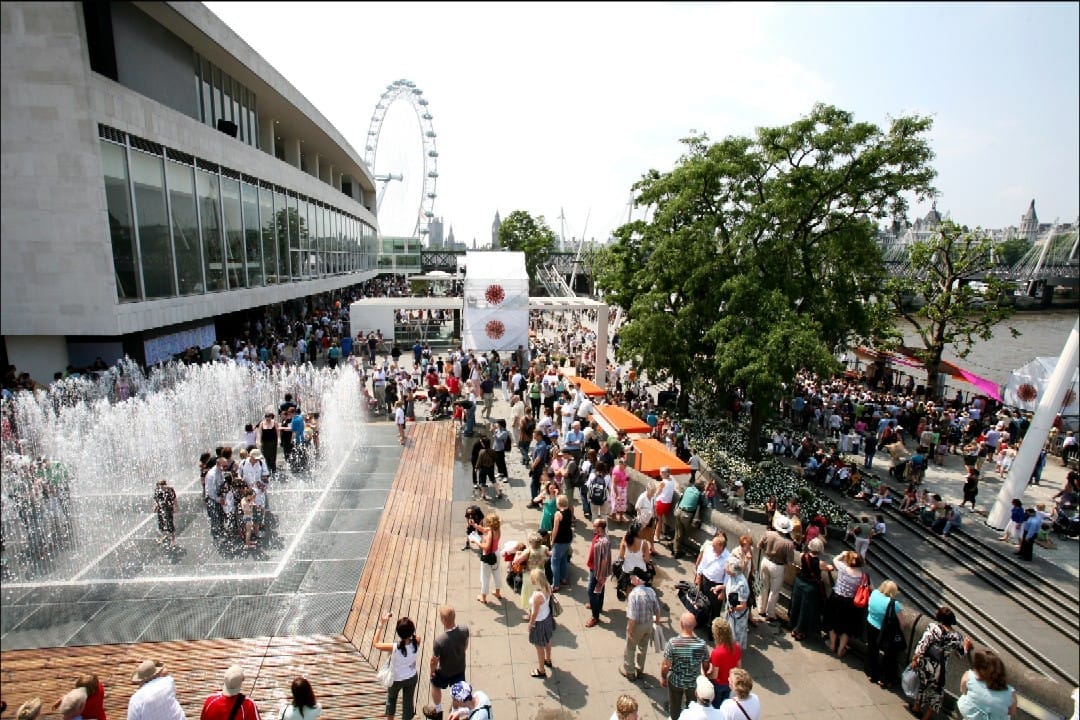
What Is the Southbank Centre?
The Southbank Centre is not a single building but a campus of venues spread along a prime stretch of the Thames riverfront in southeast London. It comprises the Royal Festival Hall, the Queen Elizabeth Hall, the Purcell Room, the Hayward Gallery, and the National Poetry Library. Taken together, they form the largest arts centre in the UK, a title it has held since its origins in the 1951 Festival of Britain. The site sits between Waterloo Bridge and Hungerford Bridge, directly facing the Victoria Embankment on the opposite bank.
The centre occupies the same cultural corridor as the Tate Modern and the Shakespeare's Globe, making the South Bank one of the most concentrated arts districts anywhere in Europe. The Southbank Centre itself, though, has a distinct identity: it is less a museum and more a living venue, shaped by programmes that change week to week.
💡 Local tip
The Royal Festival Hall foyer is free to enter Tuesday through Sunday (10:00–23:00, closed Monday). You can walk in off the street, use the café, read by the riverside windows, or simply absorb the architecture without booking anything.
The Royal Festival Hall: Architecture and Atmosphere
The Royal Festival Hall is the centrepiece of the campus. Designed by Leslie Martin and Peter Moro and completed in 1951 for the Festival of Britain, it is one of the finest examples of post-war civic architecture in Britain. The exterior is relatively restrained, a clean horizontal mass of Portland stone and glass, but the interior surprises: layered balconies, warm timber cladding, and a sense of generous public space that was deliberately designed to be welcoming to all classes of visitor, not just ticket-holders.
The auditorium seats approximately 2,700 people and is the home of the London Philharmonic Orchestra, the Philharmonia Orchestra, the London Sinfonietta, and the Orchestra of the Age of Enlightenment. Acoustically it was substantially rebuilt in the 1960s and again in a major 2005–2007 refurbishment, which also restored the building's public spaces and added new bars and terraces.
In the morning, before most visitors arrive, the foyer is almost meditative. Light floods through the large glass frontage facing the Thames, the café hum is low, and you can study the building's proportions without crowds. By evening before a concert, the atmosphere shifts entirely: the bars fill, the terraces are animated, and the sound of tuning instruments drifts from the auditorium doors. The difference between a quiet Tuesday afternoon and a Friday evening here is striking.
Tickets & tours
Hand-picked options from our booking partner. Prices are indicative; availability and final rates are confirmed when you complete your booking.
London Castles and Bridges Southbank Walking Tour
From 48 €Instant confirmationFree cancellationHistory of London: City Centre guided tour
From 59 €Instant confirmationFree cancellationCamden Market and Southbank Bike and Food Tour
From 82 €Instant confirmationFree cancellationHMS Belfast tickets and Southbank highlights audio tour
From 39 €Instant confirmationFree cancellation
Queen Elizabeth Hall, Purcell Room, and Hayward Gallery
The Queen Elizabeth Hall and the Purcell Room occupy a brutalist concrete block directly adjacent to the Festival Hall. Built in 1967, the building is a more uncompromising piece of architecture: raw concrete, angular and monumental. It divides opinion, but Historic England lists both the Festival Hall and the QEH/Purcell Room complex as Grade I listed buildings, recognising their architectural and historical significance.
The Hayward Gallery, which shares the same brutalist block, is one of London's leading contemporary art venues. It has no permanent collection; instead it runs a sequence of major temporary exhibitions across the year. The gallery's concrete roof terraces have themselves hosted outdoor sculptural installations. Opening times follow the exhibition calendar, so check the official website before visiting specifically for the gallery.
ℹ️ Good to know
The roof garden above the Queen Elizabeth Hall is worth seeking out when open. It offers views toward St Paul's Cathedral and the City skyline, and hosts a skate park beneath its overhang, which has been in operation since 1973 and is arguably the most unlikely landmark on the South Bank.
The National Poetry Library and Quieter Corners
Most visitors to the Southbank Centre overlook the National Poetry Library, which is housed within the Royal Festival Hall on Level 5. It holds the most extensive collection of post-1912 poetry in the world and is free to visit. Open Tuesday 12:00–18:00 and Wednesday through Sunday 12:00–20:00, it is a quiet retreat in the middle of one of London's most trafficked cultural areas. You can browse, sit, and read without obligation.
The riverside walkway running directly in front of the venues is also worth treating as part of the Southbank Centre experience. Book stalls operate under Waterloo Bridge most days, selling secondhand paperbacks and prints at fair prices. The stalls have been there for decades and have a devoted following among residents and repeat visitors.
Practical Walkthrough: Getting There and Moving Around
The most straightforward approach is from Waterloo station, a five-minute walk. Exit onto Waterloo Road, cross under the railway bridge, and the South Bank riverside path brings you directly to the Festival Hall. From Embankment station on the north side of the river, cross Hungerford Bridge (the pedestrian bridge alongside Charing Cross railway bridge) for a walk with good views downstream toward St Paul's Cathedral. The walk takes around ten minutes from Embankment.
The venues are closely connected by covered and outdoor walkways, so navigation is generally simple once you are on site. Signage is clear. The campus is accessible: lifts connect all levels, and all public spaces including bars, toilets, and performance spaces are stated to be accessible to all visitors. Blue Badge holders can use four free spaces on the Queen Elizabeth Hall slip road (first-come, first-served, badge must be displayed).
⚠️ What to skip
The Royal Festival Hall is closed on Mondays. If you are visiting London on a Monday and plan to use it as a refuge from the weather or as a daytime base, note this closure and plan an alternative.
What to Expect at Different Times of Day
Mornings on weekdays are calm. The café on the ground floor of the Royal Festival Hall serves coffee to a mix of South Bank office workers and early visitors. The foyer is rarely crowded before midday, and the Thames-facing windows give a clear view of the river and the north bank. It is a good time to look at the building rather than simply pass through it.
Afternoons bring more foot traffic, particularly at weekends. The riverside terraces in front of the Festival Hall attract people who have no particular arts agenda: families eating lunch, teenagers at the skate park beneath the QEH overhang, tourists moving between the Tate Modern and Waterloo. The atmosphere is democratic and easy. Street food markets and pop-up events appear on the riverside regularly, particularly in warmer months.
Evenings before and after performances are when the Southbank Centre feels most like itself. The bars on the ground and upper floors of the Festival Hall are full, the terraces are lit, and the Thames at night reflects the lights of the bridges. If you are not attending a concert, you can still come for a drink and observe. Nobody checks for tickets at the foyer entrance.
The views across the Thames from the Festival Hall terraces are among the best in central London, particularly toward the north bank at dusk when the lit skyline includes the towers of the Embankment, the dome of St Paul's in the middle distance, and the curve of the river toward the City.
Seasonal Considerations and Events
The Southbank Centre programmes year-round, and the calendar includes a winter market in December, outdoor markets, free foyer performances, and major ticketed concerts and exhibitions throughout the year. The summer months bring increased use of the outdoor terraces and often free outdoor events. The Christmas market on the riverside outside the venues runs for several weeks in late November and December and draws substantial crowds, particularly on weekends.
Rain does not significantly diminish the experience here. The covered riverside walkway provides some shelter, and the Festival Hall foyer is comfortable to spend time in during bad weather. For context on how weather should factor into a wider London trip, see the guide to thebest time to visit London.
Those visiting London primarily for the performing arts should note that the Southbank Centre's programme is separate from, and not to be confused with, the National Theatre or the BFI Southbank, which are adjacent institutions on the same riverfront.
Insider Tips
- Book tickets for Royal Festival Hall concerts well in advance for flagship events, but check the 'last minute' section on the website: returns and unsold tickets for midweek performances are sometimes available at reduced prices close to the date.
- The Festival Hall's Level 5 is quieter than the ground floor even during busy periods. The bar up there offers the same river views with fewer people, and it is a good place to wait before a performance.
- The secondhand book stalls under Waterloo Bridge, just to the east of the Festival Hall, are open most days regardless of weather. Quality varies but prices are low and the selection leans toward literary fiction, art books, and London history.
- If you want to hear the Royal Festival Hall acoustics without paying for a full concert, some afternoon rehearsal sessions and free foyer music events are open to the public. Check the 'free events' filter on the What's On listings page.
- The skate park beneath the Queen Elizabeth Hall has been in continuous use since 1973 and is a genuine piece of London culture. It is not a tourist attraction in the conventional sense, but it is worth watching for ten minutes if you pass through, particularly in the evenings when better skaters tend to appear.
Who Is Southbank Centre For?
- Classical music and contemporary arts audiences who want an integrated cultural venue rather than a single museum
- Architecture enthusiasts interested in both post-war civic modernism (Festival Hall) and 1960s brutalism (QEH/Hayward)
- Visitors looking for a free, comfortable indoor space with riverside views, particularly on rainy days
- Families: the riverside setting, skate park, free foyer access, and café make it manageable with children even without a specific performance
- Those building a half-day South Bank walk, using the Southbank Centre as an anchor between the Tate Modern to the east and Waterloo to the west
Nearby Attractions
Other things to see while in South Bank:
- Battersea Park
Battersea Park is a 200-acre Victorian park on the south bank of the River Thames, offering free entry, formal gardens, a children’s zoo, riverside paths, and a notable Buddhist Peace Pagoda. Less crowded than Hyde Park yet surprisingly rich in things to do, it rewards a slow, unhurried visit at any time of year.
- Battersea Power Station
Once derelict for nearly three decades, Battersea Power Station reopened in October 2022 as one of London's most dramatic mixed-use destinations. Entry to the main building and public spaces is free, while the glass chimney lift, Lift 109, offers one of the city's most unusual viewpoints. Here is everything you need to plan a visit.
- Borough Market
Borough Market has stood near London Bridge for around 1,000 years, making it one of the oldest food trading sites in Britain. Today it draws traders selling everything from aged cheeses and cured meats to freshly baked bread and street food from around the world. Entry is free, and the Victorian market buildings add a sense of occasion that most food halls simply cannot match.
- Imperial War Museum London
The Imperial War Museum London is one of the city's most thoughtfully constructed free attractions, covering conflict from the First World War to the present day. Housed in a former psychiatric hospital, it combines large-scale hardware, deeply personal testimony, and unflinching Holocaust galleries into an experience that is hard to shake.