Is the London Pass Worth It? A Practical Review (2026)
The London Pass promises access to 100+ attractions for a flat daily fee. But does it actually save you money? This guide breaks down the real costs, the best use cases, and who should skip it entirely.

Plan and book this trip
Tools from our partner Travelpayouts help you compare flights and hotels. If you book through them, we may earn a commission at no extra cost to you.
Flights
Hotels map
TL;DR
- The London Pass is a digital sightseeing pass from Go City, starting at around £99 for adults (1 day) and £74 for children, covering 100+ attractions.
- It runs on consecutive calendar days, not 24-hour rolling periods — a critical distinction that affects how much value you can extract.
- The pass works best for visitors planning to hit multiple paid attractions in quick succession — think the Tower of London, Kensington Palace, and similar venues in a packed itinerary.
- Many of London's best attractions — the British Museum, National Gallery, Natural History Museum — are completely free, which limits the pass's value for culture-first travellers.
- A 2-day pass can deliver real savings with smart planning; a 1-day pass rarely does unless you pick the highest-priced inclusions.
What Exactly Is the London Pass?

The London Pass is a prepaid attractions pass operated by Go City, one of the largest city pass companies in the world. It is entirely digital: you download the Go City app, purchase your pass, and activate it by scanning at your first attraction. From that point, the pass runs for consecutive calendar days — not rolling 24-hour windows. If you scan in at 4pm on a Monday with a 2-day pass, your second day ends at midnight on Tuesday, not at 4pm on Wednesday. That distinction matters enormously when planning your itinerary.
There are two tiers: the standard London Pass and the London Pass Plus. The Plus version adds four premium attractions that are excluded from the standard pass: the London Eye, Madame Tussauds, The View from The Shard, and a Big Bus Hop-On Hop-Off Tour. If those specific venues are on your list, the Plus version is worth pricing against individual tickets separately. If they are not, the standard pass is likely the better comparison.
⚠️ What to skip
The London Pass counts calendar days, not 24-hour periods. A 1-day pass activated at 3pm expires at midnight the same evening — not 24 hours later. Always activate your pass first thing in the morning to maximise each day's value.
Pricing and Duration Options
The pass is sold in eight durations: 1, 2, 3, 4, 5, 6, 7, and 10 consecutive days. Adult passes start from around £99 for a single day; child passes start from around £74. Prices increase incrementally with each additional day, though the per-day cost generally drops as you go longer. Go City also offers one year from the date of purchase to activate the pass, which is useful if you are booking far in advance.
- 1-Day Pass From approximately £99 adult / £74 child. High bar to clear — you would need to visit multiple paid attractions in a single day to break even.
- 2-Day Pass Where most visitors start seeing genuine value, particularly with a well-planned itinerary hitting 3-4 paid attractions per day.
- 3-7 Day Passes Suited to visitors who want structured sightseeing across their entire trip, though fatigue sets in — most people cannot sustain paid attraction visits every single day.
- 10-Day Pass Rarely worth it unless you are on an extended trip specifically designed around sightseeing. London has significant free cultural offerings that compete for your time.
✨ Pro tip
Before purchasing, list every paid attraction you intend to visit and add up their individual ticket prices from official websites. If the pass costs less than that total, it saves you money. If not, book separately. This calculation takes 10 minutes and is the only reliable way to assess value for your specific itinerary.
Which Attractions Are Included — and Which Are Not
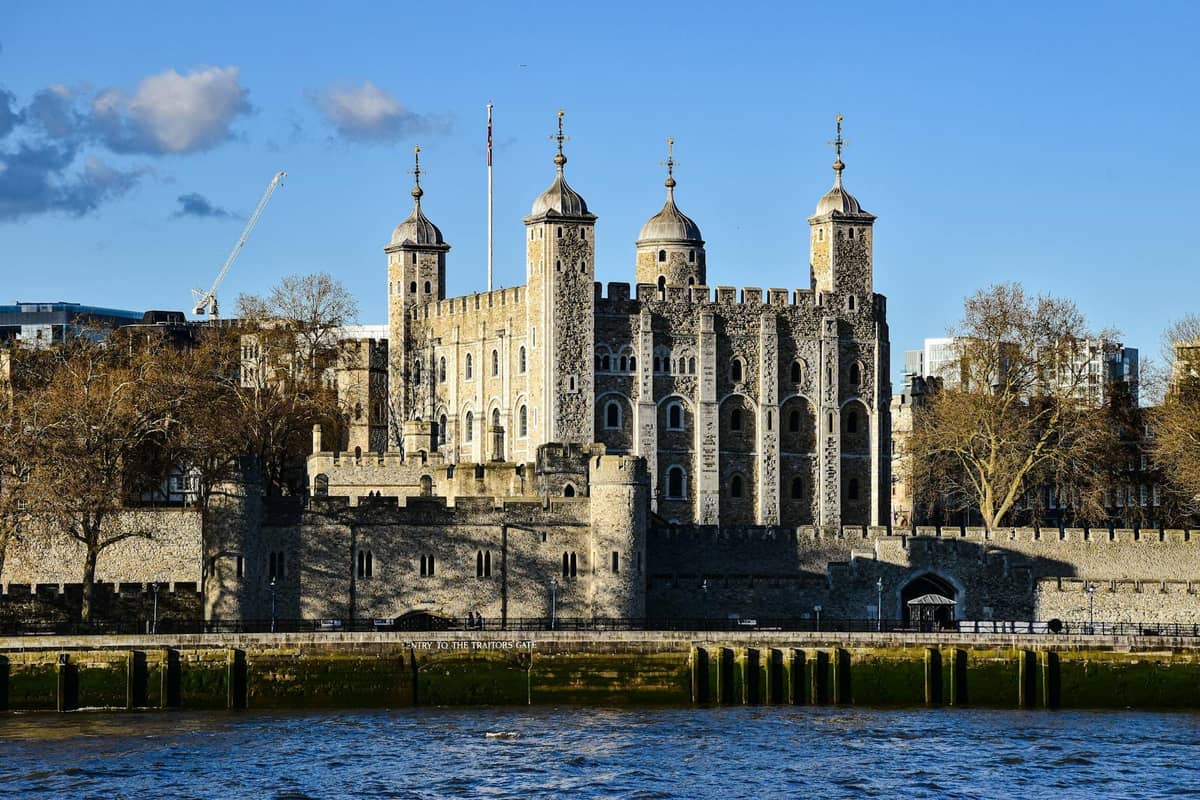
The London Pass covers 100+ attractions, but quality matters more than quantity. The headline inclusions that carry the most individual ticket value include the Tower of London (adult tickets around £37), Kensington Palace, Hampton Court Palace, the Cutty Sark in Greenwich, Westminster Abbey (around £31 for adults), and St Paul's Cathedral (around £25–£28). These are the anchor attractions that make the pass financially viable.
The pass also covers a number of smaller museums and venues: the Sir John Soane's Museum (which is actually free without a pass), the London Transport Museum (around £22 adult), and venues in Greenwich like the National Maritime Museum and the Royal Observatory. Some inclusions pad the list without adding much financial value — always check the individual admission price before counting an attraction toward your break-even calculation.
What is not included is equally important. The British Museum, National Gallery, Natural History Museum, Victoria and Albert Museum, Tate Modern, Tate Britain, and the Science Museum are all free to enter without any pass. These are London's most-visited cultural institutions. If your itinerary is built around these, the London Pass offers you nothing on admission — though some paid special exhibitions within them may have separate ticket requirements.
ℹ️ Good to know
Transport is not included in the standard London Pass. You will still need an Oyster card or contactless payment card for the Tube, buses, and Overground. Some passes from other providers bundle transport, but the London Pass does not. Budget accordingly.
When the London Pass Is Worth It

The pass makes genuine financial sense in a specific scenario: you are spending 2-3 days focused on paid historic and royal attractions, you are travelling as a couple or family (making the per-person comparison more significant), and your itinerary is packed. A realistic 2-day itinerary that extracts value might look like: Day 1 covers theTower of London and St Paul's Cathedral; Day 2 covers Westminster Abbey and Hampton Court Palace. Those four attractions alone can add up to £100+ per adult in individual tickets.
- You plan to visit 3+ paid attractions per day and can maintain that pace
- Your itinerary focuses on Historic Royal Palaces properties (Tower of London, Kensington Palace, Hampton Court) — these are expensive individually and carry strong pass value
- You are travelling with children who want interactive, ticketed venues rather than free museums
- You prefer the convenience of pre-paying and not queuing at ticket windows
- You have activated the pass first thing in the morning to maximise each calendar day
When to Skip It

The pass is poor value for a large category of London visitors. If your primary interests are art museums and galleries, you can spend days in London without spending a penny on admission — theNational Gallery, British Museum, Tate Modern, Victoria and Albert Museum, and Natural History Museum are all free. A pass does not unlock any additional value at these venues.
Solo travellers on shorter trips also rarely recoup the cost. A 1-day pass requires visiting enough paid attractions in a single calendar day to exceed about £99 in individual ticket prices — that is a gruelling pace that leaves little room for the wandering and spontaneity that makes London rewarding. Similarly, visitors whose priority is food markets, neighbourhoods, parks, and street life will find the pass irrelevant to most of their day.
- Your itinerary centres on free national museums and galleries
- You are visiting London for 1 day only — the maths rarely work
- You prefer flexible, unscheduled travel over structured attraction-hopping
- You are interested primarily in food, markets, parks, and neighbourhoods
- You are already visiting London on a tight budget — the upfront cost is significant
Practical Tips for Getting the Most Out of the Pass
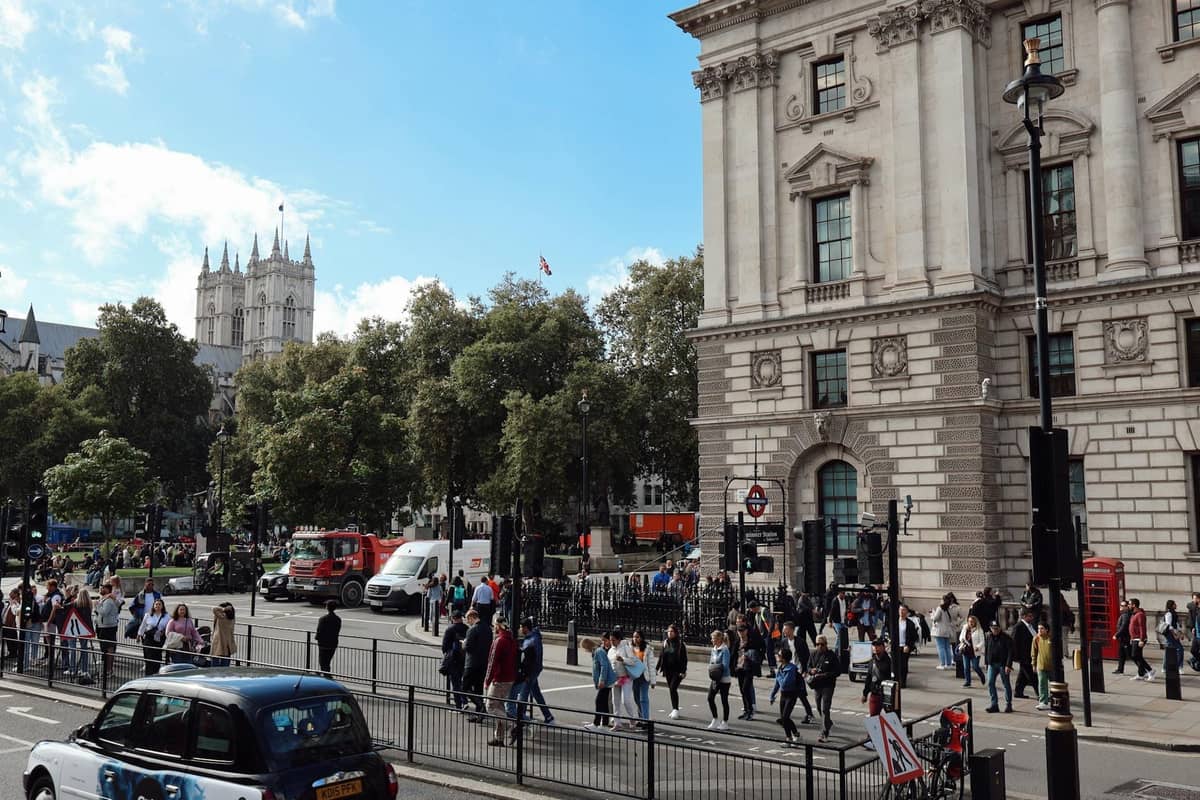
If you have decided the pass suits your trip, a few operational details make a real difference. First, some attractions included in the pass require advance booking through the Go City app rather than simply showing up. Westminster Abbey in particular often has timed entry slots, and failing to pre-book can mean being turned away even with a valid pass. Check each attraction's booking requirements before your visit day.
Seasonal availability is another factor. Some outdoor experiences or river-based attractions may not operate year-round, which affects the effective list of inclusions depending on when you visit. Check the Go City app's current attraction list against your travel dates rather than assuming the full 100+ list applies to every season. For broader seasonal planning, the best time to visit London guide covers crowd levels, weather, and event calendars across the year.
Group the attractions geographically to avoid spending your entire pass day on the Tube. Westminster and the South Bank can realistically be covered together. The City of London and the East End work as another cluster. Greenwich is a half-day destination on its own — a DLR journey away, but worth it for the Royal Observatory, Cutty Sark, and Old Royal Naval College, all of which carry strong pass value.
- Always activate the pass at your first attraction of the morning, not the evening before
- Pre-book timed entry slots through the Go City app for Westminster Abbey and any other high-demand venues
- Group attractions by neighbourhood to minimise transport time between venues
- Download the pass and your bookings before leaving your accommodation — mobile signal inside historic buildings can be unreliable
- Check seasonal availability of specific attractions against your travel dates before purchase
FAQ
Is the London Pass worth it for 2 days?
A 2-day pass can offer genuine savings if your itinerary includes high-priced attractions like the Tower of London (around £34-£37), Westminster Abbey (around £27-£29), St Paul's Cathedral, and Hampton Court Palace. Visiting two or three of these per day can easily exceed the pass cost in individual tickets. The key is planning a tight, paid-attraction-focused itinerary rather than mixing in free museum days.
Does the London Pass include transport?
No. The standard London Pass does not include any Transport for London (TfL) services — no Tube, buses, Overground, or DLR. You will need a separate Oyster card or use contactless payment for all public transport. Budget an additional £10–£15 per day for getting between attractions.
How long do I have to use the London Pass after buying it?
Go City gives you one year from the date of purchase to activate the pass. Once activated at your first attraction, the consecutive-day clock starts and runs through to midnight on your final included day.
Can I enter attractions without pre-booking if I have the London Pass?
Some attractions allow walk-up entry by showing the pass in the Go City app. However, others — including Westminster Abbey — require you to pre-book a timed entry slot through the app. Failing to check booking requirements in advance can result in being turned away even with a valid pass. Always check each venue's requirements before your visit.
Is the London Pass worth it for families with children?
Potentially yes, particularly if children are old enough to sustain a full day of structured sightseeing. Child passes start from around £54, and attractions like the Tower of London, Kew Gardens, and Hampton Court Palace charge significant child admission fees. Run the numbers against your specific planned attractions — families with two or more children visiting multiple paid venues can see the pass pay off within a single day.