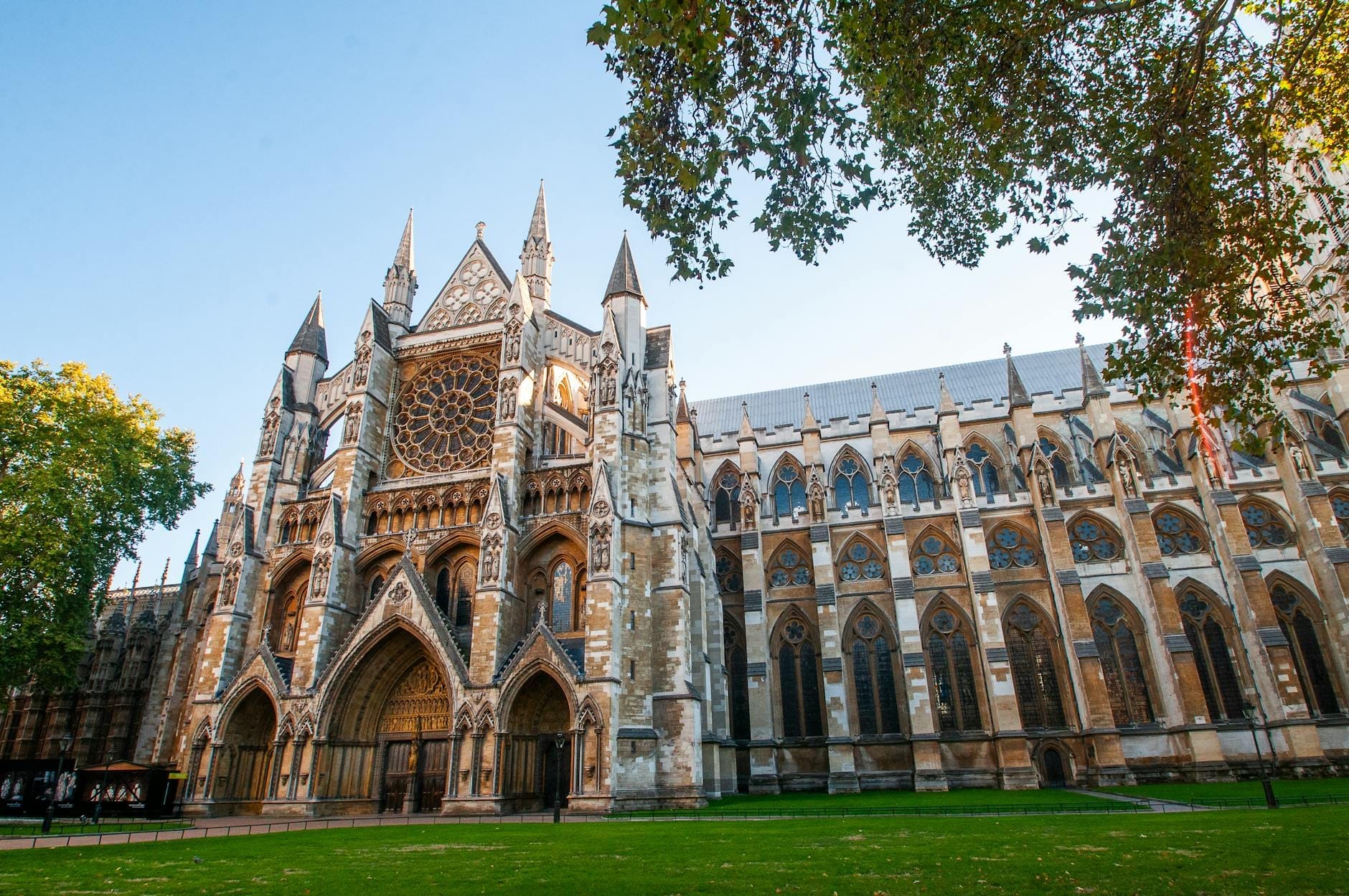
Westminster is the seat of the UK government, home to the Monarch’s official London residence, and the ceremonial heart of London. From the towers of Parliament to the leafy paths of St James's Park, it packs more history per square metre than almost anywhere else in the country.
Westminster is where London's history is written in stone. The Houses of Parliament, Westminster Abbey, Buckingham Palace, and Whitehall are not just landmarks here — they are the actual working machinery of the British state, operating in buildings that have stood for centuries. For first-time visitors especially, spending time in Westminster is less about sightseeing and more about understanding what makes London, and Britain, tick.
Orientation
The City of Westminster is an inner London borough sitting on the north bank of the River Thames. It covers a surprisingly large area — stretching from the financial district boundary near the Strand in the east, through Soho, Mayfair, and St James's in the centre, all the way to the residential streets of Pimlico in the southwest and Paddington in the northwest. In practical traveller terms, though, "Westminster" usually refers to the southern, more monumental section: the riverside strip from Lambeth Bridge up to Hungerford Bridge, and the grid of official buildings running north through Whitehall to Trafalgar Square.
The River Thames forms the southern boundary. To the east, the City of London begins roughly at Temple and the Strand. To the north, the borough blurs into the West End around Covent Garden and Oxford Street. To the west, Hyde Park and Kensington mark the transition into the Royal Borough of Kensington and Chelsea. The South Bank sits directly across the Thames, connected by Westminster Bridge and Golden Jubilee Bridges to the west.
Navigating Westminster on foot is straightforward. The area around Parliament Square, Whitehall, and St James's Park is compact — you can walk from Westminster Abbey to Trafalgar Square in about fifteen minutes at a comfortable pace. The whole ceremonial spine, from Buckingham Palace north to Trafalgar Square, is under two kilometres.
Character & Atmosphere
Westminster does not have the neighbourhood texture of, say, Shoreditch or Brixton. There are no corner cafés full of locals reading newspapers or weekend street markets to browse. What it has instead is something rarer: a concentrated, almost surreal sense of official weight. Walking down Whitehall on a grey Tuesday morning, past the iron gates of Downing Street and the mounted sentries at Horse Guards, it is easy to feel that the street itself is performing something.
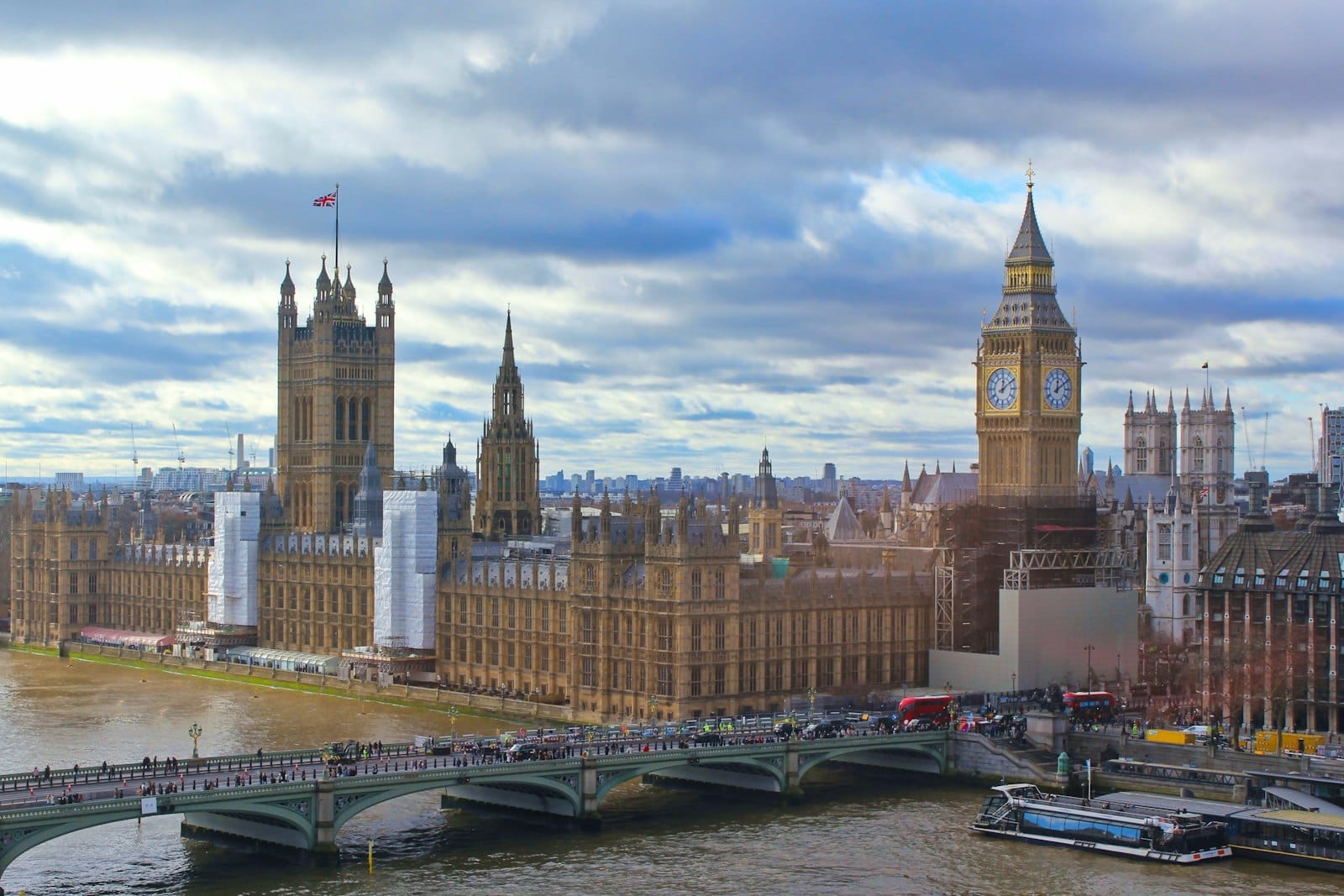
Early mornings are the best time to be here. Before 9am, the tourist coaches have not yet arrived, the light comes in low and gold over the Thames, and you can stand on Westminster Bridge with a clear view of the Palace of Westminster and Big Ben's clock tower without fighting through crowds. The same is true for Parliament Square — walk it before breakfast and you'll find mostly civil servants, photographers, and the occasional jogger.
By mid-morning, the volume turns up sharply. Tour groups fill the pavements around Westminster Abbey and the Houses of Parliament, selfie sticks appear at every corner, and the queues for the Churchill War Rooms stretch back along King Charles Street. Between 11am and 3pm in summer, the central streets around Parliament Square and Victoria Embankment are among the busiest in all of London. If you are sensitive to crowds, plan your morning start before 9am or your afternoon visits after 4pm, when the tour groups begin to thin.
After dark, the character shifts completely. The government offices empty, the tourist buses leave, and Whitehall becomes almost eerily quiet. The floodlit facades of Parliament and the Abbey take on a theatrical quality that the daytime crowds make impossible to appreciate. The area around Victoria Station stays lively into the evening with commuters and theatre-goers, but the heart of Westminster — Parliament Square, the Embankment, St James's Park — is peaceful by 8pm.
💡 Local tip
Visit Parliament Square and the Embankment on a weekday evening rather than a weekend afternoon. You'll find dramatically better light for photography, far fewer crowds, and a much clearer sense of the area's actual scale.
What to See & Do
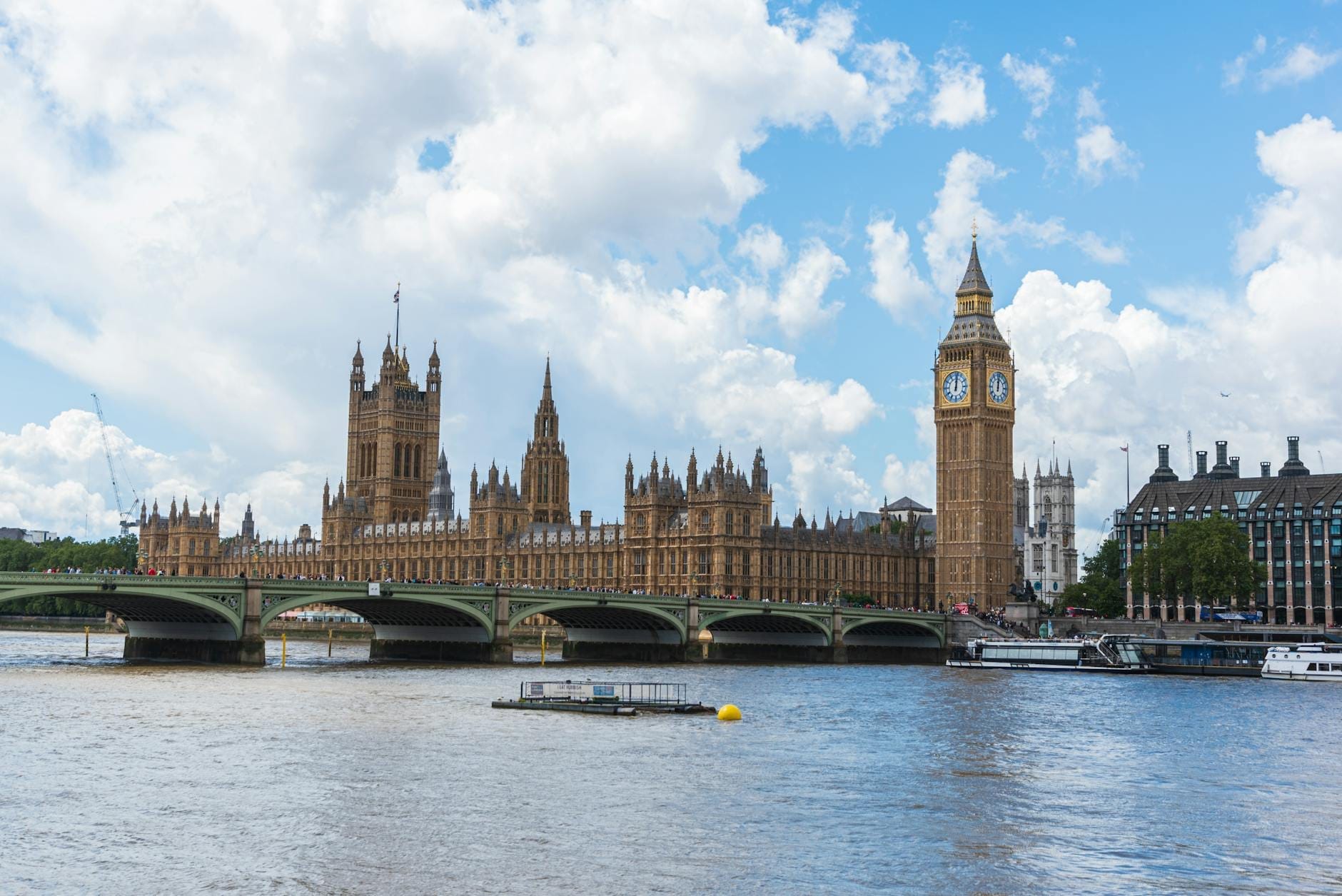
The obvious anchor is the Palace of Westminster, home to the Houses of Parliament and the iconic Elizabeth Tower (popularly known as Big Ben). Tours of the interior run on most days when Parliament is not in session, and the view of the building from Westminster Bridge is one of the defining images of London. Westminster Abbey, just to the south of Parliament Square on Broad Sanctuary, is a working church and a royal burial site — the majority of English and British monarchs since William the Conqueror have been crowned here, and the interior contains over 3,000 memorials and graves. Entry requires a ticket and queues can be long, so booking online in advance is strongly advised.
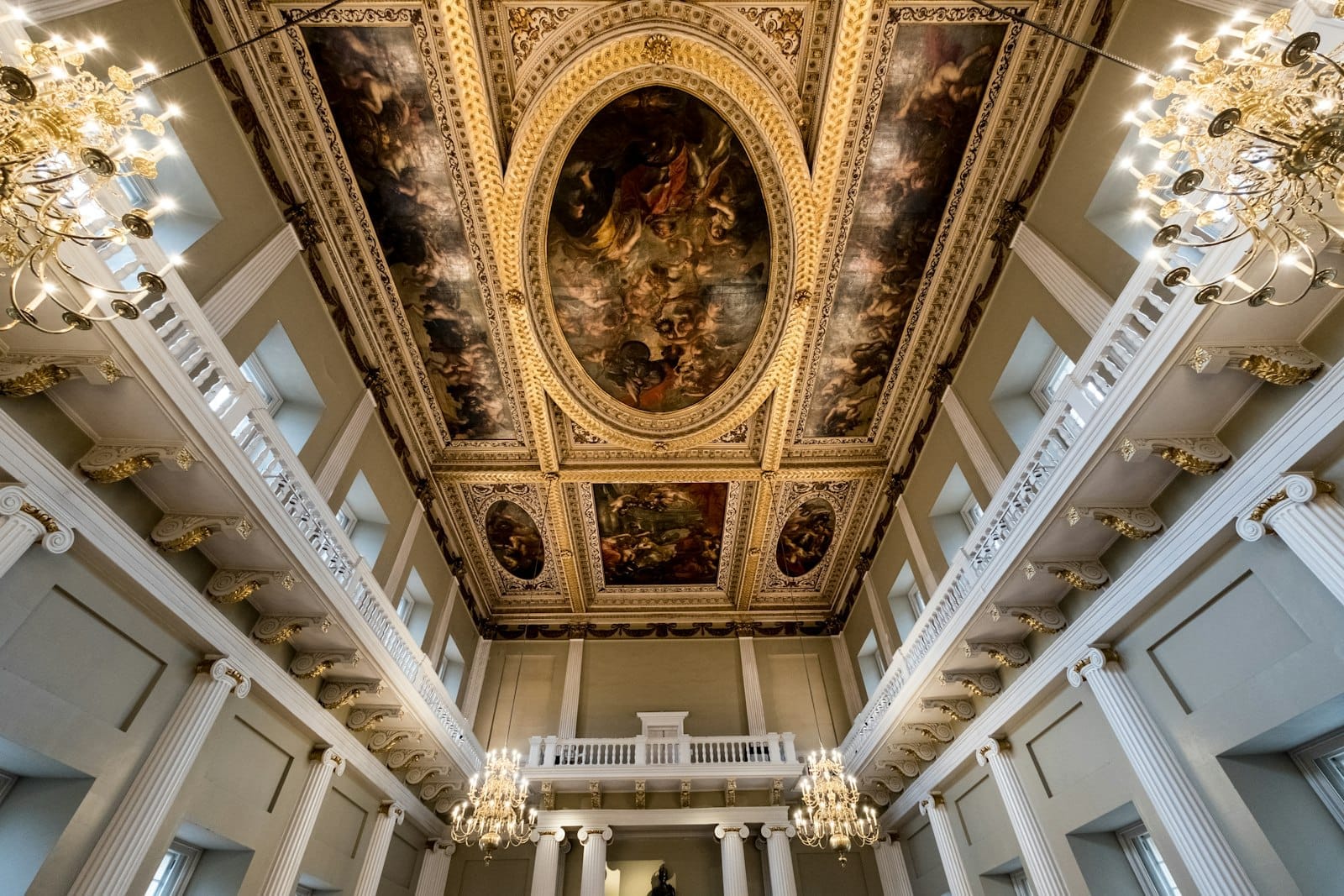
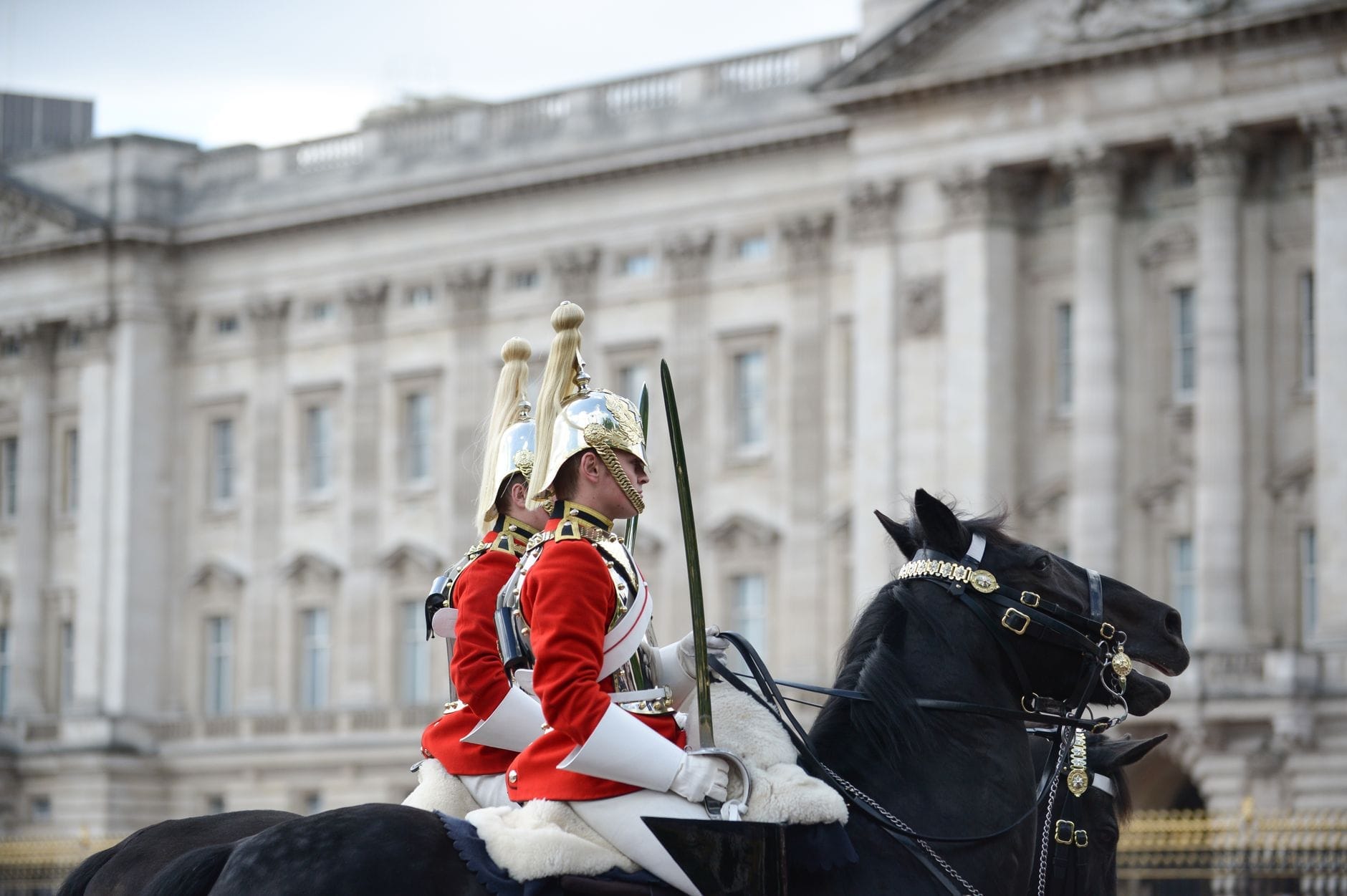
Whitehall runs north from Parliament Square toward Trafalgar Square and is essentially an open-air exhibition of British institutional architecture. The Cenotaph, the national war memorial, stands in the middle of Whitehall. Horse Guards Parade on the western side of Whitehall is where the Changing of the King’s Life Guard takes place — a public ceremony that runs on most mornings. Further up, the Banqueting House on the eastern side is the only surviving structure from the original Palace of Whitehall, with a magnificent ceiling painted by Rubens.
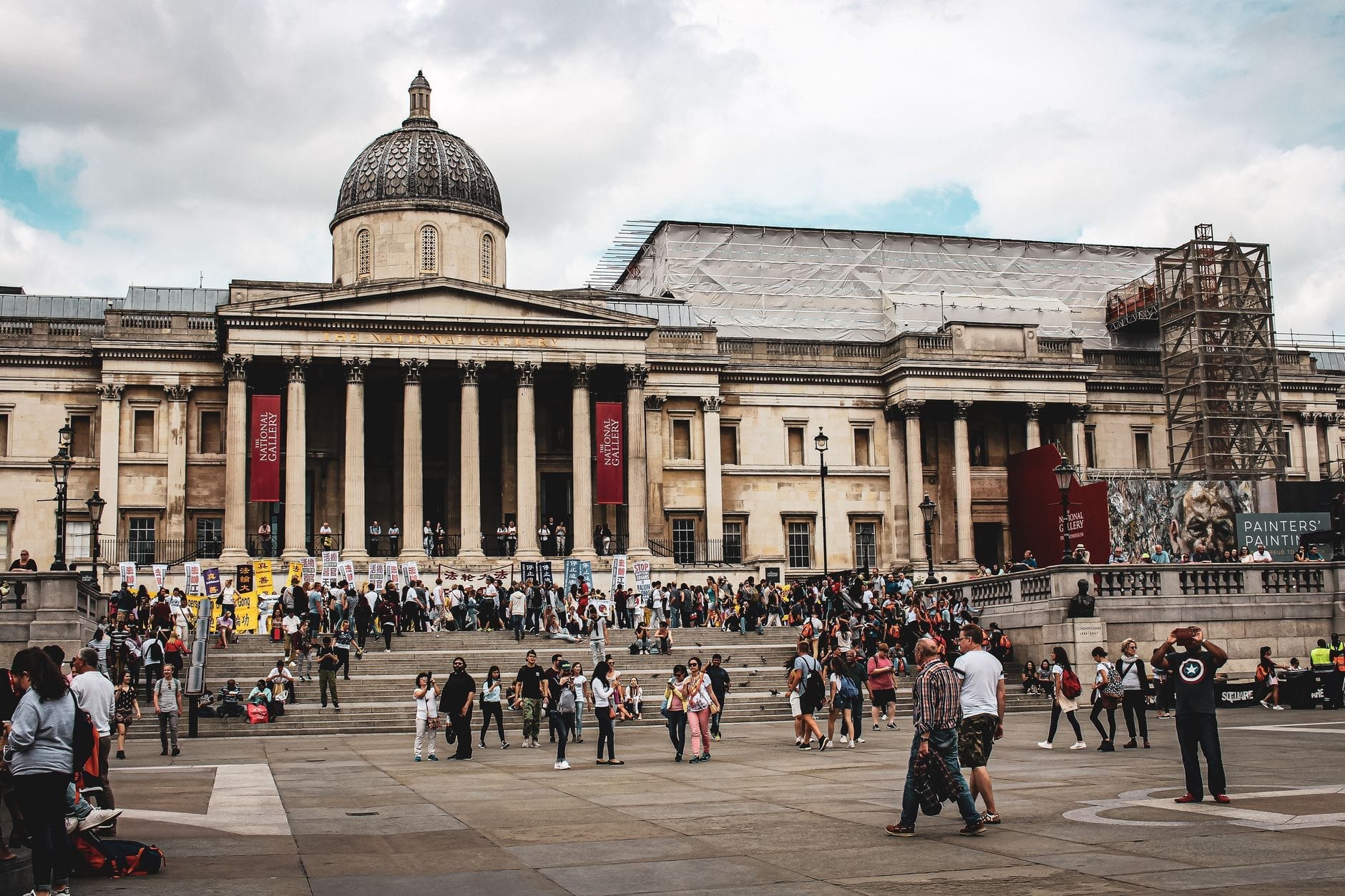
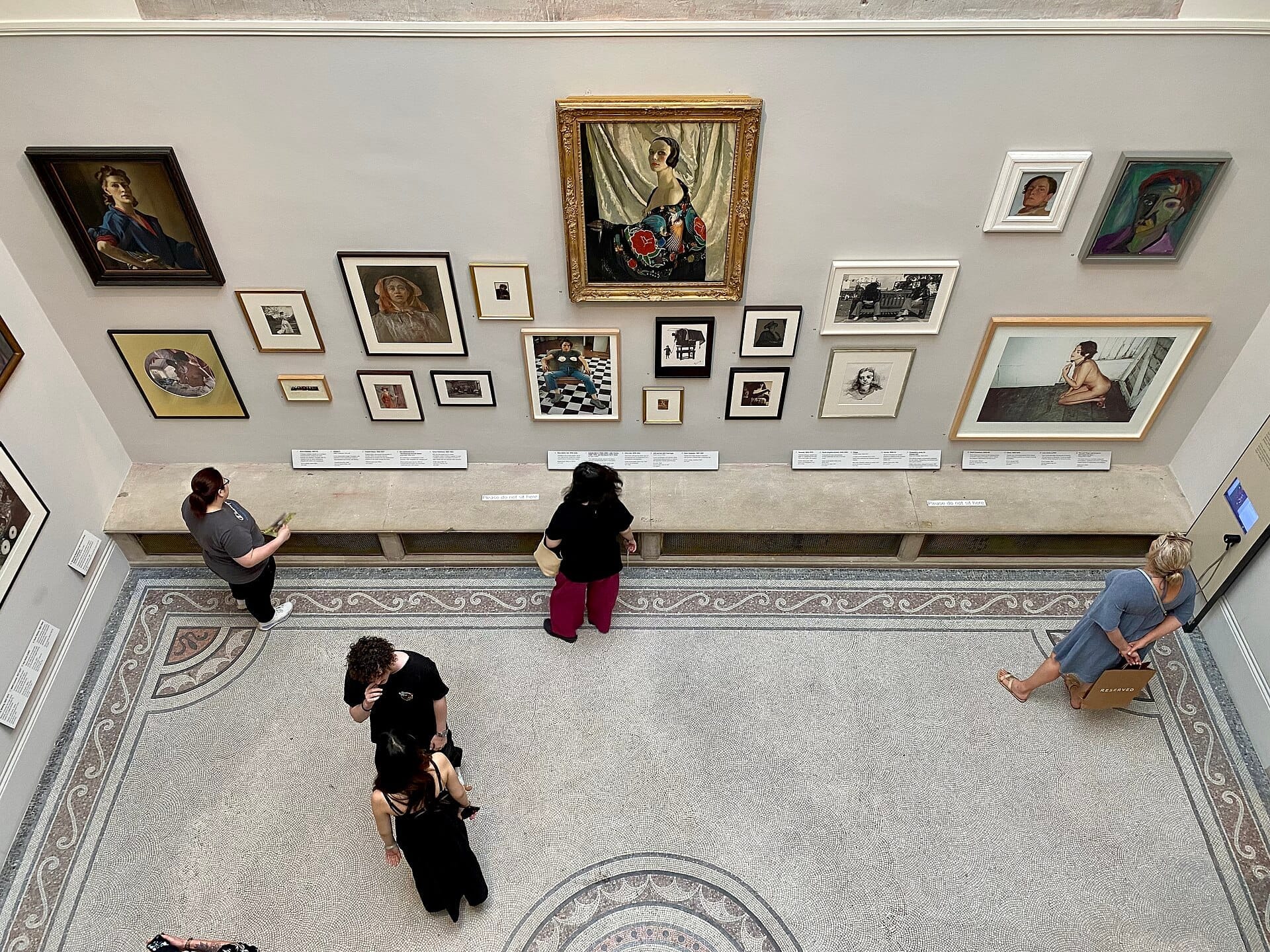
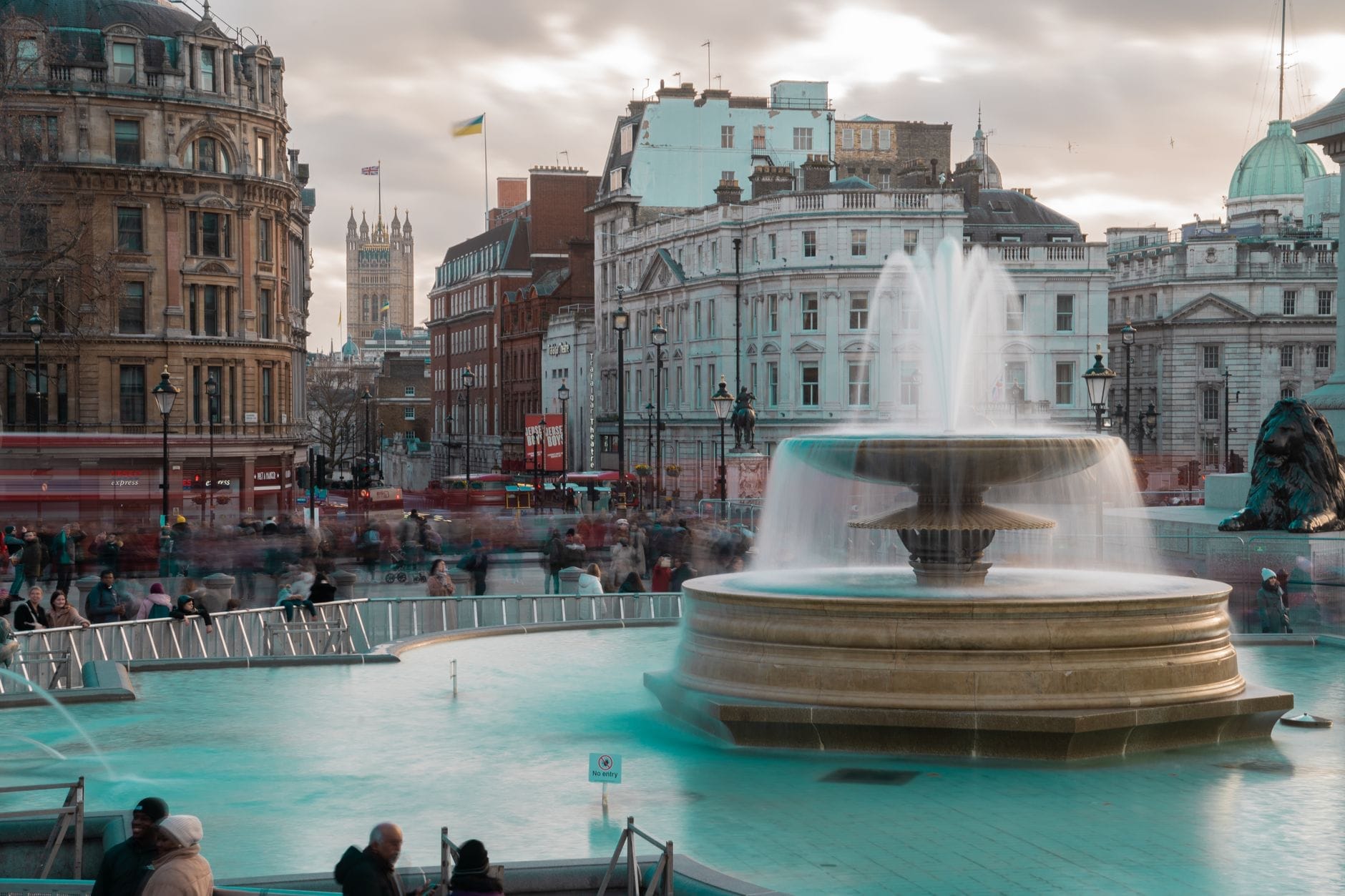
At the northern end of Whitehall, Trafalgar Square marks the effective gateway between Westminster and the West End. Nelson's Column, the fountains, and the lions are the obvious draw, but the square also functions as one of London's main public gathering spaces — political demonstrations, New Year's Eve celebrations, and cultural events all happen here. The National Gallery occupies the entire northern face of the square, and entry is free.
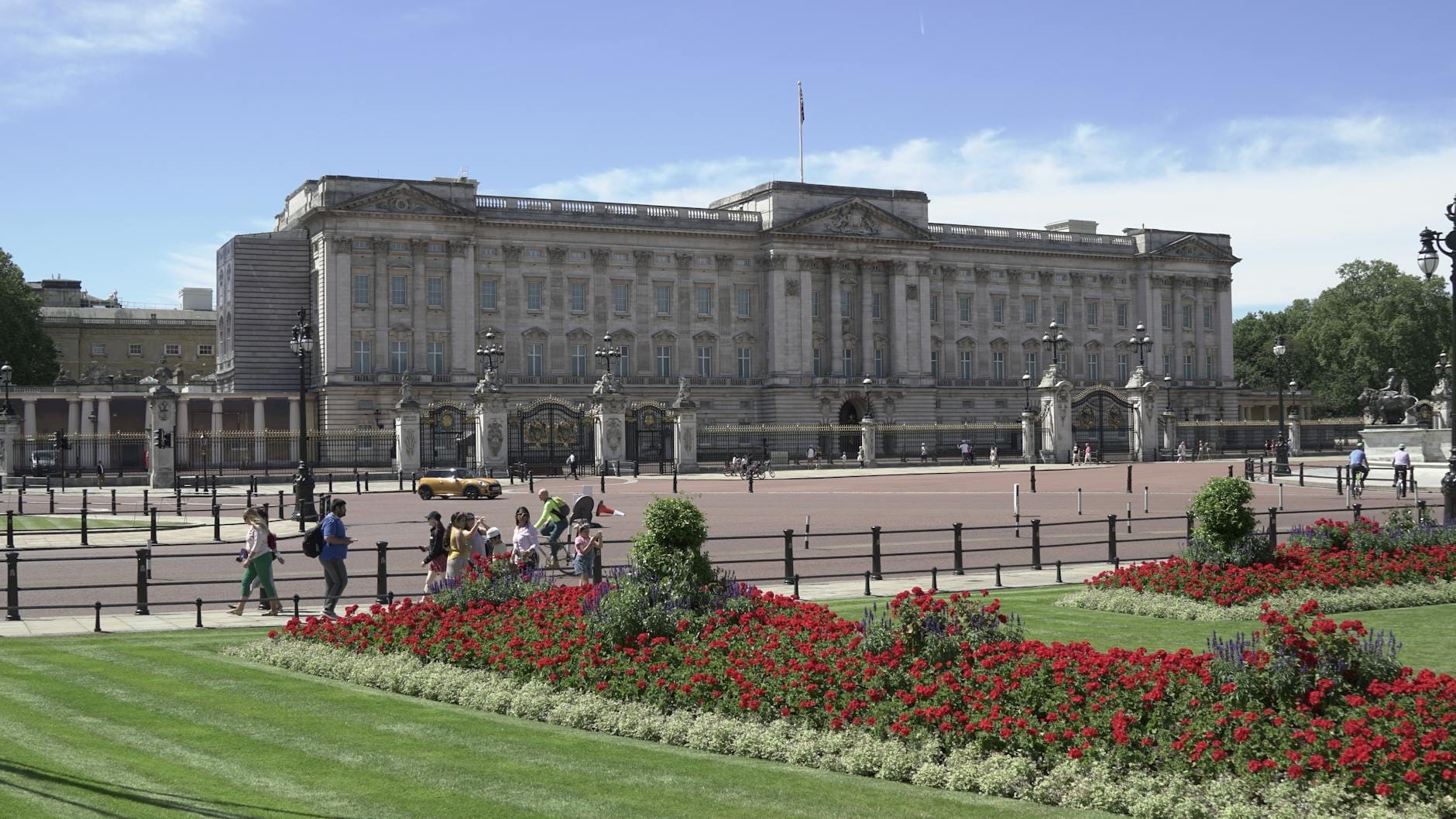
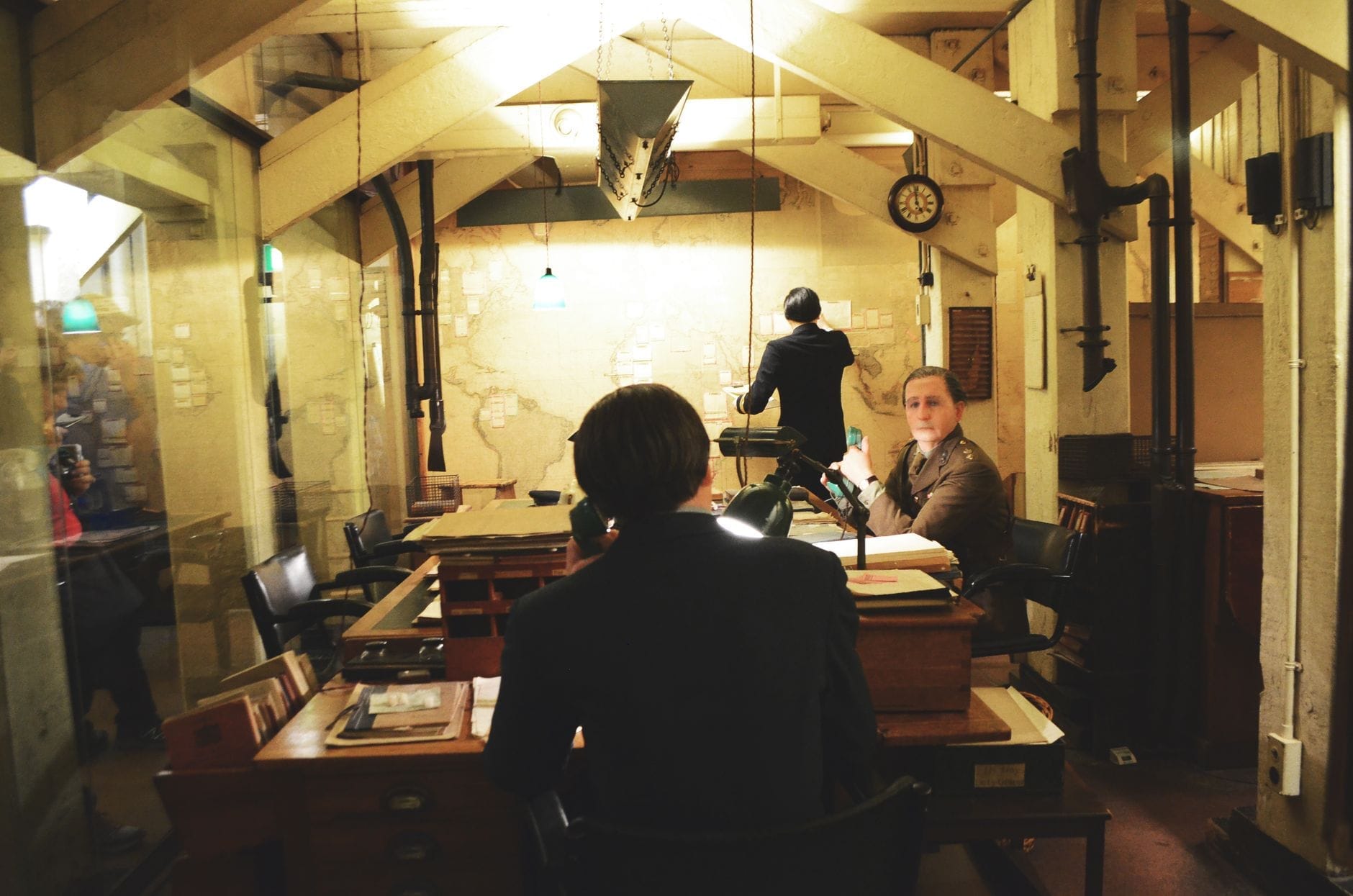
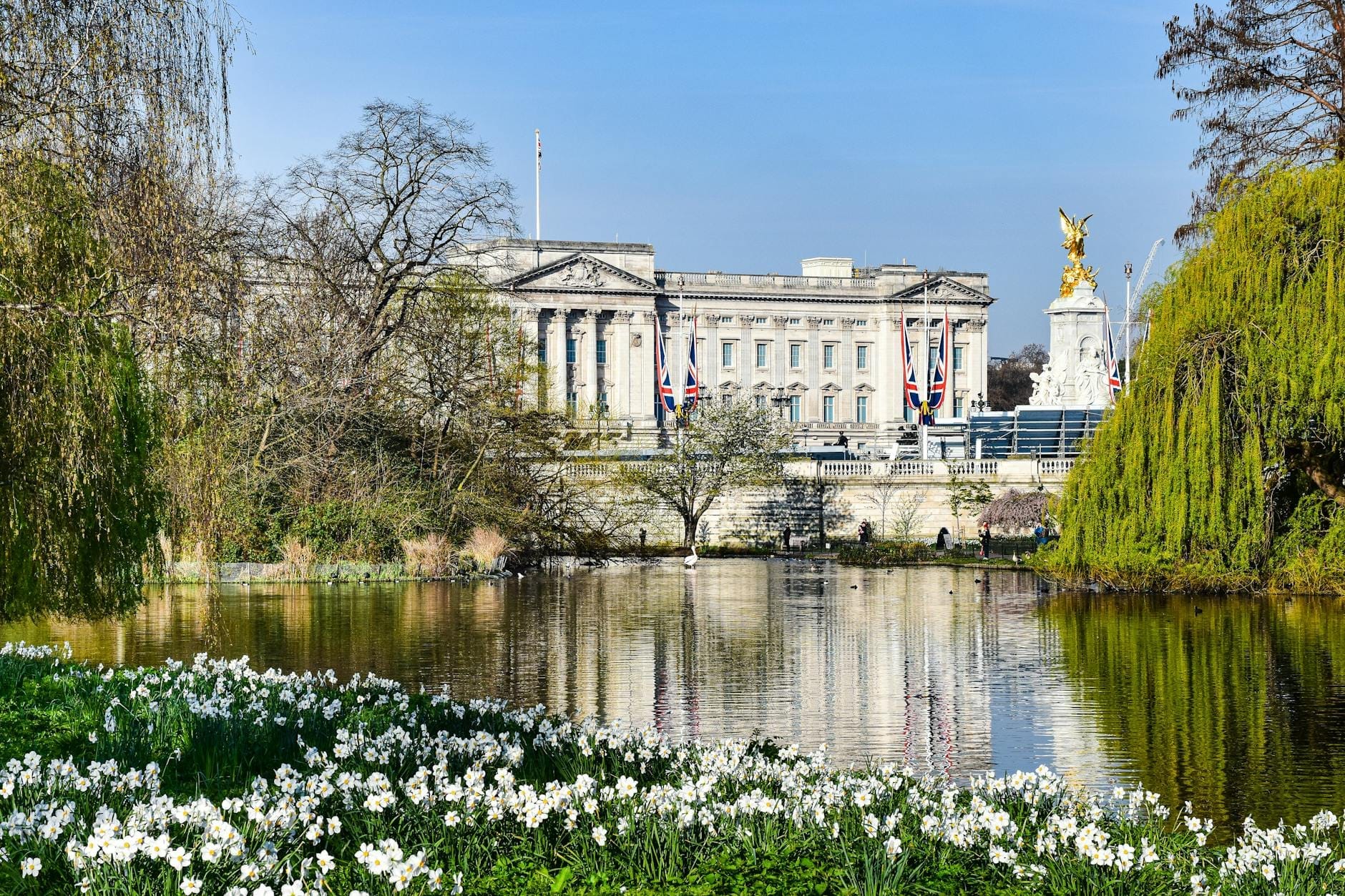
A short walk west of Parliament brings you to St James's Park, one of London's most central green spaces, and then on to Buckingham Palace. The Changing of the Guard at the Palace usually takes place at 11am (frequency varies by season, so check the official Royal Household website before visiting). The State Rooms are open to the public in summer when the Royal Family is not in residence. The Churchill War Rooms on King Charles Street are among the most compelling museums in London — the subterranean bunker where Churchill and his war cabinet directed operations remains almost exactly as it was left in 1945.
Westminster Abbey: royal church, coronation site, poets' corner — book tickets in advance
Houses of Parliament: tours available on non-sitting days; free entry to some public galleries during debates
Churchill War Rooms: underground WWII cabinet bunker on King Charles Street — allow 2 hours
Trafalgar Square and the National Gallery: free entry to the gallery, open daily
Banqueting House: Rubens ceiling, currently closed to the public for major conservation work
Horse Guards Parade: free to watch the Changing of the Guard ceremony
St James's Park: central park with a lake, pelicans, and clear views of Buckingham Palace
Buckingham Palace: State Rooms open in summer; Changing of the Guard at 11am (seasonal)
ℹ️ Good to know
Westminster Abbey and the Churchill War Rooms both charge admission. If you plan to visit multiple paid attractions in London, compare the London Pass against individual ticket prices — it can offer genuine savings on a full itinerary.
Eating & Drinking
Westminster is not a food destination. Worth saying upfront. The immediate area around Parliament Square, Westminster Bridge, and Victoria is dominated by fast-casual chains, overpriced tourist cafés, and hotel dining rooms. A coffee on the Embankment near Westminster pier will cost more than one two streets back from any high street in London, and the quality ratio is not in your favour.
That said, the wider borough changes quickly as you move north and west. Victoria Street has improved considerably as a dining street over the past decade, with better independent options appearing around Cardinal Place and the Nova development near Victoria Station. Pimlico, just south of Victoria, has a quieter, more residential feel with local Italian restaurants, neighbourhood wine bars, and bakeries that serve the local community rather than tourists.
For a proper lunch break during a day of sightseeing, the best move is to walk ten minutes north from Parliament Square to St James's and Mayfair, where the quality of cafés, sandwich shops, and sit-down restaurants improves considerably. Alternatively, the South Bank is directly across Westminster Bridge and offers a much better range of eating options along the riverside. Borough Market sits near London Bridge, about 25 minutes on foot from Westminster Bridge — worth the walk if you have time, but not a quick detour from Parliament Square.
⚠️ What to skip
Avoid the tourist restaurants immediately surrounding Westminster Abbey and the Houses of Parliament unless you have no alternative. The pricing is high and quality is inconsistent. Walking five to ten minutes toward Victoria or Pimlico delivers significantly better value.
Getting There & Around
Westminster is one of the best-served areas for public transport in London, with multiple Underground lines converging within a short walk of the main sights. Westminster station, on the Circle and District lines as well as the Jubilee line, sits beneath Bridge Street by Parliament Square and is the most useful stop for the Abbey, the Houses of Parliament, and the Embankment. St James's Park station (Circle and District lines) on Broadway is a five-minute walk from Buckingham Palace.
Charing Cross station (National Rail and Bakerloo/Northern lines on the Tube) is the terminus for trains from southeast England and a short walk from Trafalgar Square. Victoria station, one of London's busiest mainline termini, sits at the southwestern edge of the neighbourhood and is a key hub for National Rail services to Gatwick Airport, the South Coast, and Brighton. Victoria is served by the Victoria, Circle, and District Underground lines.
For most visitors, the core sights are entirely walkable once you arrive. The walk from Westminster station to Trafalgar Square via Whitehall is roughly 1 kilometre and takes about 15 minutes. From Trafalgar Square to Buckingham Palace via St James's Park is another 20 minutes on foot. If you prefer a broader overview before diving into individual sites, the London hop-on hop-off bus runs along Whitehall and Buckingham Palace Road, with stops near all the major Westminster landmarks.
Westminster is also well-served by river. Thames Clipper services call at Embankment and Westminster piers, connecting the neighbourhood directly to the South Bank, the City, and east London. For planning any journeys across the capital, the guide to getting around London covers Tube fares, Oyster cards, and day travel options in detail.
Where to Stay
Westminster offers a wide range of accommodation, from budget hotels around Victoria Station to high-end properties along the Embankment and in St James's. Staying in Westminster puts you within walking distance of the core sights, which is a genuine advantage for early-morning visits before the crowds arrive. It is also well-positioned for day trips and onward travel, since Victoria Station provides direct access to Gatwick Airport and multiple National Rail routes.
The Victoria and Pimlico area offers the most concentrated and varied hotel stock, with options at every price point. Budget and mid-range travellers will find the best value here rather than in the immediate Westminster Bridge or Parliament Square area, where hotels charge a premium for proximity to the landmarks. The streets around Eccleston Square and Warwick Square in Pimlico are particularly pleasant for smaller boutique hotels and B&Bs.
For visitors primarily focused on sightseeing across central London, Westminster is a strong base location. However, if nightlife, restaurant variety, or neighbourhood character matters to you, consider whether the West End or the South Bank might serve you better. The full guide to where to stay in London compares all the main areas with practical advice on who each suits.
💡 Local tip
If you are arriving at Gatwick or have an early Gatwick departure, staying near Victoria Station is the most practical choice in Westminster — the Gatwick Express runs directly from Victoria in about 30 minutes in normal conditions.
Is Westminster Right for You?
Westminster is an essential stop on any first trip to London, but it works best as a day or half-day visit rather than a residential base for most travellers. The density of major attractions is unmatched anywhere else in the city: Westminster Abbey, the Houses of Parliament, Buckingham Palace, the National Gallery, and the Churchill War Rooms are all within a 20-minute walk of each other. If you are building a first-timer's London itinerary, Westminster will likely claim at least one full day.
But the area has real limitations. The food scene is weak by London standards, nightlife is minimal outside the Victoria area, and the streets around the main sights are congested with tour groups from mid-morning onward. Anyone looking for the local, lived-in texture of London — the neighbourhood feel that draws people to Shoreditch or Notting Hill — will not find it here. Westminster rewards the history-focused and the architecturally curious more than it rewards those seeking urban atmosphere.
TL;DR
Westminster is the political and ceremonial heart of London, containing the Houses of Parliament, Westminster Abbey, Buckingham Palace, Trafalgar Square, and the National Gallery — all within easy walking distance of each other.
Best visited early in the morning or on weekday evenings to avoid peak tourist crowds; midday in summer is the most congested period across the whole neighbourhood.
Transport connections are excellent: Westminster, St James's Park, Charing Cross, and Victoria stations all serve the area, and the core sights are entirely walkable once you arrive.
The food and drink scene around the main tourist landmarks is poor value; move toward Victoria, Pimlico, or Mayfair for better options.
Ideal for first-time visitors and history enthusiasts; less suited to travellers seeking neighbourhood character, nightlife, or a diverse food scene.
Staying near Victoria is the most practical choice for those with Gatwick airport connections or National Rail departures.
Afternoon tea in London ranges from grand hotel rituals at £95 per person to relaxed neighbourhood spreads under £50. This guide covers the top venues across every budget, how to book, what to wear, and which hyped spots are actually worth it.
London has more world-class museums than almost any city on Earth, and the majority are free. This guide covers the essential institutions across art, history, science, design, and beyond, helping you plan your visits with confidence.
London has more parkland per capita than almost any major world city, and its eight Royal Parks alone cover just under 4,900 acres of public green space. This guide covers the finest parks across the city, from the grand central Royal Parks to wilder escapes on the edges of Greater London.
London rewards visitors in every season, but the experience shifts dramatically depending on when you go. This guide breaks down crowd levels, weather, prices, and key events month by month so you can plan a trip that matches exactly what you want from the city.
London's skyline is one of the world's great visual spectacles, mixing centuries-old domes with glass towers and royal parks. This guide covers the best places to see it all — free rooftop gardens, paid observation decks, hilltop parks, and river vantage points that reward at any time of day.
London is perfectly placed for world-class day trips. Whether you want a Tudor palace on the Thames, a city of dreaming spires, or a prehistoric stone circle, all of it is within two hours. This guide covers the best options, how to get there, and what to prioritise.
London is one of the world's great free cities. From world-class museums and contemporary art galleries to royal parks, iconic walks, and spectacular viewpoints, this guide covers the best experiences in London that are completely free to enjoy.
London has one of the most comprehensive urban transport networks in the world, covering 9 million residents across 1,572 km² of Greater London. This guide breaks down every option, from the Tube to river buses, with fare details, airport transfer routes, and insider tips to save time and money.
London gave the Wizarding World its real-world addresses, from the glass-roofed arcade that stood in for Diagon Alley to the Islington townhouses of Grimmauld Place. This guide covers every major filming location, the Warner Bros. Studio Tour, how to get there, and what to skip — with practical advice on crowds, costs, and what each spot actually looks like in person.
London has six airports, and choosing the wrong one can add hours and serious cost to your journey. This guide breaks down Heathrow, Gatwick, Stansted, Luton, City, and Southend with practical advice on every transport option, realistic fares, and which airport actually suits your trip.
London's food scene is one of the most diverse and underrated in the world. This guide cuts through the noise to tell you what to actually eat, which neighbourhoods to target, what things cost, and how to avoid the tourist traps.
London is one of the world's great cities, spanning 1,572 km² across 32 boroughs with 9.1 million residents and over 300 languages spoken. This guide covers everything a first-time visitor needs: how to get in, how to get around, which neighborhoods to prioritize, what to book in advance, and the practical details that make the difference between a stressful trip and a great one.
London rewards those who look beyond the headline attractions. From ruined churches turned secret gardens to world-class free museums tucked down side streets, these are the places locals love and most visitors miss entirely.
London's hop-on hop-off buses are everywhere, but are they the smartest way to see the city? This guide breaks down the main operators, what you get for your money, who benefits most, and when to skip the pass entirely.
December transforms London into one of Europe's most atmospheric winter destinations. From Hyde Park Winter Wonderland to the South Bank's riverside market stalls, this guide covers everything you need to plan a memorable Christmas visit, including what to skip, what to book in advance, and how to get around without the crowds.
Summer in London runs from late June through August and delivers a different city: long daylight hours, royal parks at their peak, and a packed calendar of festivals, sporting events, and outdoor culture. This guide covers what to expect, what to book in advance, and what to skip.
Three days in London is enough to cover the essential sights, explore a couple of neighbourhoods, and get a real feel for the city. This itinerary is built around practical logistics, clear priorities, and current ticket prices so you can spend less time planning and more time exploring.
Five days in London is enough to cover the iconic landmarks, explore distinct neighbourhoods, and still have time to eat and drink well. This day-by-day guide cuts through the noise with specific recommendations, realistic timings, and practical advice on what is worth your time.
London's market scene spans 1,000-year-old food halls, world-famous antiques rows, and creative street markets under Victorian ironwork. This guide covers the best across every category, with practical tips on when to go and what to expect.
London's nightlife spans everything from underground warehouse raves in Greenwich to velvet-rope cocktail bars in Mayfair. This guide breaks down the best areas, top clubs, practical costs, and the timing tricks that separate a great night from an expensive disappointment.
London has a reputation for expense, but a well-planned trip can be surprisingly affordable. From world-class free museums to discount West End seats and Oyster card tricks, this guide covers every practical angle for stretching your pounds in one of Europe's great capitals.
The London Pass promises access to 100+ attractions for a flat daily fee. But does it actually save you money? This guide breaks down the real costs, the best use cases, and who should skip it entirely.
The River Thames is the backbone of London, stretching 215 miles through southern England and shaping the city's history, skyline, and daily life. This guide covers sightseeing cruises, the Thames Path, riverside eating and drinking, water sports, and the key landmarks you'll pass along the way, with practical advice on what's worth your time and what to skip.
London is a remarkably safe city for its size, but petty theft and tourist-targeted scams are real risks. This guide covers the most common threats, where they happen, and exactly what to do to protect yourself and your belongings.
London's shopping scene spans everything from 300-store Oxford Street to Sunday flower markets in the East End. This guide covers the best streets, markets, and stores by category, with practical advice on timing, crowds, and where your money actually goes furthest.
Getting from London to Amsterdam is one of Europe's most popular city-to-city trips. This guide breaks down every option — Eurostar, budget flights, overnight ferry, and long-distance coach — with realistic journey times, current price ranges, and advice on which suits your trip.
Covering every way to travel between London and Edinburgh, this guide breaks down real journey times, current price ranges, and which option makes sense depending on your budget, schedule and priorities. The answer is not always what you expect.
There are three realistic ways to get from London to Paris: the Eurostar train, a short-haul flight, or an overnight coach. This guide breaks down journey times, realistic fares, booking strategy, and the practical details that trip-planning sites usually skip.
London rewards walkers more than almost any other city. From the medieval lanes of the Square Mile to the riverbanks of the South Bank, the best way to understand this city is on foot. This guide covers guided group tours, official City of London walks, tip-based 'free' options, and self-guided routes, with practical advice on pricing, booking, and when to show up.
London is one of the world's great family destinations, with free world-class museums, royal parks, river adventures, and enough child-friendly attractions to fill a week. This guide cuts through the noise with practical advice on what's worth booking in advance, what's actually free, and how to keep the whole family sane on the Tube.
From Mayfair's grand hotels to Knightsbridge's world-class restaurants and private cultural experiences, this guide covers everything you need to plan a high-end stay in London. Expect specific neighbourhood advice, booking strategies, and clear assessments of where the money is well spent.
London is one of the world's great photography cities, with iconic landmarks, colourful streets, and unexpected architectural gems around every corner. This guide covers the 20 most photogenic spots, from the obvious classics to the lesser-known spaces that will make your feed stand out.
Notting Hill Carnival is Europe's largest street festival, drawing over a million visitors to west London every August Bank Holiday weekend. This guide covers the 2026 schedule, the full route, how to get there, what to eat, and what to expect on each day.
Open House Festival is London's annual architecture celebration, opening over 800 buildings, tours, and talks across all 33 boroughs — most of them free. This guide covers dates, booking strategy, neighbourhood planning, and which events fill up fastest.
London rewards couples who know where to look. This guide covers the most romantic experiences in the city — from sunset river cruises and West End theatre to free viewpoints and atmospheric parks — with practical advice on what's worth the price and what you can enjoy for nothing.
From the Ceremony of the Keys at the Tower of London to the summer opening of Buckingham Palace's State Rooms, London's royal sites are more accessible than most visitors realize. This guide covers what to see, when to go, what to book in advance, and what to skip.
London rewards visitors who go beyond the obvious. This guide covers the best things to do in London across culture, history, food, and neighbourhoods, with practical tips on what's worth your time, what to skip, and how to do it all without overpaying.
London's West End is one of the world's great theatre destinations, with around 40 major venues and over 17 million audience visits a year. This guide covers everything from buying tickets and finding discounts to getting there, picking the right seat, and knowing what to expect on the night.
Choosing where to stay in London shapes your entire trip. This guide breaks down the city's best neighbourhoods by location, transport access, price range, and atmosphere, so you can book with confidence rather than guesswork.
Getting into Wimbledon is more accessible than most people think — if you know the system. This guide covers every official ticket route, real price ranges, The Queue strategy, and practical tips for making the most of your day at the world's most famous tennis tournament.