West End Shows: Your Complete Guide to London Theatre
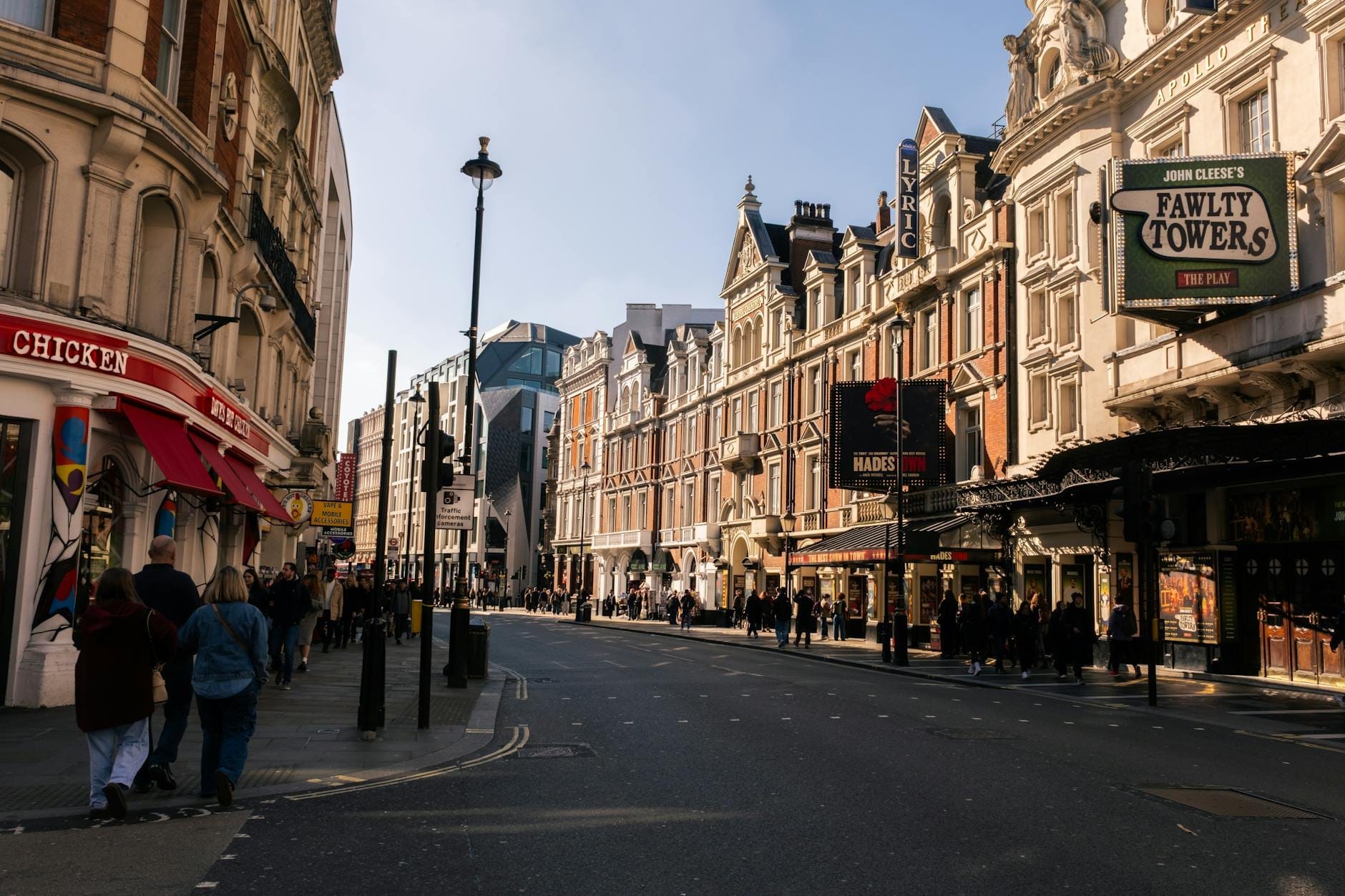
London's West End is one of the world's great theatre destinations, with around 40 major venues and over 17 million audience visits a year. This guide covers everything from buying tickets and finding discounts to getting there, picking the right seat, and knowing what to expect on the night.
Plan and book this trip
Tools from our partner Travelpayouts help you compare flights and hotels. If you book through them, we may earn a commission at no extra cost to you.
Flights
Hotels map
TL;DR
- The West End is a district, not a single venue: roughly 40 theatres spread across Covent Garden, Soho, Leicester Square, the Strand and Haymarket.
- Ticket prices range widely, from under £20 for restricted-view seats to over £100 for premium stalls. Booking 2–4 weeks ahead is sensible for popular shows.
- The TKTS booth in Leicester Square sells same-day discounted tickets in person. Check the West End area guide for neighbourhood context.
- Evening shows typically start at 7:00–7:30pm. Arrive at least 30 minutes early as latecomers may not be admitted until a suitable break.
- No dress code is enforced at most West End theatres. Smart casual is the norm but jeans are perfectly acceptable.
What Exactly Is the West End?
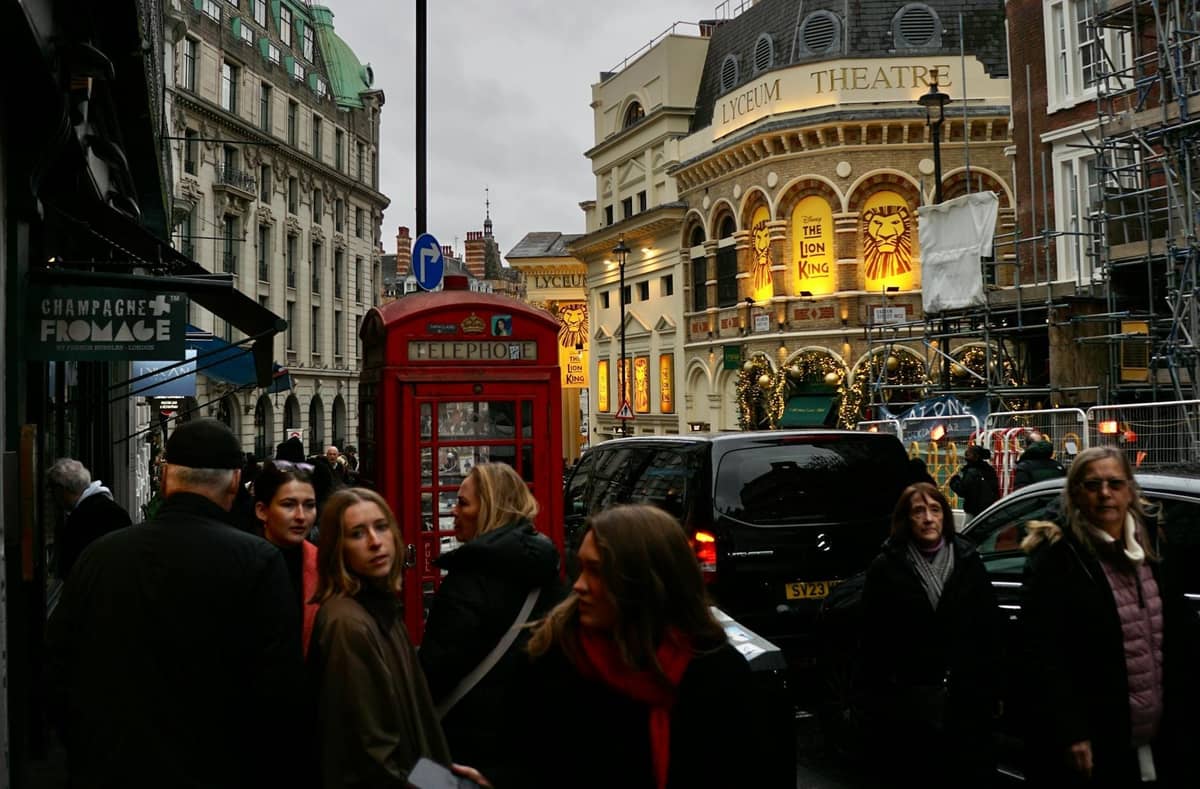
The term 'West End' describes London's main commercial theatre district, not a single building or company. It covers roughly 40 major theatres concentrated around Covent Garden, Soho, Leicester Square, the Strand, and Haymarket. In terms of scale and prestige, it sits alongside Broadway in New York as one of the two dominant theatre markets in the English-speaking world.
Together these venues attract around 17 million audience visits a year across a mix of long-running musicals, straight plays, revivals, and limited-run transfers from subsidised companies like the National Theatre and Royal Shakespeare Company. The range is broad: you can see a blockbuster musical that has been running for two decades or catch a new play that opened three weeks ago.
ℹ️ Good to know
The West End is separate from London's 'Off-West End' circuit, which includes venues like the Young Vic, Donmar Warehouse, and Almeida. These are smaller, often cheaper, and frequently artistically adventurous. They are not covered by TKTS discounts in the same way, but are worth knowing about if you want a broader theatre experience.
Ticket Prices: What to Expect
West End ticket pricing is tiered by seat location, day of the week, and how far in advance you book. As a rough guide: stalls (ground floor) seats for popular musicals on a Saturday evening typically cost £60–£100 or more. Upper circle or balcony seats for the same show might be £25–£45. Restricted-view seats, where a pillar or overhang partially blocks your sightline, can fall below £20 and are often underrated if you know what you are getting.
- Premium / front stalls Best sightlines and acoustics. Expect £80–£150+ for in-demand musicals. Worth it for immersive productions where proximity matters.
- Dress / Royal Circle (first balcony) Often the sweet spot. Good elevation, clear views, typically £45–£90. Many experienced theatregoers prefer this level.
- Grand Circle / Upper Circle Higher up, prices drop to £30–£60. Perfectly fine for shows with strong staging; can feel remote in drama-heavy productions.
- Restricted view Partial obstruction clearly marked at point of sale. Can be £15–£30. Fine for musicals with big sound; less suitable if you want to read every facial expression.
- Day seats / standing tickets Some shows release a small allocation of cheap tickets on the day, either in person at the box office or via a digital lottery. Check the individual show's website the morning you want to go.
⚠️ What to skip
Avoid third-party resale sites that are not affiliated with the official box office. Prices can be inflated by 50–200% and some tickets have turned out to be invalid. Stick to the official box office, Official London Theatre (officiallondontheatre.com), or westend.com for safe transactions.
How and Where to Book Tickets
The safest and often cheapest route is to book directly through the show's official box office website, or through one of the authorised aggregators. The Society of London Theatre runs Official London Theatre (officiallondontheatre.com), which is a reliable starting point with verified ticket links for virtually every current production. LondonTheatre.co.uk is another reputable source. Both include reviews, cast information, and seat maps.
For discounts, the best-known option is the TKTS booth on the south side of Leicester Square, operated by the Society of London Theatre. It sells same-day and short-notice tickets at reduced prices, with savings that sometimes reach 50% off. Availability is posted online at officiallondontheatre.com each morning, but you must buy in person at the booth. It opens daily, typically from around 10:30am. The queue moves reasonably fast on weekday mornings, but expect a wait on weekend afternoons. TKTS is particularly useful if your theatre plans are flexible. Note that the most popular shows rarely appear here since they sell out through official channels first. Combine a TKTS visit with a walk through Covent Garden or a look at Trafalgar Square to make an afternoon of it.
✨ Pro tip
Weekday evening performances and Wednesday or Thursday matinees are consistently cheaper than Friday and Saturday evenings. If you can attend mid-week, you will almost always find better availability and lower prices for the same seats.
When to Book and Seasonal Demand
For a long-running hit musical on a Saturday night, booking 4–6 weeks ahead is realistic. Weekday evenings for the same show might be available with just a week's notice. New openings or limited-run productions with star casts sell out faster and often need booking as soon as the booking window opens, sometimes months ahead.
The West End operates year-round, but three periods see sharply higher demand: summer (July–August, when international visitors peak), Christmas and New Year (late November through early January, including the pantomime season), and UK school holidays, particularly Easter and half-term weeks. If your trip falls in these windows, book early or use TKTS for flexibility.
- January–March: quieter period, good for last-minute availability and competitive pricing
- April–June: spring season brings new productions; book ahead for anything generating press attention
- July–August: busy with tourists, premium nights fill fast, TKTS queues are longer
- September–October: new autumn season starts, fresh openings, manageable crowds
- November–January: Christmas shows, pantomimes and family productions dominate; peak pricing returns
If theatre is central to your London trip rather than an afterthought, it is worth building it into your planning from the start. Our 3-day London itinerary and 5-day London itinerary both suggest how to fit a show into a broader visit without it dominating your schedule.
Getting to the Theatres
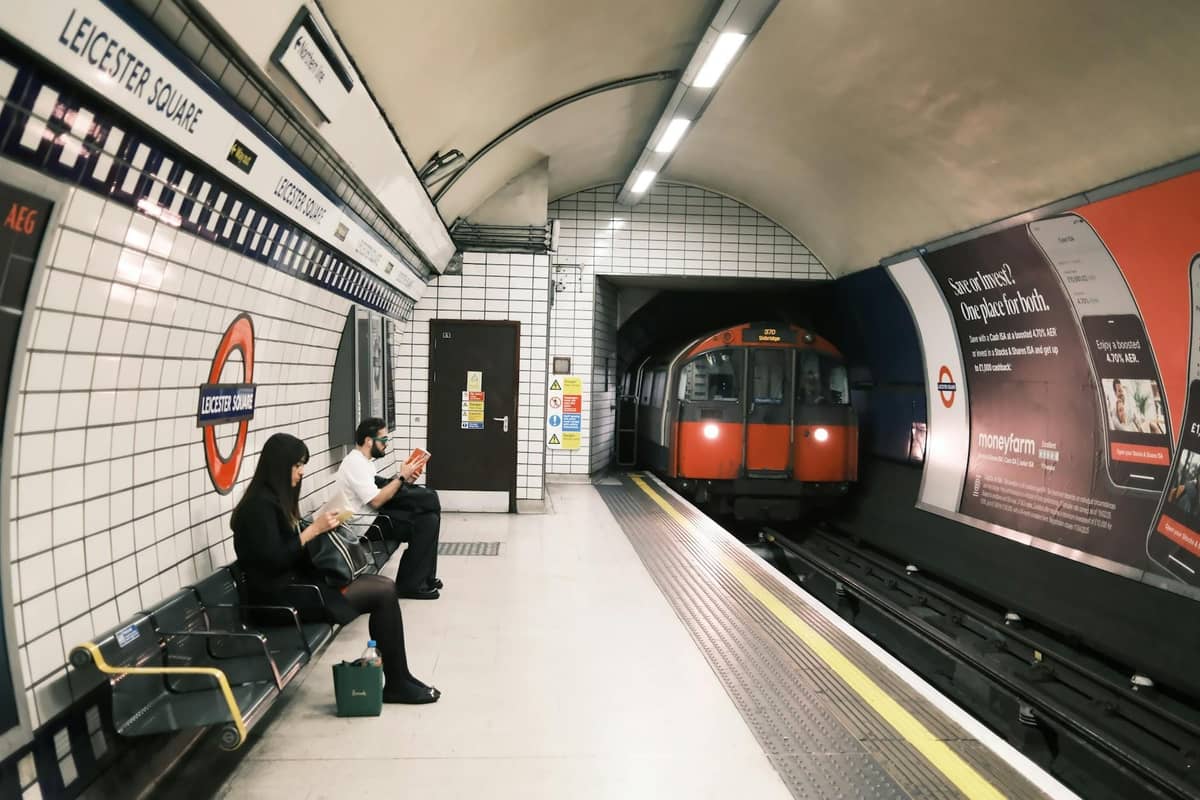
The West End theatre district is well-served by the London Underground. Leicester Square (Northern and Piccadilly lines) puts you within a short walk of many venues. Covent Garden (Piccadilly line) is equally central. Tottenham Court Road (Central, Northern and Elizabeth lines) covers the northern edge of Theatreland, while Charing Cross (National Rail and Bakerloo lines) and Piccadilly Circus (Bakerloo and Piccadilly lines) cover the southern and western ends.
Driving is not advisable. The West End has very limited parking, congestion charges apply Monday to Friday 7:00am–6:00pm, and 12:00pm–6:00pm on weekends and bank holidays (verify current hours with TfL), and post-show traffic is slow. The Tube is the practical default. Pay using a contactless bank card or Oyster card and you will automatically be charged the correct fare. For a full rundown of transport options, see our guide togetting around London.
What to Expect on the Night
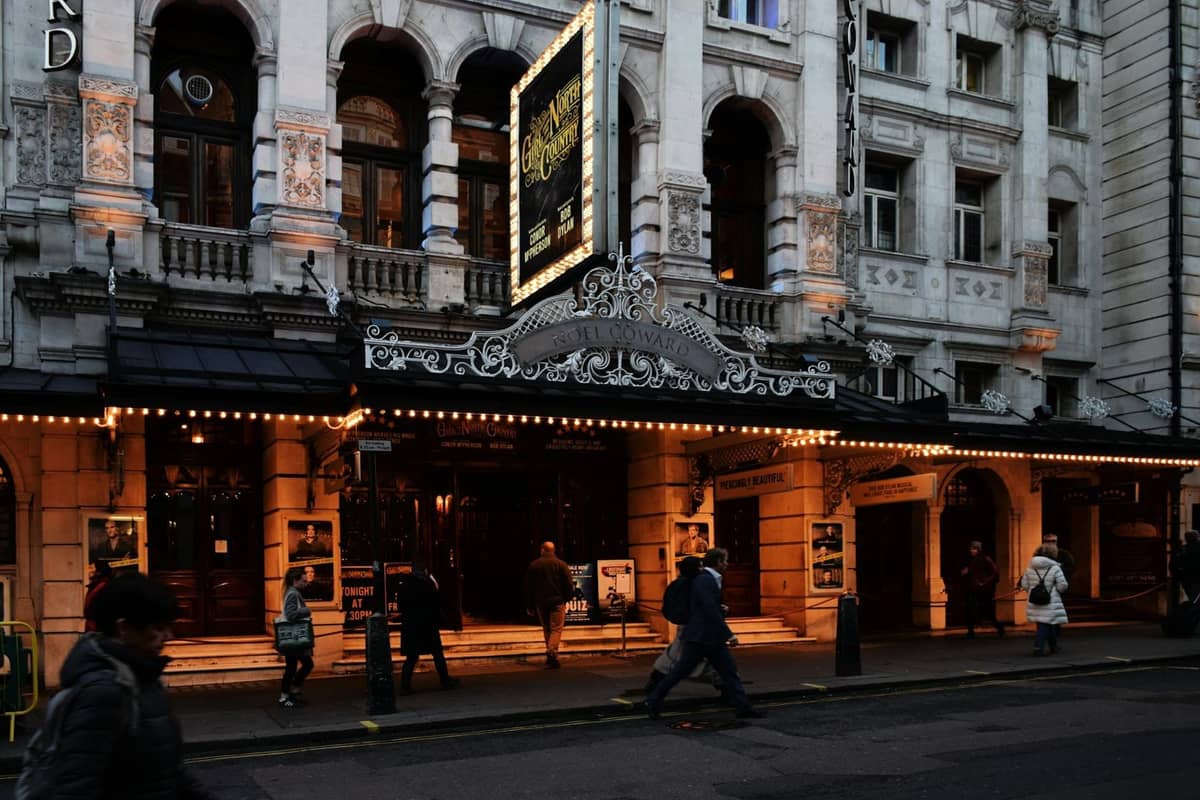
Evening performances in the West End typically start at 7:00–7:30pm, with doors opening from around 6:30pm. Matinees run at approximately 2:30pm, usually on Wednesdays, Thursdays, and Saturdays, though this varies by production. Most shows run 2–3 hours including an interval of around 15–20 minutes. Musicals tend to be on the longer end; drama productions can run under 2 hours without an interval.
Aim to arrive at least 30 minutes before curtain. This gives you time to clear ticket checks, find your seat, buy a programme (typically £5–£10), and get a drink. Latecomer admission is at the theatre's discretion and many venues will not seat you until a suitable break, which for a 90-minute first act can mean waiting a long time in the foyer.
E-tickets are standard now. Most official sellers issue a PDF or mobile barcode that you scan at the door. There is no need to collect paper tickets from the box office unless you specifically bought in person. Large bags may not be permitted in the auditorium, and cloakroom availability varies by venue. A standard handbag or small backpack is fine.
On dress code: there is none. West End theatres do not enforce smart dress. You will see people in everything from formal wear to jeans and trainers. Smart casual is a reasonable default if you want to feel comfortable in any context, but no one will turn you away for wearing casual clothing.
💡 Local tip
Interval drinks can be pre-ordered at the bar before the show starts, which saves time during the interval rush. At busy productions the bar queue during the interval moves fast but can still mean 10–12 minutes of waiting. Pre-ordering means your drinks are waiting on a labelled tray when the bell goes.
After the show, the area around Leicester Square and Soho has plenty of post-theatre dining and bars if you want to extend the evening. Many restaurants in the area offer pre- and post-theatre menus at reduced prices, typically available before 6:30pm and after 10:00pm. If you are thinking about combining theatre with a broader West End evening, the London nightlife guide covers what is open and where.
Common Mistakes and How to Avoid Them
The single most common error is buying tickets from an unofficial resale platform. Sites that are not affiliated with the production or authorised resellers often charge significant markups and occasionally sell invalid tickets. If a ticket price looks suspiciously expensive or suspiciously cheap compared to the official box office, treat it with caution.
Another frequent issue is confusing the West End with specific London tourist attractions. The West End is a district, not a building. If someone tells you to 'go to the West End', that means the general area of Soho, Covent Garden and Leicester Square, home to dozens of venues. For context on the broader area and what else is nearby, the West End neighbourhood guide is useful.
- Do not assume TKTS will have tickets for the show you specifically want. It works best when you are open to what is available on the day.
- Do not confuse seat levels: 'Stalls' is the ground floor (closest to the stage), not the highest level. 'Circle' or 'Balcony' is higher up.
- Do not arrive late expecting to be seated immediately. Many productions hold latecomers until the interval.
- Do not book through Google results without checking whether the site is an official seller. Look for 'Official London Theatre' or the show's own website.
- Do not write off matinees. The audience is often more engaged, prices are lower, and you keep your evening free.
If you are travelling to London primarily for cultural experiences, theatre pairs well with other arts venues in the centre of the city. The best museums in London guide and the South Bank area (home to the National Theatre, BFI, and Southbank Centre) are natural complements to an evening in the West End.
FAQ
How much do West End show tickets cost?
Prices vary significantly. Restricted-view seats can cost under £20, while premium stalls for popular musicals on weekend evenings can exceed £100–£150. A mid-range circle seat on a weekday typically falls in the £40–£70 range. Booking directly through official channels and attending mid-week keeps costs down.
Where can I get cheap last-minute West End tickets?
The TKTS booth on the south side of Leicester Square is the best-known source of discounted tickets. It opens daily from around 10:30am and sells in person only. Some shows also release day-seats through their own websites or via digital lotteries. Check the show's official site on the morning you want to attend.
How far in advance should I book West End tickets?
For popular long-running musicals on weekends, 4–6 weeks ahead is a sensible target. Weekday performances are usually available with less notice. Limited-run productions with high-profile casts can sell out months in advance. If you are flexible on which show you see, TKTS gives you same-day options.
What time do West End shows start and how long do they last?
Evening performances usually begin at 7:00–7:30pm, with doors opening from around 6:30pm. Matinees are typically at 2:30pm or 3:00pm. Most shows run 2–3 hours including an interval of around 15–20 minutes. Check the specific show's website for exact timings.
Is there a dress code for West End theatres?
No formal dress code is enforced at West End theatres. Smart casual is common and appropriate, but jeans, trainers, and casual clothing are all perfectly acceptable. You will see the full range in any audience.