London Airports: Which One to Use and How to Get Into the City
London has six airports, and choosing the wrong one can add hours and serious cost to your journey. This guide breaks down Heathrow, Gatwick, Stansted, Luton, City, and Southend with practical advice on every transport option, realistic fares, and which airport actually suits your trip.

Plan and book this trip
Tools from our partner Travelpayouts help you compare flights and hotels. If you book through them, we may earn a commission at no extra cost to you.
Flights
Hotels map
TL;DR
- London has six airports: Heathrow (LHR), Gatwick (LGW), Stansted (STN), Luton (LTN), City (LCY), and Southend (SEN). Only Heathrow and City are inside Greater London.
- Heathrow is the best all-round choice for most long-haul travellers. The Elizabeth line gets you to central London in around 30-40 minutes for roughly £12-14 using contactless payment. See our full guide to getting around London for day-to-day transport advice.
- Gatwick, Stansted, and Luton are used heavily by budget carriers. They are cheaper to fly into but further from the city centre, and transfers can be slow and expensive if you don't plan ahead.
- London City Airport is the most convenient for business travellers heading to the City or Canary Wharf: the DLR reaches Bank in about 22 minutes.
- Always use contactless or an Oyster card on TfL-operated services. Heathrow Express and most mainline rail options require separate tickets — book in advance to save significantly.
A Quick Map of London's Six Airports
The phrase 'London airport' is misleading. Four of the six airports commonly branded as 'London' airports sit outside Greater London entirely: Gatwick is in West Sussex, Stansted and Southend are in Essex, and Luton is in Bedfordshire. Only Heathrow (in the London Borough of Hillingdon) and London City (in the Royal Docks area of Newham) are within the capital's borders. That geography matters because it directly affects how long and how much it costs to reach central London.
- Heathrow (LHR) 14 miles (23 km) west of central London. The UK's busiest airport, handling close to 80 million passengers per year. Serves all major intercontinental routes and most European capitals.
- Gatwick (LGW) 28 miles (45 km) south of central London, in West Sussex. The UK's second-busiest airport and the primary base for many budget and leisure carriers.
- Stansted (STN) 42 miles (67 km) northeast of central London, in Essex. Dominated by Ryanair and other low-cost operators. The furthest major airport from the city.
- Luton (LTN) 34 miles (55 km) north of central London, in Bedfordshire. Another budget-carrier hub, used heavily by easyJet and Wizz Air.
- London City (LCY) 6-9 miles (10-14 km) east of central London, in the Royal Docks. A compact, business-focused airport with short security queues and direct DLR connections.
- Southend (SEN) 36 miles (58 km) east of central London, in Essex. The smallest of the six, used mainly by a handful of European leisure routes.
⚠️ What to skip
Several 'London' airports are marketed with the London name but sit 30-45 miles outside the city. A cheap flight into Stansted or Luton can easily cost you an extra £20-30 and 90 minutes each way in transfers. Factor that in before booking on price alone.
Heathrow (LHR): The Main Hub for Most Travellers
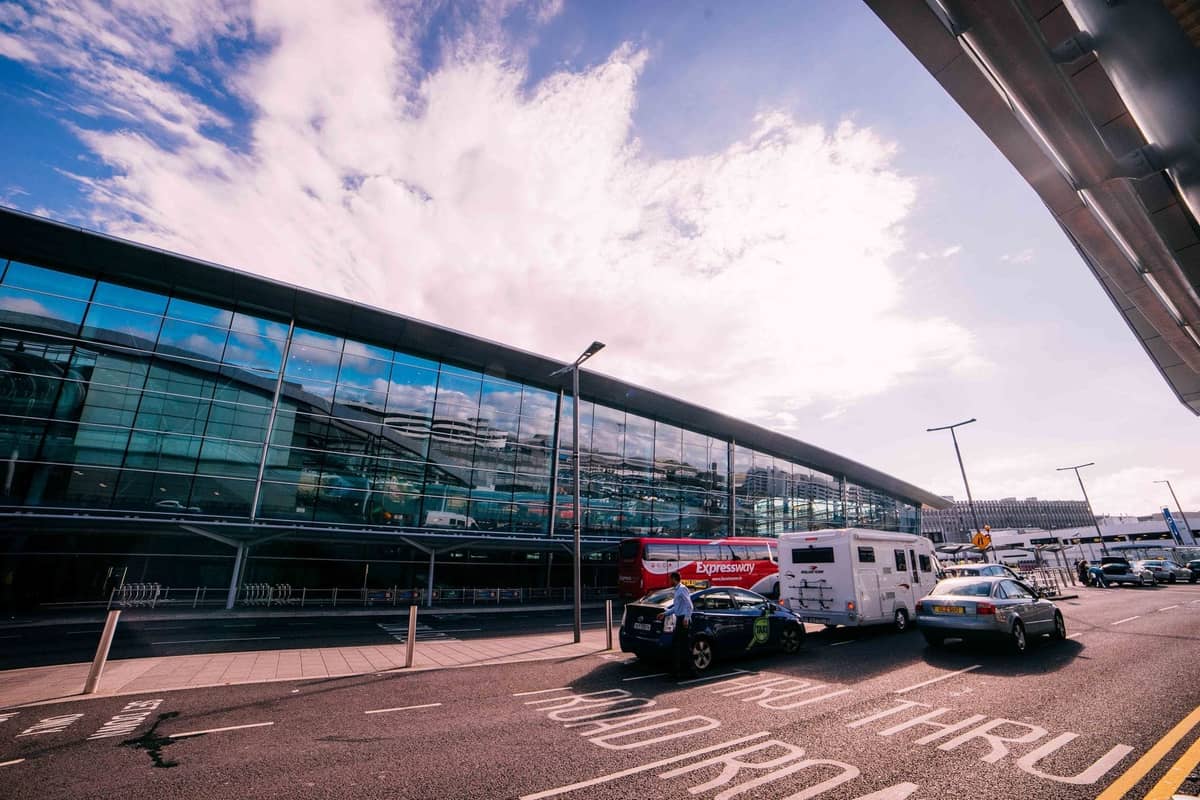
If you are flying long-haul or on a major carrier, you will almost certainly arrive at Heathrow. It operates five terminals (T2, T3, T4, and T5 for passengers; T1 is closed), and the terminal you land in matters for your onward journey. The airport can feel enormous and slightly overwhelming during peak hours, but the transport connections are the best of any London airport.
The Elizabeth line is the recommended option for most travellers. Trains run to central stations including Paddington, Bond Street, Tottenham Court Road, and Liverpool Street. Journey time from Heathrow Central (T2 and T3) to Paddington is around 28 minutes; to Liverpool Street it is roughly 48 minutes. Adult pay-as-you-go fares using contactless or Oyster run approximately £12-14 depending on the time of day and which zone Heathrow counts as (Zone 6). Trains run every 15 minutes from T2/T3 and every 30 minutes from T5.
The Heathrow Express is faster — non-stop to Paddington in about 15 minutes — but costs significantly more. Standard single fares range from roughly £16.50 bought well in advance up to £25 or more on the day. For solo travellers in a hurry, it may be worth the premium. For families or groups, the Elizabeth line almost always makes more financial sense. The Piccadilly line (Tube) also connects Heathrow to central London, reaching Piccadilly Circus in roughly 50 minutes. Pay-as-you-go single fares are around £3-6 depending on the time of day. It is the cheapest rail option but the slowest, and it gets very crowded with luggage during busy periods.
✨ Pro tip
Book Heathrow Express tickets online in advance for the best fares. Buying at the station on the day can cost double what you'd pay booking even a few hours ahead via the Heathrow Express website.
Gatwick (LGW): Good Connections, Worth Planning Ahead
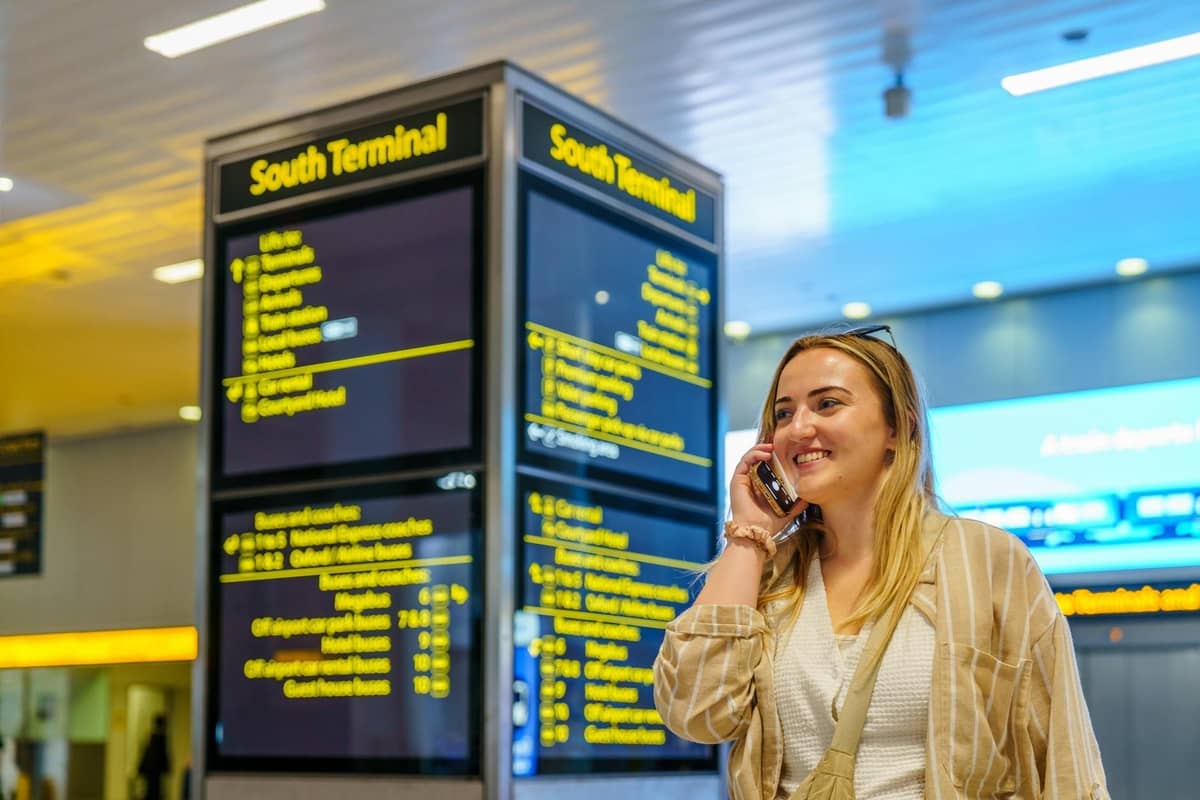
Gatwick is London's second airport and a serious hub in its own right, particularly for European and transatlantic leisure routes. It has two terminals: North and South. Most long-haul and premium carriers use the South Terminal; budget airlines including easyJet tend to use the North Terminal. A free shuttle train connects the two, but allow 10-15 minutes if you need to transfer between them.
For getting into London, you have several solid options. The Gatwick Express runs non-stop to London Victoria in about 30 minutes and costs around £17-20 for a standard single purchased in advance. Thameslink trains are often cheaper, starting under £10-15 depending on timing and how far in advance you book, and they stop at London Bridge, City Thameslink, Farringdon, and St Pancras International — which is useful if you are heading to north or east London rather than Victoria. Southern also runs services to Victoria and London Bridge. Contactless and Oyster are accepted on Gatwick Express, Southern, and Thameslink services between Gatwick and London, with daily capping applying.
💡 Local tip
If you are heading to King's Cross, Islington, or anywhere in north London, take Thameslink to St Pancras rather than the Gatwick Express to Victoria. It is often cheaper and puts you on the right side of the city without needing a Tube connection.
Stansted, Luton, and Southend: The Budget Airport Transfers
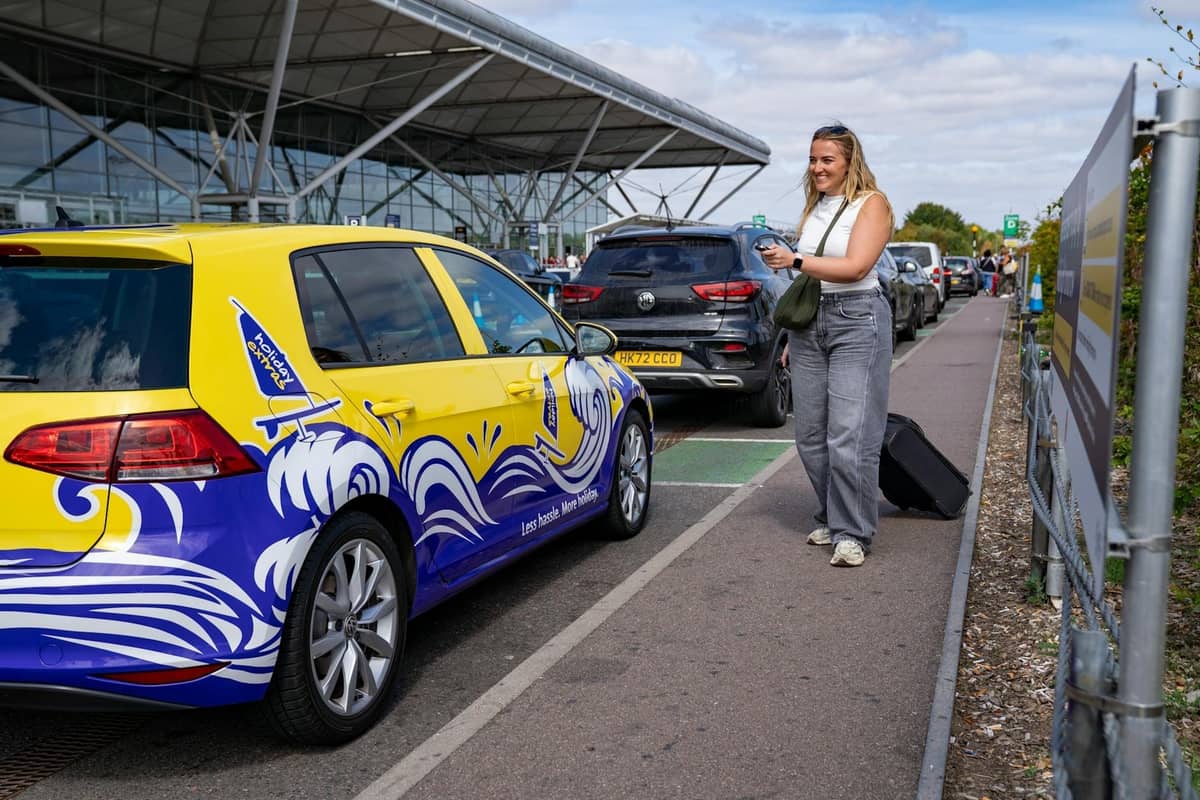
These three airports all serve budget carriers — primarily Ryanair at Stansted, easyJet and Wizz Air at Luton, and a smaller range of operators at Southend. The flights are often cheaper than Heathrow or Gatwick equivalents, but the transfers are longer, sometimes more expensive, and more likely to catch travellers off-guard.
From Stansted, the Stansted Express runs to London Liverpool Street in approximately 45-50 minutes. Advance single fares are promoted from around £9.90, though prices rise sharply if you book last-minute or travel at peak times. Coach services (National Express, Terravision) are slower at 70-90 minutes but cost less, making them worth considering if you are not in a rush. At Liverpool Street, you can change to the Tube or Elizabeth line for most central destinations.
Luton requires an extra step that many passengers underestimate. A shuttle bus (around 10 minutes, paid separately) connects the terminal to Luton Airport Parkway railway station. From there, Thameslink and East Midlands Railway run frequent services to St Pancras International in around 30-40 minutes by fast train. Budget roughly 55-70 minutes door to central London in total under normal conditions. Coaches from Luton to Victoria and other hubs are available and tend to be cheaper than the train-plus-shuttle combination, but journey times are typically 60-90 minutes and highly variable with traffic.
Southend is the smallest and least-used of the six. Abellio Greater Anglia trains run to Liverpool Street and Stratford, but journey times are around 50-60 minutes and the airport serves a limited number of routes. Most travellers will not have a reason to use it unless they happen to be on one of those specific routes.
London City Airport (LCY): The Best Option You Might Be Ignoring
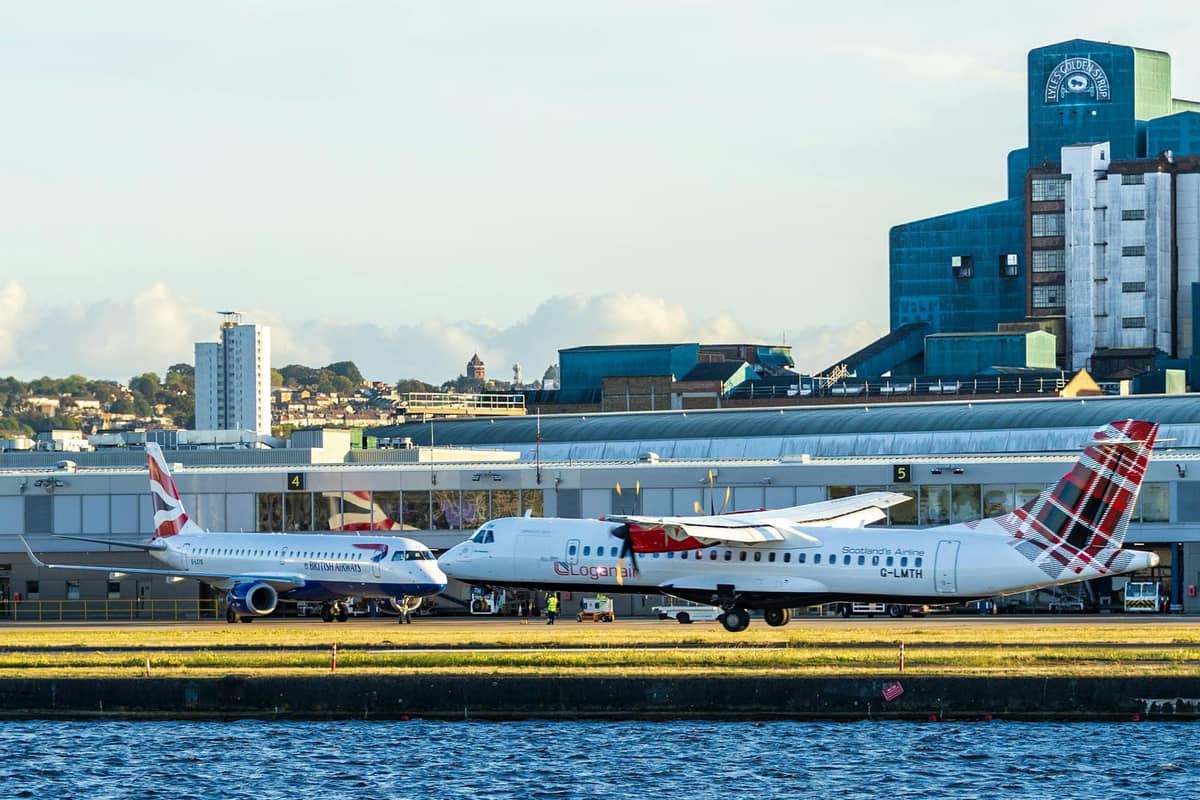
London City Airport is underrated for its convenience. It sits in the Royal Docks, east of the city, and is connected directly to the DLR network. Trains to Canary Wharf take about 18 minutes; to Bank (the heart of the City of London financial district) around 22 minutes. Contactless and Oyster are valid, and fares are standard TfL pay-as-you-go rates. Security queues are noticeably shorter than at Heathrow or Gatwick, which makes early morning or tight-connection travel much less stressful. The airport focuses on European business routes, so the airline range is narrower than at Heathrow — but if your destination is served, it is hard to beat for a smooth experience.Canary Wharf visitors in particular will find London City by far the easiest arrival point.
Choosing the Right Airport for Your Trip
The decision usually comes down to three factors: which airlines serve your route, where in London you are staying, and how much the transfer cost matters relative to the ticket price. Here is a practical breakdown of what each airport suits best.
- Long-haul arrivals and departures Heathrow. It handles virtually all major intercontinental routes from the Americas, Asia, Africa, and the Middle East. No other London airport comes close for long-haul connections.
- Budget European flights Stansted (Ryanair), Luton (easyJet, Wizz Air), or Gatwick (easyJet, Norwegian). Compare the total door-to-door cost including transfers before committing based on ticket price alone.
- Business travel to the City or Canary Wharf London City Airport. The short DLR journey, fast security, and compact terminal make it the most time-efficient option for the financial district.
- Staying in south or southwest London Gatwick or Heathrow. Gatwick's Thameslink and Southern services connect well to south London. Heathrow's Elizabeth line and Piccadilly line cover the west.
- Staying in north or east London Stansted or Luton for budget routes (Liverpool Street and St Pancras connections respectively). London City for east London.
If you are visiting London for the first time and want to keep things simple, Heathrow is the safest choice. The Elizabeth line is fast, frequent, and connects directly to the main tourist and accommodation zones around the West End, the City, and beyond. For a broader look at planning your visit, the London for first-timers guide covers accommodation zones, transport basics, and what to prioritise.
Practical Tips for All Six Airports
A few details that regularly trip up first-time visitors to London's airports, regardless of which one you are using.
- Get an Oyster card or use contactless payment from the moment you arrive. Contactless and Oyster are valid on the Elizabeth line, Piccadilly line, DLR, and most TfL bus services. Daily and weekly fare capping means you will never pay more than a set maximum, even if you take multiple journeys.
- Mainline rail tickets (Heathrow Express, Gatwick Express, Stansted Express, Thameslink to Luton) require separate tickets and are NOT covered by Oyster pay-as-you-go. Buy these in advance via the train operator's website for the best fares.
- Peak hours on airport transfers run roughly 06:30-09:30 and 16:00-19:00 on weekdays. Fares on Tube and Elizabeth line services are higher during peak periods. If you can shift your journey by 30 minutes, you will pay less.
- Licensed black cabs from Heathrow to central London typically cost £50-100 depending on traffic and exact destination. From Gatwick, expect £60-120 or more. These figures are rough guides — metered fares vary with traffic conditions and time of day.
- Pre-booked private hire cars (via Uber, Bolt, or a licensed minicab) are generally cheaper than black cabs from airports, but prices surge during high demand periods. Check the app estimate before committing.
- Peak summer (June to August) and Christmas periods see significantly higher fares on flights and heavier crowds on airport rail links. If travelling in July or August, allow extra time at the airport and expect trains to be busier than usual.
- UK plug sockets are Type G (three rectangular pins, 230V/50Hz). Bring an adaptor if you are travelling from North America, Europe, or Asia.
ℹ️ Good to know
Fares, timetables, and service details change regularly. Always verify current prices and schedules directly with TfL (tfl.gov.uk), the relevant train operator, or the airport's official website before you travel.
Once you are in the city, London's transport network is extensive. The Tube, Elizabeth line, Overground, DLR, and buses cover virtually every neighbourhood. For a full breakdown of how to navigate London day-to-day, including Oyster card setup, night services, and the best routes to major attractions like the Tower of London or St Paul's Cathedral, see our dedicated transport guide.
FAQ
Which London airport is closest to the city centre?
London City Airport (LCY) is the closest, sitting around 6-9 miles (10-14 km) east of central London. The DLR connects it to Bank station in about 22 minutes. Heathrow is further at 14 miles west but has excellent rail links via the Elizabeth line.
Is it cheaper to fly into Stansted or Luton than Heathrow?
Flights into Stansted and Luton are often cheaper, but the transfer costs and journey times are higher. Add roughly £10-20 each way for airport rail or coach transfers, plus extra travel time. Calculate the total door-to-door cost before assuming the budget airport saves you money.
Can I use an Oyster card from the airport to central London?
Yes, for Heathrow (Elizabeth line and Piccadilly line) and London City Airport (DLR). Contactless and Oyster are also valid on the Gatwick Express, Southern, and Thameslink services between Gatwick and central London stations. The Heathrow Express requires a separate ticket. For Stansted and Luton, you need to buy mainline rail or coach tickets separately.
How long does it take to get from Heathrow to central London?
Around 28-30 minutes to Paddington on the Elizabeth line, or about 50-55 minutes to Piccadilly Circus on the Piccadilly line. The Heathrow Express is faster at 15 minutes to Paddington but costs more. Taxis typically take 45-90 minutes depending on traffic.
Which airport should I use for a first visit to London?
Heathrow is the best choice for most first-time visitors. It has the widest range of flights, the most straightforward transfer into the city via the Elizabeth line, and connects directly to the main tourist and hotel zones. The journey time and cost are reasonable, and the route is well-signposted even if you are navigating alone with luggage.