Open House London: How to Make the Most of Architecture Festival
Open House Festival is London's annual architecture celebration, opening over 800 buildings, tours, and talks across all 33 boroughs — most of them free. This guide covers dates, booking strategy, neighbourhood planning, and which events fill up fastest.
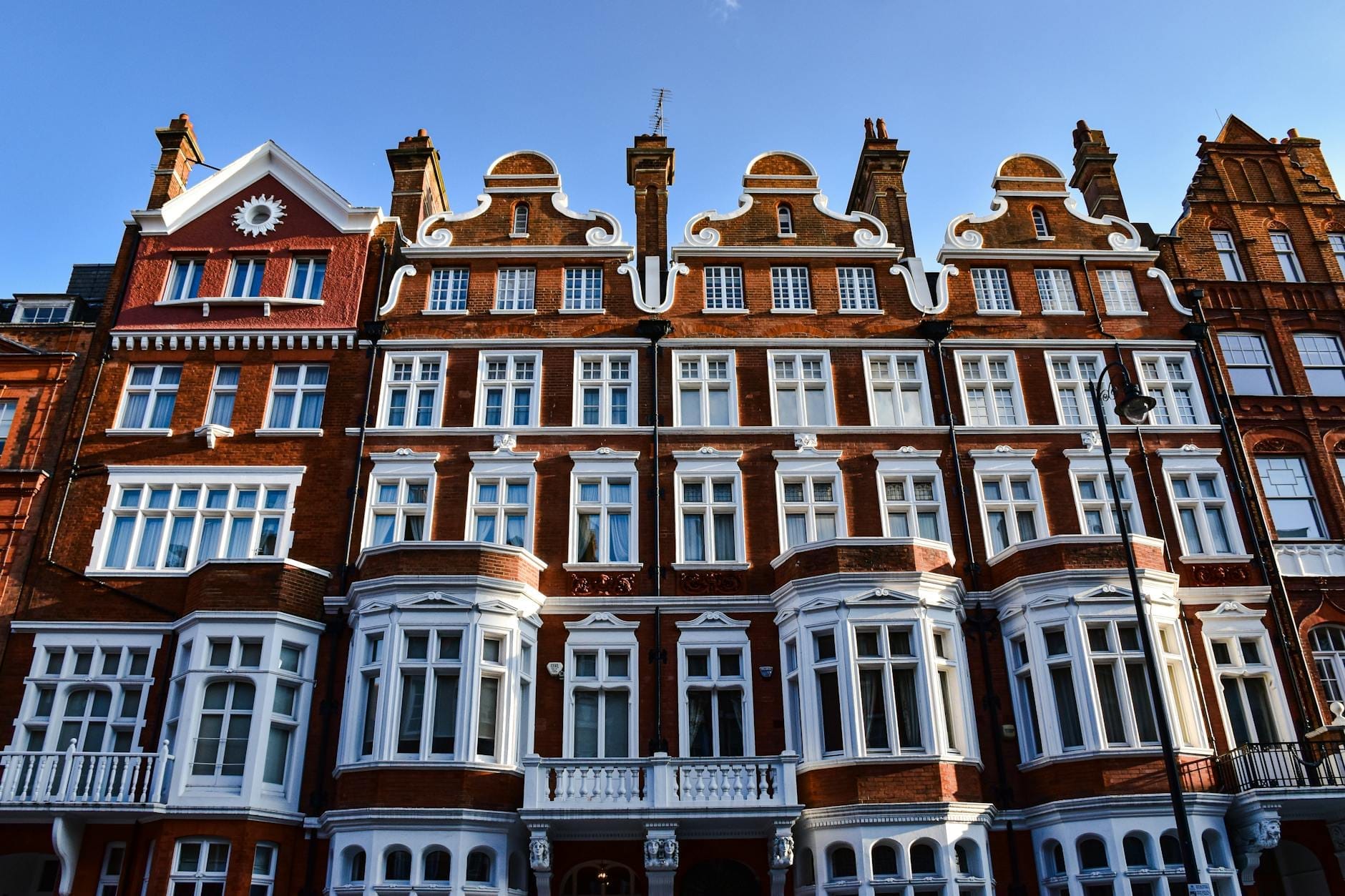
Plan and book this trip
Tools from our partner Travelpayouts help you compare flights and hotels. If you book through them, we may earn a commission at no extra cost to you.
Flights
Hotels map
TL;DR
- Open House Festival 2026 runs 12–20 September, spanning nine days across all 33 London boroughs.
- Most events are free, but popular buildings and guided tours often require advance booking through the official programme site.
- The festival covers 800+ buildings, walks, and talks — plan by neighbourhood to avoid wasting time on the Tube. See our guide to getting around London for transport tips.
- Book high-demand events (especially iconic skyscrapers and government buildings) as soon as the programme goes live — they sell out within hours.
- The festival is organised by the charity Open City. Check programme.openhouse.org.uk for the full listings and booking links.
What Open House Festival Actually Is
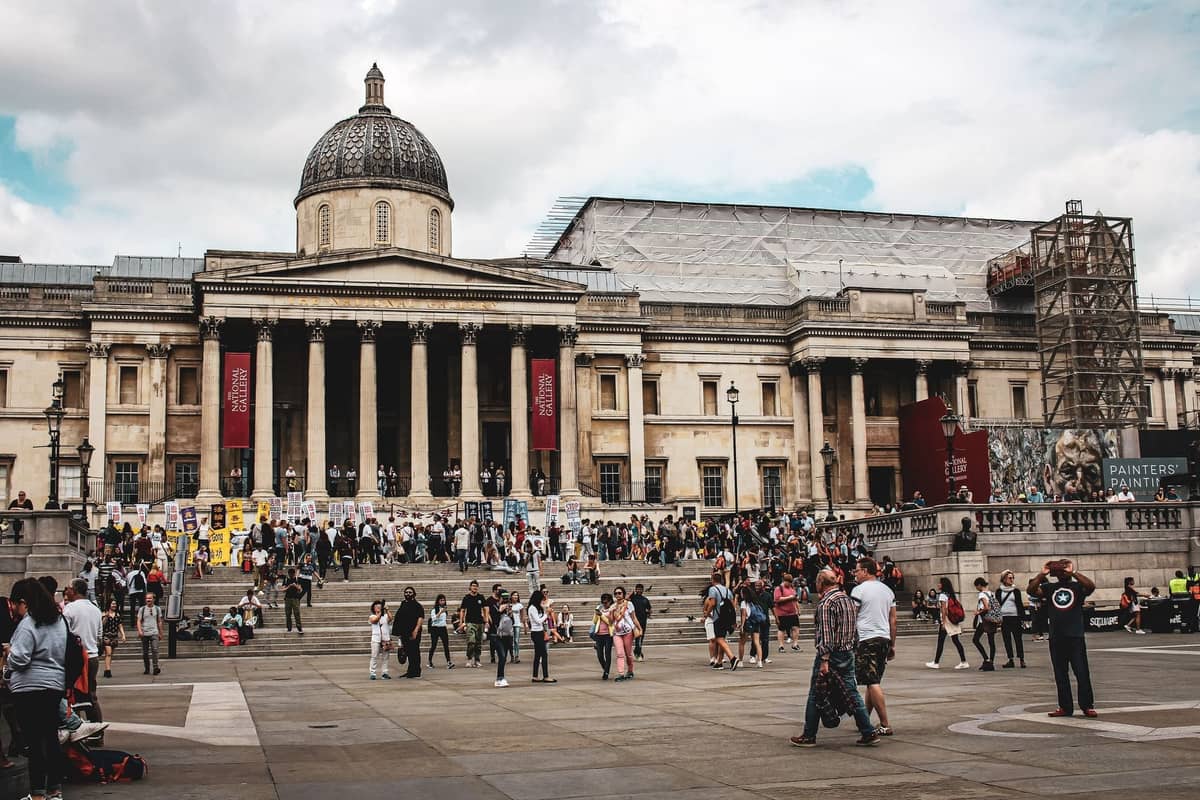
Open House Festival is an annual event that gives the public free or heavily subsidised access to London's most architecturally significant buildings, many of which are closed or have restricted access throughout the rest of the year. It is organised by Open City, a registered charity dedicated to architecture education and access. The festival began in 1992 as a weekend event and has since grown into a nine-day programme covering every corner of Greater London's 33 boroughs.
The scope goes well beyond simply unlocking front doors. The programme includes architect-led walking tours, talks and debates, family workshops, and neighbourhood trails. Some events are intimate — a converted Victorian warehouse in Hackney with 20 visitors at a time — while others draw crowds of thousands, like the viewing terraces of major City skyscrapers. The sheer range is the point: Open House covers social housing estates alongside private members' clubs, brutalist car parks alongside Georgian terraces.
The London event also sits within the international Open House Worldwide network, which now spans festivals in more than 60 cities globally. But London remains the original and largest iteration. For anyone with even a passing interest in how cities are built, adapted, and lived in, this is one of the most rewarding free events on the London calendar.
Dates, Duration, and the Shift from Weekend to Festival
For most of its history, Open House London ran over a single September weekend — typically the third weekend of the month. That format persisted for decades and shaped how most people still think about the event. The reality now is different. The festival has expanded into a multi-day programme (nine days in 2026). The 2026 edition runs from Saturday 12 September to Sunday 20 September 2026, inclusive of both dates.
ℹ️ Good to know
The 2026 Open House Festival runs 12–20 September 2026. Always confirm the current year's dates at programme.openhouse.org.uk, as exact dates shift slightly from year to year.
This extended format has real practical implications. It means you no longer need to cram everything into two days, and many buildings now offer multiple access slots across the week rather than a single congested Sunday. Weekday visits — particularly Tuesday to Thursday — are considerably quieter than the weekend days. If you have flexibility in your schedule, planning your priority visits for mid-week and leaving the weekends for neighbourhood walks is a smart strategy.
September in London typically brings mild temperatures, with average daytime highs around 19–20°C, and rainfall totals broadly comparable to or slightly higher than peak summer months. It is one of the more comfortable months for walking between sites, though a light jacket and a layer for early mornings are always worth having. Days are still long enough to fit in early-evening events without needing to navigate in the dark.
Booking Strategy: What's Free, What Requires Tickets, and What Sells Out
Open House Festival markets itself as free, and for a large proportion of the programme that is accurate. Many buildings operate simple walk-in access during designated hours — you turn up, queue if necessary, and go in. No registration required. This applies to plenty of the neighbourhood-level discoveries: local civic buildings, housing developments, converted industrial spaces, and community projects.
However, the most in-demand events require advance booking, and competition for those slots is fierce. Buildings with restricted capacity — guided tours of government facilities, private rooftops, working offices, and the most iconic towers — release their booking slots when the full programme goes live, usually in late July or August. Certain venues, particularly anything offering views across central London or behind-the-scenes access to normally private spaces, can be fully booked within a few hours of the programme opening.
⚠️ What to skip
Do not assume popular venues will have walk-in availability on the day. Check each building's individual page on the official programme. If booking is required, set a reminder for when it opens — these slots go fast.
- Walk-in only Many smaller venues, community buildings, and neighbourhood projects operate on a first-come basis during opening hours. Arrive early or expect a short queue.
- Pre-booking required High-demand buildings, guided walking tours, and any event with a fixed group size require booking through programme.openhouse.org.uk. These are free to book unless otherwise stated.
- Paid elements Some specialist tours or ticketed talks within the festival programme carry a charge. These are clearly flagged in the listings. They are the exception, not the rule.
- Timed entry A number of popular buildings operate timed entry slots even without formal pre-booking — you collect a timed ticket on arrival. Getting there early avoids the risk of all slots being taken by midday.
Planning Your Days: A Neighbourhood-Based Approach
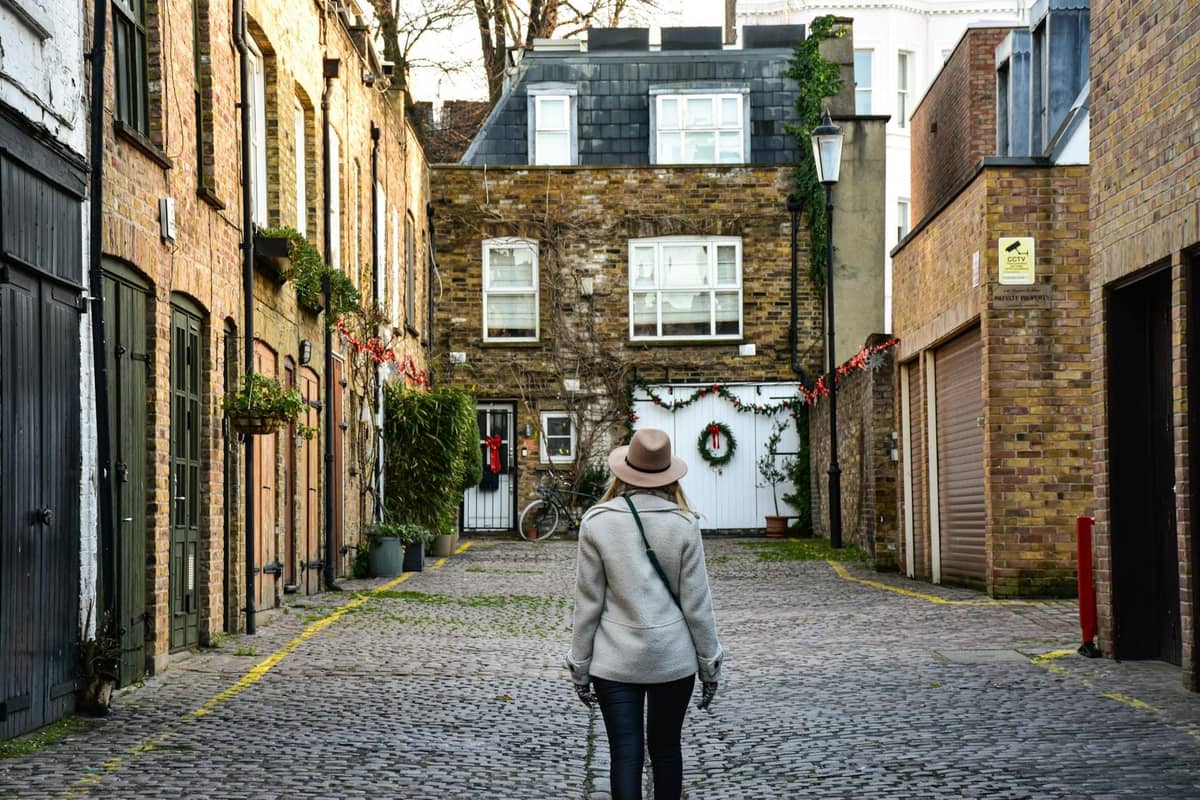
With events spread across all 33 London boroughs, the single biggest planning mistake is building an itinerary based on a wish-list rather than geography. Travelling from Westminster to Shoreditch to Greenwich in a single day is possible but exhausting, and it eats up time that would be better spent actually inside a building.
The smarter approach is to identify two or three priority buildings and then build the rest of the day around whatever else is open in that part of the city. The programme is dense enough that every area of London will have multiple options, and the discoveries you make by walking between sites in an unfamiliar neighbourhood are often what people remember most. That converted Victorian pumping station you walked past on the way to your main event, and ended up spending an hour inside — that is the Open House experience at its best.
- City of London and South Bank: Highest concentration of major commercial and cultural buildings. Plan for crowds at anything with views.
- Westminster and Whitehall: Government buildings, embassies, and institutions rarely open to the public. Pre-booking essential for most.
- East London (Shoreditch, Hackney, Tower Hamlets): Strong programme of contemporary architecture, social housing innovation, and creative conversion projects. Often less crowded than central areas.
- South London (Southwark, Lambeth, Lewisham): Excellent mix of historic buildings and newer regeneration projects. More relaxed pace than central venues.
- West and North London (Kensington, Camden, Islington): Mix of grand Victorian institutions, modernist residential buildings, and arts spaces.
✨ Pro tip
Download the full programme as a PDF or use the map view on the official site to filter events by date and location. Cluster your itinerary by postcode zone rather than building name and you will cover far more ground with far less frustration.
Highlights and Types of Buildings Worth Seeking Out
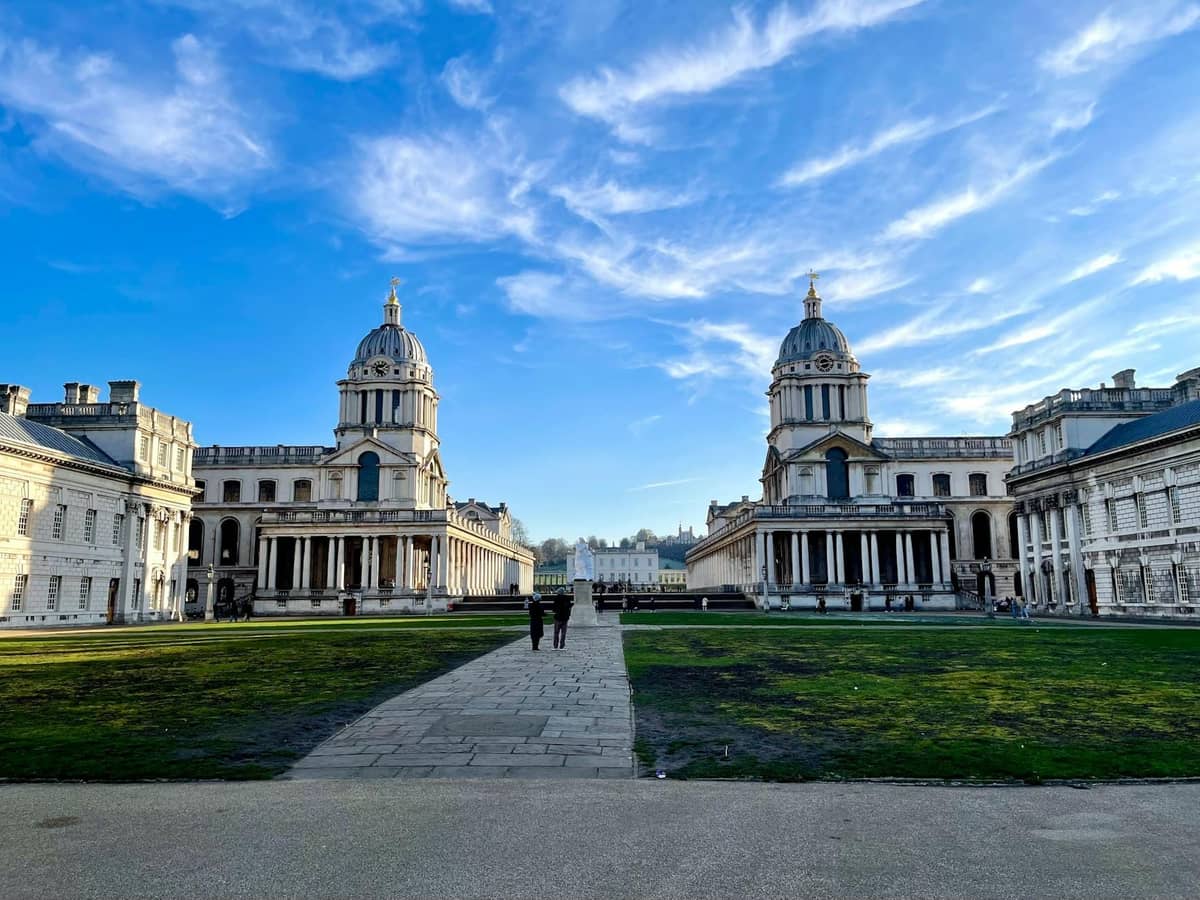
The programme spans centuries of architectural history across the capital. At the serious end of heritage, expect access to buildings like Banqueting House in Whitehall and the Old Royal Naval College in Greenwich. These open their interiors and behind-the-scenes spaces for the festival in ways that the standard visitor offer does not always replicate.
On the contemporary side, buildings in the City of London's skyline and the newer towers around Canary Wharf often open observation areas and office floors to the public. The Sky Gardenis a relevant reference point for the type of city-high access people are looking for — but Open House often gives access to spaces that are off-limits the rest of the year, not just venues that happen to have a booking process.
Beyond the headline buildings, some of the most interesting Open House visits involve smaller-scale projects: a privately commissioned house in Stoke Newington, a co-housing development in Lewisham, or a community-built space in Peckham. These tend to have architects on hand to talk through the project, which makes the visit educational rather than just an opportunity to tick a building off a list. If architectural process interests you more than architectural spectacle, prioritise these.
The walking tours are also underrated. These are typically led by architects, historians, or urban designers and cover themes like post-war reconstruction, docklands regeneration, or the social history of a particular street. Combine a themed walk with a couple of building visits in the same area and you have a coherent half-day. Pair this with exploringLondon's walking tour options more broadly if you want to extend the architectural experience beyond the festival itself.
Practical Logistics: Getting Around, Queues, and What to Bring
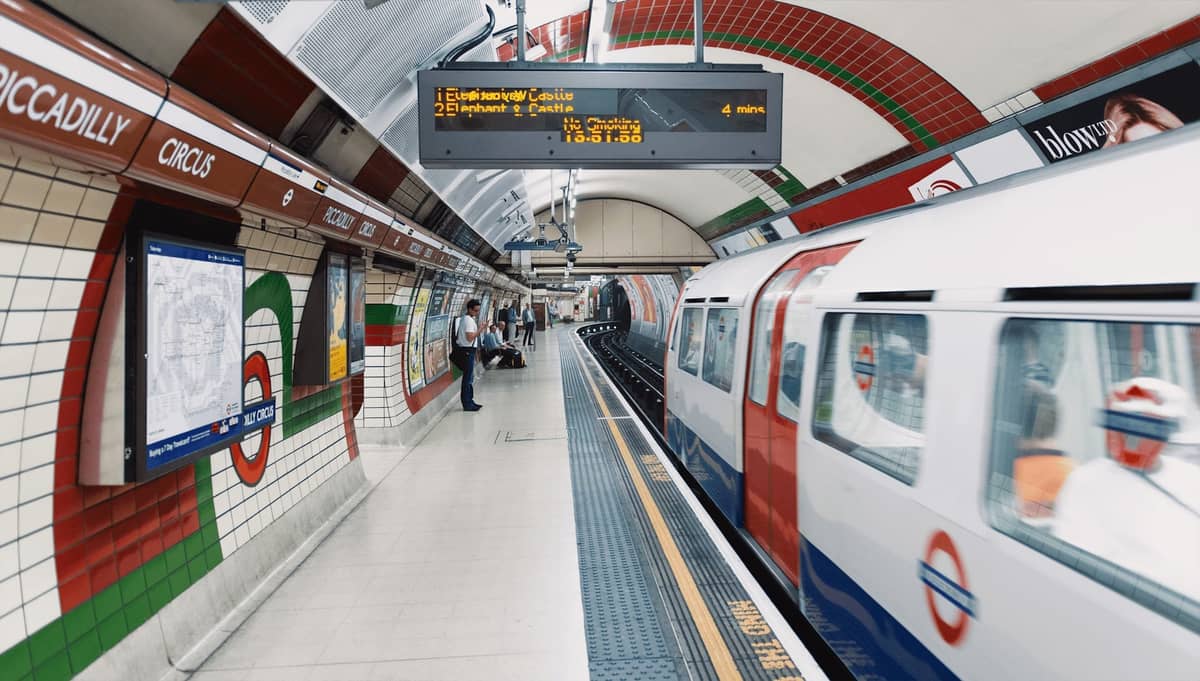
Transport is straightforward because the festival runs across the full Tube, Overground, Elizabeth line, DLR, and bus network. Oyster card or contactless payment will cover virtually all public transport in London, including these services. The key logistics challenge is timing: popular buildings can generate queues of 45 minutes or more during peak hours (typically 11am to 2pm on weekends). Arriving when a venue opens, or in the last hour before closing, dramatically reduces waiting time.
Wear comfortable shoes. This sounds obvious but the nature of the event means you will spend significant time standing on hard floors, climbing service stairs, and walking between sites. Many of the buildings visited are not the kind where you linger in a carpeted gallery — you are moving through spaces, often on guided routes. A small backpack, a water bottle, and a layer you can remove are the practical basics.
Photography policies vary between buildings. Most allow personal photography without flash, but specific restrictions will be noted in the programme listing and repeated by staff on arrival. If photography is important to you, check the listing in advance. For the broader context of London's most photogenic spots, the festival introduces plenty of locations that never normally feature.
💡 Local tip
The official programme app and website allow you to save a shortlist of buildings. Do this before the festival starts, then check each saved building for its access type (walk-in vs booking required) and build your day around that information rather than discovering the queuing system on the morning itself.
FAQ
Is Open House London free?
The majority of the programme is free. Most building visits and many walking tours cost nothing. Some specialist tours and ticketed talks within the festival carry a charge, and these are clearly marked in the listings. Booking a slot is also free where required — there is no booking fee.
Do I need to book in advance for Open House Festival?
It depends on the specific event. Many buildings operate walk-in access during their opening hours and require no registration. However, high-demand events — particularly guided tours, government buildings, and venues with limited capacity — require advance booking through programme.openhouse.org.uk. Check each building's individual listing and book early when required, as popular slots fill within hours of the programme going live.
When does the Open House Festival programme go live?
The full programme is typically published in late July or August ahead of the September festival. Follow Open City on social media or sign up to their mailing list for notification of when bookings open — this is the most reliable way to secure slots at the most popular buildings.
How many days does Open House London run?
The festival now runs as a multi-day event in September. The 2026 edition covers 12–20 September, spanning nine days. This is an expansion from the original single-weekend format — many buildings now offer multiple access dates across the programme rather than a single day.
Can children attend Open House Festival?
Yes, and many events are family-friendly. The programme includes specific workshops and activities designed for children and families. That said, some guided tours or building visits involve steep stairs, restricted spaces, or content pitched at adults. Check the individual event listings for age suitability and any restrictions.