The City of London, known as the Square Mile, is the ancient heart of the capital and one of the world's most important financial centres. It layers Roman foundations, medieval lanes, and Wren churches beneath a skyline of glass towers, creating a neighborhood unlike any other in London. Quiet at weekends but intensely alive on weekdays, it rewards visitors who explore beyond the main landmarks.
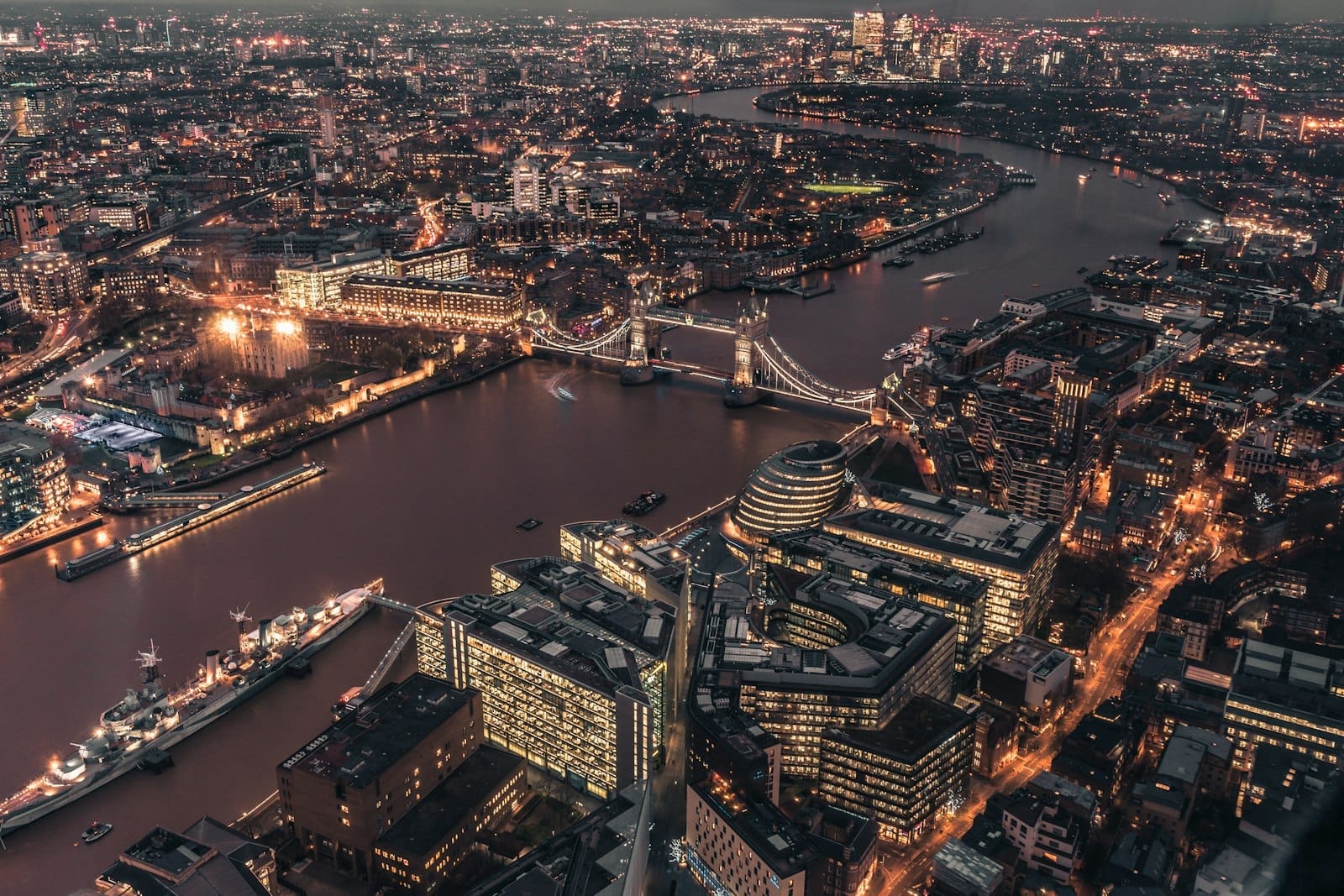
The City of London is where London began. Broadly overlapping the area of the Roman settlement of Londinium, though the modern boundaries are not identical, this roughly one‑square‑mile district contains almost 2,000 years of history compressed between the Thames and the modern Tube network, with St Paul's Cathedral and the Bank of England at its heart. The Tower of London sits just outside the eastern boundary in Tower Hamlets, but is an easy walk from the Square Mile.
Orientation
The City of London, formally a city and ceremonial county in its own right, covers approximately 1.12 square miles (2.90 km²; 716.8 acres) and sits at the eastern end of central London. Its boundaries run roughly from Temple in the west to the Tower of London in the east, and from the north bank of the Thames up to Moorgate and Liverpool Street in the north. It is not the same as Greater London, which covers 1,572 km² and 32 boroughs: the City is a distinct, self-governing entity with its own Lord Mayor, its own police force, and its own civic traditions stretching back centuries.
Getting your bearings here is helped by a few fixed reference points. St Paul's Cathedral sits roughly in the centre-west of the Square Mile, visible from most of its streets. The River Thames forms the entire southern boundary. Bank junction, where six roads converge in front of the Bank of England, functions as the commercial heart of the district. To the east, Bishopsgate and Liverpool Street mark the transition into Shoreditch. To the west, the boundary with the City of Westminster sits at Temple and runs north along the line of Chancery Lane.
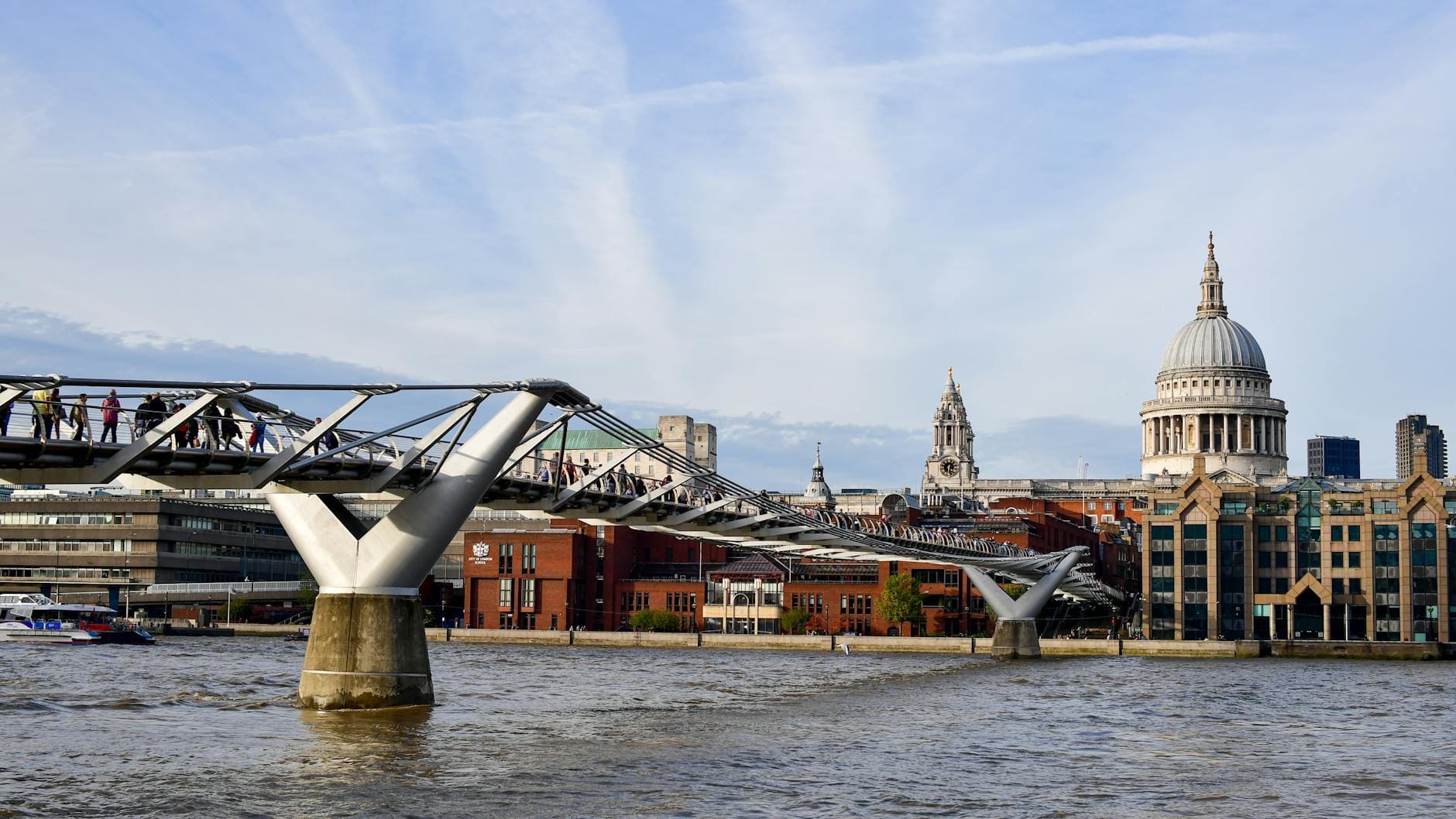
The City borders some of London's most visited neighborhoods. The South Bank sits directly across the Thames, reachable by foot over Millennium Bridge or Blackfriars Bridge. The West End begins at Temple, less than a ten-minute walk west along the Embankment. Canary Wharf and the Docklands extend east along the river, and Shoreditch presses in from the northeast. The City is not a transit hub you pass through; it is a destination you must deliberately enter, and the density of what it contains rewards that intention.
Character & Atmosphere
On a weekday morning, the City moves fast. By 7:30am, streams of suited workers pour out of Liverpool Street and Bank stations, coffee cups in hand, moving with the purposeful efficiency of people who have done this ten thousand times. The streets around Cornhill and Cheapside smell of fresh pastry from the sandwich shops that open for the before-meeting crowd. The light is sharp and low in winter, catching the glass of the Gherkin (30 St Mary Axe) and the steel of the Leadenhall Building. It feels less like a neighborhood than a machine, and it is running at full speed.
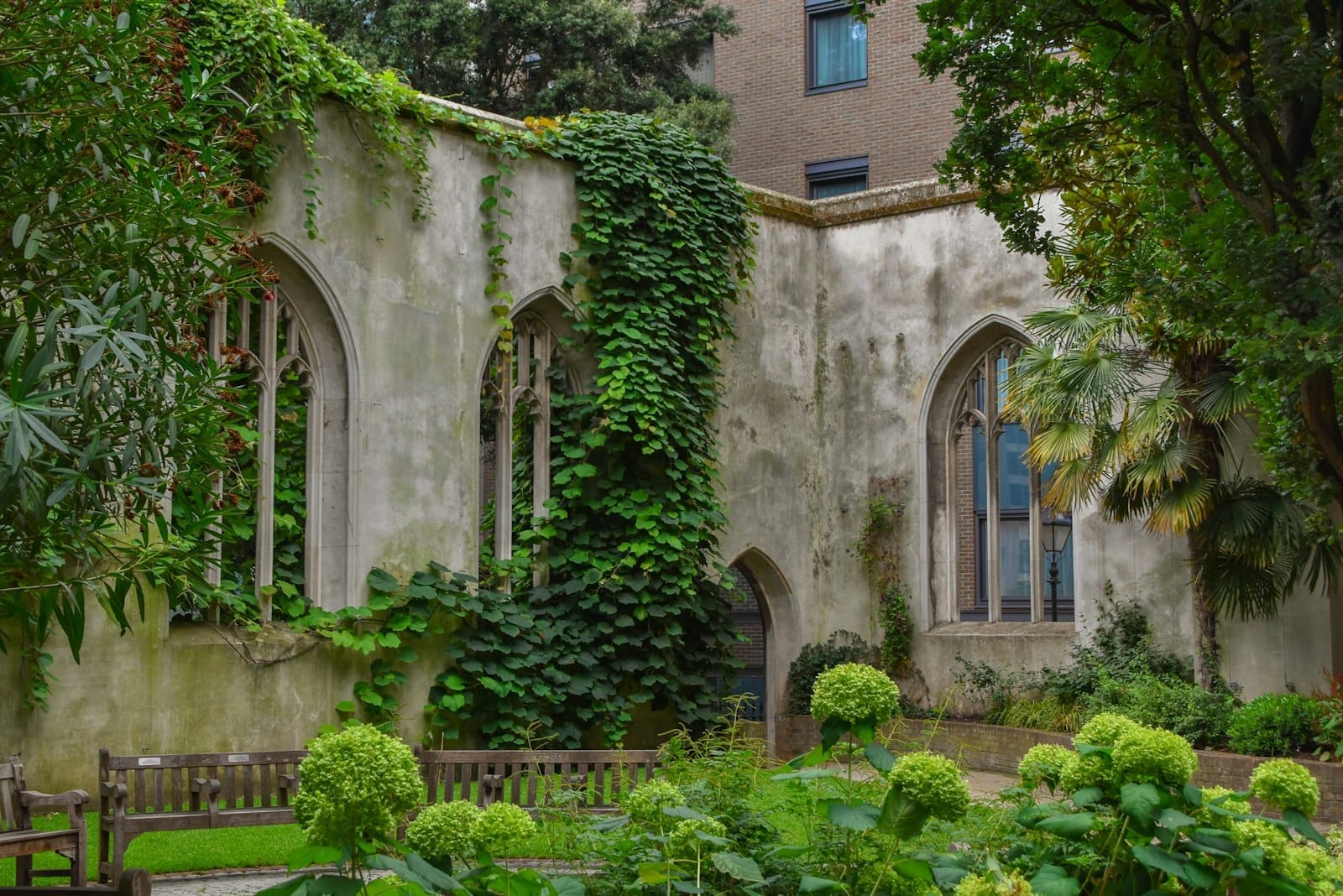
By midday, the character shifts. Workers fill the outdoor seating around Paternoster Square beside St Paul's and along the lanes off Cheapside. The medieval street pattern, rebuilt on much the same layout after the Great Fire of 1666, means you will find yourself in narrow alleyways between towering office blocks, ducking under archways into hidden churchyards. The contrast between scales is constant and strange. A 14th-century church wall abuts a glass curtain of a 21st-century office. A Roman mosaic sits under a perspex panel in a corporate lobby floor.
Weekends tell a completely different story. The City's resident population at the 2021 census was just 8,583 people, making it one of the least populated local authority areas in England. With the workers gone, the streets around Bank and the financial core become eerily quiet. Some visitors find this haunting and atmospheric; others find it disconcerting, particularly if they arrive expecting London's usual density. Many cafes and restaurants are closed Saturday and Sunday. This is worth knowing before you plan your visit.
💡 Local tip
If you want the City to yourself, visit on a Sunday morning. The streets around St Paul's, the back lanes of Cheapside, and the churchyards of the Wren churches are almost deserted before 10am. You can photograph the skyline without a single tourist in frame.
After dark on weekdays, the City has a specific, concentrated energy around its wine bars and pubs. The area around Leadenhall Market, Lime Street, and the lanes off Bishopsgate fills with finance workers in the 6pm to 9pm window. After that, the crowds thin quickly. The City is not a late-night destination in the way that Shoreditch or Soho are, and most of the action is over by 10pm. The streets are well-lit and policed, but largely empty by midnight.
What to See & Do
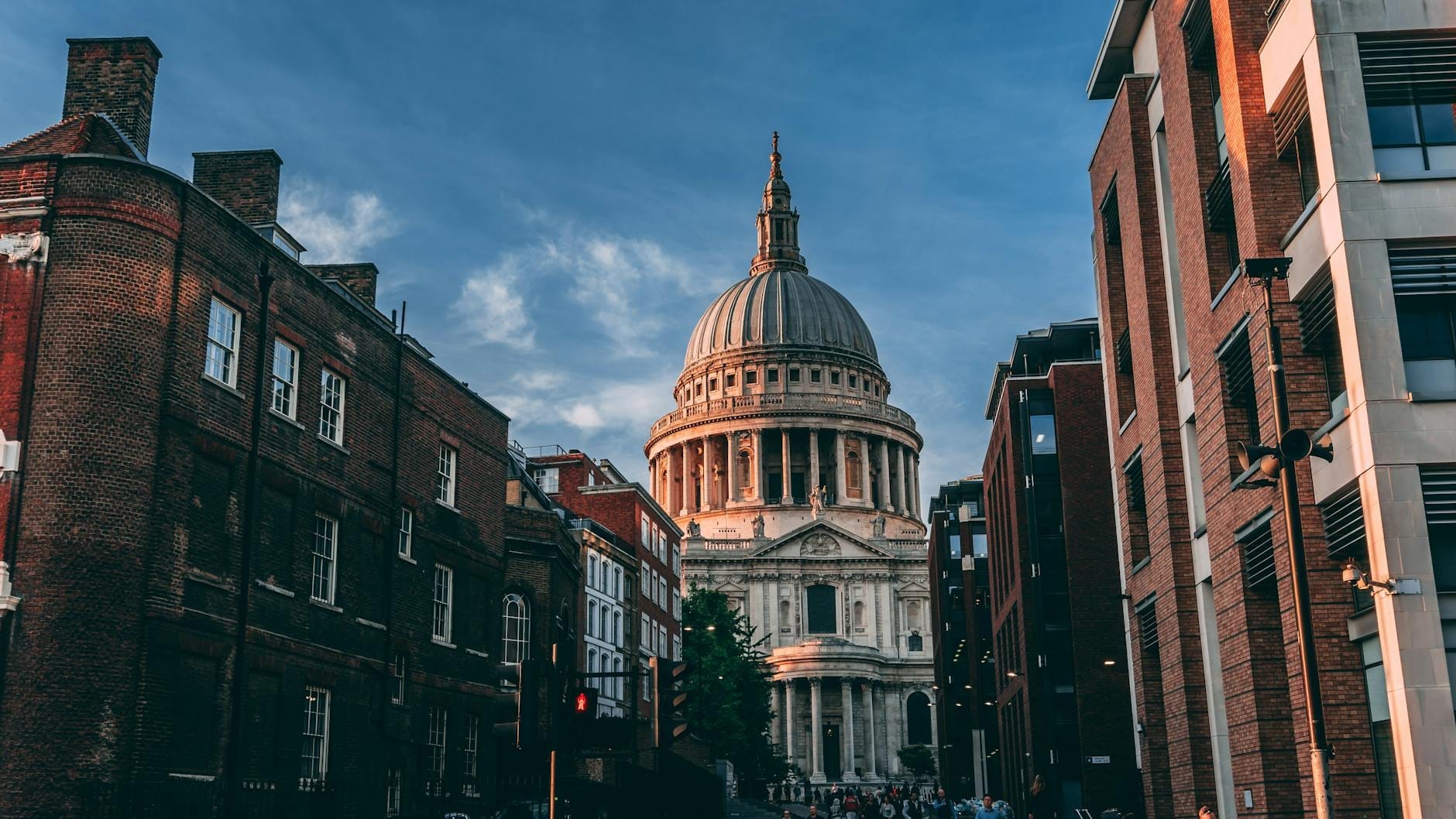
The two anchor attractions of the City are both world-class. St Paul's Cathedral is Christopher Wren's masterpiece, completed in 1710 after around 35 years of construction following the Great Fire of London. You can climb to the Whispering Gallery inside the dome, and further to the Golden Gallery at the top for one of the best panoramic views in central London. The interior is vast and solemn, with the tombs of Wellington and Nelson in the crypt. Admission is charged, but the steps outside are free and offer a generous view of the surrounding skyline.
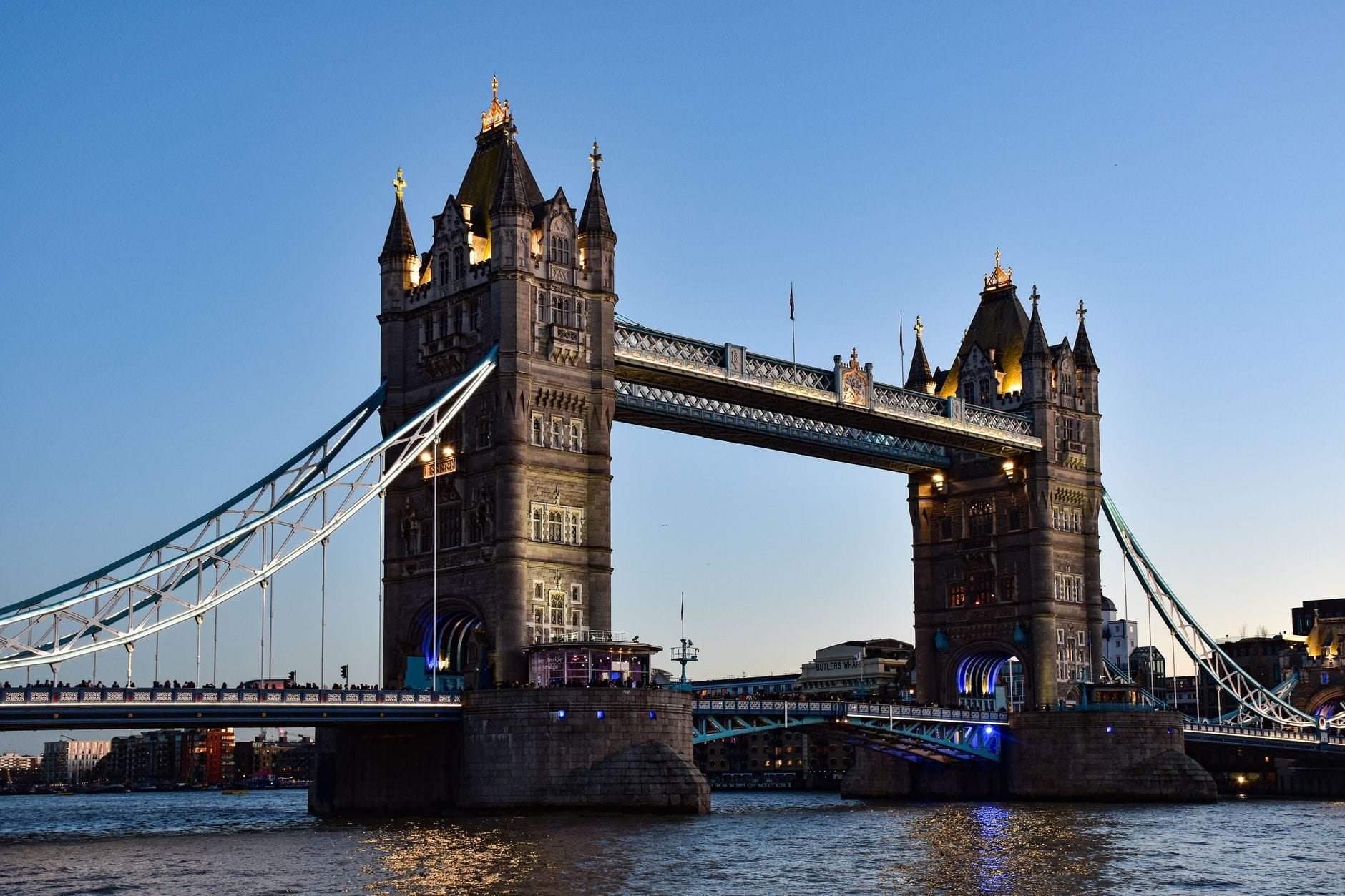
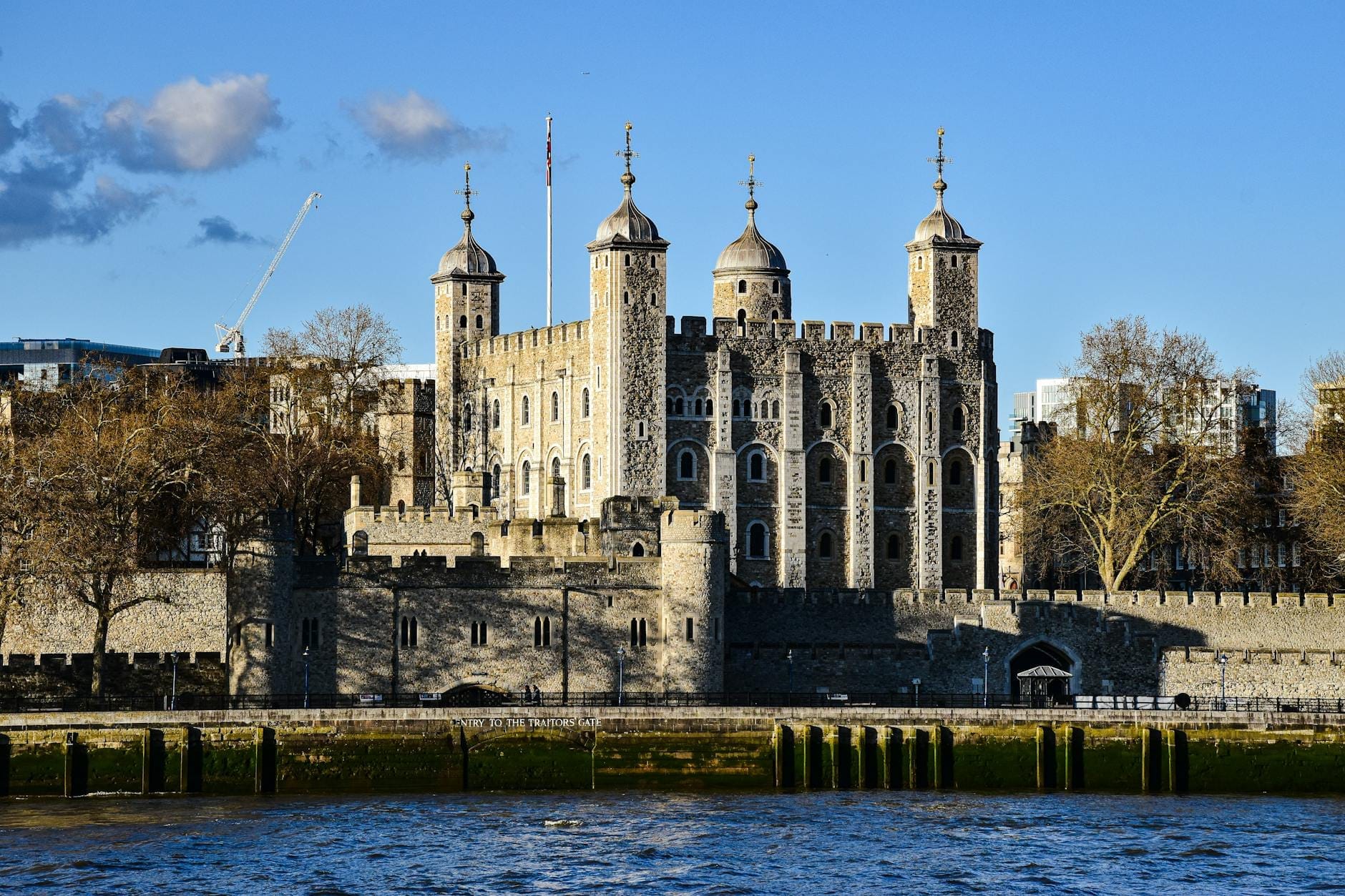
Just outside the City's eastern boundary, but inseparable from it historically, the Tower of London has guarded this stretch of the Thames since William the Conqueror began construction in 1066. It houses the Crown Jewels, the resident ravens, and a layered history of royal imprisonment and execution that takes several hours to absorb properly. Adjacent to it, Tower Bridge remains one of London's most recognisable structures; the glass walkway across the upper level gives a direct view down to the Thames below.
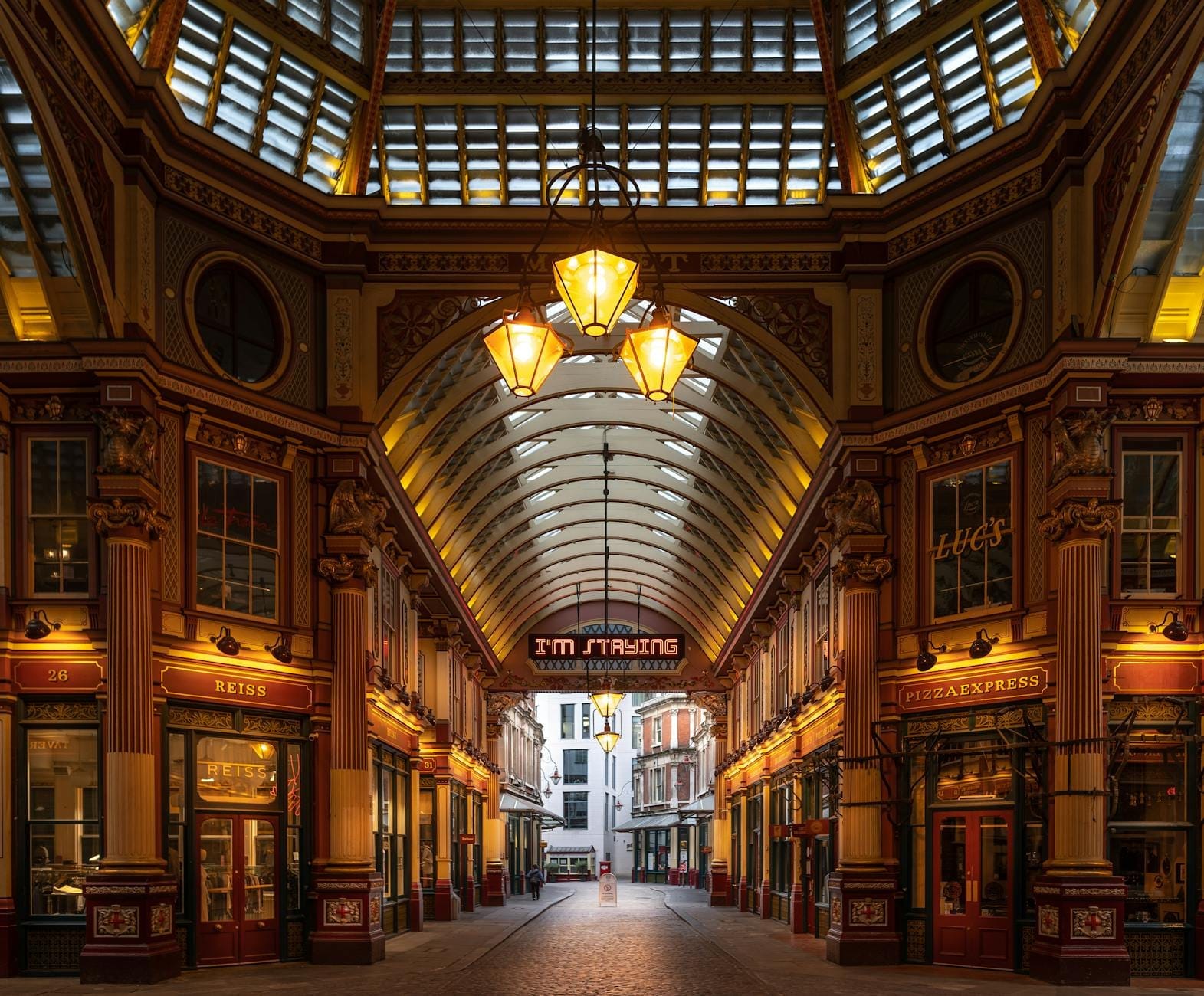
The financial heart of the City clusters around Bank junction. The Bank of England stands here, and its museum on Bartholomew Lane offers free entry and an unexpectedly engaging account of how Britain's monetary system developed. A short walk east, Leadenhall Market is a Victorian covered market with a painted cast-iron roof that feels like stepping into a 19th-century trading hall. It has been used as a filming location for Harry Potter (as Diagon Alley) and is worth the detour even if the shops inside have gone upmarket.
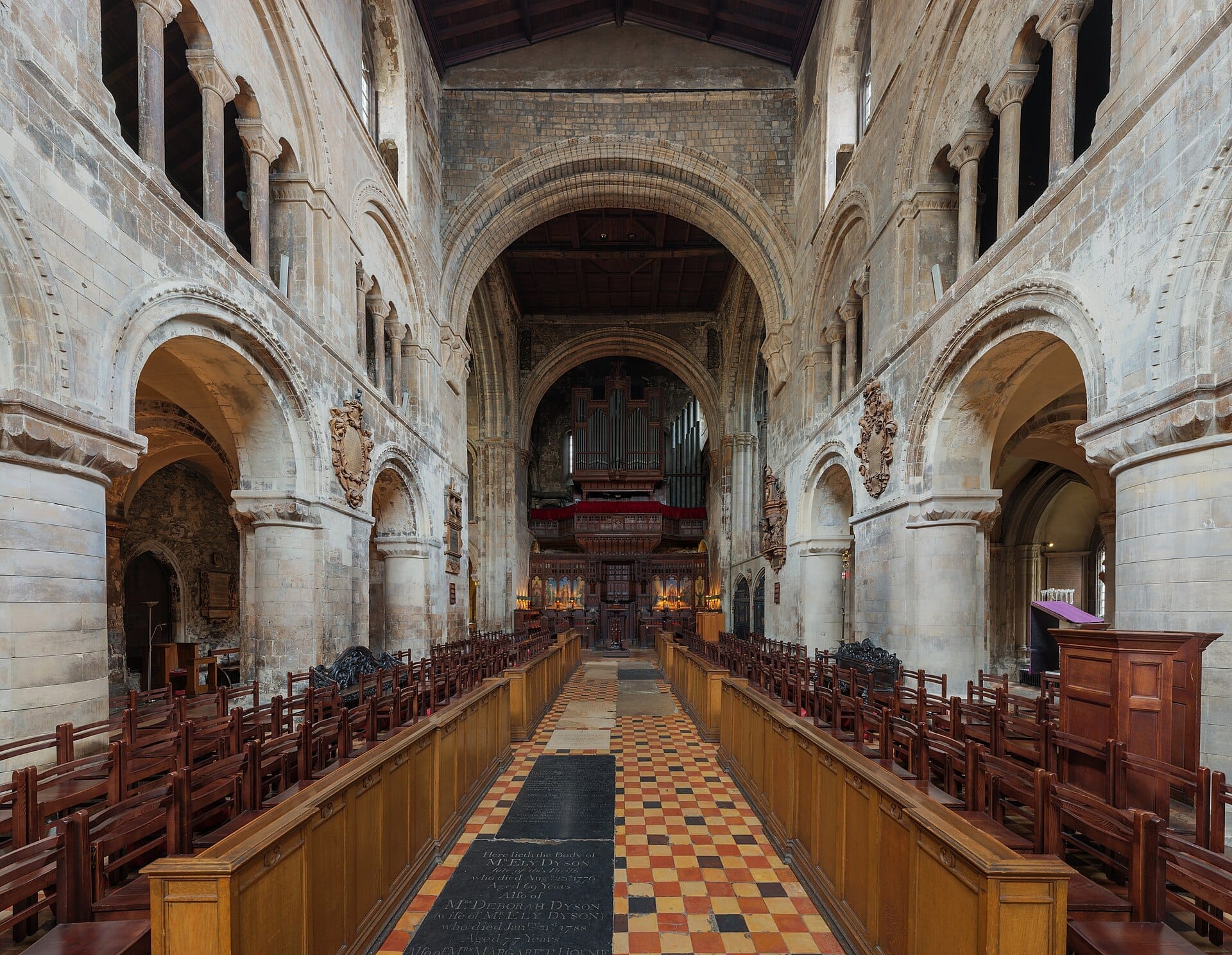
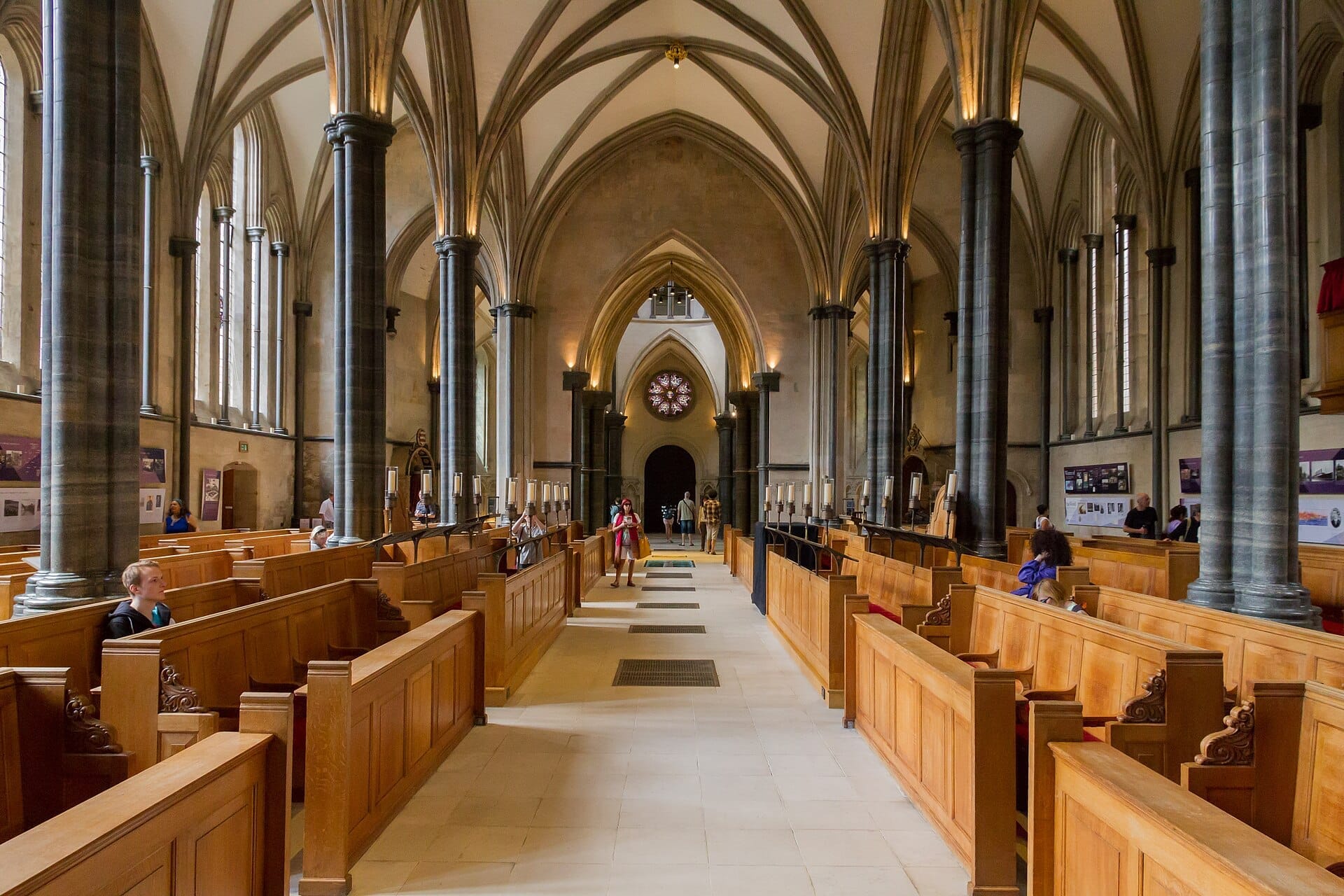
The City contains over 40 churches, many of them designed by Wren after the Great Fire. St Bartholomew the Great in Smithfield is one of the oldest surviving churches in London, with parts dating to 1123. Several other Wren churches have peaceful, largely visitor-free interiors that are open during the week: St Mary-le-Bow on Cheapside, St Bride's on Fleet Street (often called the journalists' church), and St Stephen Walbrook near Cannon Street are all worth stepping into.
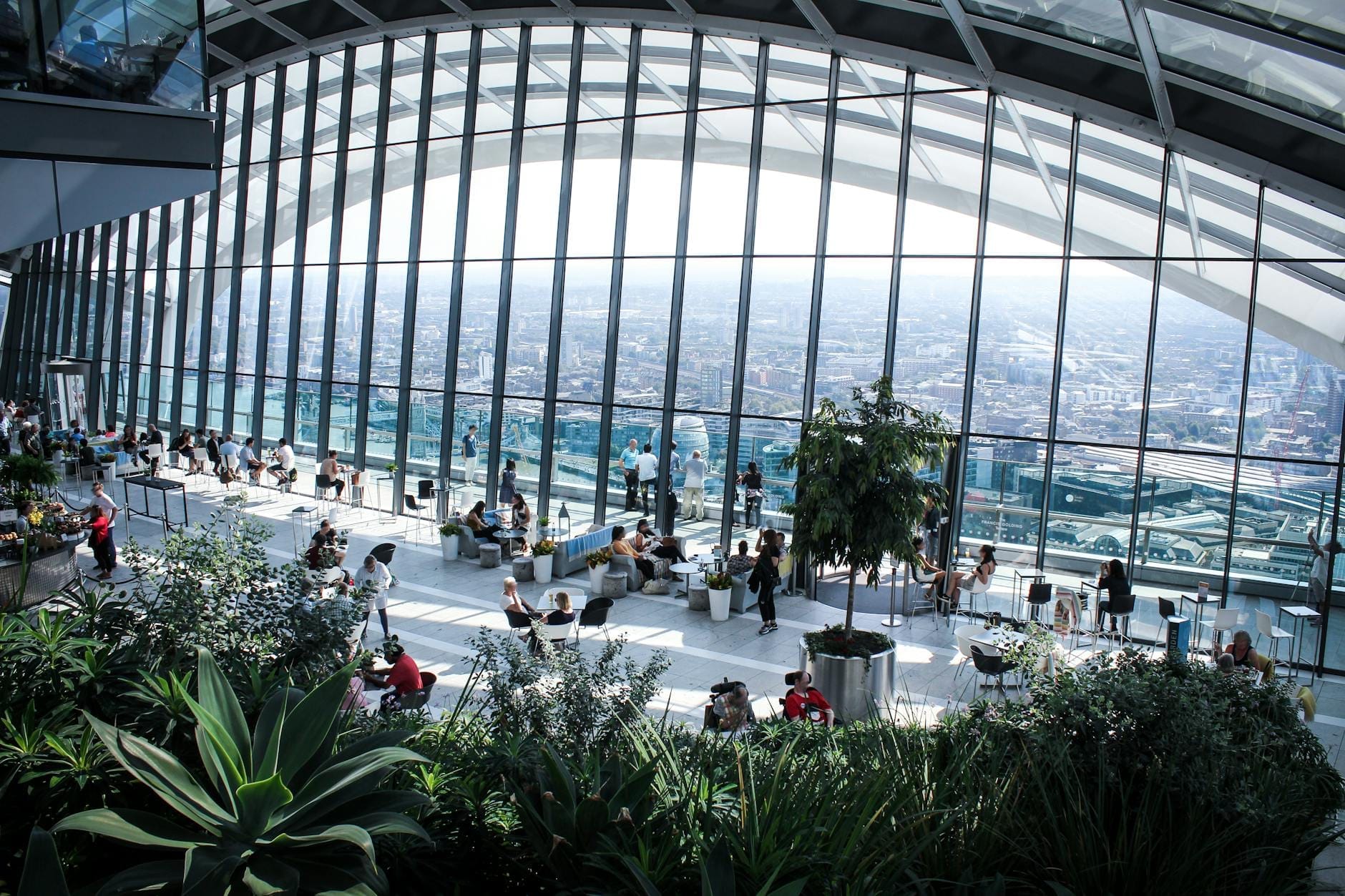
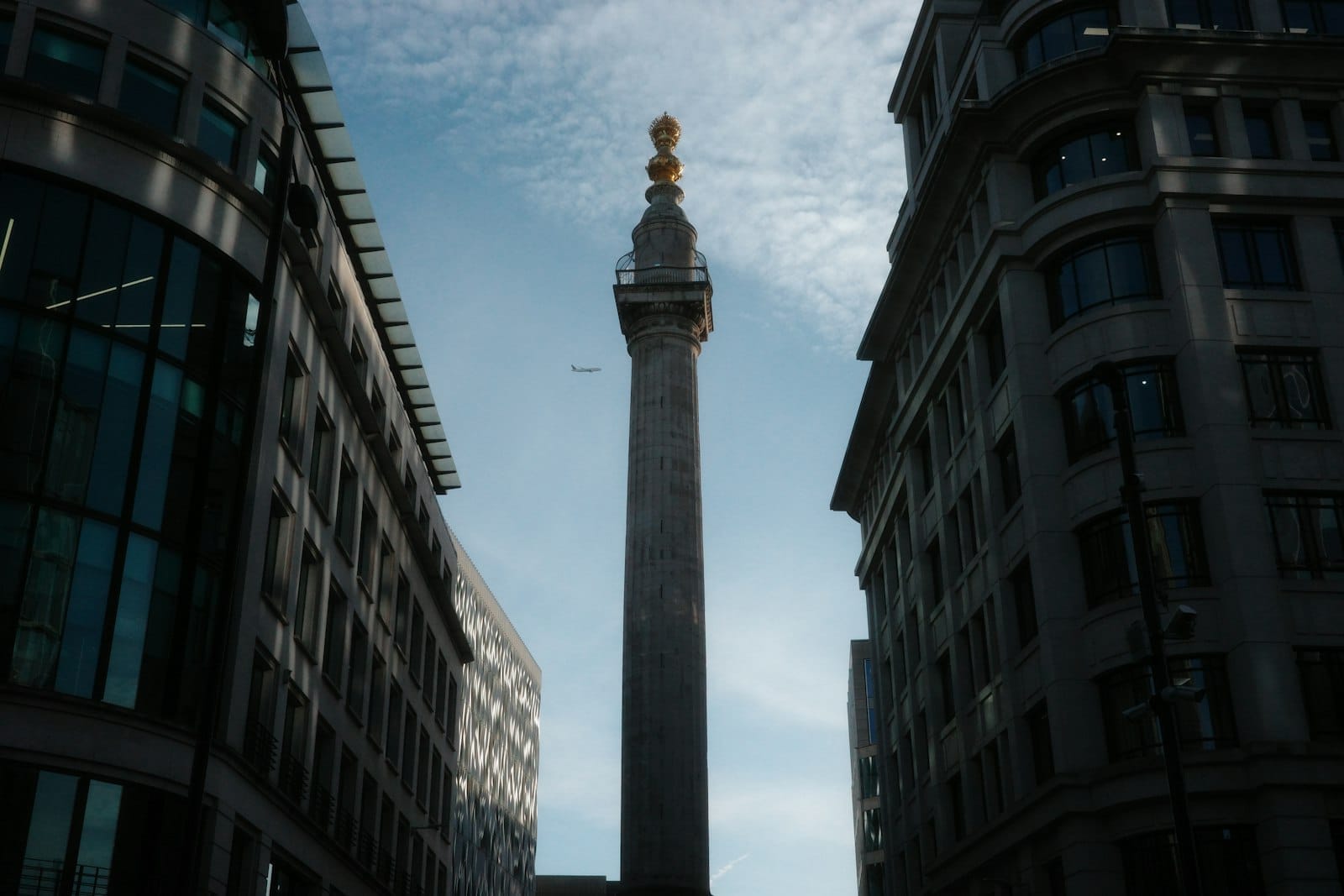
For views from above, Sky Garden at 20 Fenchurch Street (the 'Walkie-Talkie' building) offers a free public observation deck and garden at the top, though booking in advance is essential. The views east towards Canary Wharf and south over the Thames are exceptional. For something more unusual, The Monument to the Great Fire of London on Monument Street can be climbed for a low-cost panorama, and it stands 202 feet from the spot where the fire started in Pudding Lane in 1666.
St Paul's Cathedral: Wren's domed masterpiece, climb for views over central London
Tower of London: Crown Jewels, medieval towers, and one of England's most visited historic sites
Tower Bridge: Victorian drawbridge with a glass walkway and engine rooms to explore
Leadenhall Market: Victorian iron-and-glass market hall, lively at lunchtime on weekdays
Sky Garden: Free rooftop garden and observation space at 20 Fenchurch Street (book ahead)
The Monument: 202-foot column with climbable stairs and a certificate at the top
St Bartholomew the Great: London's oldest surviving church, with a 12th-century interior
Bank of England Museum: Free museum tracing the history of British banking and money
Eating & Drinking
The City's food and drink scene is built almost entirely around the working week. The area around Cheapside, One New Change, and the lanes running off the main streets is dense with lunch options on weekdays: sandwich counters, sushi spots, chain cafes, and a growing number of independent food vendors. Prices run slightly higher than average for London, reflecting the expense-account culture of the surrounding offices. A sit-down lunch will typically cost around £15 to £30 per person at most places.
The evening dining and drinking scene concentrates around Leadenhall Market and the Bishopsgate end of the City. The pubs here, many of them Victorian institutions with ornate interiors, fill up rapidly after 5pm and can be elbow-to-elbow by 6:30pm on Thursdays. The Lamb Tavern inside Leadenhall Market has been serving workers here since the 18th century and retains a period atmosphere worth experiencing at least once. Further west, the wine bars around Cornhill cater to a more senior finance crowd.
For visitors arriving on weekdays, Borough Market sits just across London Bridge in Southwark and is technically outside the City boundary, but it takes about ten minutes to walk there from Monument station. It is one of the most serious food markets in London, and the combination of a morning at the City's landmarks followed by lunch at Borough is a natural pairing.
⚠️ What to skip
A significant number of restaurants, cafes, and pubs in the City are closed on Saturdays and Sundays. If you are visiting at the weekend, check opening hours in advance rather than assuming you can walk in anywhere near Bank or Bishopsgate and find somewhere open for lunch.
The western fringe of the City, around Farringdon and Smithfield, has a more varied and year-round food scene. The area around Exmouth Market (technically just outside, in Clerkenwell) and the restaurants on St John Street offer better options for weekend dining. Smithfield itself has long been the heart of London's meat trade, and the surrounding streets support several restaurants that have operated here for decades.
Getting There & Around
The City is among the best-connected areas in London for public transport. Bank and Monument stations, which are linked by a tunnel and function as a single interchange, sit at the centre of the Square Mile and are served by the Central, Northern (Bank branch), District, and Circle lines, as well as the Waterloo & City line (weekdays only). Liverpool Street in the northeast corner connects to the Elizabeth line, the Central and Metropolitan lines, the Circle and Hammersmith and City lines, and National Rail services to East Anglia. Blackfriars in the southwest offers District and Circle lines plus National Rail. Cannon Street and Fenchurch Street serve commuter rail.
St Paul's station on the Central line puts you directly at the cathedral steps. Moorgate on the northern boundary connects the Northern, Elizabeth, Metropolitan, Circle, and Hammersmith & City lines. Aldgate, on the eastern edge, provides Circle and Metropolitan line access (with Aldgate East nearby for District and Hammersmith & City lines). In practice, this means you are never more than a five-minute walk from a Tube station within the Square Mile.
The Elizabeth line has transformed access to and from the City. From Liverpool Street, you can reach Paddington in about 10 minutes on the Elizabeth line, with direct Elizabeth line services to Heathrow continuing from there. For a practical overview of how to navigate London's transit networks, the getting around London guide covers Oyster cards, contactless payment, and fare zones in detail. Within the City itself, walking between landmarks is almost always faster than taking the Tube: St Paul's to the Tower of London is about a 25-minute walk along Queen Victoria Street and Lower Thames Street, passing several Wren churches on the way.
ℹ️ Good to know
The City of London has its own dedicated police force, the City of London Police, which is separate from the Metropolitan Police. Their jurisdiction covers only the Square Mile and they are visible throughout the area, particularly around the Bank of England and key financial institutions. The City has extensive CCTV coverage and generally low street crime compared to more tourist-heavy areas of London.
The Thames Path runs along the southern edge of the City, connecting Temple to Tower Bridge. Walking this stretch takes about 25–30 minutes at a relaxed pace and passes Blackfriars, the Millennium Bridge, Southwark Bridge, London Bridge, and Custom House Quay. The Millennium Bridge gives a direct pedestrian crossing to Tate Modern on the South Bank, making it a natural route for combining the City with a South Bank afternoon.
History in the Streets
Few districts in any European city carry this depth of documented history in such a concentrated area. The Romans founded Londinium here around AD 47–50, and the street grid, while significantly altered over two millennia, still reflects the logic of a settlement built around a river crossing. The London Wall, which encircled the Roman and medieval city, survives in sections: the most accessible stretch runs alongside the Museum of London (currently being relocated to West Smithfield) and along London Wall street itself.
The Great Fire of London in September 1666 destroyed approximately 80% of the medieval city within the walls, burning for four days and consuming around 13,200 houses and 87 parish churches. The reconstruction under Christopher Wren, which produced St Paul's Cathedral and 51 parish churches, defined the visual character of the City for the next three centuries. The Monument on Monument Street, designed by Wren and Robert Hooke, was built to commemorate the fire and stands exactly as tall as it is distant from the bakery on Pudding Lane where the fire began.
The medieval street names that survive tell their own story: Cheapside comes from the Old English 'ceap', meaning market or trade. Poultry, Bread Street, Milk Street, and Honey Lane all refer to the commodities sold there in the medieval market. Lombard Street is named for the Italian bankers from Lombardy who operated there in the 13th and 14th centuries. Walking with even a passing awareness of this history transforms what looks like an office district into something considerably more layered.
Where to Stay
The City is not primarily a hotel neighborhood, and the accommodation options here reflect its commercial nature. There are several large business hotels around Liverpool Street and Bishopsgate, most of them in the four-star and above bracket, and a handful of boutique properties in the lanes around St Paul's. Rates tend to be higher mid-week when business travelers fill the rooms, and considerably lower at weekends, when occupancy drops sharply.
For travelers whose primary interest is sightseeing rather than business, the City is an efficient base if you want walkable access to the Tower of London, St Paul's, and the South Bank, and fast Tube connections to the rest of the city. The South Bank and Westminster offer more varied accommodation at more varied price points if you want to be closer to the main cluster of London's museums and royal landmarks. For a full comparison of London's neighborhoods by accommodation type and traveler profile, the where to stay in London guide covers each area in detail.
The best part of the City to stay for tourist access is the western half, around St Paul's and Blackfriars. From here you have the cathedral on your doorstep, the Millennium Bridge to Tate Modern a five-minute walk, and the Tube connections at St Paul's, Blackfriars, and Farringdon within easy reach. The eastern end around Liverpool Street is better placed for the Elizabeth line but feels more purely corporate in character, particularly after the offices close.
Practical Notes
The City's landmarks are spread across a walkable area, making it entirely possible to cover the key sights in a single well-planned day. For a structured approach to seeing London's historic core alongside other central areas, the 3-day London itinerary provides a practical day-by-day framework. Several of the City's major attractions, including the Sky Garden and the Bank of England Museum, are free, which makes the area a strong option for travelers watching their budget. For a broader overview of free things to do in London, see the free things to do in London guide.
Tap water throughout London is safe to drink. Most transactions in the City accept contactless payment; carrying cash is rarely necessary. The City of London Police (distinct from the Metropolitan Police) patrols the Square Mile, and the area has extensive CCTV coverage throughout. As with any major financial district, be alert to pickpockets around busy Tube stations during peak hours, but the City is generally considered low-risk for street crime compared to the busier tourist zones of the West End.
TL;DR
The City of London packs Roman history, medieval street patterns, Christopher Wren churches, and 21st-century financial architecture into just over one square mile along the north bank of the Thames.
Best visited on weekdays, when the area is fully alive: on weekends many restaurants and shops close and the streets become notably quiet.
St Paul's Cathedral, the Tower of London, Leadenhall Market, Sky Garden, and the Monument are the anchor experiences, all within easy walking distance of each other.
Exceptional transport connections at Bank, Liverpool Street, Blackfriars, and Moorgate make it easy to reach from anywhere in central London.
Best suited to travelers interested in London's history, finance, and architecture; less suited to those looking for nightlife, weekend dining flexibility, or affordable accommodation.
Afternoon tea in London ranges from grand hotel rituals at £95 per person to relaxed neighbourhood spreads under £50. This guide covers the top venues across every budget, how to book, what to wear, and which hyped spots are actually worth it.
London has more world-class museums than almost any city on Earth, and the majority are free. This guide covers the essential institutions across art, history, science, design, and beyond, helping you plan your visits with confidence.
London has more parkland per capita than almost any major world city, and its eight Royal Parks alone cover just under 4,900 acres of public green space. This guide covers the finest parks across the city, from the grand central Royal Parks to wilder escapes on the edges of Greater London.
London rewards visitors in every season, but the experience shifts dramatically depending on when you go. This guide breaks down crowd levels, weather, prices, and key events month by month so you can plan a trip that matches exactly what you want from the city.
London's skyline is one of the world's great visual spectacles, mixing centuries-old domes with glass towers and royal parks. This guide covers the best places to see it all — free rooftop gardens, paid observation decks, hilltop parks, and river vantage points that reward at any time of day.
London is perfectly placed for world-class day trips. Whether you want a Tudor palace on the Thames, a city of dreaming spires, or a prehistoric stone circle, all of it is within two hours. This guide covers the best options, how to get there, and what to prioritise.
London is one of the world's great free cities. From world-class museums and contemporary art galleries to royal parks, iconic walks, and spectacular viewpoints, this guide covers the best experiences in London that are completely free to enjoy.
London has one of the most comprehensive urban transport networks in the world, covering 9 million residents across 1,572 km² of Greater London. This guide breaks down every option, from the Tube to river buses, with fare details, airport transfer routes, and insider tips to save time and money.
London gave the Wizarding World its real-world addresses, from the glass-roofed arcade that stood in for Diagon Alley to the Islington townhouses of Grimmauld Place. This guide covers every major filming location, the Warner Bros. Studio Tour, how to get there, and what to skip — with practical advice on crowds, costs, and what each spot actually looks like in person.
London has six airports, and choosing the wrong one can add hours and serious cost to your journey. This guide breaks down Heathrow, Gatwick, Stansted, Luton, City, and Southend with practical advice on every transport option, realistic fares, and which airport actually suits your trip.
London's food scene is one of the most diverse and underrated in the world. This guide cuts through the noise to tell you what to actually eat, which neighbourhoods to target, what things cost, and how to avoid the tourist traps.
London is one of the world's great cities, spanning 1,572 km² across 32 boroughs with 9.1 million residents and over 300 languages spoken. This guide covers everything a first-time visitor needs: how to get in, how to get around, which neighborhoods to prioritize, what to book in advance, and the practical details that make the difference between a stressful trip and a great one.
London rewards those who look beyond the headline attractions. From ruined churches turned secret gardens to world-class free museums tucked down side streets, these are the places locals love and most visitors miss entirely.
London's hop-on hop-off buses are everywhere, but are they the smartest way to see the city? This guide breaks down the main operators, what you get for your money, who benefits most, and when to skip the pass entirely.
December transforms London into one of Europe's most atmospheric winter destinations. From Hyde Park Winter Wonderland to the South Bank's riverside market stalls, this guide covers everything you need to plan a memorable Christmas visit, including what to skip, what to book in advance, and how to get around without the crowds.
Summer in London runs from late June through August and delivers a different city: long daylight hours, royal parks at their peak, and a packed calendar of festivals, sporting events, and outdoor culture. This guide covers what to expect, what to book in advance, and what to skip.
Three days in London is enough to cover the essential sights, explore a couple of neighbourhoods, and get a real feel for the city. This itinerary is built around practical logistics, clear priorities, and current ticket prices so you can spend less time planning and more time exploring.
Five days in London is enough to cover the iconic landmarks, explore distinct neighbourhoods, and still have time to eat and drink well. This day-by-day guide cuts through the noise with specific recommendations, realistic timings, and practical advice on what is worth your time.
London's market scene spans 1,000-year-old food halls, world-famous antiques rows, and creative street markets under Victorian ironwork. This guide covers the best across every category, with practical tips on when to go and what to expect.
London's nightlife spans everything from underground warehouse raves in Greenwich to velvet-rope cocktail bars in Mayfair. This guide breaks down the best areas, top clubs, practical costs, and the timing tricks that separate a great night from an expensive disappointment.
London has a reputation for expense, but a well-planned trip can be surprisingly affordable. From world-class free museums to discount West End seats and Oyster card tricks, this guide covers every practical angle for stretching your pounds in one of Europe's great capitals.
The London Pass promises access to 100+ attractions for a flat daily fee. But does it actually save you money? This guide breaks down the real costs, the best use cases, and who should skip it entirely.
The River Thames is the backbone of London, stretching 215 miles through southern England and shaping the city's history, skyline, and daily life. This guide covers sightseeing cruises, the Thames Path, riverside eating and drinking, water sports, and the key landmarks you'll pass along the way, with practical advice on what's worth your time and what to skip.
London is a remarkably safe city for its size, but petty theft and tourist-targeted scams are real risks. This guide covers the most common threats, where they happen, and exactly what to do to protect yourself and your belongings.
London's shopping scene spans everything from 300-store Oxford Street to Sunday flower markets in the East End. This guide covers the best streets, markets, and stores by category, with practical advice on timing, crowds, and where your money actually goes furthest.
Getting from London to Amsterdam is one of Europe's most popular city-to-city trips. This guide breaks down every option — Eurostar, budget flights, overnight ferry, and long-distance coach — with realistic journey times, current price ranges, and advice on which suits your trip.
Covering every way to travel between London and Edinburgh, this guide breaks down real journey times, current price ranges, and which option makes sense depending on your budget, schedule and priorities. The answer is not always what you expect.
There are three realistic ways to get from London to Paris: the Eurostar train, a short-haul flight, or an overnight coach. This guide breaks down journey times, realistic fares, booking strategy, and the practical details that trip-planning sites usually skip.
London rewards walkers more than almost any other city. From the medieval lanes of the Square Mile to the riverbanks of the South Bank, the best way to understand this city is on foot. This guide covers guided group tours, official City of London walks, tip-based 'free' options, and self-guided routes, with practical advice on pricing, booking, and when to show up.
London is one of the world's great family destinations, with free world-class museums, royal parks, river adventures, and enough child-friendly attractions to fill a week. This guide cuts through the noise with practical advice on what's worth booking in advance, what's actually free, and how to keep the whole family sane on the Tube.
From Mayfair's grand hotels to Knightsbridge's world-class restaurants and private cultural experiences, this guide covers everything you need to plan a high-end stay in London. Expect specific neighbourhood advice, booking strategies, and clear assessments of where the money is well spent.
London is one of the world's great photography cities, with iconic landmarks, colourful streets, and unexpected architectural gems around every corner. This guide covers the 20 most photogenic spots, from the obvious classics to the lesser-known spaces that will make your feed stand out.
Notting Hill Carnival is Europe's largest street festival, drawing over a million visitors to west London every August Bank Holiday weekend. This guide covers the 2026 schedule, the full route, how to get there, what to eat, and what to expect on each day.
Open House Festival is London's annual architecture celebration, opening over 800 buildings, tours, and talks across all 33 boroughs — most of them free. This guide covers dates, booking strategy, neighbourhood planning, and which events fill up fastest.
London rewards couples who know where to look. This guide covers the most romantic experiences in the city — from sunset river cruises and West End theatre to free viewpoints and atmospheric parks — with practical advice on what's worth the price and what you can enjoy for nothing.
From the Ceremony of the Keys at the Tower of London to the summer opening of Buckingham Palace's State Rooms, London's royal sites are more accessible than most visitors realize. This guide covers what to see, when to go, what to book in advance, and what to skip.
London rewards visitors who go beyond the obvious. This guide covers the best things to do in London across culture, history, food, and neighbourhoods, with practical tips on what's worth your time, what to skip, and how to do it all without overpaying.
London's West End is one of the world's great theatre destinations, with around 40 major venues and over 17 million audience visits a year. This guide covers everything from buying tickets and finding discounts to getting there, picking the right seat, and knowing what to expect on the night.
Choosing where to stay in London shapes your entire trip. This guide breaks down the city's best neighbourhoods by location, transport access, price range, and atmosphere, so you can book with confidence rather than guesswork.
Getting into Wimbledon is more accessible than most people think — if you know the system. This guide covers every official ticket route, real price ranges, The Queue strategy, and practical tips for making the most of your day at the world's most famous tennis tournament.