What to Eat in London: A Food Lover's Guide
London's food scene is one of the most diverse and underrated in the world. This guide cuts through the noise to tell you what to actually eat, which neighbourhoods to target, what things cost, and how to avoid the tourist traps.
Plan and book this trip
Tools from our partner Travelpayouts help you compare flights and hotels. If you book through them, we may earn a commission at no extra cost to you.
Flights
Hotels map
TL;DR
- London's food scene covers everything from classic British pub grub to world-class Indian, Chinese, Japanese, and Middle Eastern cooking — often in the same postcode.
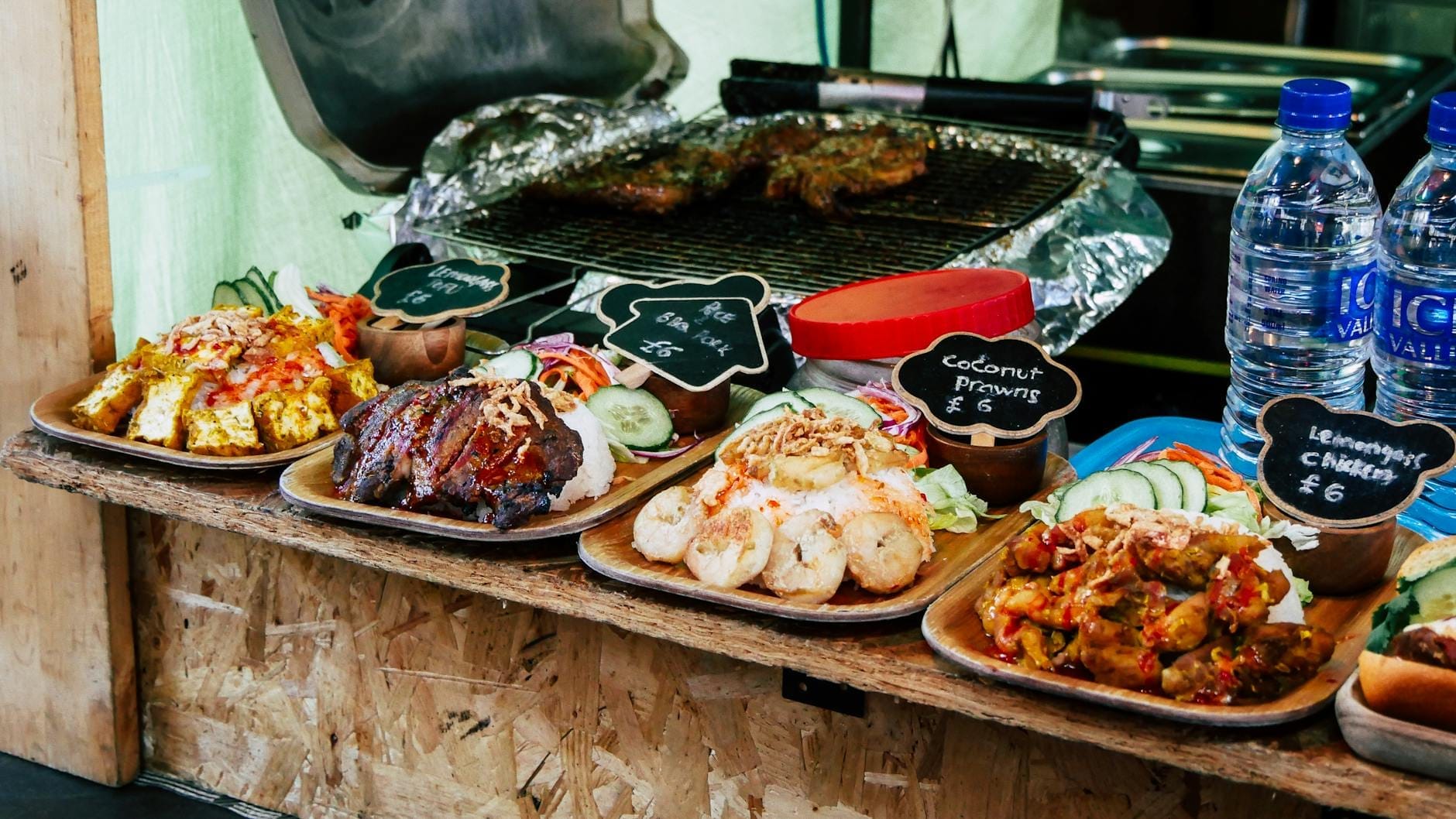
- The best areas for eating are Soho, Shoreditch, Marylebone, and Borough Market — see our London markets guide for street food options.
- A sit-down meal at a decent restaurant costs around £15–£35 per person before drinks; budget eating is very achievable at £8–£12.
- Sunday roast, fish and chips, a full English breakfast, and chicken tikka masala are the four dishes most worth seeking out in London specifically.
- Booking ahead matters: the best restaurants fill up days or even weeks in advance, especially on weekends.
The Case for London as a Food City
The idea that British food is bland died somewhere around the early 2000s, and London is the reason. The city's population of around 9 million people speaks more than 300 languages, and that cultural density has produced a food scene that rivals Paris, Tokyo, and New York. You can eat Sichuan hot pot in Chinatown, Keralan fish curry in Tooting, Georgian cheese bread in Stoke Newington, and wood-fired Basque-influenced beef in Shoreditch — all within a single city.
Even the 'traditional' British dishes carry layers of outside influence. Fish and chips, probably the most iconic London food, traces its fried-fish technique to Jewish communities from the Iberian Peninsula, while the chips themselves have Belgian-French roots. Chicken tikka masala — widely served in London curry houses — is now considered a British national dish. This is a city that has always absorbed and adapted, and the food reflects that history honestly.
ℹ️ Good to know
London has more Michelin-starred restaurants than any other UK city. But some of the most memorable meals here cost under £10 — a bowl of ramen in Soho, a salt beef bagel in Brick Lane, or a pork bao from a Borough Market stall.
The British Dishes Worth Seeking Out
Not every classic British dish is worth your time in London specifically. A supermarket sandwich or a soggy pub burger exists in any country. But a handful of dishes reward the hunt, and these are worth knowing before you arrive.
- Sunday Roast Served on Sundays only, typically from noon until mid-afternoon. A proper Sunday roast includes roasted meat (beef, lamb, pork, or chicken), roast potatoes, Yorkshire pudding, seasonal vegetables, and thick gravy. Pub roasts run around £16–£25 per person. Skip the tourist-area pubs and head to a local neighbourhood pub instead.
- Fish and Chips Best eaten from a traditional chippie — a takeaway shop — rather than a sit-down restaurant. A portion of cod or haddock with chips costs £8–£14 at a good chippie. At a mid-range restaurant, expect £12–£20. Mushy peas and curry sauce are standard accompaniments worth trying.
- Full English Breakfast Bacon, fried or scrambled eggs, grilled tomato, baked beans, sausages, black pudding, and toast. Cafes serving a full English are everywhere; a good one costs £8–£12. Order before 11am — most places stop serving breakfast by mid-morning.
- Chicken Tikka Masala Yes, it's a British dish. London's Brick Lane and areas like Tooting, Southall, and Green Lanes serve some of the best South Asian food in Europe. A main course at a good curry house is typically £12–£18.
- Eton Mess A dessert of crushed meringue, whipped cream, and strawberries. Most common in late spring and summer when British strawberries are in season (roughly June to August). Found on menus across the city during that window.
For a deep dive into one specific food experience, afternoon tea in London is its own category entirely — expect finger sandwiches, scones with clotted cream, and pastries at prices ranging from around £45 at many hotels to £75–£95 at iconic venues like Claridge's or The Ritz. It's a full experience rather than just a meal, and worth booking at least a week ahead.
London's Global Food by Neighbourhood
London's best food isn't evenly distributed. Each neighbourhood has a distinct eating identity shaped by its demographics, history, and the type of venues that have opened there over the decades. Knowing where to go for what saves a lot of wandering.
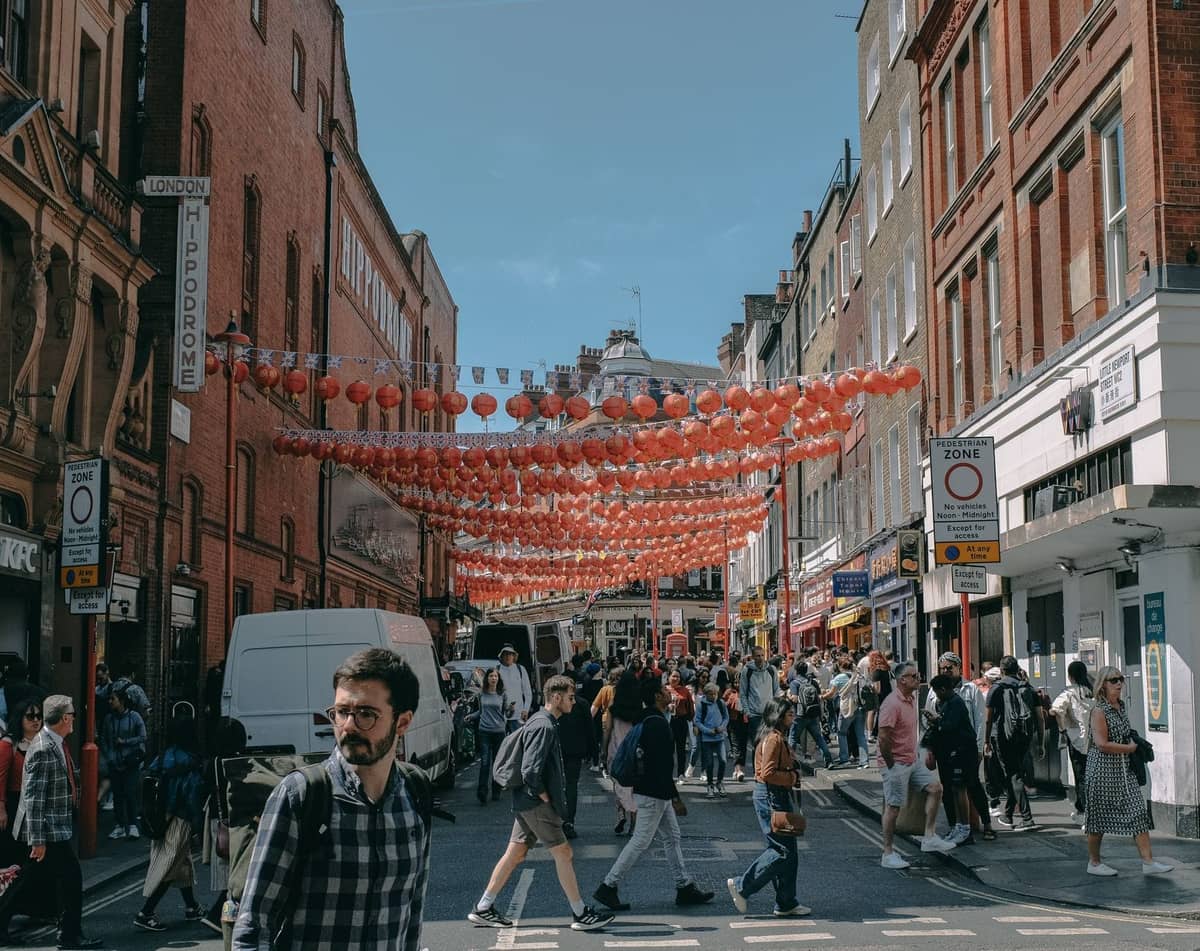
Soho and Covent Garden sit at the heart of central London and offer one of the broadest concentrations of restaurants in the city. The West End is convenient but prices reflect the footfall — budget an extra £3–£5 per dish compared with the same quality elsewhere. Chinatown, just off Leicester Square, has dense options for Cantonese dim sum, Sichuan hotpot, and boba tea at relatively fair prices given the central location.
Shoreditch in east London has the city's strongest concentration of independent restaurants, natural wine bars, and creative food concepts. Shoreditch and the East End also have some of the best bagel shops (with some on Brick Lane historically open 24 hours, though hours now vary), Vietnamese and Bangladeshi restaurants on Bethnal Green Road, and a large Sunday market at Spitalfields. This is where London's food culture tends to move first before spreading elsewhere.
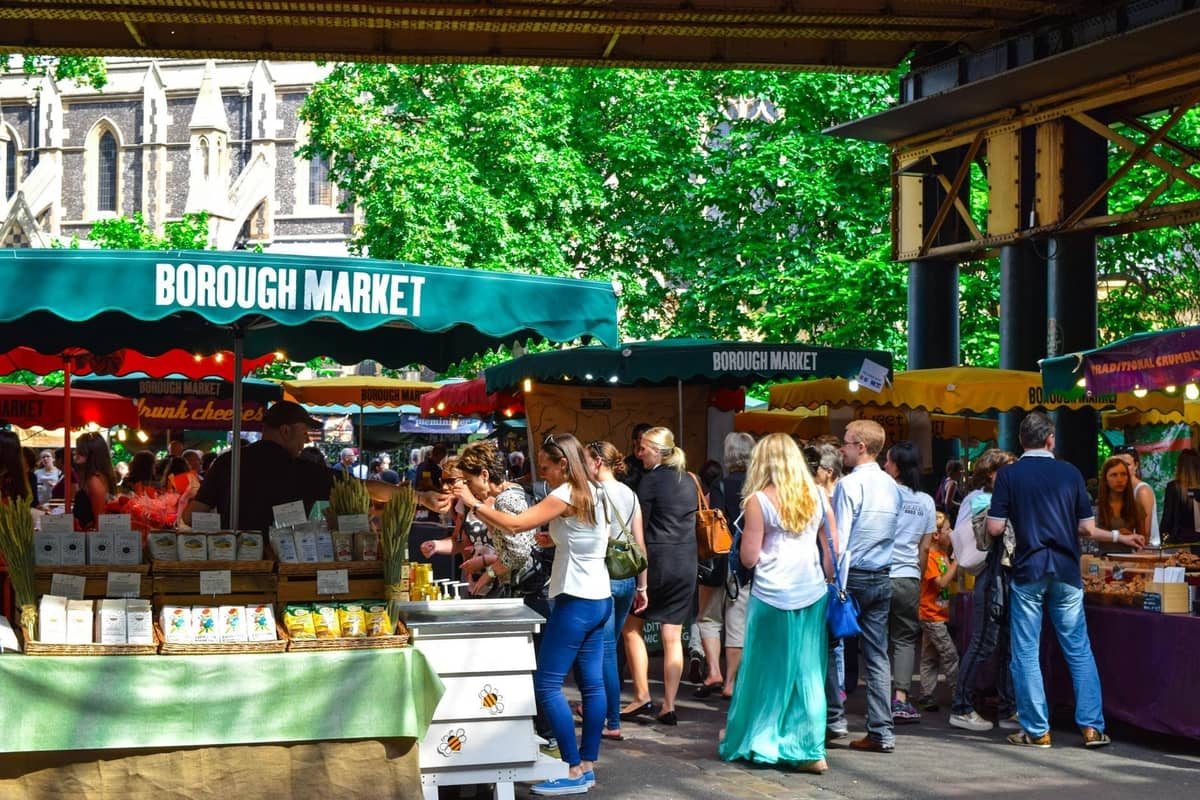
Borough Market near London Bridge is worth visiting for quality produce, street food, and snacking even if you don't sit down for a meal. Arrive before noon on a weekday or early on Saturday to avoid the worst of the crowds. The Borough Market traders sell everything from Scotch eggs and raclette to Japanese-influenced sandwiches and Lebanese pastries. Budget around £15–£20 for a full street food lunch here.
- Marylebone Quieter and more upscale than Soho, with excellent brunch spots, French bakeries, and Middle Eastern restaurants along the High Street. Good for a relaxed lunch.
- Notting Hill Portobello Road has food stalls on Saturdays, and the surrounding streets have reliable neighbourhood restaurants. Slightly overpriced for what it is, but pleasant for brunch.
- Hackney and London Fields Where much of the city's creative food scene now lives. Natural wine bars, Japanese-Peruvian fusion, and long-fermentation sourdough bakeries are all concentrated here.
- Tooting and Brixton South London's best areas for South Asian and Afro-Caribbean food respectively. Prices are lower than central London and quality is high. Brixton Village market is particularly good.
- Chinatown (Soho border) Compact but worth knowing. Best visited for dim sum at lunch (typically 11am–3pm) rather than dinner, when queues are longer and reservations harder to get.
What Things Cost: A straightforward breakdown
London has a reputation for being expensive, and for restaurants it partly deserves it. But the range is enormous. A full English breakfast at a greasy spoon can cost £6–£9. A tasting menu at a top restaurant can run £150–£350 per person before wine. Most visitors will be eating somewhere in between.
For a typical sit-down lunch at a decent independent restaurant, budget £15–£25 per person including a soft drink. Dinner at the same type of place: £25–£45 per person with a glass of wine. Service charges of around 12.5% are commonly added to the bill in London restaurants — check before adding more on top. Where service is not included, tipping around 10–15% is standard practice.
✨ Pro tip
Many of London's best restaurants offer a significantly cheaper set lunch menu — sometimes £25–£35 for two or three courses at places where dinner would cost twice that. If you want to try a high-end spot without the full bill, book lunch on a Tuesday or Wednesday when it's quietest.
At the budget end: pret a manger-style sandwich shops, supermarket meal deals (around £4–£6 for a sandwich, snack, and drink at Tesco or Sainsbury's), market stalls, and high-street chains can all keep daily food costs under £15 if you're careful. This is very much a city where you can eat brilliantly on a tight budget — it just requires knowing where to look.
Pub Culture: More Than Just Drinks
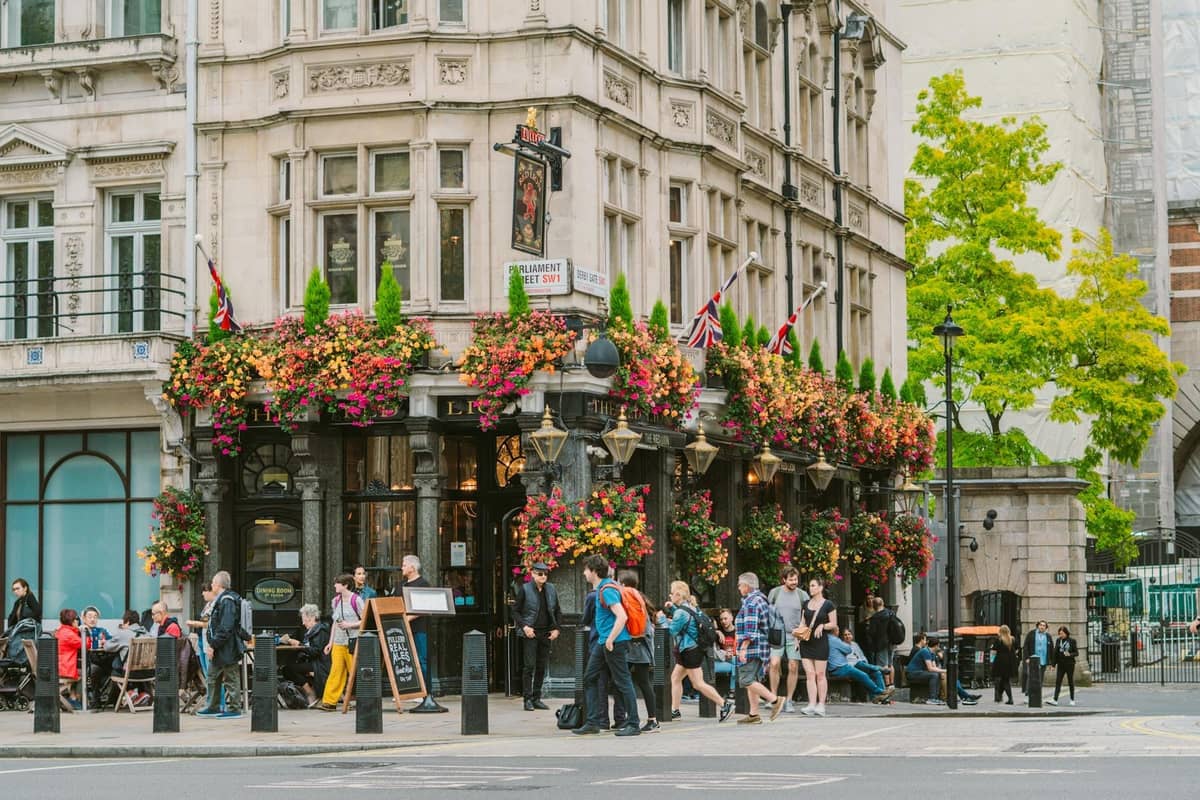
London's pubs are not just drinking venues. The best ones serve proper food — often better than nearby restaurants at lower prices. The Sunday roast tradition is built around the pub, and many serve them from noon until stocks run out (usually by 3–4pm). If you want a Sunday roast at a popular pub, booking ahead is essential; walk-ins on Sunday afternoons are a gamble.
Beyond the Sunday roast, pub food in London has improved dramatically. Good pubs serve things like hand-raised pies, proper ploughman's lunches, beer-battered fish, and British cheese boards. A pub lunch for two with drinks typically runs £35–£60 depending on location. The areas around Notting Hill, Islington, and Greenwich tend to have the most reliable food pubs.
⚠️ What to skip
Avoid pubs directly adjacent to major tourist attractions — around Leicester Square, Tower Bridge, and Covent Garden specifically. These trade on foot traffic rather than quality and tend to serve overpriced, mediocre food to people who won't return. Walk two or three streets away and the options improve considerably.
Booking, Timing, and Practical Logistics
The most common mistake visitors make is not booking ahead. London's best restaurants fill up fast — especially for Friday and Saturday dinners, and Sunday lunch slots. Popular spots like Noble Rot, Brat, and KOL are booked weeks in advance. Most London restaurants use their own websites or third-party platforms for reservations; check the restaurant's site directly first.
If you're visiting London and want to combine eating with sightseeing, the 3-day London itinerary and 5-day London itinerary both factor in neighbourhood eating options by area, which saves unnecessary crossings of the city between meals and attractions.
In terms of timing: London restaurants typically serve lunch from noon to 3pm and dinner from 6pm to 10pm, with kitchens closing around 9:30–10pm on weekdays and later on weekends. Brunch has become ubiquitous on weekends, running from around 10am to 3pm at cafes across every neighbourhood. If you're on a tight schedule, note that Sunday roasts often stop being served by 4pm even in pubs that remain open.
For those watching their budget, eating well on a budget in Londonis possible. Markets, lunch specials, and the city's enormous range of independent cafes and ethnic restaurants mean you don't need to spend £40 a head to eat well. The South Bank andBankside area in particular have a strong selection of affordable options alongside the cultural institutions.
FAQ
What is the most iconic food to eat in London?
Fish and chips is the most iconic, but the Sunday roast is arguably more culturally significant. If you only eat one specifically British thing in London, make it a Sunday roast at a proper neighbourhood pub — it's a meal that doesn't really exist in the same form anywhere else.
Is London food expensive?
It depends on where you eat. A supermarket meal deal costs around £4–£5. A good street food lunch at Borough Market runs £12–£20. A solid independent restaurant meal is £25–£45 per person with drinks. High-end tasting menus start at around £90–£110 and go well beyond £200. The city accommodates every budget, but the middle ground (decent sit-down meal) is noticeably pricier than most European capitals.
Where is the best area in London for food?
Soho and Chinatown are the most concentrated for variety in a small area. Shoreditch is best for creative and independent restaurants. Borough Market is the top destination for market-style eating. For a single neighbourhood that rewards a half-day of eating and exploring, Shoreditch covering into Spitalfields is the strongest choice.
Do I need to book restaurants in London in advance?
For anywhere with a reputation, yes. Friday and Saturday dinners at good independent restaurants are typically booked a week or more in advance. Sunday lunch slots at popular pubs go fast. Walk-in options exist — especially at lunch on weekdays — but relying on them for dinner on weekends is risky. Most restaurants allow online bookings through their own websites.
Is tipping expected in London restaurants?
Many London restaurants automatically add a 12.5% service charge to the bill — check before adding more. Where no service charge is included, tipping around 10–15% is standard but not legally required. For takeaways and casual counter-service spots, tipping is not expected.