Where to Eat in Paris: A Food Lover's Guide
Paris has more restaurants per square kilometer than almost any city on earth, which makes choosing one genuinely hard. This guide cuts through the noise with neighborhood-by-neighborhood recommendations, honest budget breakdowns, booking advice, and the dishes you should actually order.
Plan and book this trip
Tools from our partner Travelpayouts help you compare flights and hotels. If you book through them, we may earn a commission at no extra cost to you.
Flights
Hotels map
TL;DR
- Paris dining ranges from €5 bakery lunches to €400 tasting menus; knowing which category you want before you arrive saves time and stress.
- Neighborhood matters: the 6th and 7th arrondissements lean classic French, while Le Marais and the 11th offer more adventurous, international options.
- Michelin Bib Gourmand restaurants (around €20-40 per person) are the sweet spot for quality without the splurge.
- Book ahead for dinner at any restaurant with a Michelin star or strong online reputation; lunch is easier to walk into.
- Service charges are included in French bills by law — tipping 5-10% is appreciated for good service but never required. Check our Paris budget guide for full cost breakdowns.
Understanding How Paris Actually Eats
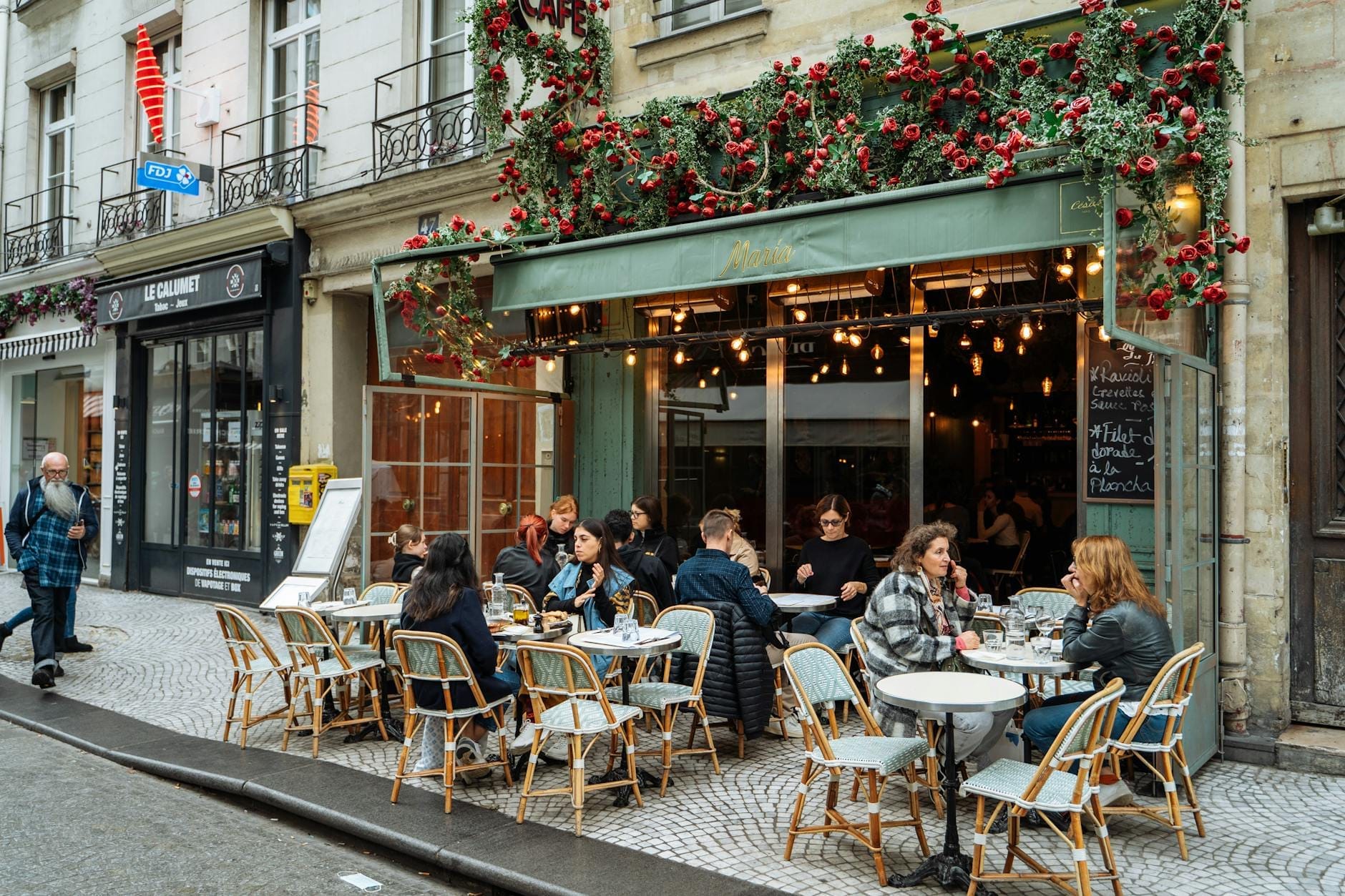
Before diving into specific restaurants, it helps to understand the rhythm of Parisian dining. Lunch is serious business here, typically served from noon to 2:30 PM, and many restaurants that are nearly impossible to book for dinner will seat you at lunch without a reservation. Dinner service starts around 7:30 PM, rarely earlier, and kitchens often stop taking orders by 10:00-10:30 PM. Showing up at 6:00 PM expecting dinner will leave you eating alone in a tourist-trap brasserie.
The French concept of a 'formule' or set menu is your best friend. At lunch, a two-course formule (entrée + plat, or plat + dessert) at a solid bistro typically runs €15-25. The same meal ordered à la carte at dinner could cost €40-60. This isn't a cheat code that locals try to hide; it's simply how restaurants fill seats at midday, and the food quality is identical.
💡 Local tip
Monday is the trickiest day to eat well in Paris. A significant number of independent bistros and Michelin-listed restaurants close on Sundays and Mondays. If you're arriving mid-week or on a Monday, stick to brasseries, bakeries, or areas with high restaurant density like the Marais or Saint-Germain.
Where to Eat by Neighborhood
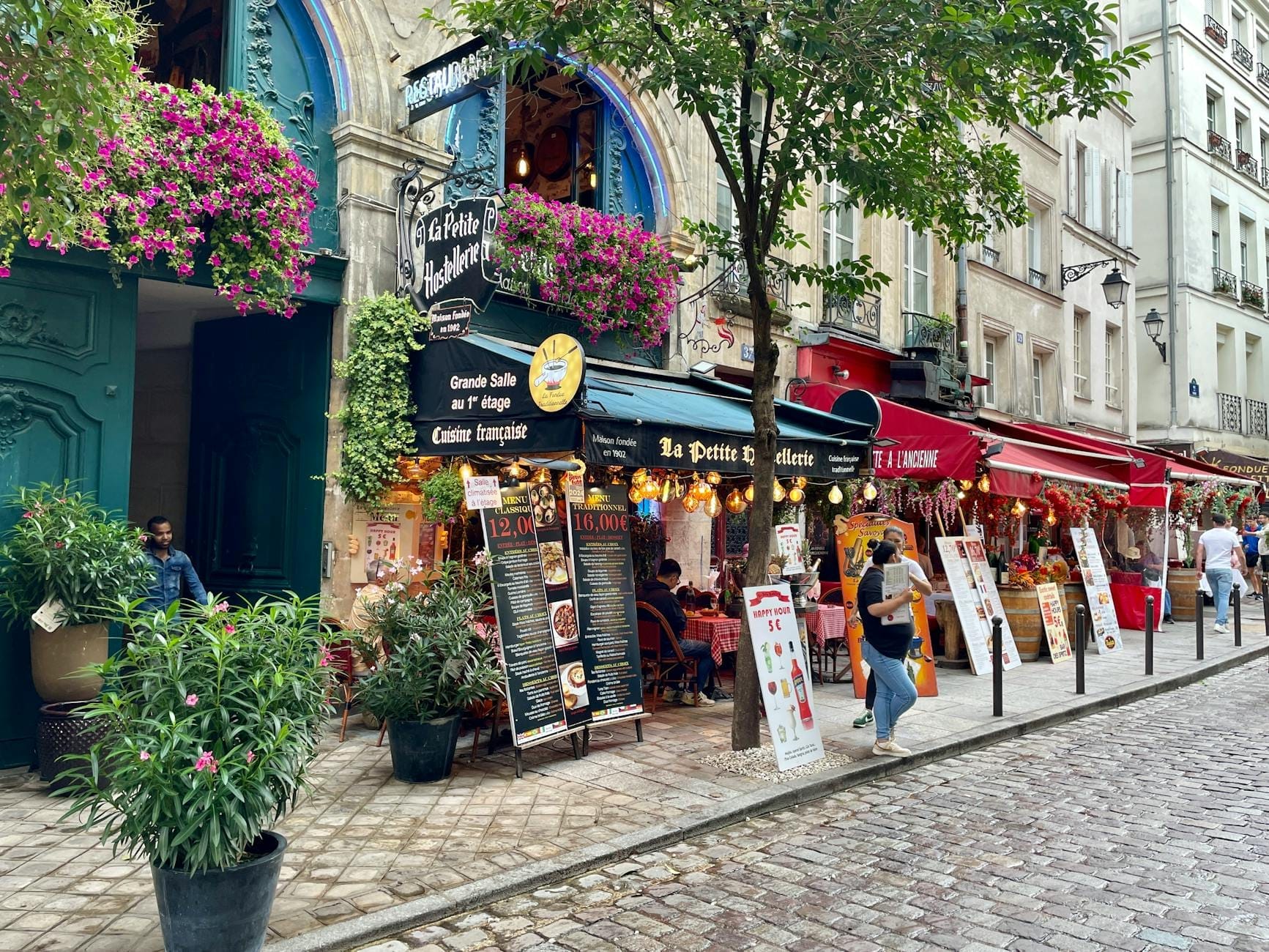
Your hotel location shapes your dining options more than most guidebooks admit. The Saint-Germain-des-Prés neighborhood (6th arrondissement) is a reliable base for classic French cooking: think duck confit, steak frites, and proper onion soup. La Petite Chaise, established in 1680 and widely recognized as the oldest restaurant in Paris, is a reasonable choice for the traditional experience without a theatrical price tag.
The 11th arrondissement (Bastille area) has quietly become the city's most interesting eating neighborhood over the past decade. Young chefs who trained at Michelin kitchens have opened relaxed, creative bistros here with natural wine lists and market-driven menus. The streets around Rue de la Roquette and Oberkampf reward walking and browsing. The 11th also connects easily to Canal Saint-Martin and Belleville, where a younger, more international food scene has developed.
- 1st arrondissement (Louvre area) Best for a quick lunch near the museums. Avoid the overpriced brasseries on Rue de Rivoli; the covered passages nearby have better value options.
- 4th arrondissement (Le Marais) Strong for falafel on Rue des Rosiers, Jewish deli food, and modern French bistros. L'As du Fallafel is genuinely worth the queue at lunch.
- 6th arrondissement (Saint-Germain) Classic French cooking, excellent bakeries, and café terraces. Pricier than average but the consistency is high.
- 11th arrondissement (Bastille/Oberkampf) Best neighborhood for creative modern French cooking at mid-range prices. Reserve dinner; lunch is more walk-in friendly.
- 18th arrondissement (Montmartre) Heavily touristed around Sacré-Cœur; walk two streets back for actual neighborhood restaurants. The upper parts of the 18th near Lamarck-Caulaincourt have good local spots.
Budget Dining: Eating Well for Under €20
Paris has a reputation as an expensive food city that it only partially deserves. The trap is that the worst value-for-money options are often the most visible: restaurants on main tourist thoroughfares near the Eiffel Tower, Champs-Élysées, and Notre-Dame charge premium prices for mediocre food. Step off those streets and the economics shift quickly.
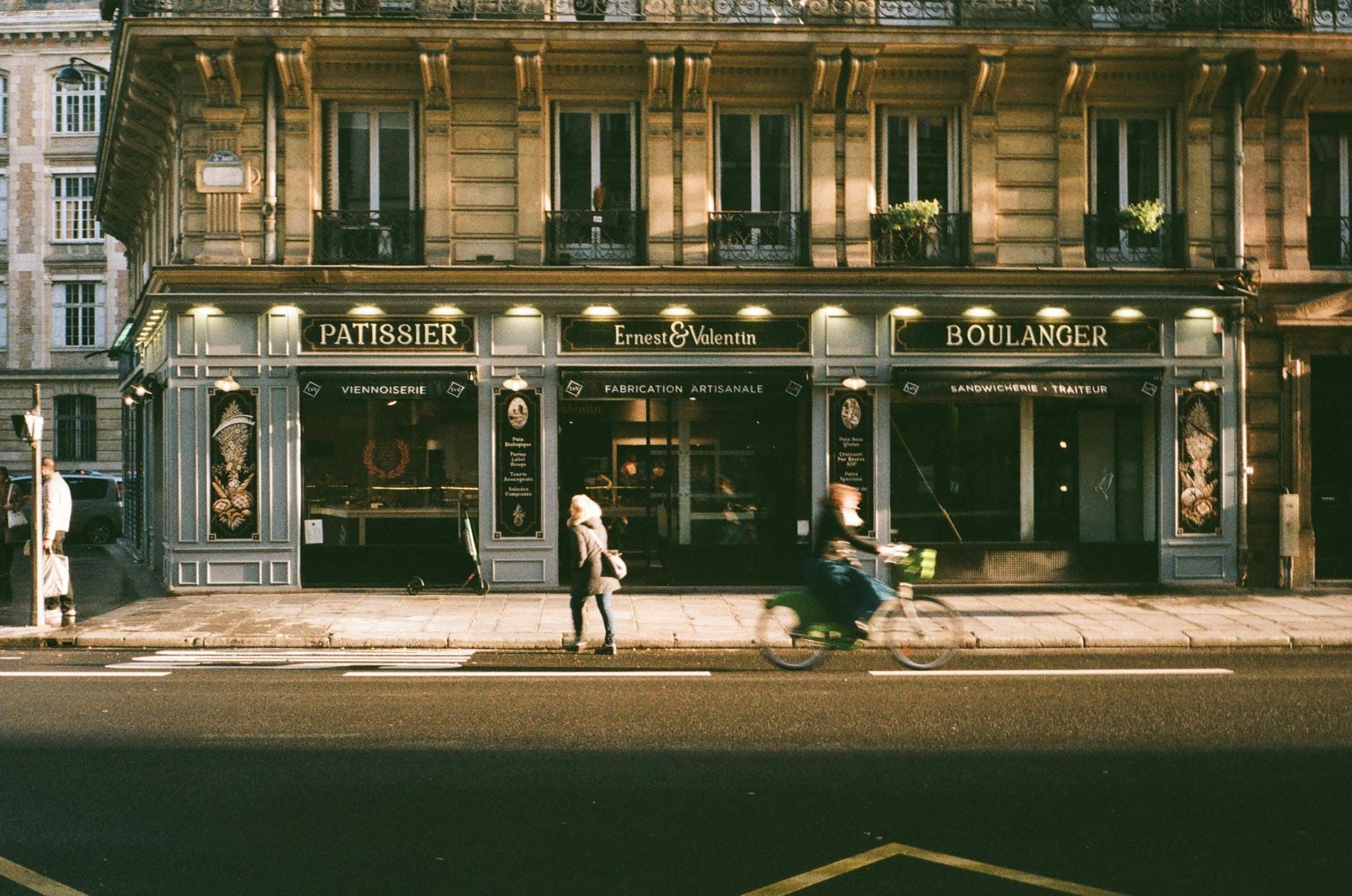
Bakeries (boulangeries) are the most underused resource for budget eating in Paris. A jambon-beurre sandwich (ham and butter on a baguette) costs around €4-6 and is genuinely satisfying. A croissant with a café crème at a neighborhood bakery runs €3-5. For a proper sit-down lunch under €15, look for the 'plat du jour' chalkboard outside any neighborhood bistro. The Marché d'Aligre in the 12th arrondissement is one of the city's best food markets for self-catering, with stalls selling cheese, charcuterie, fruit, and prepared foods at local prices. More details on the Marché d'Aligre including opening times are worth checking before you go.
⚠️ What to skip
Avoid any restaurant displaying photos of dishes on its menu board outside, particularly near major tourist attractions. These are almost universally aimed at tourists who won't be returning, and quality rarely matches even the modest price. A handwritten chalkboard menu is a far better signal of a kitchen that actually cooks.
- Boulangerie lunch: sandwich + drink for €6-8
- Bistro plat du jour at lunch: €13-18 including a glass of wine
- Crêpe from a street stand: €3-6 depending on filling
- Falafel wrap, Rue des Rosiers in the Marais: around €7
- Supermarché prepared foods (Monoprix, Franprix): full meal for €8-12
- Bib Gourmand dinner: €25-40 per person including wine
Michelin Stars and Fine Dining: What You Actually Need to Know
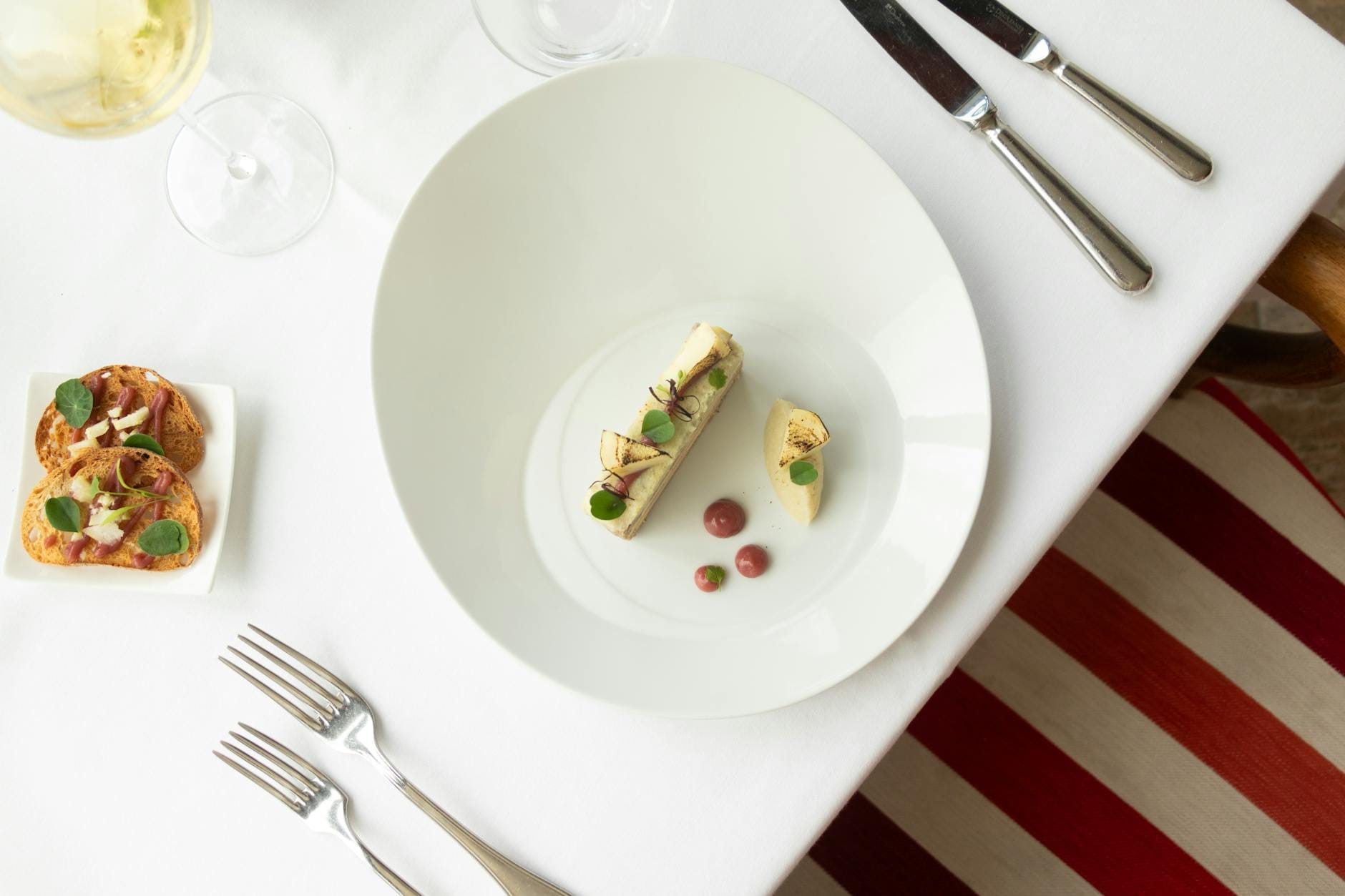
Paris has more Michelin-starred restaurants than almost any city in the world, which makes navigating the guide genuinely complicated. The three categories that matter for most visitors are: one-star restaurants (excellent cooking, worth a special trip), Bib Gourmand listings (good cooking at moderate prices, roughly €20-40 for a full meal), and the Michelin Guide's newer selections for casual spots and bakeries.
Alléno Paris au Pavillon Ledoyen holds two Michelin stars and consistently appears on the World's 50 Best lists for its technically ambitious French cuisine. At the other end of the starred spectrum, several one-star restaurants in Paris offer lunch menus starting around €45-60 per person, which represents reasonable value for that level of cooking. A.T. in the 5th arrondissement is noted for its Japan-influenced fusion approach at relatively accessible prices for a starred restaurant.
For most visitors, the Bib Gourmand list is the most practical entry point into Michelin-endorsed dining. These restaurants are chosen specifically for offering good cooking at moderate prices, and the Paris selection is extensive. TheFork (formerly LaFourchette) lists many of them with real-time availability and occasional discount offers, which is worth checking before booking directly.
✨ Pro tip
Book Michelin-starred restaurants through their own websites rather than third-party platforms when possible. Some starred restaurants release cancellation slots a day or two before service — checking at 9:00-10:00 AM Paris time on the morning before you want to dine can occasionally yield a table at a place that looked fully booked weeks out.
Food Experiences Worth Building a Day Around
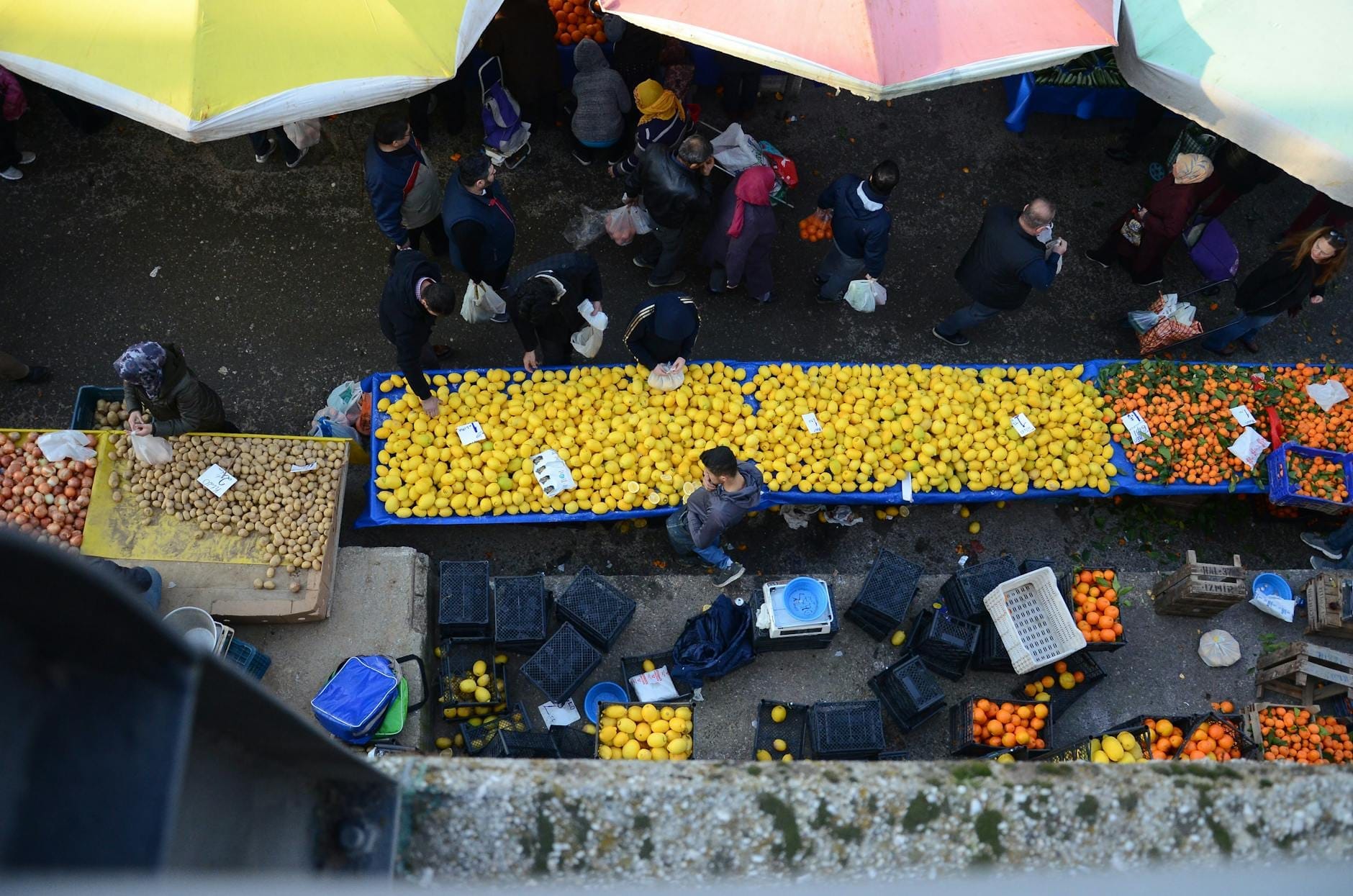
Some of the best eating in Paris isn't in restaurants at all. A morning at a proper French market followed by a picnic is a genuinely Parisian way to spend a few hours. The Marché Raspail in the 6th runs on Sundays as an organic market and draws some of the city's best small producers. Pair it with a walk through Jardin du Luxembourg for a classic Paris morning.
For a more structured food experience, guided food tours of specific neighborhoods are worth considering, particularly in areas like the Marais or Belleville where the food culture is densely packed into a small area. These typically run 3-4 hours and cover €40-80 per person. Separately, a tasting menu at a contemporary bistro in the 11th often tells you more about where Paris cooking is heading than a pilgrimage to a grand three-star institution. If you're planning a longer trip, a 3-day Paris itinerary can help you structure meals around sightseeing without backtracking.
Café culture deserves its own mention. Sitting at a zinc bar with an espresso (€2-4) or at a terrace with a glass of Côtes du Rhône (€5-8) is not wasted time in Paris; it is the experience. The cafés of Saint-Germain-des-Prés are iconic but pricey. The 11th, Canal Saint-Martin area, and Belleville have excellent café culture at more local prices.
Practical Booking and Etiquette Tips
Reservations in Paris follow a fairly consistent etiquette. For dinner at any restaurant worth visiting, booking 3-7 days ahead is the safe approach, more for starred restaurants. Lunch reservations are rarely necessary except at the most popular spots. When you book, confirm by phone or email the morning of your reservation; no-shows are taken seriously and some restaurants will charge a deposit or credit card guarantee.
At the table, a few local customs matter. Bread is brought automatically and refilled on request; you're not expected to order it or pay for it. Water is served as carafe d'eau (tap water) for free if you ask; don't feel pressured to order a bottle. Splitting the bill (faire l'addition séparée) is generally possible but can be met with mild reluctance at formal restaurants. Tipping: the service charge is legally included in all French restaurant bills under the 'service compris' rule. Rounding up or leaving 5-10% for genuinely good service is appreciated but entirely optional.
ℹ️ Good to know
Paris tap water is safe to drink and freely available at numerous Wallace fountains around the city (the distinctive green cast-iron ones). In restaurants, requesting 'une carafe d'eau, s'il vous plaît' gets you a jug of tap water at no charge. Bottled water at restaurants adds €4-8 to your bill unnecessarily.
FAQ
What is the best area in Paris for restaurants?
The 11th arrondissement (around Bastille and Oberkampf) currently has the strongest concentration of creative, mid-range French bistros. For classic French cooking, Saint-Germain-des-Prés (6th) is reliable. Le Marais (4th) covers the widest range of cuisines and price points in a compact area.
How much does a meal cost in Paris?
Costs vary widely. A bakery lunch runs €5-8. A bistro lunch formule is €15-25. A mid-range dinner without wine is €30-50 per person. A Michelin one-star dinner is typically €80-150 per person with wine. Budget €25-35 per day for food if you eat one sit-down meal and use bakeries and markets for the rest.
Do I need to book restaurants in advance in Paris?
For dinner at any well-regarded restaurant, yes: 3-7 days ahead is the safe window, longer for starred or highly reviewed spots. Lunch is more flexible. Walk-ins work at brasseries, casual bistros, and ethnic restaurants throughout the day. Avoid showing up without a reservation at a popular restaurant on Friday or Saturday evening.
Is tipping expected at Paris restaurants?
No. French law requires the service charge to be included in all menu prices (service compris). Tipping is not expected and not leaving one carries no social stigma. That said, leaving a few euros or rounding up the bill for genuinely good service is appreciated and increasingly common, especially at casual spots.
What should I actually order at a Paris bistro?
Steak frites remains the benchmark dish for judging a bistro's kitchen. Steak tartare, duck confit, and crème brûlée are all genuinely well-executed at good bistros. For wine, ask the server what's on tap (wine by the carafe or glass from local suppliers) rather than defaulting to a bottle. A coupe de champagne as an apéritif is a Parisian habit worth adopting.