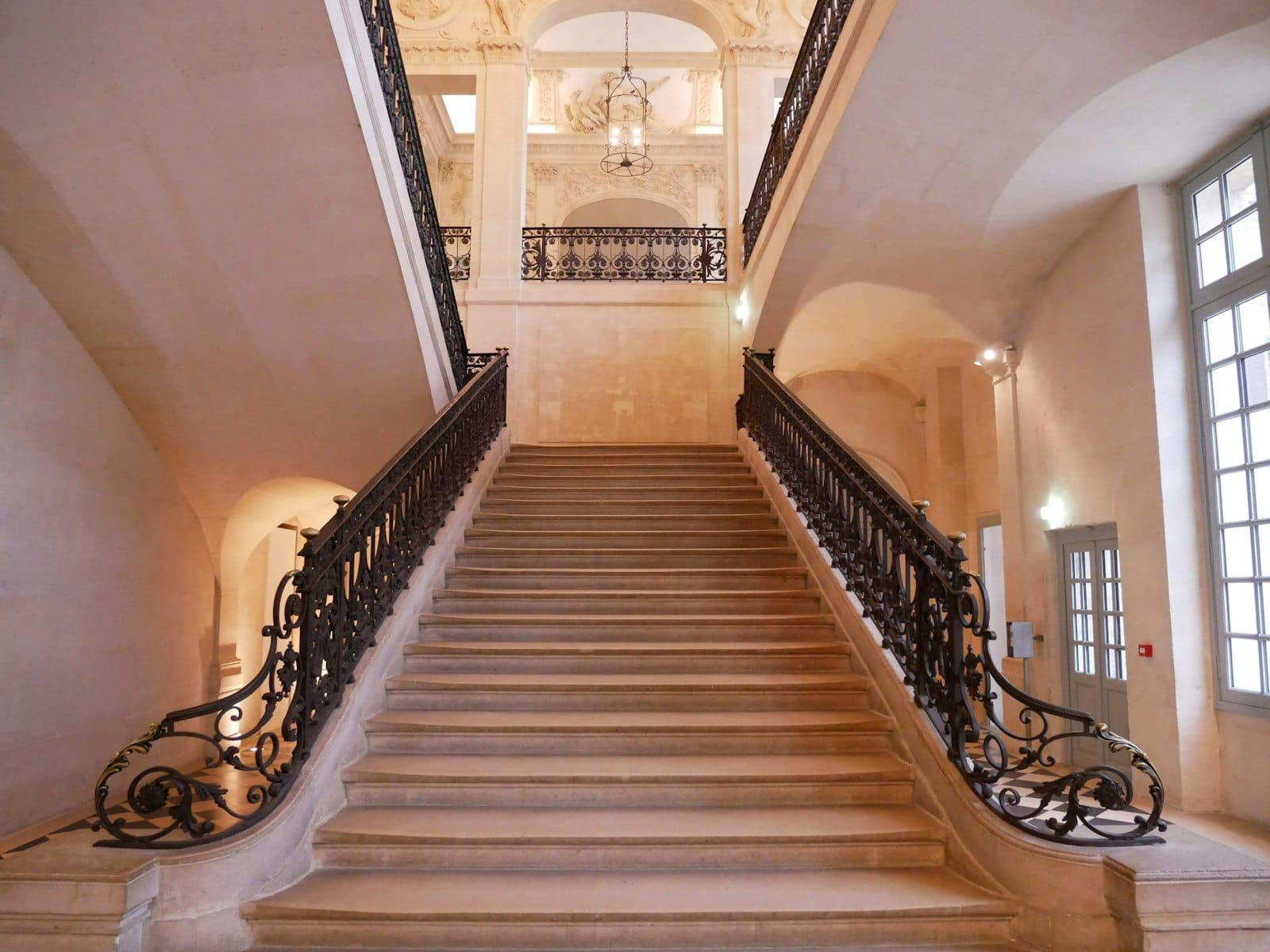
Le Marais is Paris's best-preserved historic district, spreading across the 3rd and 4th arrondissements on the Right Bank. Medieval courtyards, aristocratic mansions, world-class museums, and a legendary food scene sit side by side in one of the city's most rewarding neighborhoods to explore on foot.
Le Marais is where Paris refuses to be flattened by history. While Haussmann's boulevards remade most of the city in the 19th century, this district on the Right Bank kept its medieval street grid, its cobblestone lanes, and its dense mix of grand architecture and ordinary life. It is the only neighborhood in Paris where you can turn off a fashionable shopping street and find yourself in a 17th-century courtyard without any warning.
Orientation
Le Marais straddles the 3rd and 4th arrondissements, covering a compact rectangle of the Right Bank roughly bordered by the Seine to the south, the Place de la République to the north, the Place du Châtelet to the west, and the Place de la Bastille to the east. Those four landmarks form a useful mental map: you are always somewhere between the river and the République, between Châtelet and Bastille.
The name means 'the marsh,' a reference to the boggy ground drained and built over from the 12th century onward. The two arrondissements have distinct characters. The 3rd, called the Haut Marais, holds design studios, art galleries, and quieter residential streets around Rue de Bretagne and the Marché des Enfants Rouges. The 4th contains Place des Vosges, the Jewish quarter on Rue des Rosiers, the Hôtel de Ville, and the streets around the Centre Pompidou.
Le Marais connects easily to adjacent neighborhoods. Walking west along the river from Hôtel de Ville brings you to the Île de la Cité within ten minutes and Notre-Dame Cathedral. Head east past Bastille and you enter the 11th arrondissement's bar district. To the north, Rue du Temple and Boulevard du Temple lead up to the Canal Saint-Martin neighborhood.
Character & Atmosphere
The Marais works at every hour. In the early morning, before visitors arrive, it feels almost provincial: boulangeries opening shutters on Rue de Bretagne, the Marché des Enfants Rouges receiving its first deliveries, low light on damp cobblestones. Locals walk dogs through the Place des Vosges before the gates open.
By mid-morning, the district shifts gear. The Rue des Francs-Bourgeois fills steadily with shoppers moving between the independent fashion boutiques and concept stores that have made the Haut Marais a destination for French and international buyers alike. Around the Picasso Museum and the Archives Nationales, groups of visitors begin trickling through the stone gateways. The afternoon brings the strongest foot traffic, particularly on weekends, when Rue des Rosiers and the streets near Beaubourg can feel genuinely congested.
After dark, the district shifts again. Rue Vieille du Temple and Rue des Archives form the heart of Paris's LGBTQ+ scene, dense enough that the stretch is simply called the Gay Village. Bars spill onto pavements on warm evenings, staying friendly and open well past midnight. The streets near Bastille have their own louder nightlife, but within the Marais the atmosphere stays sociable rather than rowdy.
⚠️ What to skip
Sunday afternoons in Le Marais are exceptionally crowded, especially around Place des Vosges and Rue des Rosiers. Many Paris neighborhoods go quiet on Sundays, but the Marais is one of the few areas where shops stay open and foot traffic peaks. If you are crowd-sensitive, visit on a weekday morning instead.
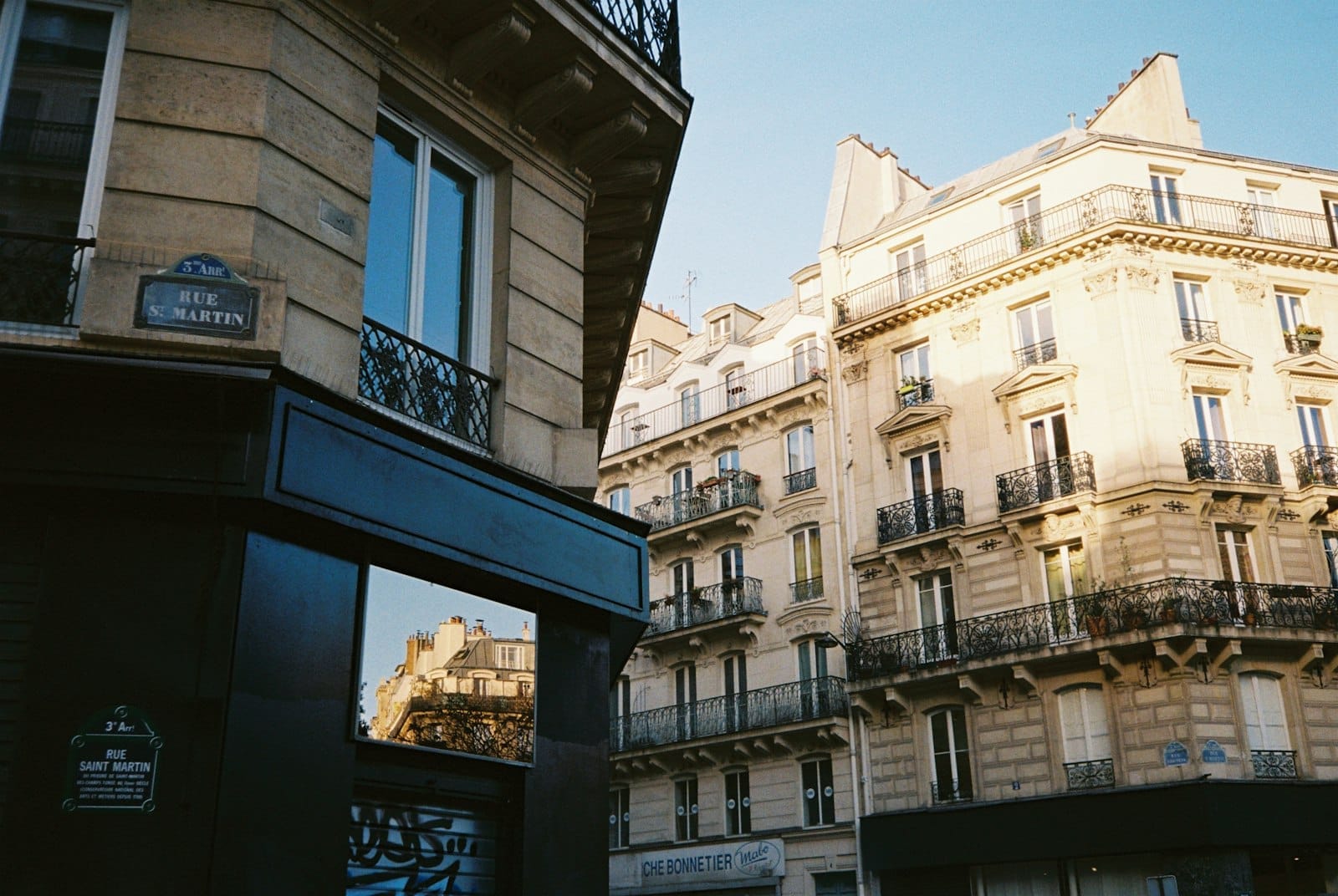
The Marais is also one of Paris's most photographed neighborhoods. The beauty is genuine: honey-colored stone facades, ironwork lanterns above arched gateways, 17th-century rooflines appearing suddenly at the end of narrow streets. But the same qualities that attract photographers and design brands have pushed rents upward and reshaped parts of the district into a curated retail corridor. Walk further north into the 3rd arrondissement and the streets become noticeably more local.
What to See & Do
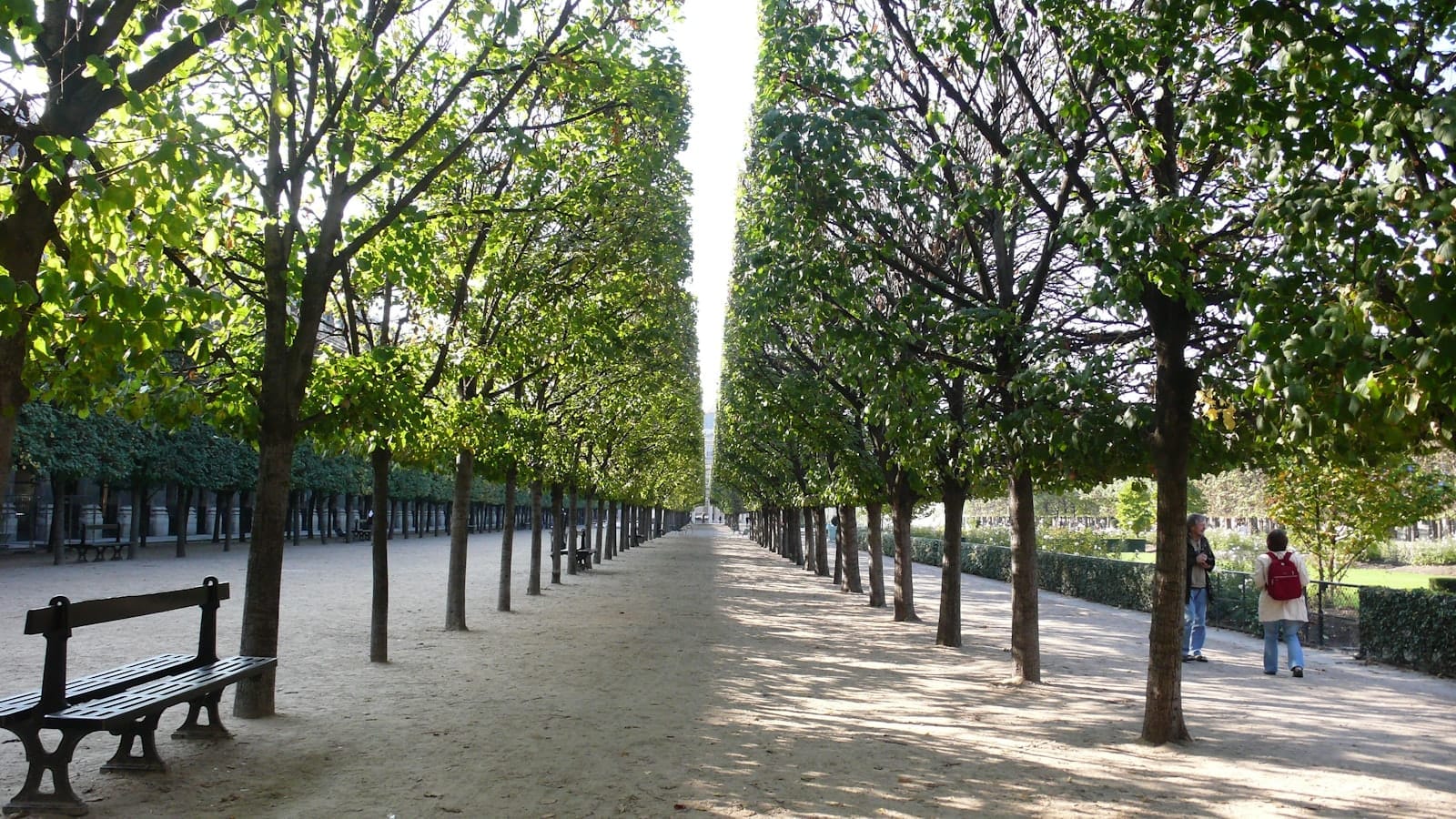
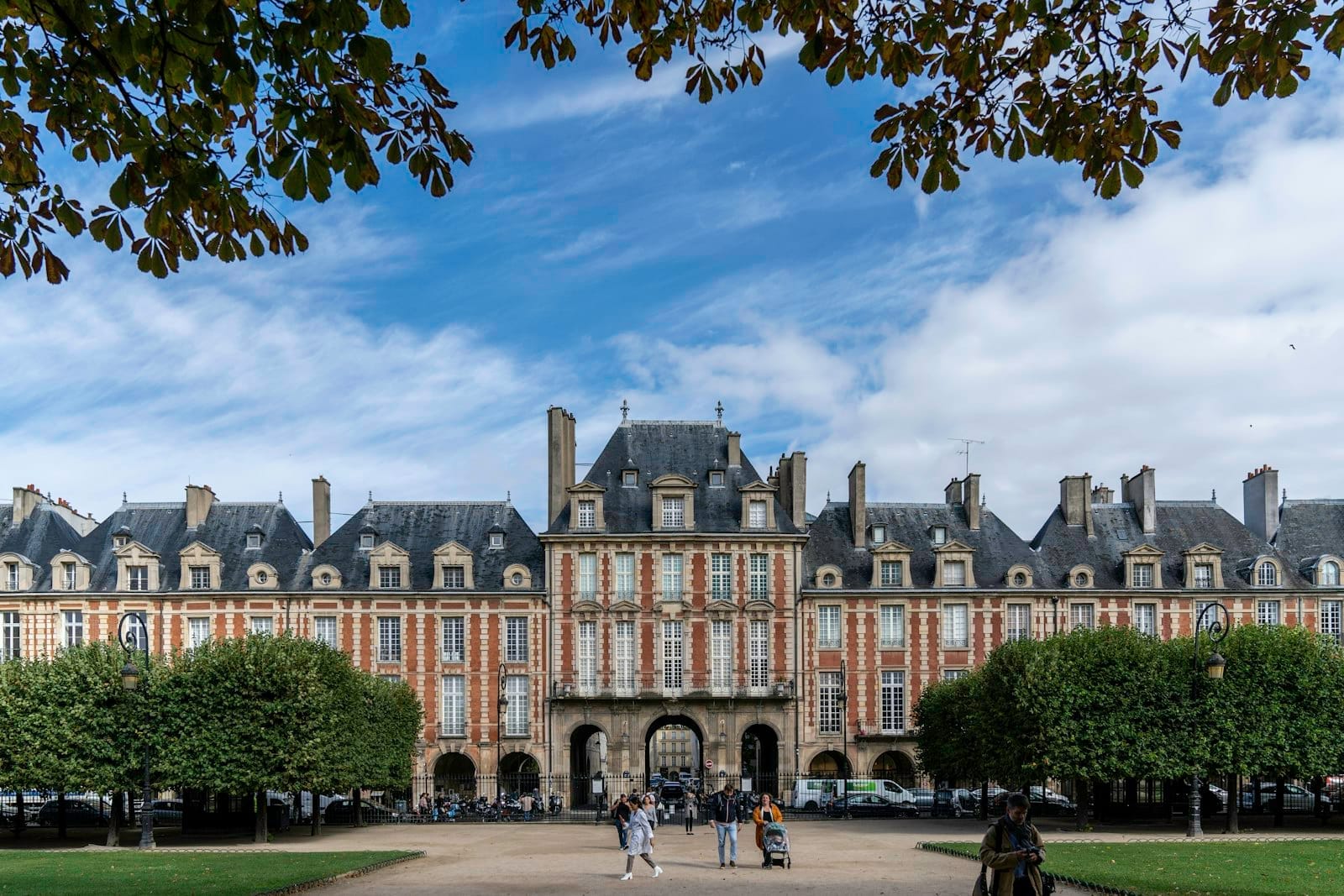
The Place des Vosges is the oldest planned square in Paris. Built between 1605 and 1612 under Henri IV, its 36 identical red-brick pavilions surround a central garden with arcaded walkways beneath. Former residents include Victor Hugo (number 6 is now a museum) and Cardinal Richelieu. Even when the surrounding streets are at peak capacity, the garden's plane trees and fountains provide genuine quiet.
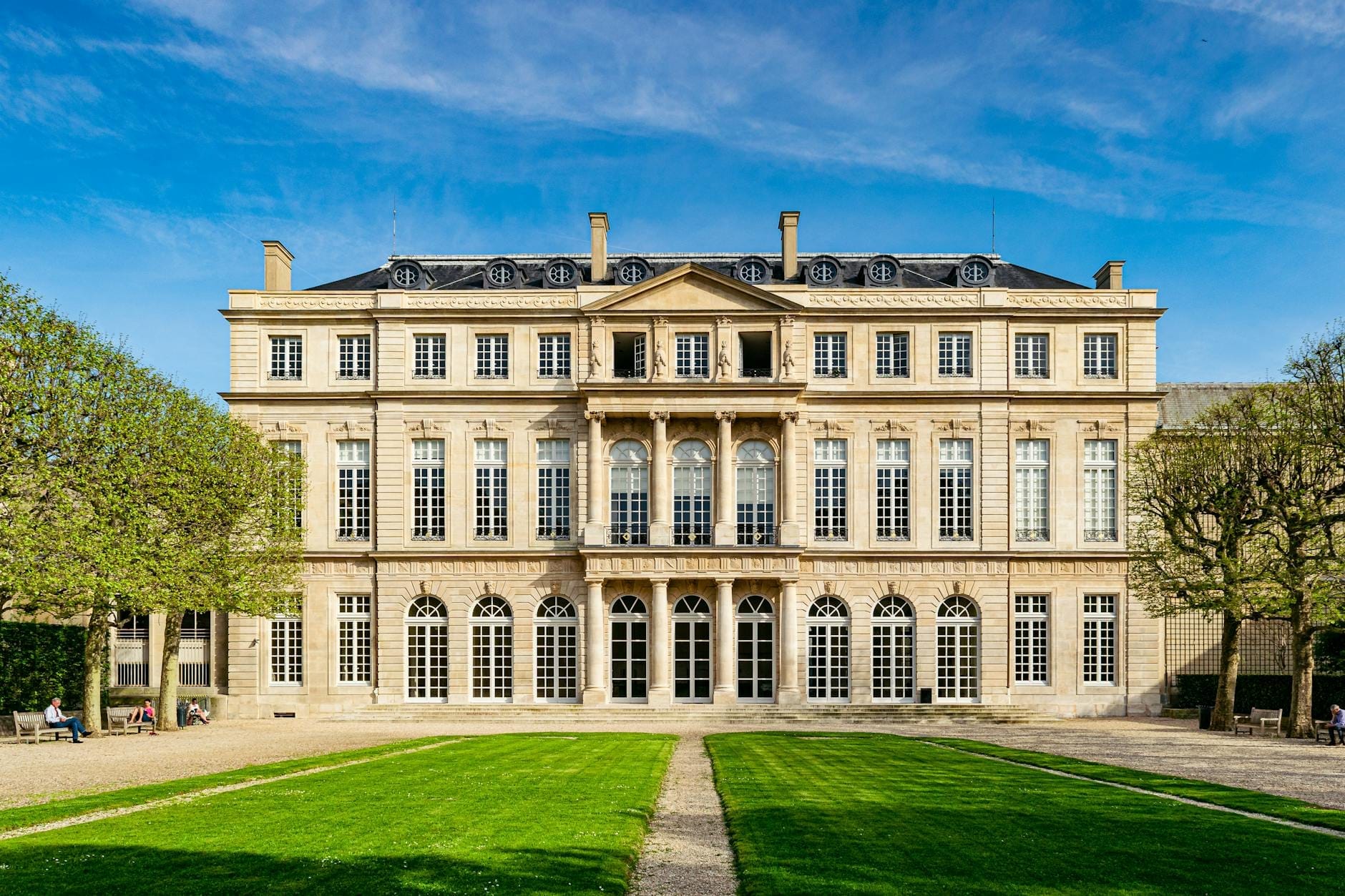
The Picasso Museum Paris occupies the Hôtel Salé on Rue de Thorigny, a 17th-century mansion that now holds one of the world's most comprehensive collections of Picasso's work: over 5,000 pieces across painting, sculpture, drawing, ceramics, and personal archives. It is a genuine specialist museum requiring more than a casual hour, and it tends to be less overwhelmed than the major blockbuster institutions across the city.
At the western edge of the Marais, the Centre Pompidou on Place Beaubourg presents a sharp contrast to its surroundings. The building's inside-out architecture, with colored pipes and exposed structure on the exterior, caused considerable controversy when it opened in 1977. Inside, the Musée national d'Art moderne is one of the largest modern art collections in the world, and the rooftop terrace offers excellent views over central Paris. Pair it with the Musée Carnavalet on Rue de Sévigné, a few streets east: its permanent collection on Paris city history is free to enter.
The Pletzl, the Jewish quarter around Rue des Rosiers and Rue des Ecouffes, has anchored Jewish life in Paris since the Middle Ages. Synagogues, kosher bakeries, falafel counters, and deli shops cluster in a few short blocks that feel distinctly different from the boutique-lined streets nearby. Rising rents have changed the mix over recent decades, but the quarter remains a living cultural neighborhood, not a staged one.
Place des Vosges: the oldest and finest planned square in Paris, open daily with free garden access
Picasso Museum Paris: 5,000-piece collection in a 17th-century mansion on Rue de Thorigny
Centre Pompidou: controversial modernist landmark with major modern art holdings and rooftop views
Musée Carnavalet: free permanent collection on Paris city history, on Rue de Sévigné
Archives Nationales: the French national archive, housed in the Hôtel de Soubise, with a small public museum
Rue des Rosiers and the Pletzl: Paris's historic Jewish quarter
Marché des Enfants Rouges: Paris's oldest covered market, on Rue de Bretagne in the 3rd arrondissement
Village Saint-Paul: a cluster of antique dealers and courtyards between Rue Saint-Paul and the Seine
ℹ️ Good to know
If you are planning to visit multiple museums in Le Marais and across Paris, check whether the Paris Museum Pass covers your intended sites before buying individual tickets. The Picasso Museum and Centre Pompidou are both included. The Musée Carnavalet permanent collection is free regardless.
Eating & Drinking
The Marais food scene is genuinely diverse, though quality varies considerably by street. On Rue des Rosiers, the falafel rivalry is real: two famous stands have competed for decades, and weekend queues outside both are authentic. For sit-down meals in the Jewish quarter, Rue des Ecouffes has restaurants serving Ashkenazi and Sephardic dishes. For a broader overview of where to eat across Paris, the Paris dining guide maps the city's food neighborhoods by cuisine and price range.
The Marché des Enfants Rouges on Rue de Bretagne has been a working market since 1628, making it the oldest covered market in Paris. Stalls sell Moroccan couscous, Japanese bento, Lebanese mezze, West African dishes, and French charcuterie at communal tables inside the hall. Saturday and Sunday mornings offer the full range of stalls; it closes on Mondays.
The café scene in the Haut Marais, around Rue de Bretagne and Rue Charlot, skews independent and design-forward: third-wave coffee shops next to natural wine bars stocking producers from the Loire and Jura. In the evenings, Rue Vieille du Temple between Rue de la Perle and Rue des Francs-Bourgeois is the densest bar strip in the neighborhood. Terraces fill early on warm nights; many bars stay open until 2 AM.
Price range is wide: falafel and boulangerie sandwiches under 10 euros at the low end, multi-course French restaurants at 50-90 euros per head at the top. The mid-range, particularly along Rue de Bretagne and the small streets of the Haut Marais, offers reliable modern bistros with natural wine lists. Avoid restaurants immediately surrounding Place des Vosges and the Centre Pompidou; several charge tourist prices for average food.
💡 Local tip
For an affordable and genuinely local lunch, head to the Marché des Enfants Rouges on Rue de Bretagne and eat at one of the communal tables inside the market. Arrive before noon on weekends to avoid the lunchtime rush for the best stall selection.
Getting There & Around
Le Marais is unusually well-served by the Paris Métro. The most central station is Saint-Paul (Line 1), which deposits you directly onto Rue de Rivoli at the edge of the 4th arrondissement, a short walk from both Place des Vosges and Rue des Rosiers. Line 1 is the most useful for visitors as it connects directly with Châtelet, Louvre-Rivoli, and La Défense to the west, and Nation to the east.
Rambuteau (Line 11) serves the Beaubourg end of the Marais, two minutes from the Centre Pompidou entrance. Hôtel de Ville (Lines 1 and 11) covers the southern 4th. For the Haut Marais, Filles du Calvaire and Saint-Sébastien-Froissart (both Line 8) drop you near Rue de Bretagne. Arts et Métiers (Lines 3 and 11) serves the northwestern corner. Bastille (Lines 1, 5, and 8) is the eastern gateway.
From either main airport, the RER A to Châtelet-Les Halles puts you a 10-15 minute walk from the Centre Pompidou, with connections to Lines 1 and 11. Bus line 29 runs a useful scenic route through the Marais from Saint-Lazare to Gare de Lyon, stopping along Rue des Francs-Bourgeois near Place des Vosges. For fares, passes, and city-wide navigation, see the Paris transport guide.
Within the Marais itself, walking is almost always faster than waiting for transport. The entire district from Bastille to the Centre Pompidou is roughly 1.5 kilometers: a comfortable 20-minute walk even at a leisurely pace. The cobblestone streets and frequent arcaded courtyards make cycling awkward, though Vélib' bike-share stations are positioned at the main entry points. Most itineraries through the neighborhood are best done entirely on foot.
Where to Stay
Le Marais is one of the most in-demand accommodation areas in Paris, which is reflected in the prices. Hotels here tend to run more expensive than comparable properties in quieter arrondissements, and the buildings' protected historic status means rooms can be small and the soundproofing imperfect. For a full overview of where to stay across Paris, the Paris accommodation guide maps out the city's neighborhoods by traveler type and budget.
The southern 4th places you closest to Place des Vosges and the Pletzl, minutes from the Seine. The trade-off is higher noise on busy weekends. The 3rd arrondissement, particularly around Rue de Bretagne, is more residential with better local cafés and slightly lower prices, though a longer walk from Bastille and the river.
The Marais suits solo travelers, couples, and visitors who prioritize walkability and a strong food and bar scene. Hotel rooms are frequently compact, and weekend crowds on key streets can be difficult with young children. Anyone wanting quiet evenings should know that the streets around Rue Vieille du Temple and Rue des Archives stay lively until late, especially in summer.
Nearby Neighborhoods Worth Combining
The Marais sits at the center of several excellent day-combinations. Walking south across Pont d'Arcole or Pont Notre-Dame brings you to the Île de la Cité, where Notre-Dame Cathedral and Sainte-Chapelle sit within a short distance of each other. Notre-Dame reopened on December 7, 2024 after five years of restoration following the 2019 fire, making this a particularly worthwhile detour.
East of Bastille, the 11th arrondissement is where many Parisians in their twenties and thirties live and eat: less polished than the Marais, more genuinely local in its bar and restaurant energy. The Marché d'Aligre is a ten-minute walk east of Bastille and is one of the best and most affordable food markets in the city. North of the Marais, toward Canal Saint-Martin and Belleville, the neighborhood transitions into younger, more experimental territory: street art, independent record shops, natural wine bars, and one of the most scenic urban canals in France.
TL;DR
Le Marais spans the 3rd and 4th arrondissements and is Paris's most intact medieval and 17th-century district, covering the area between Bastille, Beaubourg, the Seine, and the République.
Best for: museum-goers, architecture lovers, LGBTQ+ travelers, food explorers, and anyone who wants a walkable base with strong transit connections to the whole city.
Key sites include Place des Vosges, the Picasso Museum, the Centre Pompidou, the Marché des Enfants Rouges, and the historic Jewish quarter on Rue des Rosiers.
Drawbacks: weekend crowds are significant, hotel rooms are small for the price, and heavily touristed streets near Beaubourg and Place des Vosges can feel relentlessly commercial.
The Haut Marais (3rd arrondissement) is quieter and more local than the 4th; if you want the Marais experience with slightly less tourist density, position yourself north of Rue des Francs-Bourgeois.
Paris has over 130 museums, which makes choosing badly very easy. This guide cuts through the noise with a ranked, honest breakdown of the best museums in Paris, covering art, history, science, and design, with practical details on tickets, timing, and what to skip.
Paris has over 400 parks and gardens, ranging from formal French-style classics to wild woodland escapes. This guide covers the best green spaces across the city, with practical details on what to expect, when to go, and how to get the most out of each one.
Paris is one of the most photographed cities on earth, which means most visitors return home with the same ten images. This guide goes beyond Trocadéro to cover lesser-known vantage points, specific timing advice, and honest assessments of which spots are genuinely worth the effort.
Paris rewards visitors year-round, but the experience shifts dramatically depending on when you go. This guide breaks down each season honestly, covering temperatures, crowd levels, pricing, and the specific events and landscapes that make each period worth considering.
Paris rewards those who look down at it as much as those who walk through it. This guide covers every serious viewpoint in the city, from the famous towers to free terraces most visitors walk past, with honest advice on which are worth the queue and which are overrated.
Paris rewards those who venture beyond the périphérique. Whether you want royal grandeur at Versailles, Monet's living canvases at Giverny, or medieval forests at Fontainebleau, these are the best day trips from Paris — all reachable in under two hours.
Paris has one of the most comprehensive urban transport networks in the world. From the 16-line Métro to river buses and Vélib' bikes, this guide covers every realistic option — with real fares, practical advice, and honest warnings about what to avoid.
Paris rewards the curious traveler. Beyond the Eiffel Tower and Louvre queue, the city holds Roman ruins, forgotten neighborhoods, candlelit sewers, and park temples that most visitors never find. This guide covers 20 genuinely underrated experiences, with practical details on when to go, what to expect, and what to skip.
Planning your first trip to Paris? This guide covers everything you actually need: which arrondissements to stay in, how to get around without overpaying, which passes are worth buying, and how to avoid the most common rookie mistakes. Specific, honest, and built for real travelers.
Three days in Paris is enough to cover the iconic highlights, eat well, and still leave room to wander. This guide breaks down each day by neighborhood, flags what to pre-book, and tells you what to skip so you spend less time in queues and more time in the city.
The Paris Museum Pass covers 50+ museums and monuments, but it's not automatically the right choice for every visitor. This guide breaks down the real costs, savings thresholds, booking rules, and the cases where individual tickets beat the pass.
Paris has a reputation for draining wallets, but the reality is more nuanced. This guide breaks down real 2026 costs across transport, food, accommodation, and attractions, with practical strategies for visiting Paris on a budget without sacrificing the experience.
Paris works brilliantly for families, but only if you plan it right. This guide covers the best kid-friendly attractions, parks, museums, transport logistics, and honest advice on what to skip, so you can enjoy the city without the meltdowns.
Paris rewards visitors who go beyond the obvious itinerary. This guide covers the best things to do in Paris across every interest and budget, from world-class museums and Seine river cruises to neighbourhood markets, immersive art installations, and day trips worth the train fare.
Paris has more restaurants per square kilometer than almost any city on earth, which makes choosing one genuinely hard. This guide cuts through the noise with neighborhood-by-neighborhood recommendations, honest budget breakdowns, booking advice, and the dishes you should actually order.
Choosing where to stay in Paris shapes your entire trip. This guide breaks down the city's key neighborhoods by character, price, metro access, and who they suit best, so you can book with confidence rather than guesswork.