Best Museums in Paris: A Curated Ranking
Paris has over 130 museums, which makes choosing badly very easy. This guide cuts through the noise with a ranked, honest breakdown of the best museums in Paris, covering art, history, science, and design, with practical details on tickets, timing, and what to skip.
Plan and book this trip
Tools from our partner Travelpayouts help you compare flights and hotels. If you book through them, we may earn a commission at no extra cost to you.
Flights
Hotels map
TL;DR
- The Louvre and Musée d'Orsay are the two heavyweights, but both require advance booking and a half-day minimum.
- Many major museums offer free entry on the first Sunday of each month, but crowds can make it feel more stressful than it's worth in peak season.
- The Paris Museum Pass (2, 4, or 6 days) covers 50+ sites and saves significant money for anyone visiting more than three paid museums.
- Smaller institutions like the Musée de l'Orangerie, Musée Rodin, and Musée Carnavalet consistently deliver outsized experiences relative to the effort required to visit them.
- Always verify opening hours before visiting. Closures, late-night openings, and free-day policies change seasonally.
The Tier-One Museums: Essential and Unmissable
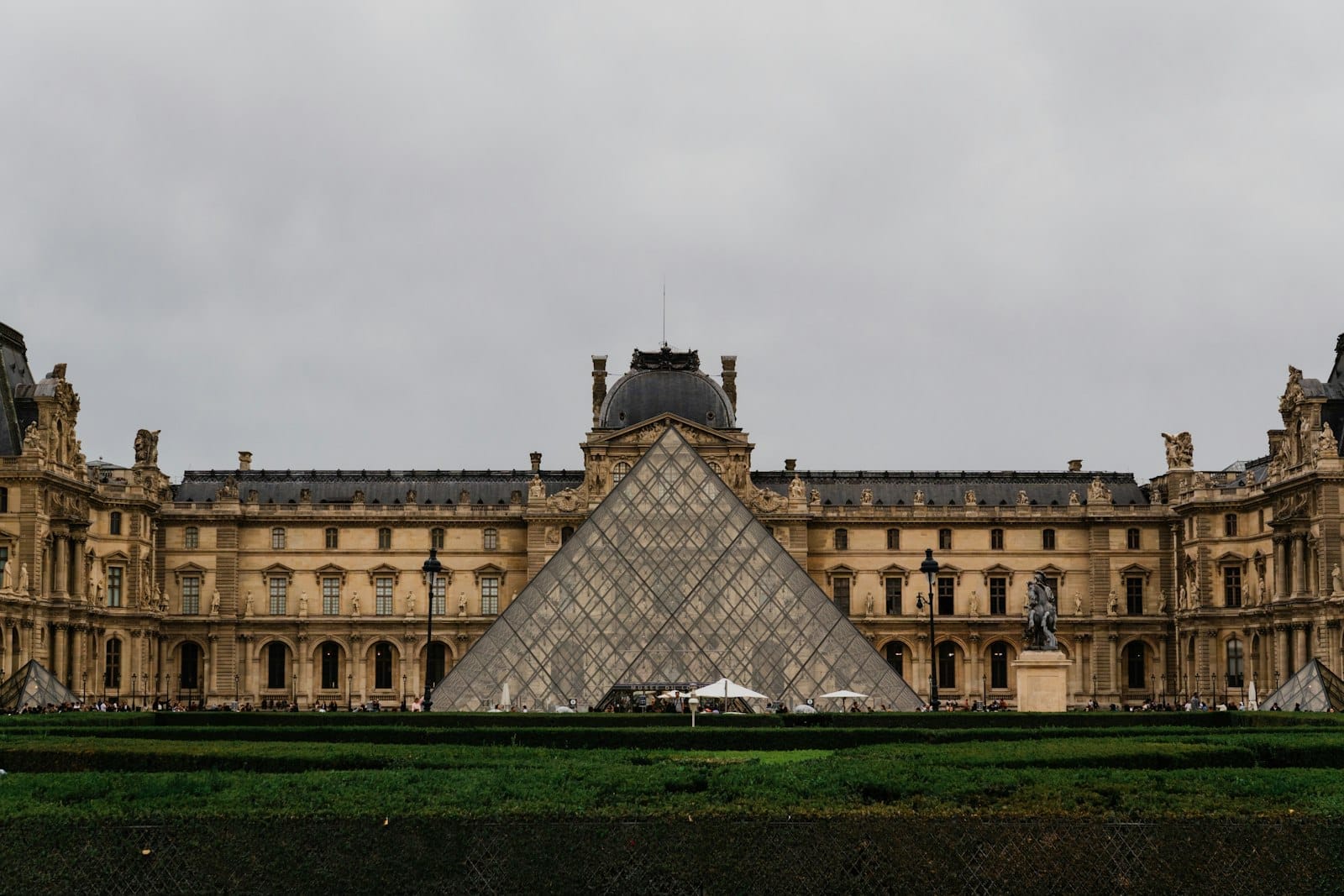
The Louvre Museum is the obvious starting point, and for good reason. With 380,000+ objects across 72,000 square metres of exhibition space, it is the largest museum on earth. That scale is both its appeal and its main problem. First-time visitors frequently underestimate how physically demanding a full visit is: the walk from the Denon Wing (home of the Mona Lisa and the Venus de Milo) to the Richelieu Wing (French sculptures, Dutch masters) alone is over a kilometre. Plan for 3 to 4 hours minimum, prioritise two or three wings, and book tickets online in advance to skip the pyramid queue. Hours are 9am to 6pm Wednesday through Monday, with late opening until 9:45pm on Fridays. It is closed on Tuesdays.
⚠️ What to skip
The Louvre is free on the first Sunday of each month, but this is widely known. Visitor numbers can be punishing on those days, particularly in summer. If you visit on a free Sunday between October and March, crowds are more manageable. For a stress-free visit, a weekday morning outside French school holidays is the gold standard.
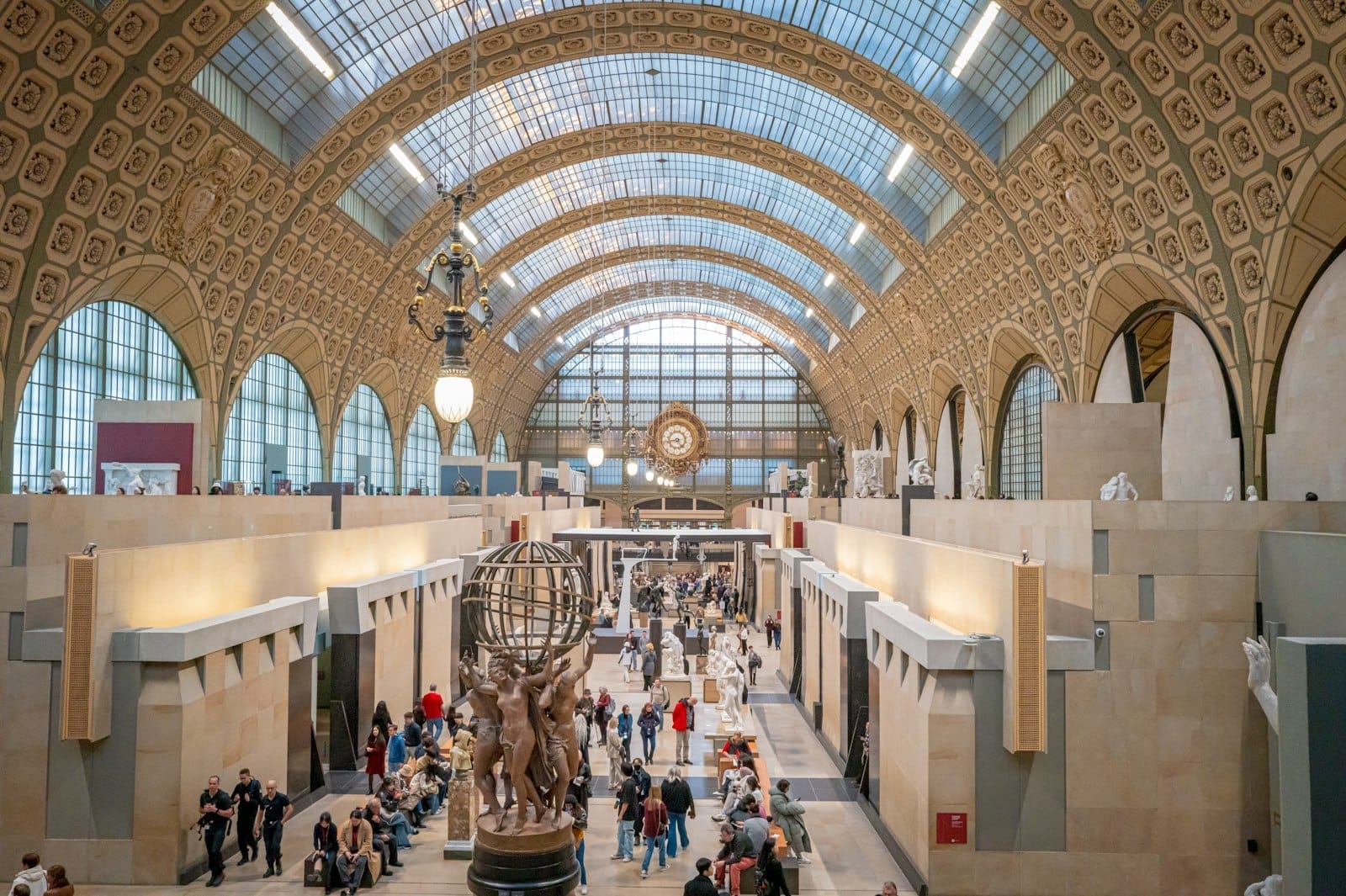
The Musée d'Orsay is the better museum for most visitors in terms of focus, atmosphere, and ease of navigation. Housed in a converted Beaux-Arts railway station on the Left Bank, it holds the world's largest collection of Impressionist and Post-Impressionist art, including major works by Monet, Renoir, Van Gogh, Gauguin, and Cézanne. The top-floor galleries, lit by the station's original glass roof, are among the most beautiful museum spaces in Europe. Tickets cost around €14 on-site or €16 with online priority access. Opening hours are 9:30am to 6pm Tuesday through Sunday, with late opening until 9:45pm on Fridays. It is closed Mondays. Priority tickets are strongly recommended; the standard queue outside can exceed 45 minutes in high season.
Mid-Tier Masterpieces: High Reward, Lower Crowds
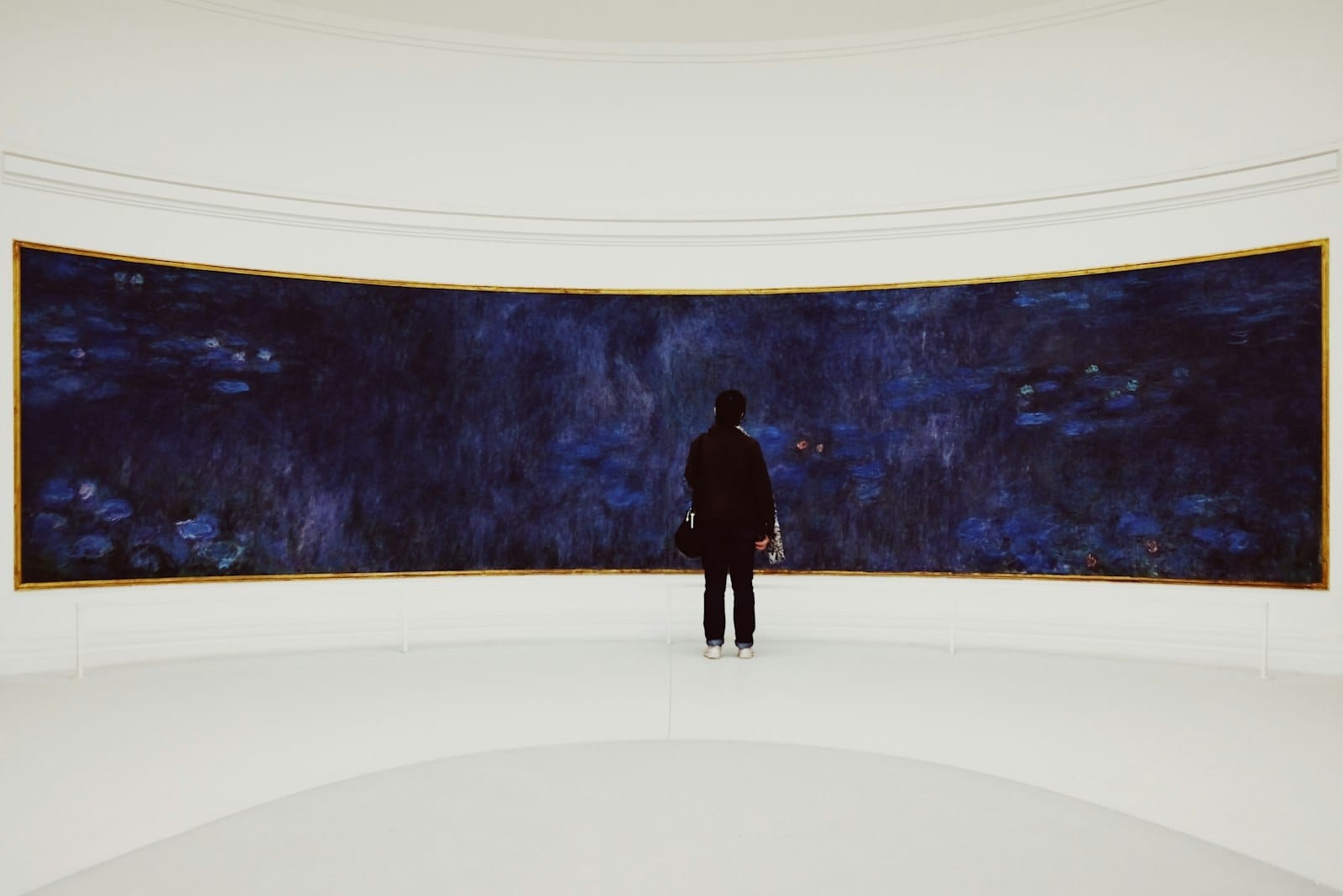
The Musée de l'Orangerie is one of Paris's most focused and satisfying museum experiences. Its permanent collection centres on Monet's eight monumental Nymphéas (Water Lilies) panels, displayed in two purpose-built oval rooms that Monet himself helped design before his death in 1926. The effect is extraordinary: the canvases wrap around the viewer at roughly eye level, creating an immersive quality that no reproduction captures. Allow 1 to 1.5 hours. The museum also holds strong works by Cézanne, Matisse, Picasso, and Soutine in the lower gallery. Open Wednesday to Monday from 9am to 6pm. Free for visitors under 18.
The Musée Rodin offers something no other Paris museum can: the chance to view world-class sculpture in a sculpture garden. The 18th-century Hôtel Biron in the 7th arrondissement houses Rodin's personal collection, including The Thinker and The Gates of Hell displayed in the courtyard gardens. It is one of the few museums in Paris where outdoor access is genuinely as rewarding as the interior galleries. On a clear spring or autumn afternoon, this can be the best two hours you spend in the city. Admission is around €13 for the full museum; garden-only access is cheaper.
The Musée Carnavalet is one of Paris's most underrated institutions. Spread across two Renaissance-era mansions in Le Marais, it chronicles the history of Paris from prehistoric times to the present day through room reconstructions, paintings, artefacts, and Marcel Proust's actual bedroom furniture. Crucially, the permanent collection is free. This is not a consolation prize: the collection is genuinely rich. Open 10am to 6pm Tuesday through Sunday. Budget 90 minutes to two hours.
✨ Pro tip
If you're visiting Le Marais anyway, the Musée Carnavalet and the Picasso Museum Paris are within a 5-minute walk of each other. Pair them on the same afternoon for an efficient and diverse museum day. The Picasso Museum is not free, but it holds the world's largest public Picasso collection and is far less crowded than the Louvre or d'Orsay.
Specialist Museums Worth the Detour
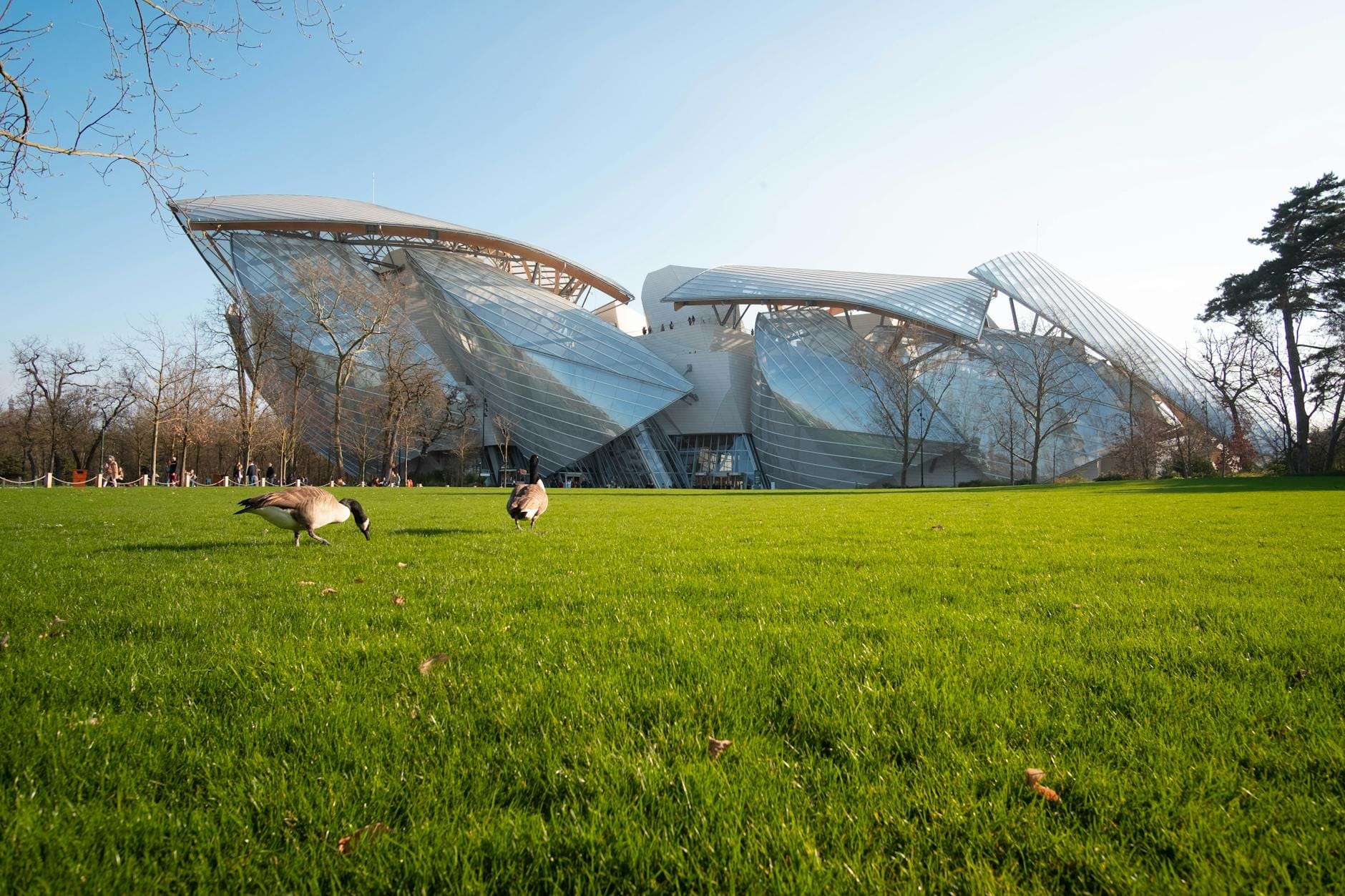
The Fondation Louis Vuitton is the most architecturally striking museum in Paris. Frank Gehry's glass sail structure in the Bois de Boulogne regularly hosts some of the most ambitious contemporary art exhibitions in Europe. It is not cheap: around €22 for EEA residents and €32 for non-EEA visitors. But the building alone justifies the fare. Open Tuesday through Sunday from 10am to 6pm or 9pm depending on exhibitions. Factor in 20 minutes to reach it via the dedicated shuttle from Place Charles de Gaulle-Étoile.
- Musée de Cluny (National Museum of the Middle Ages) The medieval collection here is unmatched in France, anchored by the extraordinary Lady and the Unicorn tapestry series. Reopened after renovation in 2022 with significantly improved visitor flow. Compact enough to cover in 90 minutes. Located in the 5th arrondissement, steps from the Sorbonne.
- Musée des Arts et Métiers A museum of science and technology housed in a former priory, featuring Foucault's original pendulum and early flying machines. Wildly undervisited given its quality. Strong appeal for anyone travelling with older children or with an interest in industrial history.
- Musée Jacquemart-André A 19th-century private mansion converted into a museum displaying one of France's finest private art collections, including works by Botticelli, Rembrandt, and Tiepolo. The tearoom in the former dining room is genuinely excellent and worth a stop whether you tour the museum or not.
- Musée de la Vie Romantique Free permanent collection, charming garden tearoom, and a delightful focus on the Romantic era. Located in Montmartre's 9th arrondissement neighbour, the Nouvelle Athènes quarter. Rarely crowded. Best visited on a warm afternoon when the garden is open.
- Musée Marmottan Monet Holds the world's largest Monet collection, over 300 works, including the painting that gave Impressionism its name. Located in the 16th arrondissement, further from the tourist centre than most visitors realise, which keeps crowds moderate. Worth the extra Metro ride.
Free Museums and the Free Sunday System
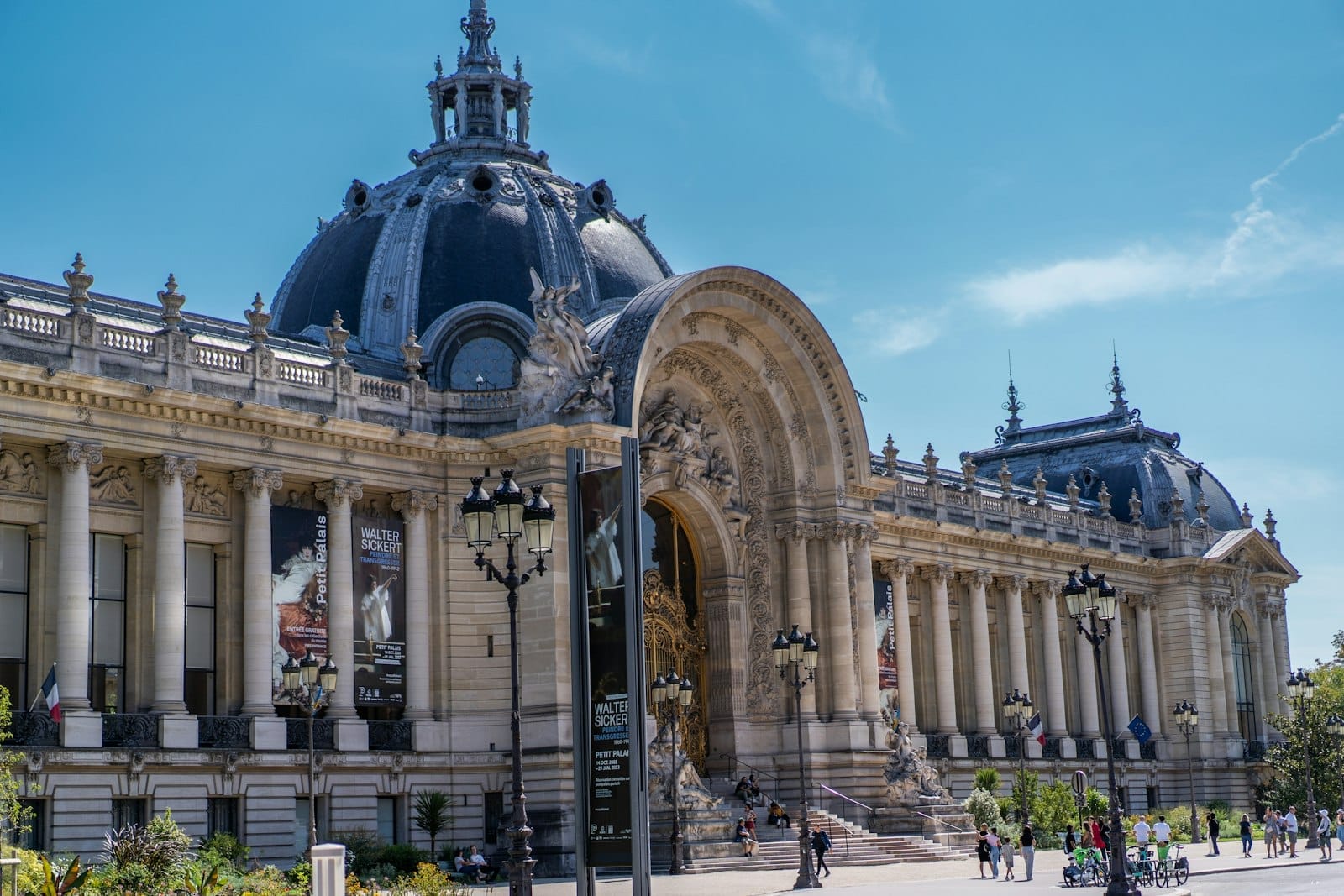
Paris has a legitimate free museum culture, and it is worth understanding how it works before you arrive. Several major institutions offer permanently free permanent collections, regardless of the day: the Petit Palais (fine arts from antiquity to 1900), the Musée Carnavalet (history of Paris), and the Musée d'Art Moderne de la Ville de Paris all fall into this category. Temporary exhibitions at these venues typically charge a separate fee.
Beyond permanently free institutions, a broad group of nationally-run museums offer free entry on the first Sunday of each month. This includes the Louvre, Musée d'Orsay, Musée de l'Orangerie, Musée de Cluny, Musée Rodin, and others. From October through March, this is a genuinely good deal: crowds are heavy but manageable. From April through September, lines outside the Louvre on free Sundays can stretch to 90 minutes, which largely defeats the purpose of free entry.
ℹ️ Good to know
Under-18s from EU countries get free entry to all French national museums year-round. Visitors aged 18-25 who are EU residents also benefit from free entry to many national collections. Always carry ID when claiming age-based concessions.
How to Use the Paris Museum Pass
The Paris Museum Pass covers entry to more than 50 museums and monuments, including the Louvre, Musée d'Orsay, Musée de l'Orangerie, Palace of Versailles, Sainte-Chapelle, and many more. It comes in 2-day, 4-day, and 6-day formats. The pass does not skip queues automatically, but it does let you use the priority access lane at most venues, which is worth as much as the entry savings on busy days. Verify current prices before purchasing, as they are updated periodically.
For detailed analysis of whether the pass is right for your specific itinerary, including a cost-comparison breakdown, see our guide on whether the Paris Museum Pass is worth it. The short version: if you plan to visit three or more paid museums in two days, it almost always saves money. If your itinerary includes Versailles, the pass pays for itself before you even reach the Louvre.
- Book Louvre and Musée d'Orsay tickets online at least 2-3 days ahead during peak season (June to August and school holiday periods).
- Visit the Louvre on a Friday evening for the lowest crowds of any time slot in the week.
- Combine Musée de l'Orangerie and Musée d'Orsay on the same day; they are a 15-minute walk apart along the Seine.
- The Petit Palais permanent collection is free and directly across from the Grand Palais, making it an efficient pairing with any visit to the 8th arrondissement.
- Cloakrooms at most major museums accept large bags, which helps on days when you are combining a museum visit with other sightseeing.
What the Crowds and the Calendars Mean for You
Paris museums are busy year-round, but crowd patterns are predictable. July and August are the highest-volume months, driven by international tourism. French school holidays in October, February, and April also generate significant domestic visitor spikes. The quietest general period for museum visits is November through early February, excluding Christmas week. Spring and early autumn offer the best balance of comfortable temperatures, reasonable crowds, and full museum programming.
One practical note: most major Paris museums are closed on either Monday or Tuesday, not both. The Louvre closes on Tuesdays; the Musée Picasso, Musée d'Orsay, Musée de l'Orangerie, and Fondation Louis Vuitton all close on Mondays. Checking this before building your itinerary avoids arriving at a locked door. Several smaller institutions also close on public holidays, particularly 1 January, 1 May, and 25 December.
If museum fatigue is a real concern (and it should be, because it affects most visitors who front-load their itineraries), consider spacing major museums with outdoor time. The Jardin des Tuileries sits between the Louvre and the Orangerie, making it a natural reset between visits. The Jardin du Luxembourg is similarly useful when visiting the 6th arrondissement's institutions.
FAQ
Which Paris museum should I visit if I only have one day?
The Musée d'Orsay is the strongest single-day museum choice for most visitors. Its Impressionist collection is cohesive and navigable in 2 to 3 hours, the building itself is extraordinary, and it is less physically overwhelming than the Louvre. If your priority is art history before 1850 or ancient civilisations, the Louvre is the right answer instead.
Are Paris museums free for tourists?
Not as a general rule. Most major national museums charge entry fees ranging from around €13 to €22. However, many offer free entry on the first Sunday of each month. Visitors under 18 from EU countries receive free entry to national museums year-round. The permanent collections at the Petit Palais and Musée Carnavalet are always free.
Do I need to book Paris museum tickets in advance?
For the Louvre and Musée d'Orsay, advance booking is strongly recommended, especially between April and September and during French school holidays. For smaller institutions like the Musée de Cluny, Musée Jacquemart-André, or Musée Carnavalet, on-site purchase is usually straightforward outside peak summer weekends.
Is the Paris Museum Pass worth buying?
Generally yes, if you plan to visit three or more paid institutions within the pass period. The 2-day pass typically pays for itself after visiting the Louvre and Musée d'Orsay alone if you add Versailles or Sainte-Chapelle. The pass also allows priority access at most venues, which has time value beyond the entry savings.
What is the best museum in Paris for kids?
The Cité des Sciences et de l'Industrie at Parc de la Villette is designed specifically with younger visitors in mind, featuring interactive exhibits across science, technology, and nature. The Musée des Arts et Métiers also works well for children aged 10 and up. The Louvre and d'Orsay can work with children, but they require significant adult energy to manage well.