Is the Paris Museum Pass Worth It? A Honest 2026 Breakdown
The Paris Museum Pass covers 50+ museums and monuments, but it's not automatically the right choice for every visitor. This guide breaks down the real costs, savings thresholds, booking rules, and the cases where individual tickets beat the pass.

Plan and book this trip
Tools from our partner Travelpayouts help you compare flights and hotels. If you book through them, we may earn a commission at no extra cost to you.
Flights
Hotels map
TL;DR
- The Paris Museum Pass costs €90 (2-day), €109 (4-day), or €139 (6-day) in 2026 — you need to visit at least 4-6 sites to break even, depending on the duration.
- It covers 50+ sites including the Louvre, Musée d'Orsay, Versailles, Arc de Triomphe, and Sainte-Chapelle, with skip-the-line access at most venues.
- The pass does NOT skip security lines at Versailles or the Eiffel Tower, and it does NOT include re-entry to the same site multiple times.
- Summer visitors and anyone planning 5+ museum visits over consecutive days will almost certainly recoup the cost — sometimes double it.
- If you're planning a relaxed trip with only 2-3 iconic stops, individual tickets or a site-specific combo deal will likely be cheaper. See our Paris first-timer's guide to prioritize your itinerary.
What the Paris Museum Pass Actually Covers
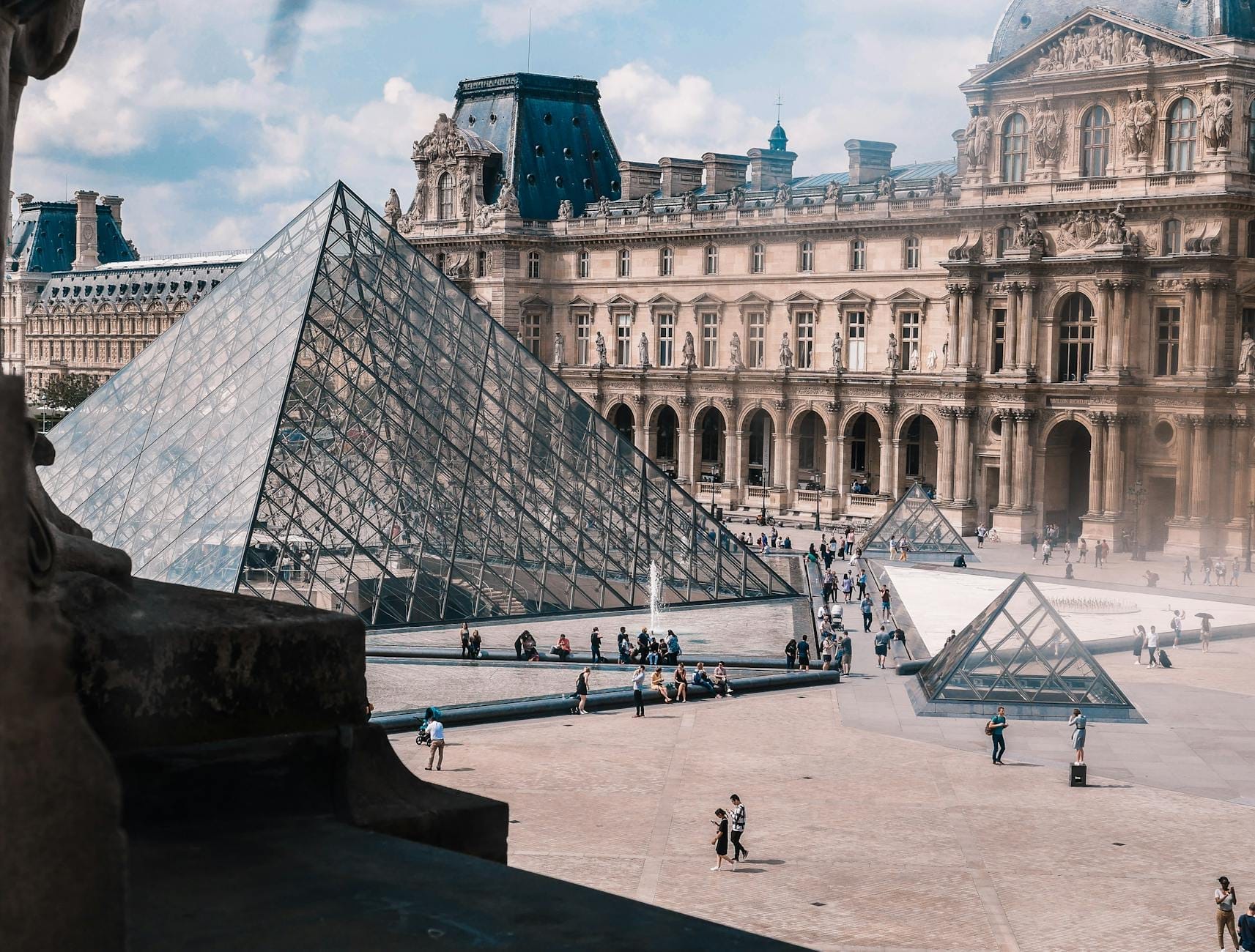
The Paris Museum Pass grants unlimited single entry to over 50 museums and monuments in Paris and the surrounding Île-de-France region. The official name is the Paris Museum Pass (Pass Musées et Monuments), and it should not be confused with the broader 'Paris Pass', which bundles in transport and river cruises but costs significantly more.
The heavy hitters are all included: the Louvre Museum, Musée d'Orsay, Palace of Versailles, Arc de Triomphe, Sainte-Chapelle, Musée Rodin, Musée de l'Orangerie, and Les Invalides. Smaller but equally worthwhile sites like the Musée Carnavalet, Musée de Cluny, and Palais Royal gardens also fall under the pass.
- Not included Eiffel Tower, Moulin Rouge, Seine River cruises, Paris Catacombs (the queued entrance), most temporary exhibitions, and audio guides.
- Partially useful Versailles gardens are free on many days already; the pass covers palace interiors and the Trianon estates.
- Skip-the-line benefit Valid at most ticket booths, but security screening queues at Versailles and Sainte-Chapelle still apply — these can be 20-40 minutes in summer.
- One entry per site You cannot re-enter the same museum on a different day of your pass. Each site gets one visit per pass period.
⚠️ What to skip
The Musée d'Orsay requires pass holders to book a free timed-entry slot in advance through the official attraction website. Without a reservation, you will be turned away even with a valid pass. Book your slot as soon as you purchase the pass.
2026 Pricing and the Break-Even Calculation
The pass comes in three durations, all for consecutive 48/96/144 hours from first activation: 2-day (€90), 4-day (€109), or 6-day (€139). Note that days are counted as full calendar days, not 48-hour periods — a pass activated at 3pm on a Tuesday counts Tuesday as Day 1.
To understand whether the pass pays off, compare it against individual admission prices. In January 2026, French national monuments introduced a two-tier pricing system: higher rates for non-EEA visitors. EEA-resident rates are roughly Louvre €22, Sainte-Chapelle €16, Arc de Triomphe €16 (winter) to €22 (summer), Versailles palace passport €22-32 depending on season, Musée d'Orsay €16, and Musée Rodin €13. Non-EEA visitors typically pay €6-10 more per ticket at these national sites. A single day hitting the Louvre, Musée d'Orsay, and Sainte-Chapelle adds up to roughly €54-70 before you've seen Versailles or the Arc de Triomphe.
- 2-day pass at €90 You break even after roughly 5 average-priced sites. A realistic 2-day itinerary (Louvre, Orsay, Sainte-Chapelle, Arc de Triomphe) generates around €70-80 in individual admissions — close to the pass price, so adding one more covered site tips it firmly in your favour. With the steep 2026 price hike, the 2-day pass only really pays off for a packed schedule.
- 4-day pass at €109 Break-even comes after your 5th-6th site. A serious 4-day museum trip can easily generate €160-190 in individual ticket value, netting €50-80 in savings.
- 6-day pass at €139 Highest potential savings for dedicated museum-goers. Six days covering 8-10 sites can generate €200+ in individual admissions, a saving of €60-100.
💡 Local tip
EU citizens aged 18-25 and all visitors under 18 get free admission to most national museums in France. If you fall into these categories, the pass offers minimal additional value — check which sites you qualify for before purchasing.
When the Paris Museum Pass Is Worth It
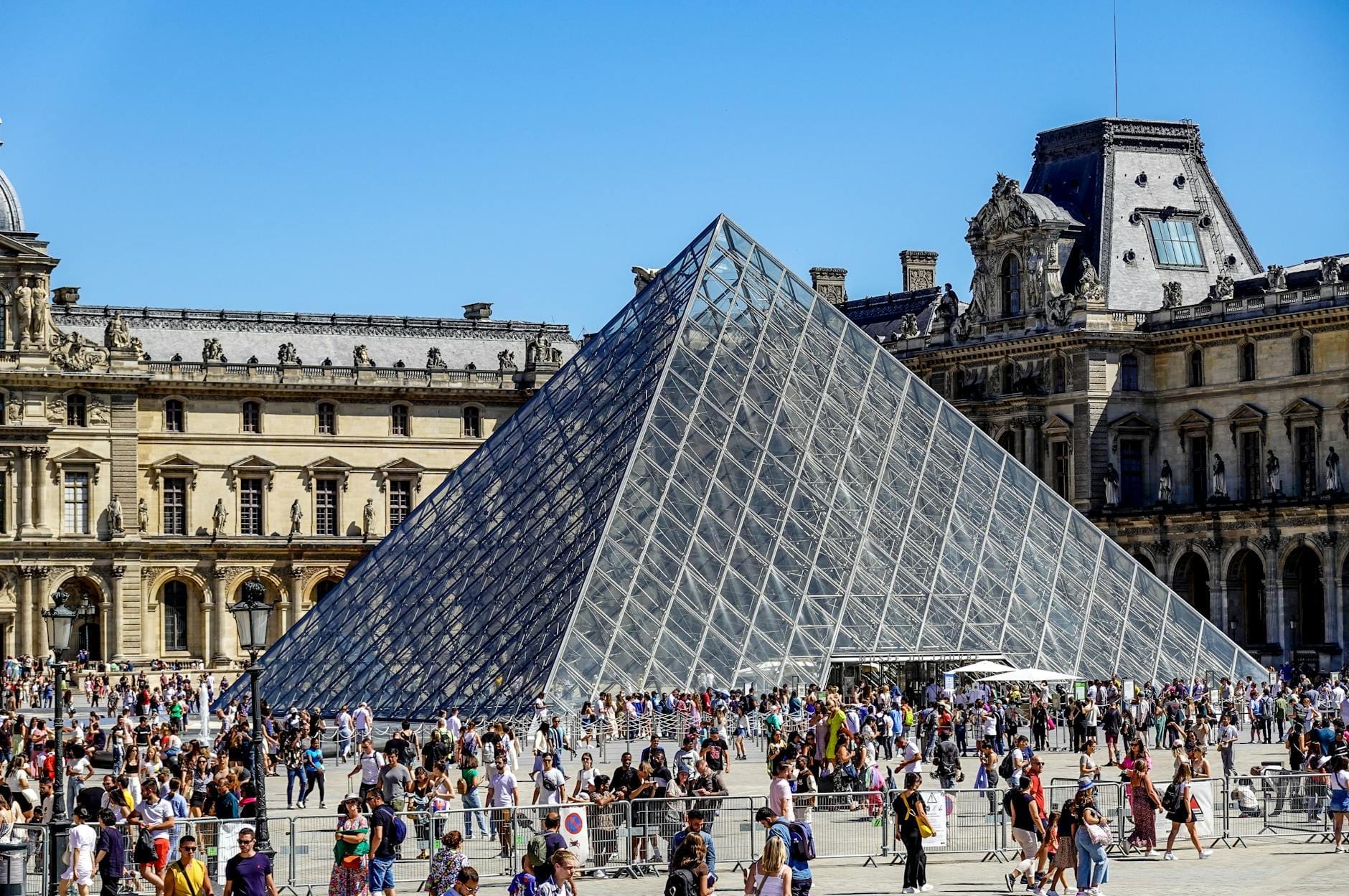
The pass earns its cost most clearly in two scenarios: high-volume museum itineraries and summer visits where skip-the-line access saves hours. In July and August, Louvre queues at the main Pyramid entrance can run 90 minutes on a busy morning. Pass holders enter through the Passage Richelieu (on the rue de Rivoli side), which consistently moves faster. That alone has tangible value beyond euros.
Visitors following a structured 3-day Paris itinerary who plan to hit 6-8 major sites will almost certainly save money and time with the 4-day pass. The math works particularly well when Versailles is included, since that visit alone covers nearly a quarter of the 4-day pass cost.
The 6-day pass makes the most sense for repeat visitors, those with a strong art focus, or anyone intentionally exploring mid-tier national collections like the Musée de Cluny (medieval art), Musée Guimet (Asian art), or Musée des Arts et Métiers. These sites cost €10-15 individually and add up fast if they are part of a deliberate itinerary rather than an afterthought.
When to Skip the Pass
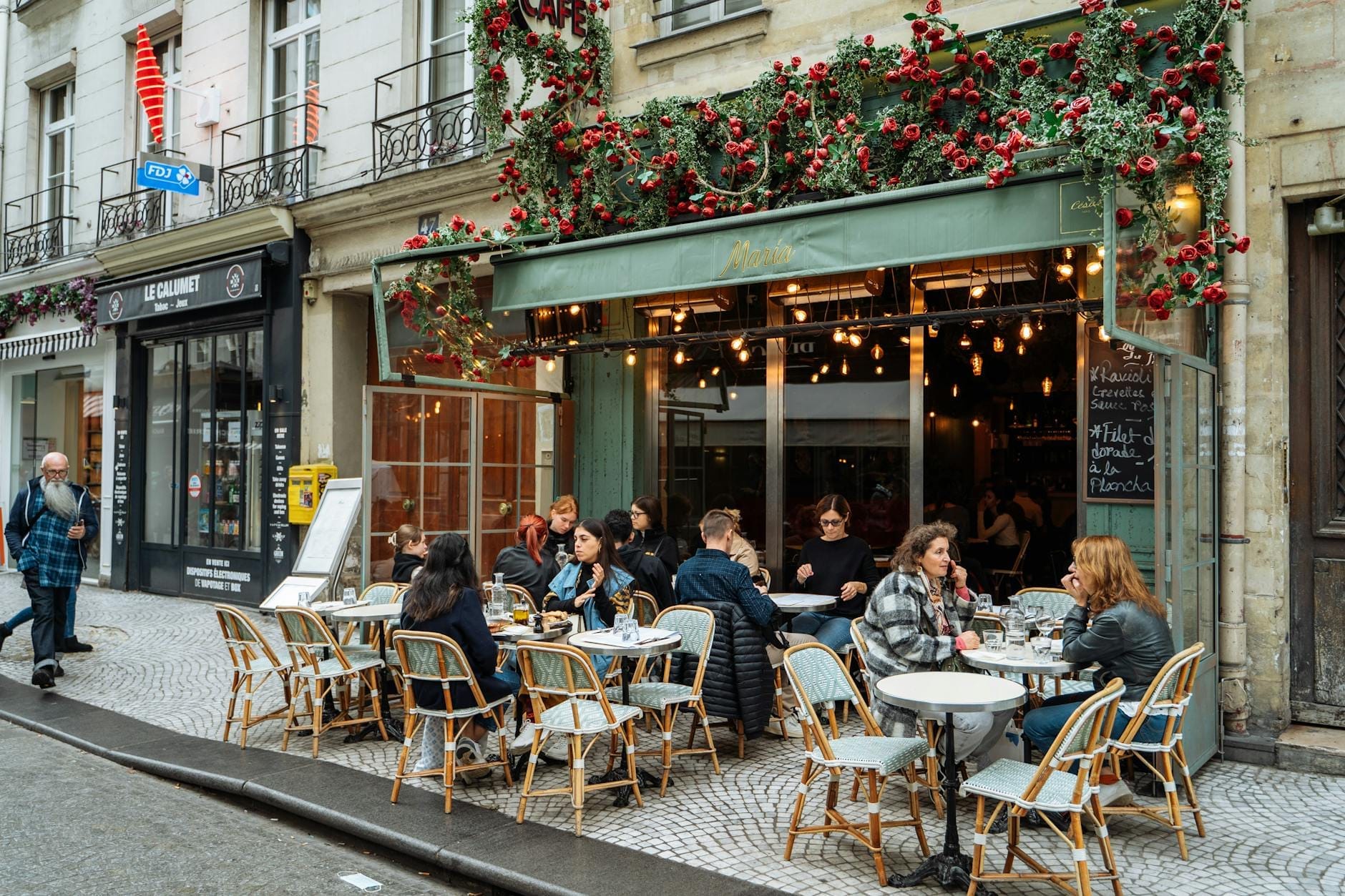
The pass is not the right choice for every visitor, and buying it out of vague intent to 'visit lots of museums' often leads to overcrowded days and disappointment. If your Paris trip is primarily about food, neighborhoods, and atmosphere rather than institution-heavy sightseeing, individual tickets serve you better.
If your shortlist has only 2-3 major sites, look at combo tickets first. The Sainte-Chapelle and Conciergerie combination ticket costs around €20 for both — one of the best-value pairs in Paris. The Palais Royal gardens are free. The Jardin du Luxembourg charges no entry fee. Many of Paris's most memorable experiences cost nothing at all.
- You're visiting for fewer than 2 full days of sightseeing.
- Your priority is the Eiffel Tower or Seine cruises — neither is included in the pass.
- You plan to visit only 1-2 major paid sites and fill the rest of your time in parks, markets, and neighborhoods.
- You're traveling with children under 18 (free at national museums) or you hold EU under-26 status.
- You prefer a slow, unscheduled pace — the pass subtly encourages cramming in visits to 'get value', which can ruin the experience.
✨ Pro tip
The Louvre is closed on Tuesdays and Musée d'Orsay is closed on Mondays. If your pass period includes either of those days and you planned around those sites, you lose a day of potential savings. Build your itinerary around closure days before activating the pass.
How to Buy and Activate the Pass
The official purchase channel is the Paris Museum Pass website (parismuseumpass.fr). Passes are delivered as a QR code on your phone or a physical card by mail, depending on lead time. Buy online rather than at museum ticket desks — availability at desks is inconsistent, and you avoid the physical queue on your first day.
An online booking fee applies to purchases made through the official website. You only activate the pass on the day of your first use, so there is no penalty for buying in advance. The pass is not transferable once activated. If you purchase a physical pass and lose it, there is no replacement policy, so treat it like cash.
Some sites now require advance timed reservations even for pass holders. As of 2026, the Musée d'Orsay requires pre-booking through the official attraction website. Check the booking requirements for each site you plan to visit before you travel, as this policy has been expanding across venues in Paris over recent years. Showing up with a valid pass but no reservation will get you turned away at high-demand sites.
Practical Tips for Getting Maximum Value
Plan your itinerary before activating the pass, not after. Cross-reference site opening days, timed-entry requirements, and geography. Grouping sites by neighborhood saves transit time — the Louvre, Musée de l'Orangerie, and Sainte-Chapelle are all within 15-20 minutes on foot. Combine this with the Paris public transport network to reach Versailles or the Arc de Triomphe without a taxi.
- Start with the highest-value sites Versailles, Louvre, and Musée d'Orsay individually cost the most. Hit these first to lock in your savings before worrying about break-even.
- Arrive early or late Skip-the-line access at the Louvre is most useful before 10am or after 3pm. Midday is peak crowd time regardless of pass type.
- Book timed entries immediately As soon as you purchase the pass, log into the booking portal and reserve your Musée d'Orsay slot. Popular time windows fill up 1-2 weeks in advance during summer.
- Note free first Sunday admission Most national museums in Paris offer free admission on the first Sunday of each month. If your trip falls on that date, you can skip those sites and use pass days for venues that charge regardless.
- Check which temporary exhibitions require extra fees The pass covers permanent collections. Blockbuster temporary shows at the Louvre or Grand Palais often charge separately — confirm before you arrive.
ℹ️ Good to know
The Paris Museum Pass is distinct from the 'Paris Pass' (sometimes marketed by third-party travel retailers), which typically bundles transport cards and optional experiences at a much higher price point. Always purchase from parismuseumpass.fr to avoid confusion and ensure official pricing.
FAQ
Does the Paris Museum Pass include skip-the-line access everywhere?
At most sites, yes — pass holders bypass the ticket purchase queue. However, security screening lines (at Versailles, Sainte-Chapelle, and the Louvre) still apply and can be long in summer. The pass gets you past the ticket desk, not past metal detectors.
Is the Paris Museum Pass worth it for just 2 days?
Potentially, but the math is tighter after the 2026 price hike. At €90 for 2 days, you need to visit around 5 sites at standard prices to break even. A realistic 2-day schedule hitting the Louvre, Musée d'Orsay, Sainte-Chapelle, and Arc de Triomphe comes close to the cost. Add Versailles or one more covered site and you're clearly ahead.
Can children use the Paris Museum Pass?
Children under 18 are already admitted free to most national and municipal museums in France, so a separate pass for them is unnecessary. The pass is designed for adult visitors who would otherwise pay full individual admission prices.
Does the Paris Museum Pass include the Eiffel Tower?
No. The Eiffel Tower is not included in the Paris Museum Pass and must be booked separately. The same applies to Seine River cruises, the Paris Catacombs (timed-entry), and the Moulin Rouge. These are common misconceptions among first-time buyers.
Where is the best place to buy the Paris Museum Pass?
The official website (parismuseumpass.fr) is the safest and most reliable option. You receive a digital pass immediately, which you can store on your phone. Avoid third-party resellers who may charge higher markups. Physical passes are also sold at some Paris tourist offices and at participating museums, but availability is not guaranteed.