London in December: Christmas Markets, Lights & Winter Events
December transforms London into one of Europe's most atmospheric winter destinations. From Hyde Park Winter Wonderland to the South Bank's riverside market stalls, this guide covers everything you need to plan a memorable Christmas visit, including what to skip, what to book in advance, and how to get around without the crowds.
Plan and book this trip
Tools from our partner Travelpayouts help you compare flights and hotels. If you book through them, we may earn a commission at no extra cost to you.
Flights
Hotels map
TL;DR
- Hyde Park Winter Wonderland runs from late November to early January; entry is free at off-peak times, with standard tickets from £5 and peak tickets from £7.50. Book a time slot in advance via the official site.
- London's main Christmas markets (South Bank, Covent Garden, Leicester Square) typically open in early November and close between Christmas and early January. All are closed on December 25.
- December temperatures average 8-9°C highs and 2-3°C lows. Pack layers, waterproofs, and comfortable walking shoes.
- Christmas light installations on Oxford Street, Regent Street, and Carnaby Street are free to see. Combine them with a self-guided walking tour for an easy, cost-free evening out.
- Hotels and West End shows fill up fast in mid-December. Book accommodation and theatre tickets at least 6-8 weeks out if visiting in the run-up to Christmas.
What to Expect: December Weather and the City's Mood
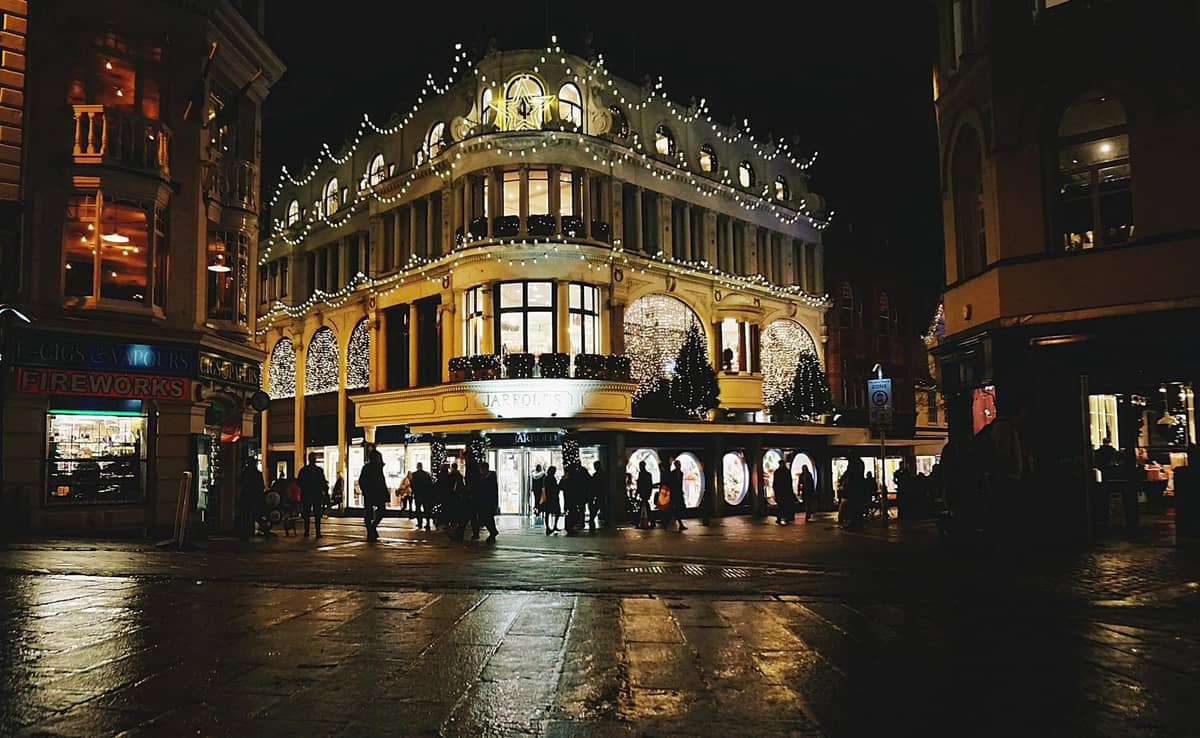
London in December is cold, occasionally damp, and festive in ways that feel earned rather than manufactured. Based on Met Office data from the Heathrow climate record (1991-2020), expect average daily highs of around 8-9°C and lows of 2-3°C. Frost is possible overnight, and there is a real chance of rain on roughly 11-13 days across the month. Snow in central London is rare but does happen, and when it does the city grinds to a memorable halt.
Daylight is short. Sunrise in early December is around 7:55am, sunset around 3:55pm. That sounds bleak on paper, but it means the Christmas lights switch on early, outdoor markets glow from mid-afternoon, and the whole city takes on a particular amber quality by 4pm. If you time things right, the short days actually work in your favour.
💡 Local tip
Dress for the temperature, not the calendar. Multiple thin layers beat a single heavy coat because you will be moving between heated indoor spaces and cold outdoor markets constantly. Waterproof boots are worth it: London pavements stay wet for hours after light rain.
Crowds peak sharply in the two weekends before Christmas, especially around Oxford Street, Covent Garden, and Winter Wonderland. Weekday mornings from Tuesday to Thursday are noticeably quieter at markets and attractions. If you have flexibility, arriving in the first or second week of December gives you the full festive atmosphere without the weekend crush. The week between Christmas and New Year is surprisingly lively, with sales, pantomimes, and leftover seasonal events still running.
Christmas Markets: The Real Ones Worth Your Time
London does not have a single definitive Christmas market in the way that Cologne or Strasbourg does. What it has instead is a collection of seasonal markets ranging from excellent to frankly disappointing, plus a handful of permanent markets that get a seasonal makeover in November. Knowing the difference saves a lot of time.
- Southbank Centre Winter Market Running from early November to early January (approximately 3 Nov-4 Jan in recent years), this is the most atmospheric of the central London markets. Wooden chalets line the Thames riverside between Waterloo Bridge and the Tate Modern direction, selling mulled wine, European street food, and craft gifts. The river backdrop is hard to beat, especially at dusk. Access is free, and it pairs naturally with a walk along the Thames path.
- Leicester Square Christmas Market One of the largest and longest-running pop-up markets, typically open from early November to early January. It draws big crowds in the evenings and has a family-friendly funfair element alongside the market stalls. The stalls themselves are hit-and-miss quality, but the central location (a short walk from Covent Garden and the National Gallery) makes it easy to combine with other stops.
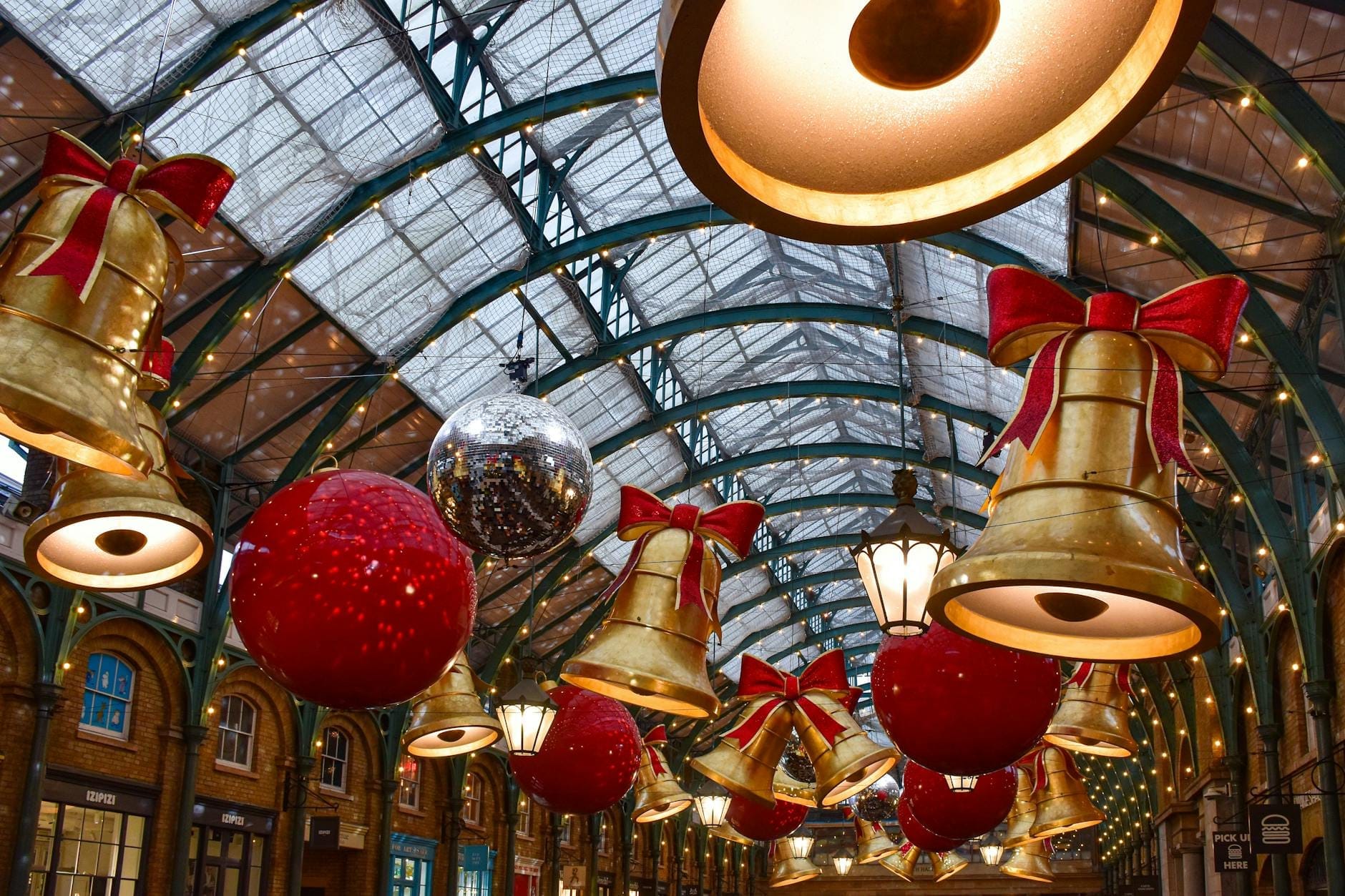
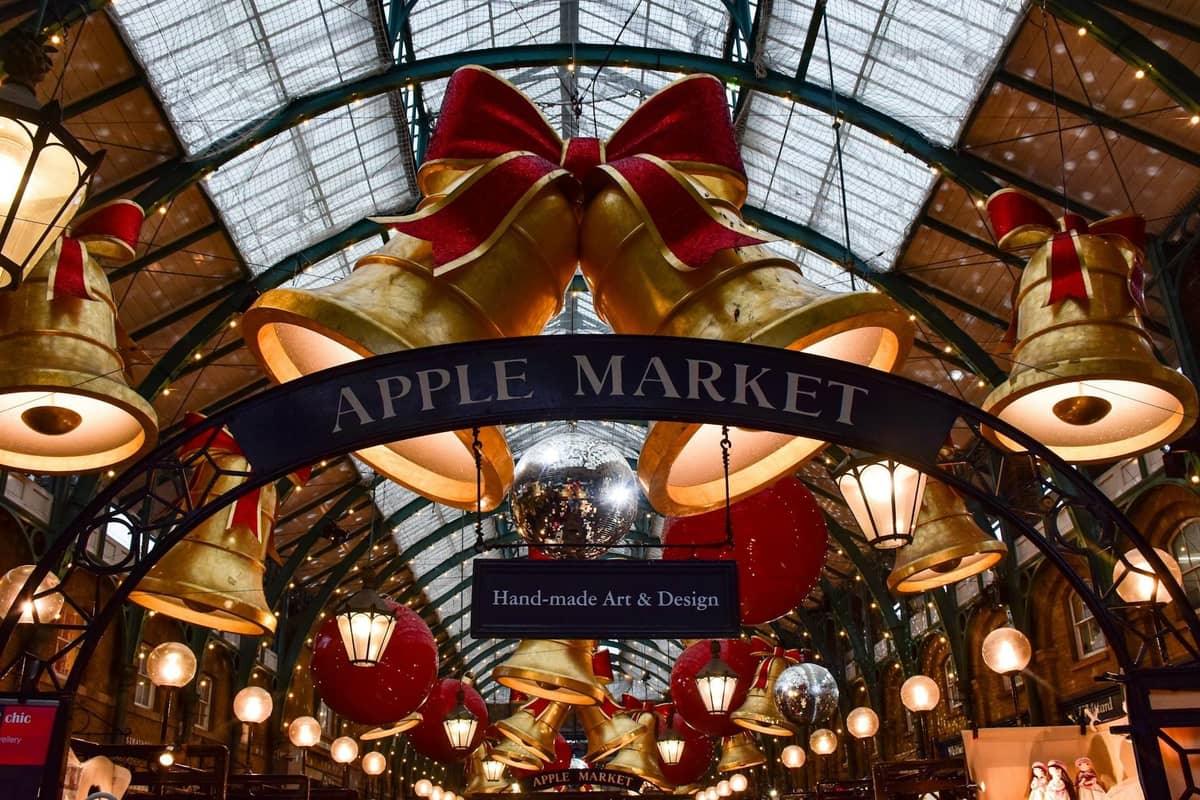
- Covent Garden Christmas Market Covent Garden runs its market from mid-November to early January, and the area's covered Piazza is beautiful when decorated. Unlike purely seasonal pop-ups, the Covent Garden market operates year-round and transforms for Christmas with lights, a large tree, and special stalls. Buskers and street performers add to the atmosphere. Expect it to be very busy on weekends.
- Borough Market Christmas Borough Market operates year-round but shifts focus in December toward seasonal produce: Christmas puddings, aged cheeses, charcuterie, and mulled cider from specialist traders. It runs a dedicated Christmas period from around 1 December to early January. This is the market for food lovers rather than gift shoppers. Arrive before noon on Saturdays to avoid the worst of the crowds.
- Hyde Park Winter Wonderland Technically a Christmas fair rather than a traditional market, but it includes multiple market areas among the rides and attractions. See the dedicated section below for full details.
⚠️ What to skip
Market dates shift year to year and are sometimes announced late. Always check the official event website before you visit rather than relying on third-party listings, which are frequently based on previous years' dates. All markets are closed on December 25, and some close by early afternoon on December 24.
Hyde Park Winter Wonderland: What You Actually Need to Know
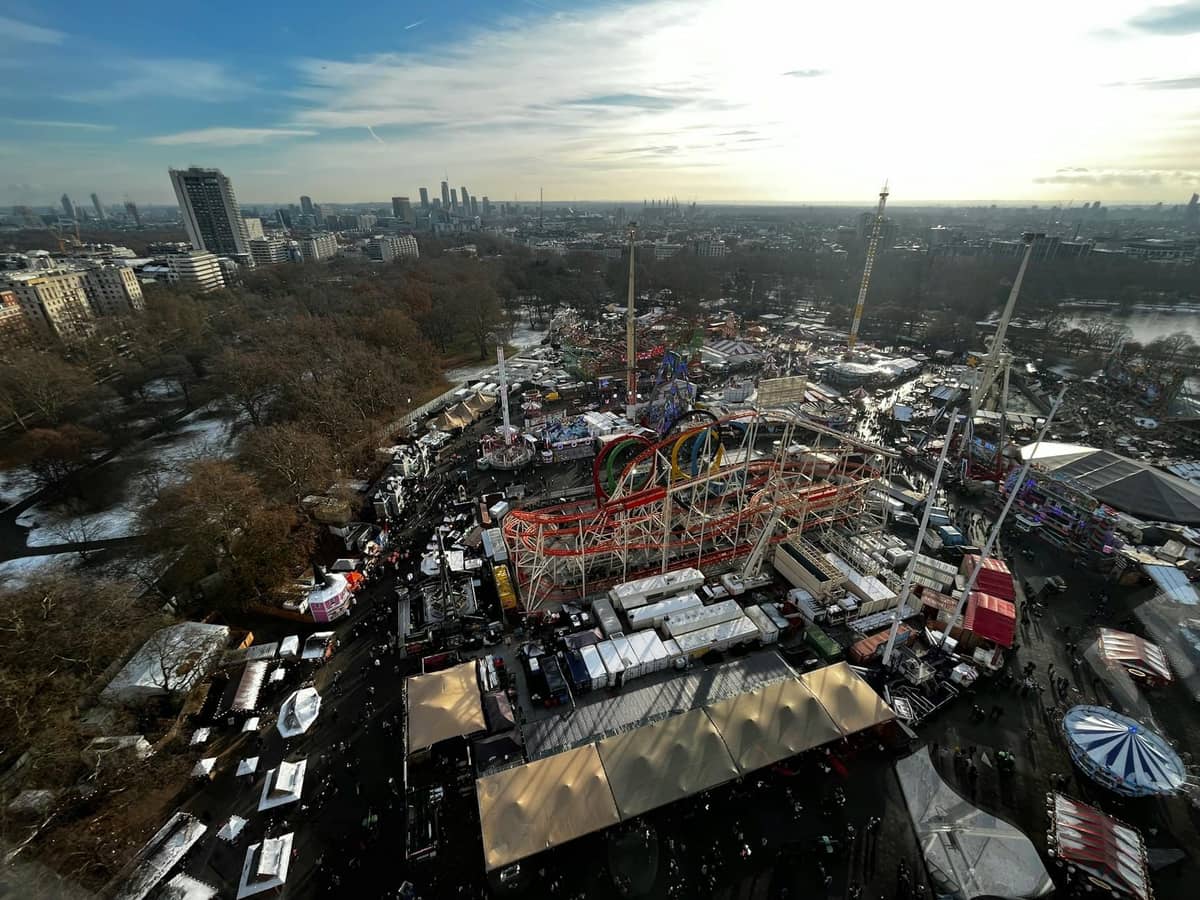
Winter Wonderland is London's biggest Christmas event and one of the most visited in Europe. It runs from late November to early January (around 21 November to 5 January in recent editions) in Hyde Park, with typical opening hours of 10am-10pm on most days except Christmas Day, with last entry usually around 9:30pm, though exact times vary slightly by year and date. The event can be free to enter at off-peak times if you spend at least £25 on attractions in advance; otherwise entry tickets start from around £5 at off-peak and £7.50 at peak times (primarily weekend evenings). Individual attractions within the event, including the ice rink, rides, and circus shows, require separate paid tickets on top of the entry fee.
The nearest Tube stations are Marble Arch (Central line), Hyde Park Corner (Piccadilly line), and Knightsbridge (Piccadilly line). All are within a 10-15 minute walk of the main entrance on the north side of the park. For a broader look at getting around during your visit, the Transport for London network guide covers Oyster card fares and the quickest routes across zones.
✨ Pro tip
Book Winter Wonderland tickets and time slots through the official Hyde Park Winter Wonderland website before you travel. Walk-up entry is possible at quieter times, but showing up on a Saturday evening without a ticket in December risks long queues or being turned away. Weekday mornings in late November are dramatically less crowded than December weekends.
Winter Wonderland has something for everyone: the Christmas market areas have hundreds of stalls, the ice rink is one of the largest outdoor rinks in the UK, and the live entertainment programme includes circus performances and a dedicated ice bar. That said, it is loud, it is commercial, and it can feel overwhelming if you were hoping for a quiet festive atmosphere. If you want mulled wine by a river with fewer people, the South Bank Winter Market is a better fit.
Christmas Lights: Where to Go and What to Skip
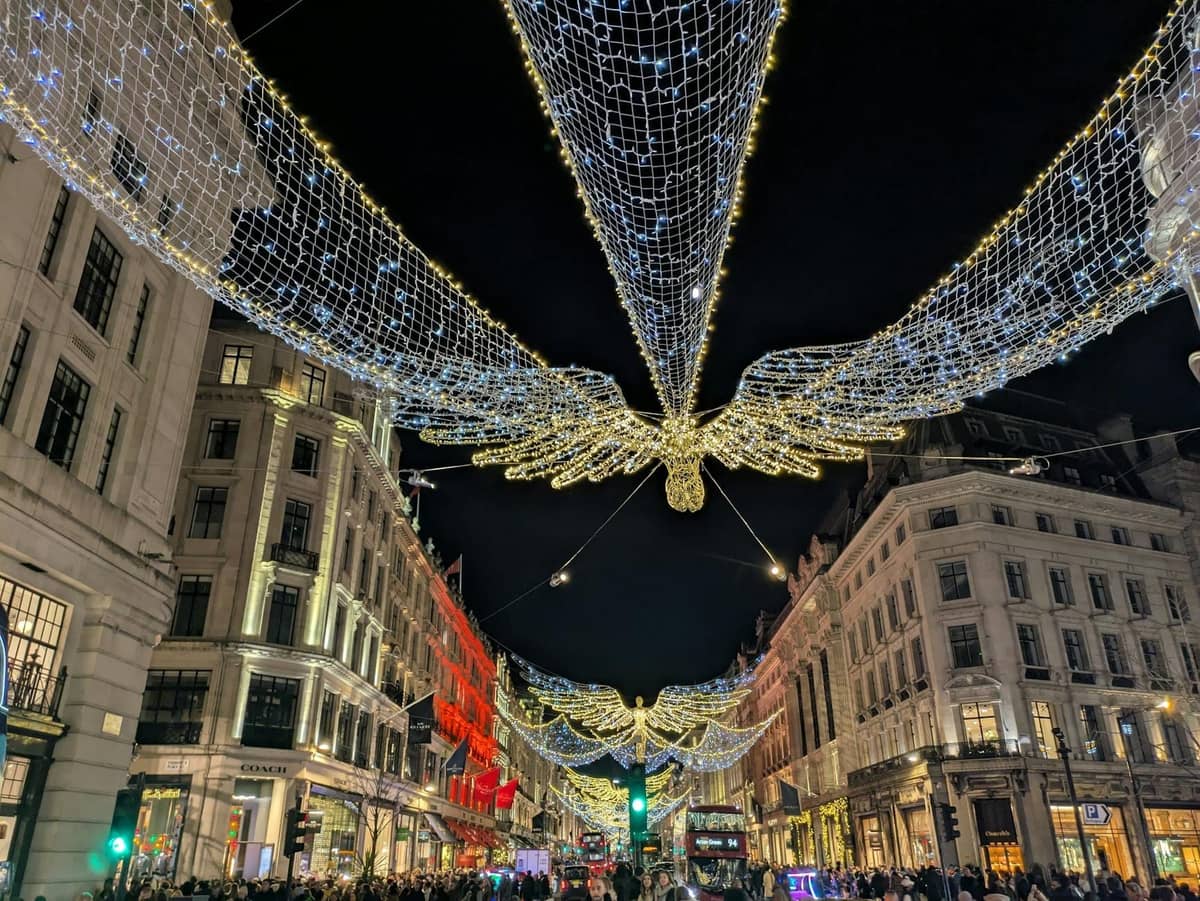
The Christmas lights across central London are free to see and span several distinct areas, each with a different character. Oxford Street typically switches on in late November and features lights stretching the full length of the street from Marble Arch to Oxford Circus. It is impressive in scale, but the street is so congested with shoppers in December that walking it can feel more stressful than festive. Go on a weekday morning or early afternoon for a more relaxed experience.
Regent Street and Carnaby Street are, for many visitors, the better options. Regent Street's lights tend to be more elaborate and are switched on in late November alongside a ceremony. Carnaby Street traditionally installs a large overhead installation that changes theme each year and is consistently one of the most photographed Christmas displays in the city. Both are within a short walk of each other and combine well with a visit to Liberty London, whose mock-Tudor building is particularly striking when decorated for Christmas.
- Oxford Street: longest light display, very busy, best seen on weekday mornings
- Regent Street: higher production quality, pairs well with window shopping
- Carnaby Street: themed installation, less crowded, more creative
- Covent Garden: warm and atmospheric, especially the Piazza at dusk
- Seven Dials: smaller but charming, often features a decorated maypole-style display
- Kensington High Street: less touristy, worth combining with museum visits nearby
For the best light photography, aim for the 30-minute window after sunset when there is still some blue in the sky. In early December that is roughly 4:00-4:30pm. A guide to London's most photogenic spots includes additional winter photography locations across the city.
Winter Events Beyond the Markets
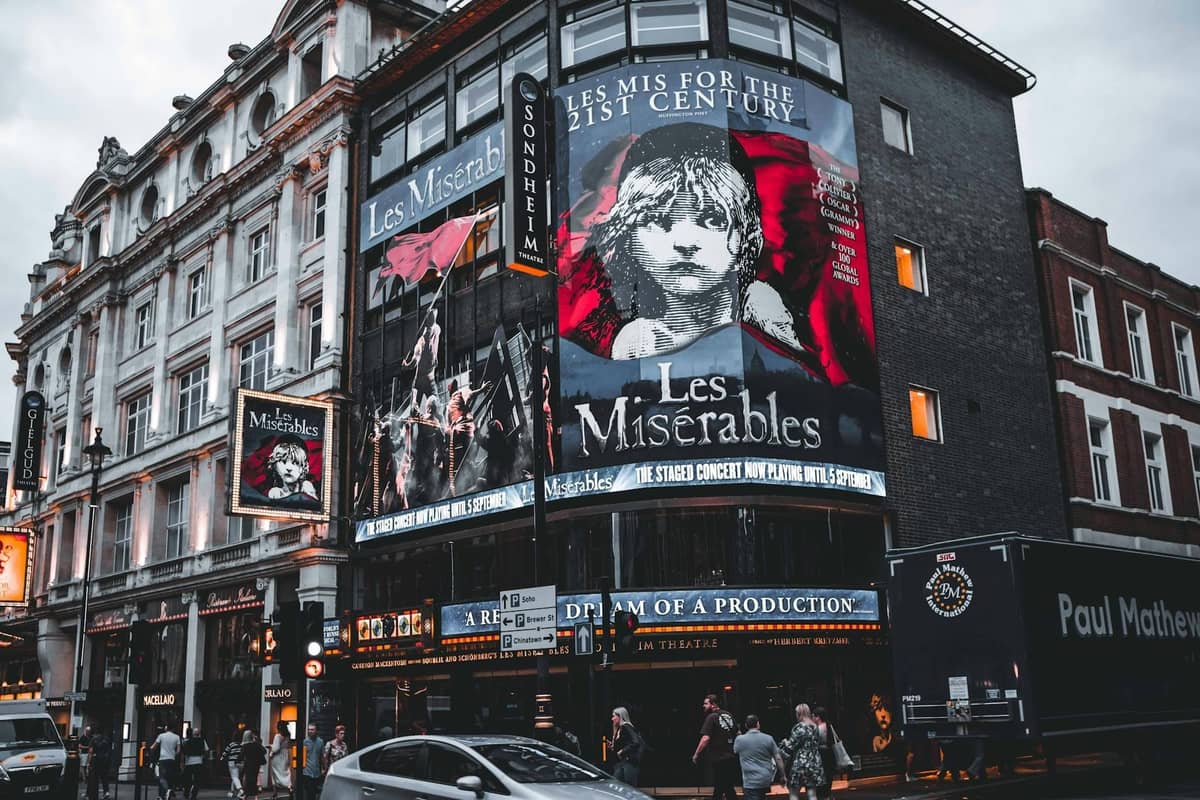
December in London extends well beyond markets and lights. The West End theatre season is at its peak, with major musicals and plays running through Christmas and the pantomime season in full swing at theatres across the city. Booking 6-8 weeks out is not overcautious for popular shows in mid-December.
Several of London's major institutions run special December programmes. The Natural History Museum operates a popular outdoor ice rink in its grounds from November through January, and the museum itself is free to enter year-round. The Somerset House courtyard ice rink is another well-established winter fixture in a particularly elegant setting, though tickets for skating sessions need to be booked in advance.
The Kew Gardens Christmas trail runs on selected evenings through December, with the gardens lit by thousands of lights and fire installations. Tickets are separate from standard Kew admission and tend to sell out, so advance booking is essential. It is not a budget option, but the setting is spectacular and quite different from anything in central London.
For free winter culture, the Tate Modern and National Gallery both run extended seasonal programming, and the South Bank's indoor spaces at the Southbank Centre host free foyer events and performances throughout December. The free things to do in London guide is worth checking before you book anything paid.
Practical Planning: Getting Around, Booking, and Budgeting
London's public transport runs normally through most of December, with the main exception being Christmas Day (December 25), when the Tube, London Overground, buses and National Rail services do not run, apart from some limited services such as Heathrow Express and a few airport coaches. Plan for taxis, ride-hailing apps (Uber, Bolt, and Free Now all operate in London), or walking on Christmas Day if you are in the city. Boxing Day (December 26) sees services resume, though on a reduced timetable.
The Tube is the fastest way between major Christmas market locations. Use an Oyster card or contactless bank card for all journeys: cash is not accepted on buses and contactless payment is by far the simplest option on the Underground. If you are arriving from Heathrow, the Elizabeth line takes approximately 30 minutes to Paddington and around 35 minutes to Tottenham Court Road.
- Budget for market stalls: mulled wine typically costs £5-8, street food dishes £8-14
- Ice rink sessions (Natural History Museum, Somerset House) usually cost £15-25 per person including skate hire, booked in advance
- Winter Wonderland entry: free off-peak, from £5 standard, from £7.50 peak; rides and attractions are extra
- West End show tickets: from around £25 for restricted view to £80-120+ for premium seats in December
- Restaurants get busy: book any sit-down meals at least a week ahead in December, two or more weeks for popular spots
ℹ️ Good to know
The UK uses pound sterling (GBP). Contactless card payment is accepted almost everywhere in London, including market stalls, transport, and most small cafes. It is worth having some cash for a handful of smaller independent stalls, but you will rarely be stuck without it. Tipping in restaurants is typically 10-12.5%, and many London restaurants now add a service charge automatically.
If this is your first visit to the city, the London first-timers guide covers neighbourhood logistics, transport basics, and the key decisions you need to make before arrival. For accommodation options by area and price range, the where to stay in London guide is the most practical starting point.
FAQ
Is London good to visit in December?
Yes, with realistic expectations. December is cold (average highs around 8-9°C) and the days are short, but the Christmas lights, markets, and seasonal events make it one of the most atmospheric times of year. Costs are higher than shoulder season, and the two weekends before Christmas are extremely busy in tourist areas. If you prefer fewer crowds, aim for the first or second week of December or the week between Christmas and New Year.
Do the Christmas markets in London cost money to enter?
Most London Christmas markets are free to enter and browse, including the Southbank Centre Winter Market, Covent Garden, and Borough Market's Christmas edition. Hyde Park Winter Wonderland charges an entry fee: free at off-peak times, from £5 for standard tickets, and from £7.50 for peak tickets (mainly weekend evenings). Individual rides and some attractions at Winter Wonderland require additional paid tickets.
When do London Christmas markets close?
Most of London's Christmas markets and winter events run from early-to-mid November through to early January. All are closed on December 25. Specific closing dates vary by event and year: some close on December 26, while others (including Winter Wonderland) typically run until around January 5. Always check the official event website for confirmed dates before travelling, as they do change year to year.
Does it snow in London in December?
Rarely. Based on historical Met Office data, meaningful snowfall in central London in December is uncommon. Temperatures regularly drop to 2-3°C overnight, and frost is more likely than snow. When London does get snow, it tends to cause significant transport disruption because the city is not equipped to handle it regularly. Do not plan your trip around the hope of a white Christmas, but be aware that cold-weather delays are possible.
How do I get to Hyde Park Winter Wonderland by public transport?
The closest Tube stations are Marble Arch (Central line), Hyde Park Corner (Piccadilly line), and Knightsbridge (Piccadilly line), all within a 10-15 minute walk of the main park entrance. Multiple bus routes also serve the surrounding streets. Driving is not recommended: parking near Hyde Park in December is expensive and difficult, and the area is heavily congested on peak evenings.