Where to Stay in London: The Best Neighbourhoods & Hotels Guide
Choosing where to stay in London shapes your entire trip. This guide breaks down the city's best neighbourhoods by location, transport access, price range, and atmosphere, so you can book with confidence rather than guesswork.
Plan and book this trip
Tools from our partner Travelpayouts help you compare flights and hotels. If you book through them, we may earn a commission at no extra cost to you.
Flights
Hotels map
TL;DR
- Central areas like Covent Garden, Soho, and Westminster put you closest to major sights, but expect to pay £200–£400+ per night at mid-range hotels.
- You do not need to stay in Zone 1 to have a great trip. South Bank, South Kensington, and Shoreditch all offer fast Tube access to central London at lower nightly rates.
- Staying in Zones 1–2 keeps your Oyster/contactless transport costs lower. Check the getting around London guide for current fare caps.
- Book well ahead for summer (June–August) and December. These are peak periods when central hotels sell out fast and prices spike.
- First-timers should read the full London first-timer's guide alongside this one for broader trip planning context.
How to Think About Location in London
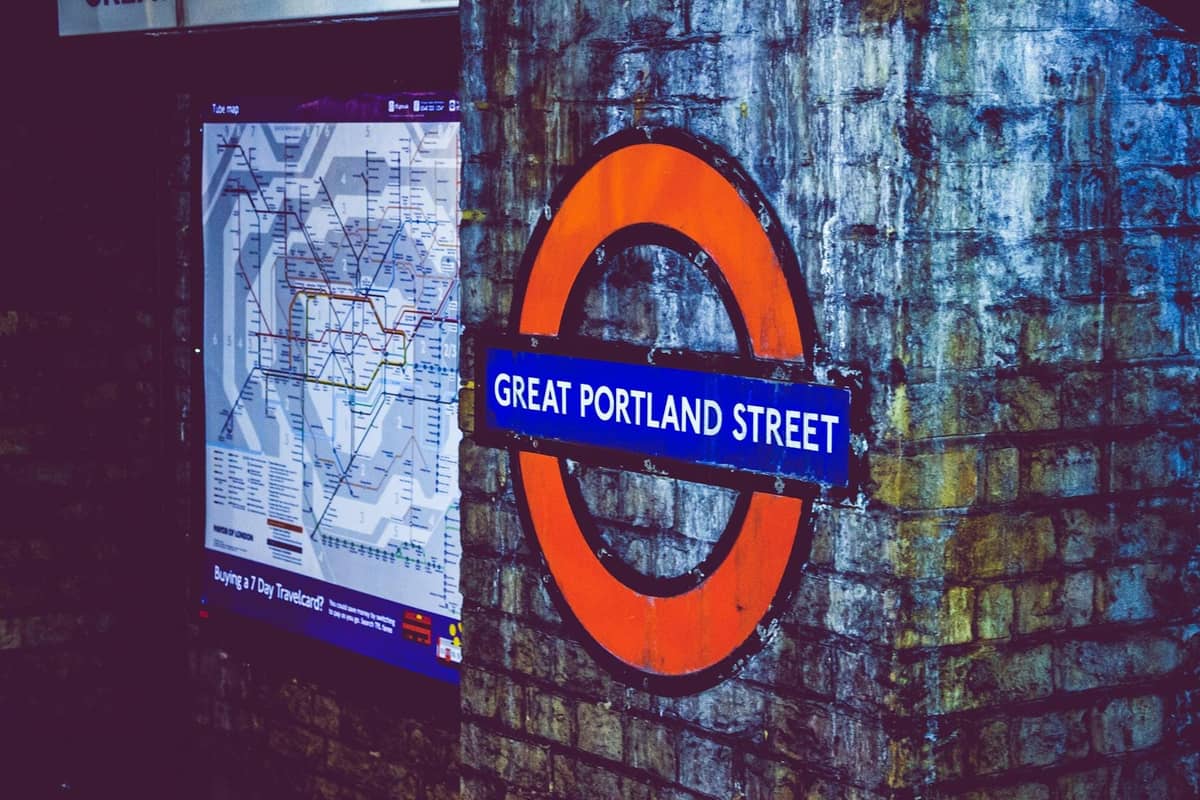
London covers 1,572 km² and has a population of around 8.9 million. Unlike cities where you can stay anywhere and walk everywhere, London requires a bit of strategic thinking. The good news: the Transport for London (TfL) network is excellent. The Tube has 11 lines, the Elizabeth line cuts across the city east-to-west in minutes, the Overground connects outer boroughs, and buses run 24 hours on many routes. A hotel in Zone 2 that is 20 minutes by Tube from the centre is rarely a bad choice.
That said, your neighbourhood still matters for atmosphere, walkability, and cost. Staying in Mayfair means stepping out into Georgian streets near Green Park and Buckingham Palace. Staying in Shoreditch means street art, weekend markets, and some of London's best restaurants within walking distance. Neither is objectively better. It depends on what kind of trip you want.
ℹ️ Good to know
All prices quoted in this guide are in GBP (pound sterling). Hotel rates are indicative based on typical mid-range options and will vary significantly by season and booking timing. Always check live rates on booking platforms before making decisions.
The West End: Covent Garden, Soho & Westminster
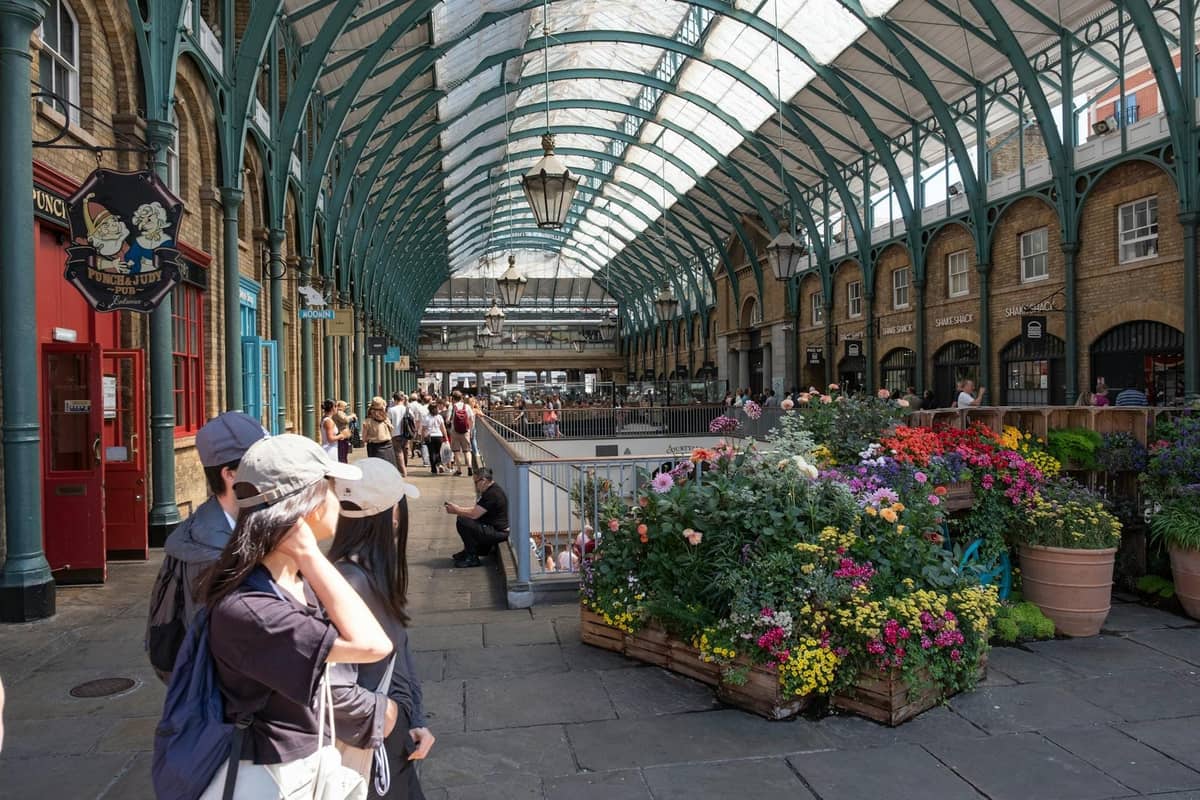
For a first visit to London, the West End is the most logical base. The West End covers a compact area where you can walk between Covent Garden, Trafalgar Square, the National Gallery, and the theatre district in under 30 minutes on foot. Leicester Square, Tottenham Court Road, and Charing Cross stations all sit here, connecting you quickly to the rest of the city.
Westminster, just south of the West End proper, gives you walking access to the Houses of Parliament, Westminster Abbey, and St James's Park. Hotels in this area tend toward the business and luxury end of the market. Mid-range options in Covent Garden or around Seven Dials typically run £220–£350 per night. Budget travellers will find this area difficult unless booking well in advance or accepting very small rooms.
Soho sits at the heart of this zone and deserves specific mention. It is London's most concentrated dining and nightlife district, with Soho streets packed with restaurants, bars, and independent shops. It is not a quiet area, which makes it excellent if you plan to be out late and want to walk home, but potentially frustrating if you need early nights.
- Best for First-time visitors, theatre-goers, people who want maximum walkability to major sights.
- Typical mid-range hotel rate £220–£400 per night in Covent Garden and Soho; higher in Mayfair.
- Nearest Tube stations Covent Garden (Piccadilly line), Leicester Square (Northern/Piccadilly), Charing Cross (Bakerloo/Northern), Westminster (Jubilee/Circle/District).
- Watch out for Street noise, particularly around Soho and Covent Garden at weekends. Ask for rooms away from the street when booking.
Kensington & South Kensington: Museum Quarter
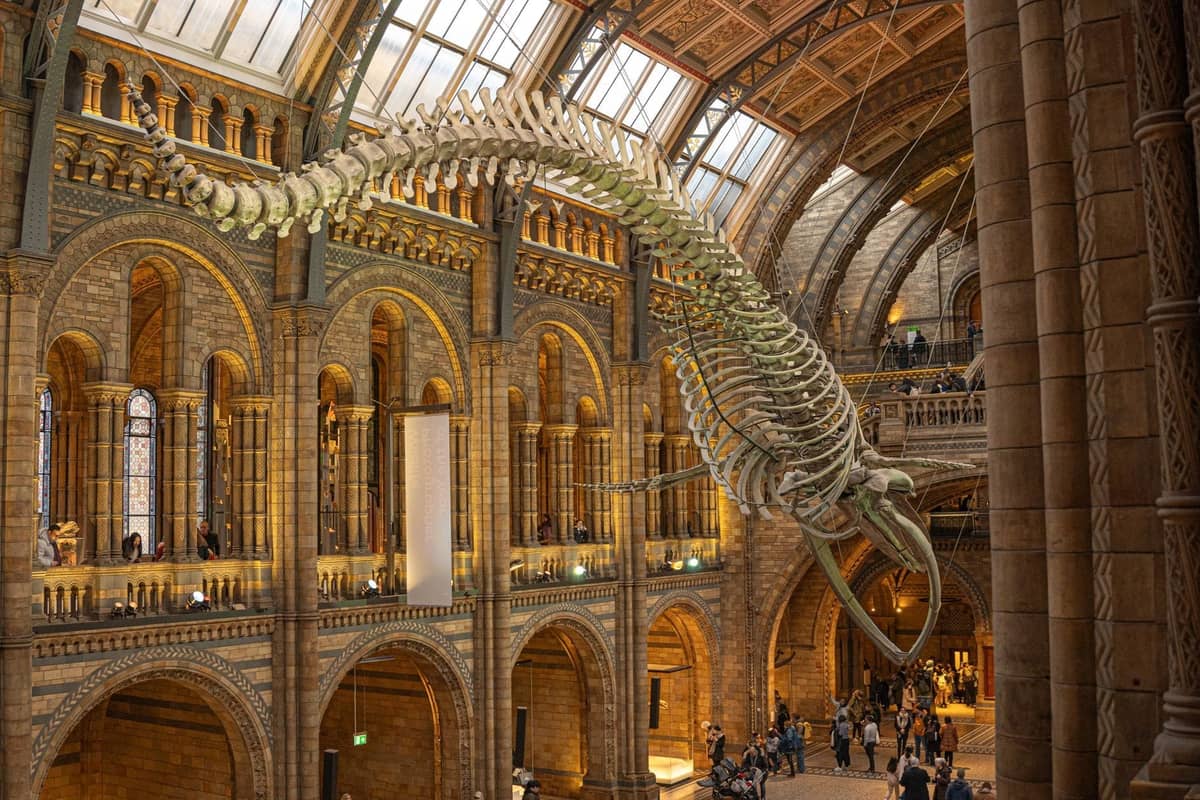
If your itinerary leans toward museums, Kensington and South Kensington make enormous practical sense. The Natural History Museum, the Victoria and Albert Museum, and the Science Museum are all within a five-minute walk of South Kensington station. Kensington Palace and Hyde Park are equally close.
The neighbourhood is residential, relatively quiet, and pleasant. It is also expensive. South Kensington sits in a Royal Borough and accommodation prices reflect that. Budget hotels are rare here. What you do get is a calmer atmosphere than the West End, reasonably quick Tube access (District and Circle lines, plus the Piccadilly line via Gloucester Road), and a neighbourhood that feels lived-in rather than entirely tourist-facing. For families visiting London with children, this is often the smartest base.
💡 Local tip
South Kensington is one stop from Sloane Square and two from Victoria on the District line. This makes it a practical base for day trips via Victoria Station as well as for accessing the rest of central London.
South Bank & London Bridge: Culture on the River
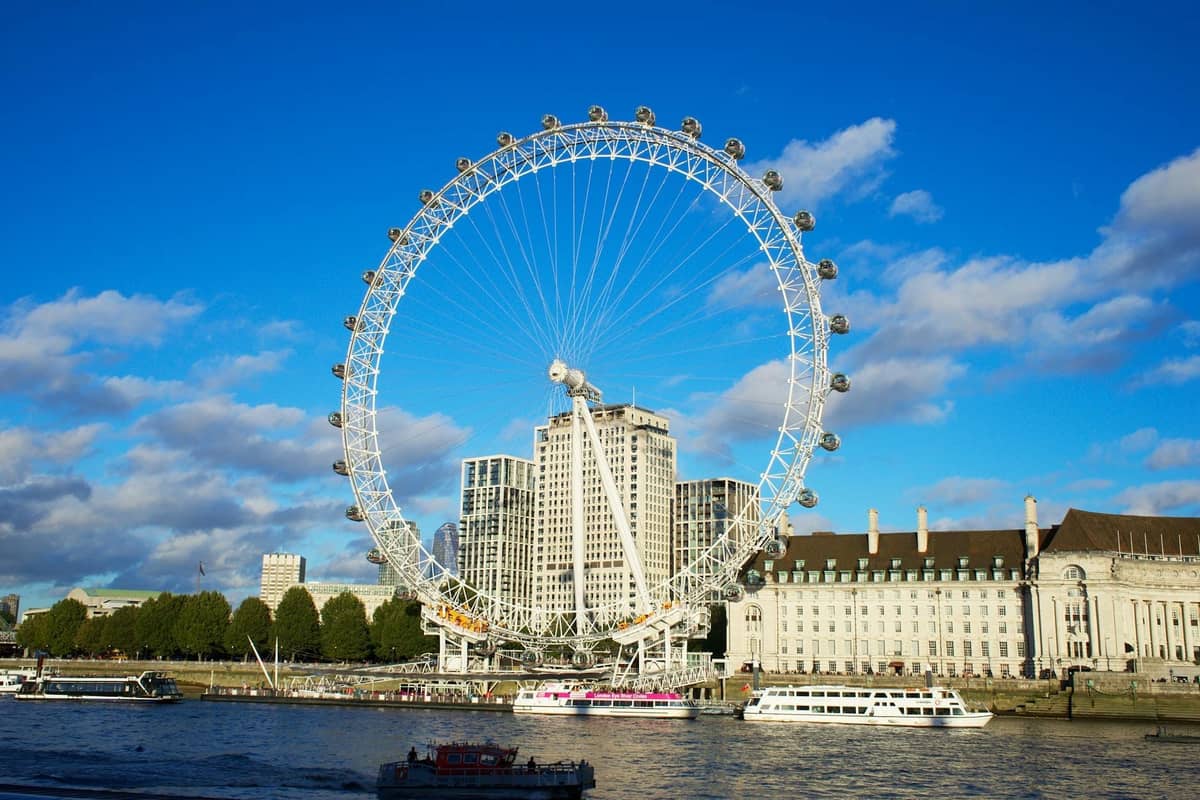
The South Bank is frequently underrated as a place to stay. The area runs along the south bank of the River Thames opposite the City and Westminster, and it packs in a remarkable amount. Tate Modern, the Shakespeare's Globe, the Southbank Centre, and Borough Market are all within a short walk of each other. The riverside walk itself is one of London's great free experiences.
London Bridge station sits at the eastern edge of this area and is one of the busiest commuter hubs in the city, served by National Rail, the Jubilee line, and the Bank branch of the Northern line. Waterloo station, at the western end of the South Bank, connects you to the Bakerloo, Jubilee, Northern, and Waterloo and City lines. Hotels here are often slightly more affordable than equivalent properties in Covent Garden or Mayfair, while keeping you within a 10-minute walk of the Thames and a short Tube ride from everywhere else.
Shoreditch & East London: For Food, Art, and Independence
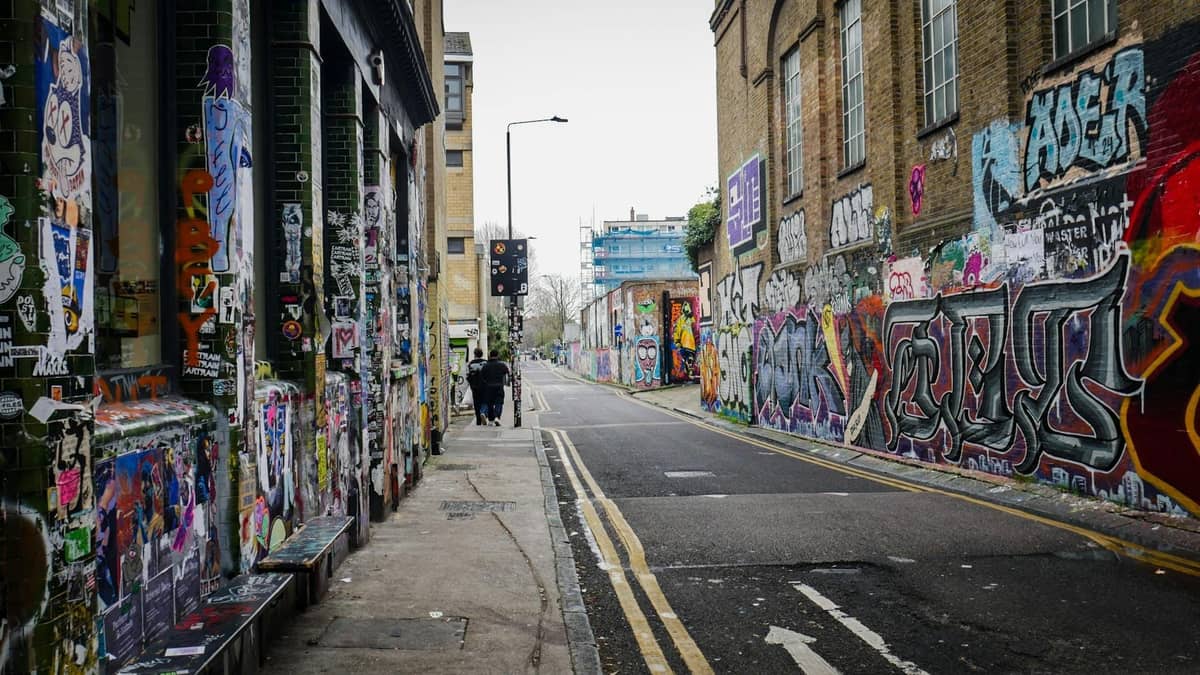
East London and Shoreditch have evolved from purely alternative hangouts into one of London's most interesting areas for visitors. The food scene is exceptional, the street art is worth seeing in its own right, and markets like Old Spitalfields Market and Brick Laneare distinctive. Liverpool Street station, just five minutes from Shoreditch High Street, connects to the Central, Circle, Hammersmith and City, and Metropolitan lines, plus National Rail and the Elizabeth line.
One caveat: Shoreditch is a nightlife district. Certain streets get loud on Friday and Saturday nights, and some hotels struggle with noise. The area also attracts enough visitors now that prices, particularly at weekends, can be surprisingly high. It is best suited to travellers who want an independent, urban experience and are comfortable navigating slightly further from the obvious tourist circuit. It is not ideal for very early mornings after quiet nights.
⚠️ What to skip
If you book in Shoreditch, check specifically what street the hotel is on. Shoreditch High Street and the roads immediately around it can be significantly noisier at weekends than streets one or two blocks back. Read recent reviews with noise specifically in mind.
Mayfair & St James's: The Luxury Tier
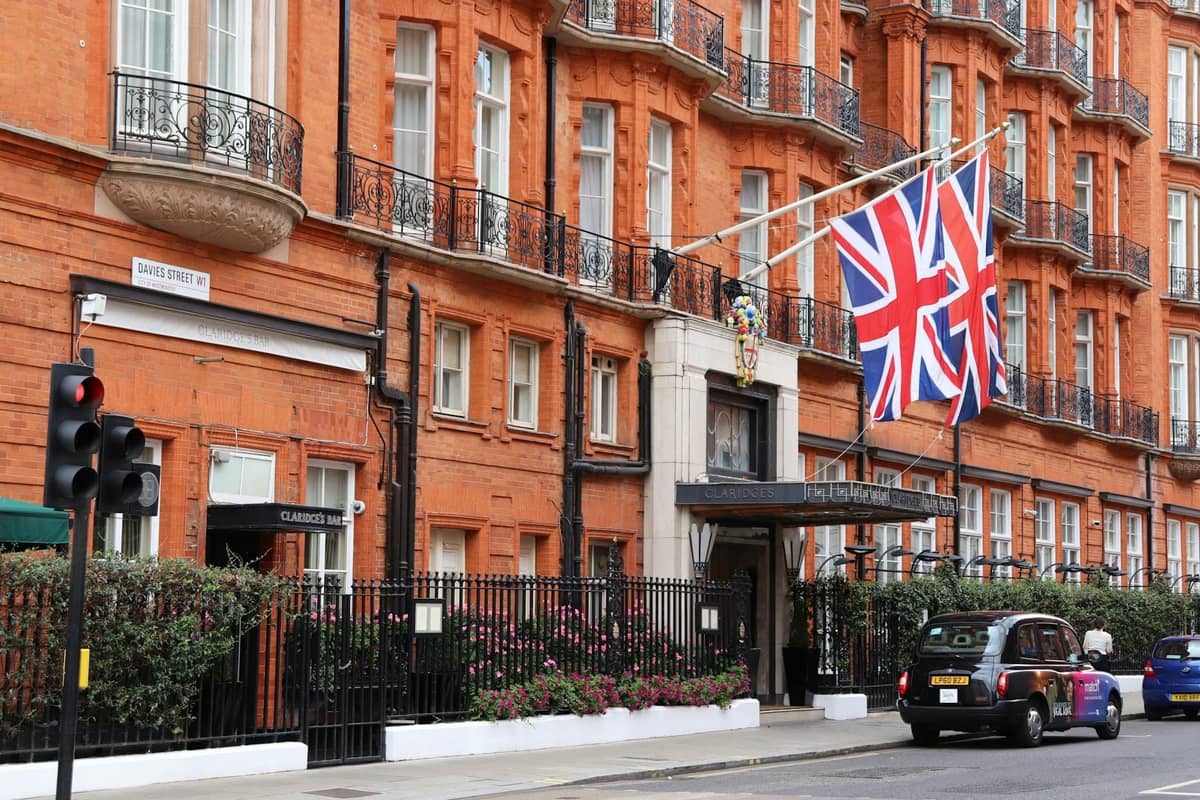
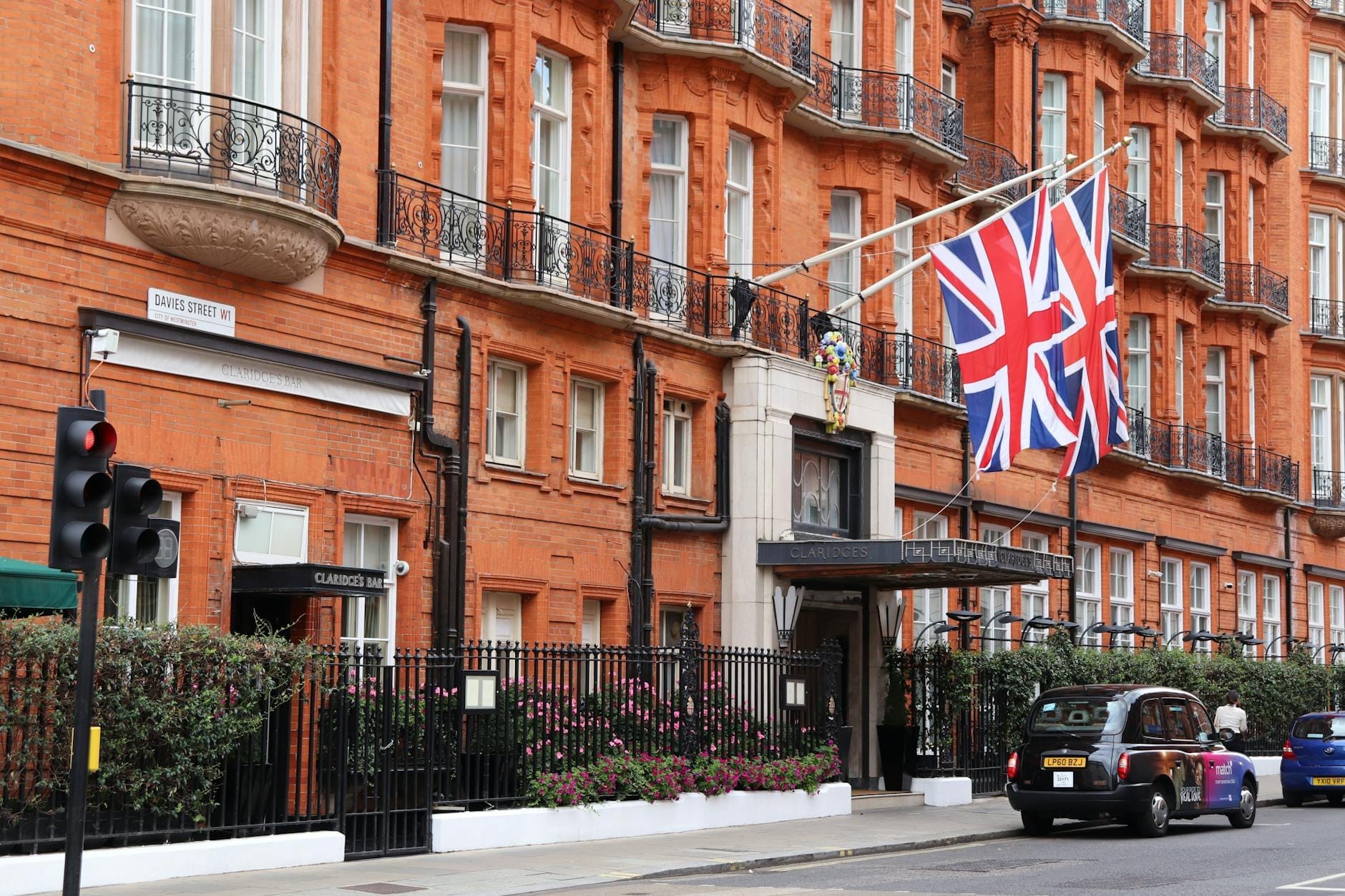
Mayfair is where London's most prestigious hotels cluster. Claridge's, The Connaught, The Dorchester, Brown's Hotel. The neighbourhood is positioned between Hyde Park to the west and Bond Street to the east, with Green Park and St James's Park to the south. It is as central as central London gets, with Bond Street, Green Park, and Hyde Park Corner stations all nearby.
For travellers whose priority is a luxury stay in an architecturally elegant area with concierge-level service, Mayfair delivers consistently. Prices reflect this. Four and five-star properties regularly run £400–£800+ per night, with suites at headline hotels running considerably higher. Mid-range options in Mayfair are rare. If budget matters, you would get more space and comparable access by staying in South Kensington or the South Bank.
Practical Factors: Booking Timing, Transport Zones & Seasonal Pricing
London's accommodation market has clear peaks. Summer (June through August) and the Christmas period (mid-December through New Year's Eve) see the highest demand and the highest prices. Central hotels frequently sell out weeks in advance during these periods. If your trip falls here, book as early as possible. The shoulder periods (roughly November through early December and January through March, outside major events) offer the best combination of lower rates and reasonable weather for indoor-focused sightseeing.
Transport zone matters for daily costs. Staying in Zone 1 or Zone 2 means lower pay-as-you-go fares on Oyster or contactless cards. A Zone 1-2 single journey currently costs around £3 during off-peak times. Staying in Zone 3 or beyond is not a problem if the hotel price saving justifies it, but factor in that you will be making more Tube journeys per day. The London on a budget guide covers transport cost strategies in more detail.
- Book central hotels at least 6–8 weeks ahead for summer, and earlier still for school holiday weeks in July and August.
- Use a contactless UK bank card or Oyster card rather than buying individual Tube tickets. Daily and weekly caps mean you cannot overspend on transport.
- Apartments and serviced flats in areas like Southwark, Bermondsey, or Whitechapel often offer better value per square metre than hotels in Zone 1.
- Avoid booking accommodation near major stations (Victoria, Waterloo, King's Cross) solely because they sound central. The areas immediately around these stations are often noisy and have less neighbourhood character than areas a few streets away.
- Check whether your hotel charges for Wi-Fi separately. Many London hotels, including some mid-range properties, still add daily internet fees that are not obvious at booking.
Neighbourhoods Worth Considering Beyond the Obvious
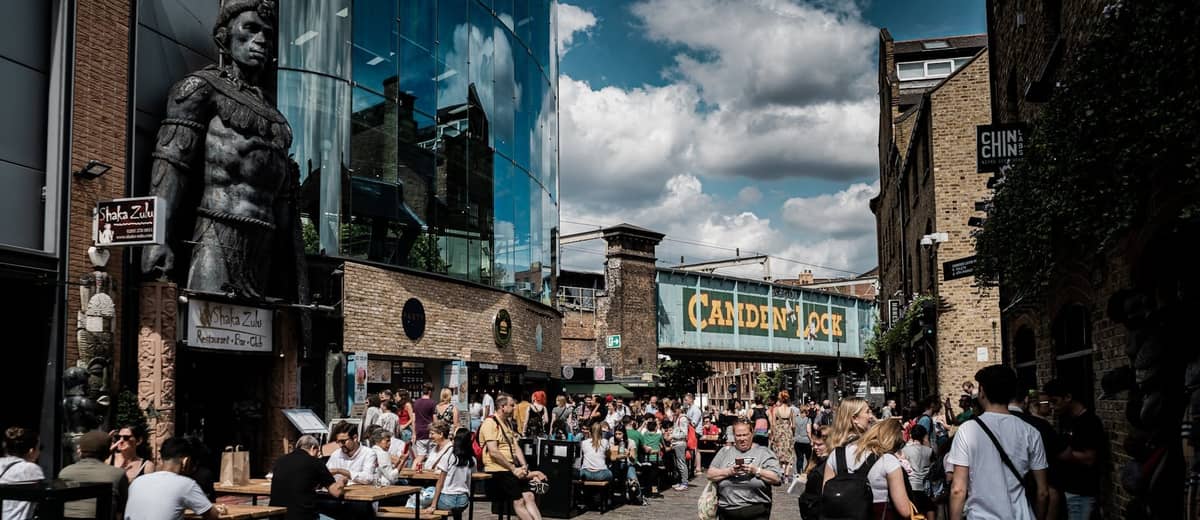
A few areas consistently get overlooked in standard accommodation guides. Bermondsey and London Bridge offer excellent restaurant options alongside solid Tube and National Rail connections. Camden suits visitors interested in markets and live music, with Northern line connections that get you to the West End in about 10 minutes from Camden Town station.
Notting Hill is worth considering if you are visiting in late August (for the Notting Hill Carnival) or are drawn to the Portobello Road Market on Saturdays. It is served by the Central line (Notting Hill Gate), which connects directly to the West End in under 10 minutes. The neighbourhood has more independent hotels and B&Bs than the immediate Mayfair or Covent Garden areas, and quieter streets than Soho.
Canary Wharf attracts almost exclusively business travellers and is not an obvious tourist base. However, the Jubilee line runs from Canary Wharf to Bond Street in around 10–12 minutes, and prices can be more competitive on weekends when business demand drops. If you find a good deal there, the transport access is better than many assume.
✨ Pro tip
Whitechapel and Aldgate, on the eastern edge of the City, offer Zone 1 hotel prices that are often 20–30% lower than equivalent properties in Covent Garden or Westminster, with District, Circle, Hammersmith and City, and Elizabeth line services all within a short walk. The area is straightforward and well-connected, even if it lacks the atmosphere of Soho or Shoreditch.
FAQ
What is the best area to stay in London for first-time visitors?
Covent Garden, Soho, and the area around Westminster are the most practical choices for a first trip. You can walk to major sights, the theatre district, and good restaurants without relying on the Tube for everything. South Bank is a strong alternative if you want similar access at slightly more competitive prices.
Is it worth staying in Zone 2 instead of Zone 1 to save money?
Often yes, depending on the specific area. Shoreditch, South Bank, and South Kensington all sit at the Zone 1-2 boundary and can offer better value than the most central Zone 1 hotels. Staying in Zone 2 proper (e.g., Camden, Bethnal Green, Whitechapel) can save £50–£100 per night while keeping Tube journey times under 15–20 minutes to the centre.
When is the cheapest time to book London hotels?
January, February, and November (outside Christmas) are typically the lowest-demand months. You will find both better availability and lower prices. Avoid the Christmas and New Year period, late July, and August school holidays if budget is a priority.
How much should I budget for a mid-range hotel in central London?
In central areas (Covent Garden, Soho, Westminster, South Bank), expect to budget £200–£350 per night for a decent mid-range hotel with good reviews. Prices in Mayfair and Kensington are higher, starting around £300 and rising steeply. Budget options with shared facilities exist but tend to start around £60–£90 per person per night in hostels.
Is Shoreditch a safe area to stay in London?
Shoreditch is a well-used, commercially active area and broadly safe for visitors. Like any urban area, normal precautions apply, particularly late at night when the nightlife crowd is out. Like most central nightlife districts, it has higher levels of certain crimes such as theft and antisocial behaviour than many suburban residential areas. For general safety information before your trip, the official Metropolitan Police crime data and UK Government travel advice are the most reliable sources.