Kensington & Chelsea is London's smallest borough but one of its most layered: a place where world-class museums share postcodes with royal palaces, Michelin-starred restaurants, and the pastel-fronted streets of Notting Hill. It rewards slow exploration on foot far more than any hop-on, hop-off route.
Kensington & Chelsea packs more cultural weight per square mile than almost anywhere else in London. Royal palaces, three of the world's finest free museums, serious shopping, and quiet garden squares all sit within walking distance of each other in a borough that is simultaneously one of the city's most visited and most residential.
Orientation
Kensington & Chelsea occupies the western reaches of Inner London, covering roughly 4.6 square miles between the City of Westminster to the east and the London Borough of Hammersmith & Fulham to the west. The River Thames forms the borough's southern boundary, sweeping past Chelsea Embankment and Battersea Bridge before curving away toward Westminster. Despite its compact footprint, it is one of the most densely populated administrative areas in the United Kingdom.
The borough divides naturally into distinct sub-areas that each carry their own feel. In the north, North Kensington and Notting Hill spill into one another along Ladbroke Grove and Portobello Road. Moving south along Kensington Church Street, you descend into Kensington proper, with High Street Kensington at its commercial heart. Continue south past the Underground line and you enter South Kensington, the borough's museum quarter, anchored by Exhibition Road. Further south still, Brompton and then Chelsea carry the borough down to the Embankment.
Knightsbridge sits on the borough's eastern edge, where Kensington Road meets Brompton Road and the density of wealth becomes almost architectural in its visibility. Sloane Square marks the southeastern corner, where Chelsea begins in earnest. Earl's Court and West Brompton fill out the western side, offering a more ordinary, residential London that provides useful perspective on everything grander nearby.
ℹ️ Good to know
Kensington & Chelsea is officially the Royal Borough of Kensington and Chelsea (RBKC), one of only three royal boroughs in London. The title dates from its predecessor borough of Kensington, which was granted royal status in 1901.
Character & Atmosphere
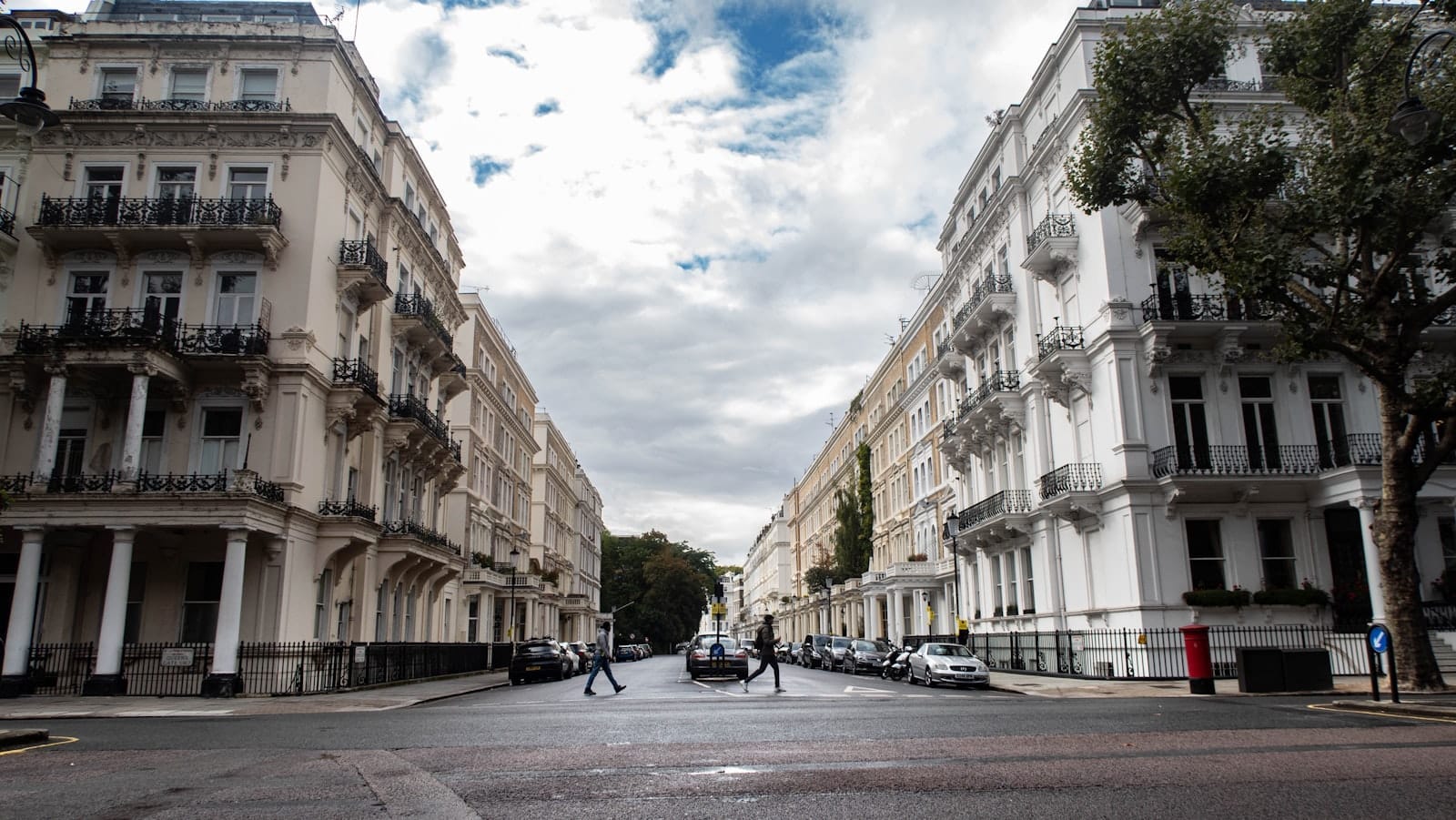
Walking through Kensington & Chelsea at different times of day reveals a place with more layers than its postcard image suggests. Early mornings around South Kensington are quiet: the residential streets off Onslow Square and Pelham Crescent are almost entirely still, broken only by the sound of school runs and the occasional fox picking through a recycling bag. The architecture is extraordinary up close, all cream stucco and wrought-iron railings, and at 8am you can have it almost entirely to yourself.
By mid-morning the character shifts. Portobello Road in Notting Hill starts filling from around nine o'clock on Saturdays, the antiques dealers setting out trays under the Westway flyover as regulars negotiate before the tourist crowds arrive. Exhibition Road in South Kensington fills steadily from ten as the museums open. The streets between South Kensington station and the Natural History Museum's main entrance can feel like a school trip at its most intense on weekday mornings: dozens of groups converging on the same stretch of pavement.
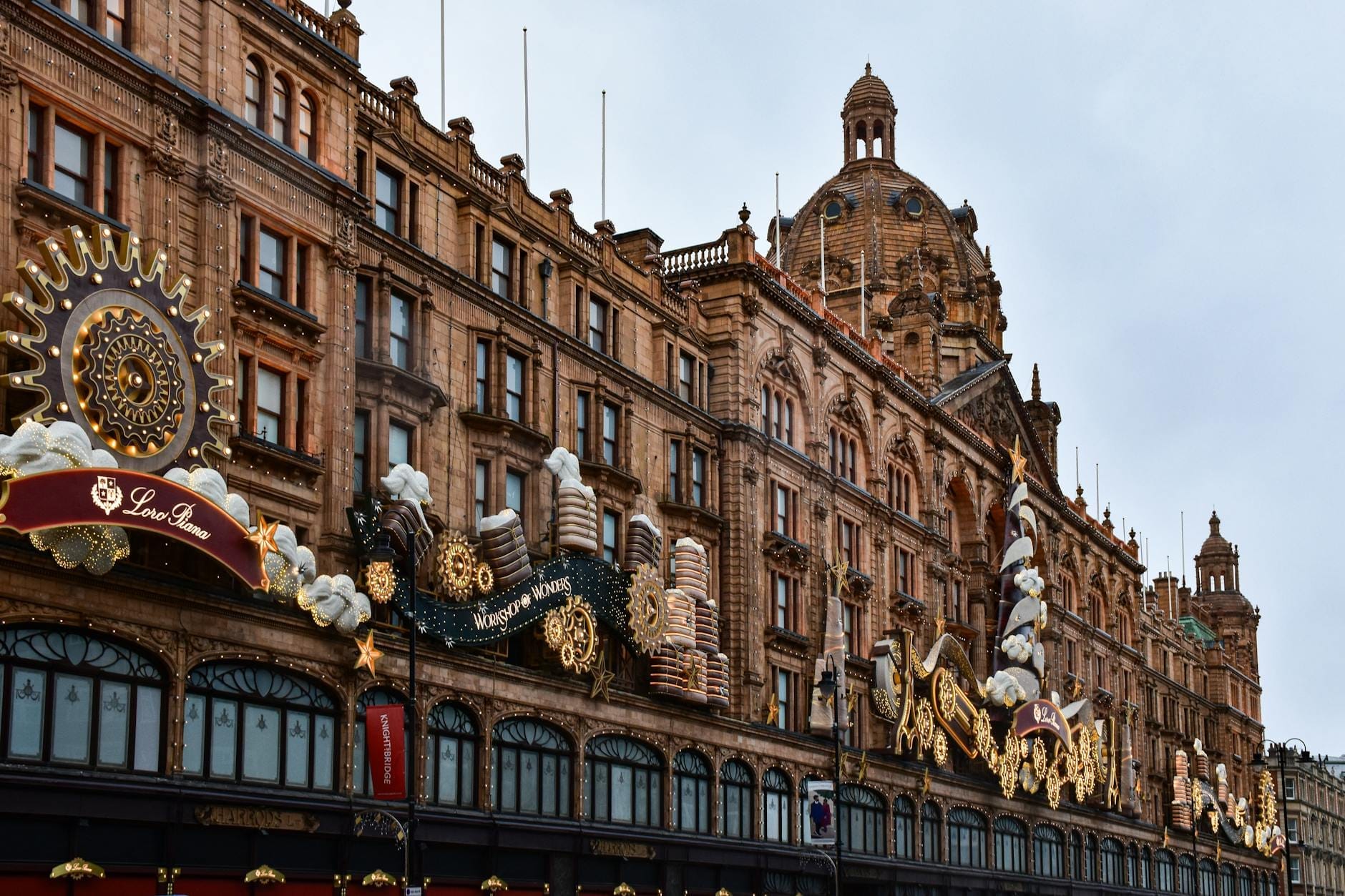
Afternoons belong to Chelsea and Knightsbridge in a different register entirely. The stretch of the King's Road from Sloane Square toward World's End has a particular mid-afternoon energy: independent boutiques alongside well-known brands, café tables occupied by people who do not appear to be in any hurry. Harrods on Brompton Road draws its own crowd continuously, and the streets immediately around it become congested with coaches and tour groups from around eleven onwards. Walking one block away from Harrods toward Beauchamp Place or Pont Street immediately returns you to something that feels like a real neighbourhood.
After dark, the borough's character fragments by postcode. Chelsea's streets around the King's Road and Fulham Road retain a lively bar and restaurant scene well into the evening. Notting Hill's Westbourne Grove becomes one of London's better areas for a long dinner without the West End noise. South Kensington quietens sharply once the museums close, which suits its primarily residential character. The borough is not a nightlife destination in the same way that Shoreditch or Soho are, and that is, for many visitors, exactly the point.
What to See & Do
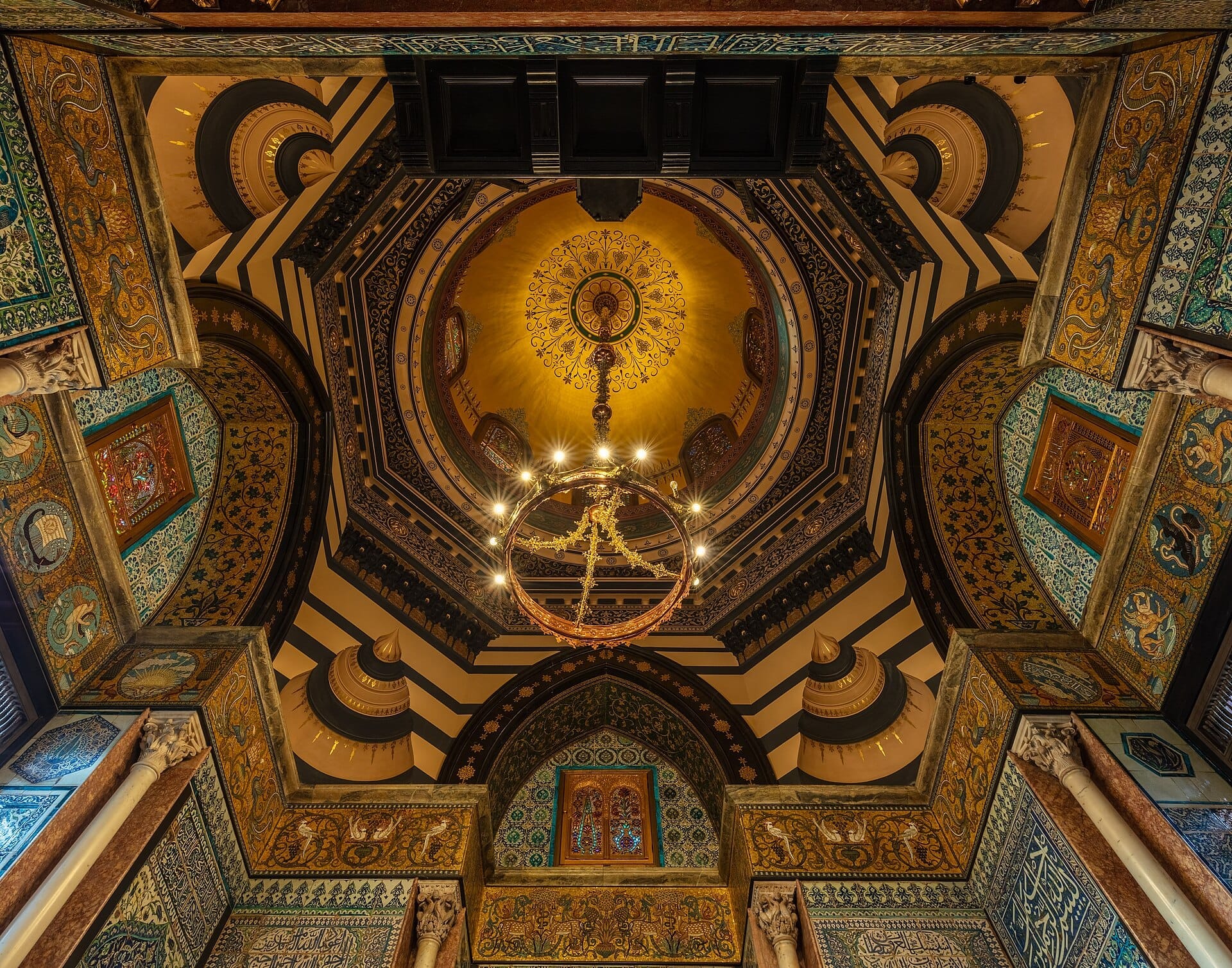
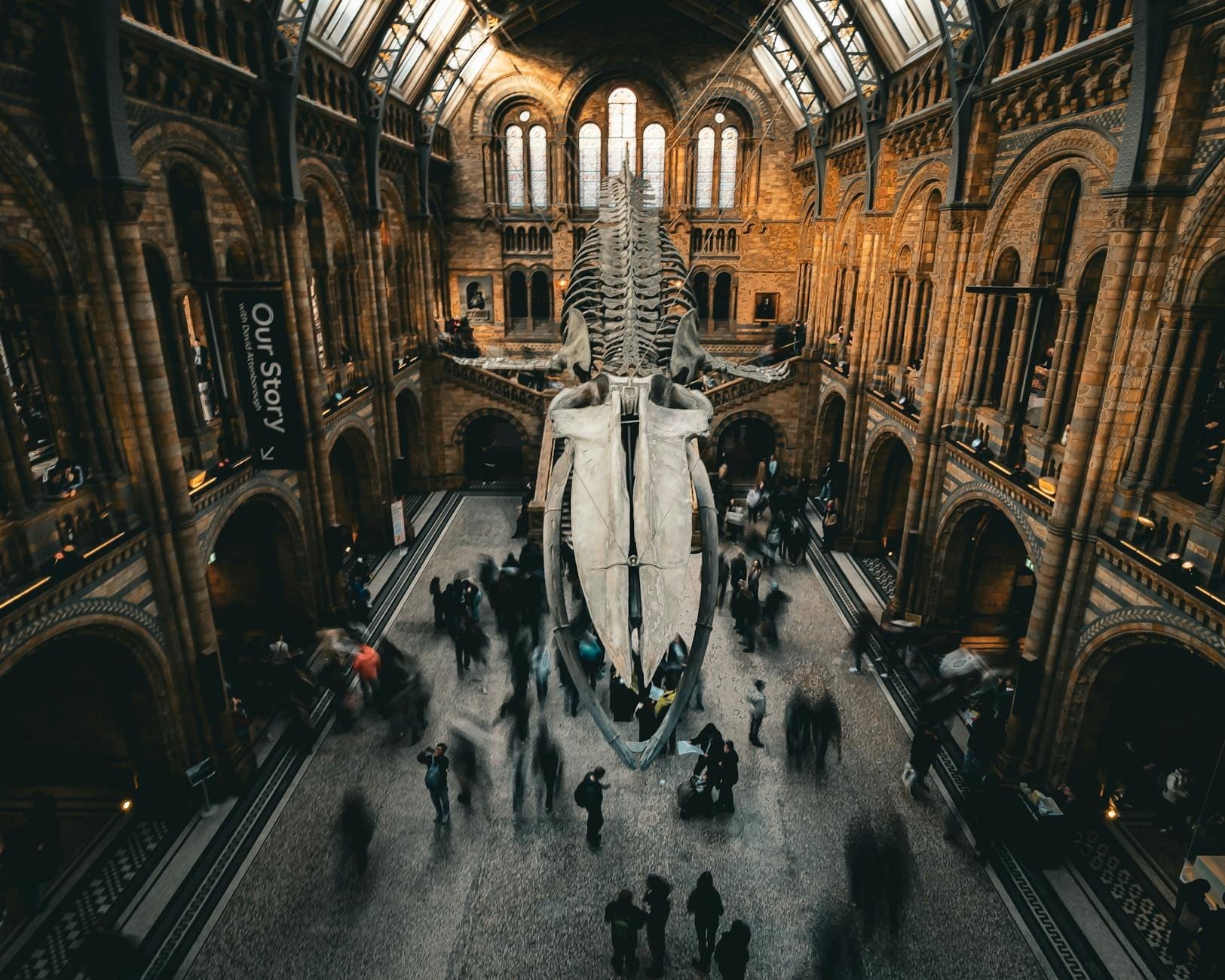
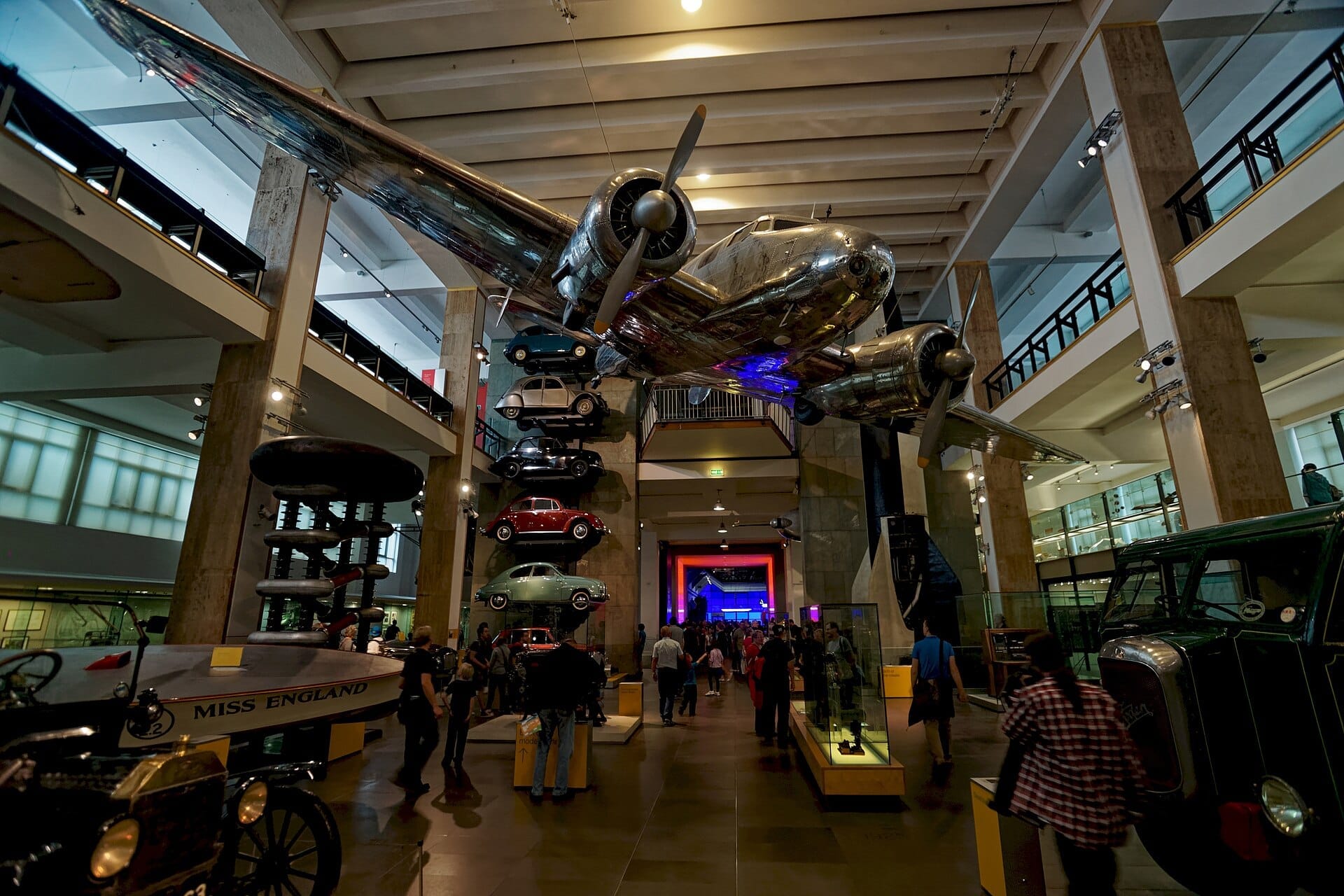
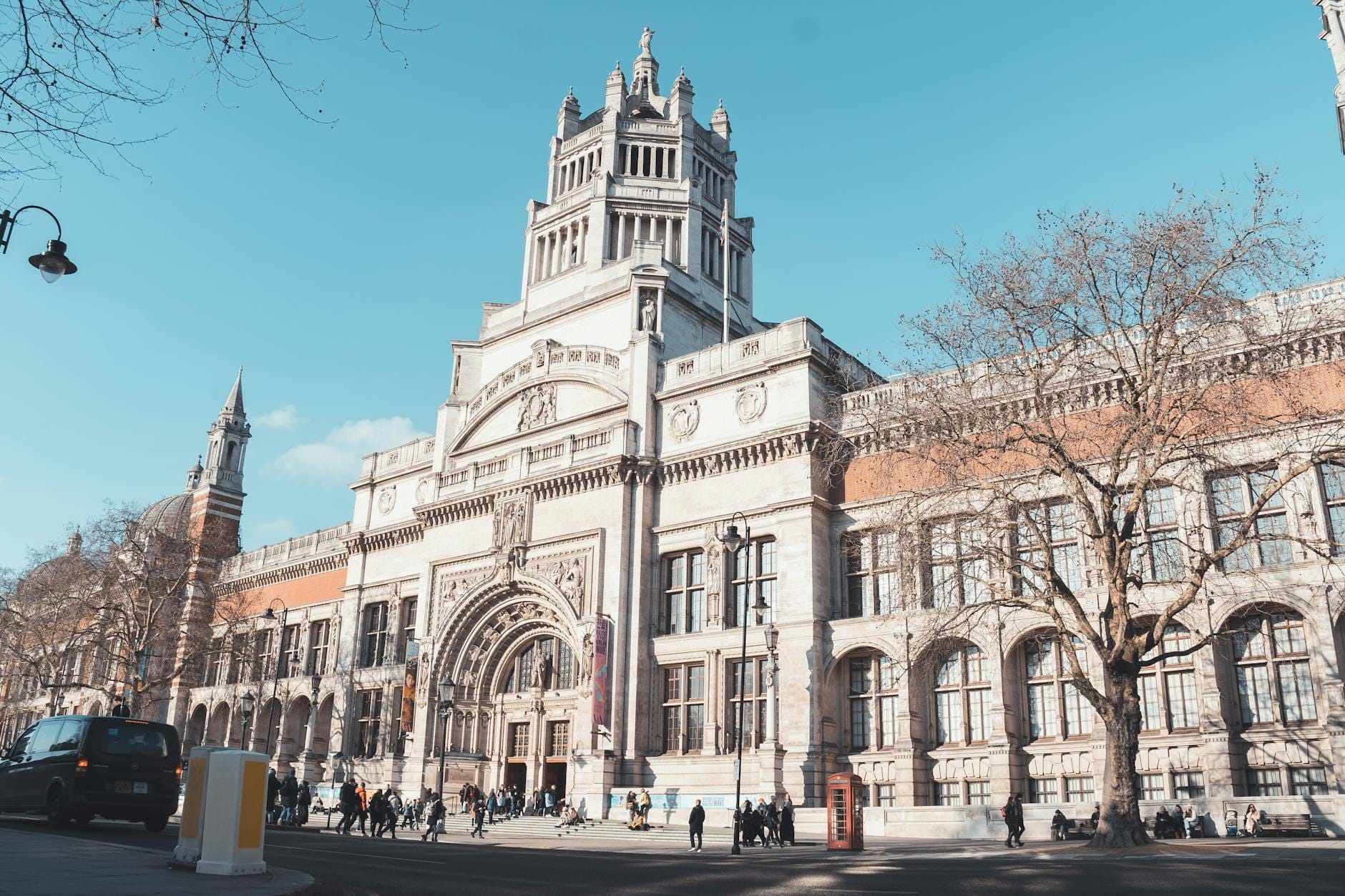
The concentration of free world-class museums along Exhibition Road is the borough's single most compelling reason to visit. The Natural History Museum, the Victoria and Albert Museum, and the Science Museum sit within a few hundred metres of each other, all free to enter and all excellent. Plan at least a full day if you intend to do justice to even two of them. The V&A in particular rewards unhurried visits: its fashion, ceramics, and cast courts can absorb an entire afternoon.
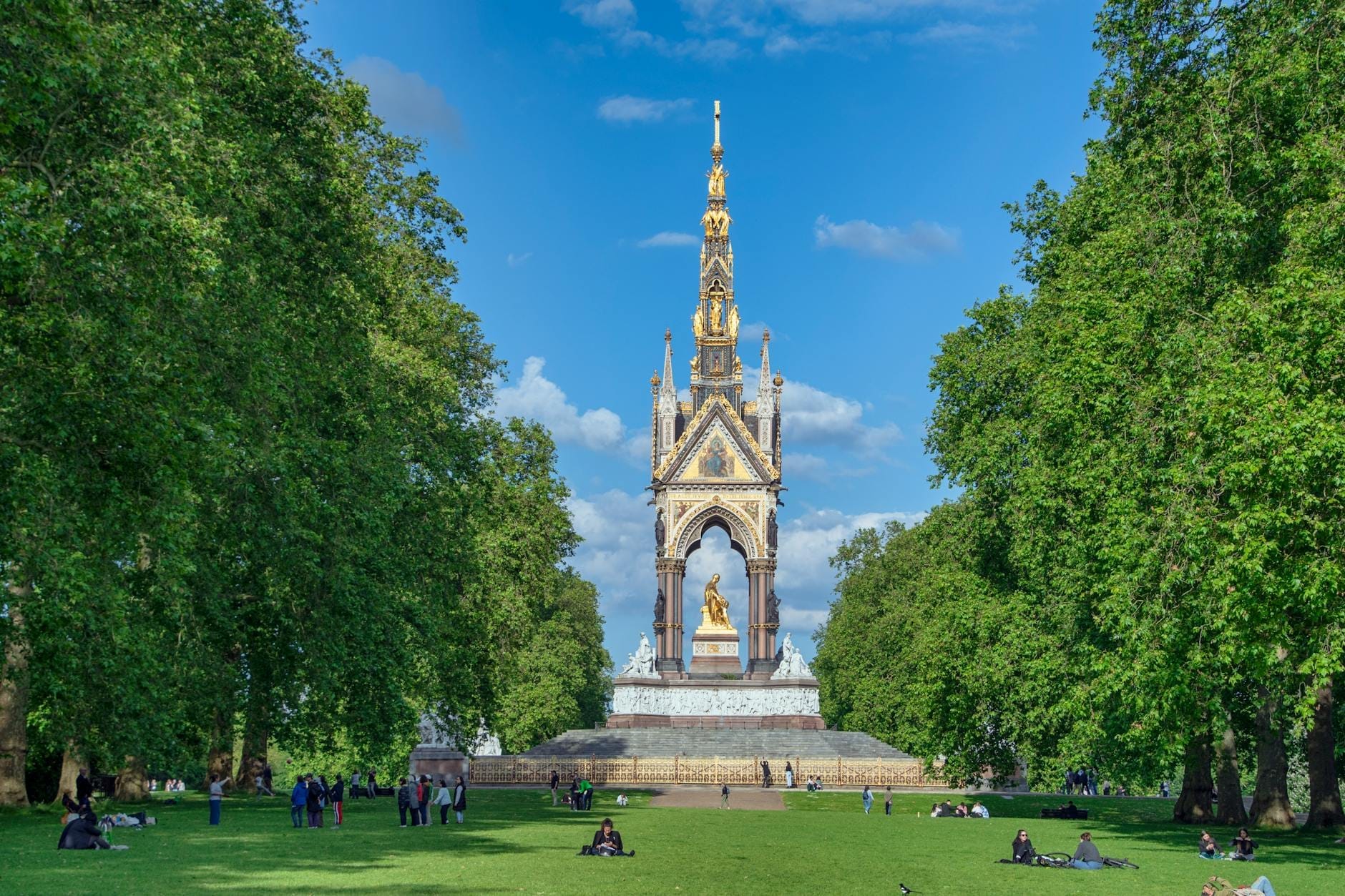
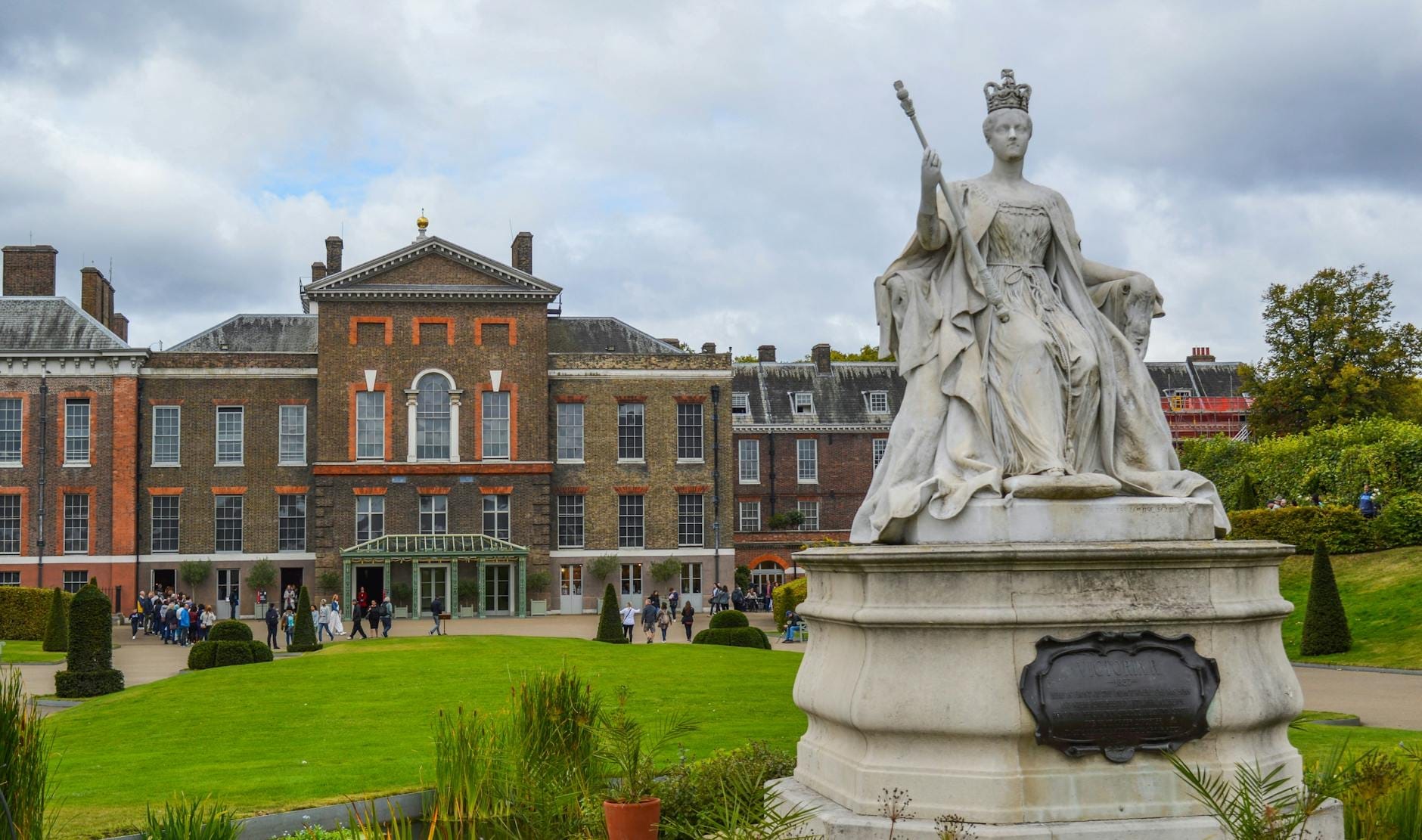
Kensington Palace, on the western edge of Kensington Gardens, is the borough's most significant royal landmark and one of the better historic palace visits in London: less overwhelming in scale than Buckingham Palace and considerably more intimate. The State Rooms and the permanent exhibition on royal dress are worth the admission fee. The gardens themselves extend into Hyde Park to the east and are among the finest open spaces in the city, particularly around the Long Water and the Serpentine Gallery.
Portobello Road MarketPortobello Road Market in Notting Hill operates in different modes across the week. Friday and Saturday bring the full antiques market under the Westway, along with fruit and vegetable stalls, vintage clothing sellers and street food. On other days it reverts to a quieter local market. The streets around it, particularly Ledbury Road and Westbourne Grove, contain some of the best independent shopping in West London.
Natural History Museum: free entry, open daily, the whale hall and Darwin Centre alone justify the visit
Victoria and Albert Museum: free entry, applied arts and design collection spanning 5,000 years
Science Museum: free entry, particularly strong for families with the interactive galleries
Kensington Palace: paid entry, royal state rooms and gardens
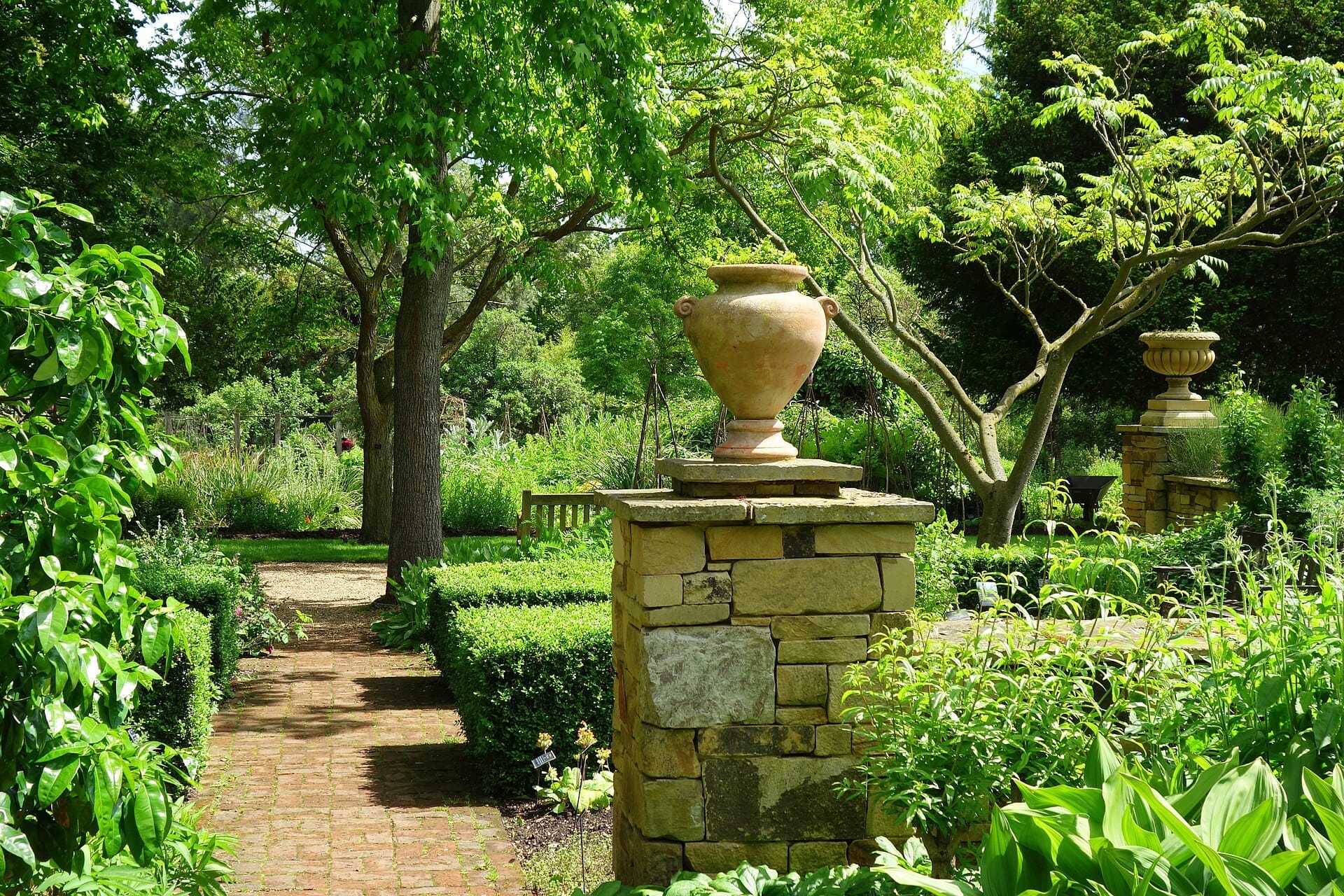
Chelsea Physic Garden: small, specialist botanical garden on the Embankment, paid entry
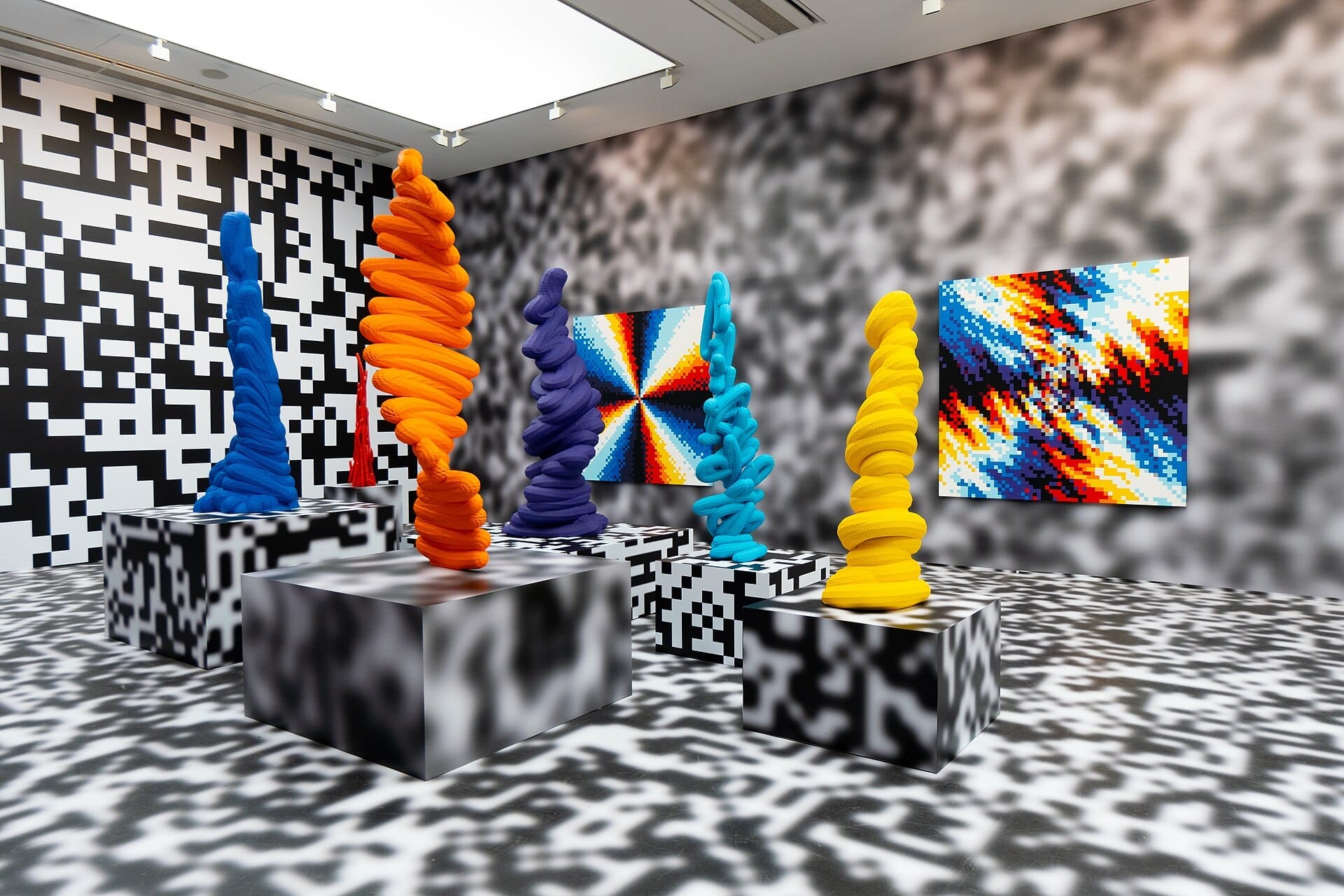
Saatchi Gallery: free entry on Duke of York's Square in Chelsea, contemporary art
Serpentine Galleries: free entry, contemporary art in Kensington Gardens
The Chelsea Physic Garden near Chelsea Embankment is one of London's most undervisited institutions: a working botanical garden established in 1673 by the Society of Apothecaries, tucked behind high walls on Royal Hospital Road. It is only open on certain days, so check ahead. Nearby, the Saatchi Gallery on Duke of York Square brings a strong contemporary art programme to Chelsea, and entry is free.
💡 Local tip
If you are visiting the South Kensington museums on a weekday, arrive at opening time (usually 10am) and go straight to whichever gallery or exhibit you most want to see. By midday the most popular areas — the dinosaur hall at the Natural History Museum, the V&A's fashion galleries — become congested. Pre-booking a timed entry slot is free and strongly recommended for peak periods.
Eating & Drinking
The food scene across Kensington & Chelsea spans almost every price point but skews expensive in ways that reflect the borough's demographics. Budget meals are difficult to find in Knightsbridge or the heart of Chelsea. South Kensington has more mid-range options concentrated around Old Brompton Road and the streets immediately south of the museums. Notting Hill and Westbourne Grove offer some of the best quality-to-price ratio in the borough.
Westbourne Grove and Ledbury Road in Notting Hill contain a concentration of restaurants and cafés that function as a proper neighbourhood dining scene rather than a tourist circuit. The cuisine ranges from French bistro to Japanese, with several places that have been running for years and are packed with local regulars on weekend evenings. This is the part of the borough where you are most likely to have a good meal without having researched extensively in advance.
Chelsea's King's Road has both reliable mid-range options and expensive destination restaurants, particularly in the stretch between Sloane Square and South Kensington. The Fulham Road parallel to it tends to attract slightly more serious restaurants with less foot-traffic pricing. For a specific London institution, the area around Sloane Square and the Duke of York Square market has a good Saturday food market that operates alongside the weekly farmers' market.
Knightsbridge is where you go to spend money deliberately. The Harrods food halls are worth a visit in their own right as a piece of retail theatre, even if you are not buying. Brompton Road and Sloane Street host some of London's most formal dining rooms, including multiple Michelin-starred establishments. South Kensington's Old Brompton Road runs to reliable French brasserie-style restaurants and a stretch of cafés that do a reasonable trade with museum visitors.
⚠️ What to skip
The restaurants and cafés immediately adjacent to museum entrances on Exhibition Road and Cromwell Road tend to charge a significant premium for their convenience. Walking two or three streets south or east into the residential grid almost always brings better value and quality.
Getting There & Around
The London Underground serves Kensington & Chelsea extensively. South Kensington station sits on the Circle, District and Piccadilly lines and is the key gateway to the museum quarter: it is about a five-minute walk to the Natural History Museum and the V&A, and around ten minutes to Kensington Palace. High Street Kensington serves the Circle and District lines and works well for Kensington Gardens and the central parts of the borough. Sloane Square (Circle and District) is the entry point for Chelsea. Notting Hill Gate connects the Central, Circle and District lines and is one of the closest stations to Portobello Road.
Earl's Court station (District and Piccadilly lines) sits toward the western side of the borough and is useful for accommodation in that area. Knightsbridge station on the Piccadilly line deposits you directly between Harrods and Hyde Park, which is exactly where most visitors to Knightsbridge want to be. All of these stations accept Oyster cards and contactless bank cards, which give better fares than buying single tickets.
Bus routes along Kensington Road, Brompton Road and the King's Road provide surface-level alternatives to the Tube and allow you to see the streetscape as you travel. The number 360 and 74 are particularly useful for cross-borough journeys. Walking is viable between many points in the borough: South Kensington station to Knightsbridge is around 15 minutes on foot, and the walk through Kensington Gardens from High Street Kensington to the Serpentine takes about 25 minutes. For a broader orientation of how the neighborhood connects to the rest of London, thegetting around London guide covers Tube zones, Oyster fares, and walking routes in detail.
Cycling is feasible within the borough using the Santander Cycles hire scheme, with docking stations at most major points including outside the museums and along the Embankment. The route through Kensington Gardens and Hyde Park is largely traffic-free and connects the borough westward toward Notting Hill and eastward toward Marble Arch and Oxford Street.
Where to Stay
Accommodation in Kensington & Chelsea covers a wide range, but the overall price level is higher than comparable options in, say, the South Bank or East London. South Kensington and Earl's Court have the densest concentration of hotels and serviced apartments at mid-range prices, driven by proximity to the museums and good Tube connections. This part of the borough suits first-time visitors who want to use the neighbourhood as a base for the whole city: the Piccadilly line from South Kensington takes you to Covent Garden in around 15 minutes, and the District line connects to the South Bank at Embankment.
Knightsbridge and Chelsea carry some of London's most expensive hotel addresses, including several landmark properties on or near Sloane Street and the Brompton Road. These suit travellers for whom proximity to serious shopping and formal dining is a priority. Notting Hill has a smaller selection of boutique hotels and B&Bs in converted townhouses, which appeal to visitors who want the residential character of the neighbourhood rather than a hotel-district experience.
For a broader view of where to base yourself across the city before committing to Kensington & Chelsea, the where to stay in London guide compares all major neighbourhoods by price, transport links, and visitor type.
💡 Local tip
Earl's Court offers some of the best-value hotels in this part of London, with fast Tube connections east toward the West End and west toward Heathrow via the Piccadilly line. It lacks the architectural drama of South Kensington or Notting Hill but is a practical base for travellers who want to keep accommodation costs reasonable in an otherwise expensive borough.
Practical Notes & Worth Knowing
Kensington & Chelsea is not a neighbourhood for everyone. It is expensive in ways that go beyond just hotel rates: a coffee, a meal, a cab, a Saturday afternoon of window shopping on the King's Road all cost more here than in equivalent parts of East or South London. The borough's residential character means that outside of the museum strip and Portobello Road on Saturdays, many streets are quiet in ways that can feel anticlimactic if you are looking for energy or spontaneity.
The tourist pressure around the South Kensington museums and Knightsbridge is real and worth planning around. The stretch of Cromwell Road between the Natural History Museum and the Gloucester Road junction is one of the more dispiriting pieces of streetscape in central London, lined with tourist-facing hotels and mediocre restaurants. The museums themselves are excellent; the immediately surrounding environment is not. Walking two or three streets into the residential grid east or south of the museums reveals immediately why people pay substantial sums to live here.
On the question of safety: Kensington & Chelsea is generally considered one of the lower-crime inner London boroughs for the types of incidents most likely to affect visitors, but as with anywhere in a major city, standard precautions apply, particularly around busy tourist areas where bag theft and distraction techniques occur. The Metropolitan Police publishes ward-level crime data for anyone wanting specific figures. For general London-wide safety guidance, the London safety tips guide is a useful starting point.
First-time visitors to London who want to understand how Kensington & Chelsea connects to the wider city's major sights should look at the London for first timers guide and the best museums in London guide, which puts the South Kensington institutions into context alongside the British Museum, the National Gallery, and the Tate.
TL;DR
Best for: museum lovers, culture-focused visitors, first-timers wanting a residential West London base, shoppers with serious budgets
Top draws: Natural History Museum, Victoria and Albert Museum, Kensington Palace, Portobello Road Market, Chelsea's garden squares
Honest caveat: expensive across the board; tourist congestion around Exhibition Road and Knightsbridge is heavy from mid-morning; limited nightlife compared to East or South London
Transport: excellent Tube coverage via District, Circle and Piccadilly lines; walkable between many key points; Heathrow reachable in around 45 minutes via Piccadilly line from Earl's Court or South Kensington
Who should skip it: budget travellers looking for affordable dining and nightlife would find better value in Shoreditch, Brixton, or Bermondsey
Afternoon tea in London ranges from grand hotel rituals at £95 per person to relaxed neighbourhood spreads under £50. This guide covers the top venues across every budget, how to book, what to wear, and which hyped spots are actually worth it.
London has more world-class museums than almost any city on Earth, and the majority are free. This guide covers the essential institutions across art, history, science, design, and beyond, helping you plan your visits with confidence.
London has more parkland per capita than almost any major world city, and its eight Royal Parks alone cover just under 4,900 acres of public green space. This guide covers the finest parks across the city, from the grand central Royal Parks to wilder escapes on the edges of Greater London.
London rewards visitors in every season, but the experience shifts dramatically depending on when you go. This guide breaks down crowd levels, weather, prices, and key events month by month so you can plan a trip that matches exactly what you want from the city.
London's skyline is one of the world's great visual spectacles, mixing centuries-old domes with glass towers and royal parks. This guide covers the best places to see it all — free rooftop gardens, paid observation decks, hilltop parks, and river vantage points that reward at any time of day.
London is perfectly placed for world-class day trips. Whether you want a Tudor palace on the Thames, a city of dreaming spires, or a prehistoric stone circle, all of it is within two hours. This guide covers the best options, how to get there, and what to prioritise.
London is one of the world's great free cities. From world-class museums and contemporary art galleries to royal parks, iconic walks, and spectacular viewpoints, this guide covers the best experiences in London that are completely free to enjoy.
London has one of the most comprehensive urban transport networks in the world, covering 9 million residents across 1,572 km² of Greater London. This guide breaks down every option, from the Tube to river buses, with fare details, airport transfer routes, and insider tips to save time and money.
London gave the Wizarding World its real-world addresses, from the glass-roofed arcade that stood in for Diagon Alley to the Islington townhouses of Grimmauld Place. This guide covers every major filming location, the Warner Bros. Studio Tour, how to get there, and what to skip — with practical advice on crowds, costs, and what each spot actually looks like in person.
London has six airports, and choosing the wrong one can add hours and serious cost to your journey. This guide breaks down Heathrow, Gatwick, Stansted, Luton, City, and Southend with practical advice on every transport option, realistic fares, and which airport actually suits your trip.
London's food scene is one of the most diverse and underrated in the world. This guide cuts through the noise to tell you what to actually eat, which neighbourhoods to target, what things cost, and how to avoid the tourist traps.
London is one of the world's great cities, spanning 1,572 km² across 32 boroughs with 9.1 million residents and over 300 languages spoken. This guide covers everything a first-time visitor needs: how to get in, how to get around, which neighborhoods to prioritize, what to book in advance, and the practical details that make the difference between a stressful trip and a great one.
London rewards those who look beyond the headline attractions. From ruined churches turned secret gardens to world-class free museums tucked down side streets, these are the places locals love and most visitors miss entirely.
London's hop-on hop-off buses are everywhere, but are they the smartest way to see the city? This guide breaks down the main operators, what you get for your money, who benefits most, and when to skip the pass entirely.
December transforms London into one of Europe's most atmospheric winter destinations. From Hyde Park Winter Wonderland to the South Bank's riverside market stalls, this guide covers everything you need to plan a memorable Christmas visit, including what to skip, what to book in advance, and how to get around without the crowds.
Summer in London runs from late June through August and delivers a different city: long daylight hours, royal parks at their peak, and a packed calendar of festivals, sporting events, and outdoor culture. This guide covers what to expect, what to book in advance, and what to skip.
Three days in London is enough to cover the essential sights, explore a couple of neighbourhoods, and get a real feel for the city. This itinerary is built around practical logistics, clear priorities, and current ticket prices so you can spend less time planning and more time exploring.
Five days in London is enough to cover the iconic landmarks, explore distinct neighbourhoods, and still have time to eat and drink well. This day-by-day guide cuts through the noise with specific recommendations, realistic timings, and practical advice on what is worth your time.
London's market scene spans 1,000-year-old food halls, world-famous antiques rows, and creative street markets under Victorian ironwork. This guide covers the best across every category, with practical tips on when to go and what to expect.
London's nightlife spans everything from underground warehouse raves in Greenwich to velvet-rope cocktail bars in Mayfair. This guide breaks down the best areas, top clubs, practical costs, and the timing tricks that separate a great night from an expensive disappointment.
London has a reputation for expense, but a well-planned trip can be surprisingly affordable. From world-class free museums to discount West End seats and Oyster card tricks, this guide covers every practical angle for stretching your pounds in one of Europe's great capitals.
The London Pass promises access to 100+ attractions for a flat daily fee. But does it actually save you money? This guide breaks down the real costs, the best use cases, and who should skip it entirely.
The River Thames is the backbone of London, stretching 215 miles through southern England and shaping the city's history, skyline, and daily life. This guide covers sightseeing cruises, the Thames Path, riverside eating and drinking, water sports, and the key landmarks you'll pass along the way, with practical advice on what's worth your time and what to skip.
London is a remarkably safe city for its size, but petty theft and tourist-targeted scams are real risks. This guide covers the most common threats, where they happen, and exactly what to do to protect yourself and your belongings.
London's shopping scene spans everything from 300-store Oxford Street to Sunday flower markets in the East End. This guide covers the best streets, markets, and stores by category, with practical advice on timing, crowds, and where your money actually goes furthest.
Getting from London to Amsterdam is one of Europe's most popular city-to-city trips. This guide breaks down every option — Eurostar, budget flights, overnight ferry, and long-distance coach — with realistic journey times, current price ranges, and advice on which suits your trip.
Covering every way to travel between London and Edinburgh, this guide breaks down real journey times, current price ranges, and which option makes sense depending on your budget, schedule and priorities. The answer is not always what you expect.
There are three realistic ways to get from London to Paris: the Eurostar train, a short-haul flight, or an overnight coach. This guide breaks down journey times, realistic fares, booking strategy, and the practical details that trip-planning sites usually skip.
London rewards walkers more than almost any other city. From the medieval lanes of the Square Mile to the riverbanks of the South Bank, the best way to understand this city is on foot. This guide covers guided group tours, official City of London walks, tip-based 'free' options, and self-guided routes, with practical advice on pricing, booking, and when to show up.
London is one of the world's great family destinations, with free world-class museums, royal parks, river adventures, and enough child-friendly attractions to fill a week. This guide cuts through the noise with practical advice on what's worth booking in advance, what's actually free, and how to keep the whole family sane on the Tube.
From Mayfair's grand hotels to Knightsbridge's world-class restaurants and private cultural experiences, this guide covers everything you need to plan a high-end stay in London. Expect specific neighbourhood advice, booking strategies, and clear assessments of where the money is well spent.
London is one of the world's great photography cities, with iconic landmarks, colourful streets, and unexpected architectural gems around every corner. This guide covers the 20 most photogenic spots, from the obvious classics to the lesser-known spaces that will make your feed stand out.
Notting Hill Carnival is Europe's largest street festival, drawing over a million visitors to west London every August Bank Holiday weekend. This guide covers the 2026 schedule, the full route, how to get there, what to eat, and what to expect on each day.
Open House Festival is London's annual architecture celebration, opening over 800 buildings, tours, and talks across all 33 boroughs — most of them free. This guide covers dates, booking strategy, neighbourhood planning, and which events fill up fastest.
London rewards couples who know where to look. This guide covers the most romantic experiences in the city — from sunset river cruises and West End theatre to free viewpoints and atmospheric parks — with practical advice on what's worth the price and what you can enjoy for nothing.
From the Ceremony of the Keys at the Tower of London to the summer opening of Buckingham Palace's State Rooms, London's royal sites are more accessible than most visitors realize. This guide covers what to see, when to go, what to book in advance, and what to skip.
London rewards visitors who go beyond the obvious. This guide covers the best things to do in London across culture, history, food, and neighbourhoods, with practical tips on what's worth your time, what to skip, and how to do it all without overpaying.
London's West End is one of the world's great theatre destinations, with around 40 major venues and over 17 million audience visits a year. This guide covers everything from buying tickets and finding discounts to getting there, picking the right seat, and knowing what to expect on the night.
Choosing where to stay in London shapes your entire trip. This guide breaks down the city's best neighbourhoods by location, transport access, price range, and atmosphere, so you can book with confidence rather than guesswork.
Getting into Wimbledon is more accessible than most people think — if you know the system. This guide covers every official ticket route, real price ranges, The Queue strategy, and practical tips for making the most of your day at the world's most famous tennis tournament.