Serpentine Galleries: Contemporary Art in the Heart of Kensington Gardens
The Serpentine Galleries occupy two distinct buildings on either side of the Serpentine Bridge in Kensington Gardens. Entrance is free (with a suggested donation), the programming is ambitious, and the park setting makes it one of London's most rewarding gallery visits.
Quick Facts
- Location
- Kensington Gardens, London — South (W2 3XA) and North (W2 2AR)
- Getting There
- Lancaster Gate (Central line), South Kensington (District, Circle & Piccadilly lines) or Knightsbridge (Piccadilly line)
- Time Needed
- 1–2 hours for both galleries; longer if the park walk is included
- Cost
- Free entry (suggested donation of £1); advance ticket booking sometimes required for specific exhibitions
- Best for
- Contemporary art lovers, architecture enthusiasts, park walkers, solo visitors
- Official website
- www.serpentinegalleries.org
Two Galleries, One Royal Park
The Serpentine Galleries are not one building but two, separated by a five-minute walk across the Serpentine Bridge in Kensington Gardens. Serpentine South sits in a Grade II-listed former tea pavilion, built in 1934 and converted into a gallery in 1970. Serpentine North opened in 2013 in a radically transformed 1805 gunpowder store, now housed in a sinuous tensile-canopy extension designed by Zaha Hadid Architects. The contrast between the two buildings tells you a lot about what the institution values: historical continuity on one side, architectural rupture on the other.
Together, the two spaces deliver around 900 square metres of exhibition space, a shop, a restaurant, and a programme that consistently features artists who are either at the peak of their international reputation or being introduced to London audiences for the first time. Over more than five decades, Serpentine South alone has shown work by Henry Moore, Andy Warhol, Rachel Whiteread, and Damien Hirst, among more than 1,600 artists. The breadth of that list is the point.
💡 Local tip
Booking is free but advisable: the Serpentine asks visitors to reserve a ticket in advance through its website, particularly for high-demand exhibitions. Walk-ins are often accommodated, but booking guarantees entry without a queue.
What to Expect When You Arrive
Most visitors enter Kensington Gardens from Lancaster Gate Tube station and reach Serpentine South within about ten minutes on foot, passing through open parkland with long grass margins and mature plane trees. The gallery announces itself quietly — a low, white-rendered pavilion that reads almost like a garden building until you notice the queue forming at its entrance. Inside, the rooms are modest in scale, which means exhibitions here tend to reward close attention rather than spectacle. The light changes throughout the day: mornings bring a cooler, more diffuse quality through the skylights; afternoons can feel more saturated.
From Serpentine South, cross the bridge over the Serpentine lake, and the North gallery comes into view. Zaha Hadid's intervention on the 1805 Magazine building is striking from the exterior: a smooth, flowing white canopy extends over the historic brick structure, creating a covered outdoor terrace that works particularly well on mild days. Inside, the additional space and higher ceilings allow for larger-scale installations and more immersive work. The restaurant here is a practical option for a mid-visit coffee or lunch without needing to leave the park.
Tickets & tours
Hand-picked options from our booking partner. Prices are indicative; availability and final rates are confirmed when you complete your booking.
3 Best London Art Galleries Tour with a Local Guide
From 87 €Instant confirmationFree cancellationSoho Instagram a self-guided walking tour to top photo spots
From 6 €Instant confirmationFree cancellationTootbus London by Night: Bus tour
From 32 €Instant confirmationFree cancellationIFS Cloud Cable Car Ride and Uber Boat Hop-on Hop-off 1 Day Ticket
From 38 €Instant confirmationFree cancellation
The Architecture as Part of the Visit
Serpentine South's 1934 tea pavilion is a quiet piece of interwar design, built with a restrained classical sensibility that was already conservative for its era. Its value now is precisely in that understatement: the white walls, wooden floors, and natural light create a neutral frame that puts full attention on whatever is shown. The building has a domestic quality that some larger galleries lose, and that intimacy affects how visitors engage with the work.
Serpentine North is architecturally the more discussed of the two. Zaha Hadid Architects used the 1805 gunpowder store — a utilitarian brick building that served the Royal Parks for over two centuries — as the anchor for a contemporary extension. The result places one of the world's most recognizable architectural voices directly inside a royal park, which remains a remarkable thing to encounter without a ticket price attached.
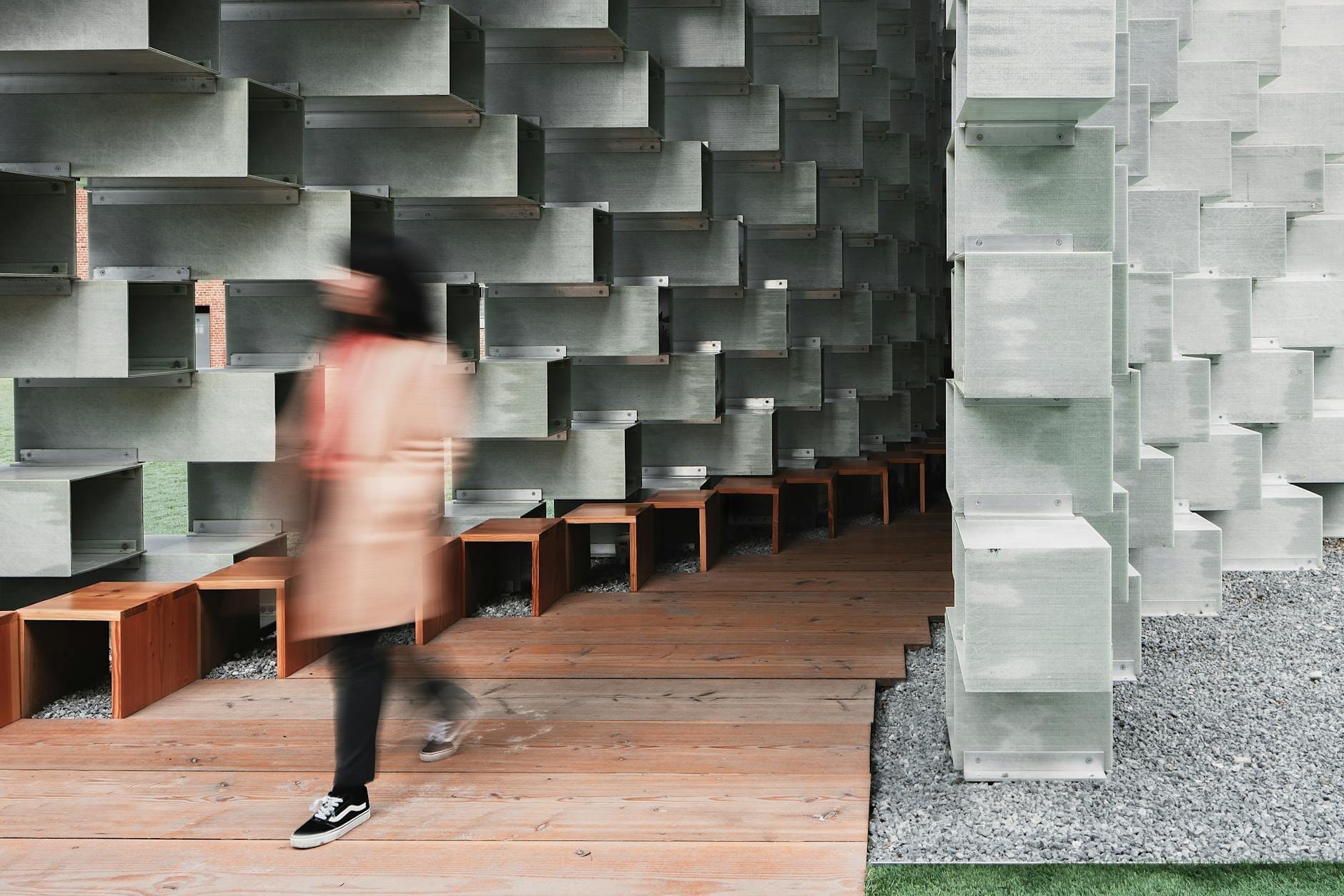
The annual Serpentine Pavilion commission, which takes place in the grounds of Serpentine South each summer, deserves special mention. Most years, a significant international architect is invited to design a temporary structure, and past commissions have included names such as Oscar Niemeyer, Frank Gehry, and Selgas Cano. If you visit between June and October, check whether the current Pavilion is installed. It is free to enter and consistently worth the detour. For more architectural highlights across the capital, the Open House London guide covers dozens of buildings that open to the public each year.
How the Experience Changes by Time of Day
Weekday mornings between 10am and noon are the quietest window at both galleries. The park itself is predominantly occupied by dog-walkers and joggers at this hour, and the galleries see a steady but unhurried flow of visitors. This is the best time if you want to spend real time with individual works without competing for sightlines.
Weekend afternoons are a different proposition. Kensington Gardens fills up with families, and both galleries see noticeably higher footfall, especially on the first weekend of a new exhibition. The outdoor terrace at Serpentine North becomes crowded, and queues at the entrance can form. Arriving before noon on weekends largely sidesteps this.
On summer evenings — the galleries stay open until 7pm on Saturdays and Sundays — there is a particular quality to the visit: the low light across the Serpentine lake, the relative emptiness as day visitors leave, and the gallery spaces feeling almost private. If you are combining the Serpentine with a walk through the wider park, a Saturday evening arrival allows you to do both without the peak-hour crowd.
ℹ️ Good to know
Opening hours: Serpentine South and Serpentine North are usually open Monday 12:00–18:00; Tuesday to Friday 10:00–18:00; Saturday and Sunday 10:00–19:00 during exhibitions. Hours may vary around special events — check the official website before visiting.
Getting There and Getting Around
Lancaster Gate on the Central line places you closest to Serpentine South. From the station, walk south through Kensington Gardens for roughly ten minutes. Knightsbridge and South Kensington (both on the Piccadilly line) are longer walks but work well if you are combining the galleries with the Natural History Museum or Victoria and Albert Museum to the south.
Metered parking is available within Kensington Gardens and Hyde Park for visitors arriving by car, though public transport is straightforwardly the easier option. If you are spending a full day in this part of London, the Kensington and Chelsea neighbourhood has several other major attractions within easy walking distance, including the Natural History Museum and Kensington Palace.
The walk between Serpentine South and Serpentine North crosses the Serpentine Bridge, which offers good views along the lake in both directions. It takes around five minutes at a normal pace. There are no steps on this route, making it navigable for pushchairs and most wheelchair users, though visitors with specific mobility requirements should consult the official visit page for current accessibility details.
The Programme and What Makes It Worth Following
The Serpentine rotates its exhibitions regularly, typically running several major shows each year alongside smaller interventions and events. Because both galleries are free and located in a park that millions of Londoners and visitors pass through, the institution occupies an unusual position: it does not need to chase ticket revenue, which gives it programming freedom that some larger galleries cannot exercise as freely.
The calibre of shows here regularly matches what you would find at the Tate Modern or the Royal Academy of Arts, but without the admission charge. For visitors who enjoy contemporary art and want to see ambitious work without committing a full afternoon, the Serpentine represents exceptional value for time.
That said, the programme is not for everyone. If you are primarily interested in Old Masters, historical collections, or representational painting, the Serpentine is unlikely to satisfy. The work shown here is almost exclusively contemporary, often conceptually demanding, and sometimes deliberately difficult. Families with young children can visit, but there is no dedicated children's programme running day-to-day, and the exhibitions require patience and engagement from younger visitors.
⚠️ What to skip
The Serpentine does not maintain a permanent collection on display. Each visit offers a completely different show. Check the current programme on the official website before visiting to confirm the exhibitions match your interests.
Photography and Practical Details
Photography policies vary by exhibition, as some artists and rights-holders restrict in-gallery photography. As a general rule, confirm the policy for the current show at the entrance desk before shooting. The exterior of Serpentine North and the Serpentine Bridge are always freely photographable and provide strong architectural images, particularly in the morning when the light catches the white canopy from the east.
The park itself offers excellent photography throughout the day — the Serpentine lake, the Long Water, and the surrounding mature trees make for consistent compositional material at any season. For broader inspiration on photographing London's public spaces, the most photographable places in London guide covers locations across the city.
Wear comfortable shoes regardless of season: accessing both galleries from any Tube station involves a meaningful walk across open parkland, and the ground can be muddy in wet weather. In winter, the park paths remain passable but the galleries are quieter than at other times of year, which has its own appeal for visitors who prefer solitude.
Insider Tips
- The annual Serpentine Pavilion is installed from around June to October in the grounds of Serpentine South. Each year's commission is intended for an architect who has not previously completed a building in the UK — the list of past architects reads as a survey of the most significant figures in contemporary architecture. It is free, temporary, and worth timing your visit around.
- If you plan to visit both galleries in one trip, start at Serpentine North (the Zaha Hadid building) and walk back to Serpentine South. This order puts the architecturally showier building first and lets you finish at the quieter, more contemplative South space — better for reflection after a demanding show.
- The restaurant and terrace at Serpentine North can be used without entering the gallery. On a dry afternoon, it is one of the more pleasant outdoor seating options in this part of London, set well back from the road with parkland views.
- Exhibition change-over periods can mean one or both galleries are temporarily closed for installation. These windows are rarely publicized far in advance, so checking the website within a week of your visit is worthwhile to avoid a wasted journey.
- The Serpentine's free evening events and talks — often tied to current exhibitions — attract a different crowd than daytime gallery visitors and provide genuine context for the work on show. The events calendar on the official site is worth consulting if you have flexibility in your schedule.
Who Is Serpentine Galleries For?
- Contemporary art enthusiasts who want serious programming without an admission charge
- Architecture followers, especially during the annual summer Pavilion commission
- Visitors combining a gallery visit with a longer walk through Kensington Gardens or Hyde Park
- Travellers with limited time who want a focused, compact cultural experience
- Anyone curious about the intersection of public space and contemporary art in a major city
Nearby Attractions
Other things to see while in Kensington & Chelsea:
- Chelsea Physic Garden
Founded in 1673 by the Worshipful Society of Apothecaries, Chelsea Physic Garden is a four-acre walled enclosure in the heart of Chelsea containing over 4,500 medicinal, edible, and historically significant plants. It is the second-oldest botanic garden in Britain and one of the quietest places you will find in central London.
- The Design Museum
Housed in the dramatically restored former Commonwealth Institute building on Kensington High Street, the Design Museum is one of Europe's most respected institutions dedicated to design, architecture, fashion, and product innovation. Entry to the permanent collection is free, while rotating exhibitions draw on names from global creative culture.
- Harrods
Founded in 1849 and occupying over a million square feet in Knightsbridge, Harrods is as much a London spectacle as it is a shop. Whether you're browsing the Food Halls or shopping the designer floors, here's exactly what to expect.
- Hyde Park
Hyde Park is one of London's eight Royal Parks, covering 142 hectares in the heart of the city. Free to enter, open until midnight, and rich in history stretching back to a Tudor hunting ground, it rewards visitors who pace themselves and explore beyond the obvious.