Chelsea Physic Garden: London's Oldest Botanic Garden
Founded in 1673 by the Worshipful Society of Apothecaries, Chelsea Physic Garden is a four-acre walled enclosure in the heart of Chelsea containing over 4,500 medicinal, edible, and historically significant plants. It is the second-oldest botanic garden in Britain and one of the quietest places you will find in central London.
Quick Facts
- Location
- 66 Royal Hospital Road, Chelsea, London SW3 4HS
- Getting There
- Sloane Square (District & Circle lines), 10-min walk; Bus 170 stops outside
- Time Needed
- 1.5 to 2.5 hours
- Cost
- Adults £15 (main season) / £10 (winter); Students & young people £5
- Best for
- Garden lovers, history buffs, quiet escapes, photography, solo visitors
- Official website
- www.chelseaphysicgarden.co.uk
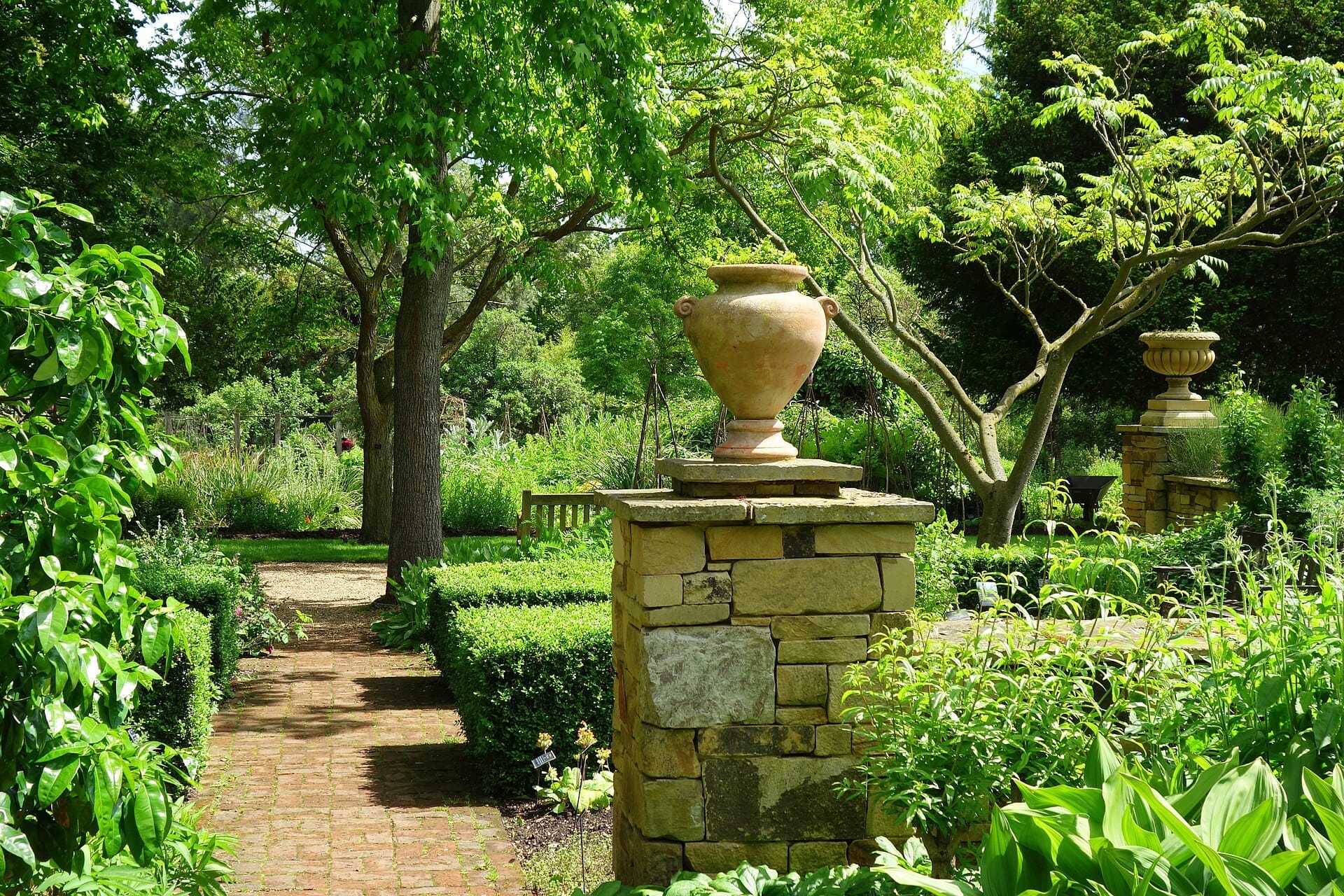
What Is Chelsea Physic Garden?
Chelsea Physic Garden is a walled botanic garden established in 1673 by the Worshipful Society of Apothecaries of London, who needed a practical space to grow and study plants used in medicine. It is the second-oldest botanic garden in Britain, after Oxford Botanic Garden in 1621, and, crucially for visitors today, it has never lost that sense of serious purpose. This is not a decorative park. It is a working collection of over 4,500 plants organised around themes of use, origin, and history. The smell of earth, herbs, and faint riverside dampness from the nearby Thames meets you almost immediately after passing through the gate on Royal Hospital Road.
The garden spans four acres, which is modest by park standards but generous given its location, tucked between the Georgian streets of Chelsea and the Embankment. High brick walls on three sides create a microclimate warm enough to grow plants that would struggle elsewhere in Britain. The warmth becomes perceptible the moment you step inside, particularly on a clear morning when the south-facing beds catch full sun by late morning and hold it through the afternoon.
💡 Local tip
The garden is usually closed on Saturdays, with occasional special Saturday openings for events. If you are planning a weekend visit, Sunday is your option. Arrive shortly after the 11:00 opening to have the walled paths largely to yourself before the midday crowd arrives.
The History That Makes It Matter
When the Society of Apothecaries chose this riverside site in 1673, the logic was partly practical: plants arrived by boat along the Thames, and the bend in the river near Chelsea offered relatively mild conditions. For its first decades, the garden trained apothecary apprentices to identify medicinal herbs by sight and smell, a skill that could literally determine whether a patient lived or died.
The garden's connection to Sir Hans Sloane is worth knowing before you visit. In 1712, Sloane, the physician and collector whose estate eventually became the founding collection of the British Museum, purchased the manor of Chelsea. He leased the garden to the Society of Apothecaries at a nominal rent of £5 per year, on the condition that they supply 50 dried plant specimens annually to the Royal Society. That arrangement secured the garden's future. A marble statue of Sloane, placed in the garden in 1733, still stands at its centre.
The garden's global reach was significant. Seeds exchanged through Chelsea helped establish cotton cultivation in the American colonies, and plants collected here contributed to early pharmaceutical research. If you have visited Kew Gardens, Chelsea Physic Garden occupies a different register: smaller, older in spirit, and more concentrated in its focus on medicinal and useful plants rather than the sweeping taxonomic ambition of Kew.
Tickets & tours
Hand-picked options from our booking partner. Prices are indicative; availability and final rates are confirmed when you complete your booking.
London Sky Garden Music Night ticket with a glass of Champagne
From 31 €Instant confirmationKensington Gardens guided tour and high tea
From 114 €Instant confirmationWestminster Walking Tour with Visit to Kew Gardens
From 81 €Instant confirmationFree cancellationLondon food tour in Soho, Chinatown, and Covent Garden
From 105 €Instant confirmationFree cancellation
What You Actually See: A Walkthrough
The garden is divided into a series of beds and collections, each with clear labelling. The Pharmaceutical Garden groups plants by the drugs derived from them, a quietly astonishing display when you realise how many familiar medicines originate from garden plants. The World Medicine Garden organises species by their geographic origins and traditional healing systems, from Ayurvedic plants to Chinese herbal medicine. The Ethnobotany collection focuses on plants used by human cultures for food, fibre, and ceremony.
There is also a rockery built partly from stones salvaged from the Tower of London and Icelandic lava, constructed in the 1770s and considered one of the earliest rock gardens in England. It is worn and mossy and old. The greenhouse, which houses tropical and subtropical specimens, adds warmth and humidity in cooler months. In spring, the wisteria along the internal walls is among the most photographed features in the garden.
The garden's layout rewards slow movement. The paths are narrow in places, the planting dense, and the labels detailed enough that someone with no botanical background can follow along. Plan for at least 90 minutes if you want to read as you walk. Two hours is a more comfortable pace.
ℹ️ Good to know
Guided tours run from 1 April to 31 October and add genuine depth to the visit. Check the official website for current tour times before you go, as schedules vary by season and can change.
How the Experience Changes by Time of Day and Season
Morning visits, particularly on weekdays, offer the garden in its quietest state. Light arrives over the eastern wall and catches the dew on the herb beds before it evaporates. The garden staff are often working at this hour, and the sounds are primarily bird calls and the occasional distant bus from Royal Hospital Road. By midday, especially on sunny days between April and September, the garden fills steadily with visitors, local residents, and people lunching in the on-site cafe.
Late spring is the strongest season for colour. April brings tulips in the ornamental beds and the rockery wakes up with alpines. May delivers the wisteria and the herb garden at its most fragrant. Summer is lush but also the busiest period. Autumn is underrated: the seed heads and dying-back foliage have their own quiet beauty, and the garden is noticeably less crowded from late September onward. Winter adult admission starts at £10, and the garden remains open through the colder months, with the glasshouse providing warmth and the bare structure of the beds revealing the garden's bones.
Rain changes the experience considerably. The brick walls shed water quickly and the main paths drain reasonably well, but parts of the garden become muddy after heavy rainfall. Waterproof footwear is advisable from October through March. On overcast days the colours of the herbs and foliage can look particularly saturated, which makes for good photography if you are shooting plants at close range.
Getting There and Practical Details
The garden's address is 66 Royal Hospital Road, SW3 4HS. The most straightforward route from central London is the Tube to Sloane Square on the District or Circle line, followed by a 10-minute walk south through the residential streets of Chelsea. Bus 170 stops directly outside the garden entrance, which is useful if you are coming from further afield or have accessibility needs. For context on getting around London more broadly, the getting around London guide covers all transport options across the city.
The garden is open to the public Sunday through Friday, 11:00 to 17:00, with occasional special Saturday openings for events. It is normally closed on Saturdays except for occasional special openings. Last entry is 30 minutes before closing. Standard adult admission is £15 in the main season and £10 in the winter season. Students and young people pay £5, and visitors in receipt of Pension Credit, Universal Credit, or with Refugee Status are also eligible for £5 tickets. In March, adult admission is half price on Mondays and Tuesdays, which is worth knowing if your schedule allows.
Bicycles are not allowed inside the garden. For accessibility queries, the garden can be reached by phone on 020 7352 5646 or by email. The main public entrance is via Royal Hospital Road. The site has some uneven surfaces, particularly around the rockery, and visitors with mobility considerations should check with the garden directly before visiting.
⚠️ What to skip
The garden does not have a dedicated car park. Street parking in Chelsea is heavily restricted. Public transport is strongly recommended.
Photography and What to Bring
The garden photographs well with a macro or close-focus lens. The plant labels, the worn stone of the rockery, and the textures of the old brick walls give strong detail shots. Wide shots are harder to execute because the garden's density and irregular layout rarely offer clean sightlines. The best light for plant photography is the soft directional light of a morning in late spring or early summer, before the sun climbs directly overhead and bleaches the colour out of the leaves.
Bring a layer regardless of the forecast. Even in summer, the shaded corners of the garden can feel cooler than you expect, and a breeze off the Thames reaches the site in the afternoon. The on-site cafe serves hot drinks and seasonal food, and there is a small shop stocking botanical books, seed packets, and garden-related gifts. It is a good shop by the standards of attraction retail.
If you are planning a wider day out in the area, Saatchi Gallery is a short walk away on King's Road, and the Kensington and Chelsea neighbourhood has a concentration of worthwhile stops within comfortable walking distance.
Worth Knowing: Is It Worth Your Time?
Chelsea Physic Garden is not overhyped, which is a relief. It does not appear on most first-timer itineraries, and it has no queues, no timed entry slots, and no particularly theatrical presentation. What it offers is quiet, depth, and genuine historical interest compressed into four well-tended acres. If you have a passing interest in plants, medicine, food history, or the history of science, this place will exceed your expectations.
If you are travelling with young children who need space to run, this is not the right choice. The narrow paths, the dense planting, and the emphasis on reading labels make it better suited to adults and older children with patience. Families visiting London with younger children might find Hyde Park or the London with kids guide more useful starting points.
Visitors who primarily want a big green space for recreation or exercise will be similarly underwhelmed. This is a contemplative place, not an active one. But for the right visitor, it is one of the most satisfying two hours available in London for the price of admission.
Insider Tips
- Book guided tour places in advance during peak spring months (April and May). These tours sell out quickly on weekends and add historical detail that the plant labels alone cannot convey.
- The March half-price Monday and Tuesday offer applies to full adult admission. If your London trip falls in March and you have schedule flexibility, this is a meaningful saving on what is already reasonable admission.
- The south-facing beds near the centre of the garden are the warmest spot in the enclosure. On cooler days, spending time in this section rather than the shadier northern edges makes the visit noticeably more comfortable.
- The on-site cafe sources ingredients partly from the garden itself. Seasonal menus change regularly and the food quality is well above average for an attraction cafe. Arrive for lunch rather than just coffee if you want the best of it.
- The rockery in the northwestern corner is often overlooked by visitors who move quickly through the garden. It is old, constructed in the 1770s from Tower of London stones and Icelandic lava, and worth examining closely.
Who Is Chelsea Physic Garden For?
- Garden enthusiasts and plant lovers looking for a serious collection rather than ornamental display
- History and science buffs interested in the development of medicine and pharmacology
- Photographers seeking close-up botanical subjects in a calm, uncrowded setting
- Solo visitors or couples who want a quiet, unhurried mid-morning or afternoon
- Anyone looking for a genuine off-the-main-circuit attraction in central London
Nearby Attractions
Other things to see while in Kensington & Chelsea:
- The Design Museum
Housed in the dramatically restored former Commonwealth Institute building on Kensington High Street, the Design Museum is one of Europe's most respected institutions dedicated to design, architecture, fashion, and product innovation. Entry to the permanent collection is free, while rotating exhibitions draw on names from global creative culture.
- Harrods
Founded in 1849 and occupying over a million square feet in Knightsbridge, Harrods is as much a London spectacle as it is a shop. Whether you're browsing the Food Halls or shopping the designer floors, here's exactly what to expect.
- Hyde Park
Hyde Park is one of London's eight Royal Parks, covering 142 hectares in the heart of the city. Free to enter, open until midnight, and rich in history stretching back to a Tudor hunting ground, it rewards visitors who pace themselves and explore beyond the obvious.
- Kensington Palace
Kensington Palace is a working royal residence and public attraction set within Kensington Gardens. From its origins as a 17th-century country house to Queen Victoria's birthplace and home to the Princess of Wales today, it offers a more intimate royal experience than Buckingham Palace — with state rooms, fashion exhibitions, and one of London's finest garden approaches.