Luxury London: The Ultimate High-End Travel Guide
From Mayfair's grand hotels to Knightsbridge's world-class restaurants and private cultural experiences, this guide covers everything you need to plan a high-end stay in London. Expect specific neighbourhood advice, booking strategies, and clear assessments of where the money is well spent.
Plan and book this trip
Tools from our partner Travelpayouts help you compare flights and hotels. If you book through them, we may earn a commission at no extra cost to you.
Flights
Hotels map
TL;DR
- The luxury belt runs through Mayfair, Knightsbridge, Belgravia, and Kensington — choose your base here for the best access to fine dining, flagship boutiques, and five-star hotels.
- Arrive via Heathrow (LHR) and take either the Heathrow Express (15 minutes to Paddington, from £16.50 advance) or the Elizabeth line (around 30 minutes, standard TfL fares) — both beat a taxi in nearly every scenario outside rush-hour gridlock.
- Book major experiences — The Shard, the London Eye, Sky Garden, and top restaurant tables — well in advance. Last-minute walk-ins for premium slots are increasingly rare.
- For cultural depth alongside luxury, pair flagship attractions like the Victoria and Albert Museum with private tours and members' club access for a more curated experience.
- Avoid booking five-star hotels during bank holidays and the July–August school holiday window without comparing rates at least six to eight weeks ahead — prices spike significantly.
Where Luxury London Actually Lives: The Neighbourhoods That Matter
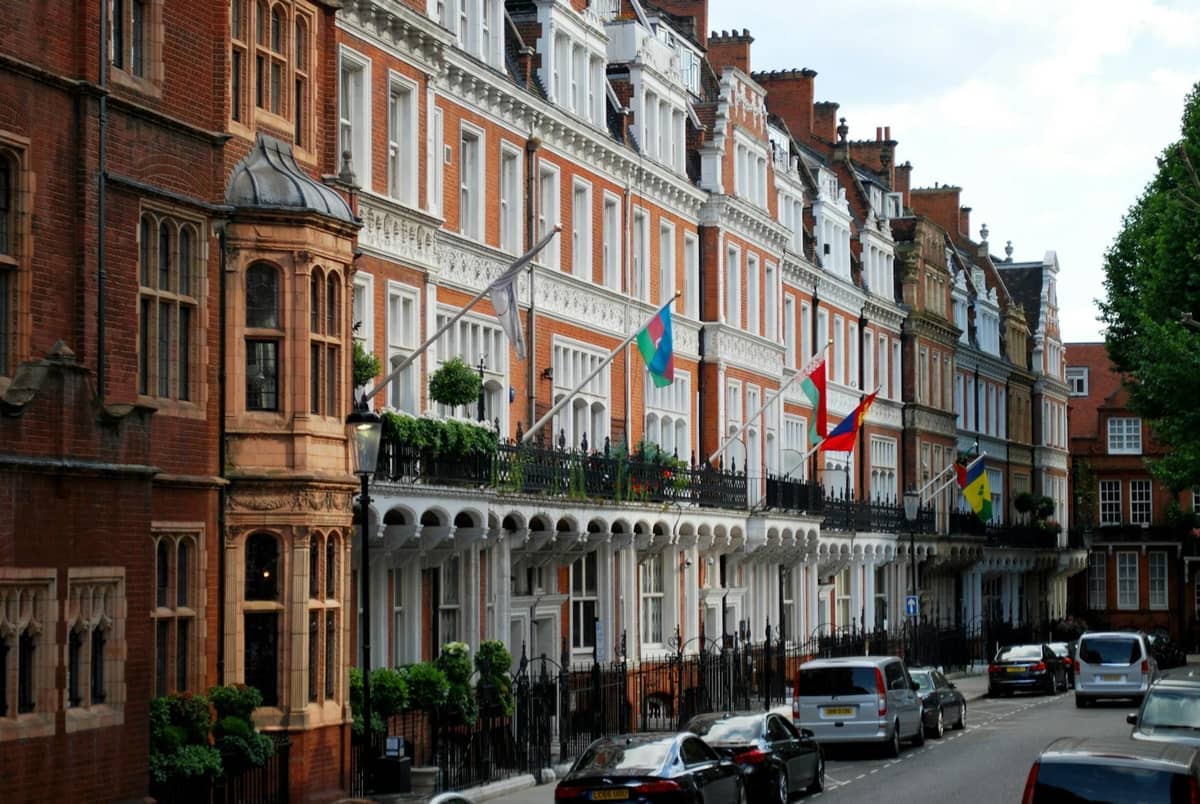
London's luxury geography is compact but distinct. The four neighbourhoods that define high-end London — Mayfair, Knightsbridge, Belgravia, and Kensington — sit within roughly two square miles of each other in the west of central London. Understanding their individual characters helps you choose the right base rather than simply booking the most expensive room available.
Mayfair is the epicentre. Bound by Oxford Street to the north and Green Park to the south, it houses London's densest concentration of five-star hotels, private members' clubs, and Michelin-starred restaurants. Mount Street, its most refined thoroughfare, is lined with couture houses and serious art galleries. Knightsbridge, a short walk east along the park, is more retail-focused — home to Harrods and a cluster of high-end restaurants that cater to the international crowd staying in the neighbourhood's grand hotels.
Belgravia sits just south of Knightsbridge and is arguably the most residential of the four — stucco-fronted Georgian squares, very little tourist foot traffic, and a dining scene built around neighbourhood regulars rather than visitors. It rewards those who want to feel like a temporary Londoner rather than a guest. Kensington stretches further west and pairs cultural weight (the Natural History Museum, the V&A, Kensington Palace) with quieter residential streets and slightly lower hotel rates than Mayfair or Knightsbridge.
✨ Pro tip
If you're staying four or more nights, consider splitting your base: two nights in Mayfair for restaurants and culture, then two nights somewhere like a boutique hotel in Chelsea or South Kensington. The contrast gives you a much richer sense of London's texture.
Getting to London and Moving Around in Style
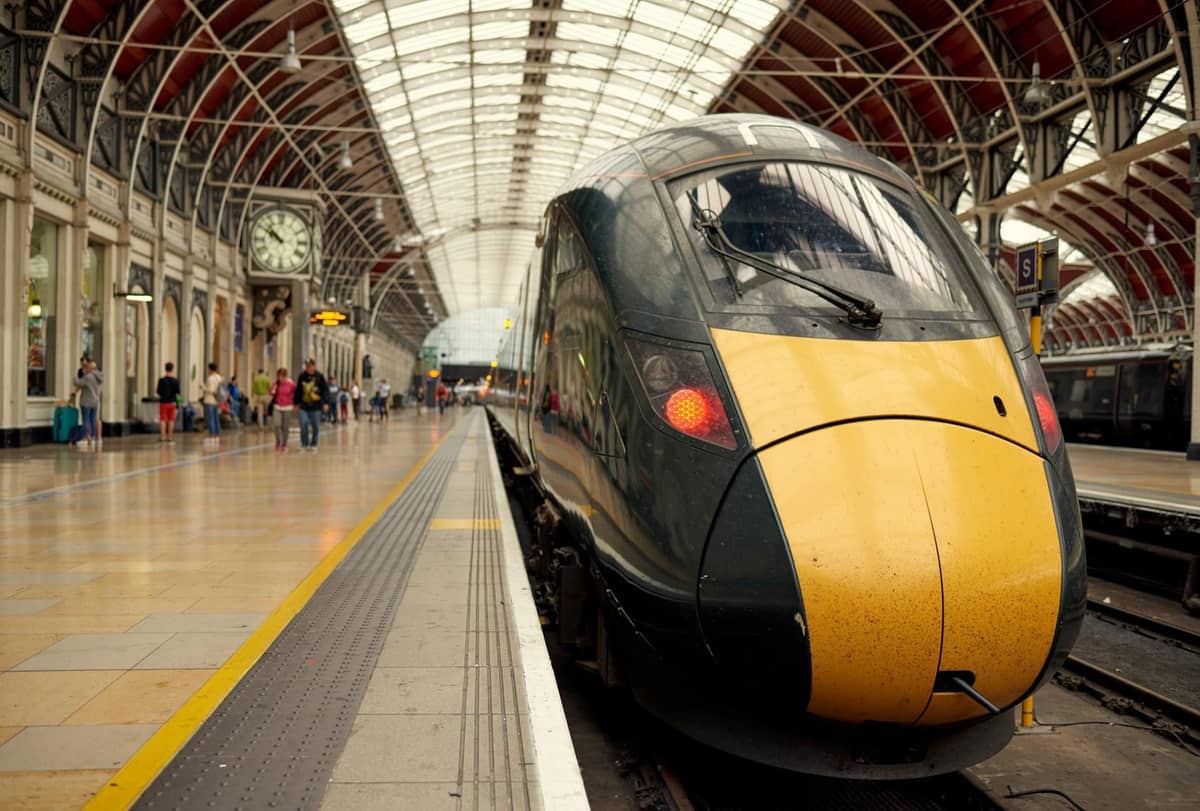
Most high-end travellers arrive at Heathrow (LHR), around 14 miles west of central London. The transfer decision matters more than most guides acknowledge. The Heathrow Express to London Paddington takes 15 minutes and costs from £15.50 (advance, off-peak) to around £25 on the day — it's the fastest option, but it deposits you at Paddington, which then requires an onward Tube or taxi to most luxury hotel addresses. The Elizabeth line is slower (around 28-32 minutes to Bond Street or Tottenham Court Road) but often more practical: it stops directly near Mayfair and the West End, accepts contactless cards and mobile wallets at standard TfL fares, and avoids the extra transfer.
A licensed black cab from Heathrow to Mayfair typically runs £55-£90 depending on traffic and time of day. It's the most comfortable door-to-door option and makes sense for heavy luggage or late arrivals, but it can stretch considerably longer than 45 minutes during peak hours. Private hire transfers booked in advance through established operators offer a middle ground: fixed pricing, meet-and-greet service, and a vehicle appropriate to the occasion.
- Elizabeth line (recommended for most) Every few minutes, 28-32 minutes to Bond Street, standard TfL contactless fares (around £12-14 from Heathrow). Accepts contactless cards — no Oyster needed.
- Heathrow Express 15 minutes to Paddington, from £16.50 advance / ~£25 on the day. Best if your hotel is near Paddington or you're continuing by taxi.
- Licensed black cab £55-£90 to central London, door-to-door, no luggage surcharge. Time varies significantly with traffic.
- Pre-booked private hire Fixed rate, meet-and-greet at arrivals. Book through established operators rather than platforms for guaranteed vehicle quality.
Once in London, contactless bank cards and Apple/Google Pay work across virtually all Tube, Overground, Elizabeth line, and bus services — there's no practical reason to buy an Oyster card for a short stay. Daily fare caps prevent overpaying. For longer journeys or day trips, consult our guide to getting around London for route-specific advice. For moving between neighbourhoods in the luxury belt, short Uber or black cab rides are often more practical than navigating the Tube with luggage or shopping.
Fine Dining and the Art of Booking in London
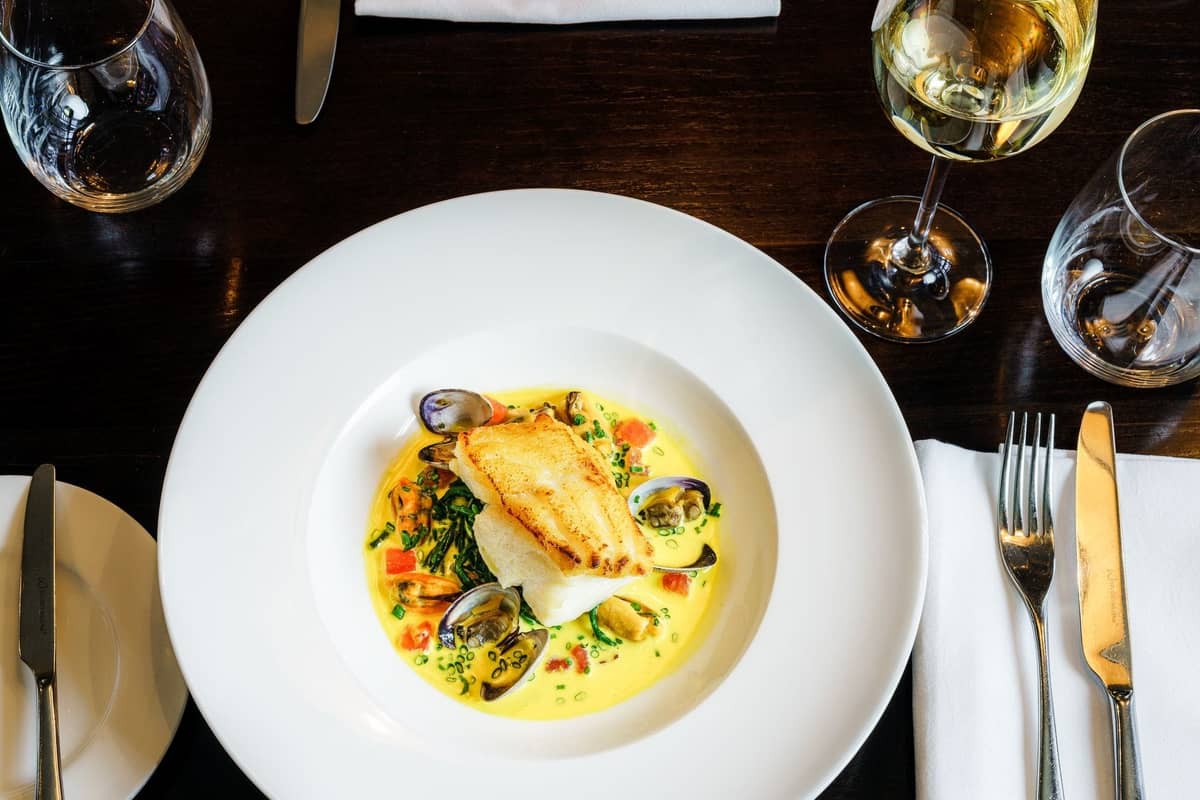
London's restaurant scene at the top end is world-class, but it requires planning. The city's most sought-after tables — across Mayfair, Knightsbridge, and the City — routinely book out two to four weeks ahead for prime Friday and Saturday evening slots. Lunch reservations are considerably easier to secure, often available three to five days in advance, and frequently offer the same kitchen at meaningfully lower prices.
Afternoon tea is a London institution that has expanded well beyond its origins into a genuine luxury experience at several hotels. The most technically accomplished versions are found at a handful of Mayfair and Knightsbridge hotels, where the pastry work is treated with the same seriousness as the main dining room. For guidance on the best options across price points, see the definitive afternoon tea guide. Book at least one to two weeks ahead for weekend slots; festive-season bookings (November through January) need to be made months in advance.
⚠️ What to skip
Service charges of around 12.5% are standard in London restaurants and are typically added automatically. Check your bill before adding an additional tip — doubling the charge is a common mistake among visitors unfamiliar with the custom.
The Borough Market area on the South Bank has grown into a serious food destination in its own right, but it sits at a very different price point to Mayfair's dining rooms. It's worth the contrast — some of London's best producers sell direct here, and the quality of individual ingredients often rivals what ends up on tasting menus at three times the price.
Premium Experiences: What's Worth the Cost and What Isn't
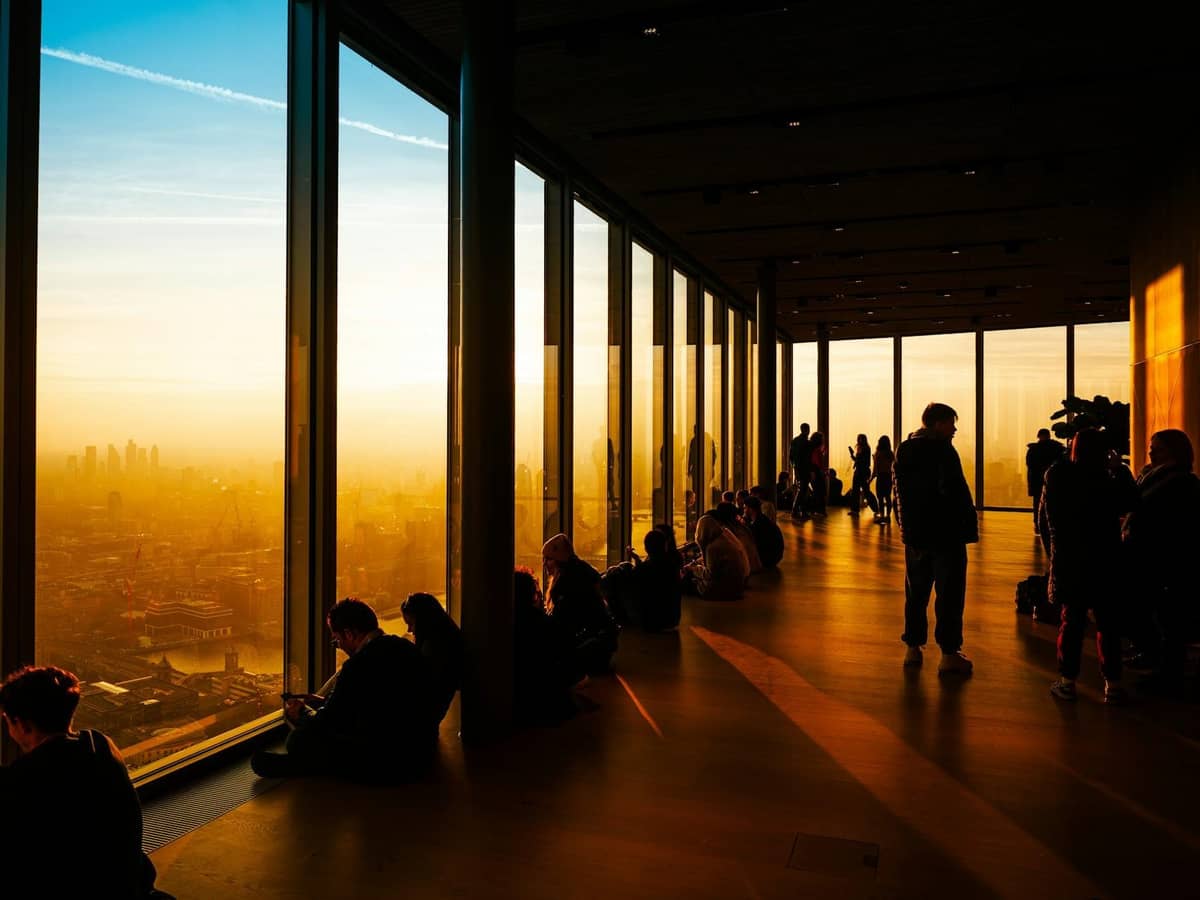
Several of London's marquee paid attractions deliver at their price point.The Shard's observation experience on floors 68-72 (around 244 metres / 800 feet) provides unobstructed 360-degree views across the city — on a clear day, visibility extends to 40 miles. Book timed entry online in advance; the walk-up price is higher and popular time slots sell out. The Sky Garden at 20 Fenchurch Street offers a free alternative view from the 35th floor, though you must pre-book a free timed ticket through their website — casual walk-ins are not accommodated.
The Tower of London is one attraction where the price (currently around £29-33 for adults, subject to change — verify on the Historic Royal Palaces website before visiting) reflects genuine depth: the Crown Jewels alone justify the entry, and a Yeoman Warder tour adds historical context you won't get from a guidebook. Conversely, Madame Tussauds is consistently overpriced relative to the experience it delivers — fine for families, but not a priority for a luxury-focused itinerary.
- Worth every pound Tower of London (Crown Jewels + Yeoman Warder tours), The Shard view (book timed entry online), West End theatre in the best seats (book 4-6 weeks ahead for top shows), private guided tours of major museums.
- Good value with strategy Sky Garden (free, pre-book online), the V&A and British Museum (free entry, pay for temporary exhibitions), riverside walks combining Tower Bridge and the South Bank.
- Skip or downgrade Madame Tussauds (overpriced for the experience), London Eye without a fast-track or champagne upgrade (long queues in peak season), hop-on hop-off buses in summer (severe traffic congestion reduces their utility).
💡 Local tip
For West End theatre, the TKTS booth in Leicester Square offers legitimate same-day and short-notice discounts on many shows — sometimes 25-50% off. It's run by the Society of London Theatre, so tickets are genuine. Arrive when it opens (check current hours on the Official London Theatre website) for the best selection.
Luxury Shopping: Where to Spend and What to Avoid
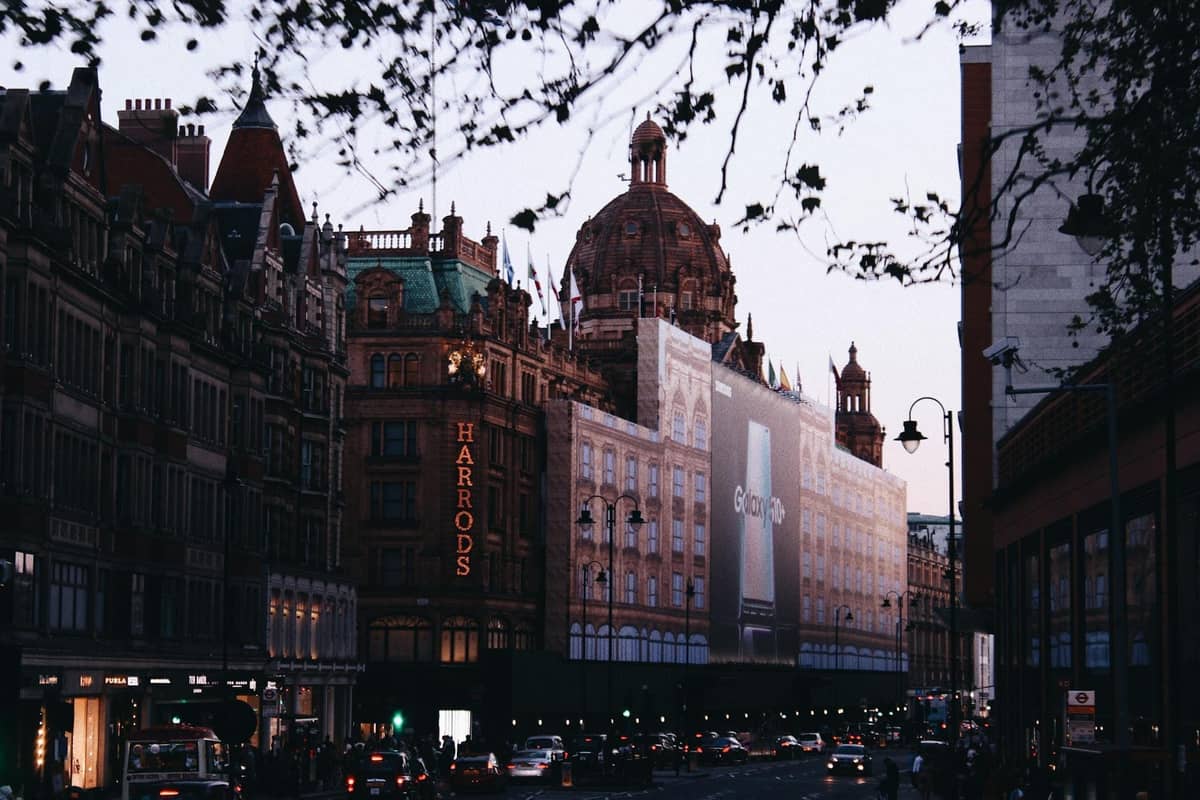
London's shopping geography for luxury goods is well-defined. Bond Street (both Old and New) is the primary destination for international luxury houses — Cartier, Chanel, Graff, and others have flagship stores here. Liberty London on Great Marlborough Street is a category apart: a mock Tudor building filled with an edit of fashion, beauty, and homeware that reflects genuine curatorial taste rather than brand-driven floor plans. It's where Londoners with money actually shop, which tells you something.
Harrods in Knightsbridge is worth visiting for scale and spectacle — the food halls in particular are impressive — but the main fashion floors have drifted toward an international luxury tourist market that doesn't always reflect London's actual retail culture. For a more considered alternative,Fortnum and Mason on Piccadilly remains the best address for food gifts, teas, and a classic London experience that hasn't been hollowed out by volume tourism. The Carnaby Street area and Seven Dials offer independent British designers and labels that don't appear in airport terminals.
Timing Your Luxury Trip: Seasons, Crowds, and Smart Windows
London's temperate oceanic climate means no month is reliably perfect or reliably terrible. The window from late May through mid-July offers the best balance: average daytime highs of 18-22°C, long evenings (sunset after 9pm in June), and cultural programming at its peak before the August tourist surge. The best time to visit London guide covers seasonal trade-offs in full, but for a luxury-specific trip the key tension is between weather, hotel pricing, and crowd levels at major sights.
July and August bring the highest hotel rates of the year alongside peak visitor numbers at every major attraction. If flexibility exists, late September through October offers cooler but still pleasant weather (average highs around 15-19°C), meaningfully reduced crowds, and hotel rates that often drop 15-25% compared to August peaks. December is worth considering specifically: Christmas lighting on Regent Street and Bond Street is atmospheric, the restaurant and theatre scenes are at their most active, and a well-timed visit to a luxury hotel during the festive period can be one of London's most memorable experiences — provided you book accommodation and restaurant tables months in advance.
ℹ️ Good to know
Bank holidays in England (including the August Bank Holiday Monday) generate domestic travel surges that push hotel rates up sharply for surrounding weekends. Check the UK government's official bank holiday calendar before finalising dates — a one-day shift can save a significant amount on accommodation.
Winter stays (November to February) come with shorter days — London is on GMT (UTC+0) in winter, with sunset around 4pm in December — and average daily highs of around 7-9°C. Rain is distributed fairly evenly year-round (roughly 40-60mm per month), so a light waterproof layer is useful in any season. For a winter-specific itinerary, the London in December guide covers the seasonal highlights in detail.
FAQ
Which area of London is best for luxury hotels?
Mayfair is the top choice for access to the greatest concentration of five-star hotels, Michelin-starred restaurants, and high-end shopping on Bond Street. Knightsbridge is the second-best option, with slightly easier access to Harrods and the museums in South Kensington. Belgravia suits those who prefer a quieter, more residential atmosphere with the same quality of accommodation.
Do I need to book London restaurants and attractions far in advance?
For top-tier restaurants, especially in Mayfair and Knightsbridge, book 2-4 weeks ahead for prime weekend dinner slots. Lunch is generally easier. For major attractions like The Shard, the Tower of London, and the London Eye, pre-booking a timed entry online is strongly recommended in peak season (May-September) and saves money compared to walk-up prices. Sky Garden is free but requires a pre-booked timed ticket from their website.
What is the best way to get from Heathrow to a luxury hotel in Mayfair or Knightsbridge?
The Elizabeth line is the most practical for most travellers — it runs directly to Bond Street in around 28-32 minutes at standard TfL contactless fares (around £12-14). A licensed black cab is the most comfortable door-to-door option, typically £55-£90 depending on traffic. The Heathrow Express to Paddington is fastest (15 minutes) but adds an onward transfer. Pre-booked private hire with a meet-and-greet service offers a fixed-price middle ground.
Is the London Pass worth buying for a luxury trip?
Generally, no. The London Pass bundles entry to a wide range of attractions at a flat daily rate, which works best when you're visiting multiple paid sites across consecutive days. A luxury-focused itinerary typically includes fewer ticketed attractions (and more restaurant, cultural, and retail experiences), making individual booking more cost-effective. Some top-tier attractions are also excluded from the pass entirely.
What's the dress code for high-end London restaurants and hotels?
London has relaxed considerably over the past decade, and few restaurants enforce a formal jacket-required policy. Smart casual — clean, well-fitting clothes, no sportswear — is appropriate for the vast majority of Mayfair and Knightsbridge dining rooms. Some older establishments and hotel bars still request smart dress; check the venue's own website for current policy. Private members' clubs typically have their own specific dress codes, which are enforced at the door.