Royal London: The Complete Guide to Palaces & Ceremonies
From the Ceremony of the Keys at the Tower of London to the summer opening of Buckingham Palace's State Rooms, London's royal sites are more accessible than most visitors realize. This guide covers what to see, when to go, what to book in advance, and what to skip.
Plan and book this trip
Tools from our partner Travelpayouts help you compare flights and hotels. If you book through them, we may earn a commission at no extra cost to you.
Flights
Hotels map
TL;DR
- Buckingham Palace's State Rooms open to visitors during summer and limited other periods — book ahead as slots sell out fast.
- The Ceremony of the Keys at the Tower of London costs £5 and runs nightly — but tickets must be pre-booked online and sell out weeks in advance.
- Changing of the Guard is free to watch but notoriously crowded; arriving 45 minutes early makes a significant difference.
- Kensington Palace is open year-round and significantly less crowded than Buckingham Palace — one of the best-value royal visits in the city. See the full Kensington Palace attraction page for admission details.
- Windsor Castle is technically outside London but worth considering for a half-day trip if royal history is your main interest.
Why Royal London Is Worth Taking Seriously
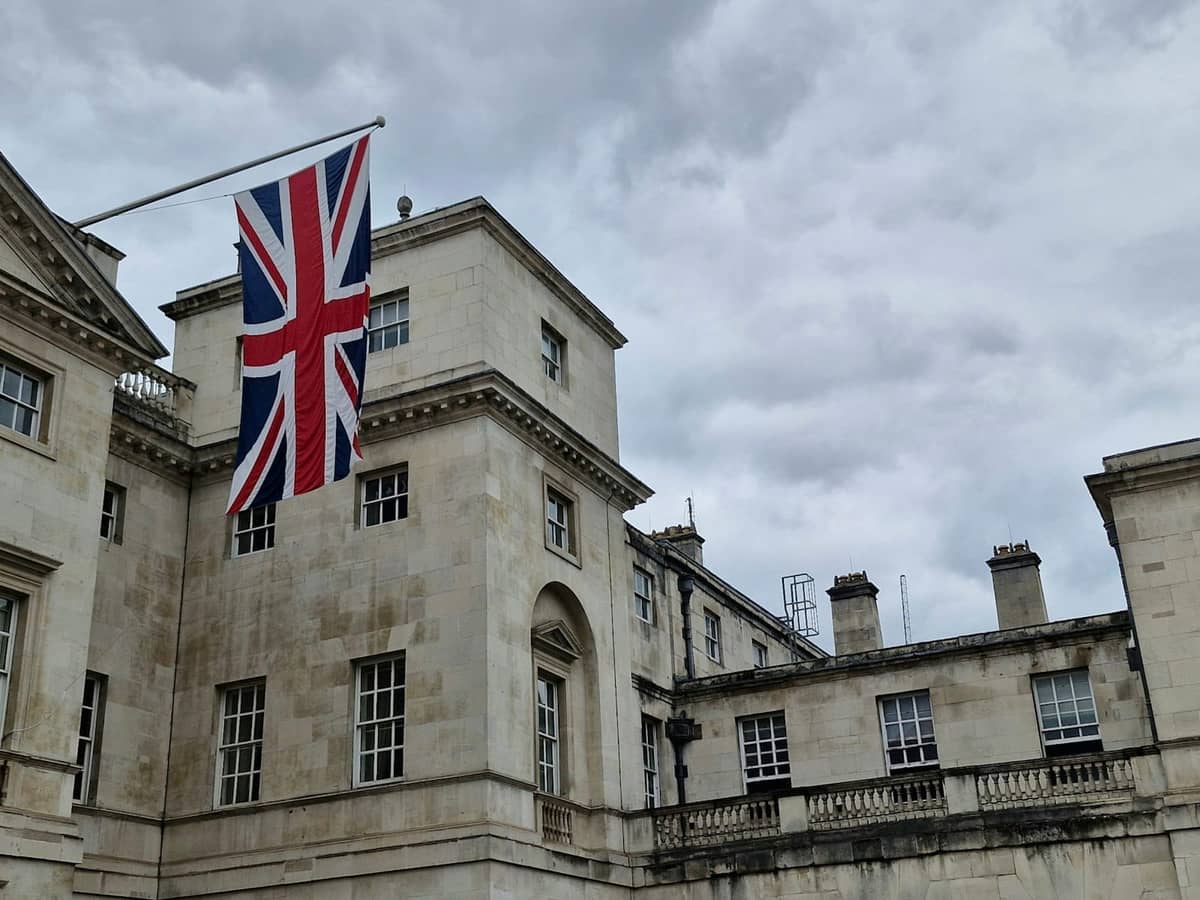
London's royal heritage is not just decorative backdrop. The UK's monarchy is a functioning constitutional institution, and several of its key sites are active working buildings: Buckingham Palace remains the monarch's official London residence and administrative headquarters; the Tower of London still houses the Crown Jewels; Horse Guards Parade still stages formal military ceremonies. That combination of living history and genuine ceremony is what separates London's royal circuit from the preserved-in-amber royal attractions you find in other European capitals.
The official umbrella organization managing many of these sites is Historic Royal Palaces, which oversees six major palace sites across the UK. For visitors, their website is the main booking hub for palace entry, special events, and ceremonies like the Ceremony of the Keys. A separate strand of sites falls under the Royal Collection Trust, including Buckingham Palace and the rooms open there during seasonal visits. Knowing which organization runs which site saves significant confusion when booking.
Buckingham Palace: What You Can Actually Visit
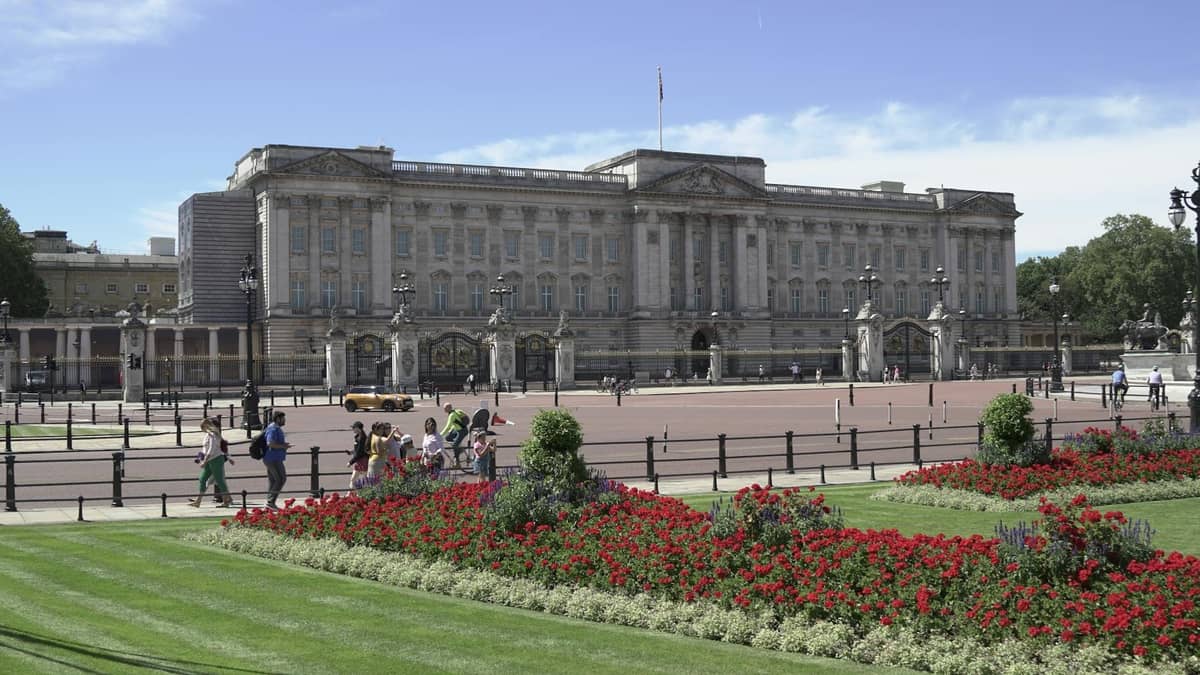
Buckingham Palace has 775 rooms and has served as the sovereign's official London residence since 1837. The vast majority of it is never open to the public. What visitors can access is the State Rooms, which are typically open during the summer months, plus limited access periods at Easter and in December and January. Exact opening windows vary by year and are announced annually, so check the Royal Collection Trust website before planning your trip around a visit. There is no walk-up access: you book timed entry in advance, and popular dates sell out weeks ahead.
The State Rooms tour covers 19 of the palace's grandest ceremonial spaces, including the Throne Room, the Picture Gallery, and the Grand Staircase. The gardens are also accessible during the summer opening. For most visitors, a 2-hour window is comfortable. The ticket price reflects the seasonal, event-style nature of the visit rather than a standard attraction, so confirm current pricing on the official site before budgeting.
⚠️ What to skip
Buckingham Palace is not open year-round. If your trip falls outside the summer window and the limited Easter/winter periods, you will not be able to enter. Factor this into your travel dates — the forecourt and gates are always viewable from the road, but that is not the same as a visit.
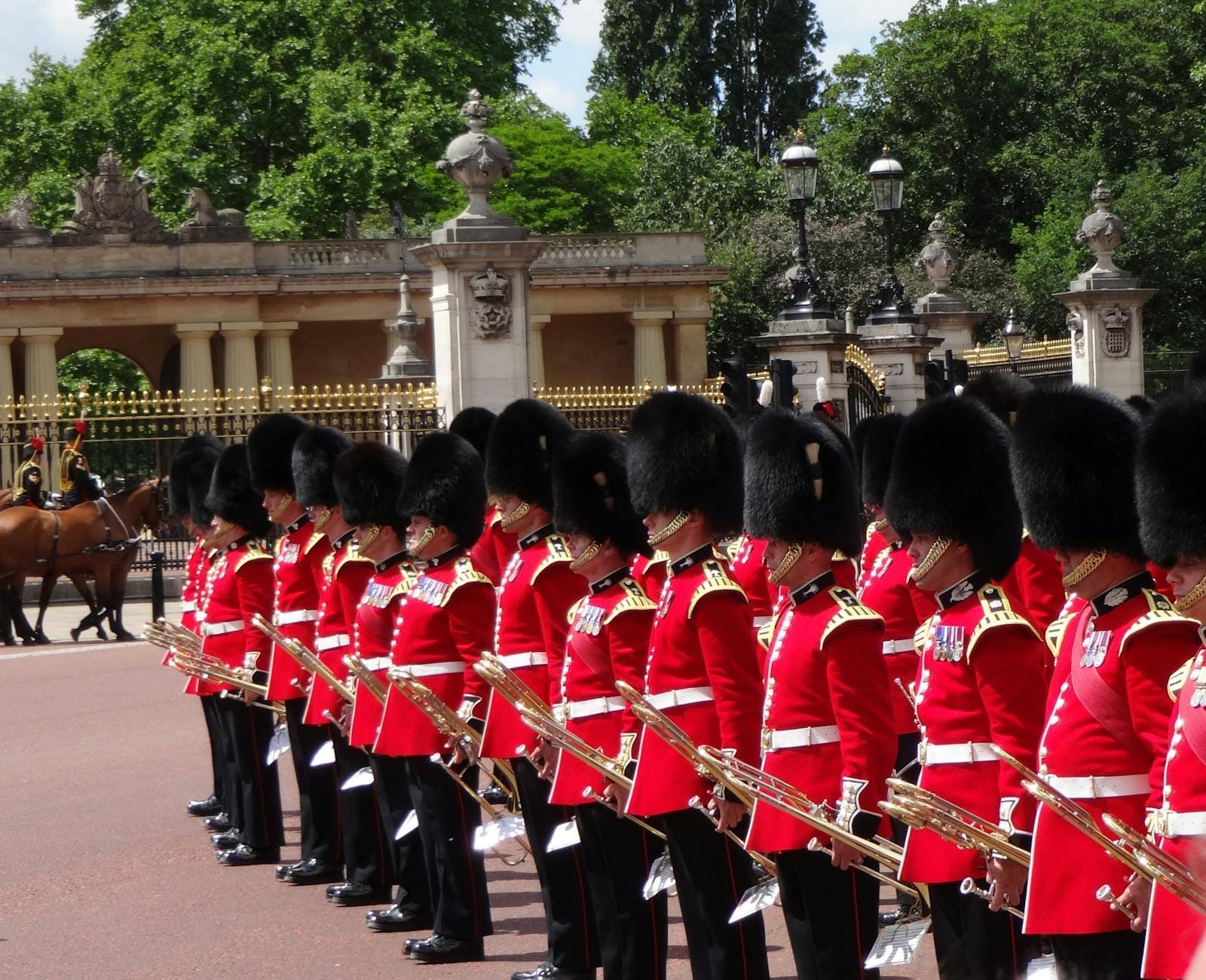
Outside visiting hours, the most popular activity at Buckingham Palace is watching the Changing of the Guard. This formal ceremony, in which the Old Guard is relieved by the New Guard, typically takes place on the palace forecourt. The ceremony does not run every day, especially in autumn and winter — schedules are posted on the Metropolitan Police and Royal Family websites. It is free to watch from the forecourt railings or from the Mall, but it draws large crowds. Position yourself along the Mall rather than pressed against the forecourt gates if you want a cleaner view with less jostling.
Tower of London: Crown Jewels, History, and the Ceremony of the Keys
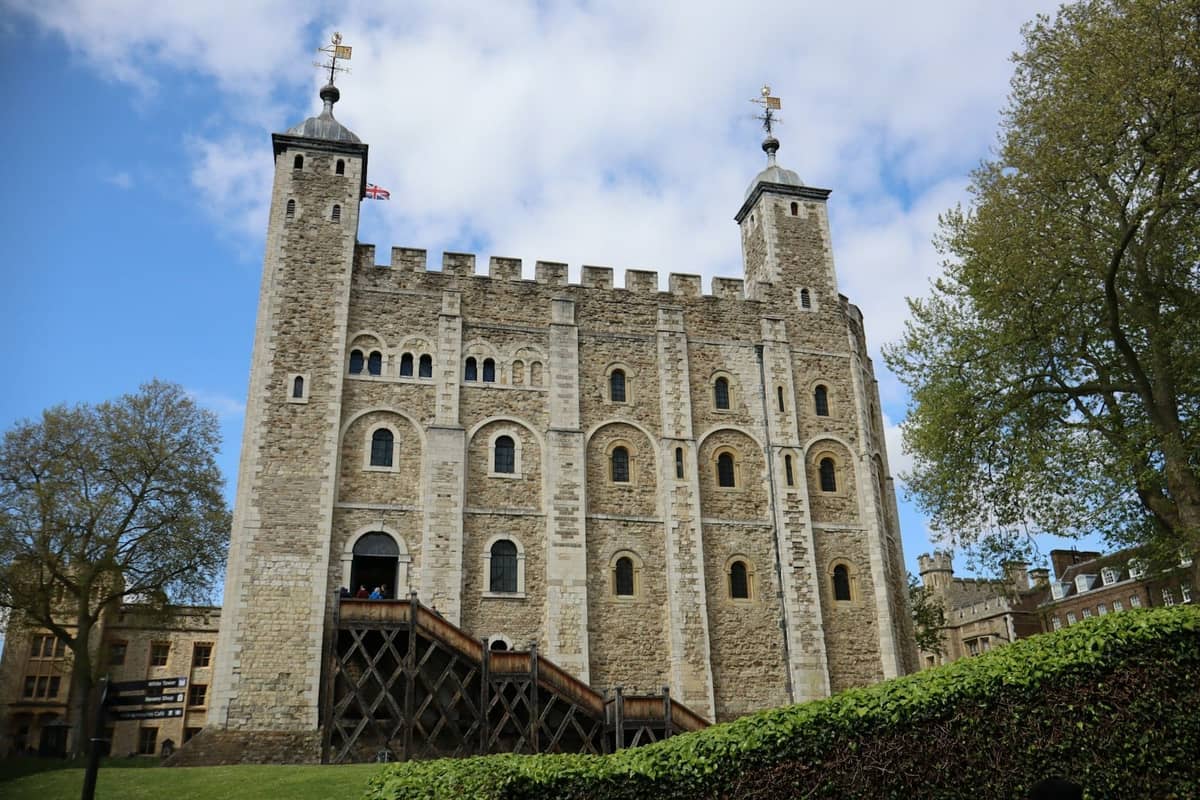
The Tower of London is the most historically layered of all London's royal sites. Founded by William the Conqueror after 1066, it has served as a royal residence, a political prison, an execution site, a mint, and an armory. Today its main draws are the Crown Jewels (some of the most valuable ceremonial objects in existence), the medieval White Tower, the Yeoman Warders (commonly called Beefeaters) who lead guided tours, and the ravens kept on site by royal tradition.
Standard admission to the Tower covers everything except the Ceremony of the Keys. Plan for at least 3 hours, and go early — the Crown Jewels queue builds quickly after 10:00. A Yeoman Warder tour is free with admission and runs regularly from the main entrance; these tours are informative and deliver context that the audio guide does not replicate.
The Ceremony of the Keys is a separate experience entirely. This nightly locking-up of the Tower has taken place every night for at least 700 years, making it one of the oldest military ceremonies in the world. Tickets cost £5 per person and must be pre-booked online through Historic Royal Palaces — there is no other way to attend. Visitors are admitted at 21:30 and should arrive by 21:25 at the latest. The ceremony ends at approximately 22:05. Tickets are released on a rolling monthly basis and regularly sell out, so book as early as the booking window allows. Photography during the ceremony is restricted.
✨ Pro tip
Ceremony of the Keys tickets are released on a rolling monthly basis via the Historic Royal Palaces website. Set a calendar reminder for the first working day of each new release window, when the next month’s dates are released at 13:00 (GMT). Midweek dates (Tuesday to Thursday) tend to have more availability than weekends.
Kensington Palace and the Wider Royal Circuit
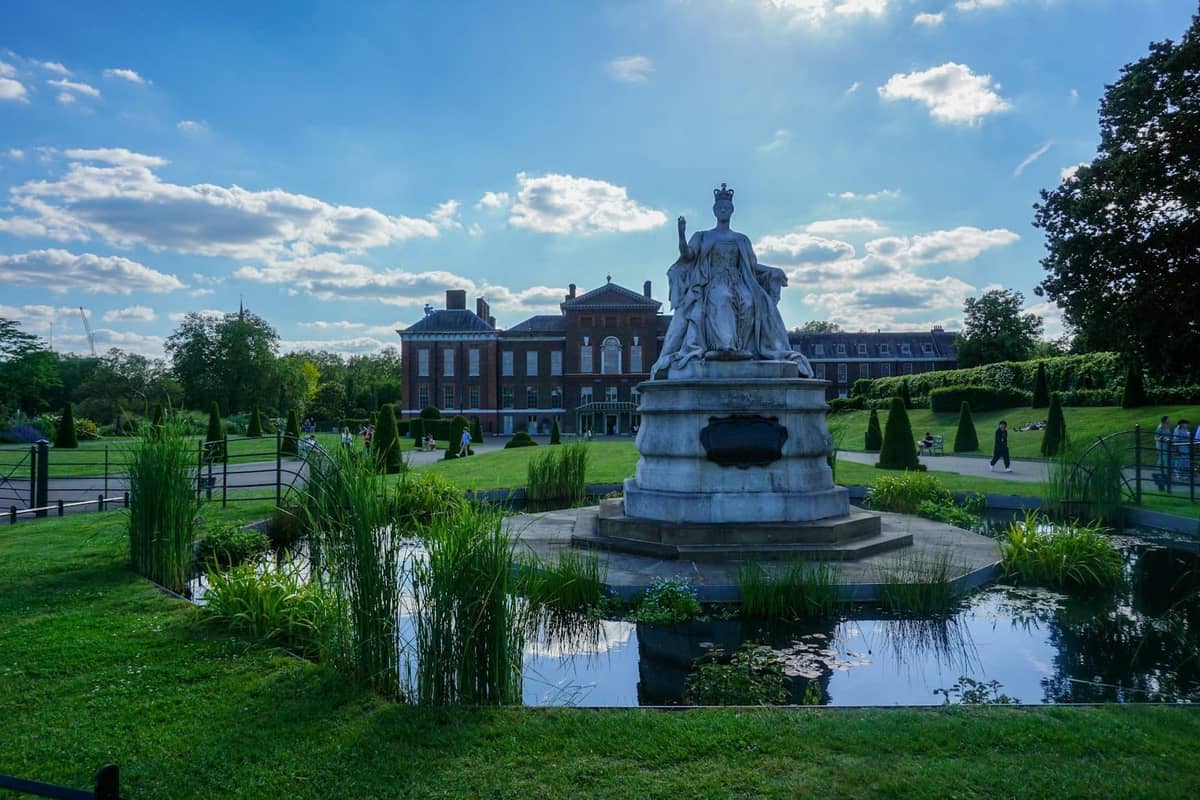
Kensington Palace sits inside Hyde Park and is open year-round, which makes it a more flexible option than Buckingham Palace. The birthplace of Queen Victoria, it became a royal residence in 1689 and remains home to several working members of the Royal Family today. The visitor experience covers the State Apartments, the King's and Queen's State Rooms, and rotating exhibitions focused on royal dress and history. Admission is paid; check Historic Royal Palaces for current pricing.
Kensington Palace is consistently less crowded than the Tower of London or Buckingham Palace events, which makes it underrated on the royal circuit. The permanent collections are strong, and the rotating fashion exhibitions (often focused on royal dress) draw audiences that extend well beyond monarchy enthusiasts. The Orangery adjacent to the palace is a good option for lunch or afternoon tea, though it commands a premium price.
- Buckingham Palace Official royal residence. State Rooms open seasonally (summer, limited Easter/winter dates). Book in advance via Royal Collection Trust.
- Tower of London Crown Jewels, White Tower, Yeoman Warder tours. Open year-round. Ceremony of the Keys nightly at 21:30, £5, pre-book online only.
- Kensington Palace Open year-round. Birthplace of Queen Victoria. State Apartments plus rotating exhibitions. Less crowded than other major royal sites.
- Horse Guards Parade Free to visit. Scene of Trooping the Colour annually in June. The mounted sentries on Whitehall side are on duty daily.
- Banqueting House The only remaining above-ground part of Whitehall Palace. Open to visitors. Famous Rubens ceiling and site of Charles I's execution in 1649.
Banqueting House on Whitehall is worth adding to any royal itinerary. Designed by Inigo Jones and completed in 1622, it is the only above-ground remnant of the vast Palace of Whitehall, which burned down in 1698. The Rubens ceiling paintings commissioned by Charles I are extraordinary, and Charles I was executed on a scaffold outside this building in 1649. Admission is paid but the visit is short — around an hour — and the site is rarely overcrowded.
Royal Ceremonies: What's Free, What Requires a Ticket
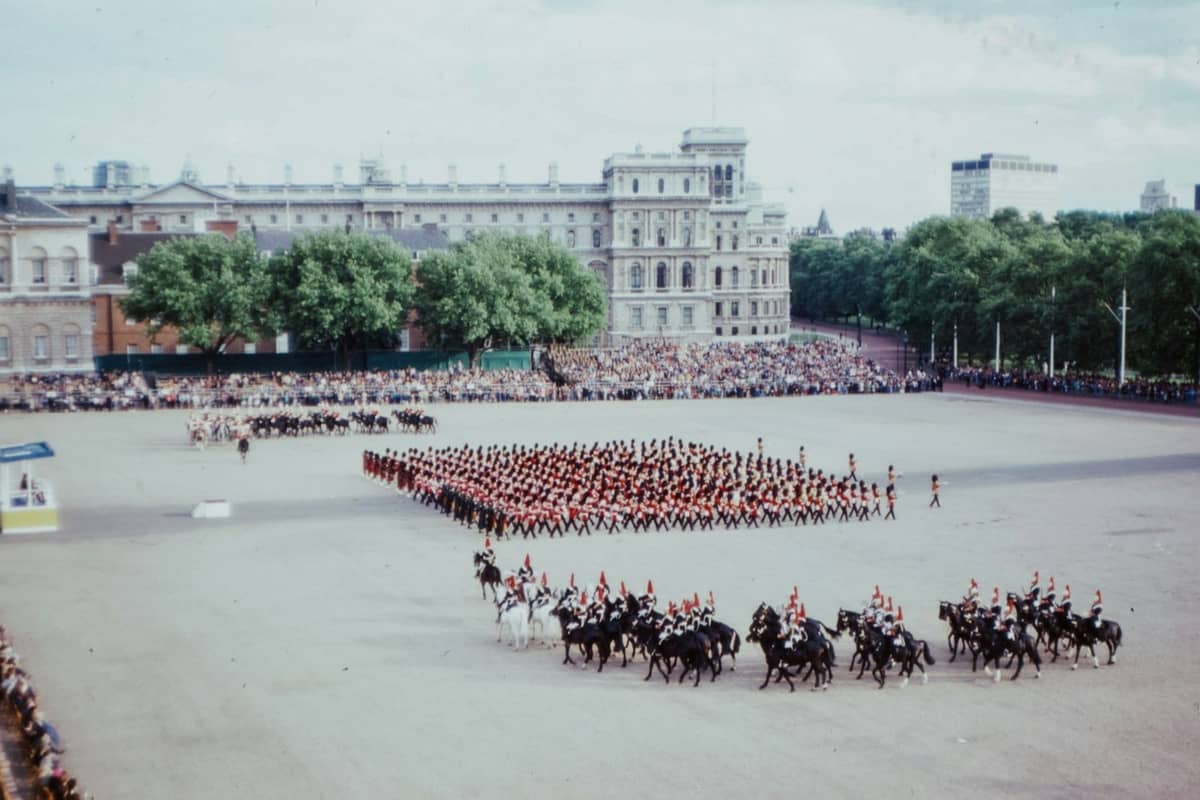
London's royal ceremonies divide into two categories: free public spectacles and ticketed private events. Understanding the difference matters for planning.
- Changing of the Guard (Free) Takes place at Buckingham Palace forecourt and Horse Guards Parade. No ticket required. Check the schedule ahead of your visit as it does not run daily year-round. Crowds are substantial on peak summer mornings.
- Trooping the Colour (Ticketed ballot + free viewing) The Sovereign's official birthday parade held in June on Horse Guards Parade. A public ballot for grandstand tickets opens earlier in the year. The procession along the Mall is free to watch and draws very large crowds.
- Ceremony of the Keys (Ticketed) Nightly at the Tower of London. £5 per person. Pre-book via Historic Royal Palaces. No photography during the ceremony.
- State Opening of Parliament (Free viewing) Typically held in autumn. The royal procession along the Mall and through Parliament Square is viewable for free from the pavement. Actual access to the ceremony is restricted.
💡 Local tip
For Changing of the Guard, the view from the steps of the Victoria Memorial is better than the forecourt railings for shorter visitors or those traveling with children. Arrive at least 45 minutes before the ceremony starts — usually 11:00 on ceremony days at Buckingham Palace.
Practical Tips for Visiting Royal London
The royal sites are spread across Westminster and Kensington, so combining them efficiently requires some planning. The Tower of London sits in the City of London, east of Westminster, so it does not fit naturally into a single-day western circuit with Buckingham Palace and Kensington Palace. A logical approach is to dedicate one day to Westminster (Buckingham Palace, Horse Guards, St James's Park, Banqueting House) and another to a Tower of London visit, possibly paired with Borough Market or a walk across Tower Bridge.
For transport, the nearest Tube stations are Victoria or St James's Park (District/Circle lines) for Buckingham Palace, and Tower Hill (District/Circle) for the Tower of London. Kensington Palace is a 10-minute walk from High Street Kensington (District/Circle) or Queensway (Central line). Full getting-around details are in the getting around London guide.
If you are visiting London for the first time and want to understand how the royal circuit fits into a broader itinerary, the 3-day London itinerary and the London for first-timers guide both map out logical routes. The London Pass guide is also worth consulting — it covers entry to Kensington Palace and the Tower of London, so it can represent good value depending on how many paid attractions you are planning to visit.
- Book Ceremony of the Keys tickets the moment the booking window opens on the first working day of the previous month at 13:00 (GMT) — midweek dates go first.
- Buckingham Palace State Rooms require advance booking during the summer opening window; do not assume walk-up access.
- Changing of the Guard does not run every day, especially outside summer. Check the official Royal Family website for the current schedule.
- The Crown Jewels queue at the Tower of London is longest between 10:00 and 14:00 — aim to arrive at opening (09:00 Tuesday to Saturday, 10:00 Sunday and Monday).
- Windsor Castle, while not in London, is reachable by train from London Waterloo (via Windsor & Eton Riverside) or from Paddington with a change at Slough (for Windsor & Eton Central) in around an hour. Factor it in if royal history is your primary focus.
- Wear layers for outdoor ceremonies — even summer mornings on the Mall can be cool, and ceremonies proceed in all weather.
ℹ️ Good to know
Historic Royal Palaces manages the Tower of London, Hampton Court Palace, the Banqueting House, Kensington Palace, Kew Palace at Kew Gardens and Hillsborough Castle and Gardens in Northern Ireland. The Royal Collection Trust separately manages Buckingham Palace and Windsor Castle access. These are different organizations with different booking systems.
FAQ
Can you go inside Buckingham Palace?
Yes, but only during specific periods. The State Rooms are typically open to the public during the summer months, with limited additional access at Easter and in December and January. Access is ticketed and timed entry must be booked in advance through the Royal Collection Trust website. The palace is not open for general public visits year-round.
How do you get tickets for the Ceremony of the Keys at the Tower of London?
Tickets must be booked online through the Historic Royal Palaces website at hrp.org.uk. They cost £5 per person and are released on a rolling monthly basis. The ceremony takes place nightly; visitors are admitted at 21:30 and should arrive by 21:25. There is no other way to attend — tickets cannot be purchased at the door.
Is Changing of the Guard free to watch?
Yes, watching the Changing of the Guard at Buckingham Palace is free. However, it does not happen every day — the schedule varies by season and is posted on the official Royal Family website. Arrive at least 45 minutes early for a decent view. The Victoria Memorial steps offer a better vantage point than the forecourt railings.
Is Kensington Palace worth visiting?
For most visitors, yes — especially compared to the crowds and limited access windows at Buckingham Palace. Kensington Palace is open year-round, houses strong permanent collections across the King's and Queen's State Apartments, and typically runs engaging temporary exhibitions. It is the birthplace of Queen Victoria and remains a working royal residence. Admission is paid; check Historic Royal Palaces for current prices.
What is the best time of year to visit Royal London?
Late spring and early summer (May to July) offer the best combination: Buckingham Palace State Rooms are approaching or in their opening season, Trooping the Colour takes place in June, the Changing of the Guard runs more frequently, and daylight hours are long. Summer also means larger crowds, so booking everything in advance is essential. Autumn visits are quieter but Buckingham Palace will likely be closed for internal visits by September.