Best Things to Do in London: The Definitive Guide
London rewards visitors who go beyond the obvious. This guide covers the best things to do in London across culture, history, food, and neighbourhoods, with practical tips on what's worth your time, what to skip, and how to do it all without overpaying.
Plan and book this trip
Tools from our partner Travelpayouts help you compare flights and hotels. If you book through them, we may earn a commission at no extra cost to you.
Flights
Hotels map
TL;DR
- Several of London's world-class museums, including the British Museum, National Gallery, and Tate Modern, are completely free to enter.
- Spread across 1,572 km², London rewards planning: use the London Underground and Elizabeth line to avoid losing hours in traffic.
- Paid highlights like the Tower of London (from £37) and London Eye (from £33) book up fast in summer, so buy tickets online in advance.
- First-time visitors should start with a clear neighbourhood strategy. Our London for first-timers guide breaks this down step by step.
- Peak season runs late spring through summer and around Christmas, when prices rise and queues lengthen significantly.
Iconic Landmarks Worth the Hype
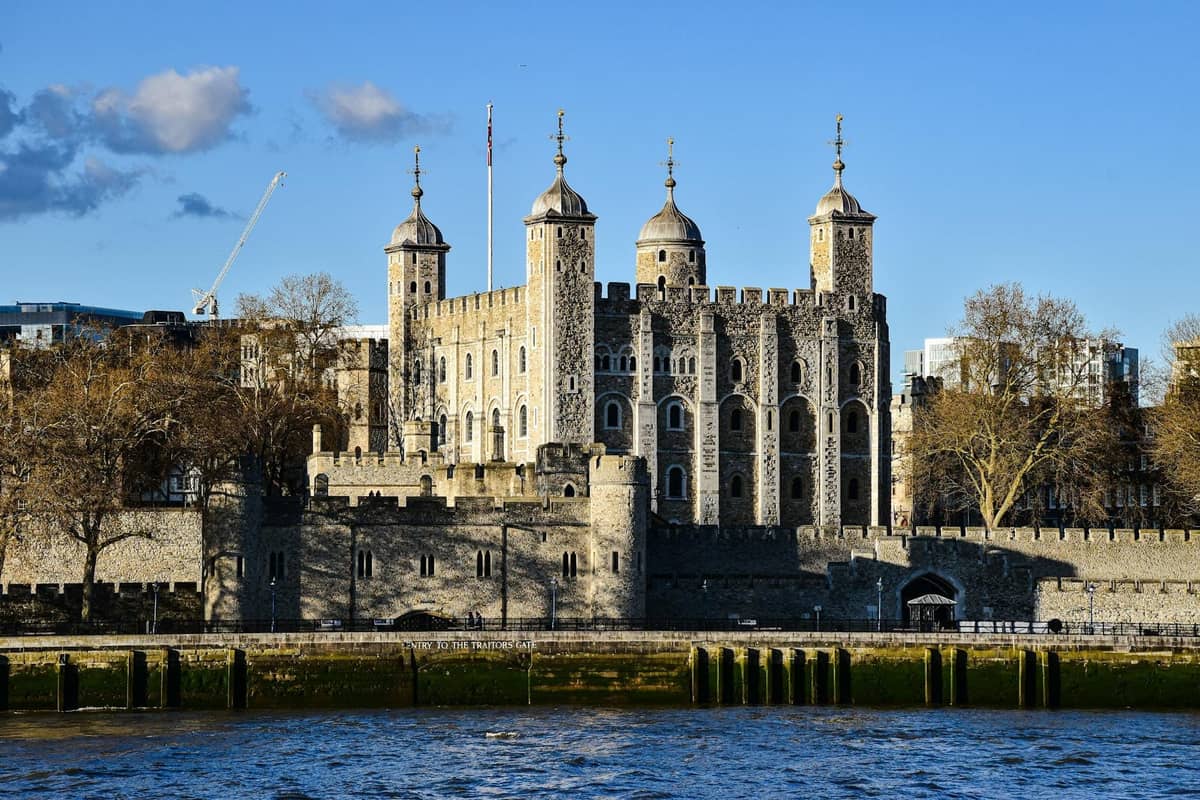
Some London landmarks are famous for good reason, and a few deserve more critical scrutiny than they get. The Tower of London sits at the top of most itineraries, and it earns its place. Built by William the Conqueror after 1066, it has served as a royal palace, prison, and treasury over nearly a thousand years. The Crown Jewels alone justify the entry fee, though photography inside that exhibition is not permitted. Buy tickets online (from £37 for adults) to skip the queues, and plan for at least two to three hours. Weekday mornings in March or October offer noticeably shorter waits than a Saturday in August.
One of the most repeated mistakes visitors make is confusing Tower Bridge with London Bridge. Tower Bridge is the one with the Gothic towers and the bascule mechanism, a short walk from the Tower of London. London Bridge is a plain road bridge about 800 metres upstream. The Tower Bridge Exhibition lets you walk the high-level glass walkways and visit the Victorian engine rooms. Admission costs around £13.40 for adults when booked online. The bridge itself is free to cross on foot.
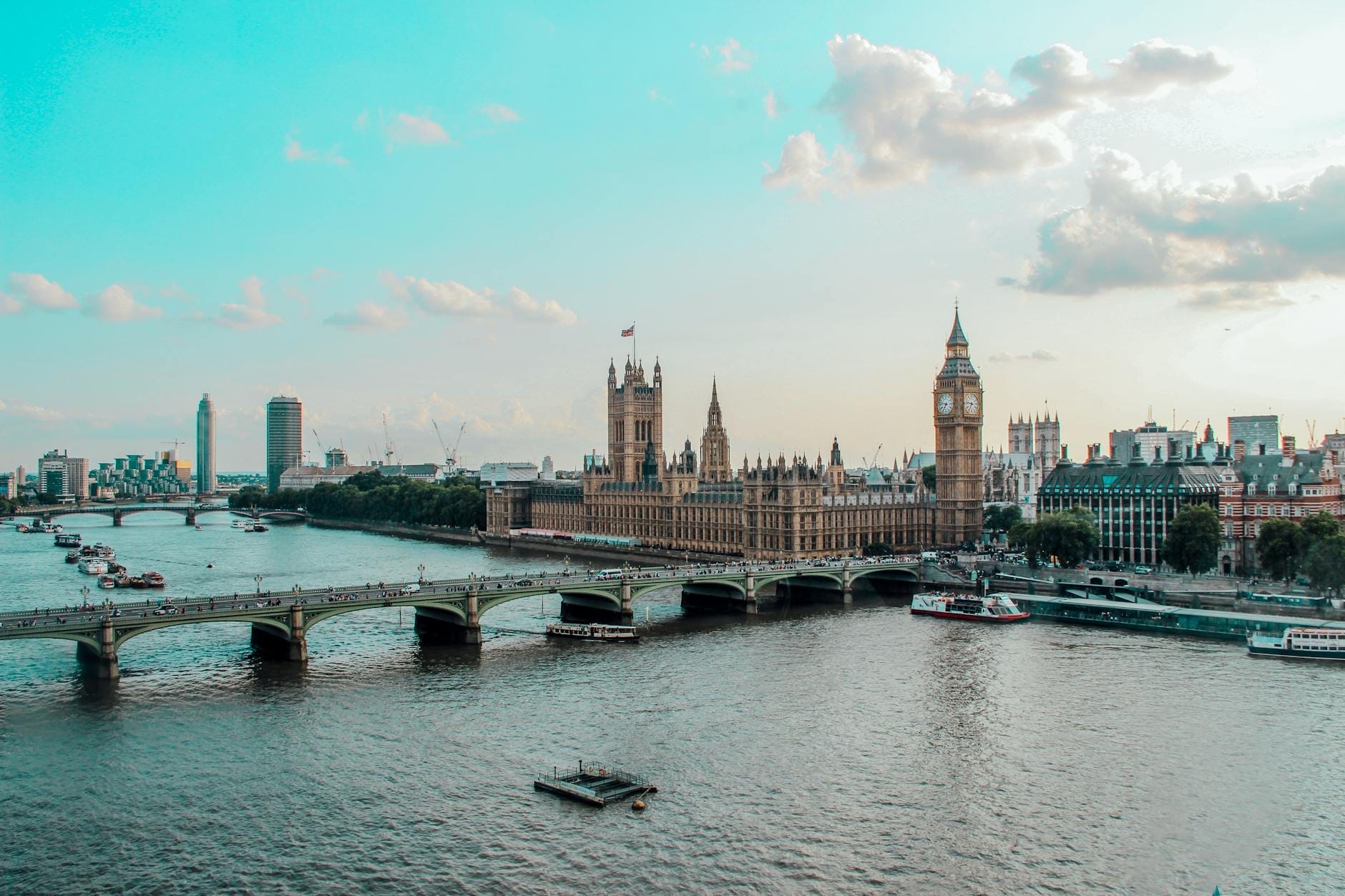
Regarding Big Ben: technically, Big Ben is the great bell inside Elizabeth Tower, not the tower itself. That distinction aside, the view of the tower and the Houses of Parliament from Westminster Bridge at dusk is one of the city's finest moments. It costs nothing. TheLondon Eye directly opposite offers a 30-minute rotation at 135 metres, with views stretching up to 40 km (25 miles) on clear days. Standard online tickets start from £33 for adults. It is the tallest cantilevered observation wheel in Europe. Whether it is worth the price depends on your tolerance for queues and enclosed capsules, but the perspective on the city is hard to replicate.
⚠️ What to skip
The Changing of the Guard at Buckingham Palace does not happen daily year-round. The schedule shifts by season and can be cancelled without notice due to weather or ceremonial commitments. Always check the official Household Division calendar before building your day around it.
World-Class Museums and Galleries (Many Are Free)
London's publicly funded museums charge no admission for permanent collections, which makes it one of the best cities in the world for cultural depth on a budget. The British Museum in Bloomsbury holds around eight million objects spanning two million years of human history. The Rosetta Stone, the Elgin Marbles, and the Lewis Chessmen are all here. Free entry, though special exhibitions carry a charge. Go on a weekday morning and avoid the Great Court at lunchtime, when it becomes severely congested.
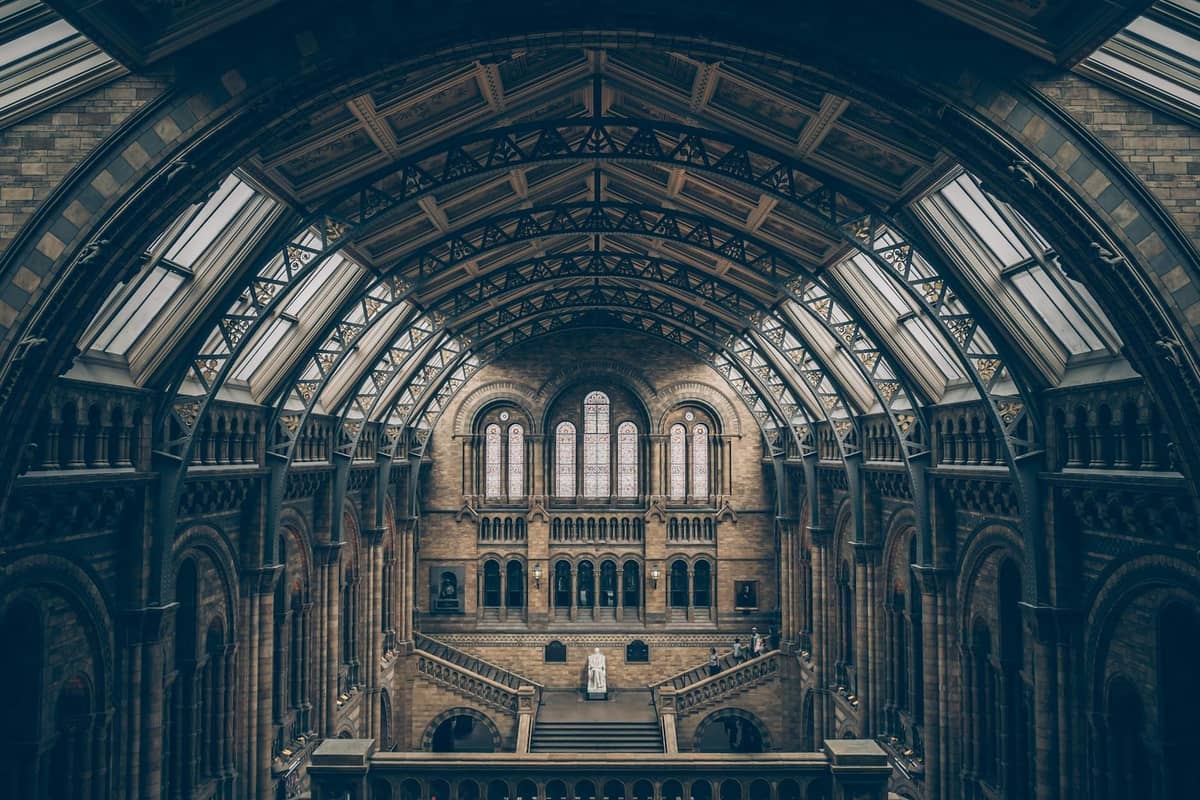
In South Kensington, the Natural History Museum and the Victoria and Albert Museum sit within a ten-minute walk of each other. The Natural History Museum's blue whale skeleton in the Hintze Hall is worth seeing even if you have only an hour. The V&A covers design, fashion, ceramics, and decorative arts across over 145 galleries, and its café inside the original Victorian kitchen is arguably the most beautiful museum café in London. Both are free.
On the South Bank, Tate Modern occupies a converted Bankside Power Station and is the most visited modern art museum in the world. The Turbine Hall alone is worth the trip, particularly when a major commission is installed. Free entry for the permanent collection. Across the Millennium Bridge, the National Gallery on Trafalgar Square holds over 2,300 paintings from the 13th to early 20th centuries, including Van Gogh's Sunflowers and Seurat's Bathers at Asnières. Also free.
- British Museum Free. Eight million objects. Essential for ancient civilisations. Go early on a weekday.
- Natural History Museum Free. Dinosaurs, the blue whale, and the stunning Romanesque architecture itself.
- Victoria and Albert Museum Free. Design and decorative arts across 145 galleries. The café is extraordinary.
- Tate Modern Free permanent collection. Best modern art museum in London, possibly Europe.
- National Gallery Free. One of the world's great painting collections, right on Trafalgar Square.
- Science Museum London Free. Strong on interactive exhibits for kids and the history of technology.
✨ Pro tip
Many free museums offer paid 'special exhibitions' alongside the permanent collection. These can cost £20-25 per adult and are often sold out weeks in advance. Book online if you want to see a blockbuster exhibition, but the permanent collections alone will fill multiple visits.
Neighbourhoods Worth Exploring on Foot
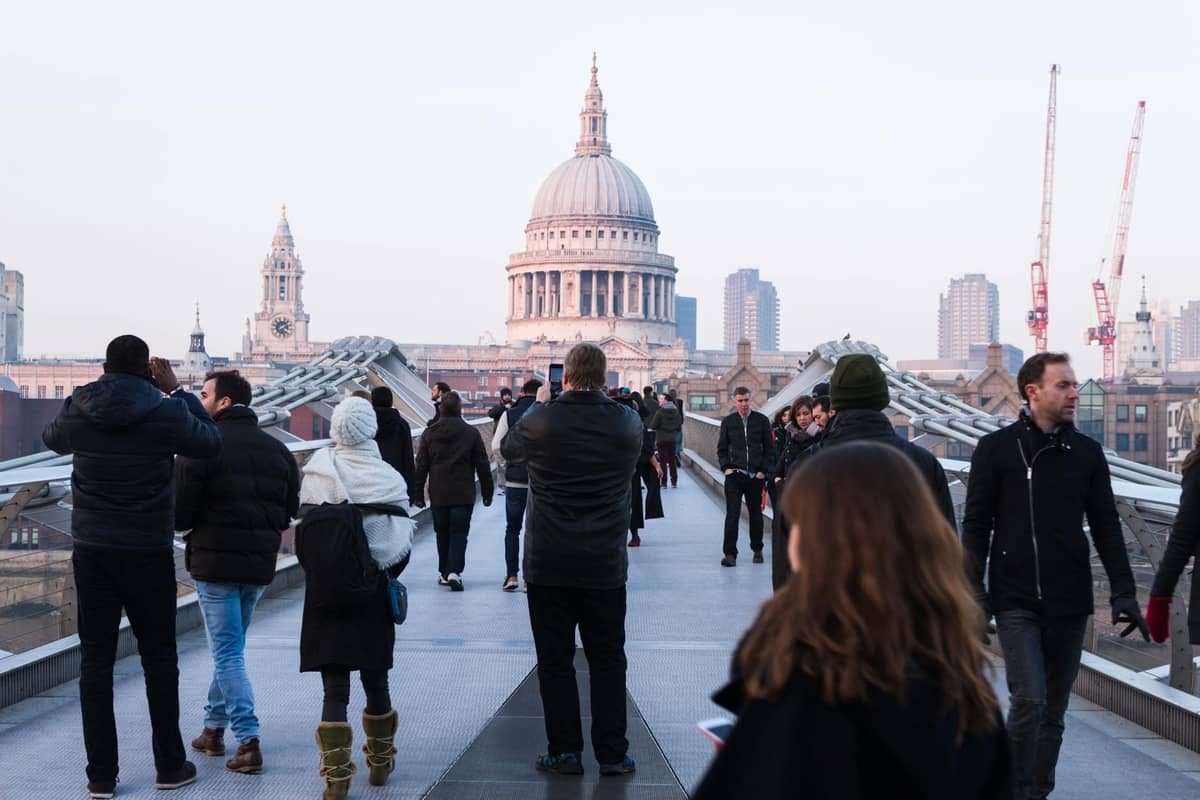
London's geography rewards walkers who treat neighbourhoods as destinations rather than transit corridors. The South Bank offers one of the best free walks in the city: from Westminster Bridge east to Tower Bridge, following the Thames path past the London Eye, Tate Modern, Shakespeare's Globe, Borough Market, and the Shard without entering a single paid attraction. Allow two to three hours at a leisurely pace.
Shoreditch operates on its own cultural frequency. Brick Lane runs through the heart of it, flanked by Bangladeshi restaurants, vintage clothing shops, and the Old Truman Brewery complex. Sunday mornings bring the markets to life: Brick Lane Market, Old Spitalfields, and Columbia Road Flower Market (which opens Sunday mornings only, roughly 8am to 2pm) are all within walking distance. The street art here is some of the most concentrated in Europe, with Banksy pieces and major international murals around every corner.
Greenwich deserves a half-day at minimum. The Old Royal Naval College, designed by Wren and Hawksmoor, is one of the finest Baroque buildings in Britain and free to explore. The Royal Observatory sits on the hill above, where you can stand on the Prime Meridian at 0° longitude. Admission to the Observatory costs around £18-20 for adults. The journey from central London by river is itself worthwhile: Thames Clipper services from Westminster or Embankment Pier take about 50-60 minutes downstream.
Parks, Views, and Outdoor London
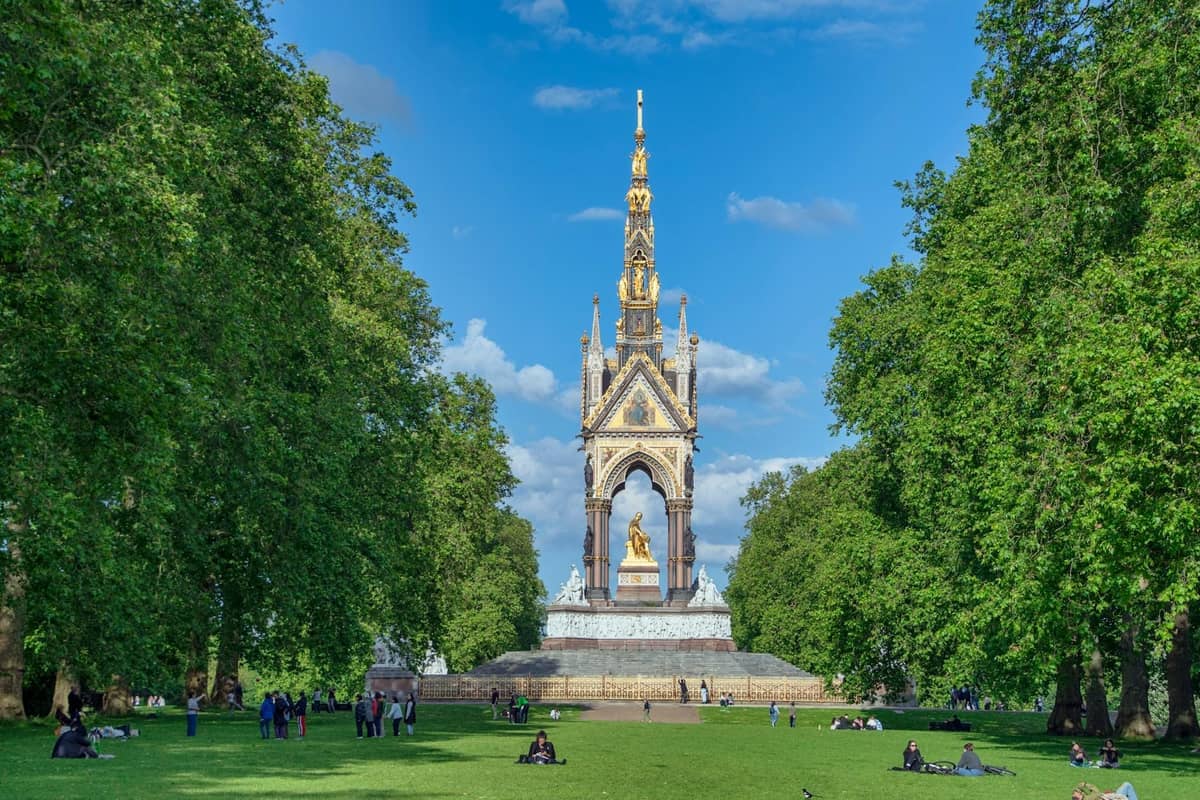
London has more green space than most capital cities. Hyde Park and Kensington Gardens together form 253 hectares of continuous parkland in the heart of the West End. In summer, the Serpentine Swimming Lido opens (mixed bathing with a small daily fee). In winter, the Winter Wonderland event in Hyde Park transforms the eastern section from late November into January. Entry to the park itself is always free.
For views without an admission fee, Primrose Hill offers a panorama of the central London skyline that rivals anything the paid observation decks can offer. It is a 20-minute walk north of Regent's Park. The Sky Garden at 20 Fenchurch Street (the Walkie-Talkie building) also offers free admission to its rooftop garden, though you must pre-book a timed entry slot online. Alexandra Palace in north London provides similar free views over the city from its terrace.
- Hyde Park: free, 140+ hectares, Serpentine Gallery, Diana Memorial Fountain
- Richmond Park: free, herds of free-roaming deer, 950+ hectares in southwest London
- Hampstead Heath: free, open swimming ponds, views from Parliament Hill
- St James's Park: free, pelicans, direct views of Buckingham Palace
- Kew Gardens: paid entry (around £20 for adults), UNESCO World Heritage Site, essential for garden enthusiasts
- Greenwich Park: free, connects Old Royal Naval College to the Observatory hill
Experiences Worth Booking in Advance
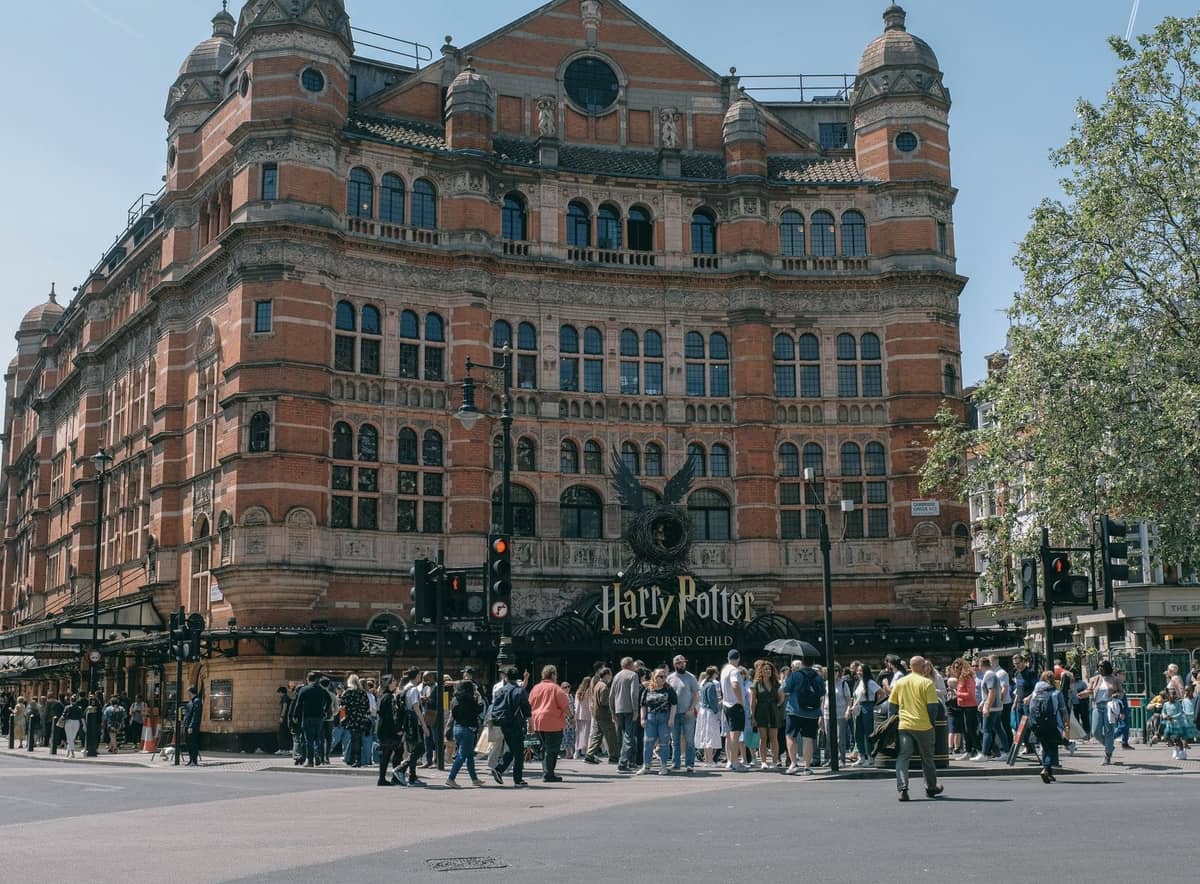
The Warner Bros. Studio Tour London at Leavesden, about 20 miles northwest of central London, is not technically in London but is easy to reach: trains from London Euston to Watford Junction take around 20 minutes, with shuttle buses running to the studio. Adult tickets start from £53.50, and the tour typically takes three to four hours. The critical point: timed entry tickets must be pre-booked, often weeks in advance during school holidays. Walk-ups are not accepted. Do not leave this until the day before.
West End theatre is a cornerstone of London culture, with over 40 major theatres concentrated within the West End district. The quality ranges from long-running megamusicals to short-run productions at the National Theatre and the Barbican. Booking early generally saves money, but the TKTS booth on Leicester Square sells same-day and advance discounted tickets for many shows, often at 25-50% off. Standing by at stage doors after evening performances is a genuine London tradition, with some productions offering affordable day seats released each morning.
For families, the combination of ZSL London Zoo and Regent's Park works well as a single day. Zoo tickets start from around £33 online for adults, less for children; same-day tickets at the gate cost significantly more. The adjoining park, with its formal gardens and boating lake, rounds out the afternoon without additional cost. SEA LIFE London Aquarium on the South Bank is similarly popular with younger children, with online tickets from around £28 for adults.
💡 Local tip
If you are planning to visit multiple paid attractions, the London Pass may cut costs significantly. It covers over 80 attractions including the Tower of London, Tower Bridge Exhibition, and Kew Gardens. Run the numbers against your specific plans before buying, as it only makes financial sense if you use it intensively. See our full analysis of whether the London Pass is worth it.
Food, Markets, and London's Eating Culture
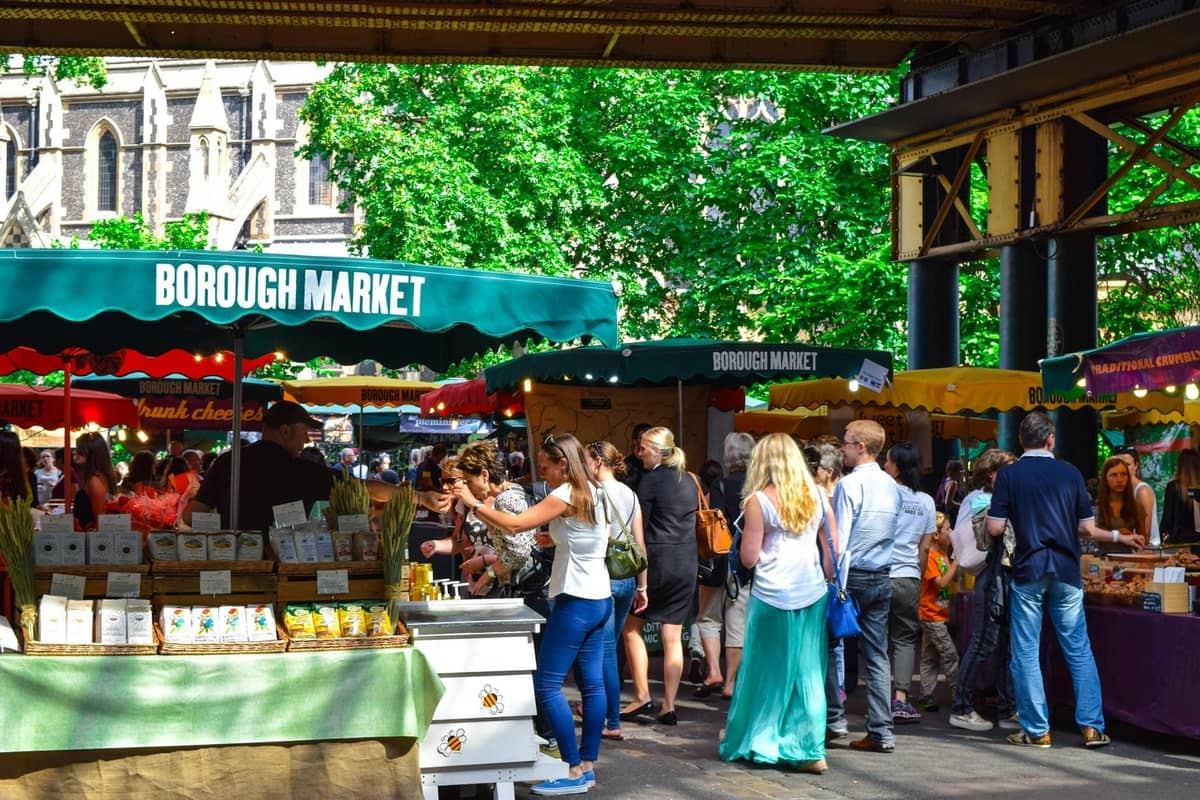
London's food scene has changed dramatically over the past two decades. Borough Market, directly south of London Bridge, is the most famous food market in the city: a permanent covered market operating Monday through Saturday with around 100 stalls selling produce, street food, and specialist ingredients. It is worth visiting on a Friday morning before the weekend crowds make movement difficult. Go hungry. Expect to spend £10-20 on a market lunch without trying.
Beyond Borough, Brick Lane is the core of London's Bangladeshi food culture, with dozens of curry houses and the Sunday market adding street food to the mix. Camden Market around the Lock has over 1,000 stalls and significant street food variety from Thai to Ethiopian to Venezuelan. For something more upscale, Coal Drops Yard in King's Cross contains a curated set of independent restaurants and shops in beautifully restored Victorian coal storage buildings.
One experience that separates London from other cities is afternoon tea, the ritual of sandwiches, scones, and pastries served between roughly 2pm and 5pm. Hotel versions at the Ritz or Claridge's cost roughly £75-105 per person and require reservations weeks ahead. Department store versions at Harrods or Fortnum & Mason offer comparable quality at similar prices. More affordable options exist at smaller tearooms around Covent Garden and Kensington, typically in the £30-50 range. It is not a casual impulse decision in the better establishments.
FAQ
What are the best free things to do in London?
London has an unusually strong free offer. The British Museum, Natural History Museum, Victoria and Albert Museum, National Gallery, Tate Modern, Science Museum, and Tate Britain all have free permanent collections. Walking the South Bank from Westminster Bridge to Tower Bridge, visiting Hyde Park, St James's Park, or Primrose Hill, and watching the street art scene in Shoreditch also cost nothing. The Sky Garden rooftop at 20 Fenchurch Street is free but requires advance online booking.
How many days do you need to see London properly?
Three days gives you a solid introduction to the main landmarks and one or two neighbourhoods. Five days allows you to add Greenwich, a West End show, and more museum time. A week lets you explore outer areas like Hampstead, Richmond, or Kew. London rewards longer stays: most visitors who have spent a week there feel they have only scratched the surface.
Is the Tower of London worth visiting?
For most visitors, yes. The Crown Jewels are impressive and unique, the medieval White Tower contains important historical collections, and the Yeoman Warder tours (included in admission) are entertaining. Adult tickets are £37 (standard admission; verify current prices at hrp.org.uk). The main caution: it gets very crowded on summer weekends. Visit on a weekday morning in spring or autumn for the most comfortable experience.
What is the best way to get around London as a tourist?
The London Underground (the Tube) covers most tourist areas efficiently. Use a contactless bank card or an Oyster card for pay-as-you-go fares, which are significantly cheaper than paper tickets. The Elizabeth line now runs high-frequency east-west services connecting Heathrow directly to Paddington, Tottenham Court Road, and Liverpool Street. Walking between nearby attractions (for example, Westminster to Covent Garden, or the South Bank museums) saves money and reveals more of the city.
When is the best time to visit London?
May to September offers the most reliable mild weather, with average highs between about 18-23°C and the longest daylight hours. July and August bring the largest crowds and highest hotel prices. Late May and September offer a practical balance of good weather and more manageable visitor numbers. December brings Christmas markets and festivities but cold, wet weather and peak pricing around the holidays. Rain is possible year-round, averaging around 8-12 days per month depending on the season.