Warner Bros. Studio Tour London – The Making of Harry Potter: What to Expect
Set inside the actual Warner Bros. Studios, Leavesden where all eight Harry Potter films were shot, this attraction puts you face-to-face with original costumes, full-scale sets, and thousands of props. It requires advance booking and a journey outside central London, but for fans of the series it delivers a level of detail and authenticity that no city-centre experience can match.
Quick Facts
- Location
- Warner Bros. Studios, Leavesden, Watford, Hertfordshire (outside central London)
- Getting There
- Organised coach transfers depart from London Victoria, Baker Street, and King's Cross; no direct London Underground service; a dedicated shuttle bus runs from Watford Junction rail station
- Time Needed
- 3–5 hours on site; allow a full day including travel
- Cost
- Transport-inclusive packages via Visit London currently list adult tickets from £134 and child tickets from £81; prices vary, advance booking required, no door sales
- Best for
- Harry Potter fans of all ages, film production enthusiasts, families with older children
- Official website
- www.wbstudiotour.co.uk
What the Warner Bros. Studio Tour Actually Is
Warner Bros. Studio Tour London – The Making of Harry Potter is not a theme park. There are no rides, no costumed characters wandering the grounds, and no queue for a rollercoaster. What it is, instead, is something considerably more interesting for anyone curious about how films are made: direct access to the original working studios where all eight Harry Potter productions were filmed, with principal photography running from 2000 to 2010.
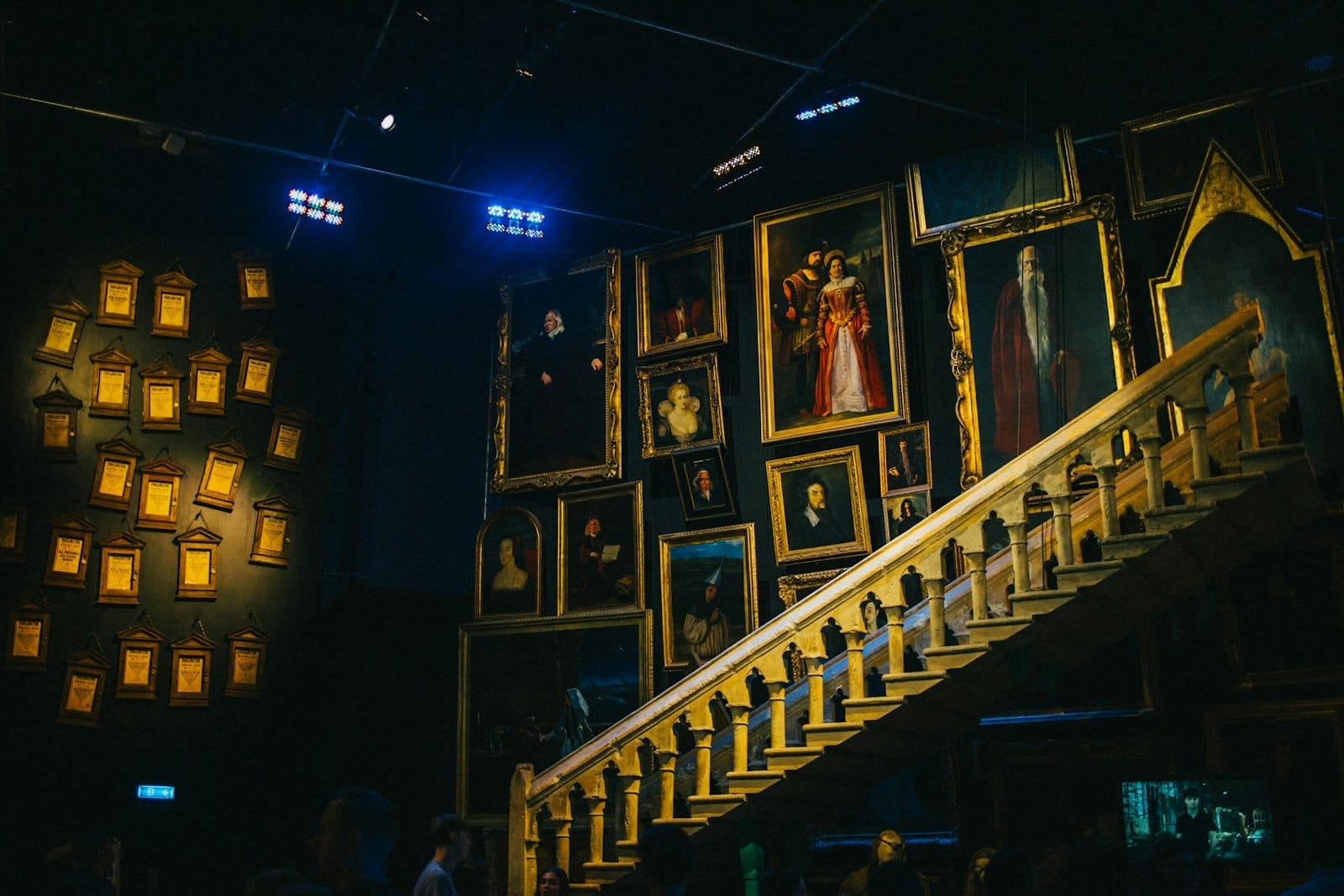
The attraction opened in 2012, built around the preserved and restored sets, costumes, creature effects, and production design that the films left behind. The Great Hall you walk through is the actual Great Hall. The wands in the display cases belonged to the actors who carried them on screen. The sheer density of original material is what separates this from a standard exhibition of reproductions.
The studios sit in Leavesden, Hertfordshire, roughly 20 miles northwest of central London. This is not a quick detour between other sightseeing. Budget a full day: travel time each way, plus three to five hours on site. If you are planning a broader trip, it works well alongside a visit to the British Library, where the original Harry Potter manuscript pages have been displayed, or combined with other stops on a Harry Potter London itinerary.
⚠️ What to skip
Tickets must be booked in advance online. There are no walk-up tickets sold at the door. First entry is at 9am; last entry times vary by date between 4pm and 6:30pm. Check the official site at wbstudiotour.co.uk for your specific visit date before making travel plans.
The Sets: Walking Through Film History
The tour opens in a large screening room where a short film plays before the doors to the Great Hall swing open. It is a deliberate theatrical moment, and it lands well even for visitors who have been warned it is coming. The scale of the hall stops people in their tracks: the long tables, the high-backed chairs, the candelabra overhead. The actual costumes worn by the student cast members during specific scenes are displayed at the tables, labelled by film.
From there the route opens into the main production hall, a vast industrial space housing sets that have been rebuilt or preserved with extraordinary care. The Gryffindor common room and boys' dormitory feel startlingly lived-in: worn armchairs, scattered books, the texture of the stone fireplace surround. The lighting throughout these sets is deliberately kept low and atmospheric, close to how the sets appeared on camera. Bring eyes adjusted for dim interiors.
Dumbledore's office is a particular standout. The circular room is packed floor-to-ceiling with props, books, and instruments designed by the production's art department, many of them functional objects built specifically for close-up filming. A glass case contains the actual Sorting Hat. The level of craft in individual objects — the worn bindings on books, the patina on brass instruments — reflects decades of work by large teams of skilled makers.
Tickets & tours
Hand-picked options from our booking partner. Prices are indicative; availability and final rates are confirmed when you complete your booking.
The Making of Harry Potter Guided Tour of London Warner Bros. Studio
From 201 €Instant confirmationFree cancellationWarner Bros. Studio Tour London - The Making of Harry Potter and Oxford guided tour
From 157 €Instant confirmationFree cancellationThe Making of Harry Potter - Warner Bros. London tickets and transfer
From 0 €Instant confirmationFree cancellationThe Making of Harry Potter - Warner Bros. London tickets and transfer
From 0 €Instant confirmationFree cancellation
The Outdoor Backlot and Diagon Alley
Midway through the tour, visitors pass through to an outdoor backlot area. This is where you find the full exterior of Number 4, Privet Drive, the Knight Bus, and several other large-scale props. Weather matters here. On a grey, drizzly English day — which is not an unlikely outcome — the backlot loses some of its colour, but the sets themselves remain interesting regardless of conditions. On clear days the light is better for photographs and the space feels more generous.
The Butterbeer cart operates in this area. The drink, available in standard and frozen versions, is sweet, cream-soda adjacent, and is deliberately priced as a premium item. It is worth having once. The queue for it tends to grow through the mid-morning as tour groups arrive in waves.
The second indoor hall, reached after the backlot, contains Diagon Alley — the full facade of the film's wizarding shopping street, including Gringotts Bank and the original shop fronts. It is a impressive piece of production design: the scale is larger than it appears in the films, and the detail in the signage and stonework rewards close attention. This section also houses the original creature workshop displays, where the production's animatronic figures, puppets, and practical effects are explained with accompanying video.
Costumes, Props, and the Production Design Galleries
For visitors with an interest in craft rather than just fandom, the costume and prop galleries are the most rewarding parts of the tour. Original robes worn by the three central actors across multiple films are displayed with notes on the design decisions made for each production. The aging and distressing on Harry's Hogwarts uniform by the later films is visible up close in a way that photographs do not convey.
The wand collection is displayed in floor-to-ceiling drawers that visitors can pull open. Each wand is accompanied by a small card describing its design rationale. Nearby, an interactive section allows visitors to attempt wand movements tracked by sensors in a corridor — a popular stop for younger visitors and one of the few points where queues form within the tour itself.
The concept art and model-making displays near the end of the tour are sometimes skipped by visitors running low on energy, which is a mistake. The original architectural models for Hogwarts castle, built at a scale of 1:24 and lit from within, formed the basis of establishing shots throughout the entire film series. Standing next to them, the craftsmanship is humbling. For more context on how film and design history is preserved in London, the Design Museum in Kensington covers related ground from a broader perspective.
Practical Walkthrough: How to Plan Your Visit
The most straightforward way to reach the studios is via an organised coach transfer from central London. Coaches depart from London Victoria, Baker Street, and King's Cross, and journey time is typically around one hour depending on traffic. Packages combining transport and entry can be booked through Visit London and operators like Golden Tours, with adult prices from approximately £134 and children from £81 as of current listings. Prices are subject to change; confirm current rates at the time of booking.
If you prefer to travel independently, the nearest mainline station is Watford Junction (from London Euston); Watford High Street on the London Overground is further away and does not have a studio shuttle. A shuttle bus connects Watford Junction to the studios. This option can work out less expensive for groups travelling without children, but the timings require coordination around your entry slot.
💡 Local tip
Book the earliest available entry slot for your date. The tour is self-guided and there is no fixed route pace, so arriving at opening means you move through the first sections ahead of the mid-morning coach arrivals. The Great Hall and Dumbledore's office are significantly less crowded in the first hour.
The tour is largely step-free and accessible to wheelchair users. The official site provides a dedicated accessibility section covering entrance arrangements, assistance animals, large print guides, and specific facilities. Contact the studio in advance if you have particular requirements.
Wear comfortable shoes. The total walking distance through the two main halls, the backlot, and the galleries is considerable, and the hard floors of a working industrial studio space are unforgiving over several hours. A light layer is useful: the main production halls are large spaces where the temperature can feel different from outside, especially in cooler months.
Photography, Crowds, and Managing Expectations
Photography is permitted throughout, including in the sets, and no flash is required or helpful given the deliberate low-light atmosphere of many rooms. A phone camera performs adequately in most areas. The Diagon Alley section and the model room at the end of the tour offer the best wide compositions. The interactive wand corridor is poorly lit for photography — focus on the experience rather than trying to capture it.
Peak times are school holidays, weekends, and summer months. During these periods the studio can admit up to around 6,000 visitors per day during peak periods. The experience on a busy Saturday in August is noticeably different from a midweek visit in October: longer waits at popular interactive points, denser crowds in the narrower gallery sections, more noise overall. For visitors who find crowded spaces tiring, a weekday booking outside school holiday periods makes a material difference.
Be honest with yourself about the depth of your interest. The studio tour delivers exceptional value for fans of the films or anyone interested in practical film production. For visitors who are neither, the entry price is high and the content can feel repetitive by the second hour. If your party is split between enthusiasts and reluctant companions, consider pairing the day with something nearby. The London with kids guide covers how to balance days that include one large attraction with options that suit mixed groups.
The Shop and Food
The tour ends, by design, in an enormous merchandise shop. The range is comprehensive: robes, wands, house-specific items, prop replicas, books, and clothing. Prices are premium but the quality of licensed items is generally better here than in city-centre tourist shops. Budget accordingly if travelling with children. There is no pressure to buy, but the exit routes make avoiding the shop essentially impossible.
The on-site café and restaurant serve meals and snacks. Quality is adequate rather than notable. The food offering is priced at theme-park rates. If budget is a consideration, eating before arrival or bringing snacks is reasonable: there are no restrictions on carrying food into the waiting areas, though not into the sets themselves.
Insider Tips
- Book the first entry slot of the day for your date. The tour is self-paced and early arrivals move through the initial set pieces well ahead of coach-group arrivals, which typically begin around 10am.
- The concept art corridor and the Hogwarts scale model room near the exit are two of the most technically impressive sections in the tour, and many visitors rush through them after five hours of walking. Give yourself time here — the 1:24 model of Hogwarts castle alone took a team of artists over three years to construct.
- Seasonal overlays change parts of the tour's content. A Halloween dressing runs in autumn and a Christmas version features during winter weekends, with some sets redecorated as they appeared in the films' seasonal scenes. If you have a choice of visit dates, checking what overlay is running can noticeably change the experience.
- If you are travelling independently rather than using the coach transfer, the Watford Junction to studio shuttle bus is timed to connect with specific trains. Confirm shuttle times against your entry slot before booking train tickets, or you risk arriving late for a timed-entry experience that will not hold your slot.
- The interactive wand scenes are positioned at specific points in the backlot. They are popular with children and generate short queues. If your group includes young visitors, work through the interactive points early rather than doubling back.
Who Is Warner Bros. Studio Tour London – The Making of Harry Potter For?
- Harry Potter film fans, from casual viewers to dedicated enthusiasts who can identify costumes by specific scene
- Families with children aged seven and above who have seen at least some of the films
- Anyone with a professional or amateur interest in practical film production, set design, and costume making
- Visitors on a dedicated pop-culture day out who want depth and detail rather than a brief photo opportunity
- International visitors for whom the Harry Potter series holds specific cultural significance, particularly those combining the studio tour with other film locations around London
Nearby Attractions
Combine your visit with:
- Abbey Road
The Abbey Road zebra crossing in St John's Wood is one of the most photographed stretches of tarmac in the world, immortalised by the Beatles on the cover of their 1969 album. Entry is free, it's accessible around the clock, and the Grade II listed studios next door still operate as a working recording facility. Here's everything you need to know before you visit.
- Alexandra Palace
Perched on one of north London's highest ridges, Alexandra Palace is a Grade II-listed Victorian landmark that combines a 196-acre park, a restored theatre, a year-round ice rink, and a live music venue. Entry to the park is free, and the views across the city stretch further than almost anywhere else at ground level.
- Dulwich Picture Gallery
Opened in 1817, Dulwich Picture Gallery is Britain's first purpose-built public art gallery, designed by Sir John Soane and housing over 600 European masterpieces. Set in the quiet streets of Dulwich Village, it offers a rare combination of architectural beauty, world-class paintings, and a unhurried atmosphere that larger central London galleries rarely manage.
- Hampton Court Palace
Hampton Court Palace stands on the banks of the River Thames in East Molesey, Surrey, roughly 30 minutes by train from central London. With Tudor kitchens, baroque state apartments, a famous hedge maze, and 60 acres of formal gardens, it offers more depth than almost any other royal site in England. This guide covers everything you need to plan a visit well.