Abbey Road: The Beatles Crossing and Studios in London
The Abbey Road zebra crossing in St John's Wood is one of the most photographed stretches of tarmac in the world, immortalised by the Beatles on the cover of their 1969 album. Entry is free, it's accessible around the clock, and the Grade II listed studios next door still operate as a working recording facility. Here's everything you need to know before you visit.
Quick Facts
- Location
- 3 Abbey Road, St John's Wood, London NW8 9AY
- Getting There
- St John's Wood (Jubilee line), approx. 10-minute walk along Grove End Road
- Time Needed
- 20–45 minutes at the crossing; pair with a walk around St John's Wood for a 1–2 hour visit
- Cost
- Free — the crossing is a public road accessible at all times
- Best for
- Music fans, Beatles pilgrims, pop culture photography
- Official website
- www.abbeyroad.com/crossing
What Is Abbey Road and Why Do People Visit?
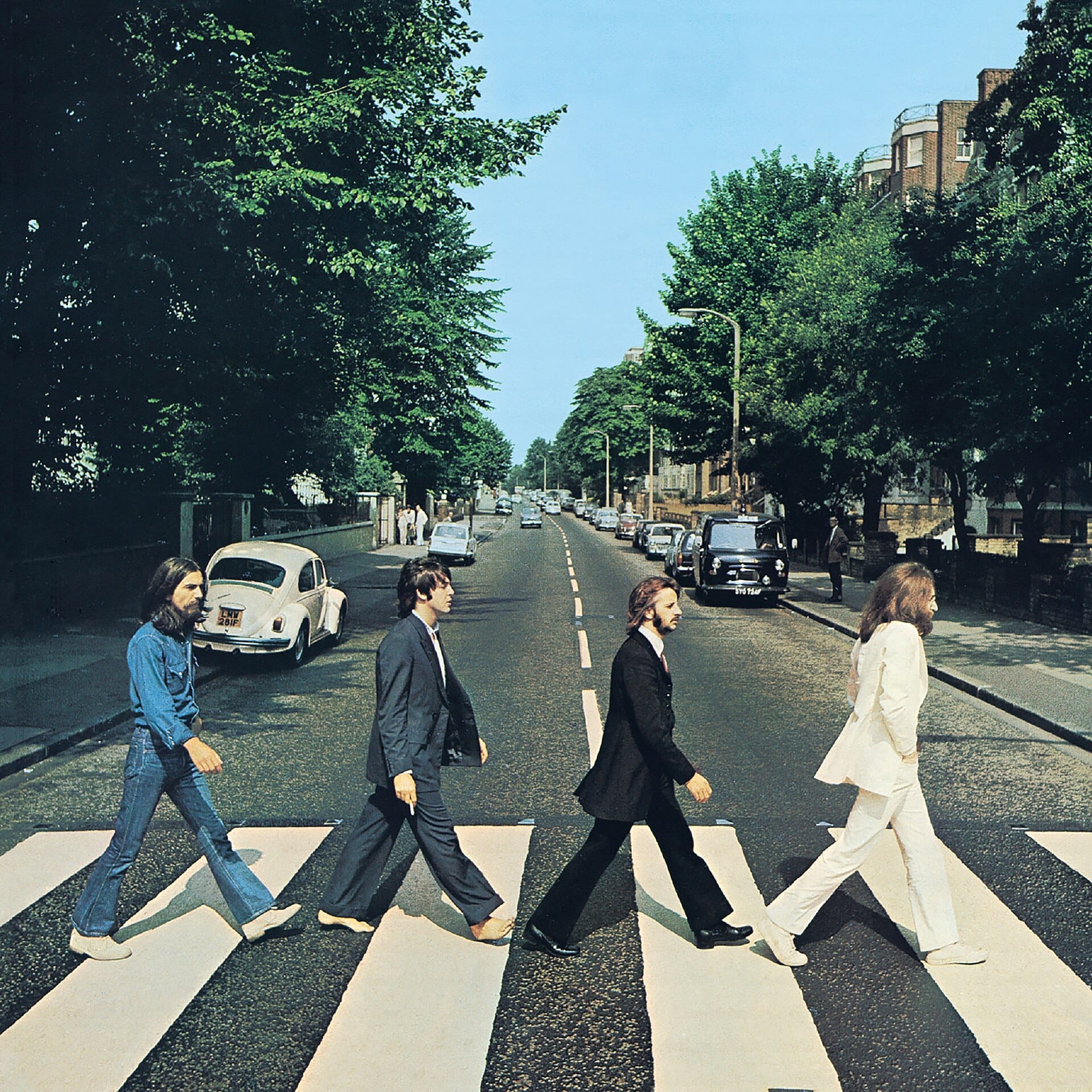
On a quiet residential street in St John's Wood, north-west London, a modest zebra crossing has become one of the most visited spots in the entire city. The Abbey Road zebra crossing achieved its fame in August 1969, when photographer Iain Macmillan stood on a stepladder and captured John Lennon, Ringo Starr, Paul McCartney and George Harrison walking across it in a single file. That image became the cover of the Beatles' final studio album, 'Abbey Road', and the crossing has been a magnet for fans and curious visitors ever since.
The crossing sits directly outside Abbey Road Studios, the recording complex that EMI built in 1931. It remains a working studio today and is not open for general public tours. What visitors come for is the crossing itself and the white-painted facade of the studio building behind it, both of which are Grade II listed heritage assets. The studio walls are perpetually covered in fan graffiti — messages, signatures, and Beatles lyrics left by visitors from every corner of the world. It's a strange and oddly moving sight, equal parts tourist attraction and genuine place of pilgrimage.
ℹ️ Good to know
The crossing is a live, working road with continuous traffic in both directions. Drivers are legally required to give way once a pedestrian steps onto the crossing, but the street is narrow and cars approach quickly from the studios' driveway. Stay alert, especially when walking out to take photos.
How the Experience Changes by Time of Day
Visiting early morning — before 8am — gives you the best chance of a quiet crossing. The street is residential, traffic is light, and you can stand in the road for a few seconds to line up a photo without a queue behind you. The light at this hour, particularly in spring and summer, falls at a low angle across the crossing, which replicates the conditions of the original album cover image reasonably well. You'll still share the space with a handful of other early visitors, but it's manageable.
By mid-morning, the dynamic changes considerably. Groups arrive from central London, tour buses occasionally stop nearby, and the crossing becomes a revolving door of people attempting the same barefoot-Lennon or suited-McCartney walk. There's a live webcam on the crossing — operated by Abbey Road Studios at abbeyroad.com — which adds an extra layer of self-consciousness. On busy summer days between 10am and 4pm, expect a near-constant stream of people and regular horn-sounding from frustrated drivers.
Late evening, particularly around dusk in summer, offers another good window. The crowds thin, the light goes golden, and the street lamps click on. The studios close for the day but the facade is well lit. Autumn and winter mornings can be atmospheric in a different way: mist, empty pavements, the smell of damp leaves, and no queue for the crossing at all. If replicating the album cover as closely as possible is the goal, overcast natural daylight with no harsh shadows comes closest to the look of Macmillan's photograph.
Tickets & tours
Hand-picked options from our booking partner. Prices are indicative; availability and final rates are confirmed when you complete your booking.
Downton Abbey and village small group tour from London
From 173 €Instant confirmationFree cancellationGuided tour inside Westminster Abbey and outside the Houses of Parliament
From 103 €Instant confirmationFree cancellationDownton Abbey and village large coach tour from London
From 144 €Instant confirmationFree cancellationLondon Top Sights Guided Tour with Entrance to Westminster Abbey
From 81 €Instant confirmationFree cancellation
The Studios: History and Context
Abbey Road Studios opened in November 1931, purpose-built for EMI in what had previously been a Victorian townhouse. It was one of the world's first purpose-built recording facilities, and its three studios vary in size from the large orchestral Studio One to the more intimate Studio Two, which is where the Beatles did most of their work. The building's classical exterior, with its iron gates and white stucco facade, has barely changed since the 1930s.
The Beatles recorded the majority of their catalogue at the studios, working alongside producer George Martin from 1962 onwards. They returned in April 1969 to record what became their final album together. The sessions were partly documented by filmmaker Michael Lindsay-Hogg and produced songs including 'Come Together', 'Something', and 'Here Comes the Sun'. The album was released in September 1969, and the cover image was taken outside on the crossing just weeks before.
The studios have been used by an enormous range of artists beyond the Beatles, from classical orchestras to contemporary pop acts. Today they operate as a commercial facility and are not open for public visits. Lord's Cricket Ground is a few minutes' walk away, and Regent's Park is one Tube stop north — both are easy to combine with a crossing visit if you want a fuller north London afternoon.
Getting There and Getting Oriented
St John's Wood station on the Jubilee line is the obvious starting point. Exit the station, walk straight ahead along Grove End Road for about 500 metres. The walk takes around 10 minutes at a relaxed pace, through a quiet, well-kept neighbourhood of white stucco houses, independent delis and pavement trees. The crossing appears slightly abruptly at the junction — you'll see the graffiti wall first, then the studios' entrance, then the crossing itself on your right.
Bus routes 139 and 189 also stop along Abbey Road if you prefer to approach from a different direction. The street is flat and easy to navigate, though the pavement immediately beside the crossing narrows slightly where the studio wall meets the kerb. For visitors arriving with pushchairs or wheelchairs, the dropped kerb at the crossing is functional, and the Abbey Road Studios shop — opened in 2015 and located just beside the building — has a reported accessible entrance.
💡 Local tip
The live webcam at abbeyroad.com shows the crossing in real time. Check it before you leave your accommodation — if the stream shows crowds shoulder-to-shoulder, it's worth waiting an hour or visiting earlier the next day.
The Shop, the Wall, and What Else to Look At
The Abbey Road Studios shop sells branded merchandise, vinyl records, and officially licensed Beatles and studio items. It's open during opening hours and worth a brief look even if you don't buy anything. The shop is small and fills up quickly; it's best visited on arrival before the surrounding area gets busy.
The wall beside the studios entrance is the more affecting part of the visit for many people. It stretches for several metres along the pavement, covered entirely in handwritten messages from visitors who have traveled from Japan, Brazil, Argentina, the United States, India and dozens of other countries. The management periodically paints over it, but it fills again within days. There's something unplanned and sincere about it that the crossing itself, with its photographic queue, sometimes lacks.
If the Beatles connection draws you to London more broadly, St John's Wood is also the location of the McCartney family home during the height of Beatlemania. For a wider tour of Beatles-related London sites, including Soho and the Marylebone area, various walking tours cover the key locations in a half-day circuit.
Photography Tips for the Crossing
The album cover was shot with a medium-format camera from a stepladder positioned slightly north of the crossing, looking south towards the studios. To replicate this angle, you need someone standing at the kerb or slightly elevated — a companion standing on a low wall or step works reasonably well, though exact replication is difficult without specialist equipment. Most people photograph from the opposite pavement at ground level, capturing the group mid-crossing with the studios in the background.
Dress is up to you, but the original image featured Lennon in white, Ringo in black, McCartney barefoot in a suit, and Harrison in denim. Groups of four who want to attempt the recreation will find it easier with a slightly raised vantage point and a wide-angle lens. A phone camera with a standard lens works well at this distance. Avoid shooting towards the sun in the late afternoon — the west-facing facade of the studios catches strong light and tends to overexpose.
⚠️ What to skip
Do not ask drivers to stop or slow down for photos beyond the normal zebra crossing rules. The street has regular resident and studio traffic, and blocking the road deliberately causes genuine congestion in a residential area. Keep your time on the crossing brief and move back to the pavement between shots.
Worth Knowing: Is It Worth Your Time?
Abbey Road is worth visiting if you have any connection to the Beatles or to the broader history of recorded music. The setting is genuine, the building is the actual place, and standing in front of the studios has a particular weight to it that photographs don't fully convey. It takes less than an hour even if you linger, costs nothing, and sits in one of London's more pleasant residential neighbourhoods.
One caveat is this: the crossing itself is just a zebra crossing. The experience of queueing for five minutes to walk across it, capturing a photo, and walking back to the Tube is brief. Visitors expecting a museum-level experience or any access to the studios will be disappointed. For a more immersive Beatles day, first-time visitors to London often combine Abbey Road with a walk through Marylebone and a visit to the British Museum or Regent's Park in the same half-day.
Who should skip it: anyone with very limited time in London who is not specifically interested in the Beatles or music history. The crossing is not photogenic in the traditional sense and the area, while pleasant, doesn't offer much else to detain a general tourist. If your priority is iconic London sights, landmarks like Tower Bridge or the South Bank offer a denser return on time invested.
Insider Tips
- The Abbey Road Studios webcam at abbeyroad.com updates in real time. A quick check before you leave tells you whether the crossing is clear or packed — far more useful than any general advice about 'quiet hours'.
- The graffiti wall is repainted periodically without warning. If fresh white paint appears in the webcam feed, the next few days are actually the best time to visit, as the wall quickly fills with new messages and feels especially alive.
- St John's Wood High Street, a five-minute walk from the crossing, has several good independent cafes where you can wait out the mid-morning crowds over coffee before heading to the crossing.
- Bus 139 from central London (Oxford Street area) passes close to Abbey Road and takes you through Maida Vale and Little Venice — a pleasant approach through a quieter part of the city if you're not rushing.
- The crossing looks cleanest and most recognisable after rain, when the white paint stands out sharply against wet tarmac. Early-morning visits after overnight rain in autumn are underrated for photography.
Who Is Abbey Road For?
- Beatles fans and music history enthusiasts making a dedicated pilgrimage
- Groups of four who want to recreate the album cover photograph
- Travellers with a free morning who are already visiting nearby Regent's Park or Marylebone
- Photography-focused visitors who plan their visit for early morning light
- Families with older children or teenagers who know the album
Nearby Attractions
Combine your visit with:
- Alexandra Palace
Perched on one of north London's highest ridges, Alexandra Palace is a Grade II-listed Victorian landmark that combines a 196-acre park, a restored theatre, a year-round ice rink, and a live music venue. Entry to the park is free, and the views across the city stretch further than almost anywhere else at ground level.
- Dulwich Picture Gallery
Opened in 1817, Dulwich Picture Gallery is Britain's first purpose-built public art gallery, designed by Sir John Soane and housing over 600 European masterpieces. Set in the quiet streets of Dulwich Village, it offers a rare combination of architectural beauty, world-class paintings, and a unhurried atmosphere that larger central London galleries rarely manage.
- Hampton Court Palace
Hampton Court Palace stands on the banks of the River Thames in East Molesey, Surrey, roughly 30 minutes by train from central London. With Tudor kitchens, baroque state apartments, a famous hedge maze, and 60 acres of formal gardens, it offers more depth than almost any other royal site in England. This guide covers everything you need to plan a visit well.
- Horniman Museum and Gardens
Set on a hilltop in Forest Hill, south-east London, the Horniman Museum and Gardens brings together anthropology, natural history, and musical instruments under one Grade II* listed roof. The gardens cover over 16 acres and offer sweeping views across the city. Admission to the museum and gardens is free, making this one of London's most rewarding afternoons for families, curious adults, and anyone who has already done the central museum circuit.