London Hop-On Hop-Off Bus: Is It Actually Worth It?
London's hop-on hop-off buses are everywhere, but are they the smartest way to see the city? This guide breaks down the main operators, what you get for your money, who benefits most, and when to skip the pass entirely.
Plan and book this trip
Tools from our partner Travelpayouts help you compare flights and hotels. If you book through them, we may earn a commission at no extra cost to you.
Flights
Hotels map
TL;DR
- Three main operators run hop-on hop-off services in London: Big Bus Tours, Tootbus London (formerly The Original Tour), and City Sightseeing London (operated by Golden Tours). All follow similar open-top double-decker formats with multi-route loops.
- Passes are typically sold in 24, 48, or 72-hour durations, though exact options vary by operator. Buses run every 15-20 minutes on core routes, covering major landmarks like the Tower of London, Buckingham Palace, and the London Eye.
- Tickets often bundle extras like Thames river cruises and fast-track attraction entry — these add-ons can shift the value calculation significantly.
- For first-timers who want an overview without planning, it makes sense. For budget travellers or those comfortable with the Tube, check out getting around London by public transport first — it's almost always cheaper.
- Avoid peak summer mornings if you want a top-deck seat. Rainy days on an open-top bus are uncomfortable.
How the London Hop-On Hop-Off Bus Works
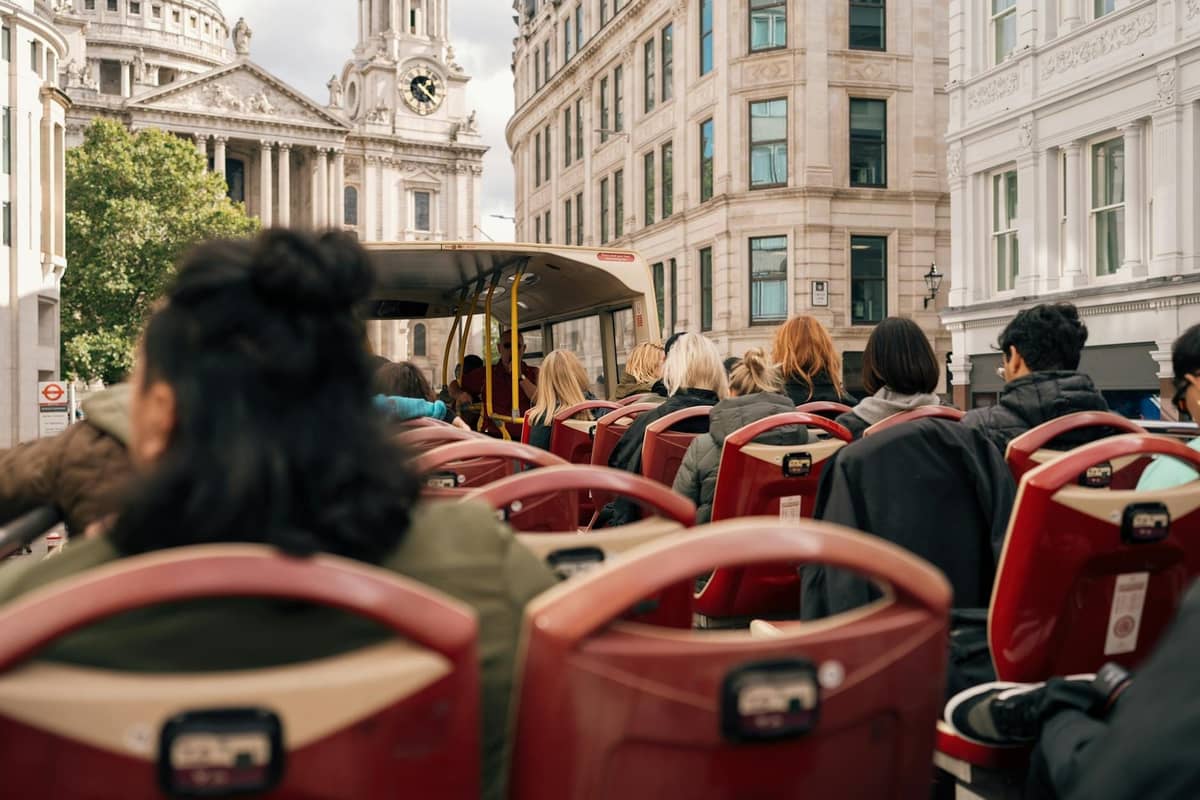
The concept is straightforward: you buy a time-limited pass, then board and exit the operator's buses as many times as you like at designated stops during the validity window. The most common pass lengths are 24, 48, and 72 hours, and many are measured from first use rather than calendar days, though some operators still use calendar-day validity. Buses follow fixed colour-coded loops through central London, stopping at or near the city's biggest attractions. You can stay on board for a full circuit with audio commentary running through your headphones, or hop off at any stop to explore on foot and catch the next bus when you're ready.
These passes are entirely separate from Transport for London's network. Your hop-on hop-off ticket cannot be used on the Underground, London Overground, or regular TfL red buses. The tour operators run their own independent fleets on their own routes. This distinction matters more than it sounds: if you miss the last bus of the day or want to cross the city quickly, you'll need to pay for TfL transport on top of your tour pass.
⚠️ What to skip
A hop-on hop-off pass does not replace an Oyster card or contactless payment for TfL services. Budget for both if you plan to use the Tube or regular buses on any day of your visit.
The Main Operators: Who Runs What
Three operators dominate London's hop-on hop-off market. The landmarks they serve are largely the same across all three, so the differences come down to route coverage, bundled extras, bus frequency, and price.
- Big Bus Tours The largest operator in London, running multiple routes with buses every 15-20 minutes on core loops. Tickets often include a one-way Thames river cruise and, on premium tiers, fast-track London Eye entry. Audio commentary is available in multiple languages. Generally considered the most polished option for first-time visitors.
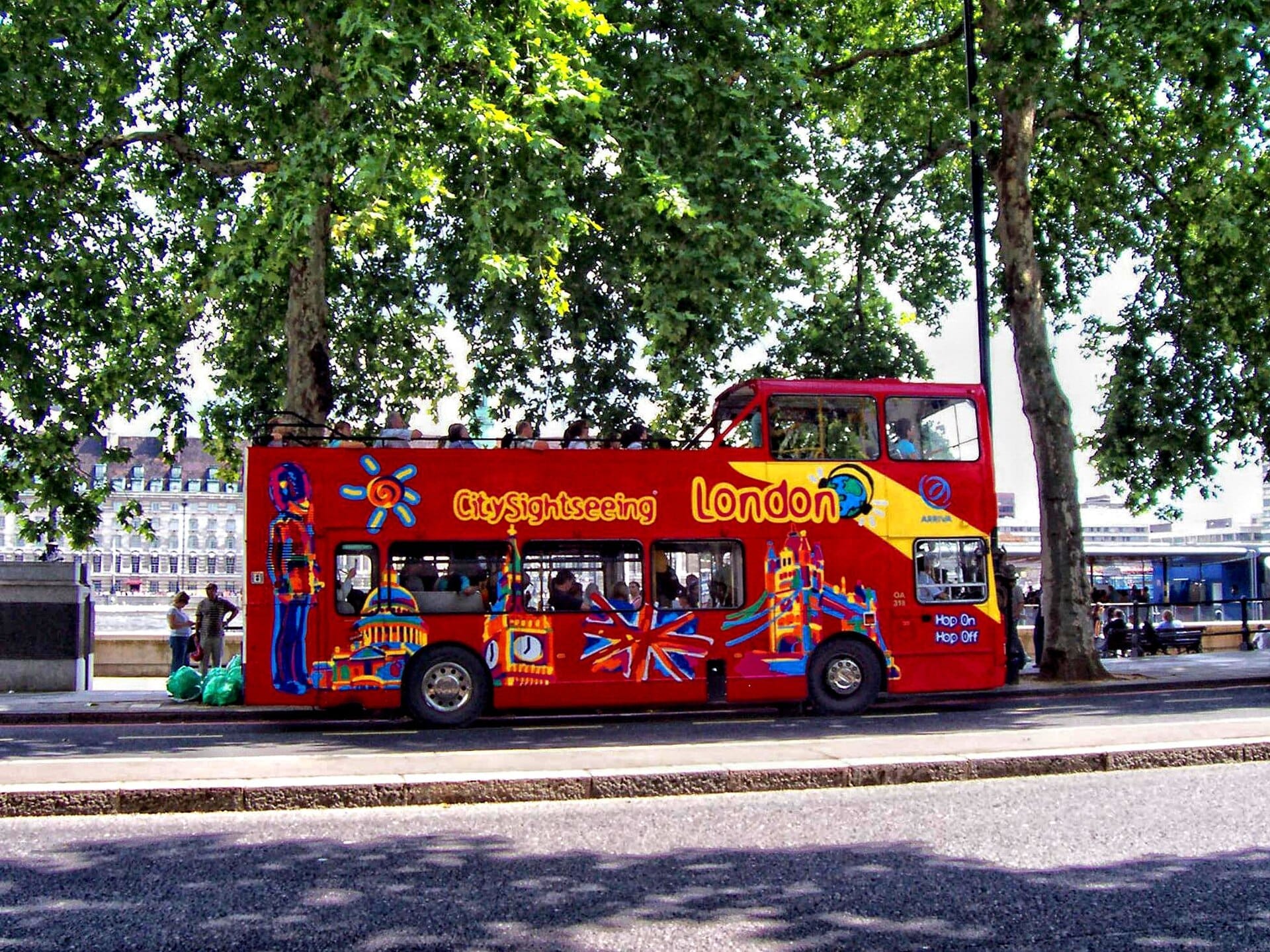
- City Sightseeing London Part of an international franchise network, City Sightseeing runs three colour-coded routes covering most central highlights. Ticket bundles can include walking tours and river cruise options. Their passes tend to attract more independent travellers and are sometimes priced slightly lower in off-peak periods.
- Tootbus London Formerly known as The Original Tour, Tootbus operates across similar central London routes. They market eco-friendly 'green' buses and offer ticket packages that include attraction entry. A reasonable alternative if Big Bus passes are sold out online or if their current promotions are more competitive.
In practice, the experience on any of these buses is similar: open-top upper deck, recorded audio commentary through a shared system, and stops every 10-15 minutes of driving. The quality of commentary varies, but none of the three operators is dramatically better or worse than the others on that front. Book online in advance rather than at street kiosks — you'll typically save money (often around 10% or more) and avoid the hard-sell from pavement ticket touts.
What You Actually See: Routes and Coverage
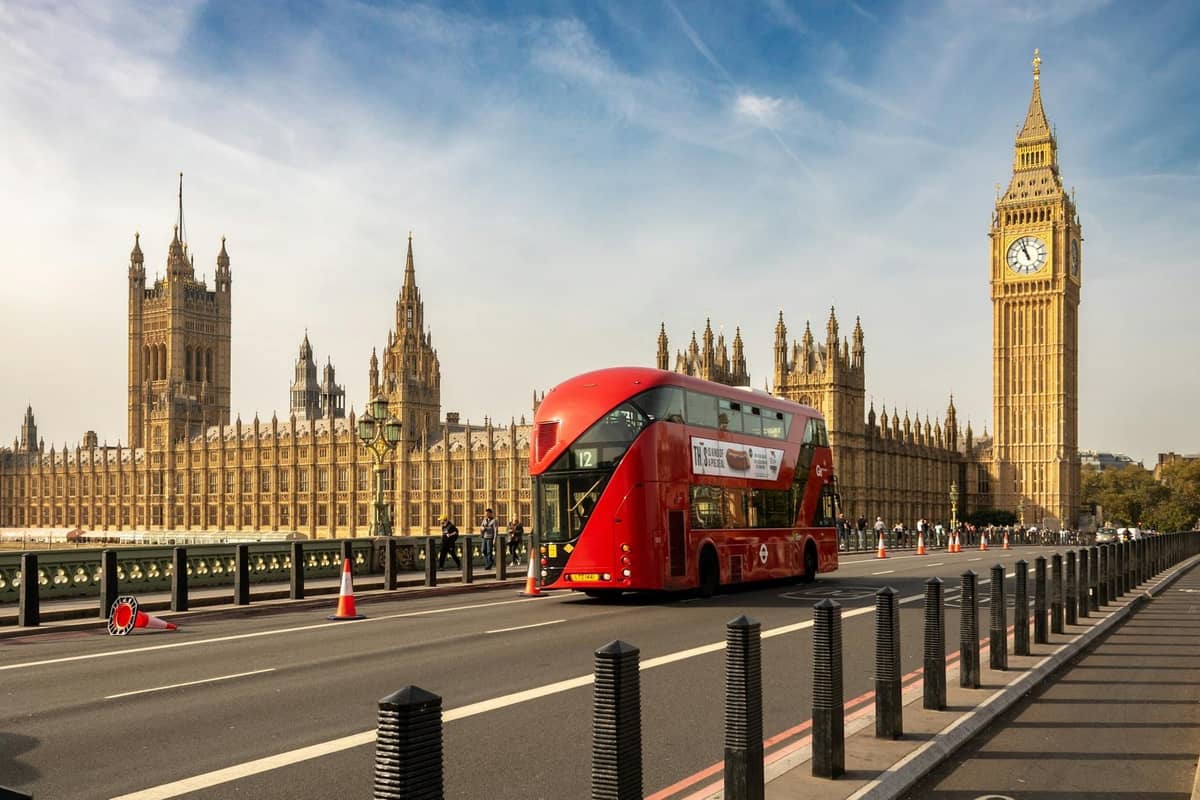
The core loop on any operator covers the essential tourist belt of central London: Trafalgar Square, Buckingham Palace, Westminster Abbey, the London Eye, the Tower of London, and St Paul's Cathedral. Secondary routes extend to areas like Kensington and the South Bank.
A complete circuit on the main loop takes roughly 90 minutes to 2 hours without stopping. If you sit on the top deck for the full loop, you'll get a solid overview of London's geography and architecture before deciding where to spend your time on foot. This is one of the strongest arguments for the pass: on a first visit, doing one full loop before getting off anywhere helps you understand how the city fits together in a way that the Underground completely obscures.
Where the routes fall short: they don't reach neighbourhoods like Shoreditch, Hackney, Brixton, or Peckham. If your interests run beyond the tourist core, the bus won't take you there. Camden is included on some extended routes, but coverage of east and south London is thin. For a broader sense of the city, the river is actually more useful.
✨ Pro tip
The Thames river cruise often bundled with premium passes gives you a completely different perspective on the city. The stretch between Westminster Bridge and Tower Bridge, viewed from the water, is one of the strongest visual introductions to London you can get. If your ticket includes it, use it on day one.
Pricing: What to Expect and When to Buy
Prices fluctuate with demand and season, so any specific figure here will be approximate. As a general guide, adult 24-hour passes from major operators have historically been priced in the range of about £30-50, with 48-hour and 72-hour options costing more. Children's tickets are typically offered at a discount, and some operators allow under-5s to travel free. Premium bundles that include fast-track attraction entry can push prices significantly higher, though it's worth calculating whether those entries are things you'd actually buy separately.
The key buying rule: never purchase from a street tout or at an unmanned kiosk without checking the operator's own website first. Online prices are almost always lower. If you're travelling as a family, check whether a family pass offers better per-person value than buying individual tickets. Some third-party travel platforms also run discounts, but verify the ticket is being fulfilled directly by the operator before committing.
Worth Knowing: Who Should Buy a Pass
The hop-on hop-off bus makes the most sense for specific types of visitors. If you're working through a 3-day London itinerary focused entirely on the central tourist circuit, want to avoid navigating the Tube with young children, or simply prefer to absorb the city from above before deciding what to explore, the pass delivers reasonable value.
- First-time visitors who want a geographic overview of the city before committing to specific attractions
- Families with young children who find the Tube stressful or logistically complicated
- Visitors with mobility limitations for whom getting on and off public transport is difficult
- Travellers on tight schedules who want to see the skyline and major landmarks without deep-diving into any single area
- Anyone whose bundled ticket includes an attraction (like the London Eye or a river cruise) they'd pay for separately anyway
On the other hand, the pass is poor value for budget-conscious travellers. A pay-as-you-go Oyster card or contactless bank card covers the entire TfL network for a fraction of the cost. Visiting London on a budgetis possible without it. Similarly, if you're returning to London or already familiar with the geography, a full-circuit ride adds little. And if you plan to spend your days in galleries, markets, or specific neighbourhoods, the bus will mostly duplicate walking routes you'd cover anyway.
The bottom line: it's not a tourist trap in the cynical sense, but it's also not a great deal for everyone. The value depends almost entirely on how you'd otherwise spend those hours and pounds. For a first visit with limited time and no interest in navigating the Tube, it's a reasonable convenience purchase. For anyone else, the maths rarely works out in the bus's favour.
Seasonal Realities and Practical Logistics
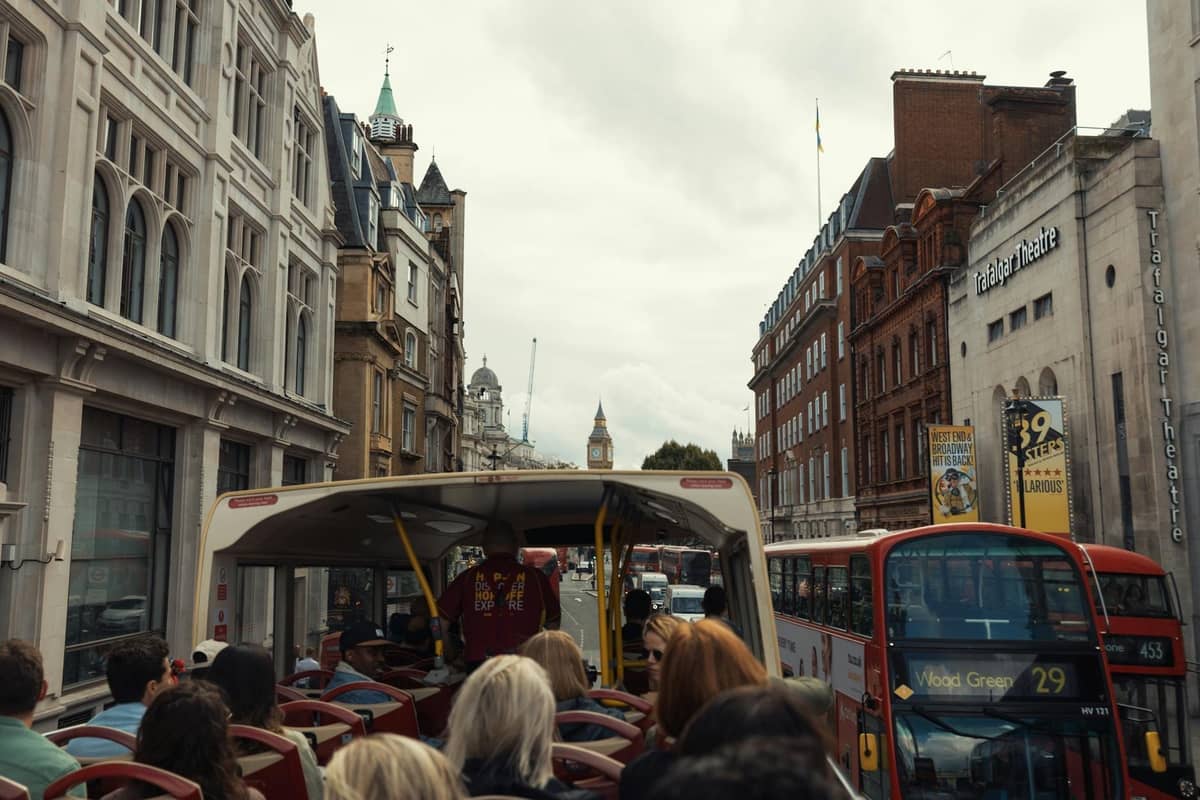
Summer (June through August) is peak season, and the buses show it. Popular stops like Trafalgar Square and the London Eye can mean a wait for a bus with available top-deck space, especially at peak times. On hot days, the open-top deck in direct sun gets uncomfortable. Arrive early at stops, aim for the first or second bus of the morning, and avoid the 11am-2pm window if you want a decent seat. Summer evenings on the top deck, by contrast, can be excellent — the light is good for photos and the crowds have thinned slightly.
Winter visits change the equation considerably. Between November and February, open-top riding requires layers and tolerance for cold and wind. London's weather is temperate but unpredictable — rain is possible any month, and the upper deck offers no shelter. Some operators provide blankets on cold days, but this varies. Check the best time to visit London for a fuller breakdown of seasonal trade-offs. On balance, late April to early June and September to October offer the most comfortable riding conditions: mild temperatures, lower crowds than peak summer, and better availability.
💡 Local tip
If it's raining when you board, don't assume the lower deck is a good alternative. The enclosed lower deck of these buses has limited windows and poor sightlines. Check the weather forecast before committing to a full day of bus sightseeing — a rainy 48-hour pass is a frustrating experience.
On the logistics side: stops are clearly marked with the operator's branding, but they're not always immediately adjacent to the attraction entrance. The Tower of London stop, for example, deposits you on the north bank of the Thames with a short walk to the main entrance. Build in buffer time between buses and sites, and don't plan your day on the assumption that 15-minute bus frequency means 15-minute transit — central London traffic, especially around Parliament Square and along the Embankment, can extend that to 30-40 minutes at peak times.
FAQ
Is the London hop-on hop-off bus worth it for first-time visitors?
For most first-time visitors focused on central landmarks, yes — but only if you'll actually use the pass across its full validity period. A 24-hour pass makes sense if you plan to visit multiple stops across the main loop. If you're spending most of your time in one or two areas, the Tube is cheaper and faster.
Which is the best hop-on hop-off bus operator in London?
Big Bus Tours is generally considered the most reliable in terms of frequency and bundled inclusions. City Sightseeing is a solid alternative with comparable route coverage. The differences between operators are relatively minor — price and current promotions often matter more than brand when choosing.
How long does a full circuit take on the London hop-on hop-off bus?
A complete loop on the main central route takes approximately 90 minutes to 2 hours without stopping, depending on traffic. Secondary routes vary in length. Factor in traffic delays, particularly around Westminster, the South Bank, and the City, which can extend the journey significantly during peak hours.
Can I use my hop-on hop-off ticket on London's red buses or the Tube?
No. Hop-on hop-off passes are only valid on the tour operator's own buses. They cannot be used on Transport for London services, including the Underground, Overground, Elizabeth line, or TfL red buses. You will need an Oyster card or contactless payment for those networks.
Is there a free alternative to the hop-on hop-off bus in London?
Several free or low-cost alternatives give you similar views without the ticket price. Bus route 11 passes Westminster, St Paul's, and the City for a standard TfL fare using contactless or Oyster. The RV1 has been withdrawn, but routes such as the 100 and others now cover parts of the South Bank and nearby riverside areas. The Thames Clipper river services offer water views for a standard fare. None of these have audio commentary, but the savings are significant.