Camden is inner north London's most recognizable alternative neighborhood, built around a canal, a cluster of markets, and decades of music history. It runs from Holborn and Bloomsbury in the south to the edges of Hampstead Heath in the north, taking in everything from student cafés near the British Museum to independent record shops along Chalk Farm Road.
Camden sits roughly 2.5 miles north of Charing Cross, straddling the Regent's Canal in a way that has shaped its character since the waterway opened in the early 19th century. It is a neighborhood of contradictions: creative and overcrowded on weekends, with world-class institutions like the British Museum sharing a borough with tattoo parlors and street food stalls selling jerk chicken from converted lock-keeper's cottages.
Orientation: Where Camden Fits in London
The London Borough of Camden is a large administrative unit that covers far more than most visitors realize. It stretches from Holborn and Bloomsbury in the south — home to the British Museum and legal London — northward through Somers Town, King's Cross, and St Pancras, then through Camden Town itself, continuing up into Kentish Town, Belsize Park, and Hampstead. The northern edge dissolves into the open space of Hampstead Heath.
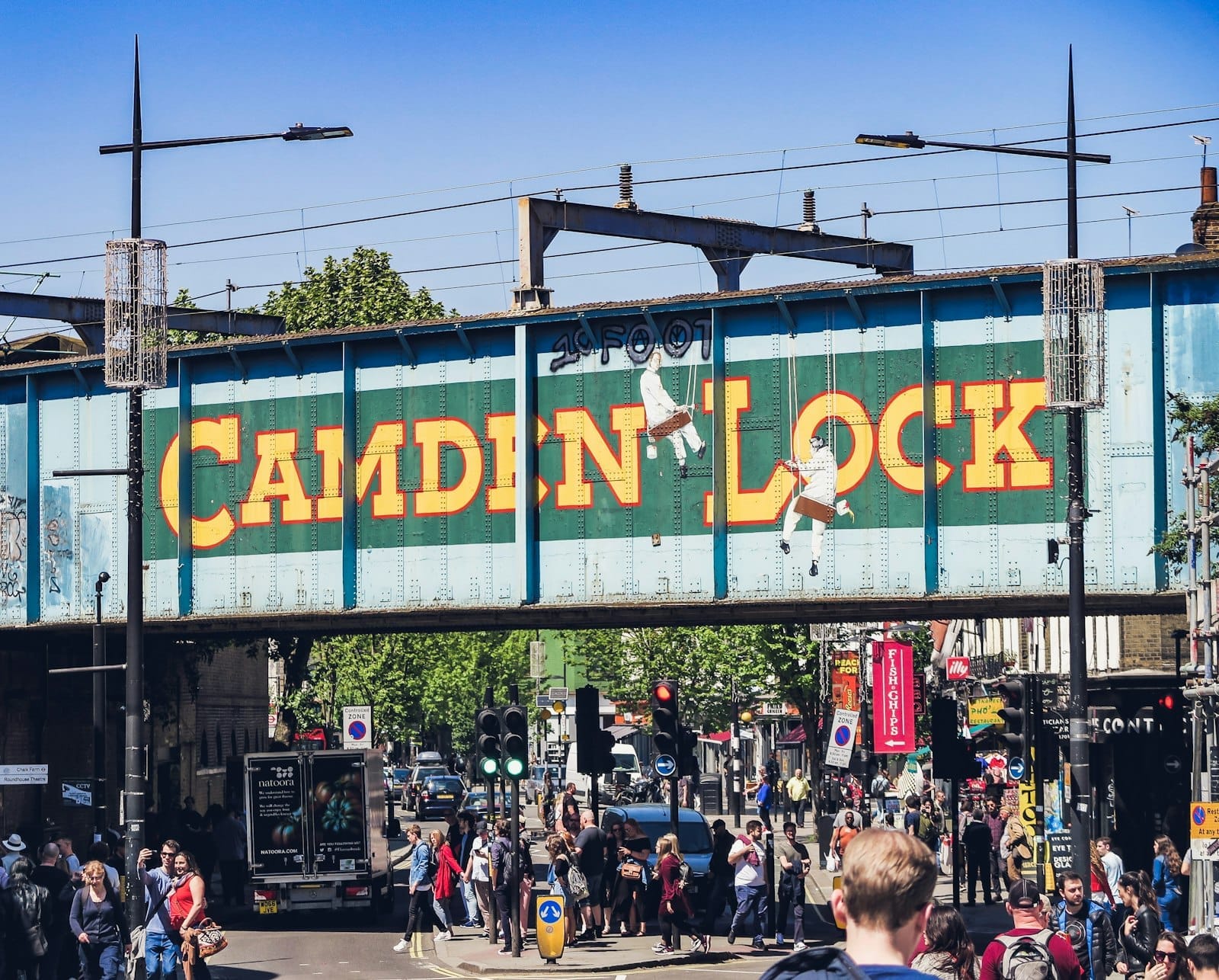
When most visitors say 'Camden,' they mean the specific commercial and cultural zone centered on Camden Town tube station, Camden Lock, and the Regent's Canal. This core sits in the NW1 postcode, flanked by Kentish Town to the north, Primrose Hill to the west, and King's Cross to the southeast. The streets around the lock are where the markets concentrate and where the neighborhood's reputation was made.
To the south, Camden bleeds into the quieter streets around Regent's Park, which forms a natural green boundary separating the neighborhood from Marylebone. To the east, it connects loosely to Islington. Understanding this geography matters: a hotel listed as 'Camden' could be walking distance from the British Museum in Bloomsbury, or up near the Heath in Hampstead, and those are very different experiences.
ℹ️ Good to know
Camden Town is the neighborhood's commercial core, but the borough of Camden also contains Hampstead, Bloomsbury, and King's Cross. Check exactly where your hotel or attraction sits — they can be a 20-minute walk apart with very different characters.
Character and Atmosphere
Camden Town has a specific energy that is hard to find anywhere else in London. It developed as a canal transport hub after the Regent's Canal opened in the early 19th century, with warehouses and lock-keeper infrastructure that later became repurposed as market space. The first Camden market opened in 1974 in a converted stable yard near the lock, and the area gradually became a magnet for the kinds of businesses that couldn't afford — or didn't want — central London rents.
On a weekday morning, the area around Camden High Street and Chalk Farm Road moves at a manageable pace. The coffee shops fill with a mix of students from nearby University College London and local residents who commute into the center. The canal towpath between Camden Lock and Regent's Park is quiet enough that you can hear the water. Market traders set up without the weekend crowds pressing around them. This is the version of Camden that residents actually live in.
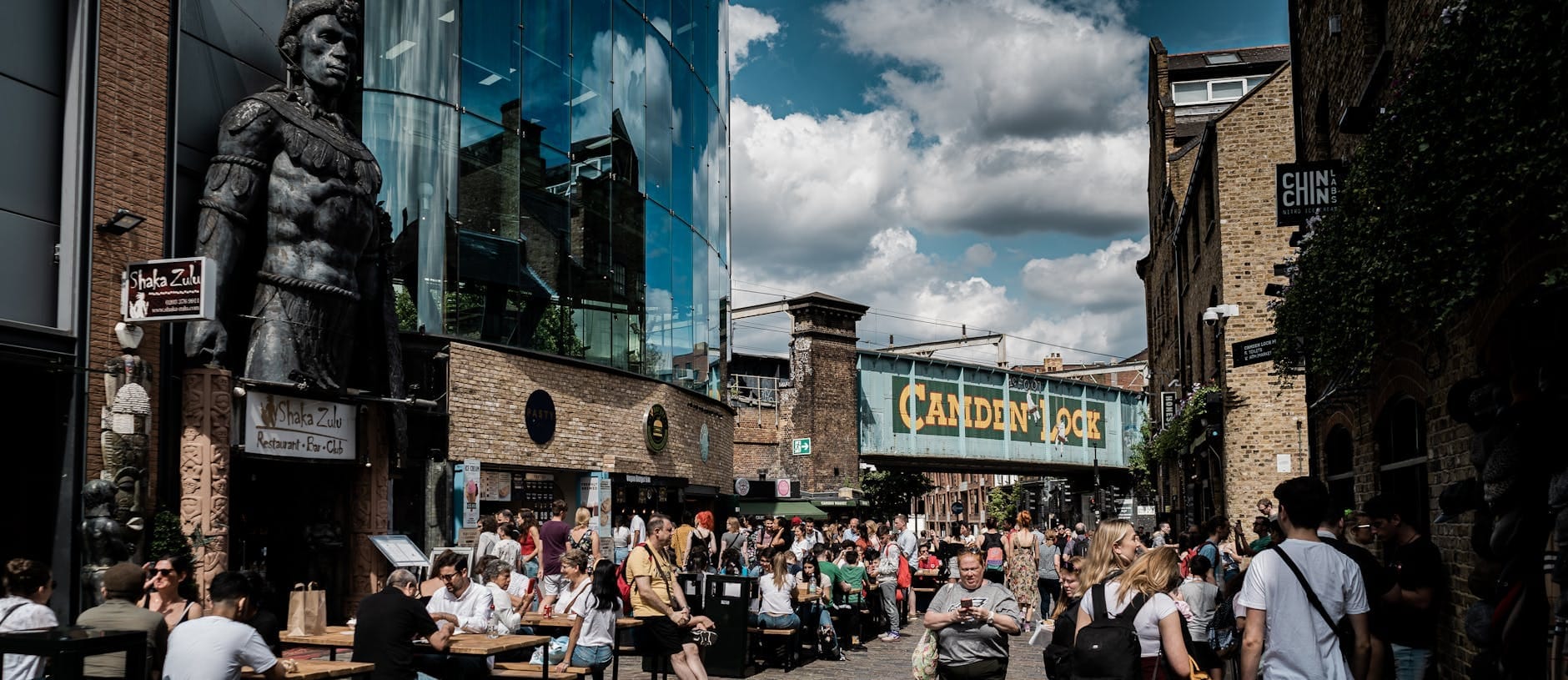
By Saturday afternoon, the dynamic shifts dramatically. The markets pull tens of thousands of visitors along the stretch between Camden Town tube station and the lock, and the streets narrow as you approach the water. The smells of street food — Korean fried chicken, Ethiopian injera, churros, pad thai — compete with each other in the stalls around the stables. It is lively, but it is also packed, and anyone expecting a low-key experience on a summer weekend will be disappointed.
After dark on weekends, Camden shifts again. The live music venues — the Roundhouse on Chalk Farm Road, KOKO on Camden High Street, the Electric Ballroom — pull in crowds for everything from jazz nights to heavy metal. The streets around Camden High Street stay active well past midnight, with a noticeably younger crowd than you'd find in Soho or Covent Garden. The area is generally well-lit and busy enough to feel safe, though the usual city precautions apply.
⚠️ What to skip
Camden on weekends between June and September is seriously crowded. Pickpocketing does occur in the market areas, particularly around Camden Lock and the Stables Market. Keep bags in front of you and avoid carrying unnecessary valuables.
What to See and Do
The markets are the obvious draw, and Camden Marketis not a single entity but a cluster of adjoining market spaces that have grown together over decades. The Stables Market occupies the former horse hospital and stable yards of the old horse-drawn canal system, and the Victorian ironwork and cobblestones give it a distinctive atmosphere when it's not shoulder-to-shoulder with tourists. Camden Lock Market sits right on the water. Buck Street Market on the High Street skews younger with streetwear and independent designers.
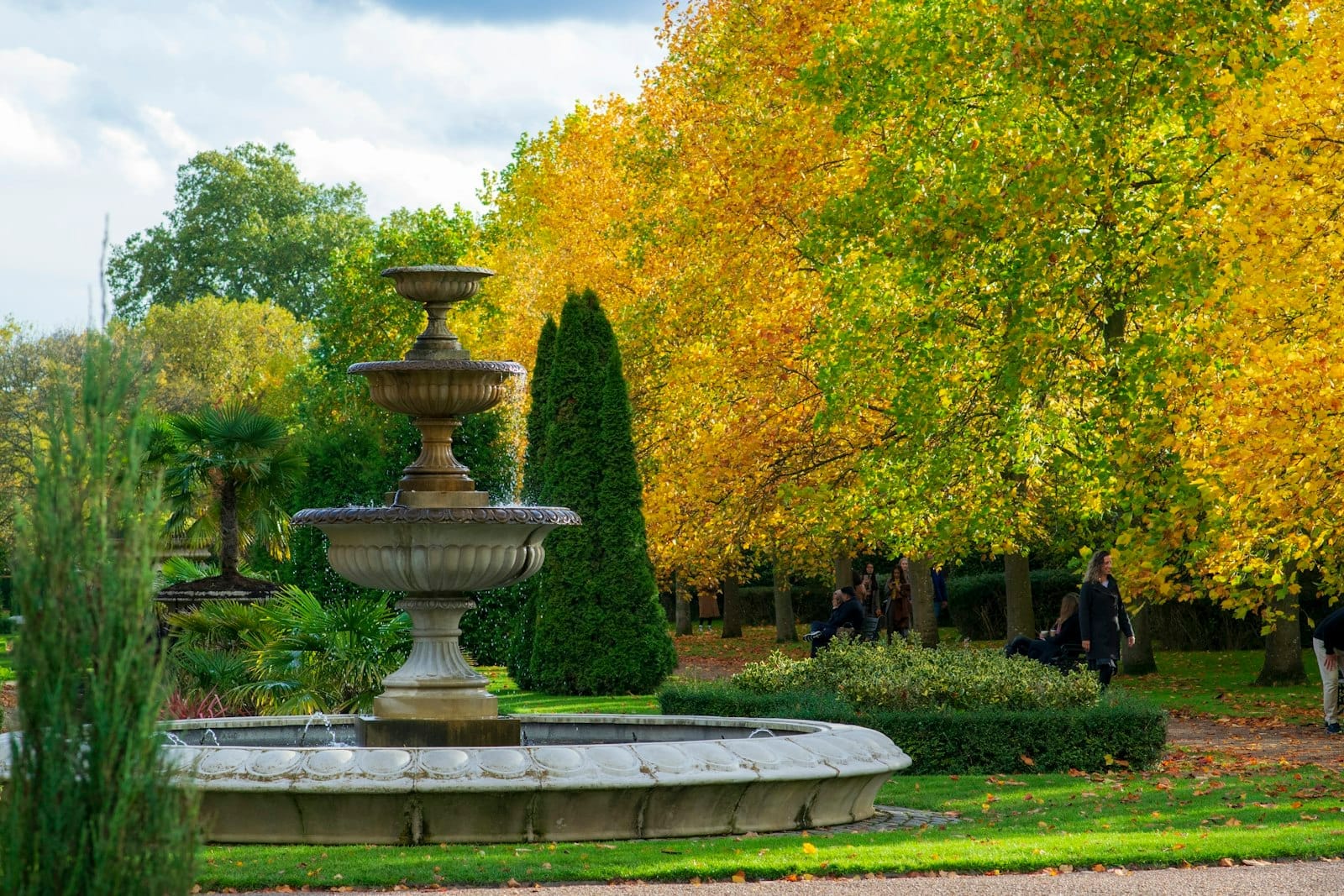
The Regent's Canal towpath offers one of London's best urban walks. Heading west from Camden Lock takes you through a quiet, tree-lined stretch toward Little Venice in Maida Vale, passing through Regent's Park's northern edge and past London Zoo, whose animal enclosures occasionally back right onto the canal. Heading east from the lock takes you toward King's Cross and the regenerated Granary Square area. The towpath is flat, car-free, and takes about 30 minutes at a relaxed pace between Camden and King's Cross.
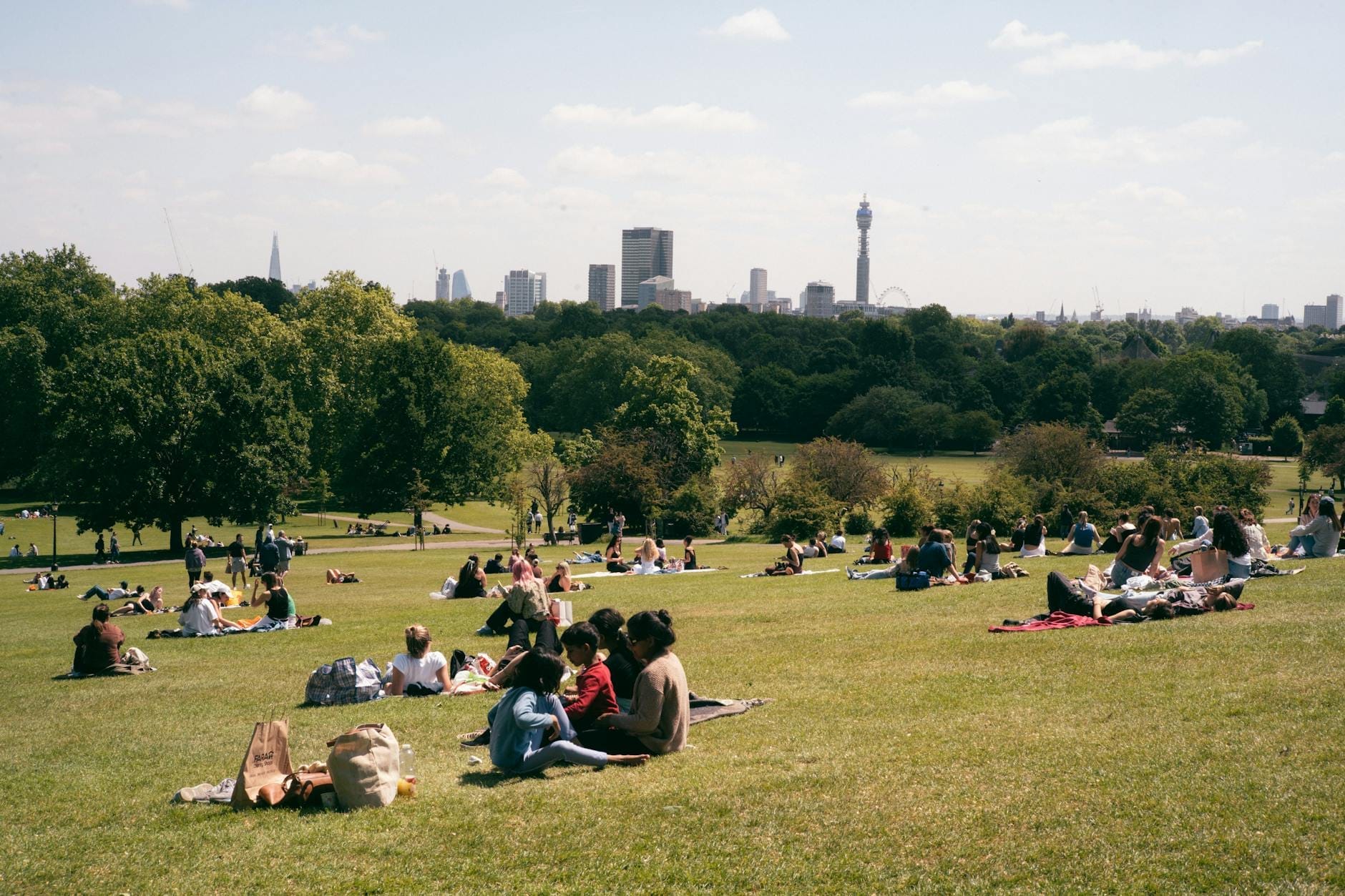
The Roundhouse on Chalk Farm Road is a Grade II listed Victorian railway engine shed that became one of London's most important live music and arts venues. Its circular interior creates exceptional acoustics and sightlines. Further north, Primrose Hill — a short walk west from the lock — gives one of the best elevated views across central London, with a clear line of sight over Regent's Park to the skyline. It's significantly less crowded than Parliament Hill on Hampstead Heath and easier to reach from Camden Town.
At the southern edge of the borough, in Bloomsbury, the British Museum is one of the world's great institutions and admission to the permanent collection is free. The British Library near St Pancras holds the Magna Carta, original Beatles lyrics, and the Gutenberg Bible among its publicly displayed treasures — also free to enter the galleries.
Camden Lock and the Stables Market — best on weekday mornings or early weekend before 11am
Regent's Canal towpath walk west to Little Venice or east to King's Cross
The Roundhouse — check the listings for live music and theatre events
Primrose Hill viewpoint — clear views south over Regent's Park
London Zoo — accessible from the canal towpath
British Museum — free permanent collection, Bloomsbury (southern borough)
British Library — free exhibitions at St Pancras, including rare manuscripts
Eating and Drinking
The food market stalls inside Camden Lock and the Stables Market are diverse and good. Unlike some London food markets where the range is more uniform, Camden has sustained a wide spread of cuisines partly because the stalls compete aggressively for foot traffic. You'll find Ethiopian, Eritrean, Japanese, Korean, Caribbean, Venezuelan, and Greek alongside the expected burgers and pizza. Prices are reasonable for London, typically £9 to £14 for a full meal at a stall.
Away from the market, Camden High Street and Chalk Farm Road have a mix of independent cafés, chain restaurants, and the kind of pub that doubles as a music venue. The pubs along this stretch tend to be large, loud, and reasonably priced — more Camden Arms and Barfly than refined gastropub. If you want a quieter drink, head slightly north toward Chalk Farm or Kentish Town where the pub scene is more local and less tourist-facing.
Primrose Hill village, a ten-minute walk west of the lock along Fitzroy Road and Regent's Park Road, has a completely different food scene: independent restaurants, wine bars, and brunch spots that serve the wealthy residential population living here. It's notably calmer than the market area and prices reflect the postcode. This is where you come for a proper sit-down meal rather than canal-side street food.
For a broader sense of London's food landscape beyond Camden, the London food guide covers the city's best eating neighborhoods and market scenes, including how Camden compares to Borough Market and Maltby Street in south London.
💡 Local tip
The Camden Market food stalls open earlier and are far more pleasant before noon on weekends. Come hungry at 10am, eat well, and leave before the afternoon crowds make the lock area uncomfortable.
Getting There and Around
Camden Town station on the Northern line is the main entry point and sits right at the southern end of Camden High Street. Services run on both the Charing Cross branch (via Leicester Square and Waterloo) and the Bank branch (via London Bridge). Journey times to central London are short: around 8 minutes to Leicester Square and about 13 minutes to Bank. Chalk Farm station, one stop north, is slightly quieter and useful if you're heading directly to the Roundhouse or Primrose Hill.
Camden Town station is one of the busiest on the Northern line and has limited platform capacity. On weekend afternoons, TfL occasionally operates exit-only or controlled entry at the station during peak crowding. If you're visiting the markets, arriving before noon avoids not just the crowds but also any potential station access delays.
Multiple bus routes serve Camden High Street, including the 24 (connecting to Victoria via Tottenham Court Road), the 29 (running between Wood Green and Trafalgar Square), and the 168 (to Old Kent Road Tesco via Waterloo and Elephant and Castle). For King's Cross St Pancras — a major interchange for National Rail, the Underground, the Elizabeth line, and Eurostar — it's about a 20-minute walk east via Royal College Street, or a short bus or taxi ride. For a complete overview of getting around the wider city, the getting around London guide covers Oyster cards, zones, and the most efficient routes between neighborhoods.
The canal towpath is the best way to explore on foot between Camden and either King's Cross to the east or Little Venice to the west. It's a flat, well-maintained path and gives a completely different perspective on the city — quieter, greener, and largely free of traffic. Cycling on the towpath is allowed but requires care around pedestrians, particularly on busy weekend stretches.
Where to Stay
Staying in Camden Town proper puts you within walking distance of the markets and canal, but it comes with significant noise on weekend nights. The area around Camden High Street and Parkway has hotels and budget accommodation that suit younger travelers and anyone prioritizing nightlife access over quiet mornings. The trade-off is that Saturday and Sunday nights can be noisy well past midnight.
For a better balance of access and calm, Primrose Hill and Chalk Farm are within easy walking distance of the lock but noticeably quieter. Bloomsbury, at the southern end of the borough, is an excellent base for first-time London visitors: close to the British Museum, well-served by multiple tube lines at Euston, Warren Street, and Tottenham Court Road, and calmer than central tourist zones like Covent Garden. For a comprehensive look at how Camden compares to other London areas as a base, the where to stay in London guide covers the tradeoffs in detail.
Travelers focused on culture and museums will find Bloomsbury convenient, with theBritish Museum and British Library both walkable. Families may prefer the slightly calmer atmosphere of Primrose Hill or even Hampstead, further north in the borough, which trades central convenience for village-like streets and immediate access to the Heath.
💡 Local tip
If staying in Camden Town on a Friday or Saturday night, look for accommodation on the quieter residential streets east or west of the High Street rather than directly on it. Parkway and Delancey Street are calmer than the main strip.
Camden in Context: Who It's For
Camden rewards visitors who understand what it is and don't expect it to be something else. It is not a polished, curated neighborhood. Some of the market stalls are tourist-facing and not particularly special. Parts of the High Street have the slightly abraded quality of any high-footfall zone. But the canal is lovely, the music venues are among the best in London, and the food inside the markets is diverse and good at prices that feel fair.
Travelers doing their first London trip who want to see the city's alternative side will find Camden worthwhile for a few hours, but it shouldn't anchor an entire itinerary. For a structured first visit, the 3-day London itinerary shows how Camden fits alongside the city's major sights. Those interested in London's broader market scene should also consider London's other markets — Borough Market in Southwark and Old Spitalfields in the East End offer different experiences that complement rather than duplicate what Camden provides.
TL;DR
Camden Town is best experienced on weekday mornings or early weekend visits before noon — the markets are accessible and the canal is peaceful before the crowds arrive.
The borough of Camden is much larger than the market zone: it includes Bloomsbury, King's Cross, and Hampstead, all with distinct characters and useful transport connections.
The Regent's Canal towpath walk toward King's Cross or Little Venice is one of the best free things to do in this part of London.
Music and nightlife are genuine strengths: the Roundhouse and KOKO are serious venues, and the pub and bar scene on weekends is lively without being polished.
Best suited to: music fans, market and street food enthusiasts, travelers using Bloomsbury or King's Cross as a base, and anyone wanting to see a side of London beyond the heritage circuit.
Afternoon tea in London ranges from grand hotel rituals at £95 per person to relaxed neighbourhood spreads under £50. This guide covers the top venues across every budget, how to book, what to wear, and which hyped spots are actually worth it.
London has more world-class museums than almost any city on Earth, and the majority are free. This guide covers the essential institutions across art, history, science, design, and beyond, helping you plan your visits with confidence.
London has more parkland per capita than almost any major world city, and its eight Royal Parks alone cover just under 4,900 acres of public green space. This guide covers the finest parks across the city, from the grand central Royal Parks to wilder escapes on the edges of Greater London.
London rewards visitors in every season, but the experience shifts dramatically depending on when you go. This guide breaks down crowd levels, weather, prices, and key events month by month so you can plan a trip that matches exactly what you want from the city.
London's skyline is one of the world's great visual spectacles, mixing centuries-old domes with glass towers and royal parks. This guide covers the best places to see it all — free rooftop gardens, paid observation decks, hilltop parks, and river vantage points that reward at any time of day.
London is perfectly placed for world-class day trips. Whether you want a Tudor palace on the Thames, a city of dreaming spires, or a prehistoric stone circle, all of it is within two hours. This guide covers the best options, how to get there, and what to prioritise.
London is one of the world's great free cities. From world-class museums and contemporary art galleries to royal parks, iconic walks, and spectacular viewpoints, this guide covers the best experiences in London that are completely free to enjoy.
London has one of the most comprehensive urban transport networks in the world, covering 9 million residents across 1,572 km² of Greater London. This guide breaks down every option, from the Tube to river buses, with fare details, airport transfer routes, and insider tips to save time and money.
London gave the Wizarding World its real-world addresses, from the glass-roofed arcade that stood in for Diagon Alley to the Islington townhouses of Grimmauld Place. This guide covers every major filming location, the Warner Bros. Studio Tour, how to get there, and what to skip — with practical advice on crowds, costs, and what each spot actually looks like in person.
London has six airports, and choosing the wrong one can add hours and serious cost to your journey. This guide breaks down Heathrow, Gatwick, Stansted, Luton, City, and Southend with practical advice on every transport option, realistic fares, and which airport actually suits your trip.
London's food scene is one of the most diverse and underrated in the world. This guide cuts through the noise to tell you what to actually eat, which neighbourhoods to target, what things cost, and how to avoid the tourist traps.
London is one of the world's great cities, spanning 1,572 km² across 32 boroughs with 9.1 million residents and over 300 languages spoken. This guide covers everything a first-time visitor needs: how to get in, how to get around, which neighborhoods to prioritize, what to book in advance, and the practical details that make the difference between a stressful trip and a great one.
London rewards those who look beyond the headline attractions. From ruined churches turned secret gardens to world-class free museums tucked down side streets, these are the places locals love and most visitors miss entirely.
London's hop-on hop-off buses are everywhere, but are they the smartest way to see the city? This guide breaks down the main operators, what you get for your money, who benefits most, and when to skip the pass entirely.
December transforms London into one of Europe's most atmospheric winter destinations. From Hyde Park Winter Wonderland to the South Bank's riverside market stalls, this guide covers everything you need to plan a memorable Christmas visit, including what to skip, what to book in advance, and how to get around without the crowds.
Summer in London runs from late June through August and delivers a different city: long daylight hours, royal parks at their peak, and a packed calendar of festivals, sporting events, and outdoor culture. This guide covers what to expect, what to book in advance, and what to skip.
Three days in London is enough to cover the essential sights, explore a couple of neighbourhoods, and get a real feel for the city. This itinerary is built around practical logistics, clear priorities, and current ticket prices so you can spend less time planning and more time exploring.
Five days in London is enough to cover the iconic landmarks, explore distinct neighbourhoods, and still have time to eat and drink well. This day-by-day guide cuts through the noise with specific recommendations, realistic timings, and practical advice on what is worth your time.
London's market scene spans 1,000-year-old food halls, world-famous antiques rows, and creative street markets under Victorian ironwork. This guide covers the best across every category, with practical tips on when to go and what to expect.
London's nightlife spans everything from underground warehouse raves in Greenwich to velvet-rope cocktail bars in Mayfair. This guide breaks down the best areas, top clubs, practical costs, and the timing tricks that separate a great night from an expensive disappointment.
London has a reputation for expense, but a well-planned trip can be surprisingly affordable. From world-class free museums to discount West End seats and Oyster card tricks, this guide covers every practical angle for stretching your pounds in one of Europe's great capitals.
The London Pass promises access to 100+ attractions for a flat daily fee. But does it actually save you money? This guide breaks down the real costs, the best use cases, and who should skip it entirely.
The River Thames is the backbone of London, stretching 215 miles through southern England and shaping the city's history, skyline, and daily life. This guide covers sightseeing cruises, the Thames Path, riverside eating and drinking, water sports, and the key landmarks you'll pass along the way, with practical advice on what's worth your time and what to skip.
London is a remarkably safe city for its size, but petty theft and tourist-targeted scams are real risks. This guide covers the most common threats, where they happen, and exactly what to do to protect yourself and your belongings.
London's shopping scene spans everything from 300-store Oxford Street to Sunday flower markets in the East End. This guide covers the best streets, markets, and stores by category, with practical advice on timing, crowds, and where your money actually goes furthest.
Getting from London to Amsterdam is one of Europe's most popular city-to-city trips. This guide breaks down every option — Eurostar, budget flights, overnight ferry, and long-distance coach — with realistic journey times, current price ranges, and advice on which suits your trip.
Covering every way to travel between London and Edinburgh, this guide breaks down real journey times, current price ranges, and which option makes sense depending on your budget, schedule and priorities. The answer is not always what you expect.
There are three realistic ways to get from London to Paris: the Eurostar train, a short-haul flight, or an overnight coach. This guide breaks down journey times, realistic fares, booking strategy, and the practical details that trip-planning sites usually skip.
London rewards walkers more than almost any other city. From the medieval lanes of the Square Mile to the riverbanks of the South Bank, the best way to understand this city is on foot. This guide covers guided group tours, official City of London walks, tip-based 'free' options, and self-guided routes, with practical advice on pricing, booking, and when to show up.
London is one of the world's great family destinations, with free world-class museums, royal parks, river adventures, and enough child-friendly attractions to fill a week. This guide cuts through the noise with practical advice on what's worth booking in advance, what's actually free, and how to keep the whole family sane on the Tube.
From Mayfair's grand hotels to Knightsbridge's world-class restaurants and private cultural experiences, this guide covers everything you need to plan a high-end stay in London. Expect specific neighbourhood advice, booking strategies, and clear assessments of where the money is well spent.
London is one of the world's great photography cities, with iconic landmarks, colourful streets, and unexpected architectural gems around every corner. This guide covers the 20 most photogenic spots, from the obvious classics to the lesser-known spaces that will make your feed stand out.
Notting Hill Carnival is Europe's largest street festival, drawing over a million visitors to west London every August Bank Holiday weekend. This guide covers the 2026 schedule, the full route, how to get there, what to eat, and what to expect on each day.
Open House Festival is London's annual architecture celebration, opening over 800 buildings, tours, and talks across all 33 boroughs — most of them free. This guide covers dates, booking strategy, neighbourhood planning, and which events fill up fastest.
London rewards couples who know where to look. This guide covers the most romantic experiences in the city — from sunset river cruises and West End theatre to free viewpoints and atmospheric parks — with practical advice on what's worth the price and what you can enjoy for nothing.
From the Ceremony of the Keys at the Tower of London to the summer opening of Buckingham Palace's State Rooms, London's royal sites are more accessible than most visitors realize. This guide covers what to see, when to go, what to book in advance, and what to skip.
London rewards visitors who go beyond the obvious. This guide covers the best things to do in London across culture, history, food, and neighbourhoods, with practical tips on what's worth your time, what to skip, and how to do it all without overpaying.
London's West End is one of the world's great theatre destinations, with around 40 major venues and over 17 million audience visits a year. This guide covers everything from buying tickets and finding discounts to getting there, picking the right seat, and knowing what to expect on the night.
Choosing where to stay in London shapes your entire trip. This guide breaks down the city's best neighbourhoods by location, transport access, price range, and atmosphere, so you can book with confidence rather than guesswork.
Getting into Wimbledon is more accessible than most people think — if you know the system. This guide covers every official ticket route, real price ranges, The Queue strategy, and practical tips for making the most of your day at the world's most famous tennis tournament.