Tate Britain: 500 Years of British Art in One Free Gallery
Tate Britain on Millbank is the national gallery of British art from the Tudor period to the present day. Free to enter for the permanent collection, it houses the world's largest gathering of works by J. M. W. Turner and hosts some of London's most serious ticketed exhibitions.
Quick Facts
- Location
- Millbank, Westminster, London SW1P 4RG
- Getting There
- Pimlico (Victoria line) is a 5-minute walk. Vauxhall and Victoria are also reachable on foot or by bus. The Thames Clipper stops at Millbank Pier (Tate Boat service).
- Time Needed
- 2–3 hours for the permanent collection; half a day if a major exhibition is on
- Cost
- Free for the permanent collection. Special exhibitions are ticketed — check tate.org.uk for current prices. Tate Collective members aged 16–25 pay £5 for exhibitions.
- Best for
- Art lovers, Turner enthusiasts, rainy-day culture seekers, and anyone wanting a serious museum experience without paying admission
- Official website
- www.tate.org.uk/visit/tate-britain
What Tate Britain Actually Is
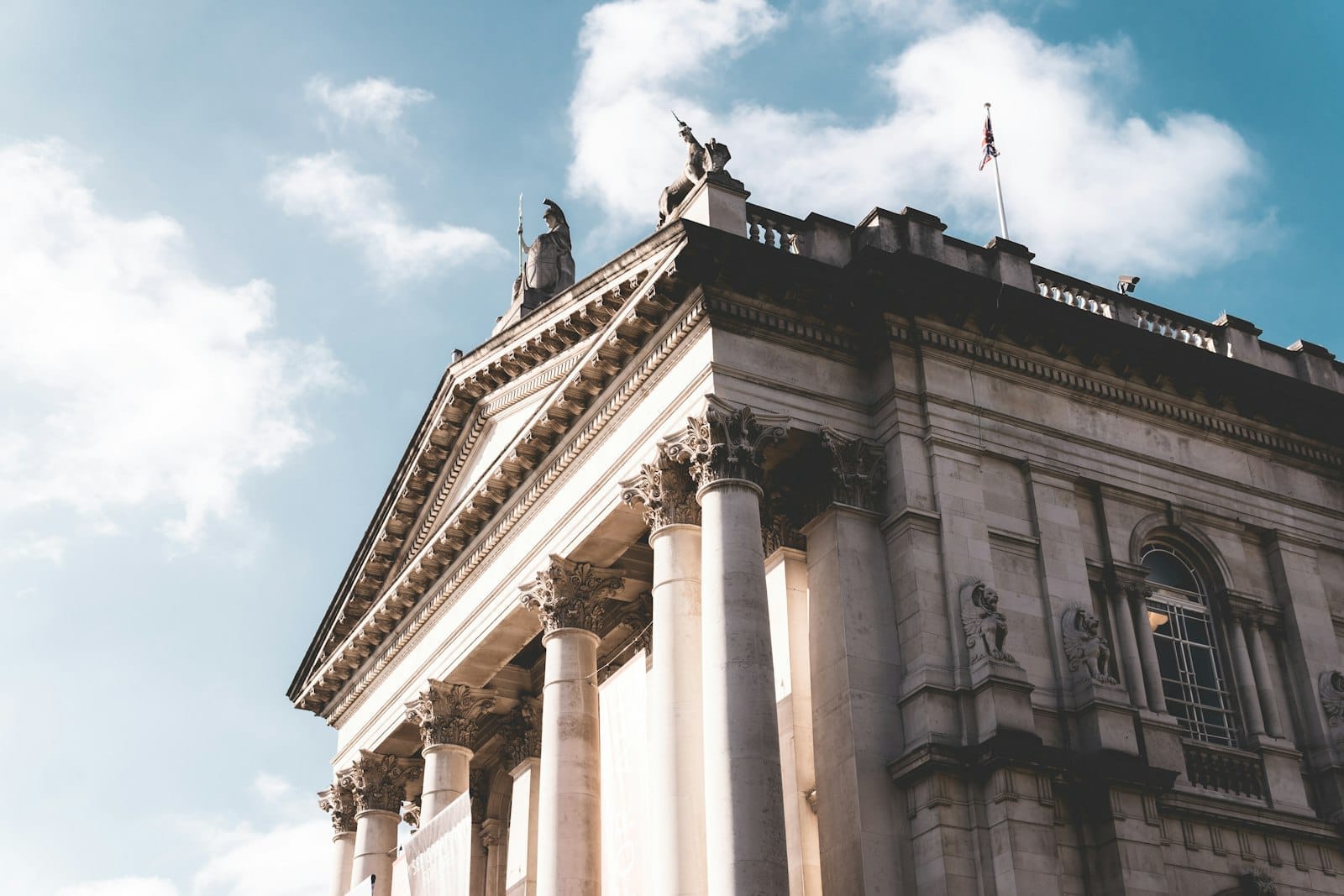
Tate Britain is the national museum of British art, occupying a neoclassical building on the north bank of the Thames in the City of Westminster. It holds work spanning roughly 500 years, from the 1500s to the present day, making it the most comprehensive survey of British art anywhere in the world. The gallery is one of four sites in the Tate network — the others being Tate Modern across the river, Tate Liverpool, and Tate St Ives — but it is the original. When Henry Tate donated his collection to the nation in 1897, this is where it went, then under the name The National Gallery of British Art.
People sometimes confuse it with Tate Modern, which sits in the former Bankside Power Station a few miles east and focuses on international modern and contemporary art. Tate Britain has its own identity: deeper roots, a more chronological approach to its collection, and a stronger sense of national artistic heritage. It is the right place to understand how British painting, sculpture, and printmaking evolved across centuries.
⚠️ What to skip
Important: The Millbank entrance is currently closed until 2027 due to construction of the Clore Garden. Use the Manton Entrance on Atterbury Street instead.
The Turner Collection: The Reason Many People Come
Tate Britain holds the world's largest collection of works by J. M. W. Turner, and the Clore Gallery wing devoted to this material is in a different category from the rest of the museum. Turner bequeathed around 300 oil paintings and many thousands of watercolours and drawings to the nation when he died in 1851, and a substantial portion of that legacy is kept here. Walking through the Turner galleries feels less like viewing a career retrospective and more like inhabiting a single mind across 50 years of obsession with light, water, atmosphere, and the dissolution of solid form.
The range is striking. Early topographical watercolours sit alongside the loosely painted late oils where ships and storms seem to exist in the same swirling, almost colourless air. The famous Snow Storm: Steam-Boat off a Harbour's Mouth (1842) is a regular fixture, as are several of the Venice paintings. If you know Turner only from reproductions, seeing the scale and texture of these canvases in person is a different experience. The paint surfaces catch light differently at different times of day, and morning visits with softer light through the gallery's skylights tend to be more rewarding than afternoon sessions when low winter sun can create glare.
Tickets & tours
Hand-picked options from our booking partner. Prices are indicative; availability and final rates are confirmed when you complete your booking.
Tate Modern Official Discovery Tour
From 23 €Instant confirmationFree cancellationBuckingham Palace State Rooms and Royal Walking Tour
From 80 €Instant confirmationFree cancellationStonehenge and ancient Britain full-day tour from London
From 125 €Instant confirmationFree cancellationSoho Instagram a self-guided walking tour to top photo spots
From 6 €Instant confirmationFree cancellation
The Permanent Collection: 500 Years Room by Room
Beyond Turner, the permanent collection is hung more or less chronologically, which makes a walk through the galleries feel like a structured survey of British cultural history. Tudor and Stuart portraiture in the early rooms gives way to 18th-century conversation pieces and landscape painting. Hogarth's satirical works appear, then Constable, the Pre-Raphaelites, Sargent's portraits, and eventually the 20th-century British canon: Spencer, Hepworth, Moore, Bacon, Freud, Hockney.
This structure rewards both casual visitors and those with a specific interest. You can drift through without a plan and still encounter works you recognise. Or you can focus on a particular period or movement and use the gallery maps to navigate accordingly. The Pre-Raphaelite rooms tend to draw crowds even on quieter days, partly because of the visual intensity of those paintings and partly because visitors photograph them extensively. The 20th-century British rooms are often less busy and contain work that rewards slower looking.
The gallery regularly rehang rooms and rotates works in and out of storage, so the precise configuration changes. Major loans can also temporarily affect what's on display. It's worth checking the best museums in London guide for current exhibition highlights before your visit.
Special Exhibitions and the Turner Prize
Tate Britain runs a programme of major ticketed exhibitions throughout the year, typically two or three per year of significant scale. These tend to focus on individual artists or specific movements in British or British-adjacent art history, and they often draw substantial crowds, especially in the first weeks. Booking in advance is strongly recommended for any ticketed exhibition; same-day tickets are sometimes available but not guaranteed.
The gallery is also the traditional home of the Turner Prize, the UK's most prominent contemporary art award, though the prize ceremony and exhibition venue rotate. When the Turner Prize exhibition is held at Tate Britain, it typically opens in late autumn and runs for several months. It draws a wide range of visitors including many who would not normally visit art galleries, and it generates consistent press debate about the direction of contemporary British art. Whether you find it compelling or frustrating, it is a useful window into how the British art world currently defines itself.
💡 Local tip
For ticketed exhibitions, Tate Collective membership costs nothing to join if you're aged 16–25 and gets you £5 exhibition tickets. Standard concession rates apply for visitors with disabilities, and their companions enter exhibitions free.
The Building, the Atmosphere, and What It Feels Like
The main building dates to 1897 and was designed by Sidney R. J. Smith in the neoclassical style, with a large Corinthian portico that faces the Thames. The interior is grander than it appears from outside, with high ceilings, wide corridors, and a central rotunda that creates a sense of unhurried space. The galleries themselves vary: some are traditional top-lit rooms with parquet floors and a church-like quiet; others are more contemporary in feel with white walls and track lighting.
On a weekday morning, particularly outside school holidays, Tate Britain is one of the calmer major galleries in London. The crowd thins noticeably after the first hour. By mid-afternoon, especially on weekends, the temporary exhibition spaces can become congested enough to make the experience less contemplative. Sunday afternoons during a popular exhibition are the most crowded period. For the permanent collection, this is less of an issue since visitors spread across many rooms.
The Djanogly Cafe in the basement serves reliable food throughout the day, and the Rex Whistler Restaurant on the lower ground floor was long considered one of London's better museum restaurants, with a full menu and an unusual mural that covers all four walls. Booking the restaurant in advance is advisable if you want lunch or dinner there on a weekend.
Getting There and Practical Logistics
The most straightforward route is the Victoria line to Pimlico, which leaves you a five-minute walk from the Manton Entrance on Atterbury Street. The walk takes you through a quiet residential section of Pimlico with little to distract you. Victoria station is also nearby and connects multiple lines, the Overground, and National Rail services. If you are arriving from the South Bank or Tate Modern, the Tate Boat service operated by Thames Clippers runs between the two galleries and stops at Millbank Pier — a practical and scenic transfer that takes around 20 minutes.
Cyclists are well catered for: there is secure bike storage at the gallery, and the area is served by several Santander Cycles docking stations. For visitors combining Tate Britain with other Westminster sights, Westminster covers a compact area — the Houses of Parliament, Westminster Abbey, and St James's Park are all within reasonable walking distance.
Street parking on Millbank is available on a pay-and-display basis on weekdays; it is free at weekends and after 18:30 on weekdays. The gallery is open daily from 10:00 to 18:00, with last entry at 17:30 and galleries beginning to close at 17:50. Hours may vary on specific public holidays, so checking tate.org.uk before a holiday visit is sensible.
ℹ️ Good to know
Step-free access is available throughout the gallery. Accessible facilities are in place across the building. Visitors requiring accessibility information should check the dedicated section on the Tate website before arrival.
Photography and What to Bring
Photography of the permanent collection is generally permitted for personal use without flash. Special exhibitions often have different rules, and signage in each room indicates where restrictions apply. The Turner galleries are particularly rewarding to photograph because the canvases have physical texture that shows up well in natural light from the skylights. Avoid using the widest lenses in small rooms, as barrel distortion makes the paintings look uncharacteristic.
There are no coat or bag size restrictions beyond standard security screening at the entrance. Bags are checked on entry. If you are combining Tate Britain with a broader art-focused visit, the National Gallery in Trafalgar Square and the National Portrait Gallery are both free and accessible by bus or Tube from Pimlico. All three could be visited in a single full day, though that would be a demanding amount of art in one go.
Insider Tips
- The Clore Gallery's Turner rooms are naturally lit through skylights, and the quality of that light shifts markedly depending on time of day and season. Overcast mid-mornings in autumn and winter produce soft, even light that suits the late Turner oils particularly well.
- The Rex Whistler Restaurant downstairs is decorated with an enormous continuous mural painted by Rex Whistler in 1927 depicting a fictional landscape. It's unusual enough to be worth a look even if you only have a coffee, and the room is quieter than the main cafe.
- Tate Britain does not have the queuing culture of some central London galleries. Arriving at 10:00 when the doors open rarely involves a wait, even during popular exhibitions — though this changes if a blockbuster show is in its final weeks.
- If you're visiting with children, the gallery runs free drop-in family activities on weekends and school holidays. These are typically based around specific works in the collection and are informal enough to suit children who find standard gallery visits difficult.
- The walk along the Embankment from Tate Britain toward Westminster Bridge offers river views that are better at low tide, when the exposed foreshore appears. The distance is about 15 minutes and passes Lambeth Bridge, which gives a good view back toward the gallery's river facade.
Who Is Tate Britain For?
- Anyone wanting a focused, unhurried engagement with British art history from portraiture through to contemporary work
- Turner enthusiasts — no other gallery in the world has this depth and breadth of his output
- Rainy-day visitors who want cultural substance without an admission fee for the core collection
- Visitors who find Tate Modern too sprawling or conceptually demanding and want something more historically anchored
- Families with children during school holidays, when free structured activities run alongside the permanent collection
Nearby Attractions
Other things to see while in Westminster:
- Apsley House
Known as 'Number 1 London', Apsley House at Hyde Park Corner was the London residence of the Duke of Wellington after his victory at Waterloo. Today it holds one of the finest private art collections in Britain, including old masters, Napoleonic silverware, and the famous colossal nude statue of Napoleon himself.
- Banqueting House
Banqueting House is the sole surviving structure of the vast Palace of Whitehall, designed by Inigo Jones in 1622 and home to the finest painted ceiling in England. It is also the spot where King Charles I was executed in 1649. Admission is just £7.50 for adults, but opening is seasonal — check dates before you go.
- Big Ben & the Houses of Parliament
Few sights in London carry the weight of Big Ben and the Palace of Westminster. The Gothic clock tower rising above the Thames is instantly recognisable, but the complex behind it holds over nine centuries of British political history. Here is everything you need to plan a worthwhile visit.
- Buckingham Palace
Buckingham Palace is the official London residence and administrative headquarters of the UK's sovereign, serving that role since 1837. Whether you are watching the Changing of the Guard from the forecourt railings or touring the lavish State Rooms in summer, this guide covers everything you need to plan a worthwhile visit.