Kenwood House: Old Masters, Open Skies, and a Free Afternoon on Hampstead Heath
Kenwood House is a beautifully restored neo-classical villa sitting on the northern edge of Hampstead Heath, housing one of London's finest free art collections. From Rembrandt self-portraits to sweeping landscaped grounds, it rewards visitors looking for culture without crowds or cost.
Quick Facts
- Location
- Hampstead Lane, London NW3 7JR
- Getting There
- Bus 210 from Golders Green or Archway Tube; or walk from Hampstead Heath Overground
- Time Needed
- 2–3 hours for house and grounds; half a day if combining with Hampstead Heath
- Cost
- Free (some special exhibitions may charge)
- Best for
- Art lovers, picnickers, families, photography, quiet escapes from central London
- Official website
- www.english-heritage.org.uk/visit/places/kenwood
What Is Kenwood House?
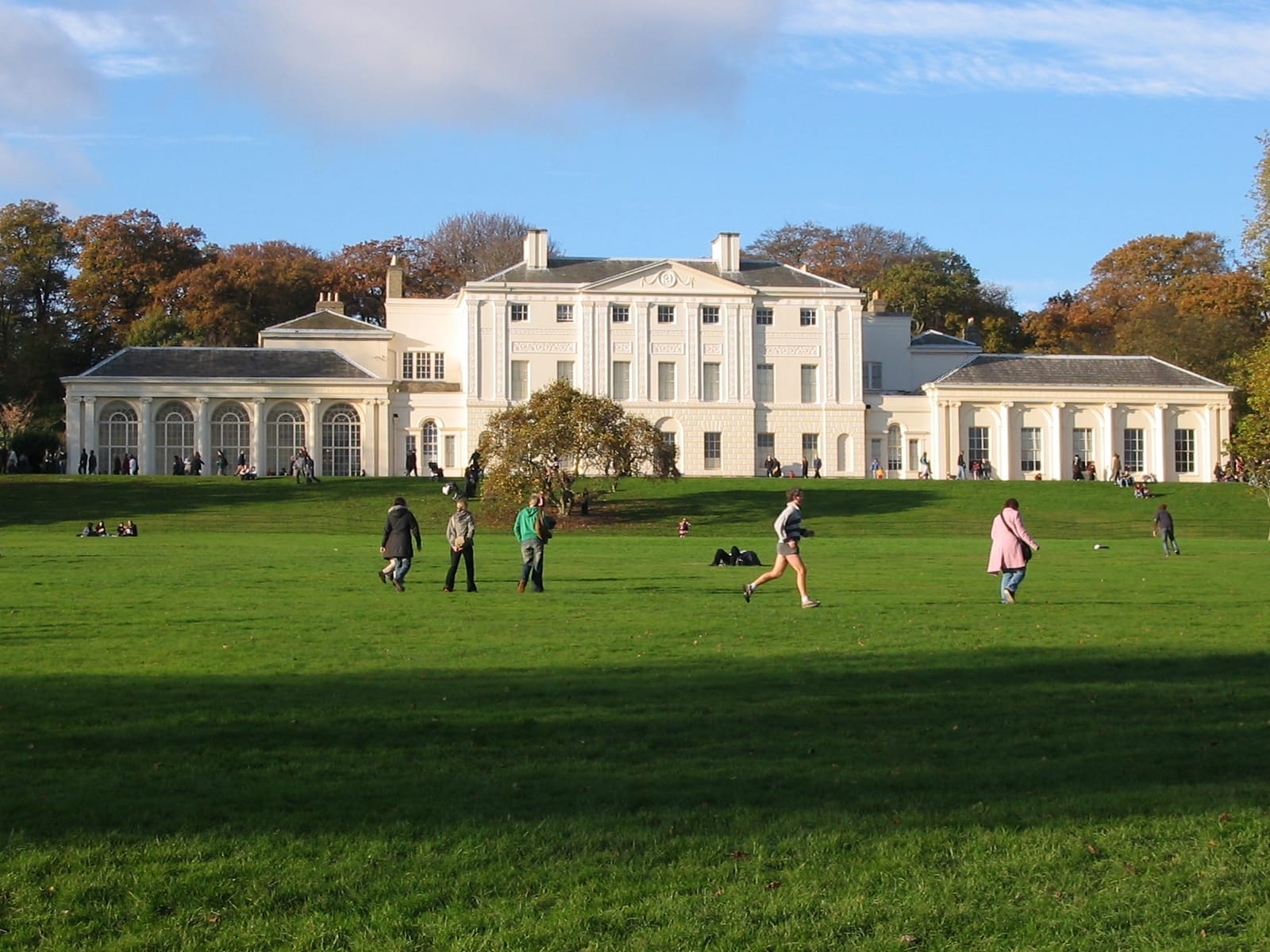
Kenwood House is a Grade I listed neo-classical villa managed by English Heritage, sitting at the northern boundary of Hampstead Heath. Free to enter year-round, it combines one of the most underrated Old Master art collections in Britain with sweeping landscaped grounds that open straight onto the heath. For a city that charges premium prices at most major attractions, Kenwood is a genuine outlier.
The house you see today is largely the work of architect Robert Adam, who undertook a comprehensive remodelling from the 1760s onward for William Murray, the first Earl of Mansfield. Adam's library on the first floor, with its barrel-vaulted ceiling and apricot and blue colour scheme, is considered one of his finest interiors anywhere in England. The exterior presents a composed, white-painted stucco face to the south lawn, framed by old oaks and a view down to a still ornamental lake.
💡 Local tip
Kenwood is free every day — no booking required for standard visits. Arrive before 11:00 on weekdays to have the rooms almost to yourself.
The Iveagh Bequest: A World-Class Collection in a Quiet Room
The art here arrived largely through a single act of extraordinary generosity. Edward Cecil Guinness, the first Earl of Iveagh, purchased Kenwood in 1925 and bequeathed it to the nation along with his collection of paintings upon his death in 1927. The result is a group of around 60 works displayed in the house's principal rooms, and the quality is consistently astonishing.
Rembrandt's Self-Portrait with Two Circles, hanging in the dining room, is widely regarded as one of the greatest self-portraits in Western art. Painted in the late 1660s when the artist was in his sixties, it has a raw, searching quality that reproductions consistently fail to capture. The scale is also surprising — larger than many visitors expect — and the texture of the impasto brushwork is visible from a normal viewing distance. Stand with it for five minutes and you understand why scholars still write entire books about it.
Vermeer's The Guitar Player is the only Vermeer in a publicly accessible London collection and one of only 36 or so paintings definitively attributed to him in the world. It hangs near natural light, which helps convey the luminous stillness Vermeer achieved through his distinctive use of lead white and lapis lazuli. Other highlights include portraits by Thomas Gainsborough, several Reynolds canvases, and a Turner seascape. The rooms are small enough that these works never feel institutional — they feel like visiting a private house where someone happened to have very good taste.
For context on how Kenwood's collection compares with London's other great galleries, the best museums in London guide covers both free and paid options across the city.
Tickets & tours
Hand-picked options from our booking partner. Prices are indicative; availability and final rates are confirmed when you complete your booking.
Guided tour inside Westminster Abbey and outside the Houses of Parliament
From 103 €Instant confirmationFree cancellationHouses of Parliament and Westminster Abbey guided tour
From 149 €Instant confirmationFree cancellationLondon Main Sights Guided Tour with Visit to The Houses of Parliament
From 110 €Instant confirmationFree cancellationHouses of Parliament and Westminster Walking Tour
From 110 €Instant confirmationFree cancellation
The Architecture and Interiors: What to Look For
Robert Adam's interior rooms are the structural centrepiece of any visit. The library is the obvious showpiece, but spend time in the upper landing corridor where Adam's decorative plasterwork shifts in colour and tone as daylight moves through the windows. The entrance hall's geometry, with its screen of Ionic columns and ornate ceiling panels, sets the mood before you reach a single painting.
The service wing to the east contains the Coach House, now converted into the café and a small exhibition space. The contrast between Adam's polished neoclassicism and this more utilitarian end of the estate is itself interesting. English Heritage has managed the restoration carefully, avoiding the sanitised perfection that can drain character from historic houses. Floors creak in the right places, and the windows retain some of their original sash weight mechanisms.
ℹ️ Good to know
House hours: 10:00–17:00 daily. Closed Christmas Day. The grounds and café keep separate seasonal hours — check the English Heritage website before visiting in winter.
The Grounds: When the Landscape Is the Main Event
Even visitors with no particular interest in interiors come to Kenwood for the grounds. The formal south lawn slopes down to an ornamental lake — actually two linked ponds separated by a sham bridge designed for visual effect rather than practical crossing. The surrounding woodland is old and largely unmanaged, with mature beech, oak, and hornbeam trees creating a canopy that is spectacular in autumn and peaceful in summer.
The grounds connect directly to Hampstead Heath, which means a visit to Kenwood can be the starting or ending point of a much longer walk. The heath rises to around 134 metres above sea level at its highest point — Parliament Hill — offering views across central London on clear days. In summer, the area around Kenwood's lawn fills with picnickers from mid-morning onward, and the atmosphere is relaxed rather than touristy. Dogs are everywhere, which is either charming or mildly chaotic depending on your perspective.
Kenwood's grounds sit at the edge of one of north London's most rewarding walking areas. The Hampstead Heath guide has detailed route suggestions for combining both in a single half-day outing.
In summer evenings, Heritage Live concerts are held on the south lawn, with audiences seated on the grass facing a stage backed by the house and lake. These are a separate ticketed event — popular enough to book weeks in advance for headline acts. If you're visiting London in July or August, checking the concert programme is worthwhile.
Visiting at Different Times: How the Experience Changes
Early weekday mornings, particularly in spring and autumn, are when Kenwood is at its least crowded. The house rooms are quiet enough to study paintings without shuffling around other visitors, and the grounds have a dewy, unhurried quality before the dog-walking traffic peaks around 09:30.
Weekend afternoons between May and September bring noticeably more visitors to the grounds, though the house itself rarely feels packed — it is simply not on most tourist itineraries, which is part of its appeal. The café gets busy around lunchtime, and outdoor seating on the terrace facing the lawn fills quickly on warm days. If you plan to eat, arriving before noon or after 14:00 avoids the worst of the queue.
Winter visits have their own character. With the trees bare, the architecture of the house reads more clearly against the skyline, and the grounds take on a stark, almost monochrome quality that suits the painterly atmosphere of the collection inside. The shorter opening hours (closing at 16:00) mean planning accordingly, but crowds are minimal.
⚠️ What to skip
Kenwood's grounds can be muddy after rain, particularly on the paths through the woodland area. Sturdy footwear is useful between October and March — the manicured lawn around the house is fine, but the heath-adjacent trails are a different matter.
Getting to Kenwood: Practical Transport Details
Kenwood is not on a Tube line, which partly explains why it remains less visited than it deserves. The most reliable public transport route is the TfL bus 210, which stops near the house and runs between Brent Cross Shopping Centre and Finsbury Park, serving both Golders Green Underground station (Northern line) and Archway Underground station (Northern line) en route. The journey from Golders Green takes around 10 minutes; from Archway, slightly longer. The Overground stations at Gospel Oak and Hampstead Heath are also viable starting points for those willing to walk across the heath — around 30 minutes on foot depending on your route.
Driving is possible, but parking on site is available only during opening hours, closes each evening, and a fee applies (free for English Heritage members). There are five designated Blue Badge spaces, and Blue Badge holders park free of charge. Given the reliable bus connection, most visitors find public transport more practical than driving.
If you're planning a longer day out in north London, the Hampstead neighbourhood guide covers the surrounding village, its cafés, and other attractions within walking distance.
Photography and Practical Notes
Photography in the grounds is unrestricted. Inside the house, English Heritage allows photography for personal use in most rooms, though flash and tripods are not permitted. The best exterior photography angles are from the south lawn looking back toward the house, particularly in morning light when the white facade catches the low sun. The ornamental lake with the house reflected in it photographs well on calm days; midday light in summer creates strong reflections.
Families are well accommodated. The grounds give children space to run without the constraints of a museum environment, and the interiors are calm enough for older children with some interest in art or history. There is no dedicated children's programme on standard visiting days, but English Heritage runs periodic family events — check the website before visiting if this is a priority.
Kenwood fits naturally into a wider day of free London attractions. The free things to do in London guide lists comparable no-cost options across different parts of the city.
Insider Tips
- The Rembrandt self-portrait hangs in the dining room on the ground floor, not in the main gallery space upstairs. First-time visitors sometimes miss it entirely — head right from the entrance hall before going up.
- The Coach House café sells decent coffee and light lunches, but the outdoor terrace tables are first-come, first-served. On sunny weekends, grab a table immediately and then order, rather than joining the queue and hoping to find seating afterward.
- Heritage Live summer concerts use the south lawn and sell out quickly for popular acts. Booking opens months in advance — check the Heritage Live website in early spring if you want to combine an evening concert with a Kenwood visit.
- The bus 210 can run infrequently outside peak hours. Check live TfL departure times before leaving the house rather than assuming a regular service — gaps of 20–30 minutes are common in the afternoon.
- If you walk from Hampstead village, the path through the vale of the heath passing the bathing ponds is the most scenic approach and takes around 25 minutes at a relaxed pace. It adds genuine context to the landscape paintings inside.
Who Is Kenwood House For?
- Art enthusiasts wanting to see major Old Masters without crowds or entry fees
- Walkers combining Hampstead Heath with an indoor cultural stop
- Visitors interested in 18th-century British architecture and interior design
- Families with children who need outdoor space alongside some cultural content
- Photographers looking for classically composed English landscape and architectural subjects
Nearby Attractions
Other things to see while in Hampstead & Highgate:
- Freud Museum London
The Freud Museum London preserves the Hampstead house where Sigmund Freud spent the last year of his life after fleeing Nazi-occupied Vienna in 1938. His original consulting room, the iconic couch, and thousands of antiquities remain exactly as he left them, making this one of London's most quietly extraordinary house museums.
- Hampstead Heath
Hampstead Heath is a vast, ancient heathland rising above north London, offering panoramic skyline views, outdoor swimming ponds, old-growth woodland, and open grassland — all free to enter and roughly 30–45 minutes from central London. It is one of the few places in the city where you can lose yourself in landscape that feels uncurated and unhurried.
- Highgate Cemetery
Opened in 1839 as one of London's 'Magnificent Seven' cemeteries, Highgate Cemetery combines Gothic Victorian architecture, overgrown woodland, and the graves of some of history's most recognisable figures. The East Cemetery is open to independent visitors; the wilder West Cemetery requires a guided tour booked in advance.