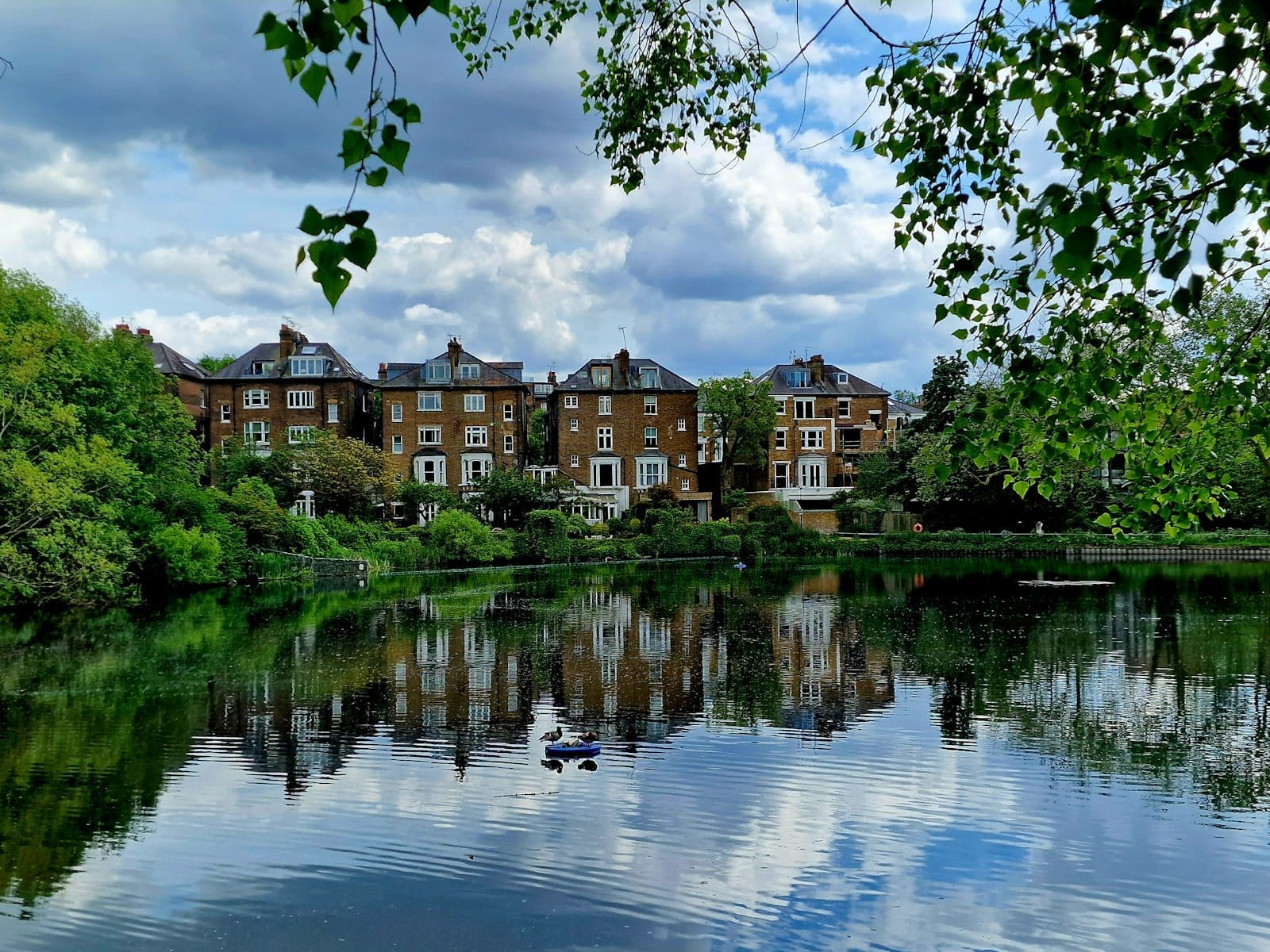
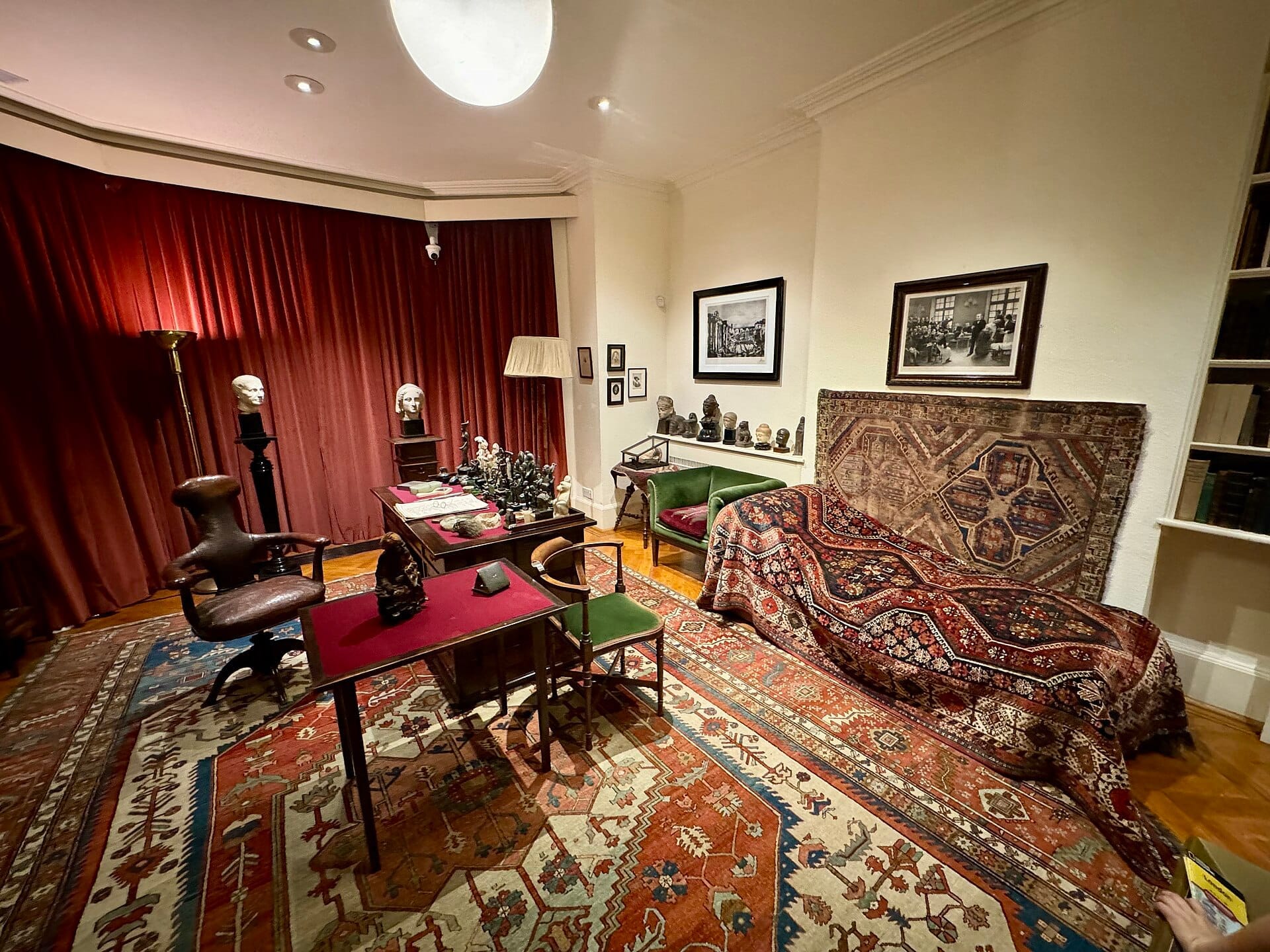
Hampstead and Highgate sit on London's northern heights, offering a rare combination of historic heathland, Georgian architecture, and easy access to the city centre. These two hilltop villages feel removed from the urban grind below, yet Hampstead Underground station puts the West End just fifteen minutes away. Between them lies Hampstead Heath, one of the largest and wildest open spaces within any major European capital.
Perched on the northern heights of London, Hampstead and Highgate are two distinct hilltop villages separated by a vast sweep of ancient heath. Where most of inner London is flat, dense, and decidedly urban, these neighbourhoods sit above it all — literally, at up to about 134 metres above sea level — with period architecture, independent bookshops, and unbroken views stretching south across the city skyline.
Orientation
Hampstead and Highgate occupy the northern heights of inner London, roughly 4 miles (about 6–6.5 km) northwest of central London as the crow flies. Both sit within the London Borough of Camden, though the eastern fringe of Highgate crosses into the London Borough of Haringey — the borough boundary actually runs along part of Highgate High Street, a quirk that shapes everything from local politics to bin collection.
The two villages are not the same place, and first-time visitors often conflate them. Hampstead sits to the west, centred on Hampstead High Street and Flask Walk, with the Underground station at its lower edge. Highgate is to the east, perched above Archway Road (the A1), with its own distinct high street and a more residential, quieter character. Between them, Hampstead Heath — managed by the City of London Corporation — acts as both a physical separator and a shared green lung. Walking from Hampstead Underground station across the Heath to Highgate Underground station takes roughly 45 minutes at a comfortable pace.
The broader constituency of Hampstead and Highgate extends further than just these two villages. It sweeps south through Belsize Park, Swiss Cottage, West Hampstead, South Hampstead, and Gospel Oak — each with their own character and price points. For the purposes of this guide, the focus stays on Hampstead village itself and Highgate village, the two areas most relevant to visitors. To the south and east, Camden Town provides a sharper urban contrast, while Muswell Hill lies just beyond Highgate to the northeast.
Character & Atmosphere
Hampstead village on a weekday morning has a quality rare in London: genuine quiet. The streets around Flask Walk and New End narrow to cobbled lanes. Georgian terraces, many listed, line the slopes. Independent cafés begin pulling espresso shots around 7am, and the early light catches the brick and stucco in a way that makes the neighbourhood look like it belongs on a film set — which, in a sense, it does, having appeared in countless period productions. Dog walkers stream uphill toward the Heath from around 6:30am, a reliable signal of how embedded green space is in daily life here.
By mid-morning on weekends, the mood shifts. Hampstead High Street fills with visitors drawn by the village's reputation, and the queue outside certain cafés spills onto the pavement. This is not a neighbourhood that hides — its proximity to the Tube makes it accessible, and its beauty makes it popular. Expect crowds at Parliament Hill and around the lido on warm summer Saturdays. The Heath itself is large enough to absorb most of this traffic: walk twenty minutes north of Parliament Hill toward Kenwood and the crowds thin considerably.
Highgate has a different rhythm. Its high street — a single spine of Georgian and Victorian buildings running through what was once a tollgate on the Great North Road — sees fewer day-trippers and more locals. The Highgate Literary and Scientific Institution, founded in 1839, still runs lectures and events for residents. Waterlow Park, tucked behind the cemetery, is used almost entirely by people who live nearby. Highgate feels like a place people have chosen to stay in, rather than pass through — which may explain why it has attracted writers, academics, and artists for centuries.
After dark, both villages are calm by London standards. Hampstead has a handful of reliable pubs — the Flask and the Holly Bush among them — that fill on Friday and Saturday evenings without ever becoming rowdy. Highgate's pub scene is similarly measured. Neither neighbourhood has a nightlife strip. The streets are well-lit, residential, and generally considered safe, though the Heath itself should be treated with the same awareness you would apply to any large urban park after dark.
ℹ️ Good to know
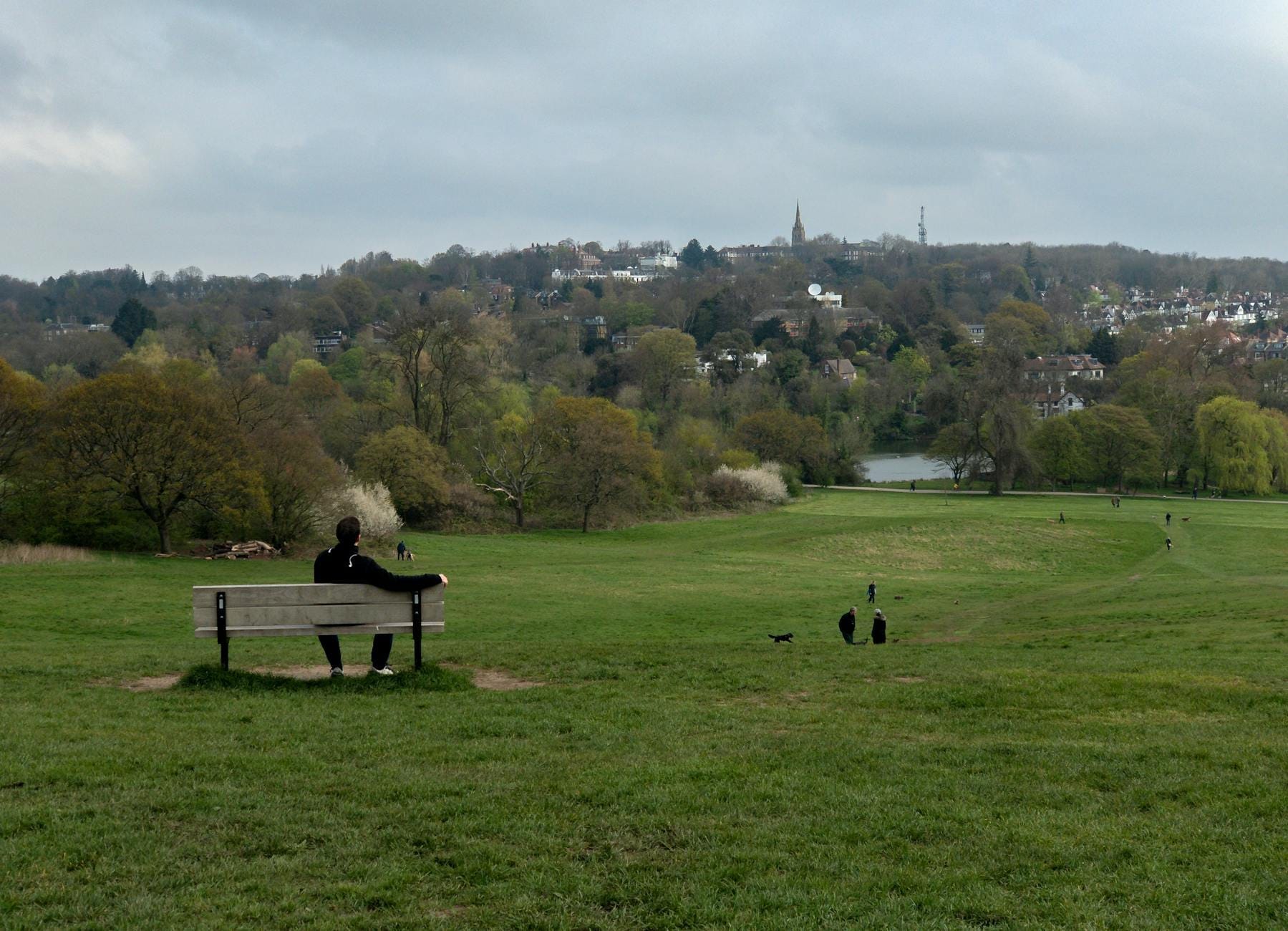
Hampstead Heath rises to approximately 134 metres above sea level — one of the higher points in inner London. On clear days, the view from Parliament Hill stretches south across the entire city skyline, from the Shard to the towers of Canary Wharf.
What to See & Do
Hampstead Heath is the central reason most people make the trip north. Ancient in character — the land has been common ground for centuries — the Heath covers around 320 hectares of woodland, grassland, and ponds, including the separately managed Parliament Hill Fields and Golders Hill Park. Parliament Hill on the southern edge provides one of the finest panoramic views in London. The Kenwood estate at the northern end combines a formal English landscape garden with open grassland. In summer, open-air concerts are often held on or near the Kenwood lakeside, a tradition that draws large picnic crowds to the grass slopes when events run.
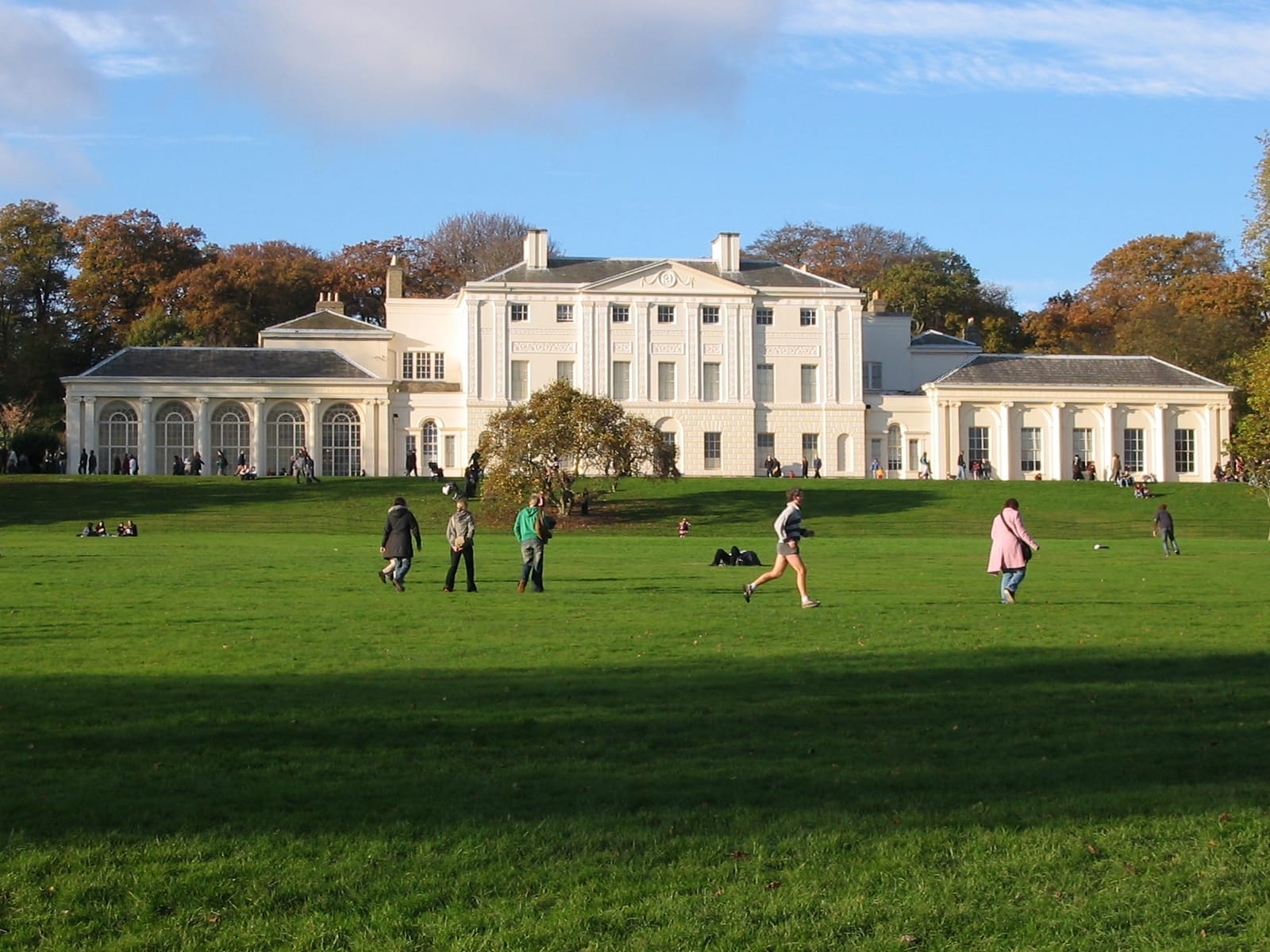
At the northern edge of the Heath sits Kenwood House, a neoclassical mansion remodelled by Robert Adam in the 18th century and now managed by English Heritage. Entry to the house and its grounds is free. The collection inside includes works by Rembrandt, Vermeer, and Turner. The café in the converted outbuildings makes it worth timing your Heath walk to arrive here for lunch.
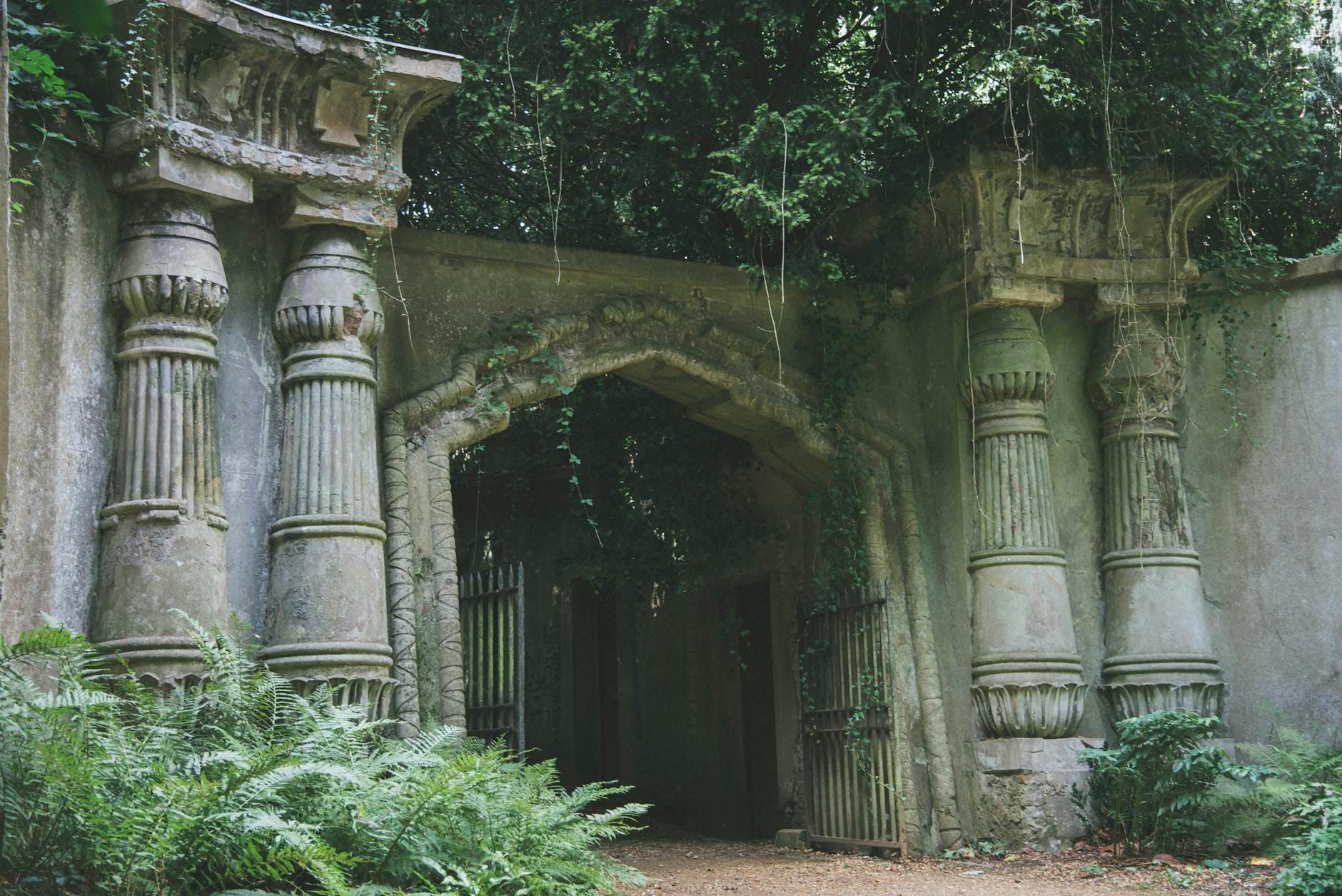
Highgate Cemetery is one of London's most distinctive sites. The West Cemetery, with its Egyptian Avenue, the Circle of Lebanon, and its dense Victorian funerary architecture, is accessible only via a paid guided tour. The East Cemetery — resting place of Karl Marx, whose tomb draws visitors from around the world — can be visited independently for a small admission fee. The cemetery sits on the southern slope of Highgate Hill, and the combination of Victorian gothic monuments and mature woodland makes it atmospheric at any time of year.
Waterlow Park, directly adjacent to the cemetery, is a tiered Victorian park with ponds, a café, and good views south. It sees almost no tourist traffic despite being excellent. The park was donated to the public by Sir Sydney Waterlow in 1889 (formally opened as a public park in 1891), and the inscription above the gate — 'a garden for the gardenless' — has not lost its resonance.
For swimmers, the Heath's mixed, men's, and women's ponds are open to cold‑water swimmers year-round — including in winter, when cold-water swimming here has a devoted following. Hampstead HeathHampstead Heath also has a lido (Parliament Hill Lido) that operates as a standard outdoor pool in summer. Both the ponds and the lido are managed by the City of London Corporation.
Kenwood House: free entry, important art collection, café, occasional lakeside concert ground
Highgate Cemetery: Victorian gothic architecture, Karl Marx grave, guided West Cemetery tours
Parliament Hill: panoramic London views, kite-flying spot, accessible from Hampstead or Gospel Oak
Waterlow Park: undervisited Victorian park beside the cemetery
Hampstead Heath ponds: year-round wild swimming in single-sex and mixed ponds
Parliament Hill Lido: classic outdoor pool, open in summer
Highgate Literary and Scientific Institution: lectures, events, and a library dating to 1839
Flask Walk and Well Walk: Hampstead's most characterful streets, lined with period houses and independent shops
💡 Local tip
The best walk in this part of London connects the two villages: start at Hampstead Underground station, walk north through the Heath to Kenwood House for a coffee, then descend via Hampstead Lane and Highgate West Hill or through Highgate Wood to Highgate High Street. Allow two to three hours. Finish at Highgate Underground station for the return.
Eating & Drinking
Hampstead's food scene reflects its demographics: affluent, educated, and with strong opinions about quality. The independent café culture is well developed — you will not struggle to find a good flat white and a pastry on Flask Walk or Heath Street. The standard is consistently high precisely because the neighbourhood has never been dominated by chain hospitality. A few chains exist on the high street, but independent operators are the norm.
For lunch or dinner, Hampstead offers a range that leans toward European — Italian, French, Mediterranean — with some standout modern British options. Prices are firmly at the upper end of casual dining; expect to spend £15-25 per main course at a sit-down restaurant. The gastropub format suits the neighbourhood well, and several pubs here serve good food alongside their ales. The Holly Bush, tucked up a steep alley off Heath Street, is one of the more characterful pubs in all of north London: a Grade II listed building with fires in winter and a garden in summer.
Highgate High Street has a smaller but well-curated selection: a deli, a couple of cafés, a wine bar, and a few reliable restaurants covering Italian and modern European cooking. The Gatehouse pub at the top of North Hill is worth knowing for its theatre programme as much as its beer selection.
For self-catering or picnic supplies before heading onto the Heath, Hampstead has excellent independent food shops, including a good cheese shop and a bakery. The Saturday Hampstead Farmers' Market at the bottom of Hampstead High Street stocks locally produced bread, cheese, and seasonal vegetables. Bringing a blanket and eating lunch on Parliament Hill overlooking London is one of those experiences that justifies the journey north entirely.
⚠️ What to skip
Dining in Hampstead is not budget-friendly. Expect to pay noticeably more here than in central London equivalents. If cost is a concern, self-catering for a Heath picnic is a far better use of your money than eating at a mediocre restaurant on the high street.
Getting There & Around
Hampstead is served by Hampstead Underground station on the Northern line (Edgware branch). It is one of the deepest stations on the network — the lifts descend about 55 metres — and there are no escalators, which is worth knowing if you have heavy luggage or mobility concerns. From Hampstead station, the journey to Tottenham Court Road takes around 10–12 minutes, and to Bank in the City around 20 minutes. Belsize Park station (also Northern line) is the next stop south and sits at a more manageable depth, providing an alternative entry point for those approaching from the south.
Highgate is served by Highgate Underground station, also on the Northern line (High Barnet branch). It sits at the bottom of Highgate Hill, roughly a 10-15 minute walk uphill to the village centre via Highgate High Street. The Northern line connects Highgate directly to the West End and the City. Archway station, one stop south, provides an alternative entry point via the A1 Archway Road. For wider context on navigating London's public transport, see the guide to getting around London.
London Overground serves Gospel Oak station on the southern edge of Hampstead Heath, providing a useful orbital connection to places like Hackney and Dalston without needing to travel through central London. Hampstead Heath Overground station (on the same line, now running services beyond Barking) sits on the eastern side of the Heath near the ponds, giving walkers an alternative start or finish point.
Buses connect both villages to Camden Town, Archway, and Kentish Town. The C11 bus links Hampstead to Brent Cross and to the Overground network at West Hampstead. Driving is possible but parking in Hampstead village is extremely limited — the streets are narrow, residents' bays are prevalent, and weekend congestion on Heath Street and Hampstead High Street can make the car a frustrating choice. The area is designed to be accessed on foot and by Tube.
Between the two villages, the walk across Hampstead Heath is the preferred and most rewarding option. The main path from Hampstead Gate near the station crosses Parliament Hill and continues north toward Kenwood, from where Highgate West Hill descends into Highgate village. Allow 40-50 minutes walking at a moderate pace, longer if you stop at the viewpoints.
Where to Stay
Neither Hampstead nor Highgate is a hotel district in the conventional sense. There are no large chain hotels in either village, which is both their limitation and their appeal. Accommodation here consists primarily of boutique hotels, B&Bs, and self-catering apartments. For visitors who want a quieter, more residential London experience away from the tourist core, this suits perfectly. For those who want to be within walking distance of multiple major attractions, the Tube journey to the centre adds time that some find frustrating. For a broader overview of where to base yourself in London, the where to stay in London guide covers the trade-offs across all neighbourhoods.
The most practical base within the area is Hampstead village itself, where the Underground gives the fastest connection to central London. Belsize Park, one stop south, offers a wider selection of serviced apartments and smaller hotels at slightly lower price points while still feeling firmly within the Hampstead orbit. West Hampstead, two stops south on the Overground and served by both the Jubilee line and Thameslink, has more hotel stock and is worth considering for visitors who want the green, residential character of north London without committing to the premium of Hampstead village prices.
Highgate has very little formal accommodation. Self-catering apartments appear occasionally on booking platforms, and the surrounding residential streets of Crouch End and Muswell Hill offer more options, but neither is well-connected by Underground. As a base for first-time London visitors, Highgate is a harder sell than Hampstead.
Honest Drawbacks
Hampstead and Highgate are beautiful. They are also expensive and, on sunny weekends, crowded. Flask Walk and the areas around the Heath entry points on warm Saturdays in July and August can feel like a bottleneck: too many people converging on a limited number of paths and cafés. The neighbourhood handles this better than some — the Heath is large — but the village streets themselves do not absorb crowds gracefully.
The depth of Hampstead Underground station is a real inconvenience for anyone with mobility issues, heavy luggage, or a pushchair. The lifts are functional but old. There are no escalators. In the event of a lift failure, the spiral staircase of around 320 steps is the only alternative.
Highgate, while lovely, requires a walk uphill from its Tube station that many visitors underestimate. The hill is steep enough to be tiring with luggage. Highgate is best visited as a half-day excursion rather than a base, unless you are specifically drawn to the residential village character.
Finally, if your priority is density of major attractions within walking distance, Hampstead and Highgate are the wrong choice. Kenwood House and Highgate Cemetery are excellent, but they are not the British Museum or the Tate Modern. For first-time visitors on a short trip, the 3-day London itinerary may help clarify whether a half-day excursion here fits your schedule better than an overnight stay.
TL;DR
Best for: Walkers, nature lovers, architecture enthusiasts, and anyone wanting to experience a quieter, residential side of London far removed from the tourist circuit.
Key attractions: Hampstead Heath (including Parliament Hill viewpoint and swimming ponds), Kenwood House (free entry, strong art collection), Highgate Cemetery, and Waterlow Park.
Transit: Hampstead station (Northern line, very deep) for Hampstead village; Highgate station (Northern line) for Highgate village. Gospel Oak and Hampstead Heath stations on the Overground serve the southern and eastern edges of the Heath.
Honest caveat: Expensive to eat and drink, crowded on warm weekends, and not the right base for first-time visitors who want to cover central London's major sights efficiently.
Day trip vs overnight: Works perfectly as a half-day or full-day excursion from central London. Staying overnight makes sense only for visitors who specifically want a quiet, residential north London experience over easy access to the major museums and landmarks.
Afternoon tea in London ranges from grand hotel rituals at £95 per person to relaxed neighbourhood spreads under £50. This guide covers the top venues across every budget, how to book, what to wear, and which hyped spots are actually worth it.
London has more world-class museums than almost any city on Earth, and the majority are free. This guide covers the essential institutions across art, history, science, design, and beyond, helping you plan your visits with confidence.
London has more parkland per capita than almost any major world city, and its eight Royal Parks alone cover just under 4,900 acres of public green space. This guide covers the finest parks across the city, from the grand central Royal Parks to wilder escapes on the edges of Greater London.
London rewards visitors in every season, but the experience shifts dramatically depending on when you go. This guide breaks down crowd levels, weather, prices, and key events month by month so you can plan a trip that matches exactly what you want from the city.
London's skyline is one of the world's great visual spectacles, mixing centuries-old domes with glass towers and royal parks. This guide covers the best places to see it all — free rooftop gardens, paid observation decks, hilltop parks, and river vantage points that reward at any time of day.
London is perfectly placed for world-class day trips. Whether you want a Tudor palace on the Thames, a city of dreaming spires, or a prehistoric stone circle, all of it is within two hours. This guide covers the best options, how to get there, and what to prioritise.
London is one of the world's great free cities. From world-class museums and contemporary art galleries to royal parks, iconic walks, and spectacular viewpoints, this guide covers the best experiences in London that are completely free to enjoy.
London has one of the most comprehensive urban transport networks in the world, covering 9 million residents across 1,572 km² of Greater London. This guide breaks down every option, from the Tube to river buses, with fare details, airport transfer routes, and insider tips to save time and money.
London gave the Wizarding World its real-world addresses, from the glass-roofed arcade that stood in for Diagon Alley to the Islington townhouses of Grimmauld Place. This guide covers every major filming location, the Warner Bros. Studio Tour, how to get there, and what to skip — with practical advice on crowds, costs, and what each spot actually looks like in person.
London has six airports, and choosing the wrong one can add hours and serious cost to your journey. This guide breaks down Heathrow, Gatwick, Stansted, Luton, City, and Southend with practical advice on every transport option, realistic fares, and which airport actually suits your trip.
London's food scene is one of the most diverse and underrated in the world. This guide cuts through the noise to tell you what to actually eat, which neighbourhoods to target, what things cost, and how to avoid the tourist traps.
London is one of the world's great cities, spanning 1,572 km² across 32 boroughs with 9.1 million residents and over 300 languages spoken. This guide covers everything a first-time visitor needs: how to get in, how to get around, which neighborhoods to prioritize, what to book in advance, and the practical details that make the difference between a stressful trip and a great one.
London rewards those who look beyond the headline attractions. From ruined churches turned secret gardens to world-class free museums tucked down side streets, these are the places locals love and most visitors miss entirely.
London's hop-on hop-off buses are everywhere, but are they the smartest way to see the city? This guide breaks down the main operators, what you get for your money, who benefits most, and when to skip the pass entirely.
December transforms London into one of Europe's most atmospheric winter destinations. From Hyde Park Winter Wonderland to the South Bank's riverside market stalls, this guide covers everything you need to plan a memorable Christmas visit, including what to skip, what to book in advance, and how to get around without the crowds.
Summer in London runs from late June through August and delivers a different city: long daylight hours, royal parks at their peak, and a packed calendar of festivals, sporting events, and outdoor culture. This guide covers what to expect, what to book in advance, and what to skip.
Three days in London is enough to cover the essential sights, explore a couple of neighbourhoods, and get a real feel for the city. This itinerary is built around practical logistics, clear priorities, and current ticket prices so you can spend less time planning and more time exploring.
Five days in London is enough to cover the iconic landmarks, explore distinct neighbourhoods, and still have time to eat and drink well. This day-by-day guide cuts through the noise with specific recommendations, realistic timings, and practical advice on what is worth your time.
London's market scene spans 1,000-year-old food halls, world-famous antiques rows, and creative street markets under Victorian ironwork. This guide covers the best across every category, with practical tips on when to go and what to expect.
London's nightlife spans everything from underground warehouse raves in Greenwich to velvet-rope cocktail bars in Mayfair. This guide breaks down the best areas, top clubs, practical costs, and the timing tricks that separate a great night from an expensive disappointment.
London has a reputation for expense, but a well-planned trip can be surprisingly affordable. From world-class free museums to discount West End seats and Oyster card tricks, this guide covers every practical angle for stretching your pounds in one of Europe's great capitals.
The London Pass promises access to 100+ attractions for a flat daily fee. But does it actually save you money? This guide breaks down the real costs, the best use cases, and who should skip it entirely.
The River Thames is the backbone of London, stretching 215 miles through southern England and shaping the city's history, skyline, and daily life. This guide covers sightseeing cruises, the Thames Path, riverside eating and drinking, water sports, and the key landmarks you'll pass along the way, with practical advice on what's worth your time and what to skip.
London is a remarkably safe city for its size, but petty theft and tourist-targeted scams are real risks. This guide covers the most common threats, where they happen, and exactly what to do to protect yourself and your belongings.
London's shopping scene spans everything from 300-store Oxford Street to Sunday flower markets in the East End. This guide covers the best streets, markets, and stores by category, with practical advice on timing, crowds, and where your money actually goes furthest.
Getting from London to Amsterdam is one of Europe's most popular city-to-city trips. This guide breaks down every option — Eurostar, budget flights, overnight ferry, and long-distance coach — with realistic journey times, current price ranges, and advice on which suits your trip.
Covering every way to travel between London and Edinburgh, this guide breaks down real journey times, current price ranges, and which option makes sense depending on your budget, schedule and priorities. The answer is not always what you expect.
There are three realistic ways to get from London to Paris: the Eurostar train, a short-haul flight, or an overnight coach. This guide breaks down journey times, realistic fares, booking strategy, and the practical details that trip-planning sites usually skip.
London rewards walkers more than almost any other city. From the medieval lanes of the Square Mile to the riverbanks of the South Bank, the best way to understand this city is on foot. This guide covers guided group tours, official City of London walks, tip-based 'free' options, and self-guided routes, with practical advice on pricing, booking, and when to show up.
London is one of the world's great family destinations, with free world-class museums, royal parks, river adventures, and enough child-friendly attractions to fill a week. This guide cuts through the noise with practical advice on what's worth booking in advance, what's actually free, and how to keep the whole family sane on the Tube.
From Mayfair's grand hotels to Knightsbridge's world-class restaurants and private cultural experiences, this guide covers everything you need to plan a high-end stay in London. Expect specific neighbourhood advice, booking strategies, and clear assessments of where the money is well spent.
London is one of the world's great photography cities, with iconic landmarks, colourful streets, and unexpected architectural gems around every corner. This guide covers the 20 most photogenic spots, from the obvious classics to the lesser-known spaces that will make your feed stand out.
Notting Hill Carnival is Europe's largest street festival, drawing over a million visitors to west London every August Bank Holiday weekend. This guide covers the 2026 schedule, the full route, how to get there, what to eat, and what to expect on each day.
Open House Festival is London's annual architecture celebration, opening over 800 buildings, tours, and talks across all 33 boroughs — most of them free. This guide covers dates, booking strategy, neighbourhood planning, and which events fill up fastest.
London rewards couples who know where to look. This guide covers the most romantic experiences in the city — from sunset river cruises and West End theatre to free viewpoints and atmospheric parks — with practical advice on what's worth the price and what you can enjoy for nothing.
From the Ceremony of the Keys at the Tower of London to the summer opening of Buckingham Palace's State Rooms, London's royal sites are more accessible than most visitors realize. This guide covers what to see, when to go, what to book in advance, and what to skip.
London rewards visitors who go beyond the obvious. This guide covers the best things to do in London across culture, history, food, and neighbourhoods, with practical tips on what's worth your time, what to skip, and how to do it all without overpaying.
London's West End is one of the world's great theatre destinations, with around 40 major venues and over 17 million audience visits a year. This guide covers everything from buying tickets and finding discounts to getting there, picking the right seat, and knowing what to expect on the night.
Choosing where to stay in London shapes your entire trip. This guide breaks down the city's best neighbourhoods by location, transport access, price range, and atmosphere, so you can book with confidence rather than guesswork.
Getting into Wimbledon is more accessible than most people think — if you know the system. This guide covers every official ticket route, real price ranges, The Queue strategy, and practical tips for making the most of your day at the world's most famous tennis tournament.